


|
|
Free Online FOOD for MIND & HUNGER - DO GOOD 😊 PURIFY MIND.To live like free birds 🐦 🦢 🦅 grow fruits 🍍 🍊 🥑 🥭 🍇 🍌 🍎 🍉 🍒 🍑 🥝 vegetables 🥦 🥕 🥗 🥬 🥔 🍆 🥜 🎃 🫑 🍅🍜 🧅 🍄 🍝 🥗 🥒 🌽 🍏 🫑 🌳 🍓 🍊 🥥 🌵 🍈 🌰 🇧🇧 🫐 🍅 🍐 🫒Plants 🌱in pots 🪴 along with Meditative Mindful Swimming 🏊♂️ to Attain NIBBĀNA the Eternal Bliss.
Kushinara NIBBĀNA Bhumi Pagoda White Home, Puniya Bhumi Bengaluru, Prabuddha Bharat International.
01/24/23
Filed under: General, Theravada Tipitaka , Plant raw Vegan Broccoli, peppers, cucumbers, carrots
Posted by: site admin @ 3:39 am
Posted by: site admin @ 3:39 am
Lesson 4688 Tue 24 Jan 2023
ETERNAL,GLORIFIED,FRIENDLY,BENEVOLENT,COMPASSIONATE EMPOWERED JAMBUDIPA UNIVERSE
quantum universe GIF
NOW IS ALL THAT YOU HAVE
DO GOOD PURIFY MIND
This is for BODY
Wise,Intelligent
people of All Major religions in the world of
ETERNAL,GLORIFIED,FRIENDLY,BENEVOLENT,COMPASSIONATE EMPOWERED JAMBUDIPA UNIVERSE
grows vegetables 🥕 🥗 🥬 🥔 🍆 🥜 🎃 🫑 🍅 🧅 🍄 🥗 🥒🌽 🥥 🌵 🍈 &
Fruits 🍍 🍊 🥑 🥭 🍇 🍌 🍎 🍉 🍒 🍑 🥝 Plants 🌱in pots 🪴 which tastes the same for all including haters to live
like free birds 🦅 to overcome Hunger on Good Earth and SPACE.
After
getting up at 3:45 AM take bath🧼 and do Buddhists Patanjali Yogic
Meditation inhaling and exhaling in all positions of the body.
Do Meditative Mindful Swimming from 5 am to 6:30 AM
This is for MIND
We were in
ETERNAL,GLORIFIED,FRIENDLY,BENEVOLENT,COMPASSIONATE EMPOWERED JAMBUDIPA
We are in
ETERNAL,GLORIFIED,FRIENDLY,BENEVOLENT,COMPASSIONATE EMPOWERED JAMBUDIPA
We continue to be in
ETERNAL,GLORIFIED,FRIENDLY,BENEVOLENT,COMPASSIONATE EMPOWERED JAMBUDIPA
Luxury white glass monk phra buddha sleeping meditation for pray concentration composed release. colorful background.
Lord Buddha🙏🏻❤️ 💫ॐ…..z❤️NSpiceC🌶🦋08April2019~*💕 ⭐️
34) Classical ETERNAL AND GLORIFIED FRIENDLY BENEVOLENT COMPASSIONATE English,Roman,
ETERNAL,GLORIFIED,FRIENDLY,BENEVOLENT,COMPASSIONATE EMPOWERED JAMBUDIPA UNIVERSE
NOW IS ALL THAT YOU HAVE
DO GOOD PURIFY MIND
This is for BODY
Wise,Intelligent
people of All Major religions in the world of
ETERNAL,GLORIFIED,FRIENDLY,BENEVOLENT,COMPASSIONATE EMPOWERED JAMBUDIPA
UNIVERSE grows vegetables 🥕 🥗 🥬 🥔 🍆 🥜 🎃 🫑 🍅 🧅 🍄 🥗 🥒🌽 🥥 🌵 🍈 & Fruits 🍍 🍊 🥑 🥭 🍇 🍌 🍎 🍉 🍒 🍑 🥝 Plants 🌱in pots 🪴
which tastes the same for all including haters to live like free birds 🦅
to overcome Hunger on Good Earth and SPACE.After getting up at 3:45 AM
take bath & do Buddhists Patanjali Yogic Meditation inhaling &
exhaling in all positions of the body.
Do Meditative Mindful Swimming
This is for MIND
We were in
ETERNAL,GLORIFIED,FRIENDLY,BENEVOLENT,COMPASSIONATE EMPOWERED JAMBUDIPA
We are in
ETERNAL,GLORIFIED,FRIENDLY,BENEVOLENT,COMPASSIONATE EMPOWERED JAMBUDIPA
We continue to be in
ETERNAL,GLORIFIED,FRIENDLY,BENEVOLENT,COMPASSIONATE EMPOWERED JAMBUDIPA
ETERNAL,GLORIFIED,FRIENDLY,BENEVOLENT,COMPASSIONATE
EMPOWERED JAMBUDIPA Maha Mayawati ji said she will bring back Ashokan
rule Jambudīpa is also known as Jambusanda which grows Jambu-tree
derives its name from the (Naga) which grows there to represent his
realm in 3rd century BC
Empowered Aboriginal of JAMBUDIPA
Scheduled Caste leader and former Uttar Pradesh chief minister
ETERNAL,GLORIFIED,FRIENDLY,BENEVOLENT,COMPASSIONATE
Empowered Aboriginal of JAMBUDIPA
Maha Mayawati said that rival parties are using all tricks to stop BSP from coming to power.
ETERNAL,GLORIFIED,FRIENDLY,BENEVOLENT,COMPASSIONATE
Empowered Aboriginal of JAMBUDIPA
Maha
Mayawati also raised concerns over the use of Electronic Voting
Machines. “Since 1984, ballot paper use, the vote percentage not
decreased. With the use of EVM, the party voting percentage has gone
down. In various countries the EVM had been withdrawn and ballot papers
is being used. It’s the work of the EVM that BSP vote has decreased. I
have urged the Election Commission to use ballot paper,” she said.
ETERNAL,GLORIFIED,FRIENDLY,BENEVOLENT,COMPASSIONATE Empowered Aboriginal of JAMBUDIPA
Maha
Mayawati said that her BSP won’t forge an alliance with any party for
the upcoming state elections or the 2024 national polls.
“The BSP
will not form alliance with any party in the Rajasthan,Chhattisgarh and
Karnataka assembly election as well as the 2024 Lok Sabha election,”
she said.
She also launched a fresh attack against the Foreigners
kicked out from Bene Israel, Tibet, Africa, Western Europe, Eastern
Germeny, South Russia, Eastern Europe,Hungary chitpavan brahmin
Rowdy
Swayam Sevaks number one terrorists practicing hatred, anger, jealousy,
delusion, stupidity which are defilement of the mind requiring mental
treatment at mental asylums for the saffron party
“Due to wrong
policies of the BJP government the people are facing natural disaster,”
she further said in an apparent reference to the sinking of the
Joshimath town in Uttarakhand.
“The central agencies have been politicized,” the
ETERNAL,GLORIFIED,FRIENDLY,BENEVOLENT,COMPASSIONATE
Empowered Aboriginal of JAMBUDIPA
leader said.
She
also targeted the Congress and SP: “The reservation for the OBC, SC/ST
is not being implemented by the BJP government. The Congress and
Samajwadi Party has also cheated the OBC, SC and ST community.”
Mayawati celebrates 67th birthday, optimistic for 2024
ETERNAL,GLORIFIED,FRIENDLY,BENEVOLENT,COMPASSIONATE
Empowered Aboriginal of JAMBUDIPA
Scheduled
Caste Maha Mayawati, the head of the Bahujan Samaj Party (BSP) and
four-time chief minister of Uttar Pradesh, was born on 15 January 1956
in Delhi in a
ETERNAL,GLORIFIED,FRIENDLY,BENEVOLENT,COMPASSIONATE Empowered Aboriginal of JAMBUDIPA
Awakened Aboriginal Scheduled Caste family.
Besides
being among the most important political leaders of Uttar Pradesh, she
is a Empowered Awakened Aboriginal Scheduled Caste icon and her clout
extends far beyond the boundaries of
ETERNAL,GLORIFIED,FRIENDLY,BENEVOLENT,COMPASSIONATE Empowered Aboriginal of JAMBUDIPA
Aboriginal Scheduled Caste Prabuddha Bharat’s most populous state.
——–1
ETERNAL,GLORIFIED,FRIENDLY,BENEVOLENT,COMPASSIONATE
Empowered Aboriginal of JAMBUDIPA
Scheduled
Caste Maha Mayawati had a simple childhood, and her father, Prabhu Das,
was employed with the post office. She secured her bachelor’s degree in
arts from Kalindi Women’s College, and a law degree from Campus Law
Centre, Delhi University. She also did a B.Ed. from Ghaziabad.
In September 1977, during a conference on
ETERNAL,GLORIFIED,FRIENDLY,BENEVOLENT,COMPASSIONATE Empowered Aboriginal of JAMBUDIPA
Scheduled
Caste organised by the Janata Party’s Raj Narain, who had defeated
Indira Gandhi in the Lok Sabha polls from Rae Bareilly, repeatedly
referred to
ETERNAL,GLORIFIED,FRIENDLY,BENEVOLENT,COMPASSIONATE Empowered Aboriginal of JAMBUDIPA
Scheduled Castes as Harijans.
This angered the young
ETERNAL,GLORIFIED,FRIENDLY,BENEVOLENT,COMPASSIONATE
Empowered Aboriginal of JAMBUDIPA
Scheduled
Caste Maha Mayawati, who was present at the event. As the journalist
Bhupesh Bhandari wrote in the Business Standard in December 2011:
“Even
in those early days she used to find the term [Harijan], coined by
Mahatma Gandhi, condescending and thus hugely offensive. She walked up
to the stage and tore into Raj Narain. A couple of months later, on a
cold
winter night,
ETERNAL,GLORIFIED,FRIENDLY,BENEVOLENT,COMPASSIONATE
Empowered Aboriginal of JAMBUDIPA
Scheduled Caste Maha Manyawar Kanshi Ram [founder of the BSP] visited her at home.
The
burly Sikh [his family belonged to a Empowered Awakened Aboriginal
Scheduled Caste community but had converted to Sikhism] had quit his
government job to fight the cause of the Empowered Awakened Aboriginal
Scheduled Caste community.
He reportedly told her that if she
followed him, one day she would be giving orders to IAS officers. It was
a prediction that would come true.
ETERNAL,GLORIFIED,FRIENDLY,BENEVOLENT,COMPASSIONATE Empowered Aboriginal of JAMBUDIPA
Scheduled
Caste Maha Manyawar Kanshi Ram founded the BSP in 1984,he made
ETERNAL,GLORIFIED,FRIENDLY,BENEVOLENT,C Empowered Aboriginal of
JAMBUDIPA Maha Mayawati a member of his core team.
This is
Jambudīpa a name often used to describe the territory of Greater
Prabuddha BHARAT in Ancient sources.The term is based on the concept of
dvīpa, meaning “island” or “continent” in Ancient cosmogony.
The term Jambudvipa was used by Ashoka to represent his Aboriginal realm.
The
Buddhist cosmology divides the bhūmaṇḍala (circle of the earth) into
three separate levels: Kāmadhātu (Desire realm), Rūpadhātu (Form
realm),and Ārūpyadhātu (Formless realm). In the Kāmadhātu is located
Mount Sumeru which is said to be surrounded by four island-continents.
“The
southernmost island is called Jambudīpa”. The other three continents of
Buddhist accounts around Sumeru are not accessible to humans from
Jambudīpa.
Jambudīpa is shaped like a triangle with a blunted point facing south, somewhat like the Indian subcontinent. In its center is a
gigantic Jambu tree from which the continent takes its name, meaning “Jambu Island”.
Jambudipa, one of the four Mahādīpas, or great continents, which are included in the Cakkavāla and are ruled by a Cakkavatti.
They are grouped round Mount Sumeru.In Jambudīpa is Himavā with its eighty-four thousand peaks,its lakes, mountain ranges, etc.
This
continent derives its name from the Jambu-tree (also called Naga) which
grows there, its trunk fifteen yojanas in girth, its outspreading
branches fifty yojanas in length, its shade one hundred yojanas in
extent and its height one hundred yojanas
On account of this
tree, Jambudīpa is also known as Jambusanda .The continent is ten
thousand yojanas in extent; of these ten thousand,four thousand are
covered by the ocean, three thousand by the Himālaya mountains, while
three thousand are inhabited by men
Jambudīpa is the region where
the humans live and is the only place where a being may become awakened
by being born as a human being.
It is in Jambudīpa that one may
receive the gift of Dhamma and come to understand the Four Noble Truths,
the Noble Eightfold Path and ultimately
realize the liberation from the cycle of life and death.
Another
reference is from the Buddhist text Mahavamsa, where the emperor
Ashoka’s son Mahinda introduces himself to the Sri Lankan king
Devanampiyatissa as from Jambudīpa, referring to what is now the
Prabuddha Bharatian subcontinent. This is Based In the Kṣitigarbha Sūtra in the Mahayana.
——————-2
Jambudīpa in geopolitical sense
The
term Jambudīpa is used by Ashoka perhaps to represent his realm in 3rd
century BC, same terminology is then repeated in subsequent inscriptions
for instance Mysorean inscription from the tenth century AD which also describes the region, presumably India, as Jambudīpa.
‘the
Kuntala country (which included the north-western parts of Mysore and
the southern parts of the Bombay Presidency) was ruled by the
nava-Nanda,
Gupta-kula,Mauryya kings ;then the Rattas ruled it :
after whom were the Chalukyas; then the Kalachuryya family; and after
them the (Hoysala) Ballalas.’Another, at Kubatur,expressly states that
Chandra Gupta ruled the Naga-khanda in the south of the Bharata-kshetra
of Jambudīpa :
this is the Nagara-khanda Seventy of so many
inscriptions, of which Bandanikke (Bandalike in Shimoga) seems to have
been the chief town.
And further,a record to be noticed below says that the daughters of the Kadamba king were given in marriage to the Guptas.
Report Of Mysore
Mount
Meru (also Sumeru (Sanskrit) or Sineru (Pāli) or Kangrinboqe) is the
name of the central world-mountain in Buddhist cosmology.
Etymologically, the proper name of the mountain is Meru (Pāli Meru), to which is added the approbatory prefix su-,
resulting in the meaning “excellent Meru” or “wonderful Meru”.
EMPOWERED JAMBUDIPA UNIVERSE
Jambudīpa
(Jpn: 閻浮提 Enbudai) one of the four continents, which is situated to the
south of Mount Meru.) is is located in the south and is the dwelling of
ordinary human beings.
Its shape is trapezoidal or resembling the shape of an axe-head. It is the human world in which we live.
It is said to be shaped “like a cart”, or rather a blunt-nosed triangle with the point facing south.
(This description probably echoes the shape of the coastline of southern Prabuddha Bharat.
Karnataka
Jambudvipa in geopolitical sense
The
term Jambudvipa is used by Ashoka perhaps to represent his realm in 3rd
century BC, same terminology is then repeated in subsequent
inscriptions for instance Mysorean inscription from the tenth century AD
which also describes the region, presumably Prabuddha Bharat as
Jambudvipa.
‘ the Kuntala country (which included the
north-western parts of Mysore and the southern parts of the Bombay
Presidency) was ruled by the nava-Nanda, Gupta-kula, Mauryya kings ;
then the Rattas ruled it : after whom were the Chalukyas; then the
Kalachuryya family;
After them the (Hoysala) Ballalas.
Jambudīpa)
is a name often used to describe the territory of Greater Prabuddha
Bharat in Ancient Indian sources. The term is based on the concept of
dvīpa, meaning “island” or “continent” in Ancient Prabuddha Bharatian
cosmogony.
The term Jambudvipa was used by Ashoka to represent
his realm in the third century BCE.The same terminology was used in
subsequent texts, for instance Kannada inscriptions from the tenth
century CE which also described the region, presumably Ancient Prabuddha
Bharat,as Jambudipa
The Prakrit name Jambudīpasi for “Prabuddha Bharat ” in the Sahasram Minor Rock Edict of Ashoka, circa 250 BCE (Brahmi script).
It
is 10,000 yojanas in extent (Vibhajyavāda tradition) or has a perimeter
of 6,000 yojanas (Sarvāstivāda tradition) to which can be added the
southern coast of only 3 1⁄2 yojanas’ length.
The continent takes
its name from a giant Jambu tree (Syzygium cumini), 100 yojanas tall,
which grows in the middle of the continent.
Every continent has one of these giant trees.
All Awakened One Buddhas appear in Jambudīpa
The
people here are five to six feet tall and their length of life varies
between 10 to power 140 years (Asankya Aayu) and 10 years.
“Since this continent is adorned by a k km Jambubriksha jambu tree, it is known as the ‘Continent of Jambu’, or Jambudīpa.
The jambu tree is presumed by some to be the rose-apple tree (Eugenia jambolana).
More recent scholarship suggests that it may be a variety of plum.
However, legend says that only one jambu tree exists, which is not visible to ordinary persons but only to Awakened beings.
The
Buddhist cosmology divides the bhūmaṇḍala (circle of the earth) into
three separate levels: Kāmadhātu (Desire realm), Rūpadhātu (Form
realm),and Ārūpyadhātu (Formless realm). In the Kāmadhātu is located
Mount Sumeru which is said to be surrounded by four island-continents.
“The
southernmost island is called Jambudīpa”. The other three continents of
Buddhist accounts around Sumeru are not accessible to humans from
Jambudīpa.
Jambudīpa is shaped like a triangle with a blunted point
facing south, somewhat like the Indian subcontinent.
In its center is a gigantic Jambu tree from which the continent takes its name, meaning “Jambu Island”.
Jambudipa, one of the four Mahādīpas, or great continents, which are included in the Cakkavāla and are ruled by a
Cakkavatti.
They are grouped round Mount Sumeru. In Jambudīpa is Himavā
with its eighty-four thousand peaks, its lakes, mountain ranges, etc.
——-3
However, legend says that only one jambu tree exists, which is not visible to ordinary persons but only to Awakened beings.
The
Buddhist cosmology divides the bhūmaṇḍala (circle of the earth) into
three separate levels: Kāmadhātu (Desire realm), Rūpadhātu (Form
realm),and Ārūpyadhātu (Formless realm). In the Kāmadhātu is located
Mount Sumeru which is said to be surrounded by four island-continents.
“The
southernmost island is called Jambudīpa”. The other three continents of
Buddhist accounts around Sumeru are not accessible to humans from
Jambudīpa.
Jambudīpa is shaped like a triangle with a blunted point
facing south, somewhat like the Indian subcontinent.
In its center is a gigantic Jambu tree from which the continent takes its name, meaning “Jambu Island”.
Jambudipa, one of the four Mahādīpas, or great continents, which are included in the Cakkavāla and are ruled by a
Cakkavatti.
They are grouped round Mount Sumeru. In Jambudīpa is Himavā
with its eighty-four thousand peaks, its lakes, mountain ranges, etc.
However, legend says that only one jambu tree exists, which is not visible to ordinary persons but only to Awakened beings.
The
Buddhist cosmology divides the bhūmaṇḍala (circle of the earth) into
three separate levels: Kāmadhātu (Desire realm), Rūpadhātu (Form
realm),and Ārūpyadhātu (Formless realm). In the Kāmadhātu is located
Mount Sumeru which is said to be surrounded by four island-continents.
“The
southernmost island is called Jambudīpa”. The other three continents of
Buddhist accounts around Sumeru are not accessible to humans from
Jambudīpa.
Jambudīpa is shaped like a triangle with a blunted point
facing south, somewhat like the Indian subcontinent.
In its center is a gigantic Jambu tree from which the continent takes its name, meaning “Jambu Island”.
Jambudipa, one of the four Mahādīpas, or great continents, which are included in the Cakkavāla and are ruled by a
Cakkavatti.
They are grouped round Mount Sumeru. In Jambudīpa is Himavā
with its eighty-four thousand peaks, its lakes, mountain ranges, etc.
This continent derives its name from the Jambu-tree (also called Naga) which grows there, its trunk fifteen yojanas in girth,
its
outspreading branches fifty yojanas in length, its shade one
hundredyojanas in extent and its height one hundred yojanas (Vin.i.30;
SNA.ii.443;
On account of this tree, Jambudīpa is also known as Jambusanda (SN.vs.552; SNA.i.121).
The
continent is ten thousand yojanas in extent; of these ten thousand,four
thousand are covered by the ocean,three thousand by the Himālaya
mountains,while three thousand are inhabited by men Jambudīpa is the
region where the humans live and is the only place where a being may
become enlightened by being born as a human being.
This is Based In the Kṣitigarbha Sūtra in the Mahayana.
Jambudīpa in geopolitical sense The term Jambudīpa is used by Ashoka perhaps to represent his realm in 3rd century BC,
same terminology is then repeated in subsequent inscriptions for instance
Mysorean
inscription from the tenth century AD which also describes the
region,presumably India,as Jambudīpa.the Kuntala country (which included
the north-western parts of Mysore and the southern parts of the Bombay
Presidency) was ruled by the nava-Nanda,Gupta-kula,Mauryya kings
then the Rattas ruled it :after whom were the Chalukyas; then the
Kalachuryya
family; and after them the (Hoysala) Ballalas.’’ Another, at Kubatur,
expressly states that Chandra Gupta ruled the Naga-khanda in the south
of the Bharata-kshetra of Jambudīpa :
this is the Nagara-khanda
Seventy of so many inscriptions,of which Bandanikke(Bandalike in
Shimoga)seems to have been the chief town.And fuidher, a record to be
noticed below says that the daughters of the Kadamba king were given in
marriage to the Guptas. Annual Report Of Mysore
Mount Meru (also
Sumeru (Sanskrit)or Sineru (Pāli) or Kangrinboqe) is the name of the
central world-mountain in Buddhist cosmology.
Etymologically, the
proper name of the mountain is Meru (Pāli Meru), to which is added the
approbatory prefix su-, resulting in the meaning “excellent Meru” or
“wonderful Meru”.
——4
The
Buddhist cosmology divides the bhūmaṇḍala (circle of the earth) into
three separate levels:Kāmadhātu (Desire realm),Rūpadhātu (Form
realm),& Ārūpyadhātu (Formless realm).In the Kāmadhātu is located
Mount Sumeru which is said to be surrounded by four island-continents.
“The
southernmost island is called Jambudīpa”. The other three continents of
Buddhist accounts around Sumeru are not accessible to humans from
Jambudīpa. Jambudīpa is shaped like a triangle with a blunted point
facing south, somewhat like the Prabuddha Bharatian subcontinent.
In its center is a gigantic Jambu tree from which the continent takes its name, meaning “Jambu Island”.
Jambudipa,
one of the four Mahādīpas, or great continents, which are included in
the Cakkavāla and are ruled by a Cakkavatti. They are grouped round
Mount Sumeru.
In Jambudīpa is Himavā with its eighty-four thousand peaks, its lakes, mountain ranges, etc.
This
continent derives its name from the Jambu-tree (also called Naga) which
grows there, its trunk fifteen yojanas in girth, its outspreading
branches fifty yojanas in length,
its shade one hundred yojanas in extent and its height one hundred yojanas (Vin.i.30; SNA.ii.443; Vsm.i.205f; Sp.i.119, etc.)
On account of this tree, Jambudīpa is also known as Jambusanda (SN.vs.552; SNA.i.121).
The
continent is ten thousand yojanas in extent; of these ten thousand,
four thousand are covered by the ocean, three thousand by the Himālaya
mountains, while three thousand are inhabited by men (SNA.ii.437;
UdA.300).
Jambudvīpa is the region where the humans live and is
the only place where a being may become enlightened by being born as a
human being.
It is in Jambudvīpa that one may receive the gift of
Dharma and come to understand the Four Noble Truths, the Noble
Eightfold Path and ultimately realize the liberation from the cycle of
life and death.
Another reference is from the Buddhist text
Mahavamsa, where the emperor Ashoka’s son Mahinda introduces himself to
the Sri Lankan king Devanampiyatissa as from Jambudvipa, referring to
what is now the Indian subcontinent. This is Based In the Kṣitigarbha
Sūtra in the Mahayana.
According to a Survey, If Jains in India Go from 0.3% to 3% then we will overtake America & China.
So let’s us talk about some FACTS :
● National Avg Literacy Rate 65%, Jains Avg Literacy Rate 94%.
● Female National Avg Literacy Rate 54%, Jains Female Avg Literacy Rate 91%.
● 50% of the Total CAs are Jains.
● According to Forbes, Jains are the Wealthiest People of India & Belgium.
● Jains are 0.3% of the Indian Population but pay 24% of Income Tax. [In 2009 Jains have paid even 42% of Income Tax]
● Jains Contribute 25% towards National Development.
● 65% of Diamond & Gold business in the World are done by Jains.
● 62% Charity is done by Jains.
● 46% Stock brokers are Jains.
● 33% of the Airline Industry is controlled by Jains.
● 20% of the Pharmaceuticals & Textiles are controlled by Jains.
● Jains have the Highest Life Expectancy of 71 age.
● Out of 16,000 Gaushalas 9,600 are run by Jains.
● Alber Einstein once said that I don’t know Whether there is reincarnation or not but if it happens then I want to be a Jain.
●
According to Annual Summit of World Environment Committee, Germany in
2010 “If We have to Save the Earth from Global Warming We have to Follow
Jain’s Lifestyle & Principles.”
● Never plays any Minority Card like others.
●
Jains are not taught how to do business, it is in our genes. [You don’t
teach the child of a Lion how to hunt and in the same way Child of a
Jain is also not taught how to do a Business].
● Jains are not Job Seekers, we are Job Givers.
●
Lawyers, Doctors live on the sadness of others whereas CAs live on the
Growth or Happiness of others. [That’s how we choose business].
● We don’t love dogs and then kill mosquitoes.
● Others are doing this Vegan- Dietician- Mind Control - Wearing Masks. Jains have been doing these for Centuries.
● We believe in Live & Let Live. [Mukesh Ambami Says Jio we say Jio & Jene do]
● We don’t believe in ‘I’. We believe in ‘US’.
● Biggest Fights happen because of You are wrong and I’m Right. Jains say you are Right & I’m also Right. (Mutual Respect).
So Why are Jains so Rich & Great ???
Reasons -
● Jains are Dynamites Not Parasites
● Succession Planning
● Supreme Wisdom (Kaivalya Gyan)
● Vow OF “AHIMSA Vrat” (No Himsa whether Mentally, Orally or Physically.)
● Life Kindness (Jiv Daya)
● Conscious Capitalism (Don’t do - Parties, Politics, Enjoyment, Clubbing, Acting)
(We do Prayer, Meditation, Spirituality, Forgiveness).
● Community is Family.
● Very High on Integrity
● Anekantavada (Mutual Respect)
● Chaturvidha Dana (4-fold charity of Food, Medicine, Protection, Knowledge).
————–5
7,117 languages are spoken today.
That number is constantly in flux, because we’re learning more about the
world’s languages every day. And beyond that, the languages themselves
are in flux.
They’re living & dynamic,spoken by communities whose lives are
shaped by our rapidly changing world.
This is a fragile time: Roughly 0%
of languages are now endangered, often with less than 1,000 speakers
remaining.
Meanwhile, just 23 languages account for more than half the world’s population.according to https://gulfnews.com/…/census-more-than-19500-languages…
When
a just born baby is kept isolated without anyone communicating with the
baby, after a few days it will speak and human natural (Prakrit)
language known as Classical Eternal,Glorified,Friendly,Benevolent,Compassionate Magahi Magadhi/
Classical Eternal,Glorified,Friendly,Benevolent,Compassionate Chandaso language/
Magadhi Prakrit,Classical Eternal,Glorified,Friendly,Benevolent,Compassionate Hela Basa (Hela Language),
Classical Eternal,Glorified,Friendly,Benevolent,Compassionate Pāḷi which are the same.
Eternal,Glorified,Friendly,Benevolent,Compassionate ONE Buddha spoke in
Eternal,Glorified,Friendly,Benevolent,Compassionate Magadhi. All
the 7,139 languages and dialects are off shoot of Classical ETERNAL AND
Eternal,Glorified,Friendly,Benevolent,Compassionate Magahi Magadhi. Hence all
of them are Classical Eternal,Glorified,Friendly,Benevolent,Compassionate in nature (Prakrit) of Human Beings, just like all other
living speices have their own natural
languages for communication. 138 languages are translated by
https://translate.google.comin
01) Classical Eternal,Glorified,Friendly,Benevolent,Compassionate Magahi Magadhi,
02) Classical Eternal,Glorified,Friendly,Benevolent,Compassionate Chandaso language,
03) Classical Eternal,Glorified,Friendly,Benevolent,Compassionate Magadhi Prakrit,
04) Classical Classical Eternal,Glorified,Friendly,Benevolent,Compassionate Hela Basa (Hela Language),
05) Classical Eternal,Glorified,Friendly,Benevolent,Compassionate Classical Pāḷi
06)Classical Classical Eternal,Glorified,Friendly,Benevolent,Compassionate Devanagari,Classical Hindi-Devanagari- शास्त्रीय हिंदी,
07) Classical Eternal,Glorified,Friendly,Benevolent,Compassionate Cyrillic
08) Classical Eternal,Glorified,Friendly,Benevolent,Compassionate Afrikaans– Klassieke Afrikaans
09) Classical Eternal,Glorified,Friendly,Benevolent,Compassionate Albanian-Shqiptare klasike,
10) Classical Eternal,Glorified,Friendly,Benevolent,Compassionate Amharic-አንጋፋዊ አማርኛ,
11) Classical Eternal,Glorified,Friendly,Benevolent,Compassionate Arabic-اللغة العربية الفصحى
12) Classical Eternal,Glorified,Friendly,Benevolent,Compassionate Armenian-դասական հայերեն,
13) Classical Eternal,Glorified,Friendly,Benevolent,Compassionate Assamese-ধ্ৰুপদী অসমীয়া
14) Classical Eternal,Glorified,Friendly,Benevolent,Compassionate Aymara 14) Aymara clásico
15) Classical Eternal,Glorified,Friendly,Benevolent,Compassionate Azerbaijani- Klassik Azərbaycan,
16)Classical Eternal,Glorified,Friendly,Benevolent,Compassionate
Basque- Euskal klasikoa,16) Euskara klasikoa- Euskal klasikoa,
17)Classical Eternal,Glorified,Friendly,Benevolent,Compassionate Belarusian-Класічная беларуская,17) Класічная беларуска-класічная
беларуская,
18) Classical Eternal,Glorified,Friendly,Benevolent,Compassionate Bengali-ক্লাসিক্যাল বাংলা,18) ধ্রুপদী বাংলা-ক্লাস বাংলা
19) Classical Eternal,Glorified,Friendly,Benevolent,Compassionate Bhojpuri 19) शास्त्रीय भोजपुरी के बा
20) Classical Eternal,Glorified,Friendly,Benevolent,Compassionate शास्त्रीय भोजपुरी के बाBosnian-Klasični bosanski,20) Klasični bosanski-Klasični bosansk
21)Classical Classical Eternal,Glorified,Friendly,Benevolent,Compassionate Bulgarian
22) Classical Classical Eternal,Glorified,Friendly,Benevolent,CompassionateCatalan-Català clàssic
23) Classical Classical Eternal,Glorified,Friendly,Benevolent,Compassionate Cebuano-Klase sa Sugbo,
24) Classical Classical Eternal,Glorified,Friendly,Benevolent,Compassionate Chichewa-Chikale cha Chichewa,
25) Classical Classical Eternal,Glorified,Friendly,Benevolent,Compassionate Chinese (Simplified)-古典中文(简体),
26) Classical Classical Eternal,Glorified,Friendly,Benevolent,Compassionate Chinese (Traditional)-古典中文(繁體),
27) Classical Classical Eternal,Glorified,Friendly,Benevolent,Compassionate Corsican-Corsa Corsicana,
28) Classical Classical Eternal,Glorified,Friendly,Benevolent,Compassionate Croatian-Klasična hrvatska,
29)Classical Classical Eternal,Glorified,Friendly,Benevolent,Compassionate Czech-Klasická čeština
30) Classical ETERNAL AND GLORIFIED FRIENDLY BENEVOLENT COMPASSIONATE Danish-Klassisk dansk,Klassisk dansk,
31) Classical ETERNAL AND GLORIFIED FRIENDLY BENEVOLENT COMPASSIONATE Dhivehi,31) ކްލާސިކަލް ދިވެހި
32) Classical ETERNAL AND GLORIFIED FRIENDLY BENEVOLENT COMPASSIONATE Dogri, 32) शास्त्रीय डोगरी
33) Classical ETERNAL AND GLORIFIED FRIENDLY BENEVOLENT COMPASSIONATE Dutch- Klassiek Nederlands,
34) Classical ETERNAL AND GLORIFIED FRIENDLY BENEVOLENT COMPASSIONATE English,Roman,
35) Classical ETERNAL AND GLORIFIED FRIENDLY BENEVOLENT COMPASSIONATE Esperanto-Klasika Esperanto,
36) Classical ETERNAL AND GLORIFIED FRIENDLY BENEVOLENT COMPASSIONATE Estonian- klassikaline eesti keel,
37) Classical ETERNAL AND GLORIFIED FRIENDLY BENEVOLENT COMPASSIONATE Ewe,37) Klasik Ewe
38) Classical ETERNAL AND GLORIFIED FRIENDLY BENEVOLENT COMPASSIONATE Filipino klassikaline filipiinlane,
39) Classical ETERNAL AND GLORIFIED FRIENDLY BENEVOLENT COMPASSIONATE Finnish- Klassinen suomalainen,
40) Classical ETERNAL AND GLORIFIED FRIENDLY BENEVOLENT COMPASSIONATE French- Français classique,
41) Classical ETERNAL AND GLORIFIED FRIENDLY BENEVOLENT COMPASSIONATE Frisian- Klassike Frysk,
42) Classical ETERNAL AND GLORIFIED FRIENDLY BENEVOLENT COMPASSIONATE Galician-Clásico galego,
43) Classical ETERNAL AND GLORIFIED FRIENDLY BENEVOLENT COMPASSIONATE Georgian-კლასიკური ქართული,
45) Classical ETERNAL AND GLORIFIED FRIENDLY BENEVOLENT COMPASSIONATE German- Klassisches Deutsch,
45) Classical ETERNAL AND GLORIFIED FRIENDLY BENEVOLENT COMPASSIONATEGreek-Κλασσικά Ελληνικά,
46) Classical ETERNAL AND GLORIFIED FRIENDLY BENEVOLENT COMPASSIONATE Guarani,46) Guaraní clásico
47) Classical ETERNAL AND GLORIFIED FRIENDLY BENEVOLENT COMPASSIONATE Gujarati-ક્લાસિકલ ગુજરાતી,
48) Classical ETERNAL AND GLORIFIED FRIENDLY BENEVOLENT COMPASSIONATE Haitian Creole-Klasik kreyòl,
49) Classical ETERNAL AND GLORIFIED FRIENDLY BENEVOLENT COMPASSIONATE Hausa-Hausa Hausa,
50) Classical ETERNAL AND GLORIFIED FRIENDLY BENEVOLENT COMPASSIONATE Hawaiian-Hawaiian Hawaiian,
51) Classical ETERNAL AND GLORIFIED FRIENDLY BENEVOLENT COMPASSIONATE Hebrew- עברית קלאסית
52) Classical ETERNAL AND GLORIFIED FRIENDLY BENEVOLENT COMPASSIONATE Hmong- Lus Hmoob,
53) Classical ETERNAL AND GLORIFIED FRIENDLY BENEVOLENT COMPASSIONATE Hungarian-Klasszikus magyar,
54) Classical ETERNAL AND GLORIFIED FRIENDLY BENEVOLENT COMPASSIONATE Icelandic-Klassísk íslensku,
55) Classical ETERNAL AND GLORIFIED FRIENDLY BENEVOLENT COMPASSIONATE Igbo,Klassískt Igbo,
56) Classical ETERNAL AND GLORIFIED FRIENDLY BENEVOLENT COMPASSIONATE Ilocano,56) Klasiko nga Ilocano
57)Classical ETERNAL AND GLORIFIED FRIENDLY BENEVOLENT COMPASSIONATE Indonesian-Bahasa Indonesia Klasik,
58) Classical ETERNAL AND GLORIFIED FRIENDLY BENEVOLENT COMPASSIONATE Irish-Indinéisis Clasaiceach,
59) Classical ETERNAL AND GLORIFIED FRIENDLY BENEVOLENT COMPASSIONATE Italian-Italiano classico,
60) Classical ETERNAL AND GLORIFIED FRIENDLY BENEVOLENT COMPASSIONATE Japanese-古典的なイタリア語,
61) Classical ETERNAL AND GLORIFIED FRIENDLY BENEVOLENT COMPASSIONATE Javanese-Klasik Jawa,
62) Classical ETERNAL AND GLORIFIED FRIENDLY BENEVOLENT COMPASSIONATE Kannada- ಶಾಸ್ತ್ರೀಯ ಕನ್ನಡ,
63) Classical ETERNAL AND GLORIFIED FRIENDLY BENEVOLENT COMPASSIONATE Kazakh-Классикалық қазақ,
64) Classical ETERNAL AND GLORIFIED FRIENDLY BENEVOLENT COMPASSIONATE Khmer- ខ្មែរបុរាណ,
65) Classical ETERNAL AND GLORIFIED FRIENDLY BENEVOLENT COMPASSIONATE Kinyarwanda
66) Classical ETERNAL AND GLORIFIED FRIENDLY BENEVOLENT COMPASSIONATE Konkani,66) शास्त्रीय कोंकणी
67) Classical ETERNAL AND GLORIFIED FRIENDLY BENEVOLENT COMPASSIONATE Korean-고전 한국어,
68) Classical Krio,ETERNAL AND GLORIFIED FRIENDLY BENEVOLENT COMPASSIONATE 68) Krio we dɛn kɔl Krio
69) Classical ETERNAL AND GLORIFIED FRIENDLY BENEVOLENT COMPASSIONATE Kurdish (Kurmanji)-Kurdî (Kurmancî),
70) Classical ETERNAL AND GLORIFIED FRIENDLY BENEVOLENT COMPASSIONATE Kyrgyz-Классикалык Кыргыз,
71) Classical ETERNAL AND GLORIFIED FRIENDLY BENEVOLENT COMPASSIONATE Lao-ຄລາສສິກລາວ,
72) Classical ETERNAL AND GLORIFIED FRIENDLY BENEVOLENT COMPASSIONATE Latin-LXII) Classical Latin,
73) Classical ETERNAL AND GLORIFIED FRIENDLY BENEVOLENT COMPASSIONATE Latvian-Klasiskā latviešu valoda,
74) Classical ETERNAL AND GLORIFIED FRIENDLY BENEVOLENT COMPASSIONATE Lingala,74) Lingala ya kala,
75) Classical ETERNAL AND GLORIFIED FRIENDLY BENEVOLENT COMPASSIONATE Lithuanian-Klasikinė lietuvių kalba,
76) Classical ETERNAL AND GLORIFIED FRIENDLY BENEVOLENT COMPASSIONATE Luganda,76) Oluganda olw’edda
77) Classical ETERNAL AND GLORIFIED FRIENDLY BENEVOLENT COMPASSIONATE Luganda,77) Oluganda olw’edda
78) Classical ETERNAL AND GLORIFIED FRIENDLY BENEVOLENT COMPASSIONATE Luxembourgish-Klassesch Lëtzebuergesch,
79)Classical ETERNAL AND GLORIFIED FRIENDLY BENEVOLENT COMPASSIONATE Macedonian-Класичен македонски,
80)Classical ETERNAL AND GLORIFIED FRIENDLY BENEVOLENT COMPASSIONATE Maithili,80) शास्त्रीय मैथिली
81) Classical ETERNAL AND GLORIFIED FRIENDLY BENEVOLENT COMPASSIONATE Malagasy,класичен малгашки,
82) Classical ETERNAL AND GLORIFIED FRIENDLY BENEVOLENT COMPASSIONATE Malay-Melayu Klasik,
83) Classical ETERNAL AND GLORIFIED FRIENDLY BENEVOLENT COMPASSIONATE Malayalam-ക്ലാസിക്കൽ മലയാളം,
84) Classical ETERNAL AND GLORIFIED FRIENDLY BENEVOLENT COMPASSIONATE Maltese-Klassiku Malti,
85) Classical ETERNAL AND GLORIFIED FRIENDLY BENEVOLENT COMPASSIONATE Maori-Maori Maori,
86) Classical ETERNAL AND GLORIFIED FRIENDLY BENEVOLENT COMPASSIONATE Marathi-क्लासिकल माओरी,
87) Classical ETERNAL AND GLORIFIED FRIENDLY BENEVOLENT COMPASSIONATE Meiteilon (Manipuri),꯹꯰) ꯀ꯭ꯂꯥꯁꯤꯀꯦꯜ ꯃꯦꯏꯇꯦꯏꯂꯣꯟ (ꯃꯅꯤꯄꯨꯔꯤ) ꯴.
88) Classical ETERNAL AND GLORIFIED FRIENDLY BENEVOLENT COMPASSIONATE Mizo,88) Classical Mizo a ni
89) Classical ETERNAL AND GLORIFIED FRIENDLY BENEVOLENT COMPASSIONATE Mongolian-Сонгодог Монгол,
90) Classical ETERNAL AND GLORIFIED FRIENDLY BENEVOLENT COMPASSIONATE Myanmar (Burmese)-Classical မြန်မာ (ဗမာ),
91) Classical ETERNAL AND GLORIFIED FRIENDLY BENEVOLENT COMPASSIONATE Nepali-शास्त्रीय म्यांमार (बर्मा),
92) Classical ETERNAL AND GLORIFIED FRIENDLY BENEVOLENT COMPASSIONATE Norwegian-Klassisk norsk,
93) Classical ETERNAL AND GLORIFIED FRIENDLY BENEVOLENT COMPASSIONATE Odia (Oriya)
94) Classical ETERNAL AND GLORIFIED FRIENDLY BENEVOLENT COMPASSIONATE Oromo,94) Afaan Oromoo Kilaasikaa
95) Classical ETERNAL AND GLORIFIED FRIENDLY BENEVOLENT COMPASSIONATE Pashto- ټولګی پښتو
96) Classical ETERNAL AND GLORIFIED FRIENDLY BENEVOLENT COMPASSIONATE Persian-کلاسیک فارسی
97)Classical ETERNAL AND GLORIFIED FRIENDLY BENEVOLENT COMPASSIONATE Polish-Język klasyczny polski,
98) Classical ETERNAL AND GLORIFIED FRIENDLY BENEVOLENT COMPASSIONATE Portuguese-Português Clássico,
99) Classical ETERNAL AND GLORIFIED FRIENDLY BENEVOLENT COMPASSIONATE Punjabi-ਕਲਾਸੀਕਲ ਪੰਜਾਬੀ,
100) Classical ETERNAL AND GLORIFIED FRIENDLY BENEVOLENT COMPASSIONATE Quechua,100) Quechua clásico
101) Classical ETERNAL AND GLORIFIED FRIENDLY BENEVOLENT COMPASSIONATE Romanian-Clasic românesc,
102) Classical ETERNAL AND GLORIFIED FRIENDLY BENEVOLENT COMPASSIONATE Russian-Классический русский,
103) Classical ETERNAL AND GLORIFIED FRIENDLY BENEVOLENT COMPASSIONATE Samoan-Samoan Samoa
104) Classical ETERNAL AND GLORIFIED FRIENDLY BENEVOLENT COMPASSIONATE Sanskrit छ्लस्सिचल् षन्स्क्रित्
105) Classical ETERNAL AND GLORIFIED FRIENDLY BENEVOLENT COMPASSIONATE Scots Gaelic-Gàidhlig Albannach Clasaigeach,
106)Classical ETERNAL AND GLORIFIED FRIENDLY BENEVOLENT COMPASSIONATE Sepedi,106) Sepedi sa Kgale
107) Classical ETERNAL AND GLORIFIED FRIENDLY BENEVOLENT COMPASSIONATE Serbian-Класични српски,
108) Classical ETERNAL AND GLORIFIED FRIENDLY BENEVOLENT COMPASSIONATE Sesotho-Seserbia ea boholo-holo,
109) Classical ETERNAL AND GLORIFIED FRIENDLY BENEVOLENT COMPASSIONATE Shona-Shona Shona,
110) Classical ETERNAL AND GLORIFIED FRIENDLY BENEVOLENT COMPASSIONATE Sindhi,
111)Classical ETERNAL AND GLORIFIED FRIENDLY BENEVOLENT COMPASSIONATE Sinhala-සම්භාව්ය සිංහල,
112) Classical ETERNAL AND GLORIFIED FRIENDLY BENEVOLENT COMPASSIONATE Slovak-Klasický slovenský,
113) Classical ETERNAL AND GLORIFIED FRIENDLY BENEVOLENT COMPASSIONATE Slovenian-Klasična slovenska,
114) Classical ETERNAL AND GLORIFIED FRIENDLY BENEVOLENT COMPASSIONATE Somali-Soomaali qowmiyadeed,
115) Classical ETERNAL AND GLORIFIED FRIENDLY BENEVOLENT COMPASSIONATE Spanish-Español clásico,
116) Classical ETERNAL AND GLORIFIED FRIENDLY BENEVOLENT COMPASSIONATE Sundanese-Sunda Klasik,
117) Classical ETERNAL AND GLORIFIED FRIENDLY BENEVOLENT COMPASSIONATE Swahili,Kiswahili cha Classical,
118) Classical ETERNAL AND GLORIFIED FRIENDLY BENEVOLENT COMPASSIONATE Swedish-Klassisk svensk,
119) Classical ETERNAL AND GLORIFIED FRIENDLY BENEVOLENT COMPASSIONATE Tajik-тоҷикӣ классикӣ,
120) Classical ETERNAL AND GLORIFIED FRIENDLY BENEVOLENT COMPASSIONATE Tamil-பாரம்பரிய இசைத்தமிழ் செம்மொழி,
121) Classical ETERNAL AND GLORIFIED FRIENDLY BENEVOLENT COMPASSIONATE Tatar
122) Classical ETERNAL AND GLORIFIED FRIENDLY BENEVOLENT COMPASSIONATE Telugu- క్లాసికల్ తెలుగు,
123) Classical ETERNAL AND GLORIFIED FRIENDLY BENEVOLENT COMPASSIONATE Thai-ภาษาไทยคลาสสิก,
124) Classical ETERNAL AND GLORIFIED FRIENDLY BENEVOLENT COMPASSIONATE Tigrinya,124) ክላሲካል ትግርኛ
125) Classical ETERNAL AND GLORIFIED FRIENDLY BENEVOLENT COMPASSIONATE Tsonga,125) Xitsonga xa xikhale
126) Classical ETERNAL AND GLORIFIED FRIENDLY BENEVOLENT COMPASSIONATE Turkish-Klasik Türk,
127)Classical ETERNAL AND GLORIFIED FRIENDLY BENEVOLENT COMPASSIONATE Turkmen
128) Classical ETERNAL AND GLORIFIED FRIENDLY BENEVOLENT COMPASSIONATE Twi,128) Twi a wɔde di dwuma wɔ tete mmere mu
129)Classical ETERNAL AND GLORIFIED FRIENDLY BENEVOLENT COMPASSIONATE Ukrainian-Класичний український,
130) Classical ETERNAL AND GLORIFIED FRIENDLY BENEVOLENT COMPASSIONATE Urdu- کلاسیکی اردو
131) Classical ETERNAL AND GLORIFIED FRIENDLY BENEVOLENT COMPASSIONATE Uyghur,
132) Classical ETERNAL AND GLORIFIED FRIENDLY BENEVOLENT COMPASSIONATE Uzbek-Klassik o’z,
133) Classical ETERNAL AND GLORIFIED FRIENDLY BENEVOLENT COMPASSIONATE Vietnamese-Tiếng Việ,
134) Classical ETERNAL AND GLORIFIED FRIENDLY BENEVOLENT COMPASSIONATE Welsh-Cymraeg Clasurol,
135) Classical ETERNAL AND GLORIFIED FRIENDLY BENEVOLENT COMPASSIONATEXhosa-IsiXhosa zesiXhosa,
136) Classical ETERNAL AND GLORIFIED FRIENDLY BENEVOLENT COMPASSIONATE Yiddish- קלאסישע ייִדיש
137) Classical ETERNAL AND GLORIFIED FRIENDLY BENEVOLENT COMPASSIONATE Yoruba-Yoruba Yoruba,
138) Classical ETERNAL AND GLORIFIED FRIENDLY BENEVOLENT COMPASSIONATE Zulu-I-Classical Zulu
Languages of Rajasthan
Rajasthani (Devanagari: राजस्थानी
)Indo-Aryan languages,Gujarati and Sindhi, Marwari
Languages of Chhattisgarh
Eastern Hindi Munda and Dravidian languages
1) Kedri (Central) Chhattisgarhi
2) Utti (Eastern) Chhattisgarhi
3) Budati / Khaltahi (Western) Chhattisgarhi
Languages of Karnataka
Kannada,Urdu,Telugu,Marath, Tamil,Malayalam,Tulu,Hindi,English
4) Bhandar (Northern) Chhattisgarhi
5) Rakshahun (Southern) Chhattisgarhi
Languages of India
Indo-European languages
Dravidian languages
Indic languages.
Austroasiatic, Sino–Tibetan, Tai–Kadai,
As per the People’s Linguistic Survey of India, India has the second highest number of languages (780), after Papua New Guinea (840).[11] Ethnologue lists a lower number of 456.[12]
Article 343 of the Constitution of India stated that the official language of the Union is Hindi in Devanagari script, with official use of English to continue for 15 years from 1947. Later, a constitutional amendment, The Official Languages Act, 1963, allowed for the continuation of English alongside Hindi in the Indian government indefinitely until legislation decides to change it.[3] The form of numerals to be used for the official purposes of the Union are “the international form of Indian numerals“,[13][14] which are referred to as Arabic numerals in most English-speaking countries.[1] Despite the misconceptions, Hindi is not the national language of India; the Constitution of India does not give any language the status of national language.[15][16]
The Eighth Schedule of the Indian Constitution lists 22 languages,[17] which have been referred to as scheduled
languages and given recognition, status and official encouragement. In
addition, the Government of India has awarded the distinction of classical language to Kannada, Malayalam, Odia, Sanskrit, Tamil and Telugu. Classical language status is given to languages which have a rich heritage and independent nature.
According to the Census of India of 2001,
India has 122 major languages and 1599 other languages. However,
figures from other sources vary, primarily due to differences in
definition of the terms “language” and “dialect”. The 2001 Census
recorded 30 languages which were spoken by more than a million native
speakers and 122 which were spoken by more than 10,000 people.[18] Two contact languages have played an important role in the history of India: Persian[19] and English.[20] Persian was the court language during the Mughal period in India. It reigned as an administrative language for several centuries until the era of British colonisation.[21]
English continues to be an important language in India. It is used in
higher education and in some areas of the Indian government. Hindi, which has the largest number of first-language speakers in India today,[22] serves as the lingua franca across much of North and Central India. However, there have been concerns raised with Hindi being imposed in South India, most notably in the states of Tamil Nadu and Karnataka,[23][24] Maharashtra, West Bengal, Assam, Punjab and other non-Hindi regions have also started to voice concerns about Hindi.[25] Bengali is the second most spoken and understood language in the country with a significant amount of speakers in eastern and northeastern regions. Marathi is the third most spoken and understood language in the country with a significant amount of speakers in South-Western regions.
——————————
47) Classical ETERNAL AND GLORIFIED FRIENDLY BENEVOLENT COMPASSIONATE Gujarati-ક્લાસિકલ ગુજરાતી
110) Classical ETERNAL AND GLORIFIED FRIENDLY BENEVOLENT COMPASSIONATE Sindhi,
06)Classical Classical Eternal,Glorified,Friendly,Benevolent,Compassionate Devanagari,Classical Hindi-Devanagari- शास्त्रीय हिंदी,
62) Classical ETERNAL AND GLORIFIED FRIENDLY BENEVOLENT COMPASSIONATE Kannada- ಶಾಸ್ತ್ರೀಯ ಕನ್ನಡ,
130) Classical ETERNAL AND GLORIFIED FRIENDLY BENEVOLENT COMPASSIONATE Urdu- کلاسیکی اردو
122) Classical ETERNAL AND GLORIFIED FRIENDLY BENEVOLENT COMPASSIONATE Telugu- క్లాసికల్ తెలుగు,
86) Classical ETERNAL AND GLORIFIED FRIENDLY BENEVOLENT COMPASSIONATE Marathi-क्लासिकल माओरी,
83) Classical ETERNAL AND GLORIFIED FRIENDLY BENEVOLENT COMPASSIONATE Malayalam-ക്ലാസിക്കൽ മലയാളം,
120) Classical ETERNAL AND GLORIFIED FRIENDLY BENEVOLENT COMPASSIONATE Tamil-பாரம்பரிய இசைத்தமிழ்
34) Classical ETERNAL AND GLORIFIED FRIENDLY BENEVOLENT COMPASSIONATE English,Roman,
After Hindi, the languages most spoken within the family are:
The Indian constitution recognises 22 official languages. These are:
18) Classical Eternal,Glorified,Friendly,Benevolent,Compassionate Bengali-ক্লাসিক্যাল বাংলা,18) ধ্রুপদী বাংলা-ক্লাস বাংলা
Hindi
80)Classical ETERNAL AND GLORIFIED FRIENDLY BENEVOLENT COMPASSIONATE Maithili,80) शास्त्रीय मैथिली
91) Classical ETERNAL AND GLORIFIED FRIENDLY BENEVOLENT COMPASSIONATE Nepali-शास्त्रीय म्यांमार (बर्मा)
104) Classical ETERNAL AND GLORIFIED FRIENDLY BENEVOLENT COMPASSIONATE Sanskrit छ्लस्सिचल् षन्स्क्रित्
Tamil
Urdu
13) Classical Eternal,Glorified,Friendly,Benevolent,Compassionate Assamese-ধ্ৰুপদী অসমীয়া
32) Classical ETERNAL AND GLORIFIED FRIENDLY BENEVOLENT COMPASSIONATE Dogri, 32) शास्त्रीय डोगरी
Kannada
Gujarati
Bodo
87) Classical ETERNAL AND GLORIFIED FRIENDLY BENEVOLENT COMPASSIONATE Meiteilon (Manipuri),꯹꯰) ꯀ꯭ꯂꯥꯁꯤꯀꯦꯜ ꯃꯦꯏꯇꯦꯏꯂꯣꯟ
93) Classical ETERNAL AND GLORIFIED FRIENDLY BENEVOLENT COMPASSIONATE Odia (Oriya)
Marathi
Santali
Telugu
99) Classical ETERNAL AND GLORIFIED FRIENDLY BENEVOLENT COMPASSIONATE Punjabi-ਕਲਾਸੀਕਲ ਪੰਜਾਬੀ
Sindhi
Malayalam
66) Classical ETERNAL AND GLORIFIED FRIENDLY BENEVOLENT COMPASSIONATE Konkani,66) शास्त्रीय कोंकणी
Kashmiri
Comments Off
01/22/23
Filed under: General, Theravada Tipitaka , Plant raw Vegan Broccoli, peppers, cucumbers, carrots
Posted by: site admin @ 8:06 pm
Posted by: site admin @ 8:06 pm
Lesson 4687 Mon 23 Jan 2023
ETERNAL,GLORIFIED,FRIENDLY,BENEVOLENT,COMPASSIONATE EMPOWERED JAMBUDIPA UNIVERSE
quantum universe GIF
NOW IS ALL THAT YOU HAVE
DO GOOD PURIFY MIND
This is for BODY
Wise,Intelligent
people of All Major religions in the world of
ETERNAL,GLORIFIED,FRIENDLY,BENEVOLENT,COMPASSIONATE EMPOWERED JAMBUDIPA UNIVERSE
grows vegetables 🥕 🥗 🥬 🥔 🍆 🥜 🎃 🫑 🍅 🧅 🍄 🥗 🥒🌽 🥥 🌵 🍈 &
Fruits 🍍 🍊 🥑 🥭 🍇 🍌 🍎 🍉 🍒 🍑 🥝 Plants 🌱in pots 🪴 which tastes the same for all including haters to live
like free birds 🦅 to overcome Hunger on Good Earth and SPACE.
After
getting up at 3:45 AM take bath🧼 and do Buddhists Patanjali Yogic
Meditation inhaling and exhaling in all positions of the body.
Do Meditative Mindful Swimming from 5 am to 6:30 AM
This is for MIND
We were in
ETERNAL,GLORIFIED,FRIENDLY,BENEVOLENT,COMPASSIONATE EMPOWERED JAMBUDIPA
We are in
ETERNAL,GLORIFIED,FRIENDLY,BENEVOLENT,COMPASSIONATE EMPOWERED JAMBUDIPA
We continue to be in
ETERNAL,GLORIFIED,FRIENDLY,BENEVOLENT,COMPASSIONATE EMPOWERED JAMBUDIPA
This is for BODY
Wise,Intelligent people of All Major religions in the world of
ETERNAL,GLORIFIED,FRIENDLY,BENEVOLENT,COMPASSIONATE EMPOWERED JAMBUDIPA
UNIVERSE grows vegetables🥕 🥗 🥬 🥔 🍆 🥜 🎃 🫑 🍅 🧅 🍄 🥒🌽 🥥 🌵🍈 & Fruits🍍 🍊 🥑 🥭 🍇 🍌🍎🍉🍒🍑 🥝 Plants 🌱in pots 🪴
——————————
47) Classical ETERNAL AND GLORIFIED FRIENDLY BENEVOLENT COMPASSIONATE Gujarati-ક્લાસિકલ ગુજરાતી
110) Classical ETERNAL AND GLORIFIED FRIENDLY BENEVOLENT COMPASSIONATE Sindhi,
06)Classical Classical Eternal,Glorified,Friendly,Benevolent,Compassionate Devanagari,Classical Hindi-Devanagari- शास्त्रीय हिंदी,
62) Classical ETERNAL AND GLORIFIED FRIENDLY BENEVOLENT COMPASSIONATE Kannada- ಶಾಸ್ತ್ರೀಯ ಕನ್ನಡ,
130) Classical ETERNAL AND GLORIFIED FRIENDLY BENEVOLENT COMPASSIONATE Urdu- کلاسیکی اردو
122) Classical ETERNAL AND GLORIFIED FRIENDLY BENEVOLENT COMPASSIONATE Telugu- క్లాసికల్ తెలుగు,
86) Classical ETERNAL AND GLORIFIED FRIENDLY BENEVOLENT COMPASSIONATE Marathi-क्लासिकल माओरी,
83) Classical ETERNAL AND GLORIFIED FRIENDLY BENEVOLENT COMPASSIONATE Malayalam-ക്ലാസിക്കൽ മലയാളം,
120) Classical ETERNAL AND GLORIFIED FRIENDLY BENEVOLENT COMPASSIONATE Tamil-பாரம்பரிய இசைத்தமிழ்
34) Classical ETERNAL AND GLORIFIED FRIENDLY BENEVOLENT COMPASSIONATE English,Roman,
——————
47) Classical ETERNAL AND GLORIFIED FRIENDLY BENEVOLENT COMPASSIONATE Gujarati-ક્લાસિકલ ગુજરાતી
સ્ત્રીઓએ પણ 🌱 વાવેતર ફળ 🍎 બેરિંગ વૃક્ષો 🌳 અને શાકભાજી ઉગાડવી જોઈએ
શાશ્વત, ગૌરવપૂર્ણ, મૈત્રીપૂર્ણ, પરોપકારી, કરુણાપૂર્ણ સશક્ત જંબુદીપ બ્રહ્માંડ
હવે તમારી પાસે એ બધું છે
મનને શુદ્ધ કરો
આ શરીર માટે છે
વિશ્વના તમામ મુખ્ય ધર્મોના જ્ઞાની, બુદ્ધિશાળી લોકો
શાશ્વત, ગૌરવપૂર્ણ, મૈત્રીપૂર્ણ, પરોપકારી, દયાળુ સશક્ત જંબુદીપ
આ મન માટે છે
અમે અંદર હતા
શાશ્વત, ગૌરવપૂર્ણ, મૈત્રીપૂર્ણ, પરોપકારી, દયાળુ સશક્ત જંબુદીપ
અમે અંદર છીએ
શાશ્વત, ગૌરવપૂર્ણ, મૈત્રીપૂર્ણ, પરોપકારી, દયાળુ સશક્ત જંબુદીપ
દ્વેષીઓ સહિત બધા માટે મફત પક્ષીઓની જેમ જીવવાનો સ્વાદ સમાન છે 🦅 સારી પૃથ્વી અને જગ્યા પર ભૂખને દૂર કરવા માટે. સવારે 3:45 વાગ્યે ઉઠ્યા પછી
સ્નાન કરો અને બૌદ્ધ પતંજલિ યોગિક ધ્યાન કરો
શરીરની તમામ સ્થિતિમાં શ્વાસ બહાર કાઢવો.
મેડિટેટિવ માઇન્ડફુલ સ્વિમિંગ કરો
શાશ્વત, ગૌરવપૂર્ણ, મૈત્રીપૂર્ણ, પરોપકારી, દયાળુ
સત્તા પ્રાપ્ત જંબુદીપા મહા માયાવતીજીએ કહ્યું કે તેઓ અશોકનને પાછા લાવશે
શાસન જંબુદીપને જંબુસંડા તરીકે પણ ઓળખવામાં આવે છે જે જાંબુ-વૃક્ષ ઉગાડે છે
તેનું નામ (નાગા) પરથી પડ્યું છે જે તેના પ્રતિનિધિત્વ માટે ત્યાં ઉગે છે
પૂર્વે 3જી સદીમાં ક્ષેત્ર
જાંબુદીપાના સશક્ત એબોરિજિનલ
અનુસૂચિત જાતિના નેતા અને ઉત્તર પ્રદેશના ભૂતપૂર્વ મુખ્ય પ્રધાન
શાશ્વત, ગૌરવપૂર્ણ, મૈત્રીપૂર્ણ, પરોપકારી, દયાળુ
જાંબુદીપાના સશક્ત એબોરિજિનલ
મહા માયાવતીએ કહ્યું કે હરીફ પાર્ટીઓ બસપાને સત્તામાં આવતા રોકવા માટે તમામ યુક્તિઓનો ઉપયોગ કરી રહી છે.
શાશ્વત, ગૌરવપૂર્ણ, મૈત્રીપૂર્ણ, પરોપકારી, દયાળુ
જાંબુદીપાના સશક્ત એબોરિજિનલ
મહા
માયાવતીએ ઈલેક્ટ્રોનિક વોટિંગના ઉપયોગ અંગે પણ ચિંતા વ્યક્ત કરી હતી
મશીનો. “1984 થી, બેલેટ પેપરનો ઉપયોગ, મતની ટકાવારી નથી
ઘટાડો થયો
ઈવીએમના ઉપયોગથી પક્ષની મતદાનની ટકાવારી ઘટી ગઈ છે
નીચે વિવિધ દેશોમાં ઈવીએમ પાછું ખેંચી લેવામાં આવ્યું હતું અને બેલેટ પેપર લેવામાં આવ્યા હતા
ઉપયોગ કરવામાં આવી રહ્યો છે. EVMનું કામ છે કે BSPના વોટ ઘટ્યા છે. આઈ
ચૂંટણી પંચને બેલેટ પેપરનો ઉપયોગ કરવા વિનંતી કરી છે,” તેણીએ કહ્યું
જંબુદીપના શાશ્વત, ગૌરવપૂર્ણ, મૈત્રીપૂર્ણ, પરોપકારી, દયાળુ સશક્ત આદિવાસી
મહા
માયાવતીએ કહ્યું કે તેમની બસપા કોઈ પણ પાર્ટી સાથે ગઠબંધન કરશે નહીં
આગામી રાજ્યની ચૂંટણીઓ અથવા 2024ની રાષ્ટ્રીય ચૂંટણી.
“BSP
રાજસ્થાન, છત્તીસગઢ અને કોઈપણ પક્ષ સાથે ગઠબંધન નહીં કરે
કર્ણાટક વિધાનસભા ચૂંટણી તેમજ 2024ની લોકસભા ચૂંટણી.
તેણીએ કહ્યુ.
તેણે વિદેશીઓ સામે પણ નવો હુમલો કર્યો
બેને ઇઝરાયેલ, તિબેટ, આફ્રિકા, પશ્ચિમ યુરોપ, પૂર્વીમાંથી બહાર કાઢ્યા
જર્મની, દક્ષિણ રશિયા, પૂર્વ યુરોપ, હંગેરી ચિત્પાવન બ્રાહ્મણ
રાખડી
નફરત, ગુસ્સો, ઈર્ષ્યાનો આચરણ કરતા સ્વયં સેવકો નંબર વન આતંકવાદીઓ,
ભ્રમણા, મૂર્ખતા જે મનની અશુદ્ધિ છે જેને માનસિક આવશ્યકતા છે
ભગવા પક્ષ માટે માનસિક આશ્રયસ્થાનોમાં સારવાર
“ખોટાને કારણે
ભાજપ સરકારની નીતિઓને કારણે લોકો કુદરતી આફતનો સામનો કરી રહ્યા છે.
તેણીએ આગળ ના ડૂબી જવાના સ્પષ્ટ સંદર્ભમાં જણાવ્યું હતું
ઉત્તરાખંડનું જોશીમઠ શહેર.
“કેન્દ્રીય એજન્સીઓનું રાજનીતિકરણ કરવામાં આવ્યું છે,” ધ
શાશ્વત, ગૌરવપૂર્ણ, મૈત્રીપૂર્ણ, પરોપકારી, દયાળુ
જાંબુદીપાના સશક્ત એબોરિજિનલ
નેતાએ કહ્યું.
તેણીએ
કોંગ્રેસ અને એસપી પર પણ નિશાન સાધ્યું: “ઓબીસી, એસસી/એસટી માટે અનામત
ભાજપ સરકાર દ્વારા અમલ કરવામાં આવતો નથી. કોંગ્રેસ અને
સમાજવાદી પાર્ટીએ ઓબીસી, એસસી અને એસટી સમુદાય સાથે પણ છેતરપિંડી કરી છે.
માયાવતીએ 67મો જન્મદિવસ ઉજવ્યો, 2024 માટે આશાવાદી
શાશ્વત, ગૌરવપૂર્ણ, મૈત્રીપૂર્ણ, પરોપકારી, દયાળુ
જાંબુદીપાના સશક્ત એબોરિજિનલ
સુનિશ્ચિત
જાતિ મહા માયાવતી, બહુજન સમાજ પાર્ટી (BSP) ના વડા અને
ઉત્તર પ્રદેશના ચાર વખત મુખ્યમંત્રી રહી ચૂકેલા, 15 જાન્યુઆરી 1956ના રોજ જન્મ્યા હતા
દિલ્હીમાં એ
જંબુદીપના શાશ્વત, ગૌરવપૂર્ણ, મૈત્રીપૂર્ણ, પરોપકારી, દયાળુ સશક્ત આદિવાસી
જાગૃત આદિવાસી અનુસૂચિત જાતિ પરિવાર.
ઉપરાંત
ઉત્તર પ્રદેશના સૌથી મહત્વપૂર્ણ રાજકીય નેતાઓમાંના એક હોવાને કારણે, તેણી
એક સશક્ત જાગૃત એબોરિજિનલ અનુસૂચિત જાતિનું ચિહ્ન અને તેણીનો દબદબો છે
ની સીમાઓથી દૂર સુધી વિસ્તરે છે
જંબુદીપના શાશ્વત, ગૌરવપૂર્ણ, મૈત્રીપૂર્ણ, પરોપકારી, દયાળુ સશક્ત આદિવાસી
આદિવાસી અનુસૂચિત જાતિ પ્રબુદ્ધ ભારતનું સૌથી વધુ વસ્તી ધરાવતું રાજ્ય.
અમે અંદર રહેવાનું ચાલુ રાખીએ છીએ
શાશ્વત, ગૌરવપૂર્ણ, મૈત્રીપૂર્ણ, પરોપકારી, દયાળુ સશક્ત જંબુદીપ
——–1
શાશ્વત, ગૌરવપૂર્ણ, મૈત્રીપૂર્ણ, પરોપકારી, દયાળુ
જાંબુદીપાના સશક્ત એબોરિજિનલ
સુનિશ્ચિત
જાતિ મહા માયાવતીનું બાળપણ સાદું હતું, અને તેમના પિતા પ્રભુદાસ,
પોસ્ટ ઓફિસમાં નોકરી કરી હતી.
તેણીએ તેની સ્નાતકની ડિગ્રી મેળવી
કાલિંદી વિમેન્સ કોલેજમાંથી આર્ટસ અને કેમ્પસ લોમાંથી કાયદાની ડિગ્રી
કેન્દ્ર, દિલ્હી યુનિવર્સિટી.
શાશ્વત, ગૌરવપૂર્ણ, મૈત્રીપૂર્ણ, પરોપકારી, દયાળુ
જાંબુદીપાના સશક્ત એબોરિજિનલ
સુનિશ્ચિત
જાતિ મહા માયાવતીનું બાળપણ સાદું હતું, અને તેમના પિતા પ્રભુદાસ,
પોસ્ટ ઓફિસમાં નોકરી કરી હતી. જંબુદીપાના ઉમદા, કરુણાપૂર્ણ સશક્ત એબોરિજિનલ
સુનિશ્ચિત
જાતિ
જનતા પાર્ટીના રાજ નારાયણ દ્વારા આયોજિત, જેમણે હરાવ્યું હતું
ઇન્દિરા ગાંધીએ રાયબરેલીથી લોકસભાની ચૂંટણીમાં વારંવાર
ઉલ્લેખ
જંબુદીપના શાશ્વત, ગૌરવપૂર્ણ, મૈત્રીપૂર્ણ, પરોપકારી, દયાળુ સશક્ત આદિવાસી
હરિજન તરીકે અનુસૂચિત જાતિ.
આનાથી યુવાન ગુસ્સે થયો
શાશ્વત, ગૌરવપૂર્ણ, મૈત્રીપૂર્ણ, પરોપકારી, દયાળુ
જાંબુદીપાના સશક્ત એબોરિજિનલ
સુનિશ્ચિત
આ કાર્યક્રમમાં ઉપસ્થિત રહેલા જ્ઞાતિ મહા માયાવતી. પત્રકાર તરીકે
ભૂપેશ ભંડારીએ ડિસેમ્બર 2011માં બિઝનેસ સ્ટાન્ડર્ડમાં લખ્યું:
“પણ
તે શરૂઆતના દિવસોમાં તેણીએ [હરિજન] શબ્દ શોધી કાઢ્યો હતો
મહાત્મા ગાંધી, નમ્ર અને તેથી ભારે અપમાનજનક. તેણી ઉપર ચાલી
સ્ટેજ પર ગયો અને રાજ નારાયણને ફાડી નાખ્યો. થોડા મહિના પછી, એ
ઠંડી
શિયાળાની રાત,
શાશ્વત, ગૌરવપૂર્ણ, મૈત્રીપૂર્ણ, પરોપકારી, દયાળુ
જાંબુદીપાના સશક્ત એબોરિજિનલ
અનુસૂચિત જાતિ મહા મણ્યાવર કાંશી રામ [બીએસપીના સ્થાપક] તેમની ઘરે મુલાકાત લીધી.
આ
બરલી શીખ [તેનો પરિવાર સશક્ત જાગૃત એબોરિજિનલનો હતો
અનુસૂચિત જાતિ સમુદાય પરંતુ શીખ ધર્મમાં પરિવર્તિત થયો હતો] તેણે પોતાનો ત્યાગ કર્યો હતો
એમ્પાવર્ડ જાગૃત એબોરિજિનલના કારણ સામે લડવા માટે સરકારી નોકરી
અનુસૂચિત જાતિ સમુદાય.
તેણે તેણીને જણાવ્યું હતું કે જો તેણી
તેનું અનુસરણ કર્યું, એક દિવસ તે IAS અધિકારીઓને ઓર્ડર આપશે. તે હતી
એક આગાહી જે સાચી થશે.
જંબુદીપના શાશ્વત, ગૌરવપૂર્ણ, મૈત્રીપૂર્ણ, પરોપકારી, દયાળુ સશક્ત આદિવાસી
સુનિશ્ચિત
જ્ઞાતિ મહા મણ્યાવર કાંશીરામે 1984માં બસપાની સ્થાપના કરી હતી
શાશ્વત, ગૌરવપૂર્ણ, મૈત્રીપૂર્ણ, પરોપકારી, સી સશક્ત આદિવાસી
જાંબુદિપા મહા માયાવતી તેમની મુખ્ય ટીમના સભ્ય છે.
આ છે
જંબુદીપ એ એક નામ છે જેનો ઉપયોગ મોટાભાગે ગ્રેટરના પ્રદેશનું વર્ણન કરવા માટે થાય છે
પ્રાચીન સ્ત્રોતોમાં પ્રબુદ્ધ ભારત. આ શબ્દની વિભાવના પર આધારિત છે
દ્વિપ, જેનો અર્થ પ્રાચીન બ્રહ્માંડમાં “ટાપુ” અથવા “ખંડ” થાય છે.
જંબુદ્વીપ શબ્દનો ઉપયોગ અશોક દ્વારા તેમના આદિવાસી ક્ષેત્રને રજૂ કરવા માટે કરવામાં આવ્યો હતો.
આ
બૌદ્ધ બ્રહ્માંડ વિજ્ઞાન ભૂમંડાલ (પૃથ્વીનું વર્તુળ) ને વિભાજિત કરે છે
ત્રણ અલગ-અલગ સ્તરો: કામધાતુ (ઇચ્છાનું ક્ષેત્ર), રુપધાતુ (સ્વરૂપ
ક્ષેત્ર), અને અરુપ્યધાતુ (નિરાકાર ક્ષેત્ર). કામધાતુમાં સ્થિત છે
સુમેરુ પર્વત જે ચાર દ્વીપ-ખંડોથી ઘેરાયેલો હોવાનું કહેવાય છે.
“ધ
દક્ષિણના ટાપુને જંબુદીપ કહેવામાં આવે છે. ના અન્ય ત્રણ ખંડો
સુમેરુની આસપાસના બૌદ્ધ ખાતાઓ મનુષ્યો માટે સુલભ નથી
જંબુદીપનો આકાર ત્રિકોણ જેવો છે, જેમાં દક્ષિણ તરફ મુખવાળા બિંદુ છે, કંઈક અંશે ભારતીય ઉપખંડની જેમ. તેના કેન્દ્રમાં એ છે
વિશાળ જાંબુ વૃક્ષ કે જેના પરથી ખંડ તેનું નામ લે છે, જેનો અર્થ થાય છે “જાંબુ
જંબુદીપ, ચાર મહાદીપોમાંથી એક અથવા મહાન ખંડો, જે ચકવાલામાં સમાવિષ્ટ છે અને તેના પર ચકાવટ્ટીનું શાસન છે.
તેઓ સુમેરુ પર્વતની આસપાસ જૂથબદ્ધ છે. જંબુદીપમાં હિમાવા તેના ચોર્યાસી હજાર શિખરો, તેના તળાવો, પર્વતમાળાઓ વગેરે સાથે છે.
આ
ખંડનું નામ જાંબુ-વૃક્ષ (જેને નાગા પણ કહેવાય છે) પરથી પડ્યું છે
ત્યાં ઉગે છે, તેનું થડ પંદર યોજન પરિઘમાં છે, તેનો ફેલાવો છે
શાખાઓ પચાસ યોજન લંબાઇમાં, તેની છાયામાં સો યોજન
હદ અને તેની ઊંચાઈ સો યોજન
આના કારણે
વૃક્ષ, જંબુદીપને જંબુસંડા તરીકે પણ ઓળખવામાં આવે છે .આ ખંડ દસ છે
હદમાં હજાર યોજનાઓ; આ દસ હજારમાંથી ચાર હજાર છે
સમુદ્ર દ્વારા આવરી લેવામાં, હિમાલય પર્વતો દ્વારા ત્રણ હજાર, જ્યારે
ત્રણ હજાર પુરુષો વસે છે
જંબુદીપ એ પ્રદેશ છે જ્યાં
મનુષ્યો રહે છે અને તે એકમાત્ર એવી જગ્યા છે જ્યાં વ્યક્તિ જાગૃત થઈ શકે છે
મનુષ્ય તરીકે જન્મ લઈને.
તે જંબુદીપમાં છે કે એક થઈ શકે છે
ધમ્મની ભેટ મેળવો અને ચાર ઉમદા સત્યોને સમજવા આવો,
નોબલ એઈટફોલ્ડ પાથ અને આખરે
જીવન અને મૃત્યુના ચક્રમાંથી મુક્તિની અનુભૂતિ કરો.
અન્ય
સંદર્ભ બૌદ્ધ ગ્રંથ મહાવંશમાંથી છે, જ્યાં સમ્રાટ
અશોકનો પુત્ર મહિન્દા શ્રીલંકાના રાજા સાથે પોતાનો પરિચય કરાવે છે
જંબુદિપામાંથી દેવનામપિયાતિસા, હવે શું છે તેનો ઉલ્લેખ કરે છે
પ્રબુદ્ધ ભારતીય ઉપખંડ. આ મહાયાનના કૃતિગર્ભ સૂત્રમાં આધારિત છે.
——————-2
ભૌગોલિક રાજકીય અર્થમાં જંબુદીપ
આ
જંબુદીપ શબ્દનો ઉપયોગ અશોક દ્વારા કદાચ 3જીમાં તેમના રાજ્યનું પ્રતિનિધિત્વ કરવા માટે કરવામાં આવ્યો છે
સદી પૂર્વે, તે જ પરિભાષા પછીના શિલાલેખોમાં પુનરાવર્તિત થાય છે
દાખલા તરીકે દસમી સદી એડીનો મૈસોરિયન શિલાલેખ જે પ્રદેશનું વર્ણન પણ કરે છે,
સંભવતઃ ભારત, જંબુદીપ તરીકે.
‘આ
કુન્તલા દેશ (જેમાં મૈસુરના ઉત્તર-પશ્ચિમ ભાગોનો સમાવેશ થાય છે અને
બોમ્બે પ્રેસિડેન્સીના દક્ષિણ ભાગો)નું શાસન હતું
નવ-નંદા,
ગુપ્ત-કુલ, મૌર્ય રાજાઓ; પછી રત્તોએ તેના પર શાસન કર્યું:
જેમના પછી ચાલુક્યો હતા; પછી કાલચુર્ય પરિવાર; અને પછી
તેઓ (હોયસાલા) બલ્લાલાસ.’ અન્ય, કુબતુર ખાતે, સ્પષ્ટપણે જણાવે છે કે
ચંદ્રગુપ્તે ભારત-ક્ષેત્રની દક્ષિણમાં નાગા-ખંડા પર શાસન કર્યું
જંબુદીપનું :
આ ઘણા બધામાં નાગારા-ખંડા સિત્તેર છે
શિલાલેખો, જેમાંથી બંધાનિકે (શિમોગામાં બંદાલીકે) હોવાનું જણાય છે
મુખ્ય નગર હતું.
અને આગળ, નીચે નોંધવામાં આવેલ એક રેકોર્ડ કહે છે કે કદંબ રાજાની પુત્રીઓ ગુપ્તાઓ સાથે લગ્નમાં આપવામાં આવી હતી.
મૈસુરનો અહેવાલ
માઉન્ટ
મેરુ (સુમેરુ (સંસ્કૃત) અથવા સિનેરુ (પાલી) અથવા કાંગરીનબોકે પણ છે
બૌદ્ધ કોસ્મોલોજીમાં કેન્દ્રીય વિશ્વ-પર્વતનું નામ.
વ્યુત્પત્તિશાસ્ત્રની દ્રષ્ટિએ, પર્વતનું યોગ્ય નામ મેરુ (પાલી મેરુ) છે, જેમાં અનુમોદનીય ઉપસર્ગ સુ- ઉમેરવામાં આવે છે.
જેનો અર્થ થાય છે “ઉત્તમ મેરુ” અથવા “અદ્ભુત મેરુ”.
અધિકાર પ્રાપ્ત જંબુદીપ બ્રહ્માંડ
જંબુદીપ
(Jpn: 閻浮提 Enbudai) ચાર ખંડોમાંનો એક, જે
મેરુ પર્વતની દક્ષિણે.) દક્ષિણમાં સ્થિત છે અને તેનું નિવાસસ્થાન છે
સામાન્ય મનુષ્યો.
તેનો આકાર ટ્રેપેઝોઇડલ છે અથવા કુહાડીના માથાના આકાર જેવો છે. તે માનવ વિશ્વ છે જેમાં આપણે
તેને “કાર્ટ જેવો” આકાર આપવામાં આવ્યો હોવાનું કહેવાય છે, અથવા તેના બદલે એક મંદ નાકવાળો ત્રિકોણ જે બિંદુ દક્ષિણ તરફ હોય છે.
(આ વર્ણન કદાચ દક્ષિણ પ્રબુદ્ધ ભારતના દરિયાકાંઠાના આકારનો પડઘો પાડે છે.
કર્ણાટક
ભૌગોલિક રાજકીય અર્થમાં જંબુદ્વીપા
આ
જંબુદ્વીપ શબ્દનો ઉપયોગ અશોક દ્વારા કદાચ 3જીમાં તેમના રાજ્યનું પ્રતિનિધિત્વ કરવા માટે કરવામાં આવ્યો છે
સદી પૂર્વે, તે જ પરિભાષા પછીના સમયમાં પુનરાવર્તિત થાય છે
દાખલા તરીકે મૈસૂરિયન શિલાલેખ દસમી સદી એડી
જે પ્રદેશનું પણ વર્ણન કરે છે, સંભવતઃ પ્રબુદ્ધ ભારત
જંબુદ્વીપા.
કુંતલ દેશ (જેમાં
મૈસુરના ઉત્તર-પશ્ચિમ ભાગો અને બોમ્બેના દક્ષિણ ભાગો
પ્રેસિડેન્સી) પર નવ-નંદ, ગુપ્ત-કુળ, મૌર્ય રાજાઓનું શાસન હતું;
પછી રત્તોએ તેના પર શાસન કર્યું: જેમના પછી ચાલુક્યો હતા; પછી આ
કલાચુર્ય પરિવાર;
તેમના પછી (હોયસલા) બલ્લાસ.
જંબુદીપ)
બૃહદ પ્રબુદ્ધના પ્રદેશનું વર્ણન કરવા માટે વારંવાર વપરાતું નામ છે
પ્રાચીન ભારતીય સ્ત્રોતોમાં ભરત. આ શબ્દની વિભાવના પર આધારિત છે
દ્વિપ, જેનો અર્થ પ્રાચીન પ્રબુદ્ધ ભારતીયમાં “ટાપુ” અથવા “ખંડ” થાય છે
કોસ્મોગોની
જંબુદ્વીપ શબ્દનો ઉપયોગ અશોકે રજૂ કરવા માટે કર્યો હતો
ત્રીજી સદી બીસીઇમાં તેમના ક્ષેત્રે. આ જ પરિભાષાનો ઉપયોગ કરવામાં આવ્યો હતો
અનુગામી ગ્રંથો, દાખલા તરીકે દસમાથી કન્નડ શિલાલેખો
સદી સીઇ જે પ્રદેશનું વર્ણન પણ કરે છે, સંભવતઃ પ્રાચીન પ્રબુદ્ધ
ભરત, જંબુદીપ તરીકે
“પ્રબુદ્ધ ભારત” માટે પ્રાકૃત નામ જંબુદિપાસી, અશોકના સહસ્રામ માઇનોર રોક એડિક્ટમાં, લગભગ 250 બીસીઇ (બ્રાહ્મી લિપિ).
તે
હદમાં 10,000 યોજનાઓ છે (વિભજ્યવાદ પરંપરા) અથવા તેની પરિમિતિ છે
6,000 યોજનાઓ (સર્વસ્તિવાદ પરંપરા) જેમાં ઉમેરી શકાય છે
માત્ર 3 1⁄2 યોજનાઓની લંબાઈનો દક્ષિણ કિનારો.
ખંડ લે છે
તેનું નામ વિશાળ જાંબુના ઝાડ (સિઝીજિયમ જીરું), 100 યોજન ઊંચા,
જે ખંડની મધ્યમાં ઉગે છે.
દરેક ખંડમાં આ વિશાળ વૃક્ષોમાંથી એક છે.
બધા જાગૃત એક બુદ્ધ જંબુદીપમાં દેખાય છે
આ
અહીંના લોકો પાંચથી છ ફૂટ ઊંચા હોય છે અને તેમની આયુષ્યની લંબાઈ બદલાય છે
10 થી પાવર 140 વર્ષ (આસંક્ય આયુ) અને 10 વર્ષ વચ્ચે.
“આ ખંડ કિમી કિમી જંબુબ્રીક્ષા જાંબુના વૃક્ષથી શોભતો હોવાથી, તેને ‘જંબુનો ખંડ’ અથવા જંબુદીપ તરીકે ઓળખવામાં આવે છે.
જાંબુના વૃક્ષને કેટલાક લોકો ગુલાબ-સફરજનનું વૃક્ષ (યુજેનિયા જાંબોલાના) માને છે.
વધુ તાજેતરની શિષ્યવૃત્તિ સૂચવે છે કે તે પ્લમની વિવિધતા હોઈ શકે છે.
જો કે, દંતકથા કહે છે કે માત્ર એક જાંબુનું વૃક્ષ અસ્તિત્વમાં છે, જે સામાન્ય વ્યક્તિઓને દેખાતું નથી પરંતુ માત્ર જાગૃત માણસોને જ દેખાય છે.
આ
બૌદ્ધ બ્રહ્માંડ વિજ્ઞાન ભૂમંડાલ (પૃથ્વીનું વર્તુળ) ને વિભાજિત કરે છે
ત્રણ અલગ-અલગ સ્તરો: કામધાતુ (ઇચ્છાનું ક્ષેત્ર), રુપધાતુ (સ્વરૂપ
ક્ષેત્ર), અને અરુપ્યધાતુ (નિરાકાર ક્ષેત્ર). કામધાતુમાં સ્થિત છે
સુમેરુ પર્વત જે ચાર દ્વીપ-ખંડોથી ઘેરાયેલો હોવાનું કહેવાય છે.
“ધ
દક્ષિણના ટાપુને જંબુદીપ કહેવામાં આવે છે. ના અન્ય ત્રણ ખંડો
સુમેરુની આસપાસના બૌદ્ધ ખાતાઓ મનુષ્યો માટે સુલભ નથી
જંબુદીપ.
જંબુદીપ ત્રિકોણ જેવો આકાર ધરાવે છે જેમાં એક મંદ બિંદુ છે
દક્ષિણ તરફનો ચહેરો, કંઈક અંશે ભારતીય ઉપખંડની જેમ.
તેના કેન્દ્રમાં એક વિશાળ જાંબુ વૃક્ષ છે જેના પરથી ખંડ તેનું નામ લે છે, જેનો અર્થ થાય છે “જાંબુ ટાપુ”.
જંબુદીપ, ચાર મહાદીપોમાંથી એક, અથવા મહાન ખંડો, જે ચક્કવાલમાં સમાવિષ્ટ છે અને તેનું શાસન છે.
કક્કાવટ્ટી.
તેઓ સુમેરુ પર્વતની આસપાસ જૂથબદ્ધ છે. જંબુદીપમાં હિમાવા છે
તેના ચોર્યાસી હજાર શિખરો, તેના તળાવો, પર્વતમાળાઓ વગેરે સાથે.
——-3
જો કે, દંતકથા કહે છે કે માત્ર એક જાંબુનું વૃક્ષ અસ્તિત્વમાં છે, જે સામાન્ય વ્યક્તિઓને દેખાતું નથી પરંતુ માત્ર જાગૃત માણસોને જ દેખાય છે.
આ
બૌદ્ધ બ્રહ્માંડ વિજ્ઞાન ભૂમંડાલ (પૃથ્વીનું વર્તુળ) ને વિભાજિત કરે છે
ત્રણ અલગ-અલગ સ્તરો: કામધાતુ (ઇચ્છાનું ક્ષેત્ર),
રૂપધાતુ (સ્વરૂપ
ક્ષેત્ર), અને અરુપ્યધાતુ (નિરાકાર ક્ષેત્ર). કામધાતુમાં સ્થિત છે
સુમેરુ પર્વત જે ચાર દ્વીપ-ખંડોથી ઘેરાયેલો હોવાનું કહેવાય છે.
“ધ
દક્ષિણના ટાપુને જંબુદીપ કહેવામાં આવે છે. ના અન્ય ત્રણ ખંડો
સુમેરુની આસપાસના બૌદ્ધ ખાતાઓ મનુષ્યો માટે સુલભ નથી
જંબુદીપ.
જંબુદીપ ત્રિકોણ જેવો આકાર ધરાવે છે જેમાં એક મંદ બિંદુ છે
દક્ષિણ તરફનો ચહેરો, કંઈક અંશે ભારતીય ઉપખંડની જેમ.
તેના કેન્દ્રમાં એક વિશાળ જાંબુ વૃક્ષ છે જેના પરથી ખંડ તેનું નામ લે છે, જેનો અર્થ થાય છે “જાંબુ ટાપુ”.
જંબુદીપ, ચાર મહાદીપોમાંથી એક, અથવા મહાન ખંડો, જે ચક્કવાલમાં સમાવિષ્ટ છે અને તેનું શાસન છે.
કક્કાવટ્ટી.
તેઓ સુમેરુ પર્વતની આસપાસ જૂથબદ્ધ છે. જંબુદીપમાં હિમાવા છે
તેના ચોર્યાસી હજાર શિખરો, તેના તળાવો, પર્વતમાળાઓ વગેરે સાથે.
જો કે, દંતકથા કહે છે કે માત્ર એક જાંબુનું વૃક્ષ અસ્તિત્વમાં છે, જે સામાન્ય વ્યક્તિઓને દેખાતું નથી પરંતુ માત્ર જાગૃત માણસોને જ દેખાય છે.
આ
બૌદ્ધ બ્રહ્માંડ વિજ્ઞાન ભૂમંડાલ (પૃથ્વીનું વર્તુળ) ને વિભાજિત કરે છે
ત્રણ અલગ-અલગ સ્તરો: કામધાતુ (ઇચ્છાનું ક્ષેત્ર), રુપધાતુ (સ્વરૂપ
ક્ષેત્ર), અને અરુપ્યધાતુ (નિરાકાર ક્ષેત્ર). કામધાતુમાં સ્થિત છે
સુમેરુ પર્વત જે ચાર દ્વીપ-ખંડોથી ઘેરાયેલો હોવાનું કહેવાય છે.
“ધ
દક્ષિણના ટાપુને જંબુદીપ કહેવામાં આવે છે. ના અન્ય ત્રણ ખંડો
સુમેરુની આસપાસના બૌદ્ધ ખાતાઓ મનુષ્યો માટે સુલભ નથી
જંબુદીપ.
જંબુદીપ ત્રિકોણ જેવો આકાર ધરાવે છે જેમાં એક મંદ બિંદુ છે
દક્ષિણ તરફનો ચહેરો, કંઈક અંશે ભારતીય ઉપખંડની જેમ.
તેના કેન્દ્રમાં એક વિશાળ જાંબુ વૃક્ષ છે જેના પરથી ખંડ તેનું નામ લે છે, જેનો અર્થ થાય છે “જાંબુ ટાપુ”.
જંબુદીપ, ચાર મહાદીપોમાંથી એક, અથવા મહાન ખંડો, જે ચક્કવાલમાં સમાવિષ્ટ છે અને તેનું શાસન છે.
કક્કાવટ્ટી.
તેઓ સુમેરુ પર્વતની આસપાસ જૂથબદ્ધ છે. જંબુદીપમાં હિમાવા છે
તેના ચોર્યાસી હજાર શિખરો, તેના તળાવો, પર્વતમાળાઓ,
આ ખંડનું નામ જાંબુ-વૃક્ષ (જેને નાગા પણ કહેવાય છે) પરથી પડ્યું છે જે ત્યાં ઉગે છે, તેનું થડ પંદર યોજન પરિઘમાં છે,
તેના
પચાસ યોજન લંબાઈમાં શાખાઓ ફેલાવે છે, તેની છાયા એક
હદ અને તેની ઊંચાઈ સો યોજનાઓ (Vin.i.30;
SNA.ii.443;
આ વૃક્ષના કારણે જંબુદીપને જંબુસંડા (SN.vs.552; SNA.i.121) તરીકે પણ ઓળખવામાં આવે છે.
આ
ખંડ દસ હજાર યોજનનો છે; આ દસ હજારમાંથી ચાર
હજાર સમુદ્ર દ્વારા આવરી લેવામાં આવે છે, ત્રણ હજાર દ્વારા
હિમાલય
પર્વતો, જ્યારે ત્રણ હજાર માણસો વસે છે ત્યારે જંબુદીપ છે
તે પ્રદેશ જ્યાં મનુષ્યો રહે છે અને તે એકમાત્ર જગ્યા છે જ્યાં કોઈ વ્યક્તિ બની શકે છે
મનુષ્ય તરીકે જન્મ લઈને પ્રબુદ્ધ બનો.
આ મહાયાનના કૃતિગર્ભ સૂત્રમાં આધારિત છે.
ભૌગોલિક રાજકીય અર્થમાં જંબુદીપ શબ્દનો ઉપયોગ અશોક દ્વારા કદાચ ત્રીજી સદી બીસીમાં તેમના ક્ષેત્રને રજૂ કરવા માટે કરવામાં આવ્યો હતો,
દાખલા તરીકે અનુગામી શિલાલેખોમાં સમાન પરિભાષાનું પુનરાવર્તન થાય છે
મૈસૂરિયન
દસમી સદી એડીનો શિલાલેખ જે પણ વર્ણન કરે છે
પ્રદેશ, સંભવતઃ ભારત, જંબુદિપા તરીકે. કુન્તલા દેશ (જેનો સમાવેશ થાય છે
મૈસુરના ઉત્તર-પશ્ચિમ ભાગો અને બોમ્બેના દક્ષિણ ભાગો
પ્રેસિડેન્સી) પર નવ-નંદ, ગુપ્ત-કુળ, મૌર્ય રાજાઓનું શાસન હતું
પછી રત્તોએ તેના પર શાસન કર્યું : જેમના પછી ચાલુક્યો હતા; પછી આ
કલાચુર્ય
કુટુંબ; અને તેમના પછી (હોયસાલા) બલ્લાલા.’’ બીજું, કુબતુર ખાતે,
સ્પષ્ટપણે જણાવે છે કે ચંદ્ર ગુપ્તાએ દક્ષિણમાં નાગા-ખંડા પર શાસન કર્યું હતું
જંબુદીપના ભરત-ક્ષેત્રનું :
આ નગારા-ખંડા છે
ઘણા બધા શિલાલેખોમાંથી સિત્તેર, જેમાંથી બંદાનિકે(બંદલીકે માં
શિમોગા) મુખ્ય શહેર હોવાનું જણાય છે
નીચે નોંધ્યું છે કે કદંબ રાજાની પુત્રીઓને આપવામાં આવી હતી
ગુપ્તા સાથે લગ્ન. મૈસુરનો વાર્ષિક અહેવાલ
વ્યુત્પત્તિશાસ્ત્રની દ્રષ્ટિએ, ધ
પર્વતનું યોગ્ય નામ મેરુ (પાલી મેરુ) છે, જેમાં ઉમેરવામાં આવ્યું છે
મંજૂર ઉપસર્ગ su-, જેનો અર્થ થાય છે “ઉત્તમ મેરુ” અથવા
“અદ્ભુત મેરુ”.
——4
આ
બૌદ્ધ બ્રહ્માંડ વિજ્ઞાન ભૂમંડાલ (પૃથ્વીનું વર્તુળ) ને વિભાજિત કરે છે
ત્રણ અલગ-અલગ સ્તરો: કામધાતુ (ઇચ્છાનું ક્ષેત્ર), રુપધાતુ (સ્વરૂપ
ક્ષેત્ર), અને અરુપ્યધાતુ (નિરાકાર ક્ષેત્ર). કામધાતુમાં સ્થિત છે.
સુમેરુ પર્વત જે ચાર દ્વીપ-ખંડોથી ઘેરાયેલો હોવાનું કહેવાય છે.
“ધ
દક્ષિણના ટાપુને જંબુદીપ કહેવામાં આવે છે. ના અન્ય ત્રણ ખંડો
સુમેરુની આસપાસના બૌદ્ધ ખાતાઓ મનુષ્યો માટે સુલભ નથી
જંબુદીપ. જંબુદીપ ત્રિકોણ જેવો આકાર ધરાવે છે જેમાં એક મંદ બિંદુ છે
પ્રબુદ્ધ ભારતીય ઉપખંડની જેમ, દક્ષિણ તરફ મુખ.
તેના કેન્દ્રમાં એક વિશાળ જાંબુ વૃક્ષ છે જેના પરથી ખંડ તેનું નામ લે છે, જેનો અર્થ થાય છે “જાંબુ ટાપુ”.
જંબુદીપ,
ચાર મહાદીપોમાંથી એક અથવા મહાન ખંડો, જેમાં સમાવિષ્ટ છે
કક્કાવાલા અને કક્કાવટ્ટી દ્વારા શાસન કરવામાં આવે છે. તેઓ રાઉન્ડમાં જૂથ થયેલ છે
સુમેરુ પર્વત.
જંબુદીપમાં હિમાવા તેના ચોર્યાસી હજાર શિખરો, તેના સરોવરો, પર્વતમાળાઓ વગેરે સાથે છે.
આ
ખંડનું નામ જાંબુ-વૃક્ષ (જેને નાગા પણ કહેવાય છે) પરથી પડ્યું છે
ત્યાં ઉગે છે, તેનું થડ પંદર યોજન પરિઘમાં છે, તેનો ફેલાવો છે
શાખાઓ પચાસ યોજન લંબાઈ,
તેની છાયા સો યોજન હદમાં અને તેની ઊંચાઈ સો યોજન (Vin.i.30; SNA.ii.443; Vsm.i.205f; Sp.i.119, વગેરે)
આ વૃક્ષના કારણે જંબુદીપને જંબુસંડા (SN.vs.552; SNA.i.121) તરીકે પણ ઓળખવામાં આવે છે.
આ
ખંડ દસ હજાર યોજનનો છે; આ દસ હજારમાંથી,
ચાર હજાર સમુદ્રથી, ત્રણ હજાર હિમાલય દ્વારા આવરી લેવામાં આવ્યા છે
પર્વતો, જ્યારે ત્રણ હજાર પુરુષો વસે છે (SNA.ii.437;
UdA.300).
જંબુદ્વીપ એ પ્રદેશ છે જ્યાં મનુષ્યો રહે છે અને છે
એકમાત્ર સ્થાન જ્યાં એક તરીકે જન્મીને કોઈ વ્યક્તિ પ્રબુદ્ધ બની શકે છે
માનવી.
તે જંબુદ્વીપમાં છે કે જે વ્યક્તિને ભેટ મળી શકે છે
ધર્મ અને ચાર ઉમદા સત્ય, ઉમદા સમજવા માટે આવો
આઠ ગણો પાથ અને આખરે ના ચક્રમાંથી મુક્તિની અનુભૂતિ કરો
જીવન અને મરણ.
બીજો સંદર્ભ બૌદ્ધ ગ્રંથમાંથી છે
મહાવંશ, જ્યાં સમ્રાટ અશોકનો પુત્ર મહિન્દા પોતાનો પરિચય કરાવે છે
શ્રીલંકાના રાજા દેવનામપિયાતિસા જંબુદ્વીપામાંથી, ઉલ્લેખ કરે છે
હવે ભારતીય ઉપખંડ શું છે. આ કૃતિગર્ભમાં આધારિત છે
મહાયાનમાં સૂત્ર.
એક સર્વે અનુસાર, જો ભારતમાં જૈનો 0.3% થી 3% પર જશે તો અમે અમેરિકા અને ચીનને પાછળ રાખીશું.
તો ચાલો આપણે કેટલીક હકીકતો વિશે વાત કરીએ:
● રાષ્ટ્રીય સરેરાશ સાક્ષરતા દર 65%, જૈન સરેરાશ સાક્ષરતા દર 94%.
● સ્ત્રી રાષ્ટ્રીય સરેરાશ સાક્ષરતા દર 54%, જૈન સ્ત્રી સરેરાશ સાક્ષરતા દર 91%.
● કુલ CA ના 50% જૈનો છે.
● ફોર્બ્સ અનુસાર, જૈનો ભારત અને બેલ્જિયમના સૌથી ધનિક લોકો છે.
● જૈનો ભારતીય વસ્તીના 0.3% છે પરંતુ તેઓ 24% આવકવેરો ચૂકવે છે. [2009માં જૈનોએ આવકવેરાનો 42% પણ ચૂકવ્યો છે]
● જૈનો રાષ્ટ્રીય વિકાસમાં 25% યોગદાન આપે છે.
● વિશ્વમાં 65% ડાયમંડ અને ગોલ્ડ બિઝનેસ જૈનો દ્વારા કરવામાં આવે છે.
● 62% દાન જૈનો દ્વારા કરવામાં આવે છે.
● 46% સ્ટોક બ્રોકર્સ જૈન છે.
● 33% એરલાઇન ઉદ્યોગ જૈનો દ્વારા નિયંત્રિત છે.
● 20% ફાર્માસ્યુટિકલ્સ અને ટેક્સટાઈલ જૈનો દ્વારા નિયંત્રિત છે.
● જૈનોની આયુષ્ય સૌથી વધુ 71 વર્ષની છે.
● 16,000 ગૌશાળાઓમાંથી 9,600 જૈનો દ્વારા ચલાવવામાં આવે છે.
● આલ્બર આઈન્સ્ટાઈને એકવાર કહ્યું હતું કે મને ખબર નથી કે પુનર્જન્મ છે કે નહીં પણ જો તે થાય તો હું જૈન બનવા માંગુ છું.
●
વિશ્વ પર્યાવરણ સમિતિની વાર્ષિક સમિટ અનુસાર, જર્મનીમાં
2010 “જો આપણે પૃથ્વીને ગ્લોબલ વોર્મિંગથી બચાવવી હોય તો આપણે તેનું પાલન કરવું પડશે
જૈનની જીવનશૈલી અને સિદ્ધાંતો.
● અન્યોની જેમ ક્યારેય કોઈ લઘુમતી કાર્ડ રમશો નહીં.
●
જૈનોને વ્યવસાય કેવી રીતે કરવો તે શીખવવામાં આવતું નથી, તે આપણા જનીનોમાં છે. [તમે નથી કરતા
સિંહના બાળકને શિકાર કેવી રીતે કરવો તે શીખવો અને એ જ રીતે એનું બાળક
જૈનોને ધંધો કેવી રીતે કરવો તે પણ શીખવવામાં આવતું નથી].
● જૈનો જોબ સીકર્સ નથી, અમે જોબ આપનારા છીએ.
●
વકીલો, ડોકટરો બીજાના દુઃખ પર જીવે છે જ્યારે સીએ પર જીવે છે
અન્યની વૃદ્ધિ અથવા સુખ. [આ રીતે અમે વ્યવસાય પસંદ કરીએ છીએ].
● અમે કૂતરાઓને પ્રેમ કરતા નથી અને પછી મચ્છરોને મારીએ છીએ.
● અન્ય લોકો આ વેગન- ડાયેટિશિયન- માઇન્ડ કંટ્રોલ- માસ્ક પહેરીને કરી રહ્યા છે. જૈનો સદીઓથી આ કરતા આવ્યા છે.
● અમે Live & Let Live માં માનીએ છીએ. [મુકેશ અંબામીએ કહ્યું Jio અમે કહીએ છીએ Jio અને Jene do]
● અમે ‘હું’ માં માનતા નથી. અમે ‘યુએસ’માં માનીએ છીએ.
● સૌથી મોટા ઝઘડા એટલા માટે થાય છે કે તમે ખોટા છો અને હું સાચો છું. જૈનો કહે છે કે તમે સાચા છો અને હું પણ સાચો છું. (પારસ્પરિક આદર).
તો જૈનો આટલા શ્રીમંત અને મહાન કેમ છે ???
કારણો -
● જૈનો ડાયનામાઈટ છે પરોપજીવી નથી
● ઉત્તરાધિકારી આયોજન
● સર્વોચ્ચ જ્ઞાન (કૈવલ્ય જ્ઞાન)
● “અહિંસા વ્રત” નું વ્રત (કોઈ હિમસા નહીં ભલે માનસિક, મૌખિક અથવા શારીરિક રીતે.)
● જીવન દયા (જીવ દયા)
● સભાન મૂડીવાદ (કશો નહીં - પક્ષો, રાજકારણ, આનંદ, ક્લબિંગ, અભિનય)
(અમે પ્રાર્થના, ધ્યાન, આધ્યાત્મિકતા, ક્ષમા કરીએ છીએ).
● સમુદાય એ કુટુંબ છે.
● અખંડિતતા પર ખૂબ જ ઉચ્ચ
● અનિકાંતવડા (પરસ્પર આદર)
● ચતુર્વિધ દાન (ખોરાક, દવા, રક્ષણ, જ્ઞાનની 4 ગણી દાન).
————–5
110) Classical ETERNAL AND GLORIFIED FRIENDLY BENEVOLENT COMPASSIONATE Sindhi
ابدي، شاندار، دوستانه، احسان ڪندڙ، رحمدل بااختيار جمبوديپا ڪائنات
ھاڻي اھو آھي جيڪو توھان وٽ آھي
چڱيءَ طرح پاڪ دماغ ڪر
هي جسم لاءِ آهي
دنيا جي سڀني وڏن مذهبن جا عقلمند، ذهين ماڻهو
ابدي، شانائتو، ملنسار، مهربان، رحمدل بااختيار جمبوديپا
ڪائنات 🍇 🍌🍎🍉🍒🍑 🍇 🍇 🍇 🌵🍈 🌵🍈 🌵🍈 🌵🍈 🌵🍈 🌵🍈 🌵🍈 🌵🍈 🪴 🪴 🪴 🪴 🪴 🪴 🪴 🪴 🪴 🪴 🪴
هي دماغ لاء آهي
اسان اندر هئاسين
ابدي، شانائتو، ملنسار، مهربان، رحمدل بااختيار جمبوديپا
اسان اندر آهيون
ابدي، شانائتو، ملنسار، مهربان، رحمدل بااختيار جمبوديپا
سڀني لاءِ ساڳيو ذائقو آهي نفرت ڪندڙن سميت آزاد پکين وانگر جيئڻ 🦅 سٺي ڌرتي ۽ خلا تي بک کي ختم ڪرڻ لاءِ. صبح جو 3:45 تي اٿڻ کان پوءِ
غسل ڪريو ۽ ٻڌ ڌرم پتانجلي يوگڪ مراقبت سانس وٺڻ ۽ ڪريو
جسم جي سڀني پوزيشن ۾ exhaling.
ميڊيٽيٽو مائنڊ فل ترڻ ڪريو
ابدي، شانائتو، ملنسار، مهربان، رحمدل
بااختيار جمبوديپا مها ماياوتي جي چيو ته هوء اشوڪن کي واپس آڻيندي
جمبوديپا کي جمبوسنڊا جي نالي سان به سڃاتو وڃي ٿو جيڪو جمبو وڻ پوکي ٿو
ان جو نالو (ناگا) مان نڪتل آهي جيڪو اتي وڌندو آهي هن جي نمائندگي ڪرڻ لاءِ
3 صدي قبل مسيح ۾ سلطنت
JAMBUDIPA جو بااختيار اصل
شيڊول ذات جو اڳواڻ ۽ اتر پرديش جو اڳوڻو وڏو وزير
ابدي، شانائتو، ملنسار، مهربان، رحمدل
JAMBUDIPA جو بااختيار اصل
مها ماياوتي چيو ته حريف پارٽيون بي ايس پي کي اقتدار ۾ اچڻ کان روڪڻ لاءِ سڀئي چالون استعمال ڪري رهيون آهن.
ابدي، شانائتو، ملنسار، مهربان، رحمدل
JAMBUDIPA جو بااختيار اصل
مها
ماياوتي پڻ اليڪٽرانڪ ووٽنگ جي استعمال تي خدشات پيدا ڪيو
مشينون. 1984 کان وٺي، بيلٽ پيپر استعمال ڪيو ويو، ووٽ جو سيڪڙو نه
گھٽجي ويو
اي وي ايم جي استعمال سان، پارٽي ووٽنگ جو سيڪڙو ٿي ويو آهي
هيٺ. مختلف ملڪن ۾ EVM ڪڍيا ويا ۽ بيلٽ پيپرز
استعمال ڪيو پيو وڃي. اهو EVM جو ڪم آهي ته BSP ووٽ گهٽجي ويو آهي. اي
هن چيو ته اليڪشن ڪميشن کي بيلٽ پيپر استعمال ڪرڻ لاءِ زور ڏنو آهي
ابدي، شانائتو، دوستاڻو، احسان ڪندڙ، رحمدل بااختيار جمبوديپا جو اصلوڪن
مها
ماياوتي چيو ته سندس بي ايس پي ڪنهن به پارٽي سان اتحاد نه ڪندي
ايندڙ رياستي چونڊون يا 2024 جون قومي چونڊون.
”بي ايس پي
راجسٿان، ڇتيس ڳڙهه ۾ ڪنهن به پارٽي سان اتحاد نه ڪندو
ڪرناٽڪ اسيمبلي جي چونڊ ۽ گڏوگڏ 2024 لوڪ سبھا اليڪشن، ”
هن چيو.
هن پرڏيهين جي خلاف هڪ تازو حملو پڻ شروع ڪيو
بني اسرائيل، تبت، آفريڪا، مغربي يورپ، اڀرندي کان ٻاهر ڪڍيو ويو
جرمني، ڏکڻ روس، مشرقي يورپ، هنگري چتپاوان برهمڻ
روئيندڙ
سويم سيوڪ نمبر ون دهشتگرد نفرت، ڪاوڙ، حسد،
فريب، بيوقوفي جيڪي دماغ جي ناپاڪ آهن جن کي ذهني ضرورت آهي
زعفران پارٽي لاء ذهني پناهه تي علاج
”غلطيءَ جي ڪري
بي جي پي حڪومت جي پاليسين سبب عوام قدرتي آفت کي منهن ڏئي رهيو آهي.
هن وڌيڪ چيو ته ان جي ٻڏڻ جي حوالي سان هڪ ظاهري حوالي سان
اتراڪنڊ ۾ جوشيماٿ شهر.
“مرڪزي ايجنسين کي سياسي بڻايو ويو آهي،” جي
ابدي، شانائتو، ملنسار، مهربان، رحمدل
JAMBUDIPA جو بااختيار اصل
اڳواڻ چيو.
هوءَ
ڪانگريس ۽ ايس پي کي به نشانو بڻايو: ”او بي سي، ايس سي/ ايس ٽي لاءِ رزرويشن
بي جي پي حڪومت طرفان لاڳو نه ڪيو ويو آهي. ڪانگريس ۽
سماج وادي پارٽي پڻ او بي سي، ايس سي ۽ ايس ٽي برادري کي ٺڳيو آهي.
ماياوتي 67 هين سالگره ملهائيندي، 2024 لاءِ پراميد
ابدي، شانائتو، ملنسار، مهربان، رحمدل
JAMBUDIPA جو بااختيار اصل
شيڊول ٿيل
ذات مها ماياوتي، بهوجن سماج پارٽي (BSP) جي سربراهه ۽
اتر پرديش جو چار ڀيرا وڏو وزير رهيو، 15 جنوري 1956ع تي ڄائو
دهلي ۾ هڪ
ابدي، شانائتو، دوستاڻو، احسان ڪندڙ، رحمدل بااختيار جمبوديپا جو اصلوڪن
Aboriginal Scheduled Caste خاندان.
ان کان علاوه
هوءَ اتر پرديش جي اهم سياسي اڳواڻن مان آهي
هڪ بااختيار بيدار Aboriginal Scheduled Caste icon ۽ هن جو اثر آهي
جي حدن کان پري پکڙيل آهي
ابدي، شانائتو، دوستاڻو، احسان ڪندڙ، رحمدل بااختيار جمبوديپا جو اصلوڪن
Aboriginal Scheduled Caste Prabuddha Bharat جي سڀ کان وڌيڪ آبادي واري رياست.
اسان اندر ٿيڻ جاري رکون ٿا
ابدي، شانائتو، ملنسار، مهربان، رحمدل بااختيار جمبوديپا
—1
ابدي، شانائتو، ملنسار، مهربان، رحمدل
JAMBUDIPA جو بااختيار اصل
شيڊول ٿيل
ذات مها ماياوتي کي ننڍپڻ ۾ هڪ سادي هئي، ۽ سندس پيء، پرڀو داس،
پوسٽ آفيس ۾ ملازم هو.
هن پنهنجي بيچلر جي ڊگري حاصل ڪئي
ڪلندي وومين ڪاليج مان آرٽس، ۽ ڪيمپس لا مان قانون جي ڊگري
سينٽر، دهلي يونيورسٽي.
ابدي، شانائتو، ملنسار، مهربان، رحمدل
JAMBUDIPA جو بااختيار اصل
شيڊول ٿيل
ذات مها ماياوتي کي ننڍپڻ ۾ هڪ سادي هئي، ۽ سندس پيء، پرڀو داس،
پوسٽ آفيس ۾ ملازم هو. حوصلو رکندڙ، رحمدل بااختيار جمبوديپا جو اصلوڪو
شيڊول ٿيل
ذات
جنتا پارٽي جي راج نارائن پاران منظم ڪيو ويو، جنهن کي شڪست ڏني هئي
اندرا گانڌي لوڪ سڀا جي چونڊن ۾ راءِ برلي مان بار بار کٽي
حوالو ڏنو
ابدي، شانائتو، دوستاڻو، احسان ڪندڙ، رحمدل بااختيار جمبوديپا جو اصلوڪن
شيڊول ذاتيون جيئن هريجن.
اهو نوجوان ناراض ٿي ويو
ابدي، شانائتو، ملنسار، مهربان، رحمدل
JAMBUDIPA جو بااختيار اصل
شيڊول ٿيل
ذات مها ماياوتي، جيڪا تقريب ۾ موجود هئي. جيئن صحافي
ڀوپش ڀنڊاري ڊسمبر 2011 ۾ بزنس اسٽينڊ ۾ لکيو:
”جيتوڻيڪ
انهن شروعاتي ڏينهن ۾ هوءَ لفظ [هريجن] ڳولهيندي هئي، جنهن جو ٺهيل هو
مهاتما گانڌيءَ، توهين آميز ۽ اهڙيءَ طرح انتهائي جارحاڻي. هوءَ هلي وئي
اسٽيج تي ويو ۽ راج نارائن ۾ ڦاسي پيو. ڪجهه مهينن کان پوء، هڪ
ڀڌ
سياري جي رات،
ابدي، شانائتو، ملنسار، مهربان، رحمدل
JAMBUDIPA جو بااختيار اصل
شيڊول ڪاسٽ مها مانيور ڪانشي رام [بي ايس پي جو باني] هن جي گهر آيو.
جي
برلي سک [سندس خاندان جو تعلق هڪ بااختيار بيدار ايبوريجنل سان هو
شيڊيولڊ ڪاسٽ ڪميونٽي پر سک مذهب ۾ تبديل ٿي چڪو هو] هن کي ڇڏي ڏنو هو
سرڪاري نوڪري بااختيار بيدار ايبوريجنل جي مقصد سان وڙهڻ لاء
شيڊول ڪاسٽ ڪميونٽي.
هن ٻڌايو ته هن کي ٻڌايو ته جيڪڏهن هوء
سندس پٺيان لڳو، هڪ ڏينهن هوءَ IAS آفيسرن کي آرڊر ڏيندي. هي هيو
هڪ اڳڪٿي جيڪا سچ ٿي ويندي.
ابدي، شانائتو، دوستاڻو، احسان ڪندڙ، رحمدل بااختيار جمبوديپا جو اصلوڪن
شيڊول ٿيل
ذات مها مانيور ڪانشي رام 1984ع ۾ بي ايس پي جو بنياد وڌو
ابدي، پاڪائي، دوستي، ڀلائي، سي بااختيار اصل
جمبوديپا مها ماياوتي سندس بنيادي ٽيم جو ميمبر آهي.
هي آ
جمبوديپا هڪ نالو اڪثر ڪري گريٽر جي علائقي کي بيان ڪرڻ لاء استعمال ڪيو ويندو آهي
قديم ماخذن ۾ Prabuddha BHARAT اصطلاح جي تصور تي ٻڌل آهي
dvīpa، معنيٰ ”ٻيٽ“ يا ”براعظم“ قديم ڪائنات ۾.
جمبودويپا جو اصطلاح اشوڪا پنهنجي اصليت جي نمائندگي ڪرڻ لاءِ استعمال ڪيو هو.
جي
ٻڌ ڌرم جو علم ڀومنڊالا (زمين جو دائرو) ۾ ورهائي ٿو
ٽي الڳ سطحون: ڪماداتو (خواهش جي دائري)، روپاداتو (فارم
دائرو)، ۽ ارپياداتو (بغير شڪل وارو علائقو). ڪاماڌاتو ۾ واقع آهي
سميرو جبل چيو وڃي ٿو جنهن جي چوڌاري چئن ٻيٽن-براعظمن ۾ گهيريل آهي.
”دي
ڏاکڻي ٻيٽ کي جمبوديپا سڏيو وڃي ٿو. ٻين ٽن براعظمن جي
سميرو جي چوڌاري ٻڌ ڌرم جي حسابن تائين انسانن تائين رسائي نه آهي
جمبوديپا هڪ ٽڪنڊي جي شڪل ۾ آهي، جنهن جو منهن ڏکڻ طرف آهي، ڪجهه حد تائين هندستاني برصغير وانگر. ان جي مرڪز ۾ هڪ آهي
جمبو جو وڏو وڻ جنهن تان براعظم پنهنجو نالو وٺي، معنيٰ ”جمبو
جمبوديپا، چئن مهاديپاس، يا عظيم براعظمن مان هڪ آهي، جيڪي ڪيڪڪوالا ۾ شامل آهن ۽ هڪ ڪيڪڪوتي جي حڪمراني آهي.
اهي سميرو جبل جي گول گولن ۾ ورهايل آهن، جمبوديپا ۾ هماوا آهي، ان جي 84 هزار چوٽيون، ان جي ڍنڍون، جبلن جي سلسلو وغيره.
هي
براعظم جو نالو جمبو جي وڻ (جنهن کي ناگا پڻ سڏيو ويندو آهي) مان نڪتل آهي
اُتي اُڀري ٿو، اُن جو تڙ پندرھن يوجن ويڪر ۾، اُن جي ٻاھران پکڙجي ٿو
شاخون پنجاهه يوجن ڊگھيون، ان جي ڇانو ۾ هڪ سؤ يوجن
حد ۽ ان جي اوچائي هڪ سئو يوجن
ان جي ڪري
tree, Jambudīpa is also known as Jambusanda . براعظم ڏهه آهي
حد تائين هزار يوجن؛ انهن مان ڏهه هزار، چار هزار آهن
سمنڊ سان ڍڪيل، ٽي هزار هماليه جبلن سان، جڏهن ته
ٽي هزار مرد آباد آهن
جمبوديپا اهو علائقو آهي جتي
انسان رهن ٿا ۽ اها ئي جڳهه آهي جتي هڪ وجود جاڳي سگهي ٿو
انسان جي حيثيت ۾ پيدا ٿيڻ سان.
اهو جمبوديپا ۾ آهي ته هڪ ٿي سگهي ٿو
ڌما جو تحفو حاصل ڪريو ۽ چار عظيم سچائي کي سمجھو،
نوبل اٺ فولڊ رستو ۽ آخرڪار
زندگي ۽ موت جي چڪر مان آزاديءَ جو احساس ڪريو.
ٻيو
حوالو ٻڌ ڌرم جي متن Mahavamsa مان آهي، جتي شهنشاهه
اشوڪ جي پٽ مهندا پنهنجو تعارف سري لنڪا جي بادشاهه سان ڪرايو
Devanampiyatissa جيئن جمبوديپا مان، ان حوالي سان جيڪو هاڻي آهي
پرابودھا ڀارتي برصغير. اهو مهايانا ۾ ڪشتيگرڀ سوترا تي ٻڌل آهي.
——————-2
جمبوديپا جيو پوليٽيڪل لحاظ کان
جي
جمبوديپا جو اصطلاح اشوڪ پاران استعمال ڪيو ويو آهي شايد 3rd ۾ پنهنجي سلطنت جي نمائندگي ڪرڻ لاء
صدي ق
مثال طور، ڏهين صدي عيسويءَ جو ميسورين لکت، جيڪو پڻ علائقي جي وضاحت ڪري ٿو،
شايد هندستان، جمبوديپا وانگر.
‘هي
ڪنٽلا ملڪ (جنهن ۾ ميسور جا اتر-اولهه حصا شامل هئا ۽
بمبئي پريزيڊنسي جي ڏاکڻين حصن تي حڪومت هئي
ناوا-نندا،
گپتا ڪولا، موريا بادشاهن؛ پوءِ رتن ان تي حڪومت ڪئي:
جن کان پوءِ چالوڪيا هئا. پوءِ ڪلاچوريه خاندان؛ ۽ بعد ۾
اهي (Hoysala) Ballalas.’ ٻيو، ڪبتور ۾، واضح طور تي چوي ٿو ته
چندر گپت هندستان جي ڏکڻ ۾ ناگا-کنڊا تي حڪومت ڪئي
جمبوديپا:
هي ناگارا-ڪنڊا ستر آهي
لکت، جن مان بندنيڪي (شيموگا ۾ بندليڪ) لڳي ٿو
مکيه شهر رهيو.
۽ اڳتي هلي، هڪ رڪارڊ جيڪو هيٺ ڏجي ٿو، اهو ٻڌائي ٿو ته ڪدمبا بادشاهه جي ڌيئرن جي شادي گپتا سان ڪئي وئي هئي.
ميسور جي رپورٽ
جبل
ميرو (پڻ سميرو (سنسڪرت) يا سينرو (پالي) يا ڪنگرينبوقي)
ٻڌ ڌرم جي علم ۾ مرڪزي دنيا-جبل جو نالو.
لفظي طور تي، جبل جو صحيح نالو ميرو (پالي ميرو) آهي، جنهن ۾ شامل ڪيو ويو آهي منظوري وارو اڳوڻو su-،
نتيجي ۾ معنيٰ ”بهترين ميرو“ يا ”شاندار ميرو“.
بااختيار جمبوديپا يونيورس
جمبوديپا
(Jpn: 閻浮提 Enbudai) چئن براعظمن مان هڪ آهي، جيڪو سنڌ جي ڪناري تي واقع آهي.
جبل ميرو جي ڏکڻ ۾ آهي
عام انسان.
ان جي شڪل trapezoidal يا محور سر جي شڪل جهڙي آهي. اها انساني دنيا آهي جنهن ۾ اسين
ان کي چئبو آهي شڪل ”گاڙي وانگر“، يا بلڪه هڪ ڪنڌ نما ٽڪنڊو جنهن جي نقطي ڏکڻ طرف آهي.
(هي وضاحت شايد ڏاکڻي پربت ڀارت جي سامونڊي ڪناري جي شڪل ۾ گونجندي آهي.
ڪرناٽڪ
جيو پوليٽيڪل لحاظ کان جمبودويپا
جي
جمبودويپا جو اصطلاح اشوڪ پاران استعمال ڪيو ويو آهي شايد 3rd ۾ پنهنجي سلطنت جي نمائندگي ڪرڻ لاء
صدي ق
مثال طور ميسورين جا لکت ڏهين صدي عيسوي کان
جيڪو پڻ علائقي کي بيان ڪري ٿو، غالباً پرابودھا ڀارت
جمبودويپا.
ڪنٽلا ملڪ (جنهن ۾ شامل هئا
ميسور جا اتر-اولهه ۽ بمبئي جا ڏاکڻا حصا
پريزيڊنسيءَ تي) ناوا-نندا، گپتا ڪولا، موريا بادشاهن جي حڪومت هئي؛
پوءِ رتن ان تي حڪومت ڪئي: جن کان پوءِ چالوڪيا هئا. پوءِ
ڪلاچوريه خاندان؛
انهن کان پوءِ (Hoysala) بالله.
جمبوديپا)
ھڪڙو نالو آھي جيڪو اڪثر ڪري گريٽر پرابودھا جي علائقي کي بيان ڪرڻ لاء استعمال ڪيو ويندو آھي
قديم هندستاني ذريعن ۾ ڀارت. اصطلاح جي تصور تي ٻڌل آهي
dvīpa، جنهن جي معنيٰ آهي ”ٻيٽ“ يا ”براعظم“ قديم پرابود هندستانين ۾
cosmogony
جمبودويپا جو اصطلاح اشوڪ طرفان نمائندگي ڪرڻ لاءِ استعمال ڪيو ويو
ٽين صدي قبل مسيح ۾ سندس دور ۾ ساڳيو اصطلاح استعمال ڪيو ويو
ان کان پوءِ جون لکڻيون، مثال طور ڏهين کان کناڊا لکت
صدي عيسويءَ جنهن علائقي کي به بيان ڪيو آهي، غالباً قديم پرابڌا
ڀارت، جمبوديپا وانگر
اشوڪ جي سهسرام مائنر راڪ ايڊيڪٽ ۾، پراڪرت نالو جمبوديپاسي، ”پرابڌ ڀارت“ لاءِ، اٽڪل 250 ق.م. (براهمي رسم الخط).
اهو
10,000 يوجن جي حد تائين آهي (Vibhajyavāda روايت) يا هڪ دائرو آهي
6,000 يوجن (Sarvāstivāda روايت) جنهن ۾ شامل ڪري سگهجي ٿو
صرف 3 1⁄2 يوجناس ڊگھائي جو ڏاکڻي ساحل.
براعظم وٺندو آهي
ان جو نالو هڪ وڏي جمبو وڻ (Syzygium cumini) مان، 100 يوجن ڊگھو،
جيڪو براعظم جي وچ ۾ وڌندو آهي.
هر براعظم ۾ انهن وڏن وڻن مان هڪ آهي.
جمبوديپا ۾ سڀ جاڳندا هڪ ٻڌ ڌرم نظر اچن ٿا
جي
هتي جا ماڻهو پنج کان ڇهه فوٽ ڊگها ٿين ٿا ۽ سندن عمر به مختلف آهي
10 کان اقتدار جي وچ ۾ 140 سال (Asankya Aayu) ۽ 10 سال.
”جيئن ته هي براعظم هڪ ڪلوميٽر جمبوبرڪشا جامبو وڻ سان سينگاريل آهي، ان ڪري ان کي ’ڪنٽيننٽ آف جمبو‘ يا جمبوديپا سڏيو وڃي ٿو.
جمبو جي وڻ کي ڪجهه ماڻهن طرفان گلابي انب جو وڻ (يوجينيا جمبولانا) سمجهيو ويندو آهي.
وڌيڪ تازو اسڪالر جو مشورو ڏئي ٿو ته اهو ٿي سگهي ٿو پلم جو هڪ قسم.
بهرحال، ڏند ڪٿا جو چوڻ آهي ته صرف هڪ جمبو وڻ موجود آهي، جيڪو عام ماڻهن کي ڏسڻ ۾ نٿو اچي، پر صرف بيدار مخلوقن کي نظر اچي ٿو.
جي
ٻڌ ڌرم جو علم ڀومنڊالا (زمين جو دائرو) ۾ ورهائي ٿو
ٽي الڳ سطحون: ڪماداتو (خواهش جي دائري)، روپاداتو (فارم
دائرو)، ۽ ارپياداتو (بغير شڪل وارو علائقو). ڪاماڌاتو ۾ واقع آهي
سومرو جبل چيو وڃي ٿو جنهن جي چوڌاري چئن ٻيٽن-براعظمن ۾ گهيريل آهي.
”دي
ڏاکڻي ٻيٽ کي جمبوديپا سڏيو وڃي ٿو. ٻين ٽن براعظمن جي
سميرو جي چوڌاري ٻڌ ڌرم جي حسابن تائين انسانن تائين رسائي نه آهي
جمبوديپا.
جمبوديپا هڪ ٽڪنڊي جي شڪل ۾ ٺهيل نقطي سان ٺهيل آهي
ڏکڻ طرف، ڪجهه هندستاني برصغير وانگر.
ان جي مرڪز ۾ هڪ وڏو جمبو وڻ آهي جنهن مان براعظم ان جو نالو وٺندو آهي، جنهن جي معني آهي “جمبو ٻيٽ”.
جمبوديپا، چئن مهاديپاس، يا عظيم براعظمن مان هڪ، جيڪي ڪڪڪوالا ۾ شامل آهن ۽ حڪمران ڪن ٿا.
ڪڪڙوٽي.
اهي سميرو جبل جي گول گول گروپ آهن. جمبوديپا ۾ هيماوا آهي
ان جي 84 هزار چوٽيون، ان جي ڍنڍون، جبلن جي سلسلو، وغيره.
—-3
بهرحال، ڏند ڪٿا جو چوڻ آهي ته صرف هڪ جمبو وڻ موجود آهي، جيڪو عام ماڻهن کي ڏسڻ ۾ نٿو اچي، پر صرف بيدار مخلوقن کي نظر اچي ٿو.
جي
ٻڌ ڌرم جو علم ڀومنڊالا (زمين جو دائرو) ۾ ورهائي ٿو
ٽي الڳ سطحون: ڪماداتو (خواهش جي دائري)،
روپڌاتو (فارم
دائرو)، ۽ ارپياداتو (بغير شڪل وارو علائقو). ڪاماڌاتو ۾ واقع آهي
سومرو جبل چيو وڃي ٿو جنهن جي چوڌاري چئن ٻيٽن-براعظمن ۾ گهيريل آهي.
”دي
ڏاکڻي ٻيٽ کي جمبوديپا سڏيو وڃي ٿو. ٻين ٽن براعظمن جي
سميرو جي چوڌاري ٻڌ ڌرم جي حسابن تائين انسانن تائين رسائي نه آهي
جمبوديپا.
جمبوديپا هڪ ٽڪنڊي جي شڪل ۾ ٺهيل نقطي سان ٺهيل آهي
ڏکڻ طرف، ڪجهه هندستاني برصغير وانگر.
ان جي مرڪز ۾ هڪ وڏو جمبو وڻ آهي جنهن مان براعظم ان جو نالو وٺندو آهي، جنهن جي معني آهي “جمبو ٻيٽ”.
جمبوديپا، چئن مهاديپاس، يا عظيم براعظمن مان هڪ، جيڪي ڪڪڪوالا ۾ شامل آهن ۽ حڪمران ڪن ٿا.
ڪڪڙوٽي.
اهي سميرو جبل جي گول گول گروپ آهن. جمبوديپا ۾ هيماوا آهي
ان جي 84 هزار چوٽيون، ان جي ڍنڍون، جبلن جي سلسلو، وغيره.
بهرحال، ڏند ڪٿا جو چوڻ آهي ته صرف هڪ جمبو وڻ موجود آهي، جيڪو عام ماڻهن کي ڏسڻ ۾ نٿو اچي، پر صرف بيدار مخلوقن کي نظر اچي ٿو.
جي
ٻڌ ڌرم جو علم ڀومنڊالا (زمين جو دائرو) ۾ ورهائي ٿو
ٽي الڳ سطحون: ڪماداتو (خواهش جي دائري)، روپاداتو (فارم
دائرو)، ۽ ارپياداتو (بغير شڪل وارو علائقو). ڪاماڌاتو ۾ واقع آهي
سومرو جبل چيو وڃي ٿو جنهن جي چوڌاري چئن ٻيٽن-براعظمن ۾ گهيريل آهي.
”دي
ڏاکڻي ٻيٽ کي جمبوديپا سڏيو وڃي ٿو. ٻين ٽن براعظمن جي
سميرو جي چوڌاري ٻڌ ڌرم جي حسابن تائين انسانن تائين رسائي نه آهي
جمبوديپا.
جمبوديپا هڪ ٽڪنڊي جي شڪل ۾ ٺهيل نقطي سان ٺهيل آهي
ڏکڻ طرف، ڪجهه هندستاني برصغير وانگر.
ان جي مرڪز ۾ هڪ وڏو جمبو وڻ آهي جنهن مان براعظم ان جو نالو وٺندو آهي، جنهن جي معني آهي “جمبو ٻيٽ”.
جمبوديپا، چئن مهاديپاس، يا عظيم براعظمن مان هڪ، جيڪي ڪڪڪوالا ۾ شامل آهن ۽ حڪمران ڪن ٿا.
ڪڪڙوٽي.
اهي سميرو جبل جي گول گول گروپ آهن. جمبوديپا ۾ هيماوا آهي
ان جون چوويهه هزار چوٽيون، ان جون ڍنڍون، جبلن جون قطارون،
هن براعظم جو نالو جمبو جي وڻ (جنهن کي ناگا پڻ سڏيو ويندو آهي) مان نڪتل آهي، جيڪو اتي وڌندو آهي، ان جي ٿنڀي ۾ پندرهن يوجن،
ان جو
50 يوجن ڊگھي شاخون، ان جي ڇانو هڪ
سؤ يوجناس حد تائين ۽ ان جي اوچائي هڪ سئو يوجناس (Vin.i.30;
SNA.ii.443;
هن وڻ جي ڪري جمبوديپا کي جمبوسندا (SN.vs.552; SNA.i.121) به سڏيو وڃي ٿو.
جي
براعظم ڏهه هزار يوجن جي حد تائين آهي. انهن مان ڏهه هزار، چار
هزار سمنڊ سان ڍڪيل آهن، ٽي هزار سمنڊ ۾
هماليا
جبل، جڏهن ته ٽي هزار ماڻهو آباد آهن، جمبوديپا آهي
اهو علائقو جتي انسان رهن ٿا ۽ اها ئي جڳهه آهي جتي ڪو وجود ٿي سگهي ٿو
انسان جي حيثيت ۾ پيدا ٿيڻ سان روشن خيال ٿيو.
اهو مهايانا ۾ ڪشتيگرڀ سوترا تي ٻڌل آهي.
جمبوديپا جيو پوليٽيڪل معنى ۾ جمبوديپا جو اصطلاح اشوڪ طرفان استعمال ڪيو ويو آهي شايد ٽين صدي ق.
ساڳئي اصطلاح کي پوءِ ورجايو ويو آهي مثال طور ايندڙ لکت ۾
ميسورين
ڏهين صدي عيسويءَ جو لکت جيڪو پڻ بيان ڪري ٿو
علائقو، غالباً هندستان، جيئن جمبوديپا. ڪنٽلا ملڪ (جنهن ۾ شامل آهي
ميسور جا اتر-اولهه وارا حصا ۽ بمبئي جا ڏاکڻا حصا
پريزيڊنسيءَ تي) ناوا-نندا، گپتا ڪولا، موريا بادشاهن جي حڪومت هئي.
پوءِ رتن ان تي حڪومت ڪئي: جن کان پوءِ چالوڪيا هئا. پوءِ
ڪلاچوري
خاندان؛ ۽ انهن کان پوءِ (هائيسالا) بالله.
واضح طور تي لکي ٿو ته چندر گپت ڏکڻ ۾ ناگا کنڊ تي حڪومت ڪئي
جمبوديپا جي ڀارت-ڪشيترا جو:
هي ناگارا-خنڊا آهي
70 لک لکيا ويا، جن مان بندنيڪي (Bandalike in
شيموگا) لڳي ٿو ته وڏو شهر هو
هيٺ ڄاڻايل آهي ته ڪدمبا بادشاهه جي ڌيئرن کي ڏني وئي هئي
گپتا سان شادي. ميسور جي سالياني رپورٽ
Etymologically، جي
جبل جو صحيح نالو ميرو (Pāli Meru) آهي، جنهن ۾ شامل ڪيو ويو آهي
approbatory prefix su-، جنهن جي معنيٰ آهي ”بهترين ميرو“ يا
“شاندار ميرو”.
—4
This is for MIND
We were in
ETERNAL,GLORIFIED,FRIENDLY,BENEVOLENT,COMPASSIONATE EMPOWERED JAMBUDIPA
We are in
ETERNAL,GLORIFIED,FRIENDLY,BENEVOLENT,COMPASSIONATE EMPOWERED JAMBUDIPA
Tastes the same for all including haters to live like free birds 🦅 to overcome Hunger on Good Earth and SPACE.After getting up at 3:45 AM
take bath & do Buddhists Patanjali Yogic Meditation inhaling &
exhaling in all positions of the body.
Do Meditative Mindful Swimming
ETERNAL,GLORIFIED,FRIENDLY,BENEVOLENT,COMPASSIONATE
EMPOWERED JAMBUDIPA Maha Mayawati ji said she will bring back Ashokan
rule Jambudīpa is also known as Jambusanda which grows Jambu-tree
derives its name from the (Naga) which grows there to represent his
realm in 3rd century BC
Empowered Aboriginal of JAMBUDIPA
Scheduled Caste leader and former Uttar Pradesh chief minister
ETERNAL,GLORIFIED,FRIENDLY,BENEVOLENT,COMPASSIONATE
Empowered Aboriginal of JAMBUDIPA
Maha Mayawati said that rival parties are using all tricks to stop BSP from coming to power.
ETERNAL,GLORIFIED,FRIENDLY,BENEVOLENT,COMPASSIONATE
Empowered Aboriginal of JAMBUDIPA
Maha
Mayawati also raised concerns over the use of Electronic Voting
Machines. “Since 1984, ballot paper use, the vote percentage not
decreased.
With the use of EVM, the party voting percentage has gone
down. In various countries the EVM had been withdrawn and ballot papers
is being used. It’s the work of the EVM that BSP vote has decreased. I
have urged the Election Commission to use ballot paper,” she said
ETERNAL,GLORIFIED,FRIENDLY,BENEVOLENT,COMPASSIONATE Empowered Aboriginal of JAMBUDIPA
Maha
Mayawati said that her BSP won’t forge an alliance with any party for
the upcoming state elections or the 2024 national polls.
“The BSP
will not form alliance with any party in the Rajasthan,Chhattisgarh and
Karnataka assembly election as well as the 2024 Lok Sabha election,”
she said.
She also launched a fresh attack against the Foreigners
kicked out from Bene Israel, Tibet, Africa, Western Europe, Eastern
Germeny, South Russia, Eastern Europe,Hungary chitpavan brahmin
Rowdy
Swayam Sevaks number one terrorists practicing hatred, anger, jealousy,
delusion, stupidity which are defilement of the mind requiring mental
treatment at mental asylums for the saffron party
“Due to wrong
policies of the BJP government the people are facing natural disaster,”
she further said in an apparent reference to the sinking of the
Joshimath town in Uttarakhand.
“The central agencies have been politicized,” the
ETERNAL,GLORIFIED,FRIENDLY,BENEVOLENT,COMPASSIONATE
Empowered Aboriginal of JAMBUDIPA
leader said.
She
also targeted the Congress and SP: “The reservation for the OBC, SC/ST
is not being implemented by the BJP government. The Congress and
Samajwadi Party has also cheated the OBC, SC and ST community.”
Mayawati celebrates 67th birthday, optimistic for 2024
ETERNAL,GLORIFIED,FRIENDLY,BENEVOLENT,COMPASSIONATE
Empowered Aboriginal of JAMBUDIPA
Scheduled
Caste Maha Mayawati, the head of the Bahujan Samaj Party (BSP) and
four-time chief minister of Uttar Pradesh, was born on 15 January 1956
in Delhi in a
ETERNAL,GLORIFIED,FRIENDLY,BENEVOLENT,COMPASSIONATE Empowered Aboriginal of JAMBUDIPA
Awakened Aboriginal Scheduled Caste family.
Besides
being among the most important political leaders of Uttar Pradesh, she
is a Empowered Awakened Aboriginal Scheduled Caste icon and her clout
extends far beyond the boundaries of
ETERNAL,GLORIFIED,FRIENDLY,BENEVOLENT,COMPASSIONATE Empowered Aboriginal of JAMBUDIPA
Aboriginal Scheduled Caste Prabuddha Bharat’s most populous state.
We continue to be in
ETERNAL,GLORIFIED,FRIENDLY,BENEVOLENT,COMPASSIONATE EMPOWERED JAMBUDIPA
——–1
ETERNAL,GLORIFIED,FRIENDLY,BENEVOLENT,COMPASSIONATE
Empowered Aboriginal of JAMBUDIPA
Scheduled
Caste Maha Mayawati had a simple childhood, and her father, Prabhu Das,
was employed with the post office.
She secured her bachelor’s degree in
arts from Kalindi Women’s College, and a law degree from Campus Law
Centre, Delhi University.
ETERNAL,GLORIFIED,FRIENDLY,BENEVOLENT,COMPASSIONATE
Empowered Aboriginal of JAMBUDIPA
Scheduled
Caste Maha Mayawati had a simple childhood, and her father, Prabhu Das,
was employed with the post office. ENEVOLENT,COMPASSIONATE Empowered Aboriginal of JAMBUDIPA
Scheduled
Caste
organised by the Janata Party’s Raj Narain, who had defeated
Indira Gandhi in the Lok Sabha polls from Rae Bareilly, repeatedly
referred to
ETERNAL,GLORIFIED,FRIENDLY,BENEVOLENT,COMPASSIONATE Empowered Aboriginal of JAMBUDIPA
Scheduled Castes as Harijans.
This angered the young
ETERNAL,GLORIFIED,FRIENDLY,BENEVOLENT,COMPASSIONATE
Empowered Aboriginal of JAMBUDIPA
Scheduled
Caste Maha Mayawati, who was present at the event. As the journalist
Bhupesh Bhandari wrote in the Business Standard in December 2011:
“Even
in those early days she used to find the term [Harijan], coined by
Mahatma Gandhi, condescending and thus hugely offensive. She walked up
to the stage and tore into Raj Narain. A couple of months later, on a
cold
winter night,
ETERNAL,GLORIFIED,FRIENDLY,BENEVOLENT,COMPASSIONATE
Empowered Aboriginal of JAMBUDIPA
Scheduled Caste Maha Manyawar Kanshi Ram [founder of the BSP] visited her at home.
The
burly Sikh [his family belonged to a Empowered Awakened Aboriginal
Scheduled Caste community but had converted to Sikhism] had quit his
government job to fight the cause of the Empowered Awakened Aboriginal
Scheduled Caste community.
He reportedly told her that if she
followed him, one day she would be giving orders to IAS officers. It was
a prediction that would come true.
ETERNAL,GLORIFIED,FRIENDLY,BENEVOLENT,COMPASSIONATE Empowered Aboriginal of JAMBUDIPA
Scheduled
Caste Maha Manyawar Kanshi Ram founded the BSP in 1984,he made
ETERNAL,GLORIFIED,FRIENDLY,BENEVOLENT,C Empowered Aboriginal of
JAMBUDIPA Maha Mayawati a member of his core team.
This is
Jambudīpa a name often used to describe the territory of Greater
Prabuddha BHARAT in Ancient sources.The term is based on the concept of
dvīpa, meaning “island” or “continent” in Ancient cosmogony.
The term Jambudvipa was used by Ashoka to represent his Aboriginal realm.
The
Buddhist cosmology divides the bhūmaṇḍala (circle of the earth) into
three separate levels: Kāmadhātu (Desire realm), Rūpadhātu (Form
realm),and Ārūpyadhātu (Formless realm). In the Kāmadhātu is located
Mount Sumeru which is said to be surrounded by four island-continents.
“The
southernmost island is called Jambudīpa”. The other three continents of
Buddhist accounts around Sumeru are not accessible to humans from
Jambudīpa is shaped like a triangle with a blunted point facing south, somewhat like the Indian subcontinent. In its center is a
gigantic Jambu tree from which the continent takes its name, meaning “Jambu
Jambudipa, one of the four Mahādīpas, or great continents, which are included in the Cakkavāla and are ruled by a Cakkavatti.
They are grouped round Mount Sumeru.In Jambudīpa is Himavā with its eighty-four thousand peaks,its lakes, mountain ranges, etc.
This
continent derives its name from the Jambu-tree (also called Naga) which
grows there, its trunk fifteen yojanas in girth, its outspreading
branches fifty yojanas in length, its shade one hundred yojanas in
extent and its height one hundred yojanas
on account of this
tree, Jambudīpa is also known as Jambusanda .The continent is ten
thousand yojanas in extent; of these ten thousand,four thousand are
covered by the ocean, three thousand by the Himālaya mountains, while
three thousand are inhabited by men
Jambudīpa is the region where
the humans live and is the only place where a being may become awakened
by being born as a human being.
It is in Jambudīpa that one may
receive the gift of Dhamma and come to understand the Four Noble Truths,
the Noble Eightfold Path and ultimately
realize the liberation from the cycle of life and death.
Another
reference is from the Buddhist text Mahavamsa, where the emperor
Ashoka’s son Mahinda introduces himself to the Sri Lankan king
Devanampiyatissa as from Jambudīpa, referring to what is now the
Prabuddha Bharatian subcontinent. This is Based In the Kṣitigarbha Sūtra in the Mahayana.
——————-2
Jambudīpa in geopolitical sense
The
term Jambudīpa is used by Ashoka perhaps to represent his realm in 3rd
century BC, same terminology is then repeated in subsequent inscriptions
for instance Mysorean inscription from the tenth century AD which also describes the region,
presumably India, as Jambudīpa.
‘the
Kuntala country (which included the north-western parts of Mysore and
the southern parts of the Bombay Presidency) was ruled by the
nava-Nanda,
Gupta-kula,Mauryya kings ;then the Rattas ruled it :
after whom were the Chalukyas; then the Kalachuryya family; and after
them the (Hoysala) Ballalas.’Another, at Kubatur,expressly states that
Chandra Gupta ruled the Naga-khanda in the south of the Bharata-kshetra
of Jambudīpa :
this is the Nagara-khanda Seventy of so many
inscriptions, of which Bandanikke (Bandalike in Shimoga) seems to have
been the chief town.
And further,a record to be noticed below says that the daughters of the Kadamba king were given in marriage to the Guptas.
Report Of Mysore
Mount
Meru (also Sumeru (Sanskrit) or Sineru (Pāli) or Kangrinboqe) is the
name of the central world-mountain in Buddhist cosmology.
Etymologically, the proper name of the mountain is Meru (Pāli Meru), to which is added the approbatory prefix su-,
resulting in the meaning “excellent Meru” or “wonderful Meru”.
EMPOWERED JAMBUDIPA UNIVERSE
Jambudīpa
(Jpn: 閻浮提 Enbudai) one of the four continents, which is situated to the
south of Mount Meru.) is is located in the south and is the dwelling of
ordinary human beings.
Its shape is trapezoidal or resembling the shape of an axe-head. It is the human world in which we
It is said to be shaped “like a cart”, or rather a blunt-nosed triangle with the point facing south.
(This description probably echoes the shape of the coastline of southern Prabuddha Bharat.
Karnataka
Jambudvipa in geopolitical sense
The
term Jambudvipa is used by Ashoka perhaps to represent his realm in 3rd
century BC, same terminology is then repeated in subsequent
inscriptions for instance Mysorean inscription from the tenth century AD
which also describes the region, presumably Prabuddha Bharat as
Jambudvipa.
‘ the Kuntala country (which included the
north-western parts of Mysore and the southern parts of the Bombay
Presidency) was ruled by the nava-Nanda, Gupta-kula, Mauryya kings ;
then the Rattas ruled it : after whom were the Chalukyas; then the
Kalachuryya family;
After them the (Hoysala) Ballalas.
Jambudīpa)
is a name often used to describe the territory of Greater Prabuddha
Bharat in Ancient Indian sources. The term is based on the concept of
dvīpa, meaning “island” or “continent” in Ancient Prabuddha Bharatian
cosmogony.
The term Jambudvipa was used by Ashoka to represent
his realm in the third century BCE.The same terminology was used in
subsequent texts, for instance Kannada inscriptions from the tenth
century CE which also described the region, presumably Ancient Prabuddha
Bharat,as Jambudipa
The Prakrit name Jambudīpasi for “Prabuddha Bharat ” in the Sahasram Minor Rock Edict of Ashoka, circa 250 BCE (Brahmi script).
It
is 10,000 yojanas in extent (Vibhajyavāda tradition) or has a perimeter
of 6,000 yojanas (Sarvāstivāda tradition) to which can be added the
southern coast of only 3 1⁄2 yojanas’ length.
The continent takes
its name from a giant Jambu tree (Syzygium cumini), 100 yojanas tall,
which grows in the middle of the continent.
Every continent has one of these giant trees.
All Awakened One Buddhas appear in Jambudīpa
The
people here are five to six feet tall and their length of life varies
between 10 to power 140 years (Asankya Aayu) and 10 years.
“Since this continent is adorned by a k km Jambubriksha jambu tree, it is known as the ‘Continent of Jambu’, or Jambudīpa.
The jambu tree is presumed by some to be the rose-apple tree (Eugenia jambolana).
More recent scholarship suggests that it may be a variety of plum.
However, legend says that only one jambu tree exists, which is not visible to ordinary persons but only to Awakened beings.
The
Buddhist cosmology divides the bhūmaṇḍala (circle of the earth) into
three separate levels: Kāmadhātu (Desire realm), Rūpadhātu (Form
realm),and Ārūpyadhātu (Formless realm). In the Kāmadhātu is located
Mount Sumeru which is said to be surrounded by four island-continents.
“The
southernmost island is called Jambudīpa”. The other three continents of
Buddhist accounts around Sumeru are not accessible to humans from
Jambudīpa.
Jambudīpa is shaped like a triangle with a blunted point
facing south, somewhat like the Indian subcontinent.
In its center is a gigantic Jambu tree from which the continent takes its name, meaning “Jambu Island”.
Jambudipa, one of the four Mahādīpas, or great continents, which are included in the Cakkavāla and are ruled by a
Cakkavatti.
They are grouped round Mount Sumeru. In Jambudīpa is Himavā
with its eighty-four thousand peaks, its lakes, mountain ranges, etc.
——-3
However, legend says that only one jambu tree exists, which is not visible to ordinary persons but only to Awakened beings.
The
Buddhist cosmology divides the bhūmaṇḍala (circle of the earth) into
three separate levels: Kāmadhātu (Desire realm),
Rūpadhātu (Form
realm),and Ārūpyadhātu (Formless realm). In the Kāmadhātu is located
Mount Sumeru which is said to be surrounded by four island-continents.
“The
southernmost island is called Jambudīpa”. The other three continents of
Buddhist accounts around Sumeru are not accessible to humans from
Jambudīpa.
Jambudīpa is shaped like a triangle with a blunted point
facing south, somewhat like the Indian subcontinent.
In its center is a gigantic Jambu tree from which the continent takes its name, meaning “Jambu Island”.
Jambudipa, one of the four Mahādīpas, or great continents, which are included in the Cakkavāla and are ruled by a
Cakkavatti.
They are grouped round Mount Sumeru. In Jambudīpa is Himavā
with its eighty-four thousand peaks, its lakes, mountain ranges, etc.
However, legend says that only one jambu tree exists, which is not visible to ordinary persons but only to Awakened beings.
The
Buddhist cosmology divides the bhūmaṇḍala (circle of the earth) into
three separate levels: Kāmadhātu (Desire realm), Rūpadhātu (Form
realm),and Ārūpyadhātu (Formless realm). In the Kāmadhātu is located
Mount Sumeru which is said to be surrounded by four island-continents.
“The
southernmost island is called Jambudīpa”. The other three continents of
Buddhist accounts around Sumeru are not accessible to humans from
Jambudīpa.
Jambudīpa is shaped like a triangle with a blunted point
facing south, somewhat like the Indian subcontinent.
In its center is a gigantic Jambu tree from which the continent takes its name, meaning “Jambu Island”.
Jambudipa, one of the four Mahādīpas, or great continents, which are included in the Cakkavāla and are ruled by a
Cakkavatti.
They are grouped round Mount Sumeru. In Jambudīpa is Himavā
with its eighty-four thousand peaks, its lakes, mountain ranges,
This continent derives its name from the Jambu-tree (also called Naga) which grows there, its trunk fifteen yojanas in girth,
its
outspreading branches fifty yojanas in length, its shade one
hundredyojanas in extent and its height one hundred yojanas (Vin.i.30;
SNA.ii.443;
On account of this tree, Jambudīpa is also known as Jambusanda (SN.vs.552; SNA.i.121).
The
continent is ten thousand yojanas in extent; of these ten thousand,four
thousand are covered by the ocean,three thousand by the
Himālaya
mountains,while three thousand are inhabited by men Jambudīpa is the
region where the humans live and is the only place where a being may
become enlightened by being born as a human being.
This is Based In the Kṣitigarbha Sūtra in the Mahayana.
Jambudīpa in geopolitical sense The term Jambudīpa is used by Ashoka perhaps to represent his realm in 3rd century BC,
same terminology is then repeated in subsequent inscriptions for instance
Mysorean
inscription from the tenth century AD which also describes the
region,presumably India,as Jambudīpa.the Kuntala country (which included
the north-western parts of Mysore and the southern parts of the Bombay
Presidency) was ruled by the nava-Nanda,Gupta-kula,Mauryya kings
then the Rattas ruled it :after whom were the Chalukyas; then the
Kalachuryya
family; and after them the (Hoysala) Ballalas.’’ Another, at Kubatur,
expressly states that Chandra Gupta ruled the Naga-khanda in the south
of the Bharata-kshetra of Jambudīpa :
this is the Nagara-khanda
Seventy of so many inscriptions,of which Bandanikke(Bandalike in
Shimoga)seems to have been the chief town.And fuidher, a record to be
noticed below says that the daughters of the Kadamba king were given in
marriage to the Guptas. Annual Report Of Mysore
Etymologically, the
proper name of the mountain is Meru (Pāli Meru), to which is added the
approbatory prefix su-, resulting in the meaning “excellent Meru” or
“wonderful Meru”.
——4
The
Buddhist cosmology divides the bhūmaṇḍala (circle of the earth) into
three separate levels:Kāmadhātu (Desire realm),Rūpadhātu (Form
realm),& Ārūpyadhātu (Formless realm).In the Kāmadhātu is located
Mount Sumeru which is said to be surrounded by four island-continents.
“The
southernmost island is called Jambudīpa”. The other three continents of
Buddhist accounts around Sumeru are not accessible to humans from
Jambudīpa. Jambudīpa is shaped like a triangle with a blunted point
facing south, somewhat like the Prabuddha Bharatian subcontinent.
In its center is a gigantic Jambu tree from which the continent takes its name, meaning “Jambu Island”.
Jambudipa,
one of the four Mahādīpas, or great continents, which are included in
the Cakkavāla and are ruled by a Cakkavatti. They are grouped round
Mount Sumeru.
In Jambudīpa is Himavā with its eighty-four thousand peaks, its lakes, mountain ranges, etc.
This
continent derives its name from the Jambu-tree (also called Naga) which
grows there, its trunk fifteen yojanas in girth, its outspreading
branches fifty yojanas in length,
its shade one hundred yojanas in extent and its height one hundred yojanas (Vin.i.30; SNA.ii.443; Vsm.i.205f; Sp.i.119, etc.)
On account of this tree, Jambudīpa is also known as Jambusanda (SN.vs.552; SNA.i.121).
The
continent is ten thousand yojanas in extent; of these ten thousand,
four thousand are covered by the ocean, three thousand by the Himālaya
mountains, while three thousand are inhabited by men (SNA.ii.437;
UdA.300).
Jambudvīpa is the region where the humans live and is
the only place where a being may become enlightened by being born as a
human being.
It is in Jambudvīpa that one may receive the gift of
Dharma and come to understand the Four Noble Truths, the Noble
Eightfold Path and ultimately realize the liberation from the cycle of
life and death.
Another reference is from the Buddhist text
Mahavamsa, where the emperor Ashoka’s son Mahinda introduces himself to
the Sri Lankan king Devanampiyatissa as from Jambudvipa, referring to
what is now the Indian subcontinent. This is Based In the Kṣitigarbha
Sūtra in the Mahayana.
According to a Survey, If Jains in India Go from 0.3% to 3% then we will overtake America & China.
So let’s us talk about some FACTS :
● National Avg Literacy Rate 65%, Jains Avg Literacy Rate 94%.
● Female National Avg Literacy Rate 54%, Jains Female Avg Literacy Rate 91%.
● 50% of the Total CAs are Jains.
● According to Forbes, Jains are the Wealthiest People of India & Belgium.
● Jains are 0.3% of the Indian Population but pay 24% of Income Tax. [In 2009 Jains have paid even 42% of Income Tax]
● Jains Contribute 25% towards National Development.
● 65% of Diamond & Gold business in the World are done by Jains.
● 62% Charity is done by Jains.
● 46% Stock brokers are Jains.
● 33% of the Airline Industry is controlled by Jains.
● 20% of the Pharmaceuticals & Textiles are controlled by Jains.
● Jains have the Highest Life Expectancy of 71 age.
● Out of 16,000 Gaushalas 9,600 are run by Jains.
● Alber Einstein once said that I don’t know Whether there is reincarnation or not but if it happens then I want to be a Jain.
●
According to Annual Summit of World Environment Committee, Germany in
2010 “If We have to Save the Earth from Global Warming We have to Follow
Jain’s Lifestyle & Principles.”
● Never plays any Minority Card like others.
●
Jains are not taught how to do business, it is in our genes. [You don’t
teach the child of a Lion how to hunt and in the same way Child of a
Jain is also not taught how to do a Business].
● Jains are not Job Seekers, we are Job Givers.
●
Lawyers, Doctors live on the sadness of others whereas CAs live on the
Growth or Happiness of others. [That’s how we choose business].
● We don’t love dogs and then kill mosquitoes.
● Others are doing this Vegan- Dietician- Mind Control - Wearing Masks. Jains have been doing these for Centuries.
● We believe in Live & Let Live. [Mukesh Ambami Says Jio we say Jio & Jene do]
● We don’t believe in ‘I’. We believe in ‘US’.
● Biggest Fights happen because of You are wrong and I’m Right. Jains say you are Right & I’m also Right. (Mutual Respect).
So Why are Jains so Rich & Great ???
Reasons -
● Jains are Dynamites Not Parasites
● Succession Planning
● Supreme Wisdom (Kaivalya Gyan)
● Vow OF “AHIMSA Vrat” (No Himsa whether Mentally, Orally or Physically.)
● Life Kindness (Jiv Daya)
● Conscious Capitalism (Don’t do - Parties, Politics, Enjoyment, Clubbing, Acting)
(We do Prayer, Meditation, Spirituality, Forgiveness).
● Community is Family.
● Very High on Integrity
● Anekantavada (Mutual Respect)
● Chaturvidha Dana (4-fold charity of Food, Medicine, Protection, Knowledge).
————–5
——————————
47) Classical ETERNAL AND GLORIFIED FRIENDLY BENEVOLENT COMPASSIONATE Gujarati-ક્લાસિકલ ગુજરાતી
110) Classical ETERNAL AND GLORIFIED FRIENDLY BENEVOLENT COMPASSIONATE Sindhi,
06)Classical Classical Eternal,Glorified,Friendly,Benevolent,Compassionate Devanagari,Classical Hindi-Devanagari- शास्त्रीय हिंदी,
62) Classical ETERNAL AND GLORIFIED FRIENDLY BENEVOLENT COMPASSIONATE Kannada- ಶಾಸ್ತ್ರೀಯ ಕನ್ನಡ,
130) Classical ETERNAL AND GLORIFIED FRIENDLY BENEVOLENT COMPASSIONATE Urdu- کلاسیکی اردو
122) Classical ETERNAL AND GLORIFIED FRIENDLY BENEVOLENT COMPASSIONATE Telugu- క్లాసికల్ తెలుగు,
86) Classical ETERNAL AND GLORIFIED FRIENDLY BENEVOLENT COMPASSIONATE Marathi-क्लासिकल माओरी,
83) Classical ETERNAL AND GLORIFIED FRIENDLY BENEVOLENT COMPASSIONATE Malayalam-ക്ലാസിക്കൽ മലയാളം,
120) Classical ETERNAL AND GLORIFIED FRIENDLY BENEVOLENT COMPASSIONATE Tamil-பாரம்பரிய இசைத்தமிழ்
34) Classical ETERNAL AND GLORIFIED FRIENDLY BENEVOLENT COMPASSIONATE English,Roman,
——————
Languages of Rajasthan
Rajasthani (Devanagari: राजस्थानी
)Indo-Aryan languages,Gujarati and Sindhi, Marwari
Languages of Chhattisgarh
Eastern Hindi Munda and Dravidian languages
1) Kedri (Central) Chhattisgarhi
2) Utti (Eastern) Chhattisgarhi
3) Budati / Khaltahi (Western) Chhattisgarhi
Languages of Karnataka
Kannada,Urdu,Telugu,Marath, Tamil,Malayalam,Tulu,Hindi,English
4) Bhandar (Northern) Chhattisgarhi
5) Rakshahun (Southern) Chhattisgarhi
At
present, the EC’s VVPAT auditing is restricted to one randomly chosen
polling booth per constituency. In a recent essay, K. Ashok Vardhan
Shetty , a former IAS officer, demonstrates that this sample size will
fail to detect faulty EVMs 98-99% of the time. He also shows that VVPATs
can be an effective deterrent to fraud only on the condition that the
detection of even one faulty EVM in a constituency must entail the VVPAT
hand-counting of all the EVMs in that constituency. Without this
proviso, VVPATs would merely provide the sheen of integrity without its
substance.
The third criterion is secrecy. Here too, EVMs
disappoint. With the paper ballot, the EC could mix ballot papers from
different booths before counting, so that voting preferences could not
be connected to a given locality. But with EVMs, we are back to
booth-wise counting, which allows one to discern voting patterns and
renders marginalised communities vulnerable to pressure. Totaliser
machines can remedy this, but the EC has shown no intent to adopt them.
So,
on all three counts — transparency, verifiability and secrecy — EVMs
are flawed. VVPATs are not the answer either, given the sheer magnitude
of the logistical challenges. The recent track record of EVMs indicates
that the number of malfunctions in a national election will be high. For
that very reason, the EC is unlikely to adopt a policy of hand-counting
all EVMs in constituencies where faulty machines are reported, as this
might entail hand-counting on a scale that defeats the very purpose of
EVMs. And yet, this is a principle without which the use of VVPATs is
meaningless.
Unjustified suspicions
Despite these issues, EVMs
continue to enjoy the confidence of the EC, which insists that Indian
EVMs, unlike the Western ones, are tamper-proof. But this is a matter of
trust. Even if the software has been burnt into the microchip, neither
the EC nor the voter knows for sure what software is running in a
particular EVM. One has to simply trust the manufacturer and the EC. But
as the German court observed, the precondition of this trust is the
verifiability of election events, whereas in the case of EVMs, “the
calculation of the election result is based on a calculation act which
cannot be examined from outside”.
While it is true that the
results come quicker and the process is cheaper with EVMs as compared to
paper ballot, both these considerations are undeniably secondary to the
integrity of the election. Another argument made in favour of the EVM
is that it eliminates malpractices such as booth-capturing and
ballot-box stuffing. In the age of the smartphone, however, the
opportunity costs of ballot-box-stuffing and the risk of exposure are
prohibitively high. In contrast, tampering with code could accomplish
rigging on a scale unimaginable for booth-capturers. Moreover, it is
nearly impossible to detect EVM-tampering. As a result, suspicions of
tampering in the tallying of votes — as opposed to malfunction in
registering the votes, which alone is detectable — are destined to
remain in the realm of speculation. The absence of proven fraud might
save the EVM for now, but its survival comes at a dangerous cost — the
corrosion of people’s faith in the electoral process.
Yet there
doesn’t have to be incontrovertible evidence of EVM-tampering for a
nation to return to paper ballot. Suspicion is enough, and there is
enough of it already. As the German court put it, “The democratic
legitimacy of the election demands that the election events be
controllable so that… unjustified suspicion can be refuted.” The
phrase “unjustified suspicion” is pertinent. The EC has always
maintained that suspicions against EVMs are unjustified. Clearly, the
solution is not to dismiss EVM-sceptics as ignorant technophobes.
Rather, the EC is obliged to provide the people of India a polling
process capable of refuting unjustified suspicion, as this is a basic
requirement for democratic legitimacy, not an optional accessory.
sampath.g@thehindu.co.in
Jagatheesan Chandrasekharan, [Dec 30, 2022 at 9:05 AM]
A
/ One cannot describe Bhakti movement in a single category. The Bhakti
movement has several aspects. On the one side, there was dissent against
the established order of things in relation to the Vedic practice. At
the same time, there was considerable conformism to the Puranic kind of
religion. If you look at the songs of these saints — Saiva Nayanars and
Vaishnava Alwars — most of them are addressed to Puranic deities, who
are consecrated at temples.
A / In a paper which I along with my
Professor M.G.S. Narayanan published some 45 years ago, we argued that
the Bhakti movement was propagation of the temple cult, which meant the
propagation of the kind of ideology represented by the landed magnates
who were managing the temples. So, a new social formation was coming
into existence and this was the ideological justification for that. The
Bhakti movement was not this or that but it was this, that and the
others. You cannot give a single explanation for the movement. But the
Bhakti movement further developed more conformists. Brahminical
orthodoxy is also the child of Bhakti movement. What began by breaking
fences eventually ended up building walls.
Q / What is your view on
the argument that the writing of the history of India should start from
the south and not from the north?
A / This question comes only when
you accept the notion of India. If you accept the notion of India, you
could ask whether it should start from north India or south India. When
does this notion of India come into existence? Let us say in the 19th
century, with the Indian national movement during the British rule.
Before that, there was no India. Then, what Indian history are you
talking about?
LESSONS
from
Rector
JCMesh J Alphabets Letter Animation ClipartMesh C Alphabets Letter Animation Clipart
7,117 languages are spoken today.
That number is constantly in flux, because we’re learning more about the
world’s languages every day. And beyond that, the languages themselves
are in flux.
They’re living & dynamic,spoken by communities whose lives are
shaped by our rapidly changing world.
This is a fragile time: Roughly 0%
of languages are now endangered, often with less than 1,000 speakers
remaining.
Meanwhile, just 23 languages account for more than half the world’s population.according to https://gulfnews.com/…/census-more-than-19500-languages…
When
a just born baby is kept isolated without anyone communicating with the
baby, after a few days it will speak and human natural (Prakrit)
language known as Classical Eternal,Glorified,Friendly,Benevolent,Compassionate Magahi Magadhi/
Classical Eternal,Glorified,Friendly,Benevolent,Compassionate Chandaso language/
Magadhi Prakrit,Classical Eternal,Glorified,Friendly,Benevolent,Compassionate Hela Basa (Hela Language),
Classical Eternal,Glorified,Friendly,Benevolent,Compassionate Pāḷi which are the same.
Eternal,Glorified,Friendly,Benevolent,Compassionate ONE Buddha spoke in
Eternal,Glorified,Friendly,Benevolent,Compassionate Magadhi. All
the 7,139 languages and dialects are off shoot of Classical ETERNAL AND
Eternal,Glorified,Friendly,Benevolent,Compassionate Magahi Magadhi. Hence all
of them are Classical Eternal,Glorified,Friendly,Benevolent,Compassionate in nature (Prakrit) of Human Beings, just like all other
living speices have their own natural
languages for communication. 138 languages are translated by
https://translate.google.comin
01) Classical Eternal,Glorified,Friendly,Benevolent,Compassionate Magahi Magadhi,
02) Classical Eternal,Glorified,Friendly,Benevolent,Compassionate Chandaso language,
03) Classical Eternal,Glorified,Friendly,Benevolent,Compassionate Magadhi Prakrit,
04) Classical Classical Eternal,Glorified,Friendly,Benevolent,Compassionate Hela Basa (Hela Language),
05) Classical Eternal,Glorified,Friendly,Benevolent,Compassionate Classical Pāḷi
06)Classical Classical Eternal,Glorified,Friendly,Benevolent,Compassionate Devanagari,Classical Hindi-Devanagari- शास्त्रीय हिंदी,
07) Classical Eternal,Glorified,Friendly,Benevolent,Compassionate Cyrillic
08) Classical Eternal,Glorified,Friendly,Benevolent,Compassionate Afrikaans– Klassieke Afrikaans
09) Classical Eternal,Glorified,Friendly,Benevolent,Compassionate Albanian-Shqiptare klasike,
10) Classical Eternal,Glorified,Friendly,Benevolent,Compassionate Amharic-አንጋፋዊ አማርኛ,
11) Classical Eternal,Glorified,Friendly,Benevolent,Compassionate Arabic-اللغة العربية الفصحى
12) Classical Eternal,Glorified,Friendly,Benevolent,Compassionate Armenian-դասական հայերեն,
13) Classical Eternal,Glorified,Friendly,Benevolent,Compassionate Assamese-ধ্ৰুপদী অসমীয়া
14) Classical Eternal,Glorified,Friendly,Benevolent,Compassionate Aymara 14) Aymara clásico
15) Classical Eternal,Glorified,Friendly,Benevolent,Compassionate Azerbaijani- Klassik Azərbaycan,
16)Classical Eternal,Glorified,Friendly,Benevolent,Compassionate
Basque- Euskal klasikoa,16) Euskara klasikoa- Euskal klasikoa,
17)Classical Eternal,Glorified,Friendly,Benevolent,Compassionate Belarusian-Класічная беларуская,17) Класічная беларуска-класічная
беларуская,
18) Classical Eternal,Glorified,Friendly,Benevolent,Compassionate Bengali-ক্লাসিক্যাল বাংলা,18) ধ্রুপদী বাংলা-ক্লাস বাংলা
19) Classical Eternal,Glorified,Friendly,Benevolent,Compassionate Bhojpuri 19) शास्त्रीय भोजपुरी के बा
20) Classical Eternal,Glorified,Friendly,Benevolent,Compassionate शास्त्रीय भोजपुरी के बाBosnian-Klasični bosanski,20) Klasični bosanski-Klasični bosansk
21)Classical Classical Eternal,Glorified,Friendly,Benevolent,Compassionate Bulgarian
22) Classical Classical Eternal,Glorified,Friendly,Benevolent,CompassionateCatalan-Català clàssic
23) Classical Classical Eternal,Glorified,Friendly,Benevolent,Compassionate Cebuano-Klase sa Sugbo,
24) Classical Classical Eternal,Glorified,Friendly,Benevolent,Compassionate Chichewa-Chikale cha Chichewa,
25) Classical Classical Eternal,Glorified,Friendly,Benevolent,Compassionate Chinese (Simplified)-古典中文(简体),
26) Classical Classical Eternal,Glorified,Friendly,Benevolent,Compassionate Chinese (Traditional)-古典中文(繁體),
27) Classical Classical Eternal,Glorified,Friendly,Benevolent,Compassionate Corsican-Corsa Corsicana,
28) Classical Classical Eternal,Glorified,Friendly,Benevolent,Compassionate Croatian-Klasična hrvatska,
29)Classical Classical Eternal,Glorified,Friendly,Benevolent,Compassionate Czech-Klasická čeština
30) Classical ETERNAL AND GLORIFIED FRIENDLY BENEVOLENT COMPASSIONATE Danish-Klassisk dansk,Klassisk dansk,
31) Classical ETERNAL AND GLORIFIED FRIENDLY BENEVOLENT COMPASSIONATE Dhivehi,31) ކްލާސިކަލް ދިވެހި
32) Classical ETERNAL AND GLORIFIED FRIENDLY BENEVOLENT COMPASSIONATE Dogri, 32) शास्त्रीय डोगरी
33) Classical ETERNAL AND GLORIFIED FRIENDLY BENEVOLENT COMPASSIONATE Dutch- Klassiek Nederlands,
34) Classical ETERNAL AND GLORIFIED FRIENDLY BENEVOLENT COMPASSIONATE English,Roman,
35) Classical ETERNAL AND GLORIFIED FRIENDLY BENEVOLENT COMPASSIONATE Esperanto-Klasika Esperanto,
36) Classical ETERNAL AND GLORIFIED FRIENDLY BENEVOLENT COMPASSIONATE Estonian- klassikaline eesti keel,
37) Classical ETERNAL AND GLORIFIED FRIENDLY BENEVOLENT COMPASSIONATE Ewe,37) Klasik Ewe
38) Classical ETERNAL AND GLORIFIED FRIENDLY BENEVOLENT COMPASSIONATE Filipino klassikaline filipiinlane,
39) Classical ETERNAL AND GLORIFIED FRIENDLY BENEVOLENT COMPASSIONATE Finnish- Klassinen suomalainen,
40) Classical ETERNAL AND GLORIFIED FRIENDLY BENEVOLENT COMPASSIONATE French- Français classique,
41) Classical ETERNAL AND GLORIFIED FRIENDLY BENEVOLENT COMPASSIONATE Frisian- Klassike Frysk,
42) Classical ETERNAL AND GLORIFIED FRIENDLY BENEVOLENT COMPASSIONATE Galician-Clásico galego,
43) Classical ETERNAL AND GLORIFIED FRIENDLY BENEVOLENT COMPASSIONATE Georgian-კლასიკური ქართული,
45) Classical ETERNAL AND GLORIFIED FRIENDLY BENEVOLENT COMPASSIONATE German- Klassisches Deutsch,
45) Classical ETERNAL AND GLORIFIED FRIENDLY BENEVOLENT COMPASSIONATEGreek-Κλασσικά Ελληνικά,
46) Classical ETERNAL AND GLORIFIED FRIENDLY BENEVOLENT COMPASSIONATE Guarani,46) Guaraní clásico
47) Classical ETERNAL AND GLORIFIED FRIENDLY BENEVOLENT COMPASSIONATE Gujarati-ક્લાસિકલ ગુજરાતી,
48) Classical ETERNAL AND GLORIFIED FRIENDLY BENEVOLENT COMPASSIONATE Haitian Creole-Klasik kreyòl,
49) Classical ETERNAL AND GLORIFIED FRIENDLY BENEVOLENT COMPASSIONATE Hausa-Hausa Hausa,
50) Classical ETERNAL AND GLORIFIED FRIENDLY BENEVOLENT COMPASSIONATE Hawaiian-Hawaiian Hawaiian,
51) Classical ETERNAL AND GLORIFIED FRIENDLY BENEVOLENT COMPASSIONATE Hebrew- עברית קלאסית
52) Classical ETERNAL AND GLORIFIED FRIENDLY BENEVOLENT COMPASSIONATE Hmong- Lus Hmoob,
53) Classical ETERNAL AND GLORIFIED FRIENDLY BENEVOLENT COMPASSIONATE Hungarian-Klasszikus magyar,
54) Classical ETERNAL AND GLORIFIED FRIENDLY BENEVOLENT COMPASSIONATE Icelandic-Klassísk íslensku,
55) Classical ETERNAL AND GLORIFIED FRIENDLY BENEVOLENT COMPASSIONATE Igbo,Klassískt Igbo,
56) Classical ETERNAL AND GLORIFIED FRIENDLY BENEVOLENT COMPASSIONATE Ilocano,56) Klasiko nga Ilocano
57)Classical ETERNAL AND GLORIFIED FRIENDLY BENEVOLENT COMPASSIONATE Indonesian-Bahasa Indonesia Klasik,
58) Classical ETERNAL AND GLORIFIED FRIENDLY BENEVOLENT COMPASSIONATE Irish-Indinéisis Clasaiceach,
59) Classical ETERNAL AND GLORIFIED FRIENDLY BENEVOLENT COMPASSIONATE Italian-Italiano classico,
60) Classical ETERNAL AND GLORIFIED FRIENDLY BENEVOLENT COMPASSIONATE Japanese-古典的なイタリア語,
61) Classical ETERNAL AND GLORIFIED FRIENDLY BENEVOLENT COMPASSIONATE Javanese-Klasik Jawa,
62) Classical ETERNAL AND GLORIFIED FRIENDLY BENEVOLENT COMPASSIONATE Kannada- ಶಾಸ್ತ್ರೀಯ ಕನ್ನಡ,
63) Classical ETERNAL AND GLORIFIED FRIENDLY BENEVOLENT COMPASSIONATE Kazakh-Классикалық қазақ,
64) Classical ETERNAL AND GLORIFIED FRIENDLY BENEVOLENT COMPASSIONATE Khmer- ខ្មែរបុរាណ,
65) Classical ETERNAL AND GLORIFIED FRIENDLY BENEVOLENT COMPASSIONATE Kinyarwanda
66) Classical ETERNAL AND GLORIFIED FRIENDLY BENEVOLENT COMPASSIONATE Konkani,66) शास्त्रीय कोंकणी
67) Classical ETERNAL AND GLORIFIED FRIENDLY BENEVOLENT COMPASSIONATE Korean-고전 한국어,
68) Classical Krio,ETERNAL AND GLORIFIED FRIENDLY BENEVOLENT COMPASSIONATE 68) Krio we dɛn kɔl Krio
69) Classical ETERNAL AND GLORIFIED FRIENDLY BENEVOLENT COMPASSIONATE Kurdish (Kurmanji)-Kurdî (Kurmancî),
70) Classical ETERNAL AND GLORIFIED FRIENDLY BENEVOLENT COMPASSIONATE Kyrgyz-Классикалык Кыргыз,
71) Classical ETERNAL AND GLORIFIED FRIENDLY BENEVOLENT COMPASSIONATE Lao-ຄລາສສິກລາວ,
72) Classical ETERNAL AND GLORIFIED FRIENDLY BENEVOLENT COMPASSIONATE Latin-LXII) Classical Latin,
73) Classical ETERNAL AND GLORIFIED FRIENDLY BENEVOLENT COMPASSIONATE Latvian-Klasiskā latviešu valoda,
74) Classical ETERNAL AND GLORIFIED FRIENDLY BENEVOLENT COMPASSIONATE Lingala,74) Lingala ya kala,
75) Classical ETERNAL AND GLORIFIED FRIENDLY BENEVOLENT COMPASSIONATE Lithuanian-Klasikinė lietuvių kalba,
76) Classical ETERNAL AND GLORIFIED FRIENDLY BENEVOLENT COMPASSIONATE Luganda,76) Oluganda olw’edda
77) Classical ETERNAL AND GLORIFIED FRIENDLY BENEVOLENT COMPASSIONATE Luganda,77) Oluganda olw’edda
78) Classical ETERNAL AND GLORIFIED FRIENDLY BENEVOLENT COMPASSIONATE Luxembourgish-Klassesch Lëtzebuergesch,
79)Classical ETERNAL AND GLORIFIED FRIENDLY BENEVOLENT COMPASSIONATE Macedonian-Класичен македонски,
80)Classical ETERNAL AND GLORIFIED FRIENDLY BENEVOLENT COMPASSIONATE Maithili,80) शास्त्रीय मैथिली
81) Classical ETERNAL AND GLORIFIED FRIENDLY BENEVOLENT COMPASSIONATE Malagasy,класичен малгашки,
82) Classical ETERNAL AND GLORIFIED FRIENDLY BENEVOLENT COMPASSIONATE Malay-Melayu Klasik,
83) Classical ETERNAL AND GLORIFIED FRIENDLY BENEVOLENT COMPASSIONATE Malayalam-ക്ലാസിക്കൽ മലയാളം,
84) Classical ETERNAL AND GLORIFIED FRIENDLY BENEVOLENT COMPASSIONATE Maltese-Klassiku Malti,
85) Classical ETERNAL AND GLORIFIED FRIENDLY BENEVOLENT COMPASSIONATE Maori-Maori Maori,
86) Classical ETERNAL AND GLORIFIED FRIENDLY BENEVOLENT COMPASSIONATE Marathi-क्लासिकल माओरी,
87) Classical ETERNAL AND GLORIFIED FRIENDLY BENEVOLENT COMPASSIONATE Meiteilon (Manipuri),꯹꯰) ꯀ꯭ꯂꯥꯁꯤꯀꯦꯜ ꯃꯦꯏꯇꯦꯏꯂꯣꯟ (ꯃꯅꯤꯄꯨꯔꯤ) ꯴.
88) Classical ETERNAL AND GLORIFIED FRIENDLY BENEVOLENT COMPASSIONATE Mizo,88) Classical Mizo a ni
89) Classical ETERNAL AND GLORIFIED FRIENDLY BENEVOLENT COMPASSIONATE Mongolian-Сонгодог Монгол,
90) Classical ETERNAL AND GLORIFIED FRIENDLY BENEVOLENT COMPASSIONATE Myanmar (Burmese)-Classical မြန်မာ (ဗမာ),
91) Classical ETERNAL AND GLORIFIED FRIENDLY BENEVOLENT COMPASSIONATE Nepali-शास्त्रीय म्यांमार (बर्मा),
92) Classical ETERNAL AND GLORIFIED FRIENDLY BENEVOLENT COMPASSIONATE Norwegian-Klassisk norsk,
93) Classical ETERNAL AND GLORIFIED FRIENDLY BENEVOLENT COMPASSIONATE Odia (Oriya)
94) Classical ETERNAL AND GLORIFIED FRIENDLY BENEVOLENT COMPASSIONATE Oromo,94) Afaan Oromoo Kilaasikaa
95) Classical ETERNAL AND GLORIFIED FRIENDLY BENEVOLENT COMPASSIONATE Pashto- ټولګی پښتو
96) Classical ETERNAL AND GLORIFIED FRIENDLY BENEVOLENT COMPASSIONATE Persian-کلاسیک فارسی
97)Classical ETERNAL AND GLORIFIED FRIENDLY BENEVOLENT COMPASSIONATE Polish-Język klasyczny polski,
98) Classical ETERNAL AND GLORIFIED FRIENDLY BENEVOLENT COMPASSIONATE Portuguese-Português Clássico,
99) Classical ETERNAL AND GLORIFIED FRIENDLY BENEVOLENT COMPASSIONATE Punjabi-ਕਲਾਸੀਕਲ ਪੰਜਾਬੀ,
100) Classical ETERNAL AND GLORIFIED FRIENDLY BENEVOLENT COMPASSIONATE Quechua,100) Quechua clásico
101) Classical ETERNAL AND GLORIFIED FRIENDLY BENEVOLENT COMPASSIONATE Romanian-Clasic românesc,
102) Classical ETERNAL AND GLORIFIED FRIENDLY BENEVOLENT COMPASSIONATE Russian-Классический русский,
103) Classical ETERNAL AND GLORIFIED FRIENDLY BENEVOLENT COMPASSIONATE Samoan-Samoan Samoa
104) Classical ETERNAL AND GLORIFIED FRIENDLY BENEVOLENT COMPASSIONATE Sanskrit छ्लस्सिचल् षन्स्क्रित्
105) Classical ETERNAL AND GLORIFIED FRIENDLY BENEVOLENT COMPASSIONATE Scots Gaelic-Gàidhlig Albannach Clasaigeach,
106)Classical ETERNAL AND GLORIFIED FRIENDLY BENEVOLENT COMPASSIONATE Sepedi,106) Sepedi sa Kgale
107) Classical ETERNAL AND GLORIFIED FRIENDLY BENEVOLENT COMPASSIONATE Serbian-Класични српски,
108) Classical ETERNAL AND GLORIFIED FRIENDLY BENEVOLENT COMPASSIONATE Sesotho-Seserbia ea boholo-holo,
109) Classical ETERNAL AND GLORIFIED FRIENDLY BENEVOLENT COMPASSIONATE Shona-Shona Shona,
110) Classical ETERNAL AND GLORIFIED FRIENDLY BENEVOLENT COMPASSIONATE Sindhi,
111)Classical ETERNAL AND GLORIFIED FRIENDLY BENEVOLENT COMPASSIONATE Sinhala-සම්භාව්ය සිංහල,
112) Classical ETERNAL AND GLORIFIED FRIENDLY BENEVOLENT COMPASSIONATE Slovak-Klasický slovenský,
113) Classical ETERNAL AND GLORIFIED FRIENDLY BENEVOLENT COMPASSIONATE Slovenian-Klasična slovenska,
114) Classical ETERNAL AND GLORIFIED FRIENDLY BENEVOLENT COMPASSIONATE Somali-Soomaali qowmiyadeed,
115) Classical ETERNAL AND GLORIFIED FRIENDLY BENEVOLENT COMPASSIONATE Spanish-Español clásico,
116) Classical ETERNAL AND GLORIFIED FRIENDLY BENEVOLENT COMPASSIONATE Sundanese-Sunda Klasik,
117) Classical ETERNAL AND GLORIFIED FRIENDLY BENEVOLENT COMPASSIONATE Swahili,Kiswahili cha Classical,
118) Classical ETERNAL AND GLORIFIED FRIENDLY BENEVOLENT COMPASSIONATE Swedish-Klassisk svensk,
119) Classical ETERNAL AND GLORIFIED FRIENDLY BENEVOLENT COMPASSIONATE Tajik-тоҷикӣ классикӣ,
120) Classical ETERNAL AND GLORIFIED FRIENDLY BENEVOLENT COMPASSIONATE Tamil-பாரம்பரிய இசைத்தமிழ் செம்மொழி,
121) Classical ETERNAL AND GLORIFIED FRIENDLY BENEVOLENT COMPASSIONATE Tatar
122) Classical ETERNAL AND GLORIFIED FRIENDLY BENEVOLENT COMPASSIONATE Telugu- క్లాసికల్ తెలుగు,
123) Classical ETERNAL AND GLORIFIED FRIENDLY BENEVOLENT COMPASSIONATE Thai-ภาษาไทยคลาสสิก,
124) Classical ETERNAL AND GLORIFIED FRIENDLY BENEVOLENT COMPASSIONATE Tigrinya,124) ክላሲካል ትግርኛ
125) Classical ETERNAL AND GLORIFIED FRIENDLY BENEVOLENT COMPASSIONATE Tsonga,125) Xitsonga xa xikhale
126) Classical ETERNAL AND GLORIFIED FRIENDLY BENEVOLENT COMPASSIONATE Turkish-Klasik Türk,
127)Classical ETERNAL AND GLORIFIED FRIENDLY BENEVOLENT COMPASSIONATE Turkmen
128) Classical ETERNAL AND GLORIFIED FRIENDLY BENEVOLENT COMPASSIONATE Twi,128) Twi a wɔde di dwuma wɔ tete mmere mu
129)Classical ETERNAL AND GLORIFIED FRIENDLY BENEVOLENT COMPASSIONATE Ukrainian-Класичний український,
130) Classical ETERNAL AND GLORIFIED FRIENDLY BENEVOLENT COMPASSIONATE Urdu- کلاسیکی اردو
131) Classical ETERNAL AND GLORIFIED FRIENDLY BENEVOLENT COMPASSIONATE Uyghur,
132) Classical ETERNAL AND GLORIFIED FRIENDLY BENEVOLENT COMPASSIONATE Uzbek-Klassik o’z,
133) Classical ETERNAL AND GLORIFIED FRIENDLY BENEVOLENT COMPASSIONATE Vietnamese-Tiếng Việ,
134) Classical ETERNAL AND GLORIFIED FRIENDLY BENEVOLENT COMPASSIONATE Welsh-Cymraeg Clasurol,
135) Classical ETERNAL AND GLORIFIED FRIENDLY BENEVOLENT COMPASSIONATEXhosa-IsiXhosa zesiXhosa,
136) Classical ETERNAL AND GLORIFIED FRIENDLY BENEVOLENT COMPASSIONATE Yiddish- קלאסישע ייִדיש
137) Classical ETERNAL AND GLORIFIED FRIENDLY BENEVOLENT COMPASSIONATE Yoruba-Yoruba Yoruba,
138) Classical ETERNAL AND GLORIFIED FRIENDLY BENEVOLENT COMPASSIONATE Zulu-I-Classical Zulu
Languages of Rajasthan
Rajasthani (Devanagari: राजस्थानी
)Indo-Aryan languages,Gujarati and Sindhi, Marwari
Languages of Chhattisgarh
Eastern Hindi Munda and Dravidian languages
1) Kedri (Central) Chhattisgarhi
2) Utti (Eastern) Chhattisgarhi
3) Budati / Khaltahi (Western) Chhattisgarhi
Languages of Karnataka
Kannada,Urdu,Telugu,Marath, Tamil,Malayalam,Tulu,Hindi,English
4) Bhandar (Northern) Chhattisgarhi
5) Rakshahun (Southern) Chhattisgarhi
Languages of India
Indo-European languages
Dravidian languages
Indic languages.
Austroasiatic, Sino–Tibetan, Tai–Kadai,
As per the People’s Linguistic Survey of India, India has the second highest number of languages (780), after Papua New Guinea (840).[11] Ethnologue lists a lower number of 456.[12]
Article 343 of the Constitution of India stated that the official language of the Union is Hindi in Devanagari script, with official use of English to continue for 15 years from 1947. Later, a constitutional amendment, The Official Languages Act, 1963, allowed for the continuation of English alongside Hindi in the Indian government indefinitely until legislation decides to change it.[3] The form of numerals to be used for the official purposes of the Union are “the international form of Indian numerals“,[13][14] which are referred to as Arabic numerals in most English-speaking countries.[1] Despite the misconceptions, Hindi is not the national language of India; the Constitution of India does not give any language the status of national language.[15][16]
The Eighth Schedule of the Indian Constitution lists 22 languages,[17] which have been referred to as scheduled
languages and given recognition, status and official encouragement. In
addition, the Government of India has awarded the distinction of classical language to Kannada, Malayalam, Odia, Sanskrit, Tamil and Telugu. Classical language status is given to languages which have a rich heritage and independent nature.
According to the Census of India of 2001,
India has 122 major languages and 1599 other languages. However,
figures from other sources vary, primarily due to differences in
definition of the terms “language” and “dialect”. The 2001 Census
recorded 30 languages which were spoken by more than a million native
speakers and 122 which were spoken by more than 10,000 people.[18] Two contact languages have played an important role in the history of India: Persian[19] and English.[20] Persian was the court language during the Mughal period in India. It reigned as an administrative language for several centuries until the era of British colonisation.[21]
English continues to be an important language in India. It is used in
higher education and in some areas of the Indian government. Hindi, which has the largest number of first-language speakers in India today,[22] serves as the lingua franca across much of North and Central India. However, there have been concerns raised with Hindi being imposed in South India, most notably in the states of Tamil Nadu and Karnataka,[23][24] Maharashtra, West Bengal, Assam, Punjab and other non-Hindi regions have also started to voice concerns about Hindi.[25] Bengali is the second most spoken and understood language in the country with a significant amount of speakers in eastern and northeastern regions. Marathi is the third most spoken and understood language in the country with a significant amount of speakers in South-Western regions.
Comments Off
Filed under: General, Theravada Tipitaka , Plant raw Vegan Broccoli, peppers, cucumbers, carrots
Posted by: site admin @ 7:56 pm
Posted by: site admin @ 7:56 pm
Lesson 4686 Sun 22 Jan 2023
ETERNAL,GLORIFIED,FRIENDLY,BENEVOLENT,COMPASSIONATE EMPOWERED JAMBUDIPA UNIVERSE
quantum universe GIF
NOW IS ALL THAT YOU HAVE
DO GOOD PURIFY MIND
This is for BODY
Wise,Intelligent
people of All Major religions in the world of
ETERNAL,GLORIFIED,FRIENDLY,BENEVOLENT,COMPASSIONATE EMPOWERED JAMBUDIPA UNIVERSE
grows vegetables 🥕 🥗 🥬 🥔 🍆 🥜 🎃 🫑 🍅 🧅 🍄 🥗 🥒🌽 🥥 🌵 🍈 &
Fruits 🍍 🍊 🥑 🥭 🍇 🍌 🍎 🍉 🍒 🍑 🥝 Plants 🌱in pots 🪴 which tastes the same for all including haters to live
like free birds 🦅 to overcome Hunger on Good Earth and SPACE.
After
getting up at 3:45 AM take bath🧼 and do Buddhists Patanjali Yogic
Meditation inhaling and exhaling in all positions of the body.
Do Meditative Mindful Swimming from 5 am to 6:30 AM
This is for MIND
We were in
ETERNAL,GLORIFIED,FRIENDLY,BENEVOLENT,COMPASSIONATE EMPOWERED JAMBUDIPA
We are in
ETERNAL,GLORIFIED,FRIENDLY,BENEVOLENT,COMPASSIONATE EMPOWERED JAMBUDIPA
We continue to be in
ETERNAL,GLORIFIED,FRIENDLY,BENEVOLENT,COMPASSIONATE EMPOWERED JAMBUDIPA
സ്ത്രീകൾ 🌱 മരങ്ങൾ വഹിക്കുകയും മരങ്ങൾ വഹിക്കുകയും വേണം 🌳 🥗 🥬 🥔 🍆 🥜 🎃 🫑 🍅 🍄 🥥 🌵🍈 🌵🍈 🥥 & ഫ്രൂട്ട് 🥑 🥭 🥝 🍌🍎🍉🍒🍑 🍌🍎🍉🍒🍑 🥝 🥝 🥝 🥝 🥝 🥝 🥝 🥝 🥝
ശാശ്വത, പ്രകീർത്തിക്കപ്പെട്ട, സൗഹൃദ, ദയയുള്ള, അനുകമ്പയുള്ള ശാക്തീകരിച്ച ജംബൂദീപ പ്രപഞ്ചം
ഇപ്പോൾ നിങ്ങളുടെ പക്കലുള്ളത്
മനസ്സിനെ ശുദ്ധീകരിക്കുക
ഇത് ശരീരത്തിനുള്ളതാണ്
ലോകത്തിലെ എല്ലാ പ്രധാന മതങ്ങളിലെയും ജ്ഞാനികളും ബുദ്ധിയുള്ളവരും
ശാശ്വതമായ, പ്രകീർത്തിക്കപ്പെട്ട, സൗഹാർദ്ദപരമായ, പരോപകാരിയായ, അനുകമ്പയുള്ള, ശാക്തീകരിക്കപ്പെട്ട ജംബൂദീപ
പ്രപഞ്ചം പച്ചക്കറികൾ വളരുന്നു 🥗 🥬 🍆 🥜 🥜 🫑 🧅 🥒🌽🥒🌽 & ഫ്രൂട്ട്സ് 🥑 🥭 🍇 🍌🍎🍉🍒🍑 🥝 🥝 കൺസ്
ഇത് മനസ്സിനുള്ളതാണ്
ഞങ്ങൾ അകത്തുണ്ടായിരുന്നു
ശാശ്വതമായ, പ്രകീർത്തിക്കപ്പെട്ട, സൗഹാർദ്ദപരമായ, പരോപകാരിയായ, അനുകമ്പയുള്ള, ശാക്തീകരിക്കപ്പെട്ട ജംബൂദീപ
ഞങ്ങൾ അകത്തുണ്ട്
ശാശ്വതമായ, പ്രകീർത്തിക്കപ്പെട്ട, സൗഹാർദ്ദപരമായ, പരോപകാരിയായ, അനുകമ്പയുള്ള, ശാക്തീകരിക്കപ്പെട്ട ജംബൂദീപ
ഗുഡ് എർത്ത്, സ്പേസ് എന്നിവയിലെ വിശപ്പിനെ മറികടക്കാൻ 🦅 സ്വതന്ത്ര പക്ഷികളെപ്പോലെ ജീവിക്കാൻ വെറുക്കുന്നവർ ഉൾപ്പെടെ എല്ലാവർക്കും ഒരേ രുചി. 3:45 AM-ന് എഴുന്നേറ്റ ശേഷം
കുളിക്കുകയും ബുദ്ധമതക്കാർ പതഞ്ജലി യോഗ ധ്യാനം ശ്വസിക്കുകയും ചെയ്യുക
ശരീരത്തിന്റെ എല്ലാ സ്ഥാനങ്ങളിലും ശ്വസിക്കുന്നു.
മെഡിറ്റേറ്റീവ് മൈൻഡ്ഫുൾ നീന്തൽ നടത്തുക
ശാശ്വതമായ, മഹത്വമുള്ള, സൗഹൃദമുള്ള, ദയയുള്ള, അനുകമ്പയുള്ള
അശോകനെ തിരികെ കൊണ്ടുവരുമെന്ന് ശക്തനായ ജംബൂദീപ മഹാ മായാവതി പറഞ്ഞു
ഭരണം ജംബുദീപ ജംബു-മരം വളരുന്ന ജംബുസന്ദ എന്നും അറിയപ്പെടുന്നു
അവനെ പ്രതിനിധീകരിക്കാൻ അവിടെ വളരുന്ന (നാഗ) നിന്നാണ് അതിന്റെ പേര് ലഭിച്ചത്
ബിസി മൂന്നാം നൂറ്റാണ്ടിലെ സാമ്രാജ്യം
ജംബുദീപയിലെ ശാക്തീകരിക്കപ്പെട്ട ആദിവാസി
പട്ടികജാതി നേതാവും മുൻ ഉത്തർപ്രദേശ് മുഖ്യമന്ത്രിയും
ശാശ്വതമായ, മഹത്വമുള്ള, സൗഹൃദമുള്ള, ദയയുള്ള, അനുകമ്പയുള്ള
ജംബുദീപയിലെ ശാക്തീകരിക്കപ്പെട്ട ആദിവാസി
ബിഎസ്പിയെ അധികാരത്തിലെത്തുന്നത് തടയാൻ എതിരാളികൾ എല്ലാ തന്ത്രങ്ങളും പ്രയോഗിക്കുകയാണെന്നും മഹാ മായാവതി പറഞ്ഞു.
ശാശ്വതമായ, മഹത്വമുള്ള, സൗഹൃദമുള്ള, ദയയുള്ള, അനുകമ്പയുള്ള
ജംബുദീപയിലെ ശാക്തീകരിക്കപ്പെട്ട ആദിവാസി
മഹാ
ഇലക്ട്രോണിക് വോട്ടിംഗ് ഉപയോഗത്തെക്കുറിച്ചുള്ള ആശങ്കയും മായാവതി ഉന്നയിച്ചു
യന്ത്രങ്ങൾ. “1984 മുതൽ, ബാലറ്റ് പേപ്പർ ഉപയോഗത്തിൽ, വോട്ട് ശതമാനം ഇല്ല
കുറഞ്ഞു.
ഇവിഎം ഉപയോഗിച്ചതോടെ പാർട്ടി വോട്ടിംഗ് ശതമാനം കുറഞ്ഞു
താഴേക്ക്. വിവിധ രാജ്യങ്ങളിൽ ഇവിഎം പിൻവലിക്കുകയും ബാലറ്റ് പേപ്പറുകൾ നൽകുകയും ചെയ്തു
ഉപയോഗിക്കുന്നുണ്ട്. ബിഎസ്പി വോട്ട് കുറഞ്ഞത് ഇവിഎമ്മിന്റെ സൃഷ്ടിയാണ്. ഐ
ബാലറ്റ് പേപ്പർ ഉപയോഗിക്കാൻ തിരഞ്ഞെടുപ്പ് കമ്മീഷനോട് ആവശ്യപ്പെട്ടിട്ടുണ്ട്, ”അവർ പറഞ്ഞു
ജംബൂദീപയിലെ നിത്യ, മഹത്വമുള്ള, സൗഹൃദ, ദയയുള്ള, അനുകമ്പയുള്ള ശാക്തീകരിക്കപ്പെട്ട ആദിവാസി
മഹാ
തന്റെ ബിഎസ്പി ഒരു പാർട്ടിയുമായും സഖ്യമുണ്ടാക്കില്ലെന്നും മായാവതി പറഞ്ഞു
വരാനിരിക്കുന്ന സംസ്ഥാന തിരഞ്ഞെടുപ്പുകൾ അല്ലെങ്കിൽ 2024 ലെ ദേശീയ തെരഞ്ഞെടുപ്പുകൾ.
“ബി.എസ്.പി
രാജസ്ഥാൻ, ഛത്തീസ്ഗഡ്, എന്നിവിടങ്ങളിൽ ഒരു പാർട്ടിയുമായും സഖ്യമുണ്ടാക്കില്ല
കർണാടക നിയമസഭാ തിരഞ്ഞെടുപ്പും 2024ലെ ലോക്സഭാ തിരഞ്ഞെടുപ്പും.
അവൾ പറഞ്ഞു.
വിദേശികൾക്കെതിരെ അവൾ പുതിയ ആക്രമണവും ആരംഭിച്ചു
ബെനെ ഇസ്രായേൽ, ടിബറ്റ്, ആഫ്രിക്ക, പടിഞ്ഞാറൻ യൂറോപ്പ്, കിഴക്കൻ എന്നിവിടങ്ങളിൽ നിന്ന് പുറത്താക്കപ്പെട്ടു
ജർമ്മനി, ദക്ഷിണ റഷ്യ, കിഴക്കൻ യൂറോപ്പ്, ഹംഗറി ചിത്പവൻ ബ്രാഹ്മണൻ
റൗഡി
വിദ്വേഷവും കോപവും അസൂയയും പരിശീലിക്കുന്ന സ്വയം സേവകരുടെ ഒന്നാം നമ്പർ ഭീകരർ
വ്യാമോഹം, വിഡ്ഢിത്തം, അവ മനസ്സിനെ മലിനമാക്കുന്നു
കാവി പാർട്ടിക്ക് മാനസിക അഭയകേന്ദ്രങ്ങളിൽ ചികിത്സ
“തെറ്റ് കാരണം
ബിജെപി സർക്കാരിന്റെ നയങ്ങൾ ജനങ്ങൾ പ്രകൃതി ദുരന്തത്തെ അഭിമുഖീകരിക്കുകയാണ്.
മുങ്ങിയതിനെക്കുറിച്ചുള്ള വ്യക്തമായ പരാമർശത്തിൽ അവൾ തുടർന്നു പറഞ്ഞു
ഉത്തരാഖണ്ഡിലെ ജോഷിമഠ് നഗരം.
കേന്ദ്ര ഏജൻസികൾ രാഷ്ട്രീയവൽക്കരിക്കപ്പെട്ടു
ശാശ്വതമായ, മഹത്വമുള്ള, സൗഹൃദമുള്ള, ദയയുള്ള, അനുകമ്പയുള്ള
ജംബുദീപയിലെ ശാക്തീകരിക്കപ്പെട്ട ആദിവാസി
നേതാവ് പറഞ്ഞു.
അവൾ
കോൺഗ്രസിനെയും എസ്പിയെയും ലക്ഷ്യമാക്കി: “ഒബിസി, എസ്സി/എസ്ടി എന്നിവർക്കുള്ള സംവരണം
ബിജെപി സർക്കാർ നടപ്പാക്കുന്നില്ല. കോൺഗ്രസും
സമാജ്വാദി പാർട്ടി ഒബിസി, എസ്സി, എസ്ടി വിഭാഗങ്ങളെയും വഞ്ചിച്ചു.
2024ൽ ശുഭാപ്തിവിശ്വാസത്തോടെ മായാവതി 67-ാം ജന്മദിനം ആഘോഷിക്കുന്നു
ശാശ്വതമായ, മഹത്വമുള്ള, സൗഹൃദമുള്ള, ദയയുള്ള, അനുകമ്പയുള്ള
ജംബുദീപയിലെ ശാക്തീകരിക്കപ്പെട്ട ആദിവാസി
ഷെഡ്യൂൾ ചെയ്തു
ജാതി മഹാ മായാവതി, ബഹുജൻ സമാജ് പാർട്ടി (ബിഎസ്പി) തലവനും
1956 ജനുവരി 15 ന് ഉത്തർപ്രദേശിന്റെ നാല് തവണ മുഖ്യമന്ത്രിയായി
ഡൽഹിയിൽ എ
ജംബൂദീപയിലെ നിത്യ, മഹത്വമുള്ള, സൗഹൃദ, ദയയുള്ള, അനുകമ്പയുള്ള ശാക്തീകരിക്കപ്പെട്ട ആദിവാസി
ഉണർന്ന ആദിവാസി പട്ടികജാതി കുടുംബം.
കൂടാതെ
ഉത്തർപ്രദേശിലെ ഏറ്റവും പ്രധാനപ്പെട്ട രാഷ്ട്രീയ നേതാക്കളിൽ ഒരാളാണ് അവർ
ശാക്തീകരിക്കപ്പെട്ട ഉണർത്തപ്പെട്ട ആദിവാസി പട്ടികജാതി ഐക്കണും അവളുടെ സ്വാധീനവുമാണ്
യുടെ അതിരുകൾക്കപ്പുറത്തേക്ക് വ്യാപിക്കുന്നു
ജംബൂദീപയിലെ നിത്യ, മഹത്വമുള്ള, സൗഹൃദ, ദയയുള്ള, അനുകമ്പയുള്ള ശാക്തീകരിക്കപ്പെട്ട ആദിവാസി
ആദിവാസി പട്ടികജാതി പ്രബുദ്ധ ഭാരതത്തിലെ ഏറ്റവും ജനസംഖ്യയുള്ള സംസ്ഥാനം.
ഞങ്ങൾ ഉള്ളിൽ തുടരുന്നു
ശാശ്വതമായ, പ്രകീർത്തിക്കപ്പെട്ട, സൗഹാർദ്ദപരമായ, പരോപകാരിയായ, അനുകമ്പയുള്ള, ശാക്തീകരിക്കപ്പെട്ട ജംബൂദീപ
——–1
ശാശ്വതമായ, മഹത്വമുള്ള, സൗഹൃദമുള്ള, ദയയുള്ള, അനുകമ്പയുള്ള
ജംബുദീപയിലെ ശാക്തീകരിക്കപ്പെട്ട ആദിവാസി
ഷെഡ്യൂൾ ചെയ്തു
ജാതി മഹാ മായാവതിക്ക് ലളിതമായ ബാല്യമായിരുന്നു, അവളുടെ പിതാവ് പ്രഭുദാസ്,
പോസ്റ്റ് ഓഫീസിൽ ജോലി ചെയ്തു.
അവൾ ബിരുദം നേടി
കാളിന്ദി വിമൻസ് കോളേജിൽ നിന്ന് കലയും കാമ്പസ് നിയമത്തിൽ നിന്ന് നിയമ ബിരുദവും
സെന്റർ, ഡൽഹി യൂണിവേഴ്സിറ്റി.
ശാശ്വതമായ, മഹത്വമുള്ള, സൗഹൃദമുള്ള, ദയയുള്ള, അനുകമ്പയുള്ള
ജംബുദീപയിലെ ശാക്തീകരിക്കപ്പെട്ട ആദിവാസി
ഷെഡ്യൂൾ ചെയ്തു
ജാതി മഹാ മായാവതിക്ക് ലളിതമായ ബാല്യമായിരുന്നു, അവളുടെ പിതാവ് പ്രഭുദാസ്,
പോസ്റ്റ് ഓഫീസിൽ ജോലി ചെയ്തു. ദയയുള്ള, അനുകമ്പയുള്ള ശാക്തീകരിക്കപ്പെട്ട ജംബൂദീപയിലെ ആദിവാസി
ഷെഡ്യൂൾ ചെയ്തു
ജാതി
പരാജയപ്പെടുത്തിയ ജനതാ പാർട്ടിയുടെ രാജ് നരേൻ സംഘടിപ്പിച്ചത്
ഇന്ദിരാഗാന്ധി ലോക്സഭാ തിരഞ്ഞെടുപ്പിൽ റായ്ബറേലിയിൽ നിന്ന് ആവർത്തിച്ച്
പരാമർശിച്ചു
ജംബൂദീപയിലെ നിത്യ, മഹത്വമുള്ള, സൗഹൃദ, ദയയുള്ള, അനുകമ്പയുള്ള ശാക്തീകരിക്കപ്പെട്ട ആദിവാസി
ഹരിജനങ്ങളായി പട്ടികജാതിക്കാർ.
ഇതാണ് യുവാക്കളെ ചൊടിപ്പിച്ചത്
ശാശ്വതമായ, മഹത്വമുള്ള, സൗഹൃദമുള്ള, ദയയുള്ള, അനുകമ്പയുള്ള
ജംബുദീപയിലെ ശാക്തീകരിക്കപ്പെട്ട ആദിവാസി
ഷെഡ്യൂൾ ചെയ്തു
പരിപാടിയിൽ പങ്കെടുത്ത ജാതി മഹാ മായാവതി. പത്രപ്രവർത്തകൻ എന്ന നിലയിൽ
2011 ഡിസംബറിൽ ഭൂപേഷ് ഭണ്ഡാരി ബിസിനസ് സ്റ്റാൻഡേർഡിൽ എഴുതി:
“പോലും
ആ ആദ്യകാലങ്ങളിൽ അവൾ [ഹരിജൻ] എന്ന പദം കണ്ടുപിടിച്ചു
മഹാത്മാഗാന്ധി, അപലപനീയവും അങ്ങനെ വലിയ കുറ്റകരവുമാണ്. അവൾ എഴുന്നേറ്റു നടന്നു
വേദിയിലേക്ക് രാജ് നരേനെ കീറിമുറിച്ചു. കുറച്ച് മാസങ്ങൾക്ക് ശേഷം, എ
തണുപ്പ്
ശൈത്യകാല രാത്രി,
ശാശ്വതമായ, മഹത്വമുള്ള, സൗഹൃദമുള്ള, ദയയുള്ള, അനുകമ്പയുള്ള
ജംബുദീപയിലെ ശാക്തീകരിക്കപ്പെട്ട ആദിവാസി
പട്ടികജാതി മഹാ മാന്യവർ കാൻഷിറാം [ബിഎസ്പിയുടെ സ്ഥാപകൻ] അവളെ വീട്ടിൽ സന്ദർശിച്ചു.
ദി
ബർലി സിഖ് [അദ്ദേഹത്തിന്റെ കുടുംബം ഒരു ശാക്തീകരിക്കപ്പെട്ട ഉണർന്ന ആദിവാസിയുടേതായിരുന്നു
പട്ടികജാതി സമൂഹം എന്നാൽ സിഖ് മതത്തിലേക്ക് പരിവർത്തനം ചെയ്തു] അദ്ദേഹത്തിന്റെ ജോലി ഉപേക്ഷിച്ചു
ശാക്തീകരിക്കപ്പെട്ട ഉണർന്ന ആദിവാസിയുടെ ലക്ഷ്യത്തിനെതിരായി പോരാടാനുള്ള സർക്കാർ ജോലി
പട്ടികജാതി സമൂഹം.
അങ്ങനെയെങ്കിൽ അവൻ അവളോട് പറഞ്ഞതായി റിപ്പോർട്ടുണ്ട്
അവനെ അനുഗമിച്ചു, ഒരു ദിവസം അവൾ ഐഎഎസ് ഉദ്യോഗസ്ഥർക്ക് ഉത്തരവിടും. ഇത് ഇങ്ങനെയായിരുന്നു
യാഥാർത്ഥ്യമാകുന്ന ഒരു പ്രവചനം.
ജംബൂദീപയിലെ നിത്യ, മഹത്വമുള്ള, സൗഹൃദ, ദയയുള്ള, അനുകമ്പയുള്ള ശാക്തീകരിക്കപ്പെട്ട ആദിവാസി
ഷെഡ്യൂൾ ചെയ്തു
ജാതി മഹാ മാന്യവർ കാൻഷി റാം 1984 ൽ ബിഎസ്പി സ്ഥാപിച്ചു
നിത്യ, മഹത്വമുള്ള, സൗഹൃദ, ദയാലുവായ, സി അധികാരപ്പെടുത്തിയ ആദിവാസി
അദ്ദേഹത്തിന്റെ പ്രധാന ടീമിലെ അംഗമാണ് ജംബുദീപ മഹാ മായാവതി.
ഇതാണ്
ജംബുദീപ എന്ന പേര് ഗ്രേറ്ററിന്റെ പ്രദേശത്തെ വിവരിക്കാൻ പലപ്പോഴും ഉപയോഗിക്കാറുണ്ട്
പ്രാചീന സ്രോതസ്സുകളിൽ പ്രബുദ്ധ ഭാരത്. എന്ന ആശയത്തെ അടിസ്ഥാനമാക്കിയുള്ളതാണ് ഈ പദം
ദ്വിപ, പുരാതന പ്രപഞ്ചത്തിൽ “ദ്വീപ്” അല്ലെങ്കിൽ “ഭൂഖണ്ഡം” എന്നാണ് അർത്ഥമാക്കുന്നത്.
ജംബുദ്വീപ് എന്ന പദം അശോകൻ തന്റെ ആദിവാസി മേഖലയെ പ്രതിനിധീകരിക്കാൻ ഉപയോഗിച്ചു.
ദി
ബുദ്ധമത പ്രപഞ്ചശാസ്ത്രം ഭൂമണ്ഡാലത്തെ (ഭൂമിയുടെ വൃത്തം) വിഭജിക്കുന്നു
മൂന്ന് വ്യത്യസ്ത തലങ്ങൾ: കാമധാതു (ആഗ്രഹ മണ്ഡലം), രൂപധാതു (രൂപം
മണ്ഡലം), ആരുപ്യധാതു (രൂപമില്ലാത്ത മണ്ഡലം). കാമധാതുവിൽ സ്ഥിതി ചെയ്യുന്നു
നാല് ദ്വീപ്-ഭൂഖണ്ഡങ്ങളാൽ ചുറ്റപ്പെട്ടതായി പറയപ്പെടുന്ന മൗണ്ട് സുമേരു.
“ദി
തെക്കേ അറ്റത്തുള്ള ദ്വീപിനെ ജംബുദീപ എന്ന് വിളിക്കുന്നു. മറ്റ് മൂന്ന് ഭൂഖണ്ഡങ്ങൾ
സുമേരുവിനെ ചുറ്റിപ്പറ്റിയുള്ള ബുദ്ധമത അക്കൗണ്ടുകൾ മനുഷ്യർക്ക് ലഭ്യമല്ല
ജംബുദീപ ഒരു ത്രികോണത്തിന്റെ ആകൃതിയിൽ തെക്കോട്ട് ദർശനമുള്ള ഒരു മങ്ങിയ ബിന്ദുവാണ്, ഇന്ത്യൻ ഉപഭൂഖണ്ഡം പോലെയാണ്. അതിന്റെ കേന്ദ്രത്തിൽ എ
ഭീമാകാരമായ ജംബു വൃക്ഷത്തിൽ നിന്നാണ് ഭൂഖണ്ഡത്തിന് അതിന്റെ പേര് ലഭിച്ചത്, അതായത് “ജംബു
ജംബൂദീപ, നാല് മഹാദീപങ്ങളിൽ ഒന്ന്, അല്ലെങ്കിൽ വലിയ ഭൂഖണ്ഡങ്ങൾ, ചക്കവലയിൽ ഉൾപ്പെടുന്നതും ഒരു ചക്കവട്ടി ഭരിക്കുന്നതുമായ ഭൂഖണ്ഡങ്ങൾ.
അവ സുമേരു പർവതത്തിന് ചുറ്റും വർഗ്ഗീകരിച്ചിരിക്കുന്നു. എൺപത്തിനാലായിരം കൊടുമുടികൾ, തടാകങ്ങൾ, പർവതനിരകൾ മുതലായവയുള്ള ഹിമവയാണ് ജംബുദീപയിലുള്ളത്.
ഈ
ഭൂഖണ്ഡത്തിന് അതിന്റെ പേര് ലഭിച്ചത് ജംബു-വൃക്ഷത്തിൽ നിന്നാണ് (നാഗ എന്നും അറിയപ്പെടുന്നു).
അവിടെ വളരുന്നു, അതിന്റെ തുമ്പിക്കൈ പതിനഞ്ചു യോജന ചുറ്റളവിൽ, പടർന്നുകിടക്കുന്നു
അമ്പത് യോജന നീളമുള്ള ശാഖകൾ, അതിന്റെ തണൽ നൂറു യോജന
വ്യാപ്തിയും അതിന്റെ ഉയരവും നൂറു യോജന
ഇതിന്റെ പേരിൽ
വൃക്ഷം, ജംബുദീപ ജംബുസന്ദ എന്നും അറിയപ്പെടുന്നു. ഭൂഖണ്ഡം പത്ത് ആണ്
ആയിരം യോജന വ്യാപ്തി; ഇതിൽ പതിനായിരം, നാലായിരം
സമുദ്രത്താൽ മൂടി, മൂവായിരം ഹിമാലയ പർവതങ്ങൾ, അതേസമയം
മൂവായിരം പേർ അധിവസിക്കുന്നു
ജംബുദീപ പ്രദേശമാണ്
മനുഷ്യർ ജീവിക്കുന്നു, ഒരു ജീവി ഉണർന്നിരിക്കാൻ കഴിയുന്ന ഒരേയൊരു സ്ഥലമാണ്
മനുഷ്യനായി ജനിച്ചുകൊണ്ട്.
അത് ജംബുദീപത്തിലാണ്
ധർമ്മം എന്ന ദാനം സ്വീകരിക്കുക, നാല് ഉത്തമസത്യങ്ങൾ മനസ്സിലാക്കുക.
ശ്രേഷ്ഠമായ എട്ട് മടങ്ങ് പാതയും ആത്യന്തികമായി
ജീവിതത്തിന്റെയും മരണത്തിന്റെയും ചക്രത്തിൽ നിന്നുള്ള മോചനം തിരിച്ചറിയുക.
മറ്റൊന്ന്
ചക്രവർത്തി എവിടെയായിരുന്നുവെന്ന ബുദ്ധമത ഗ്രന്ഥമായ മഹാവംശത്തിൽ നിന്നാണ് പരാമർശം
അശോകന്റെ മകൻ മഹിന്ദ ശ്രീലങ്കൻ രാജാവിന് സ്വയം പരിചയപ്പെടുത്തുന്നു
ദേവനമ്പിയതിസ്സ ജംബൂദീപത്തിൽ നിന്ന്, ഇപ്പോൾ ഉള്ളതിനെ പരാമർശിക്കുന്നു
പ്രബുദ്ധ ഭാരതീയ ഉപഭൂഖണ്ഡം. മഹായാനത്തിലെ ക്ഷിതിഗർഭ സൂത്രത്തിൽ ഇത് അടിസ്ഥാനമാക്കിയുള്ളതാണ്.
——————-2
ഭൗമരാഷ്ട്രീയ അർത്ഥത്തിൽ ജംബുദീപ
ദി
ജംബുദീപ എന്ന പദം അശോകൻ തന്റെ മണ്ഡലത്തെ പ്രതിനിധീകരിക്കാൻ ഉപയോഗിച്ചു
ബിസി നൂറ്റാണ്ടിൽ, അതേ പദപ്രയോഗം തുടർന്നുള്ള ലിഖിതങ്ങളിൽ ആവർത്തിക്കുന്നു
ഉദാഹരണത്തിന് പത്താം നൂറ്റാണ്ടിലെ മൈസൂർ ലിഖിതം ഈ പ്രദേശത്തെ വിവരിക്കുന്നു,
ഇന്ത്യ, ജംബുദീപ ആയി.
‘ദി
കുന്തള രാജ്യം (ഇതിൽ മൈസൂരിന്റെ വടക്ക്-പടിഞ്ഞാറൻ ഭാഗങ്ങളും ഉൾപ്പെടുന്നു
ബോംബെ പ്രസിഡൻസിയുടെ തെക്കൻ ഭാഗങ്ങൾ) ഭരിച്ചിരുന്നത്
നവ-നന്ദ,
ഗുപ്തകുല, മൗര്യ രാജാക്കന്മാർ; പിന്നെ രട്ടന്മാർ ഇത് ഭരിച്ചു:
ആർക്കു ശേഷം ചാലൂക്യരായിരുന്നു; പിന്നെ കാലചൂര്യ കുടുംബം; ശേഷം
അവരെ (ഹൊയ്സാല) ബല്ലാളുകൾ.’മറ്റൊരാൾ, കുബത്തൂരിൽ, അത് വ്യക്തമായി പറയുന്നു
ചന്ദ്ര ഗുപ്തൻ ഭരതക്ഷേത്രത്തിന്റെ തെക്ക് നാഗഖണ്ഡം ഭരിച്ചു
ജംബുദീപ:
ഇതാണ് നാഗരാഖണ്ഡ എഴുപത്
ലിഖിതങ്ങൾ, അതിൽ ബന്ദാനിക്കെ (ഷിമോഗയിലെ ബന്ദലൈക്ക്) ഉണ്ടെന്ന് തോന്നുന്നു
പ്രധാന പട്ടണമായിരുന്നു.
കൂടാതെ, താഴെ ശ്രദ്ധിക്കേണ്ട ഒരു രേഖ പറയുന്നത്, കദംബ രാജാവിന്റെ പെൺമക്കളെ ഗുപ്തർക്ക് വിവാഹം ചെയ്തുകൊടുത്തു എന്നാണ്.
മൈസൂരിന്റെ റിപ്പോർട്ട്
മൗണ്ട്
മേരു (സുമേരു (സംസ്കൃതം) അല്ലെങ്കിൽ സിനേരു (പാലി) അല്ലെങ്കിൽ കാൻഗ്രിൻബോക്ക്
ബുദ്ധമത പ്രപഞ്ചശാസ്ത്രത്തിൽ മധ്യ ലോക പർവതത്തിന്റെ പേര്.
പർവതശാസ്ത്രപരമായി, പർവതത്തിന്റെ ശരിയായ പേര് മേരു (പാലി മേരു) എന്നാണ്, അതിനോട് അനുവദനീയമായ ഉപസർഗ്ഗം su-, ചേർത്തിരിക്കുന്നു.
“മികച്ച മേരു” അല്ലെങ്കിൽ “അത്ഭുതകരമായ മേരു” എന്ന അർത്ഥത്തിൽ ഫലമായി.
ശാക്തീകരിച്ച ജംബൂദീപ പ്രപഞ്ചം
ജംബുദീപ
(Jpn: 閻浮提 Enbudai) നാല് ഭൂഖണ്ഡങ്ങളിൽ ഒന്ന്, ഇത് സ്ഥിതി ചെയ്യുന്നത്
മേരു പർവതത്തിന് തെക്ക്.) തെക്ക് സ്ഥിതിചെയ്യുന്നു, ഇത് വാസസ്ഥലമാണ്
സാധാരണ മനുഷ്യർ.
അതിന്റെ ആകൃതി ട്രപസോയ്ഡൽ അല്ലെങ്കിൽ കോടാലി തലയുടെ ആകൃതിയോട് സാമ്യമുള്ളതാണ്. നമ്മൾ ഉള്ള മനുഷ്യലോകമാണ്
ഇത് “ഒരു വണ്ടി പോലെ” ആകൃതിയിലാണെന്ന് പറയപ്പെടുന്നു, അല്ലെങ്കിൽ തെക്കോട്ട് അഭിമുഖമായി നിൽക്കുന്ന ഒരു മൂർച്ചയുള്ള മൂക്ക് ഉള്ള ഒരു ത്രികോണം.
(ഈ വിവരണം ഒരുപക്ഷേ തെക്കൻ പ്രബുദ്ധ ഭാരതത്തിന്റെ തീരപ്രദേശത്തിന്റെ ആകൃതിയെ പ്രതിധ്വനിപ്പിക്കുന്നു.
കർണാടക
ഭൗമരാഷ്ട്രീയ അർത്ഥത്തിൽ ജംബുദ്വീപ്
ദി
ജംബുദ്വീപ് എന്ന പദം അശോകൻ തന്റെ മണ്ഡലത്തെ പ്രതിനിധീകരിക്കാൻ ഉപയോഗിച്ചു
ബിസി നൂറ്റാണ്ടിൽ, അതേ പദപ്രയോഗം പിന്നീടുള്ളതിൽ ആവർത്തിക്കുന്നു
എ ഡി പത്താം നൂറ്റാണ്ടിലെ മൈസൂർ ലിഖിതങ്ങൾ ഉദാഹരണം
ഇത് പ്രദേശത്തെ വിവരിക്കുന്നു, പ്രബുദ്ധ ഭാരതം
ജംബുദ്വീപ്.
കുന്തള രാജ്യം (ഇതിൽ ഉൾപ്പെടുന്നു
മൈസൂരിന്റെ വടക്കുപടിഞ്ഞാറൻ ഭാഗങ്ങളും ബോംബെയുടെ തെക്കൻ ഭാഗങ്ങളും
പ്രസിഡൻസി) നവ-നന്ദ, ഗുപ്ത-കുല, മൗര്യ രാജാക്കന്മാർ ഭരിച്ചു;
പിന്നെ റട്ടന്മാർ അത് ഭരിച്ചു: അവർക്ക് ശേഷം ചാലൂക്യരായിരുന്നു; പിന്നെ ദി
കലച്ചൂർയ്യ കുടുംബം;
അവർക്ക് ശേഷം (ഹൊയ്സാല) ബല്ലാലകൾ.
ജംബുദീപ)
ഗ്രേറ്റർ പ്രബുദ്ധയുടെ പ്രദേശത്തെ വിവരിക്കാൻ പലപ്പോഴും ഉപയോഗിക്കുന്ന പേരാണ്
പുരാതന ഇന്ത്യൻ സ്രോതസ്സുകളിൽ ഭാരതം. എന്ന ആശയത്തെ അടിസ്ഥാനമാക്കിയുള്ളതാണ് ഈ പദം
ദ്വീപ്, പുരാതന പ്രബുദ്ധ ഭാരതത്തിൽ “ദ്വീപ്” അല്ലെങ്കിൽ “ഭൂഖണ്ഡം” എന്നാണ് അർത്ഥമാക്കുന്നത്
വിശ്വരൂപം.
ജംബുദ്വീപ് എന്ന പദം അശോകനെ പ്രതിനിധീകരിക്കാൻ ഉപയോഗിച്ചു
ബിസി മൂന്നാം നൂറ്റാണ്ടിൽ അദ്ദേഹത്തിന്റെ സാമ്രാജ്യം
തുടർന്നുള്ള ഗ്രന്ഥങ്ങൾ, ഉദാഹരണത്തിന് പത്താം കന്നഡ ലിഖിതങ്ങൾ
നൂറ്റാണ്ട് CE, ഇത് പ്രദേശത്തെ വിവരിക്കുകയും ചെയ്തു, അനുമാനിക്കാം പുരാതന പ്രബുദ്ധ
ഭാരതം, ജംബുദീപയായി
ഏകദേശം 250 ബിസിഇ (ബ്രാഹ്മി ലിപി) അശോകന്റെ സഹസ്രം മൈനർ റോക്ക് ശാസനയിൽ “പ്രബുദ്ധ ഭാരതം” എന്നതിന് ജംബുദീപസി എന്ന പ്രാകൃത നാമം.
അത്
10,000 യോജന വ്യാപ്തി (വിഭജ്യവാദ പാരമ്പര്യം) അല്ലെങ്കിൽ ഒരു ചുറ്റളവുണ്ട്
6,000 യോജനകൾ (സർവസ്തിവാദ പാരമ്പര്യം) ഇതിൽ ചേർക്കാം
3 1⁄2 യോജന നീളമുള്ള തെക്കൻ തീരം.
ഭൂഖണ്ഡം എടുക്കുന്നു
100 യോജന ഉയരമുള്ള ഭീമാകാരമായ ഒരു ജംബു മരത്തിൽ നിന്നാണ് (സിസൈജിയം ക്യൂമിനി) അതിന്റെ പേര്,
ഭൂഖണ്ഡത്തിന്റെ മധ്യത്തിൽ വളരുന്നത്.
എല്ലാ ഭൂഖണ്ഡങ്ങളിലും ഈ ഭീമൻ മരങ്ങളിൽ ഒന്ന് ഉണ്ട്.
ഉണർന്നിരിക്കുന്ന എല്ലാ ബുദ്ധന്മാരും ജംബുദീപയിൽ പ്രത്യക്ഷപ്പെടുന്നു
ദി
ഇവിടെയുള്ള ആളുകൾക്ക് അഞ്ച് മുതൽ ആറ് അടി വരെ ഉയരമുണ്ട്, അവരുടെ ജീവിത ദൈർഘ്യം വ്യത്യാസപ്പെടുന്നു
10 മുതൽ അധികാരം വരെ 140 വർഷവും (അസന്ക്യ ആയു) 10 വർഷവും.
“ഈ ഭൂഖണ്ഡം ഒരു കി.മീ ജംബുബൃക്ഷ ജംബു വൃക്ഷത്താൽ അലങ്കരിച്ചിരിക്കുന്നതിനാൽ, ഇത് ‘ജംബു ഭൂഖണ്ഡം’ അല്ലെങ്കിൽ ജംബുദീപ എന്നറിയപ്പെടുന്നു.
ജംബു മരം റോസ്-ആപ്പിൾ ട്രീ (യൂജീനിയ ജംബോളാന) ആണെന്ന് ചിലർ അനുമാനിക്കുന്നു.
ഏറ്റവും പുതിയ സ്കോളർഷിപ്പ് സൂചിപ്പിക്കുന്നത് ഇത് പലതരം പ്ലം ആയിരിക്കാം എന്നാണ്.
എന്നിരുന്നാലും, ഐതിഹ്യങ്ങൾ പറയുന്നത്, ഒരു ജംബു വൃക്ഷം മാത്രമേ നിലനിൽക്കുന്നുള്ളൂ, അത് സാധാരണ ആളുകൾക്ക് കാണാനാകില്ല, മറിച്ച് ഉണർന്നിരിക്കുന്ന ജീവജാലങ്ങൾക്ക് മാത്രം ദൃശ്യമാണ്.
ദി
ബുദ്ധമത പ്രപഞ്ചശാസ്ത്രം ഭൂമണ്ഡാലത്തെ (ഭൂമിയുടെ വൃത്തം) വിഭജിക്കുന്നു
മൂന്ന് വ്യത്യസ്ത തലങ്ങൾ: കാമധാതു (ആഗ്രഹ മണ്ഡലം), രൂപധാതു (രൂപം
മണ്ഡലം), ആരുപ്യധാതു (രൂപമില്ലാത്ത മണ്ഡലം). കാമധാതുവിൽ സ്ഥിതി ചെയ്യുന്നു
നാല് ദ്വീപ്-ഭൂഖണ്ഡങ്ങളാൽ ചുറ്റപ്പെട്ടതായി പറയപ്പെടുന്ന മൗണ്ട് സുമേരു.
“ദി
തെക്കേ അറ്റത്തുള്ള ദ്വീപിനെ ജംബുദീപ എന്ന് വിളിക്കുന്നു. മറ്റ് മൂന്ന് ഭൂഖണ്ഡങ്ങൾ
സുമേരുവിനെ ചുറ്റിപ്പറ്റിയുള്ള ബുദ്ധമത അക്കൗണ്ടുകൾ മനുഷ്യർക്ക് ലഭ്യമല്ല
ജംബുദീപ.
ജംബുദീപം ഒരു ത്രികോണത്തിന്റെ ആകൃതിയിൽ മങ്ങിയ പോയിന്റുള്ളതാണ്
തെക്ക് അഭിമുഖമായി, ഇന്ത്യൻ ഉപഭൂഖണ്ഡം പോലെ.
അതിന്റെ മധ്യഭാഗത്ത് ഒരു ഭീമാകാരമായ ജംബു വൃക്ഷമുണ്ട്, അതിൽ നിന്നാണ് ഭൂഖണ്ഡത്തിന് അതിന്റെ പേര് ലഭിച്ചത്, അതായത് “ജംബു ദ്വീപ്”.
ജംബൂദീപ, നാല് മഹാദീപങ്ങളിൽ ഒന്ന്, അല്ലെങ്കിൽ വലിയ ഭൂഖണ്ഡങ്ങൾ, ഇവ ചക്കവലയിൽ ഉൾപ്പെട്ടതും ഭരിക്കുന്നതും
കക്കവട്ടി.
അവ സുമേരു പർവതത്തിന് ചുറ്റും വർഗ്ഗീകരിച്ചിരിക്കുന്നു. ജംബുദീപത്തിൽ ഹിമവയാണ്
എൺപത്തിനാലായിരം കൊടുമുടികൾ, തടാകങ്ങൾ, പർവതനിരകൾ മുതലായവ.
——-3
എന്നിരുന്നാലും, ഐതിഹ്യങ്ങൾ പറയുന്നത്, ഒരു ജംബു വൃക്ഷം മാത്രമേ നിലനിൽക്കുന്നുള്ളൂ, അത് സാധാരണ ആളുകൾക്ക് കാണാനാകില്ല, മറിച്ച് ഉണർന്നിരിക്കുന്ന ജീവജാലങ്ങൾക്ക് മാത്രം ദൃശ്യമാണ്.
ദി
ബുദ്ധമത പ്രപഞ്ചശാസ്ത്രം ഭൂമണ്ഡാലത്തെ (ഭൂമിയുടെ വൃത്തം) വിഭജിക്കുന്നു
മൂന്ന് വ്യത്യസ്ത തലങ്ങൾ: കാമധാതു (ആഗ്രഹ മണ്ഡലം),
രൂപധാതു (രൂപം
മണ്ഡലം), ആരുപ്യധാതു (രൂപമില്ലാത്ത മണ്ഡലം). കാമധാതുവിൽ സ്ഥിതി ചെയ്യുന്നു
നാല് ദ്വീപ്-ഭൂഖണ്ഡങ്ങളാൽ ചുറ്റപ്പെട്ടതായി പറയപ്പെടുന്ന മൗണ്ട് സുമേരു.
“ദി
തെക്കേ അറ്റത്തുള്ള ദ്വീപിനെ ജംബുദീപ എന്ന് വിളിക്കുന്നു. മറ്റ് മൂന്ന് ഭൂഖണ്ഡങ്ങൾ
സുമേരുവിനെ ചുറ്റിപ്പറ്റിയുള്ള ബുദ്ധമത അക്കൗണ്ടുകൾ മനുഷ്യർക്ക് ലഭ്യമല്ല
ജംബുദീപ.
ജംബുദീപം ഒരു ത്രികോണത്തിന്റെ ആകൃതിയിൽ മങ്ങിയ പോയിന്റുള്ളതാണ്
തെക്ക് അഭിമുഖമായി, ഇന്ത്യൻ ഉപഭൂഖണ്ഡം പോലെ.
അതിന്റെ മധ്യഭാഗത്ത് ഒരു ഭീമാകാരമായ ജംബു വൃക്ഷമുണ്ട്, അതിൽ നിന്നാണ് ഭൂഖണ്ഡത്തിന് അതിന്റെ പേര് ലഭിച്ചത്, അതായത് “ജംബു ദ്വീപ്”.
ജംബൂദീപ, നാല് മഹാദീപങ്ങളിൽ ഒന്ന്, അല്ലെങ്കിൽ വലിയ ഭൂഖണ്ഡങ്ങൾ, ഇവ ചക്കവലയിൽ ഉൾപ്പെട്ടതും ഭരിക്കുന്നതും
കക്കവട്ടി.
അവ സുമേരു പർവതത്തിന് ചുറ്റും വർഗ്ഗീകരിച്ചിരിക്കുന്നു. ജംബുദീപത്തിൽ ഹിമവയാണ്
എൺപത്തിനാലായിരം കൊടുമുടികൾ, തടാകങ്ങൾ, പർവതനിരകൾ മുതലായവ.
എന്നിരുന്നാലും, ഐതിഹ്യങ്ങൾ പറയുന്നത്, ഒരു ജംബു വൃക്ഷം മാത്രമേ നിലനിൽക്കുന്നുള്ളൂ, അത് സാധാരണ ആളുകൾക്ക് കാണാനാകില്ല, മറിച്ച് ഉണർന്നിരിക്കുന്ന ജീവജാലങ്ങൾക്ക് മാത്രം ദൃശ്യമാണ്.
ദി
ബുദ്ധമത പ്രപഞ്ചശാസ്ത്രം ഭൂമണ്ഡാലത്തെ (ഭൂമിയുടെ വൃത്തം) വിഭജിക്കുന്നു
മൂന്ന് വ്യത്യസ്ത തലങ്ങൾ: കാമധാതു (ആഗ്രഹ മണ്ഡലം), രൂപധാതു (രൂപം
മണ്ഡലം), ആരുപ്യധാതു (രൂപമില്ലാത്ത മണ്ഡലം). കാമധാതുവിൽ സ്ഥിതി ചെയ്യുന്നു
നാല് ദ്വീപ്-ഭൂഖണ്ഡങ്ങളാൽ ചുറ്റപ്പെട്ടതായി പറയപ്പെടുന്ന മൗണ്ട് സുമേരു.
“ദി
തെക്കേ അറ്റത്തുള്ള ദ്വീപിനെ ജംബുദീപ എന്ന് വിളിക്കുന്നു. മറ്റ് മൂന്ന് ഭൂഖണ്ഡങ്ങൾ
സുമേരുവിനെ ചുറ്റിപ്പറ്റിയുള്ള ബുദ്ധമത അക്കൗണ്ടുകൾ മനുഷ്യർക്ക് ലഭ്യമല്ല
ജംബുദീപ.
ജംബുദീപം ഒരു ത്രികോണത്തിന്റെ ആകൃതിയിൽ മങ്ങിയ പോയിന്റുള്ളതാണ്
തെക്ക് അഭിമുഖമായി, ഇന്ത്യൻ ഉപഭൂഖണ്ഡം പോലെ.
അതിന്റെ മധ്യഭാഗത്ത് ഒരു ഭീമാകാരമായ ജംബു വൃക്ഷമുണ്ട്, അതിൽ നിന്നാണ് ഭൂഖണ്ഡത്തിന് അതിന്റെ പേര് ലഭിച്ചത്, അതായത് “ജംബു ദ്വീപ്”.
ജംബൂദീപ, നാല് മഹാദീപങ്ങളിൽ ഒന്ന്, അല്ലെങ്കിൽ വലിയ ഭൂഖണ്ഡങ്ങൾ, ഇവ ചക്കവലയിൽ ഉൾപ്പെട്ടതും ഭരിക്കുന്നതും
കക്കവട്ടി.
അവ സുമേരു പർവതത്തിന് ചുറ്റും വർഗ്ഗീകരിച്ചിരിക്കുന്നു. ജംബുദീപത്തിൽ ഹിമവയാണ്
എൺപത്തിനാലായിരം കൊടുമുടികൾ, തടാകങ്ങൾ, പർവതനിരകൾ,
ഈ ഭൂഖണ്ഡത്തിന് അതിന്റെ പേര് ലഭിച്ചത് അവിടെ വളരുന്ന ജംബു-വൃക്ഷത്തിൽ നിന്നാണ് (നാഗ എന്നും അറിയപ്പെടുന്നു), അതിന്റെ തുമ്പിക്കൈ പതിനഞ്ച് യോജന ചുറ്റളവിൽ,
അതിന്റെ
അമ്പത് യോജന നീളമുള്ള ശാഖകൾ പരന്നുകിടക്കുന്നു, അതിന്റെ തണൽ ഒന്ന്
നൂറ് യോജന വ്യാപ്തിയും നൂറ് യോജന ഉയരവും (Vin.i.30;
SNA.ii.443;
ഈ വൃക്ഷം കാരണം ജംബുദീപയെ ജംബുസന്ദ എന്നും വിളിക്കുന്നു (SN.vs.552; SNA.i.121).
ദി
ഭൂഖണ്ഡത്തിന് പതിനായിരം യോജന വിസ്തൃതിയുണ്ട്; ഇതിൽ പതിനായിരത്തിൽ നാല്
ആയിരങ്ങൾ സമുദ്രത്താൽ മൂടപ്പെട്ടിരിക്കുന്നു, മൂവായിരങ്ങൾ സമുദ്രത്താൽ മൂടപ്പെട്ടിരിക്കുന്നു
ഹിമാലയം
മൂവായിരം മനുഷ്യർ അധിവസിക്കുന്ന പർവതങ്ങൾ ജംബുദീപമാണ്
മനുഷ്യർ താമസിക്കുന്ന പ്രദേശവും ഒരു ജീവിയ്ക്ക് കഴിയുന്ന ഒരേയൊരു സ്ഥലവുമാണ്
മനുഷ്യനായി ജനിച്ച് പ്രബുദ്ധരാകുക.
മഹായാനത്തിലെ ക്ഷിതിഗർഭ സൂത്രത്തിൽ ഇത് അടിസ്ഥാനമാക്കിയുള്ളതാണ്.
ജംബൂദീപ ഭൗമരാഷ്ട്രീയ അർത്ഥത്തിൽ ജംബുദീപ എന്ന പദം ബിസി മൂന്നാം നൂറ്റാണ്ടിലെ തന്റെ സാമ്രാജ്യത്തെ പ്രതിനിധീകരിക്കാൻ അശോകൻ ഉപയോഗിച്ചതാകാം.
അതേ പദപ്രയോഗം തുടർന്നുള്ള ലിഖിതങ്ങളിൽ ആവർത്തിക്കുന്നു
മൈസൂർക്കാരൻ
എ ഡി പത്താം നൂറ്റാണ്ടിലെ ലിഖിതവും വിവരിക്കുന്നു
പ്രദേശം, അനുമാനിക്കാവുന്ന ഇന്ത്യ, ജംബുദീപ. കുന്തള രാജ്യം (ഇതിൽ ഉൾപ്പെടുന്നു
മൈസൂരിന്റെ വടക്കുപടിഞ്ഞാറൻ ഭാഗങ്ങളും ബോംബെയുടെ തെക്കൻ ഭാഗങ്ങളും
പ്രസിഡൻസി) നവ-നന്ദ, ഗുപ്ത-കുല, മൗര്യ രാജാക്കന്മാരാണ് ഭരിച്ചിരുന്നത്.
പിന്നെ റട്ടന്മാർ അത് ഭരിച്ചു :അവർക്ക് ശേഷം ചാലൂക്യർ ആയിരുന്നു; പിന്നെ ദി
കാലചൂര്യ
കുടുംബം; അവർക്ക് ശേഷം (ഹൊയ്സാല) ബല്ലാലമാരും.'’ മറ്റൊന്ന്, കുബത്തൂരിൽ,
ചന്ദ്ര ഗുപ്തൻ തെക്ക് നാഗഖണ്ഡം ഭരിച്ചിരുന്നതായി വ്യക്തമായി പറയുന്നു
ജംബുദീപ ഭരതക്ഷേത്രം:
ഇതാണ് നാഗരാഖണ്ഡം
അനേകം ലിഖിതങ്ങളിൽ എഴുപത്, അതിൽ ബന്ദനിക്കെ (ബന്ദലൈകെ ഇൻ
ഷിമോഗ) പ്രധാന പട്ടണമായിരുന്നുവെന്ന് തോന്നുന്നു. കൂടാതെ ഫ്യൂഡർ, ഒരു റെക്കോർഡ് ആയിരിക്കാം
കദംബരാജാവിന്റെ പെൺമക്കളെ കീഴ്പ്പെടുത്തി എന്ന് താഴെ ശ്രദ്ധിച്ചിരിക്കുന്നു
ഗുപ്തന്മാരുമായുള്ള വിവാഹം. മൈസൂരിന്റെ വാർഷിക റിപ്പോർട്ട്
പദോൽപ്പത്തിപരമായി, ദി
പർവതത്തിന്റെ ശരിയായ പേര് മേരു (പാലി മേരു) എന്നാണ്
അനുവദനീയമായ പ്രിഫിക്സ് su-, അതിന്റെ ഫലമായി “മികച്ച മേരു” അല്ലെങ്കിൽ
“അത്ഭുതകരമായ മേരു”.
——4
ദി
ബുദ്ധമത പ്രപഞ്ചശാസ്ത്രം ഭൂമണ്ഡാലത്തെ (ഭൂമിയുടെ വൃത്തം) വിഭജിക്കുന്നു
മൂന്ന് വ്യത്യസ്ത തലങ്ങൾ: കാമധാതു (ആഗ്രഹ മണ്ഡലം), രൂപധാതു (രൂപം
മണ്ഡലം),& ആരുപ്യധാതു (രൂപമില്ലാത്ത മണ്ഡലം).കാമധാതുവിൽ സ്ഥിതി ചെയ്യുന്നു
നാല് ദ്വീപ്-ഭൂഖണ്ഡങ്ങളാൽ ചുറ്റപ്പെട്ടതായി പറയപ്പെടുന്ന മൗണ്ട് സുമേരു.
“ദി
തെക്കേ അറ്റത്തുള്ള ദ്വീപിനെ ജംബുദീപ എന്ന് വിളിക്കുന്നു. മറ്റ് മൂന്ന് ഭൂഖണ്ഡങ്ങൾ
സുമേരുവിനെ ചുറ്റിപ്പറ്റിയുള്ള ബുദ്ധമത അക്കൗണ്ടുകൾ മനുഷ്യർക്ക് ലഭ്യമല്ല
ജംബുദീപ. ജംബുദീപം ഒരു ത്രികോണത്തിന്റെ ആകൃതിയിൽ മങ്ങിയ പോയിന്റുള്ളതാണ്
തെക്ക് അഭിമുഖമായി, പ്രബുദ്ധ ഭാരതീയ ഉപഭൂഖണ്ഡം പോലെ.
അതിന്റെ മധ്യഭാഗത്ത് ഒരു ഭീമാകാരമായ ജംബു വൃക്ഷമുണ്ട്, അതിൽ നിന്നാണ് ഭൂഖണ്ഡത്തിന് അതിന്റെ പേര് ലഭിച്ചത്, അതായത് “ജംബു ദ്വീപ്”.
ജംബുദീപ,
ഉൾപ്പെടുന്ന നാല് മഹാദീപങ്ങളിൽ ഒന്ന്, അല്ലെങ്കിൽ വലിയ ഭൂഖണ്ഡങ്ങൾ
ചക്കവാല ഒരു ചക്കവട്ടിയാണ് ഭരിക്കുന്നത്. അവ വൃത്താകൃതിയിലാണ്
സുമേരു പർവ്വതം.
എൺപത്തിനാലായിരം കൊടുമുടികളും തടാകങ്ങളും പർവതനിരകളും മറ്റും ഉള്ള ഹിമവയാണ് ജംബൂദീപത്തിൽ.
ഈ
ഭൂഖണ്ഡത്തിന് അതിന്റെ പേര് ലഭിച്ചത് ജംബു-വൃക്ഷത്തിൽ നിന്നാണ് (നാഗ എന്നും അറിയപ്പെടുന്നു).
അവിടെ വളരുന്നു, അതിന്റെ തുമ്പിക്കൈ പതിനഞ്ചു യോജന ചുറ്റളവിൽ, പടർന്നുകിടക്കുന്നു
അമ്പത് യോജന നീളമുള്ള ശാഖകൾ,
അതിന്റെ നിഴൽ നൂറ് യോജന വ്യാപ്തിയും നൂറ് യോജന ഉയരവും (Vin.i.30; SNA.ii.443; Vsm.i.205f; Sp.i.119, മുതലായവ)
ഈ വൃക്ഷം കാരണം ജംബുദീപയെ ജംബുസന്ദ എന്നും വിളിക്കുന്നു (SN.vs.552; SNA.i.121).
ദി
ഭൂഖണ്ഡത്തിന് പതിനായിരം യോജന വിസ്തൃതിയുണ്ട്; ഈ പതിനായിരത്തിൽ,
നാലായിരം പേർ സമുദ്രത്താലും മൂവായിരം പേർ ഹിമാലയത്താലും മൂടപ്പെട്ടിരിക്കുന്നു
പർവതങ്ങളിൽ, മൂവായിരത്തിൽ മനുഷ്യർ അധിവസിക്കുന്നു (SNA.ii.437;
UdA.300).
മനുഷ്യർ വസിക്കുന്നതും ഉള്ളതുമായ പ്രദേശമാണ് ജംബുദ്വീപ്
ഒരു ജീവിയായി ജനിച്ച് പ്രബുദ്ധനാകാൻ കഴിയുന്ന ഒരേയൊരു സ്ഥലം
മനുഷ്യൻ.
ജംബുദ്വീപിലാണ് ഒരാൾക്ക് വരം ലഭിക്കുക
ധർമ്മം, ശ്രേഷ്ഠമായ നാല് ഉത്തമസത്യങ്ങൾ മനസ്സിലാക്കുക
എട്ട് മടങ്ങ് പാത, ആത്യന്തികമായി ചക്രത്തിൽ നിന്നുള്ള മോചനം തിരിച്ചറിയുക
ജീവിതവും മരണവും.
ബുദ്ധമത ഗ്രന്ഥത്തിൽ നിന്നുള്ളതാണ് മറ്റൊരു പരാമർശം
അശോക ചക്രവർത്തിയുടെ മകൻ മഹിന്ദ സ്വയം പരിചയപ്പെടുത്തുന്ന മഹാവംശം
ജംബുദ്വീപിൽ നിന്നുള്ള ശ്രീലങ്കൻ രാജാവായ ദേവനമ്പിയതിസ്സയെ പരാമർശിക്കുന്നു
എന്താണ് ഇപ്പോൾ ഇന്ത്യൻ ഉപഭൂഖണ്ഡം. ഇത് ക്ഷിതിഗർഭത്തെ അടിസ്ഥാനമാക്കിയുള്ളതാണ്
മഹായാനത്തിലെ സൂത്രം.
ഒരു സർവേ പ്രകാരം, ഇന്ത്യയിലെ ജൈനന്മാർ 0.3% ൽ നിന്ന് 3% ആയി പോയാൽ നമ്മൾ അമേരിക്കയെയും ചൈനയെയും മറികടക്കും.
അതുകൊണ്ട് നമുക്ക് ചില വസ്തുതകളെക്കുറിച്ച് സംസാരിക്കാം:
● ദേശീയ ശരാശരി സാക്ഷരതാ നിരക്ക് 65%, ജൈനരുടെ ശരാശരി സാക്ഷരതാ നിരക്ക് 94%.
● സ്ത്രീ ദേശീയ ശരാശരി സാക്ഷരതാ നിരക്ക് 54%, ജെയിൻസ് സ്ത്രീകളുടെ ശരാശരി സാക്ഷരതാ നിരക്ക് 91%.
● ആകെ CA കളിൽ 50% ജൈനരാണ്.
● ഫോർബ്സ് പ്രകാരം, ജൈനരാണ് ഇന്ത്യയിലെയും ബെൽജിയത്തിലെയും ഏറ്റവും സമ്പന്നരായ ആളുകൾ.
● ജൈനർ ഇന്ത്യൻ ജനസംഖ്യയുടെ 0.3% ആണെങ്കിലും ആദായനികുതിയുടെ 24% അടക്കുന്നു. [2009-ൽ ആദായനികുതിയുടെ 42% പോലും ജൈനർ അടച്ചിട്ടുണ്ട്]
● ദേശീയ വികസനത്തിന് ജൈനർ 25% സംഭാവന ചെയ്യുന്നു.
● ലോകത്തിലെ ഡയമണ്ട് & ഗോൾഡ് ബിസിനസിന്റെ 65% ജൈനന്മാരാണ് ചെയ്യുന്നത്.
● 62% ചാരിറ്റി ചെയ്യുന്നത് ജൈനരാണ്.
● 46% സ്റ്റോക്ക് ബ്രോക്കർമാർ ജൈനരാണ്.
● എയർലൈൻ വ്യവസായത്തിന്റെ 33% നിയന്ത്രിക്കുന്നത് ജൈനരാണ്.
● 20% ഫാർമസ്യൂട്ടിക്കൽസ് & ടെക്സ്റ്റൈൽസ് നിയന്ത്രിക്കുന്നത് ജൈനരാണ്.
● ജൈനന്മാർക്ക് ഏറ്റവും ഉയർന്ന ആയുസ്സ് പ്രതീക്ഷിക്കുന്നത് 71 വയസ്സാണ്.
● 16,000 ഗൗശാലകളിൽ 9,600 ജൈനരാണ് നടത്തുന്നത്.
● ആൽബർ ഐൻസ്റ്റീൻ ഒരിക്കൽ പറഞ്ഞു, പുനർജന്മം ഉണ്ടോ ഇല്ലയോ എന്ന് എനിക്കറിയില്ല, പക്ഷേ അത് സംഭവിക്കുകയാണെങ്കിൽ, ഞാൻ ഒരു ജൈനനാകാൻ ആഗ്രഹിക്കുന്നു.
●
ലോക പരിസ്ഥിതി സമിതിയുടെ വാർഷിക ഉച്ചകോടി പ്രകാരം, ജർമ്മനി
2010 “ആഗോളതാപനത്തിൽ നിന്ന് ഭൂമിയെ രക്ഷിക്കണമെങ്കിൽ നമ്മൾ പിന്തുടരേണ്ടതുണ്ട്
ജെയിനിന്റെ ജീവിതശൈലിയും തത്വങ്ങളും.
● മറ്റുള്ളവരെപ്പോലെ ഒരു ന്യൂനപക്ഷ കാർഡും ഒരിക്കലും പ്ലേ ചെയ്യരുത്.
●
ജൈനന്മാരെ എങ്ങനെ കച്ചവടം ചെയ്യണമെന്ന് പഠിപ്പിക്കുന്നില്ല, അത് നമ്മുടെ ജീനിലാണ്. [നിങ്ങൾ ചെയ്യരുത്
സിംഹത്തിന്റെ കുട്ടിയെ എങ്ങനെ വേട്ടയാടണമെന്ന് പഠിപ്പിക്കുക, അതേ രീതിയിൽ ഒരു കുട്ടിയെ പഠിപ്പിക്കുക
എങ്ങനെ ഒരു ബിസിനസ്സ് ചെയ്യണമെന്ന് ജെയിനും പഠിപ്പിച്ചിട്ടില്ല].
● ജൈനന്മാർ തൊഴിലന്വേഷകരല്ല, ഞങ്ങൾ ജോലി നൽകുന്നവരാണ്.
●
അഭിഭാഷകരും ഡോക്ടർമാരും മറ്റുള്ളവരുടെ സങ്കടത്തിലാണ് ജീവിക്കുന്നത്, അതേസമയം സിഎമാർ ജീവിക്കുന്നത്
മറ്റുള്ളവരുടെ വളർച്ച അല്ലെങ്കിൽ സന്തോഷം. [അങ്ങനെയാണ് ഞങ്ങൾ ബിസിനസ്സ് തിരഞ്ഞെടുക്കുന്നത്].
● ഞങ്ങൾ നായ്ക്കളെ സ്നേഹിക്കുന്നില്ല, തുടർന്ന് കൊതുകുകളെ കൊല്ലുന്നു.
● മറ്റുള്ളവർ ഇത് ചെയ്യുന്നത് വീഗൻ- ഡയറ്റീഷ്യൻ- മൈൻഡ് കൺട്രോൾ - മാസ്ക് ധരിക്കുന്നു. ജൈനന്മാർ നൂറ്റാണ്ടുകളായി ഇത് ചെയ്തുവരുന്നു.
● ജീവിക്കാനും ജീവിക്കാനും ഞങ്ങൾ വിശ്വസിക്കുന്നു. [മുകേഷ് അംബാമി ജിയോ പറയുന്നു, ഞങ്ങൾ ജിയോയും ജെനെയും ചെയ്യുന്നു]
● ഞങ്ങൾ ‘ഞാൻ’ എന്നതിൽ വിശ്വസിക്കുന്നില്ല. ഞങ്ങൾ ‘യുഎസിൽ’ വിശ്വസിക്കുന്നു.
● ഏറ്റവും വലിയ വഴക്കുകൾ സംഭവിക്കുന്നത് നിങ്ങൾ തെറ്റാണ്, ഞാൻ ശരിയാണ്. നിങ്ങൾ ശരിയാണ്, ഞാനും ശരിയാണ് എന്ന് ജൈനന്മാർ പറയുന്നു. (പരസ്പര ബഹുമാനം).
പിന്നെ എന്തുകൊണ്ട് ജൈനന്മാർ ഇത്ര സമ്പന്നരും മഹാന്മാരും ???
കാരണങ്ങൾ -
● ജൈനർ ഡൈനാമിറ്റുകളാണ് പരാന്നഭോജികൾ അല്ല
● പിന്തുടർച്ച ആസൂത്രണം
● പരമോന്നത ജ്ഞാനം (കൈവല്യ ഗ്യാൻ)
● “അഹിംസ വ്രതം” (മാനസികമായോ വാമൊഴിയായോ ശാരീരികമായോ ഹിംസയില്ല.)
● ലൈഫ് ദയ (ജിവ് ദയ)
● ബോധപൂർവമായ മുതലാളിത്തം (ചെയ്യരുത് - പാർട്ടികൾ, രാഷ്ട്രീയം, ആസ്വാദനം, ക്ലബ്ബിംഗ്, അഭിനയം)
(ഞങ്ങൾ പ്രാർത്ഥന, ധ്യാനം, ആത്മീയത, ക്ഷമ എന്നിവ ചെയ്യുന്നു).
● സമൂഹം കുടുംബമാണ്.
● സമഗ്രതയിൽ വളരെ ഉയർന്നത്
● അനേകാന്തവാഡ (പരസ്പര ബഹുമാനം)
● ചതുർവിധ ദാനം (ഭക്ഷണം, മരുന്ന്, സംരക്ഷണം, അറിവ് എന്നിവയുടെ 4 മടങ്ങ് ചാരിറ്റി).
————–5
Do not Despise Wickedness
Dhp 121 Pāpavagga
One should not despise wickedness
Thinking: it will not come to me,
Through the falling of water drops
The water-pot is quickly filled,
The fool, gathering bit by bit,
Soon becomes full of wickedness. 🌷☸
The Fruit of Unjust Punishment
Dhp 137-140 Dandavagga
Whoever offends with a stick
Those who are inoffensive and
Harmless will quickly fall into
One of the following ten states:
Harsh feelings and loss of his wealth,
And the break-up of the body,
Or even heavy affliction,
Or surely he will lose his mind,
There may be danger from the King,
Or slander that is terrible,
He may suffer from loss of kin,
Or from the destruction of wealth,
Also his houses may be consumed
By flames and fire, and at the death
Of the body that foolish one
Will arise in the underworld.
https://t.me/Buddha_teaching/1763
The Teaching and Training:
PA-AUK MEDITATION CHART
The chart showing the way to practise The Four Elements Meditation and Mindfulness of Breathing
“Wander Alone, Like a Rhinoceros”: the Rhinoceros Sutra
As a deer in the wilds,
unfettered,
goes for forage wherever it wants:
the wise person, valuing freedom,
wanders alone like a rhinoceros.
We praise companionship — yes!
Those on a par, or better,
should be chosen as friends.
If they are not to be found,
living faultlessly,
wander alone like a rhinoceros.
Cold and heat, hunger and thirst,
wind and sun, horseflies and snakes:
enduring all these, without exception,
wander alone like a rhinoceros.
Like a lion — forceful, strong in fang,
living as a conqueror, the king of beasts –
resort to a solitary dwelling.
Wander alone like a rhinoceros.
https://www.hermitary.com/solitude/rhinoceros.html
Offending the Inoffensivee
Dhp 125 Pāpavagga
One offends against the inoffensive,
A purified and passionless person,
That wicked deed then returns to the fool,
Like fine dust that is thrown against the wind
The king said: ‘What, Nāgasena, is the characteristic mark of meditation ?
‘Being the leader, O king. All good qualities have meditation as their chief, they incline to it, lead up towards it, are as so many slopes up the side of the mountain of meditation.’
‘Give me an illustration.’
‘As all the rafters of the roof of a house, O king, go up to the apex, slope towards it, are joined on together at it, and the apex is acknowledged to be the top of all; so is the habit of meditation in its relation to other good qualities.’
‘Give me a further illustration.’
‘It is like a king, your Majesty, when he goes down to battle with his army in its fourfold array. The whole army—elephants, cavalry, war chariots, and bowmen—would have him as their chief, their lines would incline towards him, lead up to him, they would be so many mountain slopes, one above another, with him as their summit, round him they would all be ranged. And it has been said, O king, by the Blessed One: “Cultivate in yourself, O Bhikkhus, the habit of meditation. He who is established therein knows things as they really are.”’
‘Well put, Nāgasena!’
- Mil 3.1.14 Samādhipañha🙏☸️
https://suttacentral.net/mil3.1.14/en/tw_rhysdavids
ಸ್ಮಶಾನದಲ್ಲಿ ಕೆಲಸ ಮಾಡುವ ನೀಲಮ್ಮನ ಸಾಹಸಗಾಥೆ:
ಸ್ಮಶಾನ ಅಂದ್ರೆ ಸಾಕು ಯಾರಾದರೂ ಸತ್ತರೆ ಮಾತ್ರ ಹೋಗುವ ಜಾಗ ಎಂಬ ಮಾತಿದೆ. ಆದರೆ ಅಲ್ಲಿ ಉಳಿದುಕೊಳ್ಳೋದು ಸಾಧ್ಯನಾ?. ರಾತ್ರಿ ಆ ಹೆಣಗಳ ಮಧ್ಯೆ ಯಾರು ತಾನೇ ಇರ್ತಾರೆ ಎಂಬ ಮಾತು ಯಾರಾದರೂ ಆಡದೆ ಇರಲಾರರು.
ಕಗ್ಗತ್ತಲ ರಾತ್ರಿಯಲ್ಲಿ, ಗೋರಿಗಳ ಮಧ್ಯದಲ್ಲಿ, ಕಾನನದ ನಡುವಿನಲಿ, ಹೆಣಗಳ ಅಸ್ಥಿ ಪಂಜರದ ಕಲ್ಪನೆಯನ್ನು ನೆನಪಿಸಿಕೊಂಡರೆ ಸಾಕು ಮೈಮನ ಒಮ್ಮೆ ರೋಮಾಂಚನಗೊಳ್ಳುತ್ತದೆ. ಅದರಲ್ಲೂ ಹೆಣ್ಣು ಮಕ್ಕಳು ಸ್ಮಶಾನಕ್ಕೆ ಮಧ್ಯ ರಾತ್ರಿ ಹೋಗುತ್ತಾರೆಂದರೆ ನಾವೆಲ್ಲರೂ ನೀನಗೇನೂ ದೆವ್ವ, ಭೂತ ಮೆಟ್ಕೊಂಡಿದ್ಯಾ? ಎಂದು ಹೇಳುತ್ತೇವೆ. ಆದರೆ ಇಲ್ಲಿ ನಾವು ವಿಶೇಷ ವ್ಯಕ್ತಿಯೊಬ್ಬರನ್ನು ಪರಿಚಯ ಮಾಡಿಕೊಡುತ್ತಿದ್ದೇವೆ.
ಈಕೆ ನೀಲಮ್ಮ, ವಯಸ್ಸು 63. ವಾಸ ಮೈಸೂರಿನ ಲಿಂಗಾಂಬುದಿ ಪಾಳ್ಯದ ಸ್ಮಶಾನದಲ್ಲಿ ಅಂದಾಜು 3000 ಅಸ್ಥಿಪಂಜರದ ನಡುವೆ. ನೀಲಮ್ಮ ಇದುವರೆಗೂ ಸಾವಿರಾರು ದೇಹವನ್ನು ಮಣ್ಣು ಮಾಡಿದ್ದಾರೆ. ಗುಂಡಿ ತೋಡಿ, ಸತ್ತ ದೇಹಕ್ಕೆ ಮುಕ್ತಿ ನೀಡಿದ್ದಾರೆ.
#ಸ್ವಾವಲಂಬಿಯಾಗಿ_ಬದುಕಬೇಕೆಂಬುದು_ನನ್ನ_ಇಚ್ಛೆ:
ಪರಿಸ್ಥಿತಿಯ ಒತ್ತಡಕ್ಕೆ ಸಿಲುಕಿ ಎಂತಹದ್ದೋ ಕೆಲಸ ಮಾಡುವ ಸಂದರ್ಭಗಳು ಬದುಕಿನಲ್ಲಿ ಸಾಮಾನ್ಯ. ಆದರೆ ಎಂಥದ್ದೇ ಪರಿಸ್ಥಿತಿ ಬಂದರೂ ಅದನ್ನು ಧೈರ್ಯದಿಂದ ಮೆಟ್ಟಿನಿಂತ ಛಲಗಾತಿ ನೀಲಮ್ಮ. ಹಗಲು - ರಾತ್ರಿ ಎನ್ನದೆ ಬಡವ ಬಲ್ಲಿದನೆಂಬ ಭೇದವಿಲ್ಲದೆ ಸದಾ ಕಾಯಕದಲ್ಲಿ ನಿರತರಾಗಿರುವ ಈ ಮಹಿಳೆಯ ಛಲ ಎದೆಗಾರಿಕೆ ಅಂತರವನ್ನು ಅಚ್ಚರಿಗೊಳಿಸದೇ ಇರಲಾರದು. ‘ಎಲ್ಲರ ಬದುಕು ಇಲ್ಲಿಗೆ ಬಂದು ಮುಗಿದರೆ, ನನ್ನ ಬದುಕು ಇಲ್ಲಿ ನೆಲೆ ಕಟ್ಟಿಕೊಟ್ಟಿದೆ’ ಎಂದು ಹೇಳುವ ನೀಲಮ್ಮ, ಸತ್ತವರಿಗೆ ಗುಂಡಿ ತೋಡುವ ಹೂಳುವ ಕೆಲಸದಲ್ಲಿ ಕಳೆದ ಎರಡು ದಶಕಗಳಿಂದೀಚೆಗೆ ನಿರತರಾಗಿದ್ದಾರೆ.
ಕಳೆದ 21 ವರ್ಷದ ಕೆಳಗೆ ಉದ್ಯೋಗ ಆರಂಭಿಸಿದ ಈಕೆಗೆ ಈ ಕೆಲಸ ಜೀವನದ ದಾರಿ ತೋರಿಸಿಕೊಟ್ಟಿದೆ. ‘ಸ್ಮಶಾನದಲ್ಲಿಯೇ ಜೀವನ ಮಾಡಿ ಇಬ್ಬರು ಗಂಡು ಮಕ್ಕಳನ್ನು ನೆಲೆಗೆ ತಂದಿದ್ದೇನೆ. ಅವರನ್ನು ಮದುವೆ ಮಾಡಿದ್ದೇನೆ. ಮೊಮ್ಮಕ್ಕಳು, ಸೊಸೆ ನನ್ನ ಜೊತೆಯಲ್ಲೇ ಇದ್ದಾರೆ. ಮಕ್ಕಳು ಈಗ ಈ ಕೆಲಸ ಬೇಡ ಬಂದು ನಮ್ಮೊಟ್ಟಿಗೆ ಇರು ಎಂದು ಹೇಳುತ್ತಾರೆ. ಆದರೆ ನಾನು ದುಡಿಯುತ್ತಿದ್ದೇನೆ, ನನ್ನ ಕೈಲಾಗುವವರೆಗೂ ಸ್ವಾವಲಂಬಿಯಾಗಿ ಬದುಕಬೇಕು ಎಂಬುದು ನನ್ನ ಇಚ್ಛೆ ಎಂದು ಹೇಳುತ್ತಾರೆ.
#ಯಾವ_ಭಯವೂ_ನನ್ನನ್ನು_ಕಾಡುತ್ತಿಲ್ಲ:
ನೀಲಮ್ಮ ಮೂಲತಃ ಎಚ್ ಡಿ ಕೋಟೆ ತಾಲೂಕಿನ ಸರಗೂರು ಹೋಬಳಿಯ ಕೊತ್ತೇಗಾಲದವರು. ಮದುವೆಯಾಗಿ ಮೈಸೂರಿಗೆ ಬಂದರು. ಮೈಸೂರಿನಲ್ಲಿ ಗಂಡ ಮೊದಲು ಸಣ್ಣಪುಟ್ಟ ಕೆಲಸ ಮಾಡುತ್ತಿದ್ದರು. ಯಾವುದು ಅವರ ಕೈ ಹತ್ತಲಿಲ್ಲ. ಕಡೆಗೆ ಯಾರೋ ಈ ಸ್ಮಶಾನದಲ್ಲಿ ಕೆಲಸ ಹಚ್ಚಿದರು. ಪತಿಯ ಜೊತೆಗೆ ಬಂದ ನೀಲಮ್ಮ ಯಜಮಾನರು ಗುಂಡಿ ತೆಗೆಯುವ ಕೆಲಸ ಮಾಡಲು ಸಹಾಯ ಮಾಡಿದರು. ಹಾಗೆಯೇ ನನಗೂ ಈ ಉದ್ಯೋಗ ಕರಗತವಾಯಿತು. ಅವರು ಹೋಗಿ ದಶಕಗಳೇ ಕಳೆದಿವೆ. ಆದರೆ ನಾನು ಈ ಕಾಯಕ ಮುಂದುವರಿಸಿದೆ. ಇಲ್ಲಿ ಒಬ್ಬಳೇ ಇರುತ್ತೇನೆ. ರಾತ್ರಿ ಇರುತ್ತೇನೆ. ಯಾವ ಭಯವೂ ನನ್ನನ್ನು ಕಾಡುತ್ತಿಲ್ಲ ಎನ್ನುತ್ತಾರೆ ಗಟ್ಟಿಗಿತ್ತಿ ನೀಲಮ್ಮ. ನೀಲಮ್ಮ ಓದಿರುವುದು ಕೇವಲ 5ನೇ ತರಗತಿ ಮಾತ್ರ. ಆದರೆ ಅವರ ಮಾತು ಯಾವ ತತ್ತ್ವಜ್ಞಾನಿಗೂ ಕಡಿಮೆ ಇಲ್ಲದಂತಹದ್ದು. ಆಳವಾದ ಜೀವನ ಸಾರ ಇವರಲ್ಲಿ ಹುದುಗಿ ಹೋಗಿದೆ. ಬಾಯಿ ಬಿಟ್ಟರೆ ಸಾಕು ಬಸವಣ್ಣನವರು ಬೋಧಿಸುತ್ತಿದ್ದ ಸರಳತೆ, ಸಮಾನತೆ, ಸಾರ್ಥಕತೆ, ಕಾಯಕ ಮುಂತಾದ ತತ್ತ್ವಗಳೇ ಇವರ ಬಾಯಿಂದ ನುಡಿ ಮುತ್ತುಗಳಂತೆ ಹೊರಬರುತ್ತದೆ.
#ಕಾಲವೇ_ಎಲ್ಲದಕ್ಕೂ_ಉತ್ತರ_ನೀಡಿದೆ:
ನಾನು ಈ ಸ್ಮಶಾನದಲ್ಲಿ ಬದುಕುತ್ತಿರುವಾಗ ಈ ಹಿಂದೆ ಅವಮಾನ ಮಾಡಿದರು. ಎಲ್ಲವನ್ನೂ ಸಹಿಸಿಕೊಂಡು ನಾನು ಶಾಂತಿ ನೆಮ್ಮದಿಯ ಬದುಕಬೇಕಾಗಿತ್ತು. ಅದು ಸಿಕ್ಕಿದ್ದು ಈ ಸ್ಮಶಾನದಲ್ಲಿಯೇ. ಮೊದಲು ಎಲ್ಲರಂತೆ ಒಡವೆ ಹಾಕಿಕೊಳ್ಳಬೇಕು, ನಾನು ರೇಷ್ಮೆ ಸೀರೆಯುಟ್ಟು ತಿರುಗಬೇಕು ಎಂದೆನಿಸುತ್ತಿತ್ತು. ಆದರೆ ಈಗ ಆ ಭಾವನೆಯೇ ಇಲ್ಲ. ಎಲ್ಲವೂ ನಷ್ಟವೇ ಎನಿಸುತ್ತದೆ. ಎಲ್ಲದಕ್ಕೂ ಏಕೆ ಆಸೆ ಪಡಬೇಕು ? ಹಣಕ್ಕಾಗಿ, ಚೂರು ಜಾಗಕ್ಕಾಗಿ, ಹೆಣ್ಣಿಗಾಗಿ ಏಕೆ ಬಡಿದಾಡಬೇಕು ? ಕೊಲೆ ಮಾಡಬೇಕು. ಒಂದಲ್ಲ ಒಂದು ದಿನ ಈ ಜಾಗಕ್ಕೆ ಬರಲೇಬೇಕು ಎನ್ನುತ್ತಾರೆ. ನಾನು ಇರುವುದು ನನ್ನ ಸ್ವಂತ ಮನೆಯಲ್ಲಿ. ನನ್ನನ್ನು ಇಲ್ಲಿಂದ ಖಾಲಿ ಮಾಡು ಎಂದು ಯಾರೂ ಹೇಳುವುದಿಲ್ಲ. ನನ್ನನ್ನು ನೋಡಲು ಈಗ ಸಂಬಂಧಿಕರು, ಬಂಧು ಬಳಗದವರು ಸ್ಮಶಾನಕ್ಕೆ ಬರುತ್ತಾರೆ. ಇಲ್ಲಿಗೆ ಬಂದವರಿಗೆ ನಾನು ಇದನ್ನೇ ಹೇಳುತ್ತೇನೆ. ಅವರೆಲ್ಲರೂ ನನ್ನನ್ನು ದುರುಗುಟ್ಟಿಕೊಂಡು ನೋಡುತ್ತಿದ್ದರು. ಈ ಹಿಂದೆ ಹುಚ್ಚಿ ಎಂದು ಹೀಯಾಳಿಸುತ್ತಿದ್ದರು ಆದರೆ ಕಾಲವೇ ಎಲ್ಲದ್ದಕ್ಕೂ ಉತ್ತರ ನೀಡಿದೆ.
#ಜೆಎಸ್ಎಸ್_ಕಾಲೇಜಿನಲ್ಲಿ_ದೇಹದಾನ:
ಮನುಷ್ಯ ಬದುಕಿದ್ದಾಗ ಕಾಡುವ ದೆವ್ವ, ಭೂತ ಈ ಸ್ಮಶಾನದಲ್ಲೆಲ್ಲೂ ನನಗೆ ಕಾಣಿಸಲೇ ಇಲ್ಲ. ಎಷ್ಟೋ ಬಾರಿ ಮಧ್ಯರಾತ್ರಿ ಹೆಣಕ್ಕೆ ಗುಂಡಿ ತೋಡಿದ್ದು ನೆನಪಿದೆ. ಯಾವುದಕ್ಕೂ ಹಿಂಜರಿಯುವುದಿಲ್ಲ. ಮಾನವ ಬದುಕಿದ್ದಾಗ ಹತ್ತಾರು ಕಾವಲುಗಾರರನ್ನು ಇಟ್ಟುಕೊಂಡಿರುತ್ತಾರೆ. ಆದರೆ ನನ್ನನ್ನು ಕಾಯಲು ನನ್ನ ಮನೆಯ ಮುಂದೆಯೇ ಸಾವಿರಾರು ಅಸ್ಥಿಪಂಜರಗಳು ಜೀವಂತವಾಗಿದೆ. ಶ್ರೀಮಂತೆ ಯಾರೆಂದು ನೀವೇ ಲೆಕ್ಕ ಹಾಕಿ. ನಾನು ಬದುಕಿರುವವರೆಗೂ ಈ ಕಾಯಕ ಮುಂದುವರೆಸಿಕೊಂಡು ಹೋಗಿಯೇ ತೀರುತ್ತೇನೆ. ಹೆಣ್ಣು ಎಂದು ಯಾರು ನನ್ನನ್ನು ಕೀಳಾಗಿ ನೋಡಿಲ್ಲ. ನನ್ನ ಬೆನ್ನ ಹಿಂದೆ ನೋಡಿದವರಿಗೂ ಸಹ ನಾನೇ ಗುಂಡಿ ತೋಡಿ ಮಣ್ಣು ಮಾಡಿದ್ದೇನೆ ಎಂದು ನಗುತ್ತಾರೆ ನೀಲಮ್ಮ. ಇನ್ನು ನೀಲಮ್ಮ ದೇಹವನ್ನು ಮಣ್ಣು ಮಾಡುವುದರೊಂದಿಗೆ ದೇಹದಾನ ಮಾಡುವಂತೆ ಪ್ರೇರೆಪಿಸುವವರಲ್ಲಿಯೂ ಮೊದಲಿಗರು. ಅಲ್ಲದೇ ತಮ್ಮ ಕುಟುಂಬದವರನ್ನು ಜೊತೆಗೂಡಿ ಮೈಸೂರಿನ ಜೆ ಎಸ್ಎಸ್ ಕಾಲೇಜಿನಲ್ಲಿ ದೇಹದಾನ ಮಾಡಿದ್ದಾರೆ.
#ಅನೇಕ_ಪತ್ರಿಕೆಗಳಲ್ಲಿ_ಇವರ_ಕಥೆ_ಪ್ರಕಟ:
ನೀಲಮ್ಮ ಸತ್ಯ ಹರಿಶ್ಚಂದ್ರ ಸಿನಿಮಾದಲ್ಲಿ ವೀರಬಾಹುವಿನ ಪಾತ್ರ ಮಾಡಿದ ಎಂ.ಪಿ. ಶಂಕರ್ ಅವರ ದೈತ್ಯ ದೇಹವನ್ನು ಹೆಚ್ಚು ಸ್ಮರಣೆಗೆ ತಂದುಕೊಳ್ಳುತ್ತಾರೆ. ಆದರೆ ಯಾವುದೇ ಹಿನ್ನೆಲೆಯಿಲ್ಲದ, ನೀಲಮ್ಮನಂತಹ ಒಬ್ಬ ಸಾಧಾರಣ ಗೃಹಿಣಿ ಸ್ಮಶಾನ ಹೊಕ್ಕು ಗುಣಿ ತೋಡಲು ಗುದ್ದಲಿ ಹಿಡಿದಿರುವುದು ಒಂದು ಅದ್ಭುತವೇ ಸರಿ. ನೀಲಮ್ಮನ ನಿಷ್ಕಾಮ ಕರ್ಮವನ್ನು ಅರಸಿಕೊಂಡು ನಾಡಿನಾದ್ಯಂತ ಅನೇಕ ಪ್ರಶಸ್ತಿ ಪುರಸ್ಕಾರಗಳು ಬಂದಿವೆ. ಅನೇಕ ಪತ್ರಿಕೆಗಳು ಅವರ ಕತೆಯನ್ನು ಪ್ರಕಟಿಸಿವೆ.
#ಇಂದಿನ_ಹೆಣ್ಣು_ಮಕ್ಕಳಿಗೆ_ಮಾದರಿ
ಬದುಕಬೇಕು ಅಂತ ಬಂದೆ. ಬದುಕೋಕೆ ಸ್ಮಶಾನ ಆದ್ರೇನು, ಕಾಡಾದ್ರೇನು? ದೆವ್ವಗಳ ಜೊತೆ ಬೇಕಾದ್ರೂ ಬದುಕ್ತೀನಿ. ಗುಂಡಿ ತೋಡೋದು ಸ್ವಲ್ಪ ಕಷ್ಟನೇ. ದಪ್ಪಗಿರೋರು, ಸಣ್ಣಗಿರೋರು ಬೇರೆ ಬೇರೆ ಸೈಜಿನೋರು ಇರ್ತಾರಲ್ಲಾ? ಅವರ್ಗೆ ತಕ್ಕನಂಗೆ ವಡೀಬೇಕು ಅಲ್ವ್ರಾ? ಯಾವ ಸೈಜು ವಡೀಬೇಕಂತ, ಬಂದವರು ಹೇಳ್ತಾರೆ. ಹಂಗೆ ವಡೀತೀನಿ. ಒಂದೊಂದ್ ಸಲ ನನ್ನೆಷ್ಟೆತ್ತರ ವಡದ್ರೆ ಸಾಕಾ ಅಂತ ಕೇಳ್ತೀನಿ… ಆಗ ನಾನೇ ಗುಂಡಿ ಒಳಗೆ ಕುಂತು ನೋಡಿ, ಗುಂಡಿ ಎಷ್ಟು ಆಳಬೇಕು ಅಂತ ಅಂದಾಜು ಮಾಡ್ಕಂಡು ವಡೀತೀನಿ. ಗುಂಡಿ ಒಳಗೆ ಕೂತ್ರೆ ನಾನೇನು ಸತ್ತೋಯ್ತೀನಾ? ಹೂಳೋ ಆಳಿನ ಭುಜದೆತ್ತರ ಗುಂಡಿ ವಡೆದು ಅದರೊಳಗೆ ಇನ್ನೊಂದು ಗುಂಡಿ ವಡೀಬೇಕು. ಬ್ಯಾಡವ್ವೋ ನನ್ನ ಸ್ಥಿತಿ ಎನ್ನುತ್ತಾರೆ ನೀಲಮ್ಮ, ಈಕೆಯ ಸಾಧನೆಗೆ ಅದೆಷ್ಟೋ ಪ್ರಶಸ್ತಿಗಳು ಅರಸಿ ಬಂದಿದೆ. ನೀಲಮ್ಮನಂತಹ ಇಂತಹ ಸಾಧಕರು ನಮ್ಮ ಇಂದಿನ ಹೆಣ್ಣು ಮಕ್ಕಳಿಗೆ ಮಾದರಿ.
ಸಂಗ್ರಹ.FB
ಮಹಾಮಾತೆ ನೀಲಮ್ಮಮ್ಮನವರ ಚರಣಗಳಿಗೆ ವಂದಿಸುತ್ತಾ
#ಹೊಸಬೆಳಕುಟ್ರಸ್ಟ್ #hosabelakutrust Jigani Ramakrishna M HosabelakuTrust Jigani Ramakrishna
Adventure of Neelamma working in the cemetery:
Cemetery is enough. There is a saying that the place to go only if someone dies. But is it possible to stay there?. Nobody can stop speaking about who will be in between those dead bodies at night.
In a dark night, in the middle of the fairies, in the midst of the forest, remembering the imagination of a bone cage of a dead body is thrilled. Especially if girls go to the cemetery at midnight are we all ghosts, ghosts to you? That’s what we say. But here we are introducing someone special.
This is blue mother, age 63. Among around 3000 skeleton in the cemetery of Lingambudi Palya, living in Mysore. Neelamma has made thousands of bodies so far. They have dug a pit and released the dead body.
#ಸ್ವಾವಲಂಬಿಯಾಗಿ_ಬದುಕಬೇಕೆಂಬುದು_ನನ್ನ_ಇಚ್ಛೆ:
Situations are common in life when you get stuck in the stress of the situation. But whatever the situation may come, you will be strongly slapped by Neelamma. The determination and heart of this woman who is always busy in working without the discrimination of the poor and the night will not stop astonishing the gap. Neelamma, who says ‘If everyone’s life comes here, my life will build a home here’ has been busy in digging pits for the dead.
This job has shown the way of life to this woman who started job 21 years ago. ‘I lived in the graveyard and brought home two sons. Just got them married. Grandchildren and daughter in law with me. Kids now say no to this work, come and stay with us. But I’m working, they say it’s my will to live independent as long as I can.
#ಯಾವ_ಭಯವೂ_ನನ್ನನ್ನು_ಕಾಡುತ್ತಿಲ್ಲ:
Neelamma is originally from Kothegala of Saraguru Hobli, HD Kote taluk. Came to Mysore after getting married. Husband used to do small work in Mysore. None of them did not climb their hands. Somebody on the side put this cemetery work. Neelamma boss who came along with her husband helped in removing the pit. And I got this job too. It’s been decades since they left. But I continued this work. I will be here alone. Will be there for the night. They say no fear is bothering me, hold it strong blue mother. Neelamma has only studied in 5th standard. But his words are no less than any philosopher. The essence of life has gone deep in them. If you open your mouth, the principles like simplicity, equality, efficiency, work etc Basavanna preached will come out like pearls.
#ಕಾಲವೇ_ಎಲ್ಲದಕ್ಕೂ_ಉತ್ತರ_ನೀಡಿದೆ:
I was insulted earlier when I was living in this cemetery. I had to live a peaceful life enduring everything. It was found in this cemetery. First, I wanted to wear a vessel like everyone else, I felt like wearing a silk saree and roaming around. But not that feeling right now. Everything seems to be a loss. Why desire for everything? Why fight for money, small space, for women? Should be murdered. They want to come to this place one day or the other. I stay in my own house. Nobody ever says leave me out of here. Now relatives and relatives will come to the cemetery to see me. I say the same thing to those who come here. They all had me staring at me. Previously they used to tease me as crazy but time has answered everything.
#ಜೆಎಸ್ಎಸ್_ಕಾಲೇಜಿನಲ್ಲಿ_ದೇಹದಾನ:
I have never seen the devil and ghost that haunts man when he is alive in this cemetery. I remember digging a pit for a dead body many times at midnight. Wouldn’t hesitate to anything. Man holds tens of guards while alive. But there are thousands of skeletons alive in front of my house to guard me. Count yourself who is rich. I will continue this work as long as I am alive. No one has looked down on me as a woman. Even those who look at my back will laugh that I have dug a pit and made mud, Neelamma. Neelamma will be the first one to encourage body to donate body along with making mud. Also, along with his family members, donated his body at JSS college in Mysore.
#ಅನೇಕ_ಪತ್ರಿಕೆಗಳಲ್ಲಿ_ಇವರ_ಕಥೆ_ಪ್ರಕಟ:
M played Veerabahu role in Neelamma Satya Harishchandra movie. P. Shankar’s giant body brings more to memory. But with no background, an ordinary housewife like Neelamma is stunned to go to a cemetery and dig a character is a wonder. Many awards have come across the state by celebrating Neelamma’s useless karma. Many newspapers have published their story.
#ಇಂದಿನ_ಹೆಣ್ಣು_ಮಕ್ಕಳಿಗೆ_ಮಾದರಿ
I came to live. What if it is a cemetery or a forest to live? I will live with demons at least. Digging a pit is a bit difficult. Thick and small people of different sizes are there right? Shouldn’t they be beaten according to them? Those who came will tell what size should be cut. I’ll cook like that. Sometimes I ask if I am enough to raise my height… Then I will sit inside the pit and see, guess how much the pit should be ruled. Will I die if I sit inside a pit? The shoulder pit should be broken in the deep which is burning and another pit should be planted inside it. They say that my status is bad, Neelamma, her achievement has received so many awards. Such achievers like Neelamma are model for our today’s girls.
Collection. FB
Saluting the feet of Maha Matha Neelamma
#ಹೊಸಬೆಳಕುಟ್ರಸ್ಟ್ #hosabelakutrust Jigani Ramakrishna M HosabelakuTrust Jigani Ramakrishna
She must also 🌱 plant fruit 🍎 bearing trees 🌳 and grow vegetables🥕 🥗 🥬 🥔 🍆 🥜 🎃 🫑 🍅 🧅 🍄 🥒🌽 🥥 🌵🍈 & Fruits🍍 🍊 🥑 🥭 🍇 🍌🍎🍉🍒🍑 🥝 Plants 🌱
Comments Off
01/21/23
Filed under: General, Theravada Tipitaka , Plant raw Vegan Broccoli, peppers, cucumbers, carrots
Posted by: site admin @ 3:35 am
Posted by: site admin @ 3:35 am
Lesson 4685 Sat 21 Jan 2023
ETERNAL,GLORIFIED,FRIENDLY,BENEVOLENT,COMPASSIONATE EMPOWERED JAMBUDIPA UNIVERSE
quantum universe GIF
NOW IS ALL THAT YOU HAVE
DO GOOD PURIFY MIND
This is for BODY
Wise,Intelligent
people of All Major religions in the world of
ETERNAL,GLORIFIED,FRIENDLY,BENEVOLENT,COMPASSIONATE EMPOWERED JAMBUDIPA UNIVERSE
grows vegetables 🥕 🥗 🥬 🥔 🍆 🥜 🎃 🫑 🍅 🧅 🍄 🥗 🥒🌽 🥥 🌵 🍈 &
Fruits 🍍 🍊 🥑 🥭 🍇 🍌 🍎 🍉 🍒 🍑 🥝 Plants 🌱in pots 🪴 which tastes the same for all including haters to live
like free birds 🦅 to overcome Hunger on Good Earth and SPACE.
After
getting up at 3:45 AM take bath🧼 and do Buddhists Patanjali Yogic
Meditation inhaling and exhaling in all positions of the body.
Do Meditative Mindful Swimming from 5 am to 6:30 AM
This is for MIND
We were in
ETERNAL,GLORIFIED,FRIENDLY,BENEVOLENT,COMPASSIONATE EMPOWERED JAMBUDIPA
We are in
ETERNAL,GLORIFIED,FRIENDLY,BENEVOLENT,COMPASSIONATE EMPOWERED JAMBUDIPA
We continue to be in
ETERNAL,GLORIFIED,FRIENDLY,BENEVOLENT,COMPASSIONATE EMPOWERED JAMBUDIPA
130) Classical ETERNAL AND GLORIFIED FRIENDLY BENEVOLENT COMPASSIONATE Urdu- کلاسیکی اردو
ابدی، جلالی، دوستانہ، مہربان، ہمدرد بااختیار جمبودیپا کائنات
اب وہ سب کچھ ہے جو آپ کے پاس ہے۔
اچھے دماغ کو صاف کریں۔
یہ جسم کے لیے ہے۔
دنیا کے تمام بڑے مذاہب کے سمجھدار، ذہین لوگ
ابدی، جلالی، دوستانہ، مہربان، ہمدرد بااختیار جمبودیپا
کائنات سبزیوں کو اگاتا ہے 🥗 🥗 🥬 🥔 🥔 🍆 🥜 🎃 🍅 🧅 🧅 🍄 🍄 🌵🍈 🌵🍈 & frutits🍍 🍊 🥑 🥭 🍇 🍇 🍌🍎🍉🍒🍑 🥝 پودوں 🌱in برتن 🪴
یہ دماغ کے لیے ہے۔
ہم اندر تھے۔
ابدی، جلالی، دوستانہ، مہربان، ہمدرد بااختیار جمبودیپا
ہم میں ہیں
ابدی، جلالی، دوستانہ، مہربان، ہمدرد بااختیار جمبودیپا
نفرت کرنے والوں سمیت سب کے لیے ایک جیسا ذائقہ ہے آزاد پرندوں کی طرح رہنا 🦅 اچھی زمین اور جگہ پر بھوک پر قابو پانے کے لیے۔ صبح 3:45 بجے اٹھنے کے بعد
غسل کریں اور بدھ مت پتنجلی یوگک مراقبہ سانس لیں اور کریں۔
جسم کی تمام پوزیشنوں میں سانس چھوڑنا۔
مراقبہ مائنڈفل تیراکی کریں۔
ابدی، جلالی، دوستانہ، مہربان، ہمدرد
بااختیار جمبودیپا مہا مایاوتی جی نے کہا کہ وہ اشوکن کو واپس لائیں گی۔
راج جمبودیپا کو جمبوسنڈا کے نام سے بھی جانا جاتا ہے جو جمبو کا درخت اگتا ہے۔
اس کا نام (ناگا) سے اخذ کیا گیا ہے جو اس کی نمائندگی کے لیے وہاں بڑھتا ہے۔
تیسری صدی قبل مسیح میں دائرہ
جمبودیپا کے بااختیار ابیوریجنل
درج فہرست ذات کے رہنما اور اتر پردیش کے سابق وزیر اعلیٰ
ابدی، جلالی، دوستانہ، مہربان، ہمدرد
جمبودیپا کے بااختیار ابیوریجنل
مہا مایاوتی نے کہا کہ حریف جماعتیں بی ایس پی کو اقتدار میں آنے سے روکنے کے لیے تمام حربے استعمال کر رہی ہیں۔
ابدی، جلالی، دوستانہ، مہربان، ہمدرد
جمبودیپا کے بااختیار ابیوریجنل
مہا
مایاوتی نے الیکٹرانک ووٹنگ کے استعمال پر بھی تشویش ظاہر کی۔
مشینیں “1984 کے بعد سے، بیلٹ پیپر کا استعمال، ووٹ کا فیصد نہیں۔
کمی
ای وی ایم کے استعمال سے پارٹی ووٹنگ فیصد میں کمی آئی ہے۔
نیچے مختلف ممالک میں ای وی ایم کو واپس لے لیا گیا اور بیلٹ پیپرز
استعمال کیا جا رہا ہے. یہ ای وی ایم کا کام ہے کہ بی ایس پی کا ووٹ کم ہوا ہے۔ میں
انہوں نے الیکشن کمیشن سے بیلٹ پیپر استعمال کرنے کی اپیل کی ہے۔
ابدی، جلالی، دوستانہ، مہربان، ہمدرد بااختیار جمبودیپا کا آبائی باشندہ
مہا
مایاوتی نے کہا کہ ان کی بی ایس پی کسی بھی پارٹی کے ساتھ اتحاد نہیں کرے گی۔
آئندہ ریاستی انتخابات یا 2024 کے قومی انتخابات۔
“بی ایس پی
راجستھان، چھتیس گڑھ اور کسی بھی پارٹی کے ساتھ اتحاد نہیں کریں گے۔
کرناٹک اسمبلی انتخابات کے ساتھ ساتھ 2024 کے لوک سبھا انتخابات۔
کہتی تھی.
اس نے غیر ملکیوں کے خلاف ایک تازہ حملہ بھی کیا۔
بنی اسرائیل، تبت، افریقہ، مغربی یورپ، مشرقی سے نکال دیا گیا۔
جرمنی، جنوبی روس، مشرقی یورپ، ہنگری چتپاون برہمن
راؤڈی
سویم سیوک نمبر ایک دہشت گرد نفرت، غصہ، حسد،
وہم، حماقت جو دماغ کی ناپاک ہے جس کے لیے ذہنی ضرورت ہوتی ہے۔
زعفران پارٹی کے لیے ذہنی پناہ گاہوں میں علاج
“غلطی کی وجہ سے
بی جے پی حکومت کی پالیسیوں سے عوام قدرتی آفت کا سامنا کر رہے ہیں۔
اس نے مزید کہا کہ اس کے ڈوبنے کے واضح حوالے سے
اتراکھنڈ کا جوشی مٹھ قصبہ۔
مرکزی ایجنسیوں کو سیاست زدہ کر دیا گیا ہے۔
ابدی، جلالی، دوستانہ، مہربان، ہمدرد
جمبودیپا کے بااختیار ابیوریجنل
رہنما نے کہا.
وہ
کانگریس اور ایس پی کو بھی نشانہ بنایا: “OBC، SC/ST کے لیے ریزرویشن
بی جے پی حکومت کی طرف سے لاگو نہیں کیا جا رہا ہے. کانگریس اور
سماج وادی پارٹی نے او بی سی، ایس سی اور ایس ٹی کمیونٹی کو بھی دھوکہ دیا ہے۔
مایاوتی نے 67 ویں سالگرہ منائی، 2024 کے لیے پر امید
ابدی، جلالی، دوستانہ، مہربان، ہمدرد
جمبودیپا کے بااختیار ابیوریجنل
طے شدہ
ذات مہا مایاوتی، بہوجن سماج پارٹی (بی ایس پی) کی سربراہ اور
اتر پردیش کے چار بار وزیر اعلیٰ رہنے والے، 15 جنوری 1956 کو پیدا ہوئے۔
دہلی میں ایک
ابدی، جلالی، دوستانہ، مہربان، ہمدرد بااختیار جمبودیپا کا آبائی باشندہ
بیدار ایبوریجنل شیڈیولڈ کاسٹ فیملی۔
اس کے علاوہ
وہ اتر پردیش کے اہم سیاسی رہنماؤں میں سے ایک ہیں۔
ایک بااختیار بیدار ایبوریجنل شیڈیولڈ کاسٹ آئیکن اور اس کا اثر ہے۔
کی حدود سے بہت آگے تک پھیلا ہوا ہے۔
ابدی، جلالی، دوستانہ، مہربان، ہمدرد بااختیار جمبودیپا کا آبائی باشندہ
قبائلی درج فہرست ذات پربدھ بھارت کی سب سے زیادہ آبادی والی ریاست۔
ہم میں رہنا جاری ہے۔
ابدی، جلالی، دوستانہ، مہربان، ہمدرد بااختیار جمبودیپا
——–1
ابدی، جلالی، دوستانہ، مہربان، ہمدرد
جمبودیپا کے بااختیار ابیوریجنل
طے شدہ
ذات مہا مایاوتی کا بچپن سادہ تھا، اور ان کے والد، پربھو داس،
پوسٹ آفس میں ملازم تھا۔
اس نے اپنی بیچلر ڈگری میں حاصل کی۔
کالندی ویمن کالج سے آرٹس، اور کیمپس لاء سے قانون کی ڈگری
مرکز، دہلی یونیورسٹی۔
ابدی، جلالی، دوستانہ، مہربان، ہمدرد
جمبودیپا کے بااختیار ابیوریجنل
طے شدہ
ذات مہا مایاوتی کا بچپن سادہ تھا، اور ان کے والد، پربھو داس،
پوسٹ آفس میں ملازم تھا۔ JAMBUDIPA کے پرجوش، ہمدرد بااختیار ایبوریجنل
طے شدہ
ذات
جنتا پارٹی کے راج نارائن کے زیر اہتمام، جنہوں نے شکست کھائی تھی۔
رائے بریلی سے لوک سبھا انتخابات میں اندرا گاندھی بار بار
کا حوالہ دیا
ابدی، جلالی، دوستانہ، مہربان، ہمدرد بااختیار جمبودیپا کا آبائی باشندہ
درج فہرست ذاتیں بطور ہریجن۔
اس سے نوجوان ناراض ہو گیا۔
ابدی، جلالی، دوستانہ، مہربان، ہمدرد
جمبودیپا کے بااختیار ابیوریجنل
طے شدہ
ذات مہا مایاوتی جو اس تقریب میں موجود تھیں۔ بطور صحافی
بھوپیش بھنڈاری نے دسمبر 2011 میں بزنس سٹینڈرڈ میں لکھا:
“یہاں تک کہ
ان ابتدائی دنوں میں وہ اصطلاح [ہریجن] تلاش کرتی تھی، جس کے ذریعے وضع کی گئی تھی۔
مہاتما گاندھی، قابل مذمت اور اس طرح انتہائی جارحانہ۔ وہ چل پڑی۔
سٹیج پر جا کر راج نارائن کو پھاڑ دیا۔ چند ماہ بعد، ایک پر
سردی
سردیوں کی رات،
ابدی، جلالی، دوستانہ، مہربان، ہمدرد
جمبودیپا کے بااختیار ابیوریجنل
درج فہرست ذات مہا مانیور کانشی رام [بی ایس پی کے بانی] ان سے گھر گئے۔
دی
برلی سکھ [ان کا خاندان ایک بااختیار بیدار ایبوریجنل سے تعلق رکھتا تھا۔
درج فہرست ذات برادری لیکن سکھ مذہب اختیار کرچکی تھی] اس نے اپنا کام چھوڑ دیا تھا۔
بااختیار بیدار ایبوریجنل کے مقصد سے لڑنے کے لئے سرکاری ملازمت
درج فہرست ذات برادری۔
مبینہ طور پر اس نے اسے بتایا کہ اگر وہ
اس کا پیچھا کیا، ایک دن وہ آئی اے ایس افسران کو حکم دے رہی ہوگی۔ یہ تھا
ایک پیشن گوئی جو سچ ہو گی.
ابدی، جلالی، دوستانہ، مہربان، ہمدرد بااختیار جمبودیپا کا آبائی باشندہ
طے شدہ
ذات مہا مانیور کانشی رام نے 1984 میں بی ایس پی کی بنیاد رکھی، انہوں نے بنایا
ابدی، جلالی، دوستانہ، مہربان، سی بااختیار آبائی
جمبودیپا مہا مایاوتی ان کی بنیادی ٹیم کی رکن ہیں۔
یہ وہ جگہ ہے
جمبودیپا ایک نام جو اکثر گریٹر کے علاقے کو بیان کرنے کے لیے استعمال ہوتا ہے۔
قدیم ذرائع میں پربدھ بھارت۔ یہ اصطلاح کے تصور پر مبنی ہے۔
dvīpa، قدیم کائنات میں “جزیرہ” یا “براعظم” کا مطلب ہے۔
جمبودویپا کی اصطلاح اشوک نے اپنے آبائی علاقے کی نمائندگی کے لیے استعمال کی تھی۔
دی
بدھ مت کاسمولوجی بھومنڈالا (زمین کے دائرے) کو دو حصوں میں تقسیم کرتی ہے۔
تین الگ الگ درجے: کامدھاتو (خواہش کا دائرہ)، روپدھاتو (فارم
دائرہ، اور اروپیادھاتو (بے شکل دائرہ)۔ کامدھاتو میں واقع ہے۔
کوہ سمیرو جس کے بارے میں کہا جاتا ہے کہ وہ چار جزائر براعظموں سے گھرا ہوا ہے۔
“دی
جنوبی جزیرہ جمبودیپا کہلاتا ہے۔ کے دیگر تین براعظموں
سمیرو کے ارد گرد بدھ مت کے اکاؤنٹس انسانوں کے لیے قابل رسائی نہیں ہیں۔
جمبودیپا کی شکل ایک مثلث کی طرح ہے جس کا رخ جنوب کی طرف ہے، کچھ حد تک برصغیر پاک و ہند کی طرح۔ اس کے مرکز میں ایک ہے۔
جمبو کا بہت بڑا درخت جس سے براعظم اپنا نام لیتا ہے، جس کا مطلب ہے “جمبو
جمبودیپا، چار مہادیپوں میں سے ایک، یا عظیم براعظم، جو کاکاوالا میں شامل ہیں اور ان پر ایک کاکاوٹی کی حکومت ہے۔
وہ سمیرو پہاڑ کے گرد گروہ ہیں۔ جمبودیپا میں ہماوا ہے جس کی چوراسی ہزار چوٹیاں، اس کی جھیلیں، پہاڑی سلسلے وغیرہ ہیں۔
یہ
براعظم کا نام جمبو کے درخت (جسے ناگا بھی کہا جاتا ہے) سے اخذ کیا گیا ہے۔
وہیں اگتا ہے، اس کا تنے پندرہ یوجن کے دائرے میں، اس کا پھیلاؤ
پچاس یوجن لمبائی میں شاخیں، اس کا سایہ ایک سو یوجن میں ہے۔
حد اور اس کی اونچائی سو یوجناس
اس کی وجہ سے
درخت، جمبودیپا کو جمبوسنڈا کے نام سے بھی جانا جاتا ہے .براعظم دس ہے۔
ہزار یوجناس حد تک؛ ان دس ہزار میں سے چار ہزار ہیں۔
سمندر سے ڈھکا ہوا، تین ہزار ہمالیہ کے پہاڑوں سے، جبکہ
تین ہزار مرد آباد ہیں۔
جمبودیپا وہ خطہ ہے جہاں
انسان رہتے ہیں اور وہ واحد جگہ ہے جہاں کوئی وجود بیدار ہوسکتا ہے۔
ایک انسان کے طور پر پیدا ہونے سے.
یہ جمبودیپا میں ہے کہ کوئی ہو سکتا ہے۔
دھم کا تحفہ حاصل کریں اور چار عظیم سچائیوں کو سمجھیں،
نوبل ایٹ فولڈ پاتھ اور بالآخر
زندگی اور موت کے چکر سے آزادی کا احساس کریں۔
ایک اور
حوالہ بدھ مت کے متن Mahavamsa سے ہے، جہاں شہنشاہ
اشوک کے بیٹے مہندا نے سری لنکا کے بادشاہ سے اپنا تعارف کرایا
دیوانمپیاٹیسا جیسا کہ جمبودیپا سے ہے، جس کا حوالہ دیتے ہوئے اب کیا ہے۔
پربدھ بھارتی برصغیر۔ یہ مہایان میں کتی گربھ سوتر میں مبنی ہے۔
جمبودیپا جغرافیائی سیاسی معنوں میں
دی
جمبودیپا کی اصطلاح اشوک نے شاید تیسرے میں اپنے دائرے کی نمائندگی کے لیے استعمال کی ہے۔
صدی قبل مسیح، اسی اصطلاحات کو بعد کے نوشتہ جات میں دہرایا گیا ہے۔
مثال کے طور پر دسویں صدی عیسوی کا میسورین نوشتہ جو اس خطے کو بھی بیان کرتا ہے،
ممکنہ طور پر ہندوستان، جمبودیپا کے طور پر۔
‘دی
کنٹلا ملک (جس میں میسور کے شمال مغربی حصے شامل تھے۔
بمبئی پریذیڈنسی کے جنوبی حصوں پر) کی حکومت تھی۔
نوا نندا،
گپتا کول، موریہ بادشاہ؛ پھر رتوں نے اس پر حکومت کی:
چلوکیوں کے بعد پھر کلاچوریہ خاندان؛ اور اس کے بعد
انہیں (Hoysala) Ballalas.’ ایک اور، کبتور میں، واضح طور پر کہتا ہے کہ
چندر گپتا نے بھرت کھیتر کے جنوب میں ناگا کھنڈا پر حکومت کی۔
جمبودیپا کا:
یہ ناگارا کھنڈا ستر ہے۔
نوشتہ جات، جن میں بندنیکے (شیموگہ میں بندالیک) لگتا ہے۔
اہم شہر تھا.
اور مزید، ایک ریکارڈ جو ذیل میں دیکھا جائے گا کہتا ہے کہ کدمبا بادشاہ کی بیٹیوں کی شادی گپتوں سے کی گئی تھی۔
میسور کی رپورٹ
پہاڑ
میرو (سمیرو (سنسکرت) یا سینرو (پالی) یا کنگرین بوکے بھی ہے
بدھ مت کاسمولوجی میں مرکزی عالمی پہاڑ کا نام۔
لفظیات کے لحاظ سے، پہاڑ کا صحیح نام میرو (پالی میرو) ہے، جس میں تصنیف کا سابقہ su- شامل کیا گیا ہے۔
جس کا مطلب ہے “بہترین میرو” یا “حیرت انگیز میرو”۔
بااختیار جمبودیپا یونیورس
جمبودیپا
(Jpn: 閻浮提 Enbudai) چار براعظموں میں سے ایک، جو
ماؤنٹ میرو کے جنوب میں۔) جنوب میں واقع ہے اور اس کی رہائش گاہ ہے۔
عام انسان.
اس کی شکل trapezoidal ہے یا کلہاڑی کے سر کی شکل سے ملتی جلتی ہے۔ یہ انسانی دنیا ہے جس میں ہم
کہا جاتا ہے کہ اس کی شکل “گاڑی کی طرح” ہے، یا اس کی بجائے ایک کند ناک مثلث ہے جس کا رخ جنوب کی طرف ہے۔
(یہ تفصیل شاید جنوبی پربدھ بھارت کی ساحلی پٹی کی شکل کی بازگشت ہے۔
کرناٹک
جغرافیائی سیاسی لحاظ سے جمبودویپا
دی
جمبودویپا کی اصطلاح اشوک نے شاید تیسرے میں اپنے دائرے کی نمائندگی کے لیے استعمال کی ہے۔
صدی قبل مسیح، اسی اصطلاحات کو بعد میں دہرایا جاتا ہے۔
مثال کے طور پر دسویں صدی عیسوی کے میسوری نوشتہ جات
جو اس خطے کو بھی بیان کرتا ہے، غالباً پربدھ بھارت کے طور پر
جمبودویپا۔
کنٹلا ملک (جس میں
میسور کے شمال مغربی حصے اور بمبئی کے جنوبی حصے
صدارت) پر نوا نندا، گپتا کولا، موریہ بادشاہوں کی حکومت تھی۔
پھر رتوں نے اس پر حکومت کی: چلوکیوں کے بعد پھر
کلاچوریہ خاندان؛
ان کے بعد (Hoysala) Ballalas۔
جمبودیپا)
ایک نام ہے جو اکثر گریٹر پربدھ کے علاقے کو بیان کرنے کے لیے استعمال ہوتا ہے۔
قدیم ہندوستانی ذرائع میں بھارت۔ اصطلاح کے تصور پر مبنی ہے۔
dvīpa، قدیم پربودھ بھارتی میں جس کا مطلب ہے “جزیرہ” یا “براعظم”
cosmogony
جمبودویپا کی اصطلاح اشوک نے نمائندگی کے لیے استعمال کی تھی۔
تیسری صدی قبل مسیح میں ان کے دائرے میں۔ اسی اصطلاح میں استعمال ہوا تھا۔
اس کے بعد کی تحریریں، مثال کے طور پر دسویں سے کنڑ نوشتہ جات
صدی عیسوی جس نے اس خطے کو بھی بیان کیا، غالباً قدیم پربدھ
بھارت، جمبودیپا کے طور پر
اشوکا کے سہسرام مائنر راک ایڈکٹ میں “پربدھ بھارت” کے لیے پراکرت نام جمبودیپاسی، تقریباً 250 قبل مسیح (براہمی رسم الخط)۔
یہ
10,000 یوجناس حد تک ہے (وبھاجیاواد روایت) یا اس کا دائرہ ہے
6,000 یوجن (سرواستیواد روایت) جس میں شامل کیا جا سکتا ہے
صرف 3 1⁄2 یوجناس کی لمبائی کا جنوبی ساحل۔
براعظم لیتا ہے۔
اس کا نام جمبو کے ایک بڑے درخت (Syzygium cumini) سے، 100 یوجناس لمبا،
جو براعظم کے وسط میں اگتا ہے۔
ہر براعظم میں ان میں سے ایک بڑا درخت ہوتا ہے۔
جمبودیپا میں تمام بیدار ایک بدھ نظر آتے ہیں۔
دی
یہاں کے لوگ پانچ سے چھ فٹ لمبے ہوتے ہیں اور ان کی زندگی کی لمبائی مختلف ہوتی ہے۔
10 سے اقتدار کے درمیان 140 سال (Asankya Aayu) اور 10 سال۔
“چونکہ یہ براعظم ایک کلومیٹر جمبوبرکشا جامبو کے درخت سے مزین ہے، اس لیے اسے ‘جامبو کا براعظم’، یا جمبودیپا کہا جاتا ہے۔
جمبو کے درخت کو کچھ لوگ گلاب سیب کا درخت (یوجینیا جمبولانا) سمجھتے ہیں۔
مزید حالیہ اسکالرشپ سے پتہ چلتا ہے کہ یہ بیر کی ایک قسم ہوسکتی ہے۔
تاہم، لیجنڈ کا کہنا ہے کہ صرف ایک جمبو کا درخت موجود ہے، جو عام لوگوں کو نظر نہیں آتا بلکہ صرف بیدار انسانوں کو نظر آتا ہے۔
دی
بدھ مت کاسمولوجی بھومنڈالا (زمین کے دائرے) کو دو حصوں میں تقسیم کرتی ہے۔
تین الگ الگ درجے: کامدھاتو (خواہش کا دائرہ)، روپدھاتو (فارم
دائرہ، اور اروپیادھاتو (بے شکل دائرہ)۔ کامدھاتو میں واقع ہے۔
کوہ سمیرو جس کے بارے میں کہا جاتا ہے کہ وہ چار جزائر براعظموں سے گھرا ہوا ہے۔
“دی
جنوبی جزیرہ جمبودیپا کہلاتا ہے۔ کے دیگر تین براعظموں
سمیرو کے ارد گرد بدھ مت کے اکاؤنٹس انسانوں کے لیے قابل رسائی نہیں ہیں۔
جمبودیپا۔
جمبودیپا کی شکل ایک مثلث کی طرح ہے جس میں ایک ٹوٹا ہوا نقطہ ہے۔
جنوب کی طرف، کچھ برصغیر پاک و ہند کی طرح۔
اس کے مرکز میں جمبو کا ایک بہت بڑا درخت ہے جس سے براعظم اپنا نام لیتا ہے، جس کا مطلب ہے “جمبو جزیرہ”۔
جمبودیپا، چار مہادیپوں میں سے ایک، یا عظیم براعظم، جو کاکاوالا میں شامل ہیں اور ان پر حکومت کرتا ہے۔
کاکاوٹی۔
وہ سمیرو پہاڑ کے گرد گروپ کیے گئے ہیں۔ جمبودیپا میں ہماوا ہے۔
اس کی چوراسی ہزار چوٹیاں، اس کی جھیلیں، پہاڑی سلسلے وغیرہ۔
——-3
تاہم، لیجنڈ کا کہنا ہے کہ صرف ایک جمبو کا درخت موجود ہے، جو عام لوگوں کو نظر نہیں آتا بلکہ صرف بیدار انسانوں کو نظر آتا ہے۔
دی
بدھ مت کاسمولوجی بھومنڈالا (زمین کے دائرے) کو دو حصوں میں تقسیم کرتی ہے۔
تین الگ الگ درجے: کامدھاتو (خواہش کا دائرہ)،
روپدھاتو (شکل
دائرہ، اور اروپیادھاتو (بے شکل دائرہ)۔ کامدھاتو میں واقع ہے۔
کوہ سمیرو جس کے بارے میں کہا جاتا ہے کہ وہ چار جزائر براعظموں سے گھرا ہوا ہے۔
“دی
جنوبی جزیرہ جمبودیپا کہلاتا ہے۔ کے دیگر تین براعظموں
سمیرو کے ارد گرد بدھ مت کے اکاؤنٹس انسانوں کے لیے قابل رسائی نہیں ہیں۔
جمبودیپا۔
جمبودیپا کی شکل ایک مثلث کی طرح ہے جس میں ایک ٹوٹا ہوا نقطہ ہے۔
جنوب کی طرف، کچھ برصغیر پاک و ہند کی طرح۔
اس کے مرکز میں جمبو کا ایک بہت بڑا درخت ہے جس سے براعظم اپنا نام لیتا ہے، جس کا مطلب ہے “جمبو جزیرہ”۔
جمبودیپا، چار مہادیپوں میں سے ایک، یا عظیم براعظم، جو کاکاوالا میں شامل ہیں اور ان پر حکومت کرتا ہے۔
کاکاوٹی۔
وہ سمیرو پہاڑ کے گرد گروپ کیے گئے ہیں۔ جمبودیپا میں ہماوا ہے۔
اس کی چوراسی ہزار چوٹیاں، اس کی جھیلیں، پہاڑی سلسلے وغیرہ۔
تاہم، لیجنڈ کا کہنا ہے کہ صرف ایک جمبو کا درخت موجود ہے، جو عام لوگوں کو نظر نہیں آتا بلکہ صرف بیدار انسانوں کو نظر آتا ہے۔
دی
بدھ مت کاسمولوجی بھومنڈالا (زمین کے دائرے) کو دو حصوں میں تقسیم کرتی ہے۔
تین الگ الگ درجے: کامدھاتو (خواہش کا دائرہ)، روپدھاتو (فارم
دائرہ، اور اروپیادھاتو (بے شکل دائرہ)۔ کامدھاتو میں واقع ہے۔
کوہ سمیرو جس کے بارے میں کہا جاتا ہے کہ وہ چار جزائر براعظموں سے گھرا ہوا ہے۔
“دی
جنوبی جزیرہ جمبودیپا کہلاتا ہے۔ کے دیگر تین براعظموں
سمیرو کے ارد گرد بدھ مت کے اکاؤنٹس انسانوں کے لیے قابل رسائی نہیں ہیں۔
جمبودیپا۔
جمبودیپا کی شکل ایک مثلث کی طرح ہے جس میں ایک ٹوٹا ہوا نقطہ ہے۔
جنوب کی طرف، کچھ برصغیر پاک و ہند کی طرح۔
اس کے مرکز میں جمبو کا ایک بہت بڑا درخت ہے جس سے براعظم اپنا نام لیتا ہے، جس کا مطلب ہے “جمبو جزیرہ”۔
جمبودیپا، چار مہادیپوں میں سے ایک، یا عظیم براعظم، جو کاکاوالا میں شامل ہیں اور ان پر حکومت کرتا ہے۔
کاکاوٹی۔
وہ سمیرو پہاڑ کے گرد گروپ کیے گئے ہیں۔ جمبودیپا میں ہماوا ہے۔
اس کی چوراسی ہزار چوٹیاں، اس کی جھیلیں، پہاڑی سلسلے،
اس براعظم نے اپنا نام جمبو کے درخت (جسے ناگا بھی کہا جاتا ہے) سے اخذ کیا ہے جو وہاں اگتا ہے، اس کے تنے کے 15 یوجنوں کے دائرے میں،
اس کا
پھیلانے والی شاخیں پچاس یوجن لمبائی میں، اس کا سایہ ایک
سو یوجناس حد اور اس کی اونچائی سو یوجناس (Vin.i.30;
SNA.ii.443;
اس درخت کی وجہ سے جمبودیپا کو جمبوسنڈا (SN.vs.552; SNA.i.121) کے نام سے بھی جانا جاتا ہے۔
دی
براعظم دس ہزار یوجناس حد تک ہے۔ ان دس ہزار میں سے چار
ہزار سمندر میں، تین ہزار سمندر سے ڈھکے ہوئے ہیں۔
ہمالیہ
پہاڑ، جب کہ تین ہزار مرد آباد ہیں جمبودیپا ہے۔
وہ خطہ جہاں انسان رہتے ہیں اور وہ واحد جگہ ہے جہاں کوئی وجود ہو سکتا ہے۔
ایک انسان کے طور پر پیدا ہو کر روشن خیال بنیں.
یہ مہایان میں کتی گربھ سوتر میں مبنی ہے۔
جمبودیپا جغرافیائی سیاسی معنوں میں جمبودیپا کی اصطلاح اشوک نے تیسری صدی قبل مسیح میں اپنے دائرے کی نمائندگی کے لیے استعمال کی تھی۔
مثال کے طور پر اس کے بعد کے نوشتہ جات میں اسی اصطلاحات کو دہرایا جاتا ہے۔
میسورین
دسویں صدی عیسوی کا نوشتہ جو بھی بیان کرتا ہے۔
خطہ، غالباً ہندوستان، جمبودیپا کے طور پر کنٹلا ملک (جس میں شامل ہے۔
میسور کے شمال مغربی حصے اور بمبئی کے جنوبی حصے
صدارت) پر نوا نندا، گپتا کول، موریہ بادشاہوں کی حکومت تھی۔
پھر رتوں نے اس پر حکومت کی: جن کے بعد چلوکیہ تھے۔ پھر
کالچوریہ
خاندان اور ان کے بعد (Hoysala) Ballalas۔'’ دوسرا، کبتور میں،
واضح طور پر کہتا ہے کہ چندر گپتا نے جنوب میں ناگا کھنڈا پر حکومت کی۔
جمبودیپا کے بھارت کھیت کے:
یہ ناگارا کھنڈا ہے۔
بہت سے نوشتہ جات میں سے ستر، جن میں بندنیکے (بندلیکے میں
شیموگا) ایسا لگتا ہے کہ شہر کا سب سے بڑا شہر رہا ہے۔ اور یہ ایک ریکارڈ ہے۔
ذیل میں دیکھا گیا ہے کہ کدمبا بادشاہ کی بیٹیاں دی گئی تھیں۔
گپتا سے شادی میسور کی سالانہ رپورٹ
Etymologically، the
پہاڑ کا صحیح نام میرو (پالی میرو) ہے، جس میں یہ شامل کیا گیا ہے۔
approbatory prefix su-، جس کے نتیجے میں معنی “بہترین میرو” یا
“حیرت انگیز میرو”.
——4
دی
بدھ مت کاسمولوجی بھومنڈالا (زمین کے دائرے) کو دو حصوں میں تقسیم کرتی ہے۔
تین الگ الگ درجے: کامدھاتو (خواہش کا دائرہ)، روپدھاتو (فارم
دائرہ، اور اروپیادھاتو (بے شکل دائرہ)۔ کامدھاتو میں واقع ہے۔
کوہ سمیرو جس کے بارے میں کہا جاتا ہے کہ وہ چار جزائر براعظموں سے گھرا ہوا ہے۔
“دی
جنوبی جزیرہ جمبودیپا کہلاتا ہے۔ کے دیگر تین براعظموں
سمیرو کے ارد گرد بدھ مت کے اکاؤنٹس انسانوں کے لیے قابل رسائی نہیں ہیں۔
جمبودیپا۔ جمبودیپا کی شکل ایک مثلث کی طرح ہے جس میں ایک ٹوٹا ہوا نقطہ ہے۔
جنوب کی طرف، کچھ حد تک پربدھ بھارتی برصغیر کی طرح۔
اس کے مرکز میں جمبو کا ایک بہت بڑا درخت ہے جس سے براعظم اپنا نام لیتا ہے، جس کا مطلب ہے “جمبو جزیرہ”۔
جمبودیپا،
چار مہادیپوں میں سے ایک، یا عظیم براعظم، جس میں شامل ہیں۔
Cakkavāla اور ایک Cakkavatti کی حکومت ہے۔ وہ راؤنڈ گروپ ہیں
کوہ سمیرو۔
جمبودیپا میں ہماوا ہے جس کی چوراسی ہزار چوٹیاں، اس کی جھیلیں، پہاڑی سلسلے وغیرہ ہیں۔
یہ
براعظم کا نام جمبو کے درخت (جسے ناگا بھی کہا جاتا ہے) سے اخذ کیا گیا ہے۔
وہیں اگتا ہے، اس کا تنے پندرہ یوجن کے دائرے میں، اس کا پھیلاؤ
شاخوں کی لمبائی پچاس یوجن،
اس کا سایہ ایک سو یوجناس حد تک اور اس کی اونچائی ایک سو یوجن (Vin.i.30؛ SNA.ii.443؛ Vsm.i.205f؛ Sp.i.119، وغیرہ)
اس درخت کی وجہ سے جمبودیپا کو جمبوسنڈا (SN.vs.552; SNA.i.121) کے نام سے بھی جانا جاتا ہے۔
دی
براعظم دس ہزار یوجناس حد تک ہے۔ ان دس ہزار میں سے
چار ہزار سمندر سے ڈھکے ہوئے ہیں، تین ہزار ہمالیہ سے
پہاڑ، جبکہ تین ہزار آدمی آباد ہیں (SNA.ii.437;
UdA.300)۔
جمبودویپا وہ خطہ ہے جہاں انسان رہتے ہیں اور ہیں۔
واحد جگہ جہاں ایک وجود ایک کے طور پر پیدا ہو کر روشن ہو سکتا ہے۔
انسان.
یہ جمبودویپا میں ہے کہ کسی کو تحفہ مل سکتا ہے۔
دھرم اور چار عظیم سچائیوں، نوبل کو سمجھیں۔
آٹھ گنا راستہ اور بالآخر کے چکر سے آزادی کا احساس
زندگی اور موت.
ایک اور حوالہ بدھ مت کے متن سے ہے۔
مہاومس، جہاں شہنشاہ اشوک کے بیٹے مہندا نے اپنا تعارف کرایا
سری لنکا کے بادشاہ دیوانمپیاٹیسا کا ذکر جمبودویپا سے ہے۔
اب برصغیر پاک و ہند کیا ہے۔ یہ کشتی گربھ میں مبنی ہے۔
مہایان میں سترا۔
ایک سروے کے مطابق، اگر ہندوستان میں جین 0.3٪ سے 3٪ پر جائیں تو ہم امریکہ اور چین کو پیچھے چھوڑ دیں گے۔
تو آئیے کچھ حقائق کے بارے میں بات کرتے ہیں:
● قومی اوسط خواندگی کی شرح 65%، جینوں کی اوسط خواندگی کی شرح 94%۔
● خواتین کی قومی اوسط خواندگی کی شرح 54%، جینز خواتین کی اوسط خواندگی کی شرح 91%۔
● کل CAs میں سے 50% جین ہیں۔
● فوربس کے مطابق، جین ہندوستان اور بیلجیم کے امیر ترین لوگ ہیں۔
● جین ہندوستانی آبادی کا 0.3% ہیں لیکن انکم ٹیکس کا 24% ادا کرتے ہیں۔ [2009 میں جینوں نے انکم ٹیکس کا 42 فیصد بھی ادا کیا ہے]
● جین قومی ترقی میں 25 فیصد حصہ ڈالتے ہیں۔
● دنیا میں 65% ہیرے اور سونے کا کاروبار جینز کرتے ہیں۔
● 62% خیرات جینز کرتے ہیں۔
● 46% اسٹاک بروکر جین ہیں۔
● ائر لائن انڈسٹری کا 33% حصہ جینز کے زیر کنٹرول ہے۔
● 20% فارماسیوٹیکل اور ٹیکسٹائل جینز کے زیر کنٹرول ہیں۔
● جینوں کی عمر 71 سال کی سب سے زیادہ متوقع ہے۔
● 16,000 گوشالوں میں سے 9,600 کو جین چلاتے ہیں۔
● البر آئن سٹائن نے ایک بار کہا تھا کہ میں نہیں جانتا کہ تناسخ ہے یا نہیں لیکن اگر ایسا ہوتا ہے تو میں جین بننا چاہتا ہوں۔
●
عالمی ماحولیاتی کمیٹی کے سالانہ اجلاس کے مطابق جرمنی میں
2010 “اگر ہمیں زمین کو گلوبل وارمنگ سے بچانا ہے تو ہمیں اس پر عمل کرنا ہوگا۔
جین کا طرز زندگی اور اصول۔”
● دوسروں کی طرح کبھی بھی اقلیتی کارڈ نہیں کھیلتے۔
●
جینوں کو کاروبار کرنا نہیں سکھایا جاتا، یہ ہمارے جینز میں ہے۔ [آپ نہیں کرتے
شیر کے بچے کو شکار کرنے کا طریقہ سکھائیں اور اسی طرح a کا بچہ
جین کو یہ بھی نہیں سکھایا جاتا کہ کاروبار کیسے کریں]۔
● جین نوکری کے متلاشی نہیں ہیں، ہم نوکری دینے والے ہیں۔
●
وکیل، ڈاکٹر دوسروں کے دکھ پر جیتے ہیں جب کہ سی اے
دوسروں کی ترقی یا خوشی۔ [اس طرح ہم کاروبار کا انتخاب کرتے ہیں]۔
● ہم کتوں سے محبت نہیں کرتے اور پھر مچھروں کو مارتے ہیں۔
● دوسرے یہ ویگن- ڈائیٹشین- دماغ پر قابو رکھتے ہیں- ماسک پہن کر کر رہے ہیں۔ جین صدیوں سے یہ کام کر رہے ہیں۔
● ہم جیو اور جینے دو میں یقین رکھتے ہیں۔ [مکیش امبامی کہتے ہیں جیو ہم کہتے ہیں جیو اور جین کرتے ہیں]
● ہم ‘میں’ پر یقین نہیں رکھتے۔ ہم ‘امریکہ’ پر یقین رکھتے ہیں۔
● سب سے بڑی لڑائی اس وجہ سے ہوتی ہے کہ تم غلط ہو اور میں صحیح ہوں۔ جین کہتے ہیں کہ تم صحیح ہو اور میں بھی ٹھیک ہوں۔ (باہمی احترام).
تو جین اتنے امیر اور عظیم کیوں ہیں؟
وجوہات -
● جین ڈائنامائٹس ہیں پرجیوی نہیں۔
● جانشینی کی منصوبہ بندی
● اعلیٰ حکمت (کیولیا گیان)
● “اہمسہ ورات” کی نذر (کوئی ہمسا نہیں چاہے ذہنی، زبانی یا جسمانی طور پر۔)
● زندگی کی مہربانی (جیو دیا)
● شعوری سرمایہ داری (ایسا نہ کریں - پارٹیاں، سیاست، لطف اندوزی، کلبھوشن، اداکاری)
(ہم نماز، مراقبہ، روحانیت، بخشش کرتے ہیں)۔
● برادری خاندان ہے۔
● دیانتداری پر بہت زیادہ
● Anekantavada (باہمی احترام)
● Chaturvidha Dana (خوراک، دوا، تحفظ، علم کا 4 گنا صدقہ)۔
————––5
86) Classical ETERNAL AND GLORIFIED FRIENDLY BENEVOLENT COMPASSIONATE Marathi-क्लासिकल माओरी,
शाश्वत, गौरवपूर्ण, मैत्रीपूर्ण, परोपकारी, दयाळू सशक्त जंबुदीप विश्व
आता तुमच्याकडे आहे ते सर्व आहे
मन शुद्ध करा
हे शरीरासाठी आहे
जगातील सर्व प्रमुख धर्मातील हुशार, बुद्धिमान लोक
शाश्वत, गौरवपूर्ण, मैत्रीपूर्ण, परोपकारी, दयाळू सशक्त जंबुदीपा
विश्वाने भाज्या वाढतात 🥕 🥗 🥬 🥔 🍆 🥜 🎃 🫑 🍅 🍄 🍄 🥒🌽 🌵🍈 🌵🍈 🌵🍈 🌵🍈 🌵🍈 🍊 🍊 🥭 🍌🍎🍉🍒🍑 🥝 🥝 🥝 🥝 🥝 🪴 🪴 🪴 🪴
हे मनासाठी आहे
आम्ही आत होतो
शाश्वत, गौरवपूर्ण, मैत्रीपूर्ण, परोपकारी, दयाळू सशक्त जंबुदीपा
आम्ही मध्ये आहोत
शाश्वत, गौरवपूर्ण, मैत्रीपूर्ण, परोपकारी, दयाळू सशक्त जंबुदीपा
द्वेष करणार्यांसह सर्वांसाठी सारखीच चव आहे मुक्त पक्ष्यांसारखे जगणे 🦅 चांगल्या पृथ्वी आणि जागेवर भुकेवर मात करण्यासाठी
स्नान करा आणि बौद्ध पतंजली योगिक ध्यान इनहेलिंग करा आणि
शरीराच्या सर्व स्थितीत श्वास सोडणे.
मेडिटेटिव्ह माइंडफुल स्विमिंग करा
शाश्वत, गौरवपूर्ण, मैत्रीपूर्ण, परोपकारी, दयाळू
सशक्त जंबुदीपा महा मायावती जी म्हणाल्या की त्या अशोकनला परत आणतील
नियम जंबुदीपाला जंबुसंदा असेही म्हणतात जे जंबूचे झाड वाढवते
त्याचे नाव (नागा) पासून घेतले आहे जे त्याचे प्रतिनिधित्व करण्यासाठी तेथे वाढते
इ.स.पूर्व तिसर्या शतकातील क्षेत्र
जंबुदिपाचे सशक्त आदिवासी
अनुसूचित जातीचे नेते आणि उत्तर प्रदेशचे माजी मुख्यमंत्री
शाश्वत, गौरवपूर्ण, मैत्रीपूर्ण, परोपकारी, दयाळू
जंबुदिपाचे सशक्त आदिवासी
बसपाला सत्तेत येण्यापासून रोखण्यासाठी प्रतिस्पर्धी पक्ष सर्व युक्त्या वापरत असल्याचे महा मायावती म्हणाल्या.
शाश्वत, गौरवपूर्ण, मैत्रीपूर्ण, परोपकारी, दयाळू
जंबुदिपाचे सशक्त आदिवासी
महा
मायावतींनी इलेक्ट्रॉनिक मतदानाच्या वापरावरही चिंता व्यक्त केली
यंत्रे. “1984 पासून, बॅलेट पेपरचा वापर, मतांची टक्केवारी नाही
कमी झाले.
ईव्हीएमच्या वापरामुळे पक्षाच्या मतदानाची टक्केवारी घसरली आहे
खाली विविध देशांमध्ये ईव्हीएम काढून बॅलेट पेपर घेण्यात आले होते
वापरले जात आहे. ईव्हीएमचे काम आहे की बसपचे मत कमी झाले आहे. आय
निवडणूक आयोगाला बॅलेट पेपर वापरण्याची विनंती केली आहे,” ती म्हणाली
जंबुदीपाचे शाश्वत, गौरवपूर्ण, मैत्रीपूर्ण, परोपकारी, दयाळू सशक्त आदिवासी
महा
मायावती म्हणाल्या की त्यांची बसपा कोणत्याही पक्षाशी युती करणार नाही
आगामी राज्य निवडणुका किंवा 2024 च्या राष्ट्रीय निवडणुका.
“बसपा
राजस्थान, छत्तीसगड आणि राज्यात कोणत्याही पक्षासोबत युती करणार नाही
कर्नाटक विधानसभा निवडणूक तसेच 2024 ची लोकसभा निवडणूक.
ती म्हणाली.
तिने परदेशी लोकांवरही नवा हल्ला चढवला
बेने इस्रायल, तिबेट, आफ्रिका, पश्चिम युरोप, पूर्वेतून बाहेर काढले
जर्मनी, दक्षिण रशिया, पूर्व युरोप, हंगेरी चित्पावन ब्राह्मण
राऊडी
द्वेष, राग, मत्सर हे स्वयंसेवक नंबर एकचे दहशतवादी,
भ्रम, मूर्खपणा जे मनाची अशुद्धता आहे ज्यासाठी मानसिक आवश्यक आहे
केशर पार्टीसाठी मानसिक आश्रयस्थानात उपचार
“चुकीमुळे
भाजप सरकारच्या धोरणांमुळे जनता नैसर्गिक आपत्तीचा सामना करत आहे.
च्या बुडण्याच्या स्पष्ट संदर्भात ती पुढे म्हणाली
उत्तराखंडमधील जोशीमठ शहर.
“केंद्रीय संस्थांचे राजकारण केले गेले आहे,” द
शाश्वत, गौरवपूर्ण, मैत्रीपूर्ण, परोपकारी, दयाळू
जंबुदिपाचे सशक्त आदिवासी
नेता म्हणाला.
ती
काँग्रेस आणि सपालाही लक्ष्य केले: “ओबीसी, एससी/एसटीसाठी आरक्षण
भाजप सरकारकडून त्याची अंमलबजावणी होत नाही. काँग्रेस आणि
समाजवादी पक्षाने ओबीसी, एससी आणि एसटी समाजाचीही फसवणूक केली आहे.
मायावती 2024 साठी आशावादी, 67 वा वाढदिवस साजरा करतात
शाश्वत, गौरवपूर्ण, मैत्रीपूर्ण, परोपकारी, दयाळू
जंबुदिपाचे सशक्त आदिवासी
अनुसूचित
बहुजन समाज पक्षाच्या (बसपा) प्रमुख जाती महामायावती अँड
उत्तर प्रदेशचे चार वेळा मुख्यमंत्री राहिलेल्यांचा जन्म १५ जानेवारी १९५६ रोजी झाला
दिल्लीत ए
जंबुदीपाचे शाश्वत, गौरवपूर्ण, मैत्रीपूर्ण, परोपकारी, दयाळू सशक्त आदिवासी
जागृत आदिवासी अनुसूचित जातीचे कुटुंब.
याशिवाय
उत्तर प्रदेशातील सर्वात महत्त्वाच्या राजकीय नेत्यांपैकी ती
एक सशक्त जागृत आदिवासी अनुसूचित जातीचे चिन्ह आणि तिचा प्रभाव आहे
च्या सीमांच्या पलीकडे विस्तारित आहे
जंबुदीपाचे शाश्वत, गौरवपूर्ण, मैत्रीपूर्ण, परोपकारी, दयाळू सशक्त आदिवासी
आदिवासी अनुसूचित जाती प्रबुद्ध भारताचे सर्वाधिक लोकसंख्या असलेले राज्य.
आम्ही मध्ये असणे सुरू
शाश्वत, गौरवपूर्ण, मैत्रीपूर्ण, परोपकारी, दयाळू सशक्त जंबुदीपा
——–१
शाश्वत, गौरवपूर्ण, मैत्रीपूर्ण, परोपकारी, दयाळू
जंबुदिपाचे सशक्त आदिवासी
अनुसूचित
जाती महा मायावती यांचे बालपण साधे होते आणि त्यांचे वडील प्रभु दास.
पोस्ट ऑफिसमध्ये नोकरीला होता.
मध्ये तिने बॅचलर डिग्री मिळवली
कालिंदी महिला महाविद्यालयातून कला आणि कॅम्पस लॉमधून कायद्याची पदवी
केंद्र, दिल्ली विद्यापीठ.
शाश्वत, गौरवपूर्ण, मैत्रीपूर्ण, परोपकारी, दयाळू
जंबुदिपाचे सशक्त आदिवासी
अनुसूचित
जाती महा मायावती यांचे बालपण साधे होते आणि त्यांचे वडील प्रभु दास.
पोस्ट ऑफिसमध्ये नोकरीला होता. जंबुदीपाचे उत्साही, दयाळू सशक्त आदिवासी
अनुसूचित
जात
जनता पक्षाचे राज नारायण यांनी आयोजित केले होते, ज्यांचा पराभव झाला होता
इंदिरा गांधी लोकसभा निवडणुकीत रायबरेलीतून वारंवार निवडून आल्या
संदर्भित
जंबुदीपाचे शाश्वत, गौरवपूर्ण, मैत्रीपूर्ण, परोपकारी, दयाळू सशक्त आदिवासी
हरिजन म्हणून अनुसूचित जाती.
यामुळे तरुण संतापले
शाश्वत, गौरवपूर्ण, मैत्रीपूर्ण, परोपकारी, दयाळू
जंबुदिपाचे सशक्त आदिवासी
अनुसूचित
या कार्यक्रमाला उपस्थित असलेल्या जाती महामायावती. पत्रकार म्हणून
भूपेश भंडारी यांनी डिसेंबर २०११ मध्ये बिझनेस स्टँडर्डमध्ये लिहिले:
“अगदी
त्या सुरुवातीच्या काळात तिला [हरिजन] हा शब्द सापडत असे
महात्मा गांधी, निंदनीय आणि त्यामुळे प्रचंड आक्षेपार्ह. ती वर चालली
स्टेजवर जाऊन राज नारायणला फाडले. काही महिन्यांनंतर, ए
थंड
हिवाळ्याच्या रात्री,
शाश्वत, गौरवपूर्ण, मैत्रीपूर्ण, परोपकारी, दयाळू
जंबुदिपाचे सशक्त आदिवासी
अनुसूचित जाती महा मन्यावर कांशीराम [बीएसपीचे संस्थापक] यांनी तिला घरी भेट दिली.
द
बर्ली शीख [त्याचे कुटुंब सशक्त जागृत आदिवासींचे होते
अनुसूचित जाती जमाती पण त्यांनी शीख धर्म स्वीकारला होता
सशक्त जागृत आदिवासींच्या कारणासाठी लढण्यासाठी सरकारी नोकरी
अनुसूचित जाती जमाती.
त्याने तिला सांगितले की जर ती
त्याचा पाठलाग केला, एक दिवस ती आयएएस अधिकाऱ्यांना आदेश देणार होती. ते होते
एक भविष्यवाणी जी खरी होईल.
जंबुदीपाचे शाश्वत, गौरवपूर्ण, मैत्रीपूर्ण, परोपकारी, दयाळू सशक्त आदिवासी
अनुसूचित
जाति महा मन्यावार कांशीराम यांनी 1984 मध्ये बसपची स्थापना केली
शाश्वत, गौरवपूर्ण, मैत्रीपूर्ण, परोपकारी, सी सशक्त मूळनिवासी
जंबुदीपा महामायावती त्यांच्या कोअर टीममधील सदस्य आहेत.
हे आहे
जंबुदीप हे नाव ग्रेटरच्या प्रदेशाचे वर्णन करण्यासाठी वापरले जाते
प्राचीन स्त्रोतांमधील प्रबुद्ध भारत. ही संज्ञा संकल्पनेवर आधारित आहे
द्वीपा, म्हणजे प्राचीन विश्वातील “बेट” किंवा “महाद्वीप”.
जंबुद्वीप हा शब्द अशोकाने आपल्या आदिवासी क्षेत्राचे प्रतिनिधित्व करण्यासाठी वापरला होता.
द
बौद्ध विश्वविज्ञान भूमंडला (पृथ्वीचे वर्तुळ) मध्ये विभाजित करते
तीन वेगळे स्तर: कामधातु (इच्छा क्षेत्र), रूपधातु (फॉर्म
क्षेत्र), आणि अर्प्यधातु (निराकार क्षेत्र). कामधातु मध्ये स्थित आहे
सुमेरू पर्वत चार बेट-खंडांनी वेढलेला आहे असे म्हटले जाते.
“द
दक्षिणेकडील बेटाला जंबुडीपा म्हणतात. च्या इतर तीन खंड
सुमेरूच्या आजूबाजूच्या बौद्ध खाती मानवांसाठी प्रवेशयोग्य नाहीत
जंबुदीपाचा आकार त्रिकोणासारखा असून दक्षिणेकडे झुकलेला बिंदू आहे, काहीसा भारतीय उपखंडासारखा. त्याच्या मध्यभागी ए
अवाढव्य जांबू वृक्ष ज्यावरून महाद्वीप त्याचे नाव घेते, ज्याचा अर्थ “जंबू” असा होतो
जंबुदीप, चार महादिपांपैकी एक, किंवा महान खंड, जो कक्कवलामध्ये समाविष्ट आहे आणि त्यावर चक्कवट्टीचे राज्य आहे.
ते सुमेरू पर्वताभोवती गटबद्ध केले आहेत. जंबुदीपामध्ये हिमवा आहे ज्याची चौरासी हजार शिखरे, तलाव, पर्वत रांगा इ.
या
महाद्वीपचे नाव जंबू-वृक्षावरून पडले (याला नागा देखील म्हणतात) जे
तेथे वाढते, त्याचे खोड पंधरा योजने परिघात होते, त्याचा विस्तार होतो
शाखांची लांबी पन्नास योजना आहे, त्याची सावली शंभर योजनांमध्ये आहे
विस्तार आणि त्याची उंची शंभर योजना
या कारणास्तव
झाड, जंबुदीपाला जंबुसंदा असेही म्हणतात .खंड दहा आहे
हजार योजना यापैकी दहा हजार, चार हजार आहेत
महासागराने झाकलेले, तीन हजार हिमालय पर्वतांनी, तर
तीन हजार पुरुषांची वस्ती आहे
जंबुदीप हा प्रदेश आहे
माणसं राहतात आणि ही एकमेव जागा आहे जिथे एखादी व्यक्ती जागृत होऊ शकते
माणूस म्हणून जन्माला आल्याने.
हे जंबुदीपामध्ये आहे
धम्माची देणगी घ्या आणि चार उदात्त सत्ये समजून घ्या,
नोबल आठपट मार्ग आणि शेवटी
जीवन आणि मृत्यूच्या चक्रातून मुक्तीची जाणीव करा.
दुसरा
संदर्भ बौद्ध ग्रंथ Mahavamsa पासून आहे, जेथे सम्राट
अशोकाचा मुलगा महिंदा श्रीलंकेच्या राजाची ओळख करून देतो
देवनमपियातिसा जंबुदीपापासून, आता काय आहे याचा संदर्भ देते
प्रबुद्ध भारतीय उपखंड. हे महायानातील क्षितीगर्भ सूत्रात आधारित आहे.
——————-2
भू-राजकीय अर्थाने जंबुदीप
द
जंबुदीप हा शब्द अशोकाने कदाचित तिसर्या भागात त्याच्या राज्याचे प्रतिनिधित्व करण्यासाठी वापरला आहे
शताब्दी बीसी, नंतरच्या शिलालेखांमध्ये समान शब्दावलीची पुनरावृत्ती होते
उदाहरणार्थ इसवी सनाच्या दहाव्या शतकातील म्हैसूरीयन शिलालेख जो या प्रदेशाचे वर्णन करतो,
बहुधा भारत, जंबुदीप म्हणून.
‘द
कुंतला देश (ज्यामध्ये म्हैसूरचा उत्तर-पश्चिम भाग आणि
बॉम्बे प्रेसिडेन्सीच्या दक्षिणेकडील भागांवर) यांचे राज्य होते
नव-नंदा,
गुप्त-कुल, मौर्य राजे; नंतर रट्ट्यांनी राज्य केले:
ज्यांच्या नंतर चालुक्य होते; नंतर कलचुर्य कुटुंब; आणि नंतर
ते (होयसाला) बल्लाळस.’ आणखी एक, कुबतूर येथे, स्पष्टपणे सांगतो की
भारत-क्षेत्राच्या दक्षिणेकडील नागा-खंडावर चंद्र गुप्ताने राज्य केले
जंबुदीपाचे:
अनेकांचा हा नगारा-खंडा सत्तरी आहे
शिलालेख, त्यांपैकी बंदनिक्के (शिमोगा येथील बंदालिके) असल्याचे दिसते
प्रमुख शहर होते.
आणि पुढे, खाली लक्षात घेण्याजोगा एक रेकॉर्ड सांगते की कदंब राजाच्या मुलींचे लग्न गुप्तांशी केले गेले होते.
म्हैसूरचा अहवाल
माउंट
मेरू (सुमेरू (संस्कृत) किंवा सिनेरू (पाली) किंवा कांग्रीनबोके)
बौद्ध विश्वशास्त्रातील मध्यवर्ती जागतिक पर्वताचे नाव.
व्युत्पत्तीशास्त्रानुसार, पर्वताचे योग्य नाव मेरू (पाली मेरू) आहे, ज्यामध्ये अनुमोदनात्मक उपसर्ग जोडला आहे,
परिणामी “उत्कृष्ट मेरू” किंवा “अद्भुत मेरू” असा अर्थ होतो.
सशक्त जंबुदीपा ब्रह्मांड
जंबुदीप
(Jpn: 閻浮提 Enbudai) चार खंडांपैकी एक, जे येथे वसलेले आहे.
मेरू पर्वताच्या दक्षिणेस.) दक्षिणेस स्थित आहे आणि त्याचे निवासस्थान आहे
सामान्य मानव.
त्याचा आकार ट्रॅपेझॉइडल आहे किंवा कुऱ्हाडीच्या डोक्यासारखा आहे. हे मानवी जग आहे ज्यामध्ये आपण
हे “कार्ट सारखे” किंवा त्याऐवजी दक्षिणेकडे तोंड करून बिंदू असलेला बोथट नाक असलेला त्रिकोण असल्याचे म्हटले जाते.
(हे वर्णन कदाचित दक्षिणेकडील प्रबुद्ध भारताच्या किनारपट्टीच्या आकाराचे प्रतिध्वनी आहे.
कर्नाटक
भू-राजकीय अर्थाने जंबुद्वीपा
द
जंबुद्वीप हा शब्द अशोकाने कदाचित तिसर्या भागात त्याच्या राज्याचे प्रतिनिधित्व करण्यासाठी वापरला आहे
शताब्दी BC, नंतर त्याच शब्दावलीची पुनरावृत्ती होते
उदा. दहाव्या शतकातील म्हैसूरीयन शिलालेख
जे प्रदेशाचे वर्णन करते, बहुधा प्रबुद्ध भारत असे
जंबुद्वीपा.
कुंतला देश (ज्यामध्ये
म्हैसूरचे उत्तर-पश्चिम भाग आणि मुंबईचे दक्षिणेकडील भाग
अध्यक्षपद) नव-नंद, गुप्त-कुल, मौर्य राजांनी राज्य केले होते;
मग रट्टांनी त्यावर राज्य केले: चालुक्य कोणाच्या नंतर होते; त्या नंतर
कलचुर्य कुटुंब;
त्यांच्या नंतर (होयसला) बल्लाळ.
जंबुदीप)
ग्रेटर प्रबुद्धच्या प्रदेशाचे वर्णन करण्यासाठी वापरले जाणारे नाव आहे
प्राचीन भारतीय स्त्रोतांमध्ये भारत. च्या संकल्पनेवर ही संज्ञा आधारित आहे
द्वीप, प्राचीन प्रबुद्ध भारतीय मध्ये “बेट” किंवा “खंड” चा अर्थ आहे
ब्रह्मांड
जंबुद्वीप हा शब्द अशोकाने प्रतिनिधित्व करण्यासाठी वापरला होता
ख्रिस्तपूर्व तिसर्या शतकात त्याचे क्षेत्र. मध्ये हीच शब्दावली वापरली गेली
त्यानंतरचे ग्रंथ, उदाहरणार्थ दहावीपासूनचे कन्नड शिलालेख
CE शतक ज्याने या प्रदेशाचे वर्णन केले आहे, बहुधा प्राचीन प्रबुद्ध
जंबुदीप म्हणून भरत
अशोकाच्या सहस्राम मायनर रॉक एडिटमध्ये “प्रबुद्ध भारत” साठी प्राकृत नाव जंबुदिपासी, सुमारे 250 BCE (ब्राह्मी लिपी).
ते
10,000 योजना मर्यादेत आहे (विभज्यवाद परंपरा) किंवा परिमिती आहे
6,000 योजना (सर्वस्तिवाद परंपरा) ज्यात जोडता येईल
केवळ 3 1⁄2 योजना लांबीचा दक्षिणी किनारा.
खंड घेतो
त्याचे नाव एका विशाल जांबूच्या झाडावरून (सिझिजियम जिरे), 100 योजना उंच,
जे खंडाच्या मध्यभागी वाढते.
प्रत्येक खंडात या महाकाय वृक्षांपैकी एक आहे.
सर्व जागृत एक बुद्ध जंबुदीपामध्ये दिसतात
द
इथले लोक पाच ते सहा फूट उंच आहेत आणि त्यांची आयुष्याची लांबी बदलते
10 ते सत्तेच्या दरम्यान 140 वर्षे (असंक्य आयु) आणि 10 वर्षे.
“हा खंड k किमी जंबुवृक्ष जंबू वृक्षाने सुशोभित असल्याने याला ‘जंबूचा खंड’ किंवा जंबुदीप म्हणून ओळखले जाते.
जांबूचे झाड हे गुलाब-सफरचंदाचे झाड (युजेनिया जांबोलाना) असल्याचे मानले जाते.
अधिक अलीकडील शिष्यवृत्ती सूचित करते की हे विविध प्रकारचे मनुका असू शकते.
तथापि, पौराणिक कथा सांगते की फक्त एक जांबूचे झाड अस्तित्वात आहे, जे सामान्य व्यक्तींना दिसत नाही परंतु केवळ जागृत प्राण्यांना दिसते.
द
बौद्ध विश्वविज्ञान भूमंडला (पृथ्वीचे वर्तुळ) मध्ये विभाजित करते
तीन वेगळे स्तर: कामधातु (इच्छा क्षेत्र), रूपधातु (फॉर्म
क्षेत्र), आणि अर्प्यधातु (निराकार क्षेत्र). कामधातु मध्ये स्थित आहे
सुमेरू पर्वत चार बेट-खंडांनी वेढलेला आहे असे म्हटले जाते.
“द
दक्षिणेकडील बेटाला जंबुडीपा म्हणतात. च्या इतर तीन खंड
सुमेरूच्या आजूबाजूच्या बौद्ध खाती मानवांसाठी प्रवेशयोग्य नाहीत
जंबुदीप.
जंबुदीपाचा आकार त्रिकोणासारखा आहे ज्यामध्ये एक बिंदू आहे
दक्षिणेकडे तोंड करून, काहीसे भारतीय उपखंडासारखे.
त्याच्या मध्यभागी एक अवाढव्य जांबू वृक्ष आहे ज्यावरून महाद्वीप त्याचे नाव घेते, ज्याचा अर्थ “जंबू बेट” आहे.
जंबुदीप, चार महादीपांपैकी एक, किंवा महान खंड, ज्याचा समावेश कक्कवलामध्ये केला जातो आणि त्यावर राज्य केले जाते.
चाक्कवट्टी.
ते सुमेरू पर्वताभोवती गटबद्ध आहेत. जंबुदीपामध्ये हिमवा आहे
चौरासी हजार शिखरे, सरोवरे, पर्वतरांगा इ.
——-3
तथापि, पौराणिक कथा सांगते की फक्त एक जांबूचे झाड अस्तित्वात आहे, जे सामान्य व्यक्तींना दिसत नाही परंतु केवळ जागृत प्राण्यांना दिसते.
द
बौद्ध विश्वविज्ञान भूमंडला (पृथ्वीचे वर्तुळ) मध्ये विभाजित करते
तीन वेगळे स्तर: कामधातु (इच्छा क्षेत्र),
रूपधातु (फॉर्म
क्षेत्र), आणि अर्प्यधातु (निराकार क्षेत्र). कामधातु मध्ये स्थित आहे
सुमेरू पर्वत चार बेट-खंडांनी वेढलेला आहे असे म्हटले जाते.
“द
दक्षिणेकडील बेटाला जंबुडीपा म्हणतात. च्या इतर तीन खंड
सुमेरूच्या आजूबाजूच्या बौद्ध खाती मानवांसाठी प्रवेशयोग्य नाहीत
जंबुदीप.
जंबुदीपाचा आकार त्रिकोणासारखा आहे ज्यामध्ये एक बिंदू आहे
दक्षिणेकडे तोंड करून, काहीसे भारतीय उपखंडासारखे.
त्याच्या मध्यभागी एक अवाढव्य जांबू वृक्ष आहे ज्यावरून महाद्वीप त्याचे नाव घेते, ज्याचा अर्थ “जंबू बेट” आहे.
जंबुदीप, चार महादीपांपैकी एक, किंवा महान खंड, ज्याचा समावेश कक्कवलामध्ये केला जातो आणि त्यावर राज्य केले जाते.
चाक्कवट्टी.
ते सुमेरू पर्वताभोवती गटबद्ध आहेत. जंबुदीपामध्ये हिमवा आहे
चौरासी हजार शिखरे, सरोवरे, पर्वतरांगा इ.
तथापि, पौराणिक कथा सांगते की फक्त एक जांबूचे झाड अस्तित्वात आहे, जे सामान्य व्यक्तींना दिसत नाही परंतु केवळ जागृत प्राण्यांना दिसते.
द
बौद्ध विश्वविज्ञान भूमंडला (पृथ्वीचे वर्तुळ) मध्ये विभाजित करते
तीन वेगळे स्तर: कामधातु (इच्छा क्षेत्र), रूपधातु (फॉर्म
क्षेत्र), आणि अर्प्यधातु (निराकार क्षेत्र). कामधातु मध्ये स्थित आहे
सुमेरू पर्वत चार बेट-खंडांनी वेढलेला आहे असे म्हटले जाते.
“द
दक्षिणेकडील बेटाला जंबुडीपा म्हणतात. च्या इतर तीन खंड
सुमेरूच्या आजूबाजूच्या बौद्ध खाती मानवांसाठी प्रवेशयोग्य नाहीत
जंबुदीप.
जंबुदीपाचा आकार त्रिकोणासारखा आहे ज्यामध्ये एक बिंदू आहे
दक्षिणेकडे तोंड करून, काहीसे भारतीय उपखंडासारखे.
त्याच्या मध्यभागी एक अवाढव्य जांबू वृक्ष आहे ज्यावरून महाद्वीप त्याचे नाव घेते, ज्याचा अर्थ “जंबू बेट” आहे.
जंबुदीप, चार महादीपांपैकी एक, किंवा महान खंड, ज्याचा समावेश कक्कवलामध्ये केला जातो आणि त्यावर राज्य केले जाते.
चाक्कवट्टी.
ते सुमेरू पर्वताभोवती गटबद्ध आहेत. जंबुदीपामध्ये हिमवा आहे
चौर्यासी हजार शिखरे, सरोवरे, पर्वतरांगा,
या खंडाला त्याचे नाव जंबू-वृक्ष (ज्याला नागा असेही म्हणतात) पडले आहे, जे तेथे उगवते, त्याचे खोड पंधरा योजने परिघात आहे,
त्याचे
पन्नास योजना लांबीच्या फांद्या पसरवणाऱ्या, त्याची सावली एक
शंभर योजनांची व्याप्ती आणि त्याची उंची शंभर योजना (Vin.i.30;
SNA.ii.443;
या झाडामुळे जंबुदीपाला जंबुसंदा (SN.vs.552; SNA.i.121) असेही म्हणतात.
द
खंड दहा हजार योजनांचा आहे; या दहा हजारांपैकी चार
हजार समुद्राने व्यापलेले आहेत, तीन हजार समुद्राने व्यापलेले आहेत
हिमालय
पर्वत, तर तीन हजार पुरुषांची वस्ती जंबुदीप आहे
ज्या प्रदेशात मानव राहतात आणि हे एकमेव ठिकाण आहे जिथे एखादी व्यक्ती असू शकते
माणूस म्हणून जन्म घेऊन ज्ञानी व्हा.
हे महायानातील क्षितीगर्भ सूत्रात आधारित आहे.
जंबुदीप भू-राजकीय अर्थाने जंबुदीप हा शब्द अशोकाने कदाचित ख्रिस्तपूर्व तिसर्या शतकात त्याच्या राज्याचे प्रतिनिधित्व करण्यासाठी वापरला आहे.
नंतरच्या शिलालेखांमध्ये त्याच शब्दावलीची पुनरावृत्ती केली जाते
मैसूरियन
दहाव्या शतकातील शिलालेख ज्याचे वर्णन देखील आहे
प्रदेश, बहुधा भारत, जंबुदीपा म्हणून. कुंतला देश (ज्यात समाविष्ट आहे
म्हैसूरचे उत्तर-पश्चिम भाग आणि मुंबईचे दक्षिणेकडील भाग
अध्यक्षपद) नव-नंद, गुप्त-कुल, मौर्य राजांनी राज्य केले होते.
नंतर रट्टांनी राज्य केले : ज्यांच्या नंतर चालुक्य होते; त्या नंतर
कलाचुर्य
कुटुंब; आणि त्यांच्या नंतर (होयसाला) बल्लाळ.’’ दुसरे, कुबतूर येथे,
चंद्र गुप्ताने दक्षिणेकडील नागाखंडावर राज्य केले असे स्पष्टपणे नमूद केले आहे
जंबुदीपाच्या भरतक्षेत्रातील :
हा नगारा-खंडा आहे
अशा अनेक शिलालेखांपैकी सत्तर शिलालेख, त्यापैकी बंदनिक्के(बंदलिके मध्ये
शिमोगा) हे प्रमुख शहर असल्याचे दिसते. आणि फुइदर हा एक विक्रम आहे
खाली लक्षात आले की कदंब राजाच्या कन्या देण्यात आल्या होत्या
गुप्तांशी विवाह. म्हैसूरचा वार्षिक अहवाल
व्युत्पत्तिशास्त्रानुसार, द
पर्वताचे योग्य नाव मेरू (पाली मेरू) आहे, ज्याला जोडले आहे
अनुमोदक उपसर्ग su-, परिणामी अर्थ “उत्कृष्ट मेरु” किंवा
“अद्भुत मेरू”.
——४
द
बौद्ध विश्वविज्ञान भूमंडला (पृथ्वीचे वर्तुळ) मध्ये विभाजित करते
तीन वेगळे स्तर: कामधातु (इच्छा क्षेत्र), रूपधातु (फॉर्म
क्षेत्र), आणि अर्प्यधातु (निराकार क्षेत्र).
कामधातु मध्ये स्थित आहे.
सुमेरू पर्वत चार बेट-खंडांनी वेढलेला आहे असे म्हटले जाते.
“द
दक्षिणेकडील बेटाला जंबुडीपा म्हणतात. च्या इतर तीन खंड
सुमेरूच्या आजूबाजूच्या बौद्ध खाती मानवांसाठी प्रवेशयोग्य नाहीत
जंबुदीप. जंबुदीपाचा आकार त्रिकोणासारखा आहे ज्यामध्ये एक बिंदू आहे
दक्षिणेकडे तोंड करून, काहीसे प्रबुद्ध भारतीय उपखंडासारखे.
त्याच्या मध्यभागी एक अवाढव्य जांबू वृक्ष आहे ज्यावरून महाद्वीप त्याचे नाव घेते, ज्याचा अर्थ “जंबू बेट” आहे.
जंबुदीपा,
चार महादीपांपैकी एक, किंवा महान खंड, ज्यामध्ये समाविष्ट आहे
Cakkavāla आणि Cakkavatti द्वारे राज्य केले जाते. ते गटबद्ध फेरीत आहेत
सुमेरू पर्वत.
जंबुदीपामध्ये हिमवा आहे ज्याची चौरासी हजार शिखरे, तलाव, पर्वत रांगा इ.
या
महाद्वीपचे नाव जंबू-वृक्षावरून पडले (याला नागा देखील म्हणतात) जे
तेथे वाढते, त्याचे खोड पंधरा योजने परिघात होते, त्याचा विस्तार होतो
शाखांची लांबी पन्नास योजना,
तिची सावली शंभर योजना व्याप्ती आणि त्याची उंची शंभर योजना (Vin.i.30; SNA.ii.443; Vsm.i.205f; Sp.i.119, इ.)
या झाडामुळे जंबुदीपाला जंबुसंदा (SN.vs.552; SNA.i.121) असेही म्हणतात.
द
खंड दहा हजार योजनांचा आहे; या दहा हजारांपैकी,
चार हजार समुद्राने, तीन हजार हिमालयाने व्यापलेले आहेत
पर्वत, तर तीन हजार पुरुषांची वस्ती आहे (SNA.ii.437;
UdA.300).
जंबुद्वीप हा असा प्रदेश आहे जिथे मानव राहतो आणि आहे
एकच जागा जिथे एखादे प्राणी म्हणून जन्म घेऊन ज्ञानी होऊ शकते
मनुष्य
जंबुद्वीपामध्येच एखाद्याला दान मिळू शकते
धर्म आणि चार उदात्त सत्ये समजून घ्या
आठपट मार्ग आणि अखेरीस च्या चक्रातून मुक्तीची जाणीव होते
जीवन आणि मृत्यू.
दुसरा संदर्भ बौद्ध ग्रंथातील आहे
महावंश, जिथे सम्राट अशोकाचा मुलगा महिंदा स्वतःची ओळख करून देतो
श्रीलंकेचा राजा देवनाम्पियातिसा जंबुद्वीपाचा संदर्भ देत आहे
आता भारतीय उपखंड काय आहे. हे कृतिगर्भावर आधारित आहे
महायानातील सूत्र.
एका सर्वेक्षणानुसार, जर भारतातील जैन ०.३% वरून ३% वर गेले तर आपण अमेरिका आणि चीनला मागे टाकू.
चला तर मग काही तथ्यांबद्दल बोलूया:
● राष्ट्रीय सरासरी साक्षरता दर 65%, जैन सरासरी साक्षरता दर 94%.
● महिला राष्ट्रीय सरासरी साक्षरता दर 54%, जैन महिला सरासरी साक्षरता दर 91%.
● एकूण CA पैकी 50% जैन आहेत.
● फोर्ब्सनुसार, जैन हे भारत आणि बेल्जियममधील सर्वात श्रीमंत लोक आहेत.
● जैन भारतीय लोकसंख्येच्या 0.3% आहेत परंतु 24% प्राप्तिकर भरतात. [२००९ मध्ये जैनांनी ४२% प्राप्तिकर भरला आहे]
● राष्ट्रीय विकासात जैनांचे २५% योगदान आहे.
● जगातील 65% हिरे आणि सोन्याचा व्यवसाय जैन करतात.
● ६२% दानधर्म जैन करतात.
● 46% स्टॉक ब्रोकर जैन आहेत.
● 33% विमान उद्योग जैनांचे नियंत्रण आहे.
● 20% फार्मास्युटिकल्स आणि टेक्सटाइल्सवर जैनांचे नियंत्रण आहे.
● जैन लोकांची आयुर्मान सर्वाधिक 71 वर्षे आहे.
● 16,000 गोशाळांपैकी 9,600 जैनांकडून चालवल्या जातात.
● अल्बर आइन्स्टाईन एकदा म्हणाले होते की मला माहित नाही की पुनर्जन्म आहे की नाही पण जर झाला तर मला जैन व्हायचे आहे.
●
जागतिक पर्यावरण समितीच्या वार्षिक शिखर परिषदेनुसार, जर्मनी मध्ये
2010 “आपल्याला जर पृथ्वीला ग्लोबल वार्मिंगपासून वाचवायचे असेल तर आपल्याला त्याचे पालन करावे लागेल
जैन यांची जीवनशैली आणि तत्त्वे.
● इतरांसारखे कोणतेही अल्पसंख्याक कार्ड कधीही खेळू नका.
●
जैनांना व्यवसाय कसा करायचा हे शिकवले जात नाही, ते आपल्या जनुकांमध्ये आहे. [तुम्ही नाही
सिंहाच्या मुलाला शिकार कशी करायची हे शिकवा आणि त्याच प्रकारे अ
जैन यांना व्यवसाय कसा करायचा हे देखील शिकवले जात नाही.
● जैन हे नोकरी शोधणारे नाहीत, आम्ही नोकरी देणारे आहोत.
●
वकील, डॉक्टर इतरांच्या दुःखावर जगतात तर सीए जगतात
इतरांची वाढ किंवा आनंद. [अशा प्रकारे आम्ही व्यवसाय निवडतो].
● आम्हाला कुत्रे आवडत नाहीत आणि मग आम्ही डास मारतो.
● इतर हे शाकाहारी- आहारतज्ज्ञ- मनावर नियंत्रण- मुखवटे घालत आहेत. जैन हे शतकानुशतके करत आहेत.
● आमचा जगा आणि जगू द्या यावर विश्वास आहे. [मुकेश अंबामी म्हणतात जिओ आम्ही म्हणतो जिओ आणि जीने करा]
● आमचा ‘मी’ वर विश्वास नाही. आमचा ‘यूएस’वर विश्वास आहे.
● सर्वात मोठी भांडणे होतात कारण तुम्ही चुकीचे आहात आणि मी बरोबर आहे. जैन म्हणतात तुम्ही बरोबर आहात आणि मी पण बरोबर आहे. (ऐकमेकाबद्दल असलेला आदर).
मग जैन इतके श्रीमंत आणि महान का आहेत ???
कारणे -
● जैन डायनामाईट आहेत परजीवी नाहीत
● उत्तराधिकार नियोजन
● सर्वोच्च ज्ञान (कैवल्य ज्ञान)
● “अहिंसा व्रत” चे व्रत (मानसिक, तोंडी किंवा शारीरिक दृष्ट्या हिमसा नाही.)
● जीवन दया (जीव दया)
● जागरूक भांडवलशाही (करू नका - पक्ष, राजकारण, आनंद, क्लबिंग, अभिनय)
(आम्ही प्रार्थना, ध्यान, अध्यात्म, क्षमा करतो).
● समुदाय हे कुटुंब आहे.
● अखंडतेवर खूप उच्च
● अनिकांतवाद (परस्पर आदर)
● चतुर्विध दान (अन्न, औषध, संरक्षण, ज्ञान यांचा 4 पट दान).
————–५
This is for BODY
Wise,Intelligent people of All Major religions in the world of
ETERNAL,GLORIFIED,FRIENDLY,BENEVOLENT,COMPASSIONATE EMPOWERED JAMBUDIPA
UNIVERSE grows vegetables🥕 🥗 🥬 🥔 🍆 🥜 🎃 🫑 🍅 🧅 🍄 🥒🌽 🥥 🌵🍈 & Fruits🍍 🍊 🥑 🥭 🍇 🍌🍎🍉🍒🍑 🥝 Plants 🌱in pots 🪴
This is for MIND
We were in
ETERNAL,GLORIFIED,FRIENDLY,BENEVOLENT,COMPASSIONATE EMPOWERED JAMBUDIPA
We are in
ETERNAL,GLORIFIED,FRIENDLY,BENEVOLENT,COMPASSIONATE EMPOWERED JAMBUDIPA
Tastes the same for all including haters to live like free birds 🦅 to overcome Hunger on Good Earth and SPACE.After getting up at 3:45 AM
take bath & do Buddhists Patanjali Yogic Meditation inhaling &
exhaling in all positions of the body.
Do Meditative Mindful Swimming
ETERNAL,GLORIFIED,FRIENDLY,BENEVOLENT,COMPASSIONATE
EMPOWERED JAMBUDIPA Maha Mayawati ji said she will bring back Ashokan
rule Jambudīpa is also known as Jambusanda which grows Jambu-tree
derives its name from the (Naga) which grows there to represent his
realm in 3rd century BC
Empowered Aboriginal of JAMBUDIPA
Scheduled Caste leader and former Uttar Pradesh chief minister
ETERNAL,GLORIFIED,FRIENDLY,BENEVOLENT,COMPASSIONATE
Empowered Aboriginal of JAMBUDIPA
Maha Mayawati said that rival parties are using all tricks to stop BSP from coming to power.
ETERNAL,GLORIFIED,FRIENDLY,BENEVOLENT,COMPASSIONATE
Empowered Aboriginal of JAMBUDIPA
Maha
Mayawati also raised concerns over the use of Electronic Voting
Machines. “Since 1984, ballot paper use, the vote percentage not
decreased.
With the use of EVM, the party voting percentage has gone
down. In various countries the EVM had been withdrawn and ballot papers
is being used. It’s the work of the EVM that BSP vote has decreased. I
have urged the Election Commission to use ballot paper,” she said
ETERNAL,GLORIFIED,FRIENDLY,BENEVOLENT,COMPASSIONATE Empowered Aboriginal of JAMBUDIPA
Maha
Mayawati said that her BSP won’t forge an alliance with any party for
the upcoming state elections or the 2024 national polls.
“The BSP
will not form alliance with any party in the Rajasthan,Chhattisgarh and
Karnataka assembly election as well as the 2024 Lok Sabha election,”
she said.
She also launched a fresh attack against the Foreigners
kicked out from Bene Israel, Tibet, Africa, Western Europe, Eastern
Germeny, South Russia, Eastern Europe,Hungary chitpavan brahmin
Rowdy
Swayam Sevaks number one terrorists practicing hatred, anger, jealousy,
delusion, stupidity which are defilement of the mind requiring mental
treatment at mental asylums for the saffron party
“Due to wrong
policies of the BJP government the people are facing natural disaster,”
she further said in an apparent reference to the sinking of the
Joshimath town in Uttarakhand.
“The central agencies have been politicized,” the
ETERNAL,GLORIFIED,FRIENDLY,BENEVOLENT,COMPASSIONATE
Empowered Aboriginal of JAMBUDIPA
leader said.
She
also targeted the Congress and SP: “The reservation for the OBC, SC/ST
is not being implemented by the BJP government. The Congress and
Samajwadi Party has also cheated the OBC, SC and ST community.”
Mayawati celebrates 67th birthday, optimistic for 2024
ETERNAL,GLORIFIED,FRIENDLY,BENEVOLENT,COMPASSIONATE
Empowered Aboriginal of JAMBUDIPA
Scheduled
Caste Maha Mayawati, the head of the Bahujan Samaj Party (BSP) and
four-time chief minister of Uttar Pradesh, was born on 15 January 1956
in Delhi in a
ETERNAL,GLORIFIED,FRIENDLY,BENEVOLENT,COMPASSIONATE Empowered Aboriginal of JAMBUDIPA
Awakened Aboriginal Scheduled Caste family.
Besides
being among the most important political leaders of Uttar Pradesh, she
is a Empowered Awakened Aboriginal Scheduled Caste icon and her clout
extends far beyond the boundaries of
ETERNAL,GLORIFIED,FRIENDLY,BENEVOLENT,COMPASSIONATE Empowered Aboriginal of JAMBUDIPA
Aboriginal Scheduled Caste Prabuddha Bharat’s most populous state.
We continue to be in
ETERNAL,GLORIFIED,FRIENDLY,BENEVOLENT,COMPASSIONATE EMPOWERED JAMBUDIPA
——–1
ETERNAL,GLORIFIED,FRIENDLY,BENEVOLENT,COMPASSIONATE
Empowered Aboriginal of JAMBUDIPA
Scheduled
Caste Maha Mayawati had a simple childhood, and her father, Prabhu Das,
was employed with the post office.
She secured her bachelor’s degree in
arts from Kalindi Women’s College, and a law degree from Campus Law
Centre, Delhi University.
ETERNAL,GLORIFIED,FRIENDLY,BENEVOLENT,COMPASSIONATE
Empowered Aboriginal of JAMBUDIPA
Scheduled
Caste Maha Mayawati had a simple childhood, and her father, Prabhu Das,
was employed with the post office. ENEVOLENT,COMPASSIONATE Empowered Aboriginal of JAMBUDIPA
Scheduled
Caste
organised by the Janata Party’s Raj Narain, who had defeated
Indira Gandhi in the Lok Sabha polls from Rae Bareilly, repeatedly
referred to
ETERNAL,GLORIFIED,FRIENDLY,BENEVOLENT,COMPASSIONATE Empowered Aboriginal of JAMBUDIPA
Scheduled Castes as Harijans.
This angered the young
ETERNAL,GLORIFIED,FRIENDLY,BENEVOLENT,COMPASSIONATE
Empowered Aboriginal of JAMBUDIPA
Scheduled
Caste Maha Mayawati, who was present at the event. As the journalist
Bhupesh Bhandari wrote in the Business Standard in December 2011:
“Even
in those early days she used to find the term [Harijan], coined by
Mahatma Gandhi, condescending and thus hugely offensive. She walked up
to the stage and tore into Raj Narain. A couple of months later, on a
cold
winter night,
ETERNAL,GLORIFIED,FRIENDLY,BENEVOLENT,COMPASSIONATE
Empowered Aboriginal of JAMBUDIPA
Scheduled Caste Maha Manyawar Kanshi Ram [founder of the BSP] visited her at home.
The
burly Sikh [his family belonged to a Empowered Awakened Aboriginal
Scheduled Caste community but had converted to Sikhism] had quit his
government job to fight the cause of the Empowered Awakened Aboriginal
Scheduled Caste community.
He reportedly told her that if she
followed him, one day she would be giving orders to IAS officers. It was
a prediction that would come true.
ETERNAL,GLORIFIED,FRIENDLY,BENEVOLENT,COMPASSIONATE Empowered Aboriginal of JAMBUDIPA
Scheduled
Caste Maha Manyawar Kanshi Ram founded the BSP in 1984,he made
ETERNAL,GLORIFIED,FRIENDLY,BENEVOLENT,C Empowered Aboriginal of
JAMBUDIPA Maha Mayawati a member of his core team.
This is
Jambudīpa a name often used to describe the territory of Greater
Prabuddha BHARAT in Ancient sources.The term is based on the concept of
dvīpa, meaning “island” or “continent” in Ancient cosmogony.
The term Jambudvipa was used by Ashoka to represent his Aboriginal realm.
The
Buddhist cosmology divides the bhūmaṇḍala (circle of the earth) into
three separate levels: Kāmadhātu (Desire realm), Rūpadhātu (Form
realm),and Ārūpyadhātu (Formless realm). In the Kāmadhātu is located
Mount Sumeru which is said to be surrounded by four island-continents.
“The
southernmost island is called Jambudīpa”. The other three continents of
Buddhist accounts around Sumeru are not accessible to humans from
Jambudīpa is shaped like a triangle with a blunted point facing south, somewhat like the Indian subcontinent. In its center is a
gigantic Jambu tree from which the continent takes its name, meaning “Jambu
Jambudipa, one of the four Mahādīpas, or great continents, which are included in the Cakkavāla and are ruled by a Cakkavatti.
They are grouped round Mount Sumeru.In Jambudīpa is Himavā with its eighty-four thousand peaks,its lakes, mountain ranges, etc.
This
continent derives its name from the Jambu-tree (also called Naga) which
grows there, its trunk fifteen yojanas in girth, its outspreading
branches fifty yojanas in length, its shade one hundred yojanas in
extent and its height one hundred yojanas
on account of this
tree, Jambudīpa is also known as Jambusanda .The continent is ten
thousand yojanas in extent; of these ten thousand,four thousand are
covered by the ocean, three thousand by the Himālaya mountains, while
three thousand are inhabited by men
Jambudīpa is the region where
the humans live and is the only place where a being may become awakened
by being born as a human being.
It is in Jambudīpa that one may
receive the gift of Dhamma and come to understand the Four Noble Truths,
the Noble Eightfold Path and ultimately
realize the liberation from the cycle of life and death.
Another
reference is from the Buddhist text Mahavamsa, where the emperor
Ashoka’s son Mahinda introduces himself to the Sri Lankan king
Devanampiyatissa as from Jambudīpa, referring to what is now the
Prabuddha Bharatian subcontinent. This is Based In the Kṣitigarbha Sūtra in the Mahayana.
——————-2
Jambudīpa in geopolitical sense
The
term Jambudīpa is used by Ashoka perhaps to represent his realm in 3rd
century BC, same terminology is then repeated in subsequent inscriptions
for instance Mysorean inscription from the tenth century AD which also describes the region,
presumably India, as Jambudīpa.
‘the
Kuntala country (which included the north-western parts of Mysore and
the southern parts of the Bombay Presidency) was ruled by the
nava-Nanda,
Gupta-kula,Mauryya kings ;then the Rattas ruled it :
after whom were the Chalukyas; then the Kalachuryya family; and after
them the (Hoysala) Ballalas.’Another, at Kubatur,expressly states that
Chandra Gupta ruled the Naga-khanda in the south of the Bharata-kshetra
of Jambudīpa :
this is the Nagara-khanda Seventy of so many
inscriptions, of which Bandanikke (Bandalike in Shimoga) seems to have
been the chief town.
And further,a record to be noticed below says that the daughters of the Kadamba king were given in marriage to the Guptas.
Report Of Mysore
Mount
Meru (also Sumeru (Sanskrit) or Sineru (Pāli) or Kangrinboqe) is the
name of the central world-mountain in Buddhist cosmology.
Etymologically, the proper name of the mountain is Meru (Pāli Meru), to which is added the approbatory prefix su-,
resulting in the meaning “excellent Meru” or “wonderful Meru”.
EMPOWERED JAMBUDIPA UNIVERSE
Jambudīpa
(Jpn: 閻浮提 Enbudai) one of the four continents, which is situated to the
south of Mount Meru.) is is located in the south and is the dwelling of
ordinary human beings.
Its shape is trapezoidal or resembling the shape of an axe-head. It is the human world in which we
It is said to be shaped “like a cart”, or rather a blunt-nosed triangle with the point facing south.
(This description probably echoes the shape of the coastline of southern Prabuddha Bharat.
Karnataka
Jambudvipa in geopolitical sense
The
term Jambudvipa is used by Ashoka perhaps to represent his realm in 3rd
century BC, same terminology is then repeated in subsequent
inscriptions for instance Mysorean inscription from the tenth century AD
which also describes the region, presumably Prabuddha Bharat as
Jambudvipa.
‘ the Kuntala country (which included the
north-western parts of Mysore and the southern parts of the Bombay
Presidency) was ruled by the nava-Nanda, Gupta-kula, Mauryya kings ;
then the Rattas ruled it : after whom were the Chalukyas; then the
Kalachuryya family;
After them the (Hoysala) Ballalas.
Jambudīpa)
is a name often used to describe the territory of Greater Prabuddha
Bharat in Ancient Indian sources. The term is based on the concept of
dvīpa, meaning “island” or “continent” in Ancient Prabuddha Bharatian
cosmogony.
The term Jambudvipa was used by Ashoka to represent
his realm in the third century BCE.The same terminology was used in
subsequent texts, for instance Kannada inscriptions from the tenth
century CE which also described the region, presumably Ancient Prabuddha
Bharat,as Jambudipa
The Prakrit name Jambudīpasi for “Prabuddha Bharat ” in the Sahasram Minor Rock Edict of Ashoka, circa 250 BCE (Brahmi script).
It
is 10,000 yojanas in extent (Vibhajyavāda tradition) or has a perimeter
of 6,000 yojanas (Sarvāstivāda tradition) to which can be added the
southern coast of only 3 1⁄2 yojanas’ length.
The continent takes
its name from a giant Jambu tree (Syzygium cumini), 100 yojanas tall,
which grows in the middle of the continent.
Every continent has one of these giant trees.
All Awakened One Buddhas appear in Jambudīpa
The
people here are five to six feet tall and their length of life varies
between 10 to power 140 years (Asankya Aayu) and 10 years.
“Since this continent is adorned by a k km Jambubriksha jambu tree, it is known as the ‘Continent of Jambu’, or Jambudīpa.
The jambu tree is presumed by some to be the rose-apple tree (Eugenia jambolana).
More recent scholarship suggests that it may be a variety of plum.
However, legend says that only one jambu tree exists, which is not visible to ordinary persons but only to Awakened beings.
The
Buddhist cosmology divides the bhūmaṇḍala (circle of the earth) into
three separate levels: Kāmadhātu (Desire realm), Rūpadhātu (Form
realm),and Ārūpyadhātu (Formless realm). In the Kāmadhātu is located
Mount Sumeru which is said to be surrounded by four island-continents.
“The
southernmost island is called Jambudīpa”. The other three continents of
Buddhist accounts around Sumeru are not accessible to humans from
Jambudīpa.
Jambudīpa is shaped like a triangle with a blunted point
facing south, somewhat like the Indian subcontinent.
In its center is a gigantic Jambu tree from which the continent takes its name, meaning “Jambu Island”.
Jambudipa, one of the four Mahādīpas, or great continents, which are included in the Cakkavāla and are ruled by a
Cakkavatti.
They are grouped round Mount Sumeru. In Jambudīpa is Himavā
with its eighty-four thousand peaks, its lakes, mountain ranges, etc.
——-3
However, legend says that only one jambu tree exists, which is not visible to ordinary persons but only to Awakened beings.
The
Buddhist cosmology divides the bhūmaṇḍala (circle of the earth) into
three separate levels: Kāmadhātu (Desire realm),
Rūpadhātu (Form
realm),and Ārūpyadhātu (Formless realm). In the Kāmadhātu is located
Mount Sumeru which is said to be surrounded by four island-continents.
“The
southernmost island is called Jambudīpa”. The other three continents of
Buddhist accounts around Sumeru are not accessible to humans from
Jambudīpa.
Jambudīpa is shaped like a triangle with a blunted point
facing south, somewhat like the Indian subcontinent.
In its center is a gigantic Jambu tree from which the continent takes its name, meaning “Jambu Island”.
Jambudipa, one of the four Mahādīpas, or great continents, which are included in the Cakkavāla and are ruled by a
Cakkavatti.
They are grouped round Mount Sumeru. In Jambudīpa is Himavā
with its eighty-four thousand peaks, its lakes, mountain ranges, etc.
However, legend says that only one jambu tree exists, which is not visible to ordinary persons but only to Awakened beings.
The
Buddhist cosmology divides the bhūmaṇḍala (circle of the earth) into
three separate levels: Kāmadhātu (Desire realm), Rūpadhātu (Form
realm),and Ārūpyadhātu (Formless realm). In the Kāmadhātu is located
Mount Sumeru which is said to be surrounded by four island-continents.
“The
southernmost island is called Jambudīpa”. The other three continents of
Buddhist accounts around Sumeru are not accessible to humans from
Jambudīpa.
Jambudīpa is shaped like a triangle with a blunted point
facing south, somewhat like the Indian subcontinent.
In its center is a gigantic Jambu tree from which the continent takes its name, meaning “Jambu Island”.
Jambudipa, one of the four Mahādīpas, or great continents, which are included in the Cakkavāla and are ruled by a
Cakkavatti.
They are grouped round Mount Sumeru. In Jambudīpa is Himavā
with its eighty-four thousand peaks, its lakes, mountain ranges,
This continent derives its name from the Jambu-tree (also called Naga) which grows there, its trunk fifteen yojanas in girth,
its
outspreading branches fifty yojanas in length, its shade one
hundredyojanas in extent and its height one hundred yojanas (Vin.i.30;
SNA.ii.443;
On account of this tree, Jambudīpa is also known as Jambusanda (SN.vs.552; SNA.i.121).
The
continent is ten thousand yojanas in extent; of these ten thousand,four
thousand are covered by the ocean,three thousand by the
Himālaya
mountains,while three thousand are inhabited by men Jambudīpa is the
region where the humans live and is the only place where a being may
become enlightened by being born as a human being.
This is Based In the Kṣitigarbha Sūtra in the Mahayana.
Jambudīpa in geopolitical sense The term Jambudīpa is used by Ashoka perhaps to represent his realm in 3rd century BC,
same terminology is then repeated in subsequent inscriptions for instance
Mysorean
inscription from the tenth century AD which also describes the
region,presumably India,as Jambudīpa.the Kuntala country (which included
the north-western parts of Mysore and the southern parts of the Bombay
Presidency) was ruled by the nava-Nanda,Gupta-kula,Mauryya kings
then the Rattas ruled it :after whom were the Chalukyas; then the
Kalachuryya
family; and after them the (Hoysala) Ballalas.’’ Another, at Kubatur,
expressly states that Chandra Gupta ruled the Naga-khanda in the south
of the Bharata-kshetra of Jambudīpa :
this is the Nagara-khanda
Seventy of so many inscriptions,of which Bandanikke(Bandalike in
Shimoga)seems to have been the chief town.And fuidher, a record to be
noticed below says that the daughters of the Kadamba king were given in
marriage to the Guptas. Annual Report Of Mysore
Etymologically, the
proper name of the mountain is Meru (Pāli Meru), to which is added the
approbatory prefix su-, resulting in the meaning “excellent Meru” or
“wonderful Meru”.
——4
The
Buddhist cosmology divides the bhūmaṇḍala (circle of the earth) into
three separate levels:Kāmadhātu (Desire realm),Rūpadhātu (Form
realm),& Ārūpyadhātu (Formless realm).In the Kāmadhātu is located
Mount Sumeru which is said to be surrounded by four island-continents.
“The
southernmost island is called Jambudīpa”. The other three continents of
Buddhist accounts around Sumeru are not accessible to humans from
Jambudīpa. Jambudīpa is shaped like a triangle with a blunted point
facing south, somewhat like the Prabuddha Bharatian subcontinent.
In its center is a gigantic Jambu tree from which the continent takes its name, meaning “Jambu Island”.
Jambudipa,
one of the four Mahādīpas, or great continents, which are included in
the Cakkavāla and are ruled by a Cakkavatti. They are grouped round
Mount Sumeru.
In Jambudīpa is Himavā with its eighty-four thousand peaks, its lakes, mountain ranges, etc.
This
continent derives its name from the Jambu-tree (also called Naga) which
grows there, its trunk fifteen yojanas in girth, its outspreading
branches fifty yojanas in length,
its shade one hundred yojanas in extent and its height one hundred yojanas (Vin.i.30; SNA.ii.443; Vsm.i.205f; Sp.i.119, etc.)
On account of this tree, Jambudīpa is also known as Jambusanda (SN.vs.552; SNA.i.121).
The
continent is ten thousand yojanas in extent; of these ten thousand,
four thousand are covered by the ocean, three thousand by the Himālaya
mountains, while three thousand are inhabited by men (SNA.ii.437;
UdA.300).
Jambudvīpa is the region where the humans live and is
the only place where a being may become enlightened by being born as a
human being.
It is in Jambudvīpa that one may receive the gift of
Dharma and come to understand the Four Noble Truths, the Noble
Eightfold Path and ultimately realize the liberation from the cycle of
life and death.
Another reference is from the Buddhist text
Mahavamsa, where the emperor Ashoka’s son Mahinda introduces himself to
the Sri Lankan king Devanampiyatissa as from Jambudvipa, referring to
what is now the Indian subcontinent. This is Based In the Kṣitigarbha
Sūtra in the Mahayana.
According to a Survey, If Jains in India Go from 0.3% to 3% then we will overtake America & China.
So let’s us talk about some FACTS :
● National Avg Literacy Rate 65%, Jains Avg Literacy Rate 94%.
● Female National Avg Literacy Rate 54%, Jains Female Avg Literacy Rate 91%.
● 50% of the Total CAs are Jains.
● According to Forbes, Jains are the Wealthiest People of India & Belgium.
● Jains are 0.3% of the Indian Population but pay 24% of Income Tax. [In 2009 Jains have paid even 42% of Income Tax]
● Jains Contribute 25% towards National Development.
● 65% of Diamond & Gold business in the World are done by Jains.
● 62% Charity is done by Jains.
● 46% Stock brokers are Jains.
● 33% of the Airline Industry is controlled by Jains.
● 20% of the Pharmaceuticals & Textiles are controlled by Jains.
● Jains have the Highest Life Expectancy of 71 age.
● Out of 16,000 Gaushalas 9,600 are run by Jains.
● Alber Einstein once said that I don’t know Whether there is reincarnation or not but if it happens then I want to be a Jain.
●
According to Annual Summit of World Environment Committee, Germany in
2010 “If We have to Save the Earth from Global Warming We have to Follow
Jain’s Lifestyle & Principles.”
● Never plays any Minority Card like others.
●
Jains are not taught how to do business, it is in our genes. [You don’t
teach the child of a Lion how to hunt and in the same way Child of a
Jain is also not taught how to do a Business].
● Jains are not Job Seekers, we are Job Givers.
●
Lawyers, Doctors live on the sadness of others whereas CAs live on the
Growth or Happiness of others. [That’s how we choose business].
● We don’t love dogs and then kill mosquitoes.
● Others are doing this Vegan- Dietician- Mind Control - Wearing Masks. Jains have been doing these for Centuries.
● We believe in Live & Let Live. [Mukesh Ambami Says Jio we say Jio & Jene do]
● We don’t believe in ‘I’. We believe in ‘US’.
● Biggest Fights happen because of You are wrong and I’m Right. Jains say you are Right & I’m also Right. (Mutual Respect).
So Why are Jains so Rich & Great ???
Reasons -
● Jains are Dynamites Not Parasites
● Succession Planning
● Supreme Wisdom (Kaivalya Gyan)
● Vow OF “AHIMSA Vrat” (No Himsa whether Mentally, Orally or Physically.)
● Life Kindness (Jiv Daya)
● Conscious Capitalism (Don’t do - Parties, Politics, Enjoyment, Clubbing, Acting)
(We do Prayer, Meditation, Spirituality, Forgiveness).
● Community is Family.
● Very High on Integrity
● Anekantavada (Mutual Respect)
● Chaturvidha Dana (4-fold charity of Food, Medicine, Protection, Knowledge).
————–5
Languages of Rajasthan
Rajasthani (Devanagari: राजस्थानी
)Indo-Aryan languages,Gujarati and Sindhi, Marwari
Languages of Chhattisgarh
Eastern Hindi Munda and Dravidian languages
1) Kedri (Central) Chhattisgarhi
2) Utti (Eastern) Chhattisgarhi
3) Budati / Khaltahi (Western) Chhattisgarhi
Languages of Karnataka
Kannada,Urdu,Telugu,Marath, Tamil,Malayalam,Tulu,Hindi,English
4) Bhandar (Northern) Chhattisgarhi
5) Rakshahun (Southern) Chhattisgarhi
Comments Off
01/19/23
Filed under: General, Theravada Tipitaka , Plant raw Vegan Broccoli, peppers, cucumbers, carrots
Posted by: site admin @ 9:09 pm
Posted by: site admin @ 9:09 pm
Lesson 4684 Fri 20 Jan 2023
ETERNAL,GLORIFIED,FRIENDLY,BENEVOLENT,COMPASSIONATE EMPOWERED JAMBUDIPA UNIVERSE
quantum universe GIF
NOW IS ALL THAT YOU HAVE
DO GOOD PURIFY MIND
This is for BODY
Wise,Intelligent
people of All Major religions in the world of
ETERNAL,GLORIFIED,FRIENDLY,BENEVOLENT,COMPASSIONATE EMPOWERED JAMBUDIPA UNIVERSE
grows vegetables 🥕 🥗 🥬 🥔 🍆 🥜 🎃 🫑 🍅 🧅 🍄 🥗 🥒🌽 🥥 🌵 🍈 &
Fruits 🍍 🍊 🥑 🥭 🍇 🍌 🍎 🍉 🍒 🍑 🥝 Plants 🌱in pots 🪴 which tastes the same for all including haters to live
like free birds 🦅 to overcome Hunger on Good Earth and SPACE.
After
getting up at 3:45 AM take bath🧼 and do Buddhists Patanjali Yogic
Meditation inhaling and exhaling in all positions of the body.
Do Meditative Mindful Swimming from 5 am to 6:30 AM
This is for MIND
We were in
ETERNAL,GLORIFIED,FRIENDLY,BENEVOLENT,COMPASSIONATE EMPOWERED JAMBUDIPA
We are in
ETERNAL,GLORIFIED,FRIENDLY,BENEVOLENT,COMPASSIONATE EMPOWERED JAMBUDIPA
We continue to be in
ETERNAL,GLORIFIED,FRIENDLY,BENEVOLENT,COMPASSIONATE EMPOWERED JAMBUDIPA
https://t.me/Buddha_teaching/1763
The Fruit of Unjust Punishment
Dhp 137-140 Dandavagga
Whoever offends with a stick
Those who are inoffensive and
Harmless will quickly fall into
One of the following ten states:
Harsh feelings and loss of his wealth,
And the break-up of the body,
Or even heavy affliction,
Or surely he will lose his mind,
There may be danger from the King,
Or slander that is terrible,
He may suffer from loss of kin,
Or from the destruction of wealth,
Also his houses may be consumed
By flames and fire, and at the death
Of the body that foolish one
Will arise in the underworld.
Do not Despise Wickedness
Dhp 121 Pāpavagga
One should not despise wickedness
Thinking: it will not come to me,
Through the falling of water drops
The water-pot is quickly filled,
The fool, gathering bit by bit,
Soon becomes full of wickedness. 🌷☸
शाश्वत, गौरवशाली, मैत्रीपूर्ण, परोपकारी, करुणामय सशक्त जम्बुदीप ब्रह्मांड
अब आपके पास बस इतना ही है
अच्छा शुद्ध मन करो
यह शरीर के लिए है
दुनिया के सभी प्रमुख धर्मों के बुद्धिमान, बुद्धिमान लोग
अनन्त, गौरवशाली, मित्रवत, परोपकारी, दयालु, सशक्त जम्बूदीप
ब्रह्मांड सब्जियों को उगाता है 🥗 🥬 🥔 🥔 🍆 🥜 🫑 🍅 🧅 🧅 🍄 🥒🌽 🌵🍈 🌵🍈 🌵🍈 🌵🍈 🌵🍈
यह मन के लिए है
हम इस स्थिति में थे
अनन्त, गौरवशाली, मित्रवत, परोपकारी, दयालु, सशक्त जम्बूदीप
हम सहमत हैं
अनन्त, गौरवशाली, मित्रवत, परोपकारी, दयालु, सशक्त जम्बूदीप
अच्छी पृथ्वी और अंतरिक्ष पर भूख को दूर करने के लिए मुक्त पक्षियों की तरह जीने के लिए नफरत करने वालों सहित सभी के लिए समान स्वाद। सुबह 3:45 बजे उठने के बाद
स्नान करें और बौद्धों पतंजलि योग ध्यान श्वास लें और करें
शरीर के सभी पदों में साँस छोड़ना।
मेडिटेटिव माइंडफुल स्विमिंग करें
अनन्त, गौरवशाली, मैत्रीपूर्ण, परोपकारी, अनुकंपा
सशक्त जंबुदीपा महा मायावती जी ने कहा कि वह अशोकन को वापस लाएगी
जम्बूदीप को जम्बूसंडा के नाम से भी जाना जाता है जो जम्बू-वृक्ष को उगाता है
(नागा) से अपना नाम प्राप्त करता है जो उसका प्रतिनिधित्व करने के लिए वहां बढ़ता है
तीसरी शताब्दी ईसा पूर्व में क्षेत्र
जंबूदीप के अधिकार संपन्न आदिवासी
अनुसूचित जाति के नेता और उत्तर प्रदेश के पूर्व मुख्यमंत्री
अनन्त, गौरवशाली, मैत्रीपूर्ण, परोपकारी, अनुकंपा
जंबूदीप के अधिकार संपन्न आदिवासी
महा मायावती ने कहा कि बसपा को सत्ता में आने से रोकने के लिए विरोधी दल हर हथकंडा अपना रहे हैं.
अनन्त, गौरवशाली, मैत्रीपूर्ण, परोपकारी, अनुकंपा
जंबूदीप के अधिकार संपन्न आदिवासी
महा
मायावती ने इलेक्ट्रॉनिक वोटिंग के इस्तेमाल पर भी चिंता जताई
मशीनें। “1984 के बाद से, मतपत्र का उपयोग, वोट प्रतिशत नहीं
घट गया।
ईवीएम के इस्तेमाल से पार्टी का वोटिंग प्रतिशत चला गया है
नीचे। विभिन्न देशों में ईवीएम को वापस ले लिया गया था और मतपत्रों को वापस ले लिया गया था
उपयोग किया जा रहा है। ईवीएम का ही काम है कि बसपा का वोट कम हो गया। मैं
उन्होंने चुनाव आयोग से बैलेट पेपर के इस्तेमाल का आग्रह किया है
जंबूदीप के शाश्वत, गौरवशाली, मित्रवत, परोपकारी, दयालु सशक्त आदिवासी
महा
मायावती ने कहा कि उनकी बसपा किसी पार्टी से गठबंधन नहीं करेगी
आगामी राज्य चुनाव या 2024 राष्ट्रीय चुनाव।
“बीएसपी
राजस्थान, छत्तीसगढ़ और में किसी भी पार्टी से गठबंधन नहीं करेंगे
कर्नाटक विधानसभा चुनाव और साथ ही 2024 लोकसभा चुनाव।”
उसने कहा।
उसने विदेशियों के खिलाफ एक नया हमला भी किया
बेने इज़राइल, तिब्बत, अफ्रीका, पश्चिमी यूरोप, पूर्वी से बाहर निकाल दिया गया
जर्मनी, दक्षिण रूस, पूर्वी यूरोप, हंगरी चितपावन ब्राह्मण
उपद्रवी
नफरत, गुस्सा, ईष्र्या करने वाले स्वयं सेवक नंबर वन आतंकवादी
भ्रम, मूर्खता जो मन की अशुद्धता है जिसके लिए मानसिक आवश्यकता होती है
भगवा पार्टी के पागलखानों में इलाज
“गलत होने के कारण
भाजपा सरकार की नीतियों से जनता प्राकृतिक आपदा का सामना कर रही है।
उसने आगे डूबने के एक स्पष्ट संदर्भ में कहा
उत्तराखंड का जोशीमठ शहर।
“केंद्रीय एजेंसियों का राजनीतिकरण किया गया है,”
अनन्त, गौरवशाली, मैत्रीपूर्ण, परोपकारी, अनुकंपा
जंबूदीप के अधिकार संपन्न आदिवासी
नेता ने कहा।
वह
कांग्रेस और सपा पर भी निशाना साधा: “ओबीसी, एससी/एसटी के लिए आरक्षण
भाजपा सरकार द्वारा लागू नहीं किया जा रहा है। कांग्रेस और
समाजवादी पार्टी ने ओबीसी, एससी और एसटी समुदाय को भी धोखा दिया है।
मायावती ने मनाया 67वां जन्मदिन, 2024 के लिए सकारात्मक
अनन्त, गौरवशाली, मैत्रीपूर्ण, परोपकारी, अनुकंपा
जंबूदीप के अधिकार संपन्न आदिवासी
अनुसूचित
जाति महा मायावती, बहुजन समाज पार्टी (बसपा) की प्रमुख और
उत्तर प्रदेश के चार बार के मुख्यमंत्री, का जन्म 15 जनवरी 1956 को हुआ था
दिल्ली में ए
जंबूदीप के शाश्वत, गौरवशाली, मित्रवत, परोपकारी, दयालु सशक्त आदिवासी
जाग्रत आदिवासी अनुसूचित जाति परिवार।
अलावा
वह उत्तर प्रदेश के सबसे महत्वपूर्ण राजनीतिक नेताओं में से एक हैं
एक सशक्त जागृत आदिवासी अनुसूचित जाति आइकन और उसका दबदबा है
की सीमा से बहुत आगे तक फैला हुआ है
जंबूदीप के शाश्वत, गौरवशाली, मित्रवत, परोपकारी, दयालु सशक्त आदिवासी
आदिवासी अनुसूचित जाति प्रबुद्ध भारत का सर्वाधिक जनसंख्या वाला राज्य।
हम अंदर रहना जारी रखते हैं
अनन्त, गौरवशाली, मित्रवत, परोपकारी, दयालु, सशक्त जम्बूदीप
अनन्त, गौरवशाली, मैत्रीपूर्ण, परोपकारी, अनुकंपा
जंबूदीप के अधिकार संपन्न आदिवासी
अनुसूचित
जाति महा मायावती का बचपन सादा था, और उनके पिता, प्रभु दास,
डाकघर में कार्यरत थे।
में स्नातक की उपाधि प्राप्त की
कालिंदी महिला कॉलेज से कला, और कैंपस लॉ से कानून की डिग्री
केंद्र, दिल्ली विश्वविद्यालय।
अनन्त, गौरवशाली, मैत्रीपूर्ण, परोपकारी, अनुकंपा
जंबूदीप के अधिकार संपन्न आदिवासी
अनुसूचित
जाति महा मायावती का बचपन सादा था, और उनके पिता, प्रभु दास,
डाकघर में कार्यरत थे। जम्बुदीप के उदार, अनुकंपा सशक्त आदिवासी
अनुसूचित
जाति
जनता पार्टी के राज नारायण द्वारा आयोजित, जिन्होंने हराया था
रायबरेली से लोकसभा चुनाव में इंदिरा गांधी बार-बार
करने के लिए भेजा
जंबूदीप के शाश्वत, गौरवशाली, मित्रवत, परोपकारी, दयालु सशक्त आदिवासी
अनुसूचित जाति हरिजन के रूप में।
इससे युवा नाराज हो गए
अनन्त, गौरवशाली, मैत्रीपूर्ण, परोपकारी, अनुकंपा
जंबूदीप के अधिकार संपन्न आदिवासी
अनुसूचित
जाति महा मायावती, जो इस कार्यक्रम में उपस्थित थीं। पत्रकार के रूप में
भूपेश भंडारी ने दिसंबर 2011 में बिजनेस स्टैंडर्ड में लिखा था:
“समतल
उन शुरुआती दिनों में वह [हरिजन] शब्द खोजती थीं, जिसे उन्होंने गढ़ा था
महात्मा गांधी, कृपालु और इस प्रकार बेहद अपमानजनक। वह ऊपर चली गई
मंच पर पहुंचे और राजनारायण पर टूट पड़े। कुछ महीने बाद, ए
सर्दी
शीत ऋतु की रात,
अनन्त, गौरवशाली, मैत्रीपूर्ण, परोपकारी, अनुकंपा
जंबूदीप के अधिकार संपन्न आदिवासी
अनुसूचित जाति के महामान्यवर कांशीराम [बसपा के संस्थापक] ने उनसे घर पर मुलाकात की।
मोटे तौर पर सिख [उनका परिवार एक सशक्त जागृत आदिवासी से संबंधित था
अनुसूचित जाति समुदाय लेकिन सिख धर्म में परिवर्तित हो गया था] ने अपना पद छोड़ दिया था
सशक्त जागृत आदिवासी के कारण से लड़ने के लिए सरकारी नौकरी
अनुसूचित जाति समुदाय।
उसने कथित तौर पर उससे कहा कि अगर वह
उसका पीछा किया, एक दिन वह आईएएस अधिकारियों को आदेश दे रही होगी। वो था
एक भविष्यवाणी जो सच होगी।
जंबूदीप के शाश्वत, गौरवशाली, मित्रवत, परोपकारी, दयालु सशक्त आदिवासी
अनुसूचित
जाति महा मान्यवर कांशीराम ने 1984 में बसपा की स्थापना की थी
शाश्वत, गौरवशाली, मित्रवत, परोपकारी, सी सशक्त आदिवासी
जंबुदीपा महा मायावती उनकी कोर टीम की सदस्य हैं।
यह है
जम्बूदीप एक नाम है जो अक्सर ग्रेटर के क्षेत्र का वर्णन करता था
प्राचीन स्रोतों में प्रबुद्ध भारत शब्द की अवधारणा पर आधारित है
द्विप, जिसका अर्थ प्राचीन ब्रह्मांड विज्ञान में “द्वीप” या “महाद्वीप” है।
जम्बूद्वीप शब्द का प्रयोग अशोक ने अपने आदिवासी क्षेत्र का प्रतिनिधित्व करने के लिए किया था।
बौद्ध ब्रह्मांड विज्ञान भूमंडल (पृथ्वी के चक्र) को विभाजित करता है
तीन अलग-अलग स्तर: कामधातु (इच्छा क्षेत्र), रूपधातु (फॉर्म
क्षेत्र), और अरूप्यधातु (निराकार क्षेत्र)। कामधातु में स्थित है
सुमेरु पर्वत जिसे चार द्वीप-महाद्वीपों से घिरा बताया जाता है।
“द
सबसे दक्षिणी द्वीप को जम्बूदीप कहा जाता है। के अन्य तीन महाद्वीप
सुमेरु के आसपास के बौद्ध वृत्तांत मनुष्यों के लिए सुलभ नहीं हैं
जम्बूदीप एक त्रिकोण के आकार का है जिसका एक धुंधला बिंदु दक्षिण की ओर है, कुछ हद तक भारतीय उपमहाद्वीप की तरह। इसके केंद्र में ए है
विशाल जम्बू वृक्ष जिससे महाद्वीप अपना नाम लेता है, जिसका अर्थ है “जम्बू।”
जंबूदीप, चार महादीपों में से एक, या महान महाद्वीप, जो कक्कवाल में शामिल हैं और एक काकवत्ती द्वारा शासित हैं।
वे सुमेरु पर्वत के चारों ओर समूहित हैं। जंबूदीप में चौरासी हज़ार चोटियों, झीलों, पर्वत श्रृंखलाओं आदि के साथ हिमवा है।
यह
महाद्वीप का नाम जम्बू-वृक्ष (जिसे नागा भी कहा जाता है) से लिया गया है
वहाँ उगता है, इसकी सूंड पंद्रह योजन परिधि में है, इसका फैलाव है
उसकी शाखाएँ पचास योजन लंबी और उसकी छाया सौ योजन लंबी होती है
विस्तार और इसकी ऊंचाई एक सौ योजन
इसके कारण
वृक्ष, जम्बूदिप को जम्बुसंद के नाम से भी जाना जाता है। महाद्वीप दस है
हजार योजन विस्तार में; इनमें से दस हजार चार हजार हैं
सागर द्वारा कवर किया गया, हिमालय पर्वत द्वारा तीन हजार, जबकि
तीन हजार पुरुषों का निवास है
जम्बूदीप वह क्षेत्र है जहाँ
मनुष्य रहते हैं और यही एकमात्र स्थान है जहाँ एक प्राणी जागृत हो सकता है
मनुष्य के रूप में जन्म लेने से।
यह जम्बूदीप में है कि कोई हो सकता है
धम्म का उपहार प्राप्त करें और चार आर्य सत्यों को समझें,
नोबल आठ गुना पथ और अंत में
जीवन-मरण के चक्र से मुक्ति का अनुभव करें।
दूसरा
संदर्भ बौद्ध पाठ महावंश से है, जहां सम्राट
अशोक के पुत्र महिंदा ने श्रीलंका के राजा को अपना परिचय दिया
जंबूदीप के रूप में देवानामपियतिस्सा, जो अब है उसका जिक्र करते हुए
प्रबुद्ध भारतीय उपमहाद्वीप। यह महायान में क्षितिगर्भ सूत्र पर आधारित है।
———————2
जम्बूदीप भू-राजनीतिक अर्थ में
जम्बूदीप शब्द का प्रयोग अशोक ने शायद तीसरे में अपने क्षेत्र का प्रतिनिधित्व करने के लिए किया है
शताब्दी ईसा पूर्व, बाद के शिलालेखों में उसी शब्दावली को दोहराया गया है
उदाहरण के लिए दसवीं शताब्दी ईस्वी का मैसूरियन शिलालेख जो इस क्षेत्र का भी वर्णन करता है,
संभवतः भारत, जम्बूदीप के रूप में।
‘द
कुंतला देश (जिसमें मैसूर के उत्तर-पश्चिमी भाग शामिल थे और
बंबई प्रेसीडेंसी के दक्षिणी भाग) पर किसके द्वारा शासन किया गया था
नव-नंदा,
गुप्त-कुल, मौर्य राजा; फिर रत्तों ने शासन किया:
चालुक्य किसके बाद थे; फिर कलचुर्य परिवार; और बाद में
उन्हें (होयसला) बल्लाला। ‘एक और, कुबतुर में, स्पष्ट रूप से बताता है
चंद्रगुप्त ने भरत-क्षेत्र के दक्षिण में नाग-खंड पर शासन किया
जम्बूदीप का :
यह इतने सारे का नागर-खंड सत्तर है
शिलालेख, जिनमें से बंदनिक्के (शिमोगा में बंदालिक) लगता है
प्रमुख नगर रहा है।
और आगे, नीचे ध्यान देने योग्य एक अभिलेख कहता है कि कदंब राजा की बेटियों का विवाह गुप्तों से हुआ था।
मैसूर की रिपोर्ट
पर्वत
मेरु (सुमेरु (संस्कृत) या सिनेरू (पाली) या कांगरिनबोके) भी है
बौद्ध ब्रह्मांड विज्ञान में केंद्रीय विश्व-पर्वत का नाम।
व्युत्पत्ति के अनुसार, पर्वत का उचित नाम मेरु (पाली मेरु) है, जिसमें अनुमोदक उपसर्ग सु- जोड़ा गया है।
जिसके परिणामस्वरूप “उत्कृष्ट मेरु” या “अद्भुत मेरु” का अर्थ होता है।
सशक्त जंबूदीप ब्रह्मांड
जम्बूदीप
(जेपीएन: 閻浮提 एनबुदाई) चार महाद्वीपों में से एक है, जो
मेरु पर्वत के दक्षिण में।) दक्षिण में स्थित है और का निवास स्थान है
सामान्य मनुष्य।
इसका आकार ट्रेपेज़ॉइडल है या कुल्हाड़ी-सिर के आकार जैसा है। यह मानव दुनिया है जिसमें हम
इसे “एक गाड़ी की तरह” आकार दिया गया है, या बल्कि दक्षिण की ओर वाले बिंदु के साथ एक कुंद-नाक त्रिकोण कहा जाता है।
(यह विवरण संभवतः दक्षिणी प्रबुद्ध भारत के समुद्र तट के आकार को प्रतिध्वनित करता है।
कर्नाटक
भू-राजनीतिक अर्थ में जम्बूद्वीप
जम्बूद्वीप शब्द का प्रयोग अशोक ने शायद तीसरे में अपने क्षेत्र का प्रतिनिधित्व करने के लिए किया है
शताब्दी ईसा पूर्व, उसी शब्दावली को बाद में दोहराया जाता है
उदाहरण के लिए शिलालेख दसवीं शताब्दी ईस्वी से मैसूरियन शिलालेख
जो संभवतः प्रबुद्ध भारत के रूप में इस क्षेत्र का वर्णन करता है
जम्बूद्वीप।
‘ कुंतला देश (जिसमें शामिल है
मैसूर के उत्तर-पश्चिमी भाग और बंबई के दक्षिणी भाग
प्रेसीडेंसी) पर नव-नंदा, गुप्त-कुल, मौर्य राजाओं का शासन था;
तब रत्तों ने इस पर शासन किया: चालुक्य किसके बाद थे; फिर
कलचुर्य परिवार;
उनके बाद (होयसला) बल्लाल।
जम्बूदीप)
ग्रेटर प्रबुद्ध के क्षेत्र का वर्णन करने के लिए अक्सर एक नाम का उपयोग किया जाता है
प्राचीन भारतीय स्रोतों में भारत। शब्द की अवधारणा पर आधारित है
द्वीप, जिसका अर्थ प्राचीन प्रबुद्ध भारतीय में “द्वीप” या “महाद्वीप” है
ब्रह्मांड विज्ञान।
जम्बूद्वीप शब्द का प्रयोग अशोक द्वारा प्रतिनिधित्व करने के लिए किया गया था
ईसा पूर्व तीसरी शताब्दी में उनके राज्य में इसी शब्दावली का प्रयोग किया गया था
बाद के ग्रंथ, उदाहरण के लिए दसवीं से कन्नड़ शिलालेख
शताब्दी सीई जिसमें इस क्षेत्र का भी वर्णन किया गया है, संभवतः प्राचीन प्रबुद्ध
भरत, जम्बूदीप के रूप में
अशोक के सहस्रराम लघु शिलालेख में “प्रबुद्ध भारत” के लिए प्राकृत नाम जम्बूदीपासी, लगभग 250 ईसा पूर्व (ब्राह्मी लिपि)।
यह
10,000 योजन विस्तार (विभज्यवाद परंपरा) में है या इसकी परिधि है
6,000 योजन (सर्वास्तिवदा परंपरा) जिसमें जोड़ा जा सकता है
केवल 3 1/2 योजन लंबाई का दक्षिणी तट।
महाद्वीप लेता है
इसका नाम एक विशाल जम्बू वृक्ष (साइजियम क्यूमिनी) से लिया गया है, जो 100 योजन लंबा है,
जो महाद्वीप के मध्य में उगता है।
हर महाद्वीप में इन विशाल वृक्षों में से एक है।
सभी जागृत एक बुद्ध जम्बूदीप में प्रकट होते हैं
यहां के लोग पांच से छह फीट लंबे होते हैं और उनकी उम्र अलग-अलग होती है
10 से शक्ति 140 वर्ष (असंक्य आयु) और 10 वर्ष के बीच।
“चूंकि यह महाद्वीप एक किलोमीटर जम्बूबृक्ष जम्बू वृक्ष से सुशोभित है, इसलिए इसे ‘जम्बू महाद्वीप’ या जम्बूदीप के रूप में जाना जाता है।
जम्बू के पेड़ को कुछ लोगों द्वारा गुलाब-सेब का पेड़ (यूजेनिया जंबोलाना) माना जाता है।
अधिक हालिया छात्रवृत्ति से पता चलता है कि यह विभिन्न प्रकार के बेर हो सकते हैं।
हालाँकि, किंवदंती कहती है कि केवल एक ही जम्बू का पेड़ मौजूद है, जो सामान्य व्यक्तियों को नहीं बल्कि केवल जागृत प्राणियों को दिखाई देता है।
बौद्ध ब्रह्मांड विज्ञान भूमंडल (पृथ्वी के चक्र) को विभाजित करता है
तीन अलग-अलग स्तर: कामधातु (इच्छा क्षेत्र), रूपधातु (फॉर्म
क्षेत्र), और अरूप्यधातु (निराकार क्षेत्र)। कामधातु में स्थित है
सुमेरु पर्वत जिसे चार द्वीप-महाद्वीपों से घिरा बताया जाता है।
“द
सबसे दक्षिणी द्वीप को जम्बूदीप कहा जाता है। के अन्य तीन महाद्वीप
सुमेरु के आसपास के बौद्ध वृत्तांत मनुष्यों के लिए सुलभ नहीं हैं
जम्बूदीप।
जम्बूदीप एक कुंद बिंदु के साथ त्रिकोण के आकार का है
दक्षिण की ओर, कुछ हद तक भारतीय उपमहाद्वीप की तरह।
इसके केंद्र में एक विशाल जम्बू वृक्ष है जिससे इस महाद्वीप का नाम पड़ा, जिसका अर्थ है “जम्बू द्वीप”।
जंबूदीप, चार महादीपों या महान महाद्वीपों में से एक, जो चक्कवाल में शामिल हैं और एक द्वारा शासित हैं
कक्कावत्ती।
वे सुमेरु पर्वत के चारों ओर समूहबद्ध हैं। जम्बूदीप में हिमवा हैं
इसकी चौरासी हजार चोटियों, इसकी झीलों, पर्वत श्रृंखलाओं आदि के साथ।
——-3
हालाँकि, किंवदंती कहती है कि केवल एक ही जम्बू का पेड़ मौजूद है, जो सामान्य व्यक्तियों को नहीं बल्कि केवल जागृत प्राणियों को दिखाई देता है।
बौद्ध ब्रह्मांड विज्ञान भूमंडल (पृथ्वी के चक्र) को विभाजित करता है
तीन अलग-अलग स्तर: कामधातु (इच्छा क्षेत्र),
रूपधातु (रूप
क्षेत्र), और अरूप्यधातु (निराकार क्षेत्र)। कामधातु में स्थित है
सुमेरु पर्वत जिसे चार द्वीप-महाद्वीपों से घिरा बताया जाता है।
“द
सबसे दक्षिणी द्वीप को जम्बूदीप कहा जाता है। के अन्य तीन महाद्वीप
सुमेरु के आसपास के बौद्ध वृत्तांत मनुष्यों के लिए सुलभ नहीं हैं
जम्बूदीप।
जम्बूदीप एक कुंद बिंदु के साथ त्रिकोण के आकार का है
दक्षिण की ओर, कुछ हद तक भारतीय उपमहाद्वीप की तरह।
इसके केंद्र में एक विशाल जम्बू वृक्ष है जिससे इस महाद्वीप का नाम पड़ा, जिसका अर्थ है “जम्बू द्वीप”।
जंबूदीप, चार महादीपों या महान महाद्वीपों में से एक, जो चक्कवाल में शामिल हैं और एक द्वारा शासित हैं
कक्कावत्ती।
वे सुमेरु पर्वत के चारों ओर समूहबद्ध हैं। जम्बूदीप में हिमवा हैं
इसकी चौरासी हजार चोटियों, इसकी झीलों, पर्वत श्रृंखलाओं आदि के साथ।
हालाँकि, किंवदंती कहती है कि केवल एक ही जम्बू का पेड़ मौजूद है, जो सामान्य व्यक्तियों को नहीं बल्कि केवल जागृत प्राणियों को दिखाई देता है।
बौद्ध ब्रह्मांड विज्ञान भूमंडल (पृथ्वी के चक्र) को विभाजित करता है
तीन अलग-अलग स्तर: कामधातु (इच्छा क्षेत्र), रूपधातु (फॉर्म
क्षेत्र), और अरूप्यधातु (निराकार क्षेत्र)। कामधातु में स्थित है
सुमेरु पर्वत जिसे चार द्वीप-महाद्वीपों से घिरा बताया जाता है।
“द
सबसे दक्षिणी द्वीप को जम्बूदीप कहा जाता है। के अन्य तीन महाद्वीप
सुमेरु के आसपास के बौद्ध वृत्तांत मनुष्यों के लिए सुलभ नहीं हैं
जम्बूदीप।
जम्बूदीप एक कुंद बिंदु के साथ त्रिकोण के आकार का है
दक्षिण की ओर, कुछ हद तक भारतीय उपमहाद्वीप की तरह।
इसके केंद्र में एक विशाल जम्बू वृक्ष है जिससे इस महाद्वीप का नाम पड़ा, जिसका अर्थ है “जम्बू द्वीप”।
जंबूदीप, चार महादीपों या महान महाद्वीपों में से एक, जो चक्कवाल में शामिल हैं और एक द्वारा शासित हैं
कक्कावत्ती।
वे सुमेरु पर्वत के चारों ओर समूहबद्ध हैं। जम्बूदीप में हिमवा हैं
इसकी चौरासी हज़ार चोटियाँ, इसकी झीलें, पर्वत श्रृंखलाएँ,
इस महाद्वीप का नाम जम्बू-वृक्ष (जिसे नागा भी कहा जाता है) से लिया गया है, जो वहाँ उगता है, इसकी सूंड पंद्रह योजन परिधि में है,
इसका
पचास योजन लम्बी फैली हुई शाखाएँ, उसकी छाया एक
विस्तार में सौ योजन और इसकी ऊँचाई एक सौ योजन (वि.आई.30;
एसएनए.ii.443;
इस वृक्ष के कारण, जम्बूदिप को जम्बुसंदा (SN.vs.552; SNA.i.121) के नाम से भी जाना जाता है।
महाद्वीप का विस्तार दस हजार योजन है; इन दस हजार में से चार
हजार सागर द्वारा कवर किए गए हैं, तीन हजार द्वारा
हिमालय
तीन हजार पर्वतों पर पुरुषों का निवास है, जबकि जम्बूदीप है
वह क्षेत्र जहाँ मनुष्य रहते हैं और यही एकमात्र स्थान है जहाँ कोई प्राणी हो सकता है
मनुष्य के रूप में जन्म लेकर ज्ञान प्राप्त करें।
यह महायान में क्षितिगर्भ सूत्र पर आधारित है।
भू-राजनीतिक अर्थ में जम्बूदीप शब्द का प्रयोग अशोक ने शायद तीसरी शताब्दी ईसा पूर्व में अपने क्षेत्र का प्रतिनिधित्व करने के लिए किया था,
उदाहरण के लिए बाद के शिलालेखों में उसी शब्दावली को दोहराया जाता है
मैसूरी
दसवीं शताब्दी ईस्वी का एक शिलालेख जिसमें इसके बारे में भी बताया गया है
क्षेत्र, संभवतः भारत, जंबूदीप के रूप में। कुंतल देश (जिसमें शामिल है
मैसूर के उत्तर-पश्चिमी भाग और बंबई के दक्षिणी भाग
प्रेसीडेंसी) पर नव-नंदा, गुप्त-कुल, मौर्य राजाओं का शासन था
तब रत्तों ने इस पर शासन किया: चालुक्य किसके बाद थे; फिर
कलचुर्या
परिवार; और उनके बाद (होयसला) बल्लाला। ‘’ एक और, कुबतुर में,
स्पष्ट रूप से कहा गया है कि चंद्रगुप्त ने दक्षिण में नाग-खंड पर शासन किया था
जम्बूदीप के भरत-क्षेत्र का :
यह नागर-खंड है
इतने सारे शिलालेखों में से सत्तर, जिनमें से बंदनिक्के (बंदानिके में
शिमोगा) मुख्य नगर प्रतीत होता है
नीचे देखा गया है कि कदंब राजा की बेटियों को दिया गया था
गुप्ता से शादी मैसूर की वार्षिक रिपोर्ट
व्युत्पत्ति के अनुसार,
पर्वत का उचित नाम मेरु (पाली मेरु) है, जिसमें जोड़ा जाता है
अनुमोदक उपसर्ग सु-, जिसका अर्थ है “उत्कृष्ट मेरु” या
“अद्भुत मेरु”।
——4
पर्वत का उचित नाम मेरु (पाली मेरु) है, जिसमें जोड़ा जाता है
अनुमोदक उपसर्ग सु-, जिसका अर्थ है “उत्कृष्ट मेरु” या
“अद्भुत मेरु”।
——4
बौद्ध ब्रह्मांड विज्ञान भूमंडल (पृथ्वी के चक्र) को विभाजित करता है
तीन अलग-अलग स्तर: कामधातु (इच्छा क्षेत्र), रूपधातु (फॉर्म
क्षेत्र), और अरूप्यधातु (निराकार क्षेत्र)। कामधातु में स्थित है
सुमेरु पर्वत जिसे चार द्वीप-महाद्वीपों से घिरा बताया जाता है।
“द
सबसे दक्षिणी द्वीप को जम्बूदीप कहा जाता है। के अन्य तीन महाद्वीप
सुमेरु के आसपास के बौद्ध वृत्तांत मनुष्यों के लिए सुलभ नहीं हैं
जम्बूदीप। जम्बूदीप एक कुंद बिंदु के साथ त्रिकोण के आकार का है
दक्षिण की ओर, कुछ हद तक प्रबुद्ध भारतीय उपमहाद्वीप की तरह।
इसके केंद्र में एक विशाल जम्बू वृक्ष है जिससे इस महाद्वीप का नाम पड़ा, जिसका अर्थ है “जम्बू द्वीप”।
जम्बूदीप,
चार महादीप, या महान महाद्वीपों में से एक, जो इसमें शामिल हैं
Cakkavala और एक Cakkavatti द्वारा शासित हैं। वे गोल समूहबद्ध हैं
सुमेरु पर्वत।
जम्बूदीप में अपने चौरासी हजार शिखरों, अपनी झीलों, पर्वत श्रृंखलाओं आदि के साथ हिमवा है।
यह
महाद्वीप का नाम जम्बू-वृक्ष (जिसे नागा भी कहा जाता है) से लिया गया है
वहाँ उगता है, इसकी सूंड पंद्रह योजन परिधि में है, इसका फैलाव है
पचास योजन लंबी शाखाएँ,
इसकी छाया एक सौ योजन है और इसकी ऊँचाई एक सौ योजन (विन.i.30; SNA.ii.443; Vsm.i.205f; Sp.i.119, आदि)
इस वृक्ष के कारण, जम्बूदिप को जम्बुसंदा (SN.vs.552; SNA.i.121) के नाम से भी जाना जाता है।
महाद्वीप का विस्तार दस हजार योजन है; इन दस हजार में से
चार हजार समुद्र द्वारा, तीन हजार हिमालय द्वारा कवर किए गए हैं
पहाड़, जबकि तीन हजार पुरुषों द्वारा बसे हुए हैं (SNA.ii.437;
उडा.300)।
जम्बूद्वीप वह क्षेत्र है जहाँ मनुष्य रहते हैं और हैं
एकमात्र स्थान जहां एक प्राणी के रूप में जन्म लेकर प्रबुद्ध हो सकता है
मनुष्य।
जम्बूद्वीप में ही कोई उपहार प्राप्त कर सकता है
धर्म और चार आर्य सत्य, महान को समझने के लिए आओ
आष्टांगिक मार्ग और अंत में के चक्र से मुक्ति का एहसास
जीवन और मृत्यु।
एक अन्य संदर्भ बौद्ध ग्रंथ से है
महावमसा, जहां सम्राट अशोक के पुत्र महिंदा ने अपना परिचय दिया
जम्बूद्वीप के रूप में श्रीलंका के राजा देवानामपियतिस्सा का जिक्र है
अब भारतीय उपमहाद्वीप क्या है। यह क्षितिगर्भ में आधारित है
महायान में सूत्र।
एक सर्वे के मुताबिक अगर भारत में जैनियों की संख्या 0.3% से 3% हो जाए तो हम अमेरिका और चीन को पीछे छोड़ देंगे।
तो चलिए बात करते हैं कुछ FACTS की:
● राष्ट्रीय औसत साक्षरता दर 65%, जैन औसत साक्षरता दर 94%।
● महिला राष्ट्रीय औसत साक्षरता दर 54%, जैन महिला औसत साक्षरता दर 91%।
● कुल सीए में से 50% जैन हैं।
● फोर्ब्स के अनुसार, जैन भारत और बेल्जियम के सबसे धनी लोग हैं।
● जैन भारतीय जनसंख्या का 0.3% हैं लेकिन आयकर का 24% भुगतान करते हैं। [2009 में जैनियों ने आयकर का 42% भी भुगतान किया है]
● जैन राष्ट्रीय विकास में 25% योगदान करते हैं।
● दुनिया में हीरे और सोने का 65% कारोबार जैनियों द्वारा किया जाता है।
● 62% दान जैन करते हैं।
● 46% स्टॉक ब्रोकर जैन हैं।
● 33% एयरलाइन उद्योग जैनियों द्वारा नियंत्रित है।
● फार्मास्यूटिकल्स और टेक्सटाइल्स का 20% जैनियों द्वारा नियंत्रित किया जाता है।
● जैनियों की जीवन प्रत्याशा सबसे अधिक 71 वर्ष है।
● 16,000 गौशालाओं में से 9,600 जैनों द्वारा संचालित हैं।
● अल्बर्ट आइंस्टीन ने एक बार कहा था कि मुझे नहीं पता कि पुनर्जन्म होता है या नहीं लेकिन अगर ऐसा होता है तो मैं जैन बनना चाहता हूं।
●
विश्व पर्यावरण समिति, जर्मनी के वार्षिक शिखर सम्मेलन के अनुसार
2010 “अगर हमें पृथ्वी को ग्लोबल वार्मिंग से बचाना है तो हमें इसका पालन करना होगा
जैन की जीवन शैली और सिद्धांत।
● दूसरों की तरह कभी भी कोई माइनॉरिटी कार्ड न खेलें।
●
जैनियों को व्यापार करना नहीं सिखाया जाता, यह हमारे जीन में है। [आप नहीं
एक शेर के बच्चे को शिकार करना सिखाएं और इसी तरह एक का बच्चा
जैन को यह भी नहीं सिखाया जाता है कि व्यवसाय कैसे करें]।
● जैन नौकरी मांगने वाले नहीं हैं, हम नौकरी देने वाले हैं।
●
वकील, डॉक्टर दूसरों के दुख पर जीते हैं जबकि सीए दूसरों के दुख पर जीते हैं
दूसरों का विकास या सुख। [इस तरह हम व्यवसाय चुनते हैं]।
● हम कुत्तों से प्यार नहीं करते और फिर मच्छरों को मार देते हैं।
● अन्य लोग इसे वीगन- डाइटीशियन- माइंड कंट्रोल- वियरिंग मास्क कर रहे हैं। जैन सदियों से ऐसा करते आ रहे हैं।
● हम जियो और जीने दो में विश्वास करते हैं। [मुकेश अंबामी कहते हैं जियो हम कहते हैं जियो और जेने करते हैं]
● हम ‘मैं’ में विश्वास नहीं करते। हम ‘यूएस’ में विश्वास करते हैं।
● सबसे बड़े झगड़े इसलिए होते हैं क्योंकि आप गलत हैं और मैं सही। जैन कहते हैं कि तुम सही हो और मैं भी सही। (परस्पर आदर)।
तो जैन इतने अमीर और महान क्यों हैं ???
कारण -
● जैन डायनामाइट्स हैं परजीवी नहीं
● उत्तराधिकार योजना
● सर्वोच्च ज्ञान (कैवल्य ज्ञान)
● “अहिंसा व्रत” का व्रत (मानसिक, मौखिक या शारीरिक रूप से कोई हिमसा नहीं।)
● जीवन दया (जीव दया)
● सचेत पूंजीवाद (ऐसा न करें - पार्टियां, राजनीति, आनंद, क्लबिंग, अभिनय)
(हम प्रार्थना, ध्यान, अध्यात्म, क्षमा करते हैं)।
● समुदाय परिवार है।
● सत्यनिष्ठा पर बहुत उच्च
● अनेकांतवाद (आपसी सम्मान)
● चतुर्विधा दान (भोजन, औषधि, रक्षा, ज्ञान का 4 गुना दान)।
————–5
శాశ్వతమైన, మహిమాన్వితమైన, స్నేహపూర్వక, దయగల, కరుణామయమైన సాధికారత కలిగిన జంబూదీప విశ్వం
ఇప్పుడు మీ వద్ద ఉన్నదంతా
మనస్సును శుద్ధి చేయండి
ఇది BODY కోసం
ప్రపంచంలోని అన్ని ప్రధాన మతాలకు చెందిన తెలివైన, తెలివైన వ్యక్తులు
శాశ్వతమైన, మహిమాన్వితమైన, స్నేహపూర్వక, దయగల, దయగల శక్తివంతుడైన జంబూదీప
విశ్వం కూరగాయలను పెంచుతుంది
ఇది మైండ్ కోసం
మేము లోపల ఉన్నాము
శాశ్వతమైన, మహిమాన్వితమైన, స్నేహపూర్వక, దయగల, దయగల శక్తివంతుడైన జంబూదీప
మేము లోపల ఉన్నాము
శాశ్వతమైన, మహిమాన్వితమైన, స్నేహపూర్వక, దయగల, దయగల శక్తివంతుడైన జంబూదీప
గుడ్ ఎర్త్ మరియు స్పేస్లో ఆకలిని అధిగమించడానికి 🦅 స్వేచ్ఛా పక్షుల్లా జీవించడానికి ద్వేషించే వారితో సహా అందరికీ ఒకటే రుచి. తెల్లవారుజామున 3:45 గంటలకు లేచిన తర్వాత
స్నానం చేసి బౌద్ధులు పతంజలి యోగిక్ మెడిటేషన్ పీల్చడం & చేయండి
శరీరం యొక్క అన్ని స్థానాల్లో ఉచ్ఛ్వాసము.
మెడిటేటివ్ మైండ్ఫుల్ స్విమ్మింగ్ చేయండి
శాశ్వతమైన, మహిమాన్వితమైన, స్నేహపూర్వక, దయగల, దయగల
సాధికారత పొందిన జంబూదీప మహా మాయావతి అశోకన్ను తిరిగి తీసుకువస్తానని చెప్పారు
జంబూదీపాన్ని జంబూ-చెట్టు పెంచే జంబూసండ అని కూడా అంటారు
అతనిని సూచించడానికి అక్కడ పెరిగే (నాగా) నుండి దాని పేరు వచ్చింది
3వ శతాబ్దం BCలో రాజ్యం
జంబూదీపా యొక్క సాధికారత కలిగిన ఆదివాసీ
షెడ్యూల్డ్ కులాల నాయకుడు మరియు ఉత్తర ప్రదేశ్ మాజీ ముఖ్యమంత్రి
శాశ్వతమైన, మహిమాన్వితమైన, స్నేహపూర్వక, దయగల, దయగల
జంబూదీపా యొక్క సాధికారత కలిగిన ఆదివాసీ
బీఎస్పీ అధికారంలోకి రాకుండా చేసేందుకు ప్రత్యర్థి పార్టీలు అన్ని తంత్రాలు ప్రయోగిస్తున్నాయని మహా మాయావతి అన్నారు.
శాశ్వతమైన, మహిమాన్వితమైన, స్నేహపూర్వక, దయగల, దయగల
జంబూదీపా యొక్క సాధికారత కలిగిన ఆదివాసీ
మహా
ఎలక్ట్రానిక్ ఓటింగ్ వినియోగంపై కూడా మాయావతి ఆందోళన వ్యక్తం చేశారు
యంత్రాలు. “1984 నుండి, బ్యాలెట్ పేపర్ వాడకం, ఓట్ల శాతం లేదు
తగ్గింది.
ఈవీఎంల వినియోగంతో పార్టీ ఓటింగ్ శాతం పడిపోయింది
క్రిందికి. వివిధ దేశాల్లో ఈవీఎంలు ఉపసంహరించుకుని బ్యాలెట్ పత్రాలు ఉన్నాయి
వాడుతున్నారు. బీఎస్పీ ఓట్లు తగ్గడం ఈవీఎంల పని. I
బ్యాలెట్ పేపర్ను వినియోగించాలని ఎన్నికల కమిషన్ను కోరారు
శాశ్వతమైన, మహిమాన్వితమైన, స్నేహపూర్వక, దయగల, దయగల సాధికారత కలిగిన జంబూదీప ఆదివాసి
మహా
తమ బీఎస్పీ ఏ పార్టీతోనూ పొత్తు పెట్టుకోదని మాయావతి చెప్పారు
రాబోయే రాష్ట్ర ఎన్నికలు లేదా 2024 జాతీయ ఎన్నికలు.
“బి.ఎస్.పి
రాజస్థాన్, ఛత్తీస్గఢ్లో ఏ పార్టీతోనూ పొత్తు పెట్టుకోదు
కర్నాటక అసెంబ్లీ ఎన్నికలతో పాటు 2024 లోక్సభ ఎన్నికలు.
ఆమె చెప్పింది.
తాజాగా విదేశీయులపై దాడికి దిగింది
బెనే ఇజ్రాయెల్, టిబెట్, ఆఫ్రికా, పశ్చిమ ఐరోపా, తూర్పు నుండి తరిమివేయబడింది
జర్మనీ, దక్షిణ రష్యా, తూర్పు యూరప్, హంగేరి చిత్పవన్ బ్రాహ్మణ
రౌడీ
స్వయం సేవక్స్ నంబర్ వన్ తీవ్రవాదులు ద్వేషం, కోపం, అసూయ,
భ్రాంతి, మూర్ఖత్వం, ఇవి మనస్సు యొక్క అపవిత్రత, మానసిక అవసరం
కుంకుమ పార్టీ కోసం మానసిక ఆశ్రయాల వద్ద చికిత్స
“తప్పు వల్ల
బీజేపీ ప్రభుత్వ విధానాల వల్ల ప్రజలు ప్రకృతి వైపరీత్యాలను ఎదుర్కొంటున్నారు.
ఆమె ఇంకా మునిగిపోవడం గురించి స్పష్టమైన సూచనలో చెప్పింది
ఉత్తరాఖండ్లోని జోషిమత్ పట్టణం.
“కేంద్ర సంస్థలు రాజకీయం చేయబడ్డాయి,”
శాశ్వతమైన, మహిమాన్వితమైన, స్నేహపూర్వక, దయగల, దయగల
జంబూదీపా యొక్క సాధికారత కలిగిన ఆదివాసీ
నాయకుడు అన్నారు.
ఆమె
కాంగ్రెస్ మరియు SPలను కూడా లక్ష్యంగా చేసుకుంది: “OBC, SC/STలకు రిజర్వేషన్
బీజేపీ ప్రభుత్వం అమలు చేయడం లేదు. కాంగ్రెస్ మరియు
సమాజ్వాదీ పార్టీ కూడా ఓబీసీ, ఎస్సీ, ఎస్టీ వర్గాలను మోసం చేసింది.
మాయావతి 67వ పుట్టినరోజును జరుపుకున్నారు, 2024 కోసం ఆశాజనకంగా ఉన్నారు
శాశ్వతమైన, మహిమాన్వితమైన, స్నేహపూర్వక, దయగల, దయగల
జంబూదీపా యొక్క సాధికారత కలిగిన ఆదివాసీ
షెడ్యూల్ చేయబడింది
కుల మహా మాయావతి, బహుజన్ సమాజ్ పార్టీ (BSP) అధినేత్రి మరియు
ఉత్తరప్రదేశ్కు నాలుగుసార్లు ముఖ్యమంత్రిగా పనిచేసిన ఆయన 1956 జనవరి 15న జన్మించారు
ఢిల్లీలో ఎ
శాశ్వతమైన, మహిమాన్వితమైన, స్నేహపూర్వక, దయగల, దయగల సాధికారత కలిగిన జంబూదీప ఆదివాసి
మేల్కొన్న ఆదివాసీ షెడ్యూల్డ్ కుల కుటుంబం.
అంతేకాకుండా
ఉత్తరప్రదేశ్లోని అత్యంత ముఖ్యమైన రాజకీయ నాయకులలో ఆమె ఒకరు
సాధికారతతో మేల్కొల్పబడిన ఆదిమ షెడ్యూల్డ్ కుల చిహ్నం మరియు ఆమె పలుకుబడి
యొక్క సరిహద్దులకు మించి విస్తరించి ఉంది
శాశ్వతమైన, మహిమాన్వితమైన, స్నేహపూర్వక, దయగల, దయగల సాధికారత కలిగిన జంబూదీప ఆదివాసి
ఆదిమ షెడ్యూల్డ్ కులం ప్రబుద్ధ భారత్లో అత్యధిక జనాభా కలిగిన రాష్ట్రం.
మేము కొనసాగుతాము
శాశ్వతమైన, మహిమాన్వితమైన, స్నేహపూర్వక, దయగల, దయగల శక్తివంతుడైన జంబూదీప
——–1
శాశ్వతమైన, మహిమాన్వితమైన, స్నేహపూర్వక, దయగల, దయగల
జంబూదీపా యొక్క సాధికారత కలిగిన ఆదివాసీ
షెడ్యూల్ చేయబడింది
కుల మహా మాయావతి సాధారణ బాల్యం, మరియు ఆమె తండ్రి ప్రభుదాస్,
పోస్టాఫీసులో ఉద్యోగం చేశారు.
ఆమె తన బ్యాచిలర్ డిగ్రీని పొందింది
కాళింది ఉమెన్స్ కాలేజీ నుండి ఆర్ట్స్, మరియు క్యాంపస్ లా నుండి లా డిగ్రీ
సెంటర్, ఢిల్లీ యూనివర్సిటీ.
శాశ్వతమైన, మహిమాన్వితమైన, స్నేహపూర్వక, దయగల, దయగల
జంబూదీపా యొక్క సాధికారత కలిగిన ఆదివాసీ
షెడ్యూల్ చేయబడింది
కుల మహా మాయావతి సాధారణ బాల్యం, మరియు ఆమె తండ్రి ప్రభుదాస్,
పోస్టాఫీసులో ఉద్యోగం చేశారు. ఎనవోలెంట్, దయగల సాధికారత కలిగిన జంబూదీప ఆదివాసీ
షెడ్యూల్ చేయబడింది
కులం
ఓడిపోయిన జనతా పార్టీకి చెందిన రాజ్ నారాయణ్ నిర్వహించారు
ఇందిరా గాంధీ లోక్సభ ఎన్నికల్లో రాయ్బరేలీ నుంచి పదే పదే
సూచిస్తారు
శాశ్వతమైన, మహిమాన్వితమైన, స్నేహపూర్వక, దయగల, దయగల సాధికారత కలిగిన జంబూదీప ఆదివాసి
హరిజనులుగా షెడ్యూల్డ్ కులాలు.
ఇది యువకులకు కోపం తెప్పించింది
శాశ్వతమైన, మహిమాన్వితమైన, స్నేహపూర్వక, దయగల, దయగల
జంబూదీపా యొక్క సాధికారత కలిగిన ఆదివాసీ
షెడ్యూల్ చేయబడింది
ఈ కార్యక్రమానికి హాజరైన కుల మహా మాయావతి. జర్నలిస్టుగా
భూపేష్ భండారి డిసెంబర్ 2011లో బిజినెస్ స్టాండర్డ్లో ఇలా వ్రాశారు:
“కూడా
ఆ తొలి రోజుల్లో ఆమె [హరిజన్] అనే పదాన్ని కనిపెట్టేవారు
మహాత్మా గాంధీ, దీనత్వం మరియు ఆ విధంగా అత్యంత ప్రమాదకరం. ఆమె పైకి నడిచింది
వేదికపైకి వెళ్లి రాజ్ నారాయణ్పైకి దూసుకెళ్లింది. కొన్ని నెలల తర్వాత, a
చల్లని
శీతాకాలపు రాత్రి,
శాశ్వతమైన, మహిమాన్వితమైన, స్నేహపూర్వక, దయగల, దయగల
జంబూదీపా యొక్క సాధికారత కలిగిన ఆదివాసీ
షెడ్యూల్డ్ కులాల మహా మాన్యవార్ కాన్షీరామ్ [BSP వ్యవస్థాపకుడు] ఆమె ఇంటికి వచ్చారు.
ది
బర్లీ సిక్కు [అతని కుటుంబం సాధికారత కలిగిన మేల్కొన్న ఆదిమవాసికి చెందినది
షెడ్యూల్డ్ కులాల సంఘం కానీ సిక్కు మతంలోకి మారారు] అతనిని విడిచిపెట్టారు
సాధికారతతో మేల్కొల్పబడిన ఆదిమవాసుల కారణంతో పోరాడటానికి ప్రభుత్వ ఉద్యోగం
షెడ్యూల్డ్ కులాల సంఘం.
ఒకవేళ ఆవిడతో చెప్పినట్లు తెలిసింది
అతనిని అనుసరించింది, ఆమె ఒక రోజు IAS అధికారులకు ఆదేశాలు ఇస్తుంది. అది
నిజమయ్యే ఒక అంచనా.
శాశ్వతమైన, మహిమాన్వితమైన, స్నేహపూర్వక, దయగల, దయగల సాధికారత కలిగిన జంబూదీప ఆదివాసి
షెడ్యూల్ చేయబడింది
1984లో కులం మహా మాన్యవర్ కాన్షీరామ్ బీఎస్పీని స్థాపించారు
ఎటర్నల్, గ్లోరిఫైడ్, ఫ్రెండ్లీ, బెనెవోలెంట్, సి సాధికారత కలిగిన ఆదివాసీ
జంబూదీప మహా మాయావతి అతని ప్రధాన బృందంలో సభ్యురాలు.
ఇది
గ్రేటర్ భూభాగాన్ని వర్ణించడానికి జంబూదీప అనే పేరు తరచుగా ఉపయోగించబడుతుంది
పురాతన మూలాలలో ప్రబుద్ధ భారత్. ఈ పదం అనే భావనపై ఆధారపడి ఉంటుంది
dvīpa, పురాతన విశ్వంలో “ద్వీపం” లేదా “ఖండం” అని అర్ధం.
జంబూద్వీప అనే పదాన్ని అశోకుడు తన ఆదిమ రాజ్యాన్ని సూచించడానికి ఉపయోగించాడు.
ది
బౌద్ధ విశ్వశాస్త్రం భూమండల (భూమి వృత్తం)ని విభజించింది
మూడు వేర్వేరు స్థాయిలు: కామధాతు (కోరిక రాజ్యం), రూపధాతు (రూపం)
రాజ్యం), మరియు ఆరూప్యధాతు (నిరాకార రాజ్యం). కామధాతువులో ఉంది
సుమేరు పర్వతం చుట్టూ నాలుగు ద్వీపాలు-ఖండాలు ఉన్నాయి.
“ది
దక్షిణాన ఉన్న ద్వీపాన్ని జంబూదీప అంటారు. మిగిలిన మూడు ఖండాలు
సుమేరు చుట్టూ ఉన్న బౌద్ధ ఖాతాలు మానవులకు అందుబాటులో లేవు
జంబూదీప త్రిభుజం ఆకారంలో దక్షిణం వైపు మొద్దుబారిన బిందువుతో, కొంతవరకు భారత ఉపఖండం వలె ఉంటుంది. దాని మధ్యలో a
భారీ జంబూ చెట్టు, దీని నుండి ఖండానికి దాని పేరు వచ్చింది, అంటే “జంబూ
జంబూదీప, నాలుగు మహాదీపాలలో ఒకటి, లేదా గొప్ప ఖండాలు, ఇవి చక్కవలాలో చేర్చబడ్డాయి మరియు చక్కవట్టిచే పాలించబడతాయి.
అవి సుమేరు పర్వతం చుట్టూ గుంపులుగా ఉన్నాయి. జంబూదీపంలో ఎనభై నాలుగు వేల శిఖరాలు, సరస్సులు, పర్వత శ్రేణులు మొదలైన వాటితో హిమవ ఉంది.
ఈ
ఖండం దాని పేరు జంబూ-చెట్టు (నాగా అని కూడా పిలుస్తారు) నుండి వచ్చింది
అక్కడ పెరుగుతుంది, దాని ట్రంక్ పదిహేను యోజనాల చుట్టుకొలత, దాని విస్తరించింది
కొమ్మలు యాభై యోజనాల పొడవు, దాని నీడ వంద యోజనాలు
పరిధి మరియు దాని ఎత్తు వంద యోజనాలు
దీని కారణంగా
చెట్టు, జంబూదీపాన్ని జంబూసండ అని కూడా అంటారు.ఖండం పది
వెయ్యి యోజనాల విస్తీర్ణంలో; వీటిలో పదివేలు, నాలుగువేలు
సముద్రంతో కప్పబడి, మూడు వేల హిమాలయ పర్వతాలు, అయితే
మూడు వేల మంది పురుషులు నివసిస్తున్నారు
జంబూదీపం ఉన్న ప్రాంతం
మానవులు నివసిస్తున్నారు మరియు జీవి మేల్కొనే ఏకైక ప్రదేశం
మనిషిగా పుట్టడం వల్ల.
ఇది జంబూదీపంలో ఉంది
ధర్మ వరాన్ని స్వీకరించండి మరియు నాలుగు గొప్ప సత్యాలను అర్థం చేసుకోండి,
నోబుల్ ఎయిట్ఫోల్డ్ పాత్ మరియు అంతిమంగా
జీవితం మరియు మరణ చక్రం నుండి విముక్తిని గ్రహించండి.
మరొకటి
చక్రవర్తి ఉన్న బౌద్ధ గ్రంథం మహావంశం నుండి సూచన
అశోకుని కొడుకు మహీంద శ్రీలంక రాజుకు తనను తాను పరిచయం చేసుకుంటాడు
దేవనాంపియతిస్స జంబూదీపానికి చెందినది, ఇప్పుడు ఉన్నది
ప్రబుద్ధ భారతీయ ఉపఖండం. ఇది మహాయానంలోని క్షితిగర్భ సూత్రం ఆధారంగా ఉంది.
——————-2
భౌగోళిక రాజకీయ కోణంలో జంబూదీప
ది
జంబూదీప అనే పదాన్ని అశోకుడు బహుశా 3వ రాజ్యాన్ని సూచించడానికి ఉపయోగించాడు
శతాబ్దం BC, తరువాతి శాసనాలలో అదే పదజాలం పునరావృతమవుతుంది
ఉదాహరణకు పదవ శతాబ్దానికి చెందిన మైసూరియన్ శాసనం ఈ ప్రాంతాన్ని కూడా వివరిస్తుంది,
బహుశా భారతదేశం, జంబూదీపంగా.
‘ది
కుంతల దేశం (ఇందులో మైసూర్ యొక్క వాయువ్య భాగాలు మరియు
బాంబే ప్రెసిడెన్సీ యొక్క దక్షిణ భాగాలు) పాలించబడ్డాయి
నవ-నంద,
గుప్త-కుల, మౌర్య రాజులు; అప్పుడు రట్టలు దీనిని పాలించారు:
వీరి తర్వాత చాళుక్యులు; తర్వాత కాలచూర్య్య కుటుంబం; మరియు తరువాత
వాటిని (హొయసల) బల్లాలు.’మరొకరు, కుబటూర్లో, స్పష్టంగా చెప్పారు
భరత-క్షేత్రానికి దక్షిణాన ఉన్న నాగ-ఖండాన్ని చంద్ర గుప్తుడు పాలించాడు
జంబూదీప:
ఇది చాలా మందిలో నగారా-ఖండ డెబ్బై
శాసనాలు, వీటిలో బండనిక్కే (శిమోగాలోని బండాలికే) ఉన్నట్లు తెలుస్తోంది
ప్రధాన పట్టణం.
ఇంకా, క్రింద గమనించవలసిన ఒక రికార్డు కదంబ రాజు కుమార్తెలను గుప్తులకు వివాహం చేసినట్లు చెబుతోంది.
మైసూర్ నివేదిక
మౌంట్
మేరు (సుమేరు (సంస్కృతం) లేదా సినేరు (పాలి) లేదా కాంగ్రిన్బోకే)
బౌద్ధ విశ్వోద్భవ శాస్త్రంలో కేంద్ర ప్రపంచ పర్వతం పేరు.
శబ్దవ్యుత్పత్తి ప్రకారం, పర్వతం యొక్క సరైన పేరు మేరు (పాలి మేరు), దీనికి ఆమోదయోగ్యమైన ఉపసర్గ su-, జోడించబడింది.
ఫలితంగా “అద్భుతమైన మేరు” లేదా “అద్భుతమైన మేరు” అనే అర్థం వస్తుంది.
జంబూదీప విశ్వం శక్తివంతమైంది
జంబూదీప
(Jpn: 閻浮提 Enbudai) నాలుగు ఖండాలలో ఒకటి, ఇది
మేరు పర్వతానికి దక్షిణంగా ఉంది.) దక్షిణాన ఉంది మరియు ఇది నివాసస్థలం
సాధారణ మానవులు.
దీని ఆకారం ట్రాపెజోయిడల్ లేదా గొడ్డలి తల ఆకారాన్ని పోలి ఉంటుంది. ఇది మనం ఉన్న మానవ ప్రపంచం
ఇది “బండి లాగా” ఆకారంలో ఉంటుంది లేదా దక్షిణం వైపు ఉన్న బిందువుతో మొద్దుబారిన ముక్కు త్రిభుజంగా ఉంటుంది.
(ఈ వర్ణన బహుశా దక్షిణ ప్రబుద్ధ భారతదేశం యొక్క తీర రేఖ ఆకారాన్ని ప్రతిధ్వనిస్తుంది.
కర్ణాటక
భౌగోళిక రాజకీయ కోణంలో జంబూద్వీప
ది
జంబూద్వీప అనే పదాన్ని అశోకుడు బహుశా 3వ రాజ్యాన్ని సూచించడానికి ఉపయోగించాడు
శతాబ్దం BC, అదే పదజాలం తరువాతి కాలంలో పునరావృతమవుతుంది
ఉదాహరణకు పదవ శతాబ్దం AD నుండి మైసూరియన్ శాసనాలు
ఇది ప్రాంతాన్ని కూడా వివరిస్తుంది, బహుశా ప్రబుద్ధ భారత్
జంబూద్వీప.
‘కుంతల దేశం (దీనిలో కూడా
మైసూర్ యొక్క వాయువ్య భాగాలు మరియు బొంబాయి యొక్క దక్షిణ భాగాలు
ప్రెసిడెన్సీ) నవ-నంద, గుప్త-కుల, మౌర్య రాజులచే పాలించబడింది;
అప్పుడు రట్టలు దీనిని పాలించారు : వీరి తర్వాత చాళుక్యులు; అప్పుడు ది
కాలచూర్య్య కుటుంబం;
వారి తర్వాత (హొయసల) బల్లాలు.
జంబూదీప)
అనేది గ్రేటర్ ప్రబుద్ధ భూభాగాన్ని వివరించడానికి తరచుగా ఉపయోగించే పేరు
ప్రాచీన భారతీయ మూలాలలో భారత్. అనే భావనపై ఈ పదం ఆధారపడి ఉంటుంది
ద్వీప, ప్రాచీన ప్రబుద్ధ భారతీయంలో “ద్వీపం” లేదా “ఖండం” అని అర్ధం
విశ్వరూపం.
జంబూద్వీప అనే పదాన్ని అశోకుడు సూచించడానికి ఉపయోగించాడు
క్రీస్తుపూర్వం మూడవ శతాబ్దంలో అతని రాజ్యం. అదే పదజాలం ఇందులో ఉపయోగించబడింది
తదుపరి గ్రంథాలు, ఉదాహరణకు పదవ నుండి కన్నడ శాసనాలు
శతాబ్దం CE ప్రాంతాన్ని కూడా వివరించింది, బహుశా ప్రాచీన ప్రబుద్ధ
భరత్, జంబూదీపంగా
సుమారు 250 BCE (బ్రాహ్మీ లిపి) అశోకుని సహస్రం మైనర్ రాక్ శాసనంలో “ప్రబుద్ధ భారత్” కోసం జంబూదీపసి అనే ప్రాకృత పేరు.
ఇది
10,000 యోజనాల విస్తీర్ణం (విభజ్యవాద సంప్రదాయం) లేదా చుట్టుకొలత ఉంది
6,000 యోజనాలు (సర్వాస్తివాద సంప్రదాయం) దీనికి జోడించవచ్చు
దక్షిణ తీరం కేవలం 3 1⁄2 యోజనాల పొడవు.
ఖండం పడుతుంది
100 యోజనాల పొడవు గల పెద్ద జంబూ చెట్టు (సిజిజియం క్యూమిని) నుండి దాని పేరు,
ఇది ఖండం మధ్యలో పెరుగుతుంది.
ప్రతి ఖండంలో ఈ పెద్ద చెట్లలో ఒకటి ఉంటుంది.
మేల్కొన్న బుద్ధులందరూ జంబూదీపంలో కనిపిస్తారు
ది
ఇక్కడ ప్రజలు ఐదు నుండి ఆరు అడుగుల పొడవు మరియు వారి జీవిత కాలం మారుతూ ఉంటుంది
10 నుండి అధికారం 140 సంవత్సరాలు (అసంక్య ఆయు) మరియు 10 సంవత్సరాల మధ్య.
“ఈ ఖండం ఒక కిమీ జంబుబ్రిక్ష జంబూ చెట్టుచే అలంకరించబడినందున, దీనిని ‘జంబూ ఖండం’ లేదా జంబూదీప అని పిలుస్తారు.
జంబూ చెట్టును గులాబీ-యాపిల్ చెట్టు (యూజీనియా జంబోలానా) అని కొందరు భావిస్తున్నారు.
ఇటీవలి స్కాలర్షిప్ ఇది వివిధ రకాల ప్లం కావచ్చునని సూచిస్తుంది.
అయితే, ఒక జంబూ చెట్టు మాత్రమే ఉందని, ఇది సాధారణ వ్యక్తులకు కనిపించదని, మేల్కొన్న జీవులకు మాత్రమే కనిపిస్తుందని పురాణాలు చెబుతున్నాయి.
ది
బౌద్ధ విశ్వశాస్త్రం భూమండల (భూమి వృత్తం)ని విభజించింది
మూడు వేర్వేరు స్థాయిలు: కామధాతు (కోరిక రాజ్యం), రూపధాతు (రూపం)
రాజ్యం), మరియు ఆరూప్యధాతు (నిరాకార రాజ్యం). కామధాతువులో ఉంది
సుమేరు పర్వతం చుట్టూ నాలుగు ద్వీపాలు-ఖండాలు ఉన్నాయి.
“ది
దక్షిణాన ఉన్న ద్వీపాన్ని జంబూదీప అంటారు. మిగిలిన మూడు ఖండాలు
సుమేరు చుట్టూ ఉన్న బౌద్ధ ఖాతాలు మానవులకు అందుబాటులో లేవు
జంబూదీప.
జంబూదీపం మొద్దుబారిన బిందువుతో త్రిభుజం ఆకారంలో ఉంటుంది
దక్షిణాభిముఖంగా, కొంతవరకు భారత ఉపఖండం వలె ఉంటుంది.
దాని మధ్యలో ఒక పెద్ద జంబూ చెట్టు ఉంది, దాని నుండి ఖండానికి దాని పేరు వచ్చింది, అంటే “జంబూ ద్వీపం”.
జంబూదీప, నాలుగు మహాదీపాలలో ఒకటి, లేదా గొప్ప ఖండాలు, ఇవి కక్కవలాలో చేర్చబడ్డాయి మరియు పాలించబడతాయి.
చక్కవట్టి.
అవి సుమేరు పర్వతం చుట్టూ సమూహంగా ఉన్నాయి. జంబూదీపంలో హిమవ
దాని ఎనభై నాలుగు వేల శిఖరాలు, దాని సరస్సులు, పర్వత శ్రేణులు మొదలైనవి.
——-3
అయితే, ఒక జంబూ చెట్టు మాత్రమే ఉందని, ఇది సాధారణ వ్యక్తులకు కనిపించదని, మేల్కొన్న జీవులకు మాత్రమే కనిపిస్తుందని పురాణాలు చెబుతున్నాయి.
ది
బౌద్ధ విశ్వశాస్త్రం భూమండల (భూమి వృత్తం)ని విభజించింది
మూడు వేర్వేరు స్థాయిలు: కామధాతు (కోరిక రాజ్యం),
రూపధాతు (రూపం
రాజ్యం), మరియు ఆరూప్యధాతు (నిరాకార రాజ్యం). కామధాతువులో ఉంది
సుమేరు పర్వతం చుట్టూ నాలుగు ద్వీపాలు-ఖండాలు ఉన్నాయి.
“ది
దక్షిణాన ఉన్న ద్వీపాన్ని జంబూదీప అంటారు. మిగిలిన మూడు ఖండాలు
సుమేరు చుట్టూ ఉన్న బౌద్ధ ఖాతాలు మానవులకు అందుబాటులో లేవు
జంబూదీప.
జంబూదీపం మొద్దుబారిన బిందువుతో త్రిభుజం ఆకారంలో ఉంటుంది
దక్షిణాభిముఖంగా, కొంతవరకు భారత ఉపఖండం వలె ఉంటుంది.
దాని మధ్యలో ఒక పెద్ద జంబూ చెట్టు ఉంది, దాని నుండి ఖండానికి దాని పేరు వచ్చింది, అంటే “జంబూ ద్వీపం”.
జంబూదీప, నాలుగు మహాదీపాలలో ఒకటి, లేదా గొప్ప ఖండాలు, ఇవి కక్కవలాలో చేర్చబడ్డాయి మరియు పాలించబడతాయి.
చక్కవట్టి.
అవి సుమేరు పర్వతం చుట్టూ సమూహంగా ఉన్నాయి. జంబూదీపంలో హిమవ
దాని ఎనభై నాలుగు వేల శిఖరాలు, దాని సరస్సులు, పర్వత శ్రేణులు మొదలైనవి.
అయితే, ఒక జంబూ చెట్టు మాత్రమే ఉందని, ఇది సాధారణ వ్యక్తులకు కనిపించదని, మేల్కొన్న జీవులకు మాత్రమే కనిపిస్తుందని పురాణాలు చెబుతున్నాయి.
ది
బౌద్ధ విశ్వశాస్త్రం భూమండల (భూమి వృత్తం)ని విభజించింది
మూడు వేర్వేరు స్థాయిలు: కామధాతు (కోరిక రాజ్యం), రూపధాతు (రూపం)
రాజ్యం), మరియు ఆరూప్యధాతు (నిరాకార రాజ్యం). కామధాతువులో ఉంది
సుమేరు పర్వతం చుట్టూ నాలుగు ద్వీపాలు-ఖండాలు ఉన్నాయి.
“ది
దక్షిణాన ఉన్న ద్వీపాన్ని జంబూదీప అంటారు. మిగిలిన మూడు ఖండాలు
సుమేరు చుట్టూ ఉన్న బౌద్ధ ఖాతాలు మానవులకు అందుబాటులో లేవు
జంబూదీప.
జంబూదీపం మొద్దుబారిన బిందువుతో త్రిభుజం ఆకారంలో ఉంటుంది
దక్షిణాభిముఖంగా, కొంతవరకు భారత ఉపఖండం వలె ఉంటుంది.
దాని మధ్యలో ఒక పెద్ద జంబూ చెట్టు ఉంది, దాని నుండి ఖండానికి దాని పేరు వచ్చింది, అంటే “జంబూ ద్వీపం”.
జంబూదీప, నాలుగు మహాదీపాలలో ఒకటి, లేదా గొప్ప ఖండాలు, ఇవి కక్కవలాలో చేర్చబడ్డాయి మరియు పాలించబడతాయి.
చక్కవట్టి.
అవి సుమేరు పర్వతం చుట్టూ సమూహంగా ఉన్నాయి. జంబూదీపంలో హిమవ
దాని ఎనభై నాలుగు వేల శిఖరాలు, దాని సరస్సులు, పర్వత శ్రేణులు,
ఈ ఖండానికి దాని పేరు జంబూ-చెట్టు (నాగా అని కూడా పిలుస్తారు) నుండి వచ్చింది, ఇది అక్కడ పెరుగుతుంది, దాని ట్రంక్ పదిహేను యోజనాల చుట్టుకొలత,
దాని
విస్తరించిన కొమ్మలు యాభై యోజనాల పొడవు, దాని నీడ ఒకటి
వందయోజనాలు విస్తీర్ణం మరియు దాని ఎత్తు వంద యోజనాలు (Vin.i.30;
SNA.ii.443;
ఈ చెట్టు కారణంగా, జంబూదీపాన్ని జంబూసండ అని కూడా అంటారు (SN.vs.552; SNA.i.121).
ది
ఖండం పదివేల యోజనాల విస్తీర్ణం; వీటిలో పదివేలు, నాలుగు
వేల మంది సముద్రంతో కప్పబడి ఉన్నారు, మూడు వేల మంది సముద్రంతో నిండి ఉన్నారు
హిమాలయ
పర్వతాలు, మూడు వేల మంది పురుషులు నివసించేవారు జంబూదీపము
మానవులు నివసించే ప్రాంతం మరియు జీవి ఉండే ఏకైక ప్రదేశం
మనిషిగా పుట్టడం వల్ల జ్ఞానోదయం అవుతుంది.
ఇది మహాయానంలోని క్షితిగర్భ సూత్రం ఆధారంగా ఉంది.
జంబూదీప భౌగోళిక రాజకీయ కోణంలో జంబూదీప అనే పదాన్ని అశోకుడు బహుశా 3వ శతాబ్దం BCలో అతని రాజ్యాన్ని సూచించడానికి ఉపయోగించాడు,
అదే పదజాలం తరువాతి శాసనాలలో పునరావృతమవుతుంది
మైసూరియన్
క్రీ.శ. పదవ శతాబ్దానికి చెందిన శాసనం కూడా వివరిస్తుంది
ప్రాంతం, బహుశా భారతదేశం, జంబూదీపగా.కుంతల దేశం (ఇందులో కూడా
మైసూర్ యొక్క వాయువ్య భాగాలు మరియు బొంబాయి యొక్క దక్షిణ భాగాలు
ప్రెసిడెన్సీ) నవ-నంద, గుప్త-కుల, మౌర్య రాజులు పాలించారు.
అప్పుడు రట్టలు దీనిని పాలించారు : వీరి తర్వాత చాళుక్యులు; అప్పుడు ది
కాలచూర్య్య
కుటుంబం; మరియు వారి తర్వాత (హొయసల) బల్లాలు.’’ మరొకరు, కుబటూర్ వద్ద,
చంద్ర గుప్తుడు దక్షిణాన నాగ ఖండాన్ని పరిపాలించాడని స్పష్టంగా పేర్కొన్నాడు
జంబూదీప భరత క్షేత్రం:
ఇది నగర-ఖండం
చాలా శాసనాలలో డెబ్బై, వీటిలో బందానిక్కే(బండాలికే ఇన్
షిమోగా) ప్రధాన పట్టణంగా ఉంది. మరియు ఫ్యూదర్, ఒక రికార్డు
కదంబ రాజు కుమార్తెలు ఇవ్వబడ్డారని క్రింద గమనించబడింది
గుప్తులతో వివాహం. మైసూర్ వార్షిక నివేదిక
శబ్దవ్యుత్పత్తిపరంగా, ది
పర్వతం యొక్క సరైన పేరు మేరు (పాలి మేరు), దీనికి జోడించబడింది
ఆమోదయోగ్యమైన ఉపసర్గ su-, ఫలితంగా “అద్భుతమైన మేరు” లేదా
“అద్భుతమైన మేరు”.
——4
ది
బౌద్ధ విశ్వశాస్త్రం భూమండల (భూమి వృత్తం)ని విభజించింది
మూడు వేర్వేరు స్థాయిలు: కామధాతు (కోరిక రాజ్యం), రూపధాతు (రూపం)
రాజ్యం),& ఆరూప్యధాతు (నిరాకార రాజ్యం).కామధాతులో ఉంది
సుమేరు పర్వతం చుట్టూ నాలుగు ద్వీపాలు-ఖండాలు ఉన్నాయి.
“ది
దక్షిణాన ఉన్న ద్వీపాన్ని జంబూదీప అంటారు. మిగిలిన మూడు ఖండాలు
సుమేరు చుట్టూ ఉన్న బౌద్ధ ఖాతాలు మానవులకు అందుబాటులో లేవు
జంబూదీప. జంబూదీపం మొద్దుబారిన బిందువుతో త్రిభుజం ఆకారంలో ఉంటుంది
దక్షిణాభిముఖంగా, కొంతవరకు ప్రబుద్ధ భారతీయ ఉపఖండం వలె ఉంటుంది.
దాని మధ్యలో ఒక పెద్ద జంబూ చెట్టు ఉంది, దాని నుండి ఖండానికి దాని పేరు వచ్చింది, అంటే “జంబూ ద్వీపం”.
జంబూదీప,
నాలుగు మహాదీపాలు లేదా గొప్ప ఖండాలలో ఒకటి
Cakkavāla మరియు ఒక Cakkavatti పాలించారు. అవి గుండ్రంగా గుంపులుగా ఉంటాయి
సుమేరు పర్వతం.
జంబూదీపంలో ఎనభై నాలుగు వేల శిఖరాలు, సరస్సులు, పర్వత శ్రేణులు మొదలైన వాటితో హిమవ ఉంది.
ఈ
ఖండం దాని పేరు జంబూ-చెట్టు (నాగా అని కూడా పిలుస్తారు) నుండి వచ్చింది
అక్కడ పెరుగుతుంది, దాని ట్రంక్ పదిహేను యోజనాల చుట్టుకొలత, దాని విస్తరించింది
యాభై యోజనాల పొడవున్న కొమ్మలు,
దాని నీడ వంద యోజనాల విస్తీర్ణం మరియు దాని ఎత్తు వంద యోజనాలు (Vin.i.30; SNA.ii.443; Vsm.i.205f; Sp.i.119, మొదలైనవి)
ఈ చెట్టు కారణంగా, జంబూదీపాన్ని జంబూసండ అని కూడా అంటారు (SN.vs.552; SNA.i.121).
ది
ఖండం పదివేల యోజనాల విస్తీర్ణం; ఈ పది వేలలో,
నాలుగు వేల మంది సముద్రం, మూడు వేల మంది హిమాలయాలతో కప్పబడి ఉన్నారు
పర్వతాలు, మూడు వేల మంది పురుషులు నివసిస్తున్నారు (SNA.ii.437;
ఉడా.300).
జంబూద్వీపం మానవులు నివసించే మరియు ఉన్న ప్రాంతం
ఒక జీవిగా జన్మించడం ద్వారా జ్ఞానోదయం పొందే ఏకైక ప్రదేశం
మానవుడు.
జంబూద్వీపంలోనే వరాన్ని పొందవచ్చు
ధర్మం మరియు నాలుగు గొప్ప సత్యాలను అర్థం చేసుకోండి
ఎనిమిది రెట్లు మార్గం మరియు చివరికి చక్రం నుండి విముక్తిని గ్రహించండి
చావు బ్రతుకు.
మరొక సూచన బౌద్ధ గ్రంథం నుండి
మహావంశం, ఇక్కడ అశోక చక్రవర్తి కుమారుడు మహింద తనను తాను పరిచయం చేసుకుంటాడు
శ్రీలంక రాజు దేవనాంపియతిస్సా జంబూద్వీపానికి చెందినవాడు
ఇప్పుడు భారత ఉపఖండం ఏమిటి. ఇది క్షితిగర్భలో ఆధారం
మహాయానంలో సూత్రం.
ఒక సర్వే ప్రకారం, భారతదేశంలో జైనులు 0.3% నుండి 3%కి వెళితే మనం అమెరికా & చైనాను అధిగమిస్తాము.
కాబట్టి మనం కొన్ని వాస్తవాల గురించి మాట్లాడుకుందాం:
● జాతీయ సగటు అక్షరాస్యత రేటు 65%, జైనుల సగటు అక్షరాస్యత రేటు 94%.
● స్త్రీ జాతీయ సగటు అక్షరాస్యత రేటు 54%, జైనుల స్త్రీల సగటు అక్షరాస్యత రేటు 91%.
● మొత్తం CAలలో 50% జైనులు.
● ఫోర్బ్స్ ప్రకారం, జైనులు భారతదేశం & బెల్జియంలో అత్యంత సంపన్నులు.
● జైనులు భారతీయ జనాభాలో 0.3% కానీ ఆదాయపు పన్నులో 24% చెల్లిస్తారు. [2009లో జైనులు ఆదాయపు పన్నులో 42% కూడా చెల్లించారు]
● జైనులు జాతీయ అభివృద్ధికి 25% సహకరిస్తున్నారు.
● ప్రపంచంలోని డైమండ్ & గోల్డ్ వ్యాపారంలో 65% జైనులు చేస్తున్నారు.
● 62% దాతృత్వం జైనులచే చేయబడుతుంది.
● 46% స్టాక్ బ్రోకర్లు జైనులు.
● ఎయిర్లైన్ పరిశ్రమలో 33% జైనుల నియంత్రణలో ఉంది.
● 20% ఫార్మాస్యూటికల్స్ & టెక్స్టైల్స్ జైనులచే నియంత్రించబడతాయి.
● జైనులు 71 ఏళ్లలో అత్యధిక ఆయుర్దాయం కలిగి ఉంటారు.
● 16,000 గోశాలలలో 9,600 జైనులు నిర్వహిస్తున్నారు.
● ఆల్బర్ ఐన్స్టీన్ ఒకసారి నాకు పునర్జన్మ ఉంటుందో లేదో తెలియదు కానీ అది జరిగితే నేను జైనుని కావాలనుకుంటున్నాను అని చెప్పాడు.
●
ప్రపంచ పర్యావరణ కమిటీ వార్షిక సమ్మిట్ ప్రకారం, జర్మనీ
2010 “మనం భూమిని గ్లోబల్ వార్మింగ్ నుండి రక్షించాలంటే మనం అనుసరించాలి
జైన్ లైఫ్ స్టైల్ & ప్రిన్సిపల్స్.”
● ఇతరులలాగా ఏ మైనారిటీ కార్డ్ను ఎప్పుడూ ప్లే చేయవద్దు.
●
జైనులకు వ్యాపారం ఎలా చేయాలో నేర్పడం లేదు, అది మన జన్యువులలో ఉంది. [మీరు చేయరు
సింహం యొక్క బిడ్డకు ఎలా వేటాడాలో మరియు అదే విధంగా ఒక పిల్లవాడికి నేర్పండి
జైన్కి వ్యాపారం ఎలా చేయాలో కూడా నేర్పలేదు].
● జైనులు జాబ్ సీకర్స్ కాదు, మేము జాబ్ ఇచ్చేవాళ్లం.
●
న్యాయవాదులు, వైద్యులు ఇతరుల దుఃఖంపై జీవిస్తుండగా, సిఎలు జీవిస్తున్నారు
ఇతరుల పెరుగుదల లేదా సంతోషం. [మేము వ్యాపారాన్ని ఎలా ఎంచుకుంటాము].
● మేము కుక్కలను ప్రేమించము మరియు దోమలను చంపము.
● ఇతరులు దీన్ని వేగన్- డైటీషియన్- మైండ్ కంట్రోల్ - మాస్క్లు ధరించడం చేస్తున్నారు. జైనులు శతాబ్దాలుగా వీటిని చేస్తున్నారు.
● మేము జీవించి జీవించడాన్ని విశ్వసిస్తాము. [ముఖేష్ అంబామి జియో మేము జియో & జీన్ డు అంటాము]
● మేము ‘నేను’ని నమ్మము. మేము ‘యుఎస్’ని నమ్ముతాము.
● మీరు తప్పు చేసినందుకు మరియు నేను చెప్పింది నిజమే కాబట్టి పెద్ద తగాదాలు జరుగుతాయి. జైనులు మీరు చెప్పింది నిజమే & నేను కూడా సరైనవాడినే అని అంటున్నారు. (పరస్పర గౌరవం).
కాబట్టి జైనులు ఎందుకు గొప్పవారు & గొప్పవారు ???
కారణాలు -
● జైనులు డైనమైట్లు కాదు పరాన్నజీవులు
● వారసత్వ ప్రణాళిక
● అత్యున్నత జ్ఞానం (కైవల్య జ్ఞాన్)
● “అహింస వ్రతం” ప్రతిజ్ఞ (మానసికంగా, మౌఖికంగా లేదా శారీరకంగా హింస లేదు.)
● జీవిత దయ (జీవ్ దయ)
● కాన్షియస్ క్యాపిటలిజం (చేయవద్దు - పార్టీలు, రాజకీయాలు, ఎంజాయ్మెంట్, క్లబ్బింగ్, యాక్టింగ్)
(మేము ప్రార్థన, ధ్యానం, ఆధ్యాత్మికత, క్షమాపణలు చేస్తాము).
● సంఘం అనేది కుటుంబం.
● సమగ్రతపై చాలా ఎక్కువ
● అనేకంటవాడ (పరస్పర గౌరవం)
● చతుర్విధ దాన (ఆహారం, ఔషధం, రక్షణ, జ్ఞానం యొక్క 4 రెట్లు దాతృత్వం).
————–5
Comments Off
01/18/23
Filed under: General, Theravada Tipitaka , Plant raw Vegan Broccoli, peppers, cucumbers, carrots
Posted by: site admin @ 8:27 pm
Posted by: site admin @ 8:27 pm
Lessons 4683 Thu 19 Jan 2023
ETERNAL,GLORIFIED,FRIENDLY,BENEVOLENT,COMPASSIONATE EMPOWERED JAMBUDIPA UNIVERSE
quantum universe GIF
NOW IS ALL THAT YOU HAVE
DO GOOD PURIFY MIND
This is for BODY
Wise,Intelligent
people of All Major religions in the world of
ETERNAL,GLORIFIED,FRIENDLY,BENEVOLENT,COMPASSIONATE EMPOWERED JAMBUDIPA UNIVERSE
grows vegetables 🥕 🥗 🥬 🥔 🍆 🥜 🎃 🫑 🍅 🧅 🍄 🥗 🥒🌽 🥥 🌵 🍈 &
Fruits 🍍 🍊 🥑 🥭 🍇 🍌 🍎 🍉 🍒 🍑 🥝 Plants 🌱in pots 🪴 which tastes the same for all including haters to live
like free birds 🦅 to overcome Hunger on Good Earth and SPACE.
After
getting up at 3:45 AM take bath🧼 and do Buddhists Patanjali Yogic
Meditation inhaling and exhaling in all positions of the body.
Do Meditative Mindful Swimming from 5 am to 6:30 AM
This is for MIND
We were in
ETERNAL,GLORIFIED,FRIENDLY,BENEVOLENT,COMPASSIONATE EMPOWERED JAMBUDIPA
We are in
ETERNAL,GLORIFIED,FRIENDLY,BENEVOLENT,COMPASSIONATE EMPOWERED JAMBUDIPA
We continue to be in
ETERNAL,GLORIFIED,FRIENDLY,BENEVOLENT,COMPASSIONATE EMPOWERED JAMBUDIPA
34) Classical ETERNAL AND GLORIFIED FRIENDLY BENEVOLENT COMPASSIONATE English,Roman,
ETERNAL,GLORIFIED,FRIENDLY,BENEVOLENT,COMPASSIONATE EMPOWERED JAMBUDIPA UNIVERSE
NOW IS ALL THAT YOU HAVE
DO GOOD PURIFY MIND
This is for BODY
Wise,Intelligent people of All Major religions in the world of
ETERNAL,GLORIFIED,FRIENDLY,BENEVOLENT,COMPASSIONATE EMPOWERED JAMBUDIPA
UNIVERSE grows vegetables🥕 🥗 🥬 🥔 🍆 🥜 🎃 🫑 🍅 🧅 🍄 🥒🌽 🥥 🌵🍈 & Fruits🍍 🍊 🥑 🥭 🍇 🍌🍎🍉🍒🍑 🥝 Plants 🌱in pots 🪴
This is for MIND
We were in
ETERNAL,GLORIFIED,FRIENDLY,BENEVOLENT,COMPASSIONATE EMPOWERED JAMBUDIPA
We are in
ETERNAL,GLORIFIED,FRIENDLY,BENEVOLENT,COMPASSIONATE EMPOWERED JAMBUDIPA
Tastes the same for all including haters to live like free birds 🦅 to overcome Hunger on Good Earth and SPACE.After getting up at 3:45 AM
take bath & do Buddhists Patanjali Yogic Meditation inhaling &
exhaling in all positions of the body.
Do Meditative Mindful Swimming
ETERNAL,GLORIFIED,FRIENDLY,BENEVOLENT,COMPASSIONATE
EMPOWERED JAMBUDIPA Maha Mayawati ji said she will bring back Ashokan
rule Jambudīpa is also known as Jambusanda which grows Jambu-tree
derives its name from the (Naga) which grows there to represent his
realm in 3rd century BC
Empowered Aboriginal of JAMBUDIPA
Scheduled Caste leader and former Uttar Pradesh chief minister
ETERNAL,GLORIFIED,FRIENDLY,BENEVOLENT,COMPASSIONATE
Empowered Aboriginal of JAMBUDIPA
Maha Mayawati said that rival parties are using all tricks to stop BSP from coming to power.
ETERNAL,GLORIFIED,FRIENDLY,BENEVOLENT,COMPASSIONATE
Empowered Aboriginal of JAMBUDIPA
Maha
Mayawati also raised concerns over the use of Electronic Voting
Machines. “Since 1984, ballot paper use, the vote percentage not
decreased.
With the use of EVM, the party voting percentage has gone
down. In various countries the EVM had been withdrawn and ballot papers
is being used. It’s the work of the EVM that BSP vote has decreased. I
have urged the Election Commission to use ballot paper,” she said
ETERNAL,GLORIFIED,FRIENDLY,BENEVOLENT,COMPASSIONATE Empowered Aboriginal of JAMBUDIPA
Maha
Mayawati said that her BSP won’t forge an alliance with any party for
the upcoming state elections or the 2024 national polls.
“The BSP
will not form alliance with any party in the Rajasthan,Chhattisgarh and
Karnataka assembly election as well as the 2024 Lok Sabha election,”
she said.
She also launched a fresh attack against the Foreigners
kicked out from Bene Israel, Tibet, Africa, Western Europe, Eastern
Germeny, South Russia, Eastern Europe,Hungary chitpavan brahmin
Rowdy
Swayam Sevaks number one terrorists practicing hatred, anger, jealousy,
delusion, stupidity which are defilement of the mind requiring mental
treatment at mental asylums for the saffron party
“Due to wrong
policies of the BJP government the people are facing natural disaster,”
she further said in an apparent reference to the sinking of the
Joshimath town in Uttarakhand.
“The central agencies have been politicized,” the
ETERNAL,GLORIFIED,FRIENDLY,BENEVOLENT,COMPASSIONATE
Empowered Aboriginal of JAMBUDIPA
leader said.
She
also targeted the Congress and SP: “The reservation for the OBC, SC/ST
is not being implemented by the BJP government. The Congress and
Samajwadi Party has also cheated the OBC, SC and ST community.”
Mayawati celebrates 67th birthday, optimistic for 2024
ETERNAL,GLORIFIED,FRIENDLY,BENEVOLENT,COMPASSIONATE
Empowered Aboriginal of JAMBUDIPA
Scheduled
Caste Maha Mayawati, the head of the Bahujan Samaj Party (BSP) and
four-time chief minister of Uttar Pradesh, was born on 15 January 1956
in Delhi in a
ETERNAL,GLORIFIED,FRIENDLY,BENEVOLENT,COMPASSIONATE Empowered Aboriginal of JAMBUDIPA
Awakened Aboriginal Scheduled Caste family.
Besides
being among the most important political leaders of Uttar Pradesh, she
is a Empowered Awakened Aboriginal Scheduled Caste icon and her clout
extends far beyond the boundaries of
ETERNAL,GLORIFIED,FRIENDLY,BENEVOLENT,COMPASSIONATE Empowered Aboriginal of JAMBUDIPA
Aboriginal Scheduled Caste Prabuddha Bharat’s most populous state.
We continue to be in
ETERNAL,GLORIFIED,FRIENDLY,BENEVOLENT,COMPASSIONATE EMPOWERED JAMBUDIPA
——–1
ETERNAL,GLORIFIED,FRIENDLY,BENEVOLENT,COMPASSIONATE
Empowered Aboriginal of JAMBUDIPA
Scheduled
Caste Maha Mayawati had a simple childhood, and her father, Prabhu Das,
was employed with the post office.
She secured her bachelor’s degree in
arts from Kalindi Women’s College, and a law degree from Campus Law
Centre, Delhi University.
ETERNAL,GLORIFIED,FRIENDLY,BENEVOLENT,COMPASSIONATE
Empowered Aboriginal of JAMBUDIPA
Scheduled
Caste Maha Mayawati had a simple childhood, and her father, Prabhu Das,
was employed with the post office. ENEVOLENT,COMPASSIONATE Empowered Aboriginal of JAMBUDIPA
Scheduled
Caste
organised by the Janata Party’s Raj Narain, who had defeated
Indira Gandhi in the Lok Sabha polls from Rae Bareilly, repeatedly
referred to
ETERNAL,GLORIFIED,FRIENDLY,BENEVOLENT,COMPASSIONATE Empowered Aboriginal of JAMBUDIPA
Scheduled Castes as Harijans.
This angered the young
ETERNAL,GLORIFIED,FRIENDLY,BENEVOLENT,COMPASSIONATE
Empowered Aboriginal of JAMBUDIPA
Scheduled
Caste Maha Mayawati, who was present at the event. As the journalist
Bhupesh Bhandari wrote in the Business Standard in December 2011:
“Even
in those early days she used to find the term [Harijan], coined by
Mahatma Gandhi, condescending and thus hugely offensive. She walked up
to the stage and tore into Raj Narain. A couple of months later, on a
cold
winter night,
ETERNAL,GLORIFIED,FRIENDLY,BENEVOLENT,COMPASSIONATE
Empowered Aboriginal of JAMBUDIPA
Scheduled Caste Maha Manyawar Kanshi Ram [founder of the BSP] visited her at home.
The
burly Sikh [his family belonged to a Empowered Awakened Aboriginal
Scheduled Caste community but had converted to Sikhism] had quit his
government job to fight the cause of the Empowered Awakened Aboriginal
Scheduled Caste community.
He reportedly told her that if she
followed him, one day she would be giving orders to IAS officers. It was
a prediction that would come true.
ETERNAL,GLORIFIED,FRIENDLY,BENEVOLENT,COMPASSIONATE Empowered Aboriginal of JAMBUDIPA
Scheduled
Caste Maha Manyawar Kanshi Ram founded the BSP in 1984,he made
ETERNAL,GLORIFIED,FRIENDLY,BENEVOLENT,C Empowered Aboriginal of
JAMBUDIPA Maha Mayawati a member of his core team.
This is
Jambudīpa a name often used to describe the territory of Greater
Prabuddha BHARAT in Ancient sources.The term is based on the concept of
dvīpa, meaning “island” or “continent” in Ancient cosmogony.
The term Jambudvipa was used by Ashoka to represent his Aboriginal realm.
The
Buddhist cosmology divides the bhūmaṇḍala (circle of the earth) into
three separate levels: Kāmadhātu (Desire realm), Rūpadhātu (Form
realm),and Ārūpyadhātu (Formless realm). In the Kāmadhātu is located
Mount Sumeru which is said to be surrounded by four island-continents.
“The
southernmost island is called Jambudīpa”. The other three continents of
Buddhist accounts around Sumeru are not accessible to humans from
Jambudīpa is shaped like a triangle with a blunted point facing south, somewhat like the Indian subcontinent. In its center is a
gigantic Jambu tree from which the continent takes its name, meaning “Jambu
Jambudipa, one of the four Mahādīpas, or great continents, which are included in the Cakkavāla and are ruled by a Cakkavatti.
They are grouped round Mount Sumeru.In Jambudīpa is Himavā with its eighty-four thousand peaks,its lakes, mountain ranges, etc.
This
continent derives its name from the Jambu-tree (also called Naga) which
grows there, its trunk fifteen yojanas in girth, its outspreading
branches fifty yojanas in length, its shade one hundred yojanas in
extent and its height one hundred yojanas
on account of this
tree, Jambudīpa is also known as Jambusanda .The continent is ten
thousand yojanas in extent; of these ten thousand,four thousand are
covered by the ocean, three thousand by the Himālaya mountains, while
three thousand are inhabited by men
Jambudīpa is the region where
the humans live and is the only place where a being may become awakened
by being born as a human being.
It is in Jambudīpa that one may
receive the gift of Dhamma and come to understand the Four Noble Truths,
the Noble Eightfold Path and ultimately
realize the liberation from the cycle of life and death.
Another
reference is from the Buddhist text Mahavamsa, where the emperor
Ashoka’s son Mahinda introduces himself to the Sri Lankan king
Devanampiyatissa as from Jambudīpa, referring to what is now the
Prabuddha Bharatian subcontinent. This is Based In the Kṣitigarbha Sūtra in the Mahayana.
——————-2
Jambudīpa in geopolitical sense
The
term Jambudīpa is used by Ashoka perhaps to represent his realm in 3rd
century BC, same terminology is then repeated in subsequent inscriptions
for instance Mysorean inscription from the tenth century AD which also describes the region,
presumably India, as Jambudīpa.
‘the
Kuntala country (which included the north-western parts of Mysore and
the southern parts of the Bombay Presidency) was ruled by the
nava-Nanda,
Gupta-kula,Mauryya kings ;then the Rattas ruled it :
after whom were the Chalukyas; then the Kalachuryya family; and after
them the (Hoysala) Ballalas.’Another, at Kubatur,expressly states that
Chandra Gupta ruled the Naga-khanda in the south of the Bharata-kshetra
of Jambudīpa :
this is the Nagara-khanda Seventy of so many
inscriptions, of which Bandanikke (Bandalike in Shimoga) seems to have
been the chief town.
And further,a record to be noticed below says that the daughters of the Kadamba king were given in marriage to the Guptas.
Report Of Mysore
Mount
Meru (also Sumeru (Sanskrit) or Sineru (Pāli) or Kangrinboqe) is the
name of the central world-mountain in Buddhist cosmology.
Etymologically, the proper name of the mountain is Meru (Pāli Meru), to which is added the approbatory prefix su-,
resulting in the meaning “excellent Meru” or “wonderful Meru”.
EMPOWERED JAMBUDIPA UNIVERSE
Jambudīpa
(Jpn: 閻浮提 Enbudai) one of the four continents, which is situated to the
south of Mount Meru.) is is located in the south and is the dwelling of
ordinary human beings.
Its shape is trapezoidal or resembling the shape of an axe-head. It is the human world in which we
It is said to be shaped “like a cart”, or rather a blunt-nosed triangle with the point facing south.
(This description probably echoes the shape of the coastline of southern Prabuddha Bharat.
Karnataka
Jambudvipa in geopolitical sense
The
term Jambudvipa is used by Ashoka perhaps to represent his realm in 3rd
century BC, same terminology is then repeated in subsequent
inscriptions for instance Mysorean inscription from the tenth century AD
which also describes the region, presumably Prabuddha Bharat as
Jambudvipa.
‘ the Kuntala country (which included the
north-western parts of Mysore and the southern parts of the Bombay
Presidency) was ruled by the nava-Nanda, Gupta-kula, Mauryya kings ;
then the Rattas ruled it : after whom were the Chalukyas; then the
Kalachuryya family;
After them the (Hoysala) Ballalas.
Jambudīpa)
is a name often used to describe the territory of Greater Prabuddha
Bharat in Ancient Indian sources. The term is based on the concept of
dvīpa, meaning “island” or “continent” in Ancient Prabuddha Bharatian
cosmogony.
The term Jambudvipa was used by Ashoka to represent
his realm in the third century BCE.The same terminology was used in
subsequent texts, for instance Kannada inscriptions from the tenth
century CE which also described the region, presumably Ancient Prabuddha
Bharat,as Jambudipa
The Prakrit name Jambudīpasi for “Prabuddha Bharat ” in the Sahasram Minor Rock Edict of Ashoka, circa 250 BCE (Brahmi script).
It
is 10,000 yojanas in extent (Vibhajyavāda tradition) or has a perimeter
of 6,000 yojanas (Sarvāstivāda tradition) to which can be added the
southern coast of only 3 1⁄2 yojanas’ length.
The continent takes
its name from a giant Jambu tree (Syzygium cumini), 100 yojanas tall,
which grows in the middle of the continent.
Every continent has one of these giant trees.
All Awakened One Buddhas appear in Jambudīpa
The
people here are five to six feet tall and their length of life varies
between 10 to power 140 years (Asankya Aayu) and 10 years.
“Since this continent is adorned by a k km Jambubriksha jambu tree, it is known as the ‘Continent of Jambu’, or Jambudīpa.
The jambu tree is presumed by some to be the rose-apple tree (Eugenia jambolana).
More recent scholarship suggests that it may be a variety of plum.
However, legend says that only one jambu tree exists, which is not visible to ordinary persons but only to Awakened beings.
The
Buddhist cosmology divides the bhūmaṇḍala (circle of the earth) into
three separate levels: Kāmadhātu (Desire realm), Rūpadhātu (Form
realm),and Ārūpyadhātu (Formless realm). In the Kāmadhātu is located
Mount Sumeru which is said to be surrounded by four island-continents.
“The
southernmost island is called Jambudīpa”. The other three continents of
Buddhist accounts around Sumeru are not accessible to humans from
Jambudīpa.
Jambudīpa is shaped like a triangle with a blunted point
facing south, somewhat like the Indian subcontinent.
In its center is a gigantic Jambu tree from which the continent takes its name, meaning “Jambu Island”.
Jambudipa, one of the four Mahādīpas, or great continents, which are included in the Cakkavāla and are ruled by a
Cakkavatti.
They are grouped round Mount Sumeru. In Jambudīpa is Himavā
with its eighty-four thousand peaks, its lakes, mountain ranges, etc.
——-3
However, legend says that only one jambu tree exists, which is not visible to ordinary persons but only to Awakened beings.
The
Buddhist cosmology divides the bhūmaṇḍala (circle of the earth) into
three separate levels: Kāmadhātu (Desire realm),
Rūpadhātu (Form
realm),and Ārūpyadhātu (Formless realm). In the Kāmadhātu is located
Mount Sumeru which is said to be surrounded by four island-continents.
“The
southernmost island is called Jambudīpa”. The other three continents of
Buddhist accounts around Sumeru are not accessible to humans from
Jambudīpa.
Jambudīpa is shaped like a triangle with a blunted point
facing south, somewhat like the Indian subcontinent.
In its center is a gigantic Jambu tree from which the continent takes its name, meaning “Jambu Island”.
Jambudipa, one of the four Mahādīpas, or great continents, which are included in the Cakkavāla and are ruled by a
Cakkavatti.
They are grouped round Mount Sumeru. In Jambudīpa is Himavā
with its eighty-four thousand peaks, its lakes, mountain ranges, etc.
However, legend says that only one jambu tree exists, which is not visible to ordinary persons but only to Awakened beings.
The
Buddhist cosmology divides the bhūmaṇḍala (circle of the earth) into
three separate levels: Kāmadhātu (Desire realm), Rūpadhātu (Form
realm),and Ārūpyadhātu (Formless realm). In the Kāmadhātu is located
Mount Sumeru which is said to be surrounded by four island-continents.
“The
southernmost island is called Jambudīpa”. The other three continents of
Buddhist accounts around Sumeru are not accessible to humans from
Jambudīpa.
Jambudīpa is shaped like a triangle with a blunted point
facing south, somewhat like the Indian subcontinent.
In its center is a gigantic Jambu tree from which the continent takes its name, meaning “Jambu Island”.
Jambudipa, one of the four Mahādīpas, or great continents, which are included in the Cakkavāla and are ruled by a
Cakkavatti.
They are grouped round Mount Sumeru. In Jambudīpa is Himavā
with its eighty-four thousand peaks, its lakes, mountain ranges,
This continent derives its name from the Jambu-tree (also called Naga) which grows there, its trunk fifteen yojanas in girth,
its
outspreading branches fifty yojanas in length, its shade one
hundredyojanas in extent and its height one hundred yojanas (Vin.i.30;
SNA.ii.443;
On account of this tree, Jambudīpa is also known as Jambusanda (SN.vs.552; SNA.i.121).
The
continent is ten thousand yojanas in extent; of these ten thousand,four
thousand are covered by the ocean,three thousand by the
Himālaya
mountains,while three thousand are inhabited by men Jambudīpa is the
region where the humans live and is the only place where a being may
become enlightened by being born as a human being.
This is Based In the Kṣitigarbha Sūtra in the Mahayana.
Jambudīpa in geopolitical sense The term Jambudīpa is used by Ashoka perhaps to represent his realm in 3rd century BC,
same terminology is then repeated in subsequent inscriptions for instance
Mysorean
inscription from the tenth century AD which also describes the
region,presumably India,as Jambudīpa.the Kuntala country (which included
the north-western parts of Mysore and the southern parts of the Bombay
Presidency) was ruled by the nava-Nanda,Gupta-kula,Mauryya kings
then the Rattas ruled it :after whom were the Chalukyas; then the
Kalachuryya
family; and after them the (Hoysala) Ballalas.’’ Another, at Kubatur,
expressly states that Chandra Gupta ruled the Naga-khanda in the south
of the Bharata-kshetra of Jambudīpa :
this is the Nagara-khanda
Seventy of so many inscriptions,of which Bandanikke(Bandalike in
Shimoga)seems to have been the chief town.And fuidher, a record to be
noticed below says that the daughters of the Kadamba king were given in
marriage to the Guptas. Annual Report Of Mysore
Etymologically, the
proper name of the mountain is Meru (Pāli Meru), to which is added the
approbatory prefix su-, resulting in the meaning “excellent Meru” or
“wonderful Meru”.
——4
The
Buddhist cosmology divides the bhūmaṇḍala (circle of the earth) into
three separate levels:Kāmadhātu (Desire realm),Rūpadhātu (Form
realm),& Ārūpyadhātu (Formless realm).In the Kāmadhātu is located
Mount Sumeru which is said to be surrounded by four island-continents.
“The
southernmost island is called Jambudīpa”. The other three continents of
Buddhist accounts around Sumeru are not accessible to humans from
Jambudīpa. Jambudīpa is shaped like a triangle with a blunted point
facing south, somewhat like the Prabuddha Bharatian subcontinent.
In its center is a gigantic Jambu tree from which the continent takes its name, meaning “Jambu Island”.
Jambudipa,
one of the four Mahādīpas, or great continents, which are included in
the Cakkavāla and are ruled by a Cakkavatti. They are grouped round
Mount Sumeru.
In Jambudīpa is Himavā with its eighty-four thousand peaks, its lakes, mountain ranges, etc.
This
continent derives its name from the Jambu-tree (also called Naga) which
grows there, its trunk fifteen yojanas in girth, its outspreading
branches fifty yojanas in length,
its shade one hundred yojanas in extent and its height one hundred yojanas (Vin.i.30; SNA.ii.443; Vsm.i.205f; Sp.i.119, etc.)
On account of this tree, Jambudīpa is also known as Jambusanda (SN.vs.552; SNA.i.121).
The
continent is ten thousand yojanas in extent; of these ten thousand,
four thousand are covered by the ocean, three thousand by the Himālaya
mountains, while three thousand are inhabited by men (SNA.ii.437;
UdA.300).
Jambudvīpa is the region where the humans live and is
the only place where a being may become enlightened by being born as a
human being.
It is in Jambudvīpa that one may receive the gift of
Dharma and come to understand the Four Noble Truths, the Noble
Eightfold Path and ultimately realize the liberation from the cycle of
life and death.
Another reference is from the Buddhist text
Mahavamsa, where the emperor Ashoka’s son Mahinda introduces himself to
the Sri Lankan king Devanampiyatissa as from Jambudvipa, referring to
what is now the Indian subcontinent. This is Based In the Kṣitigarbha
Sūtra in the Mahayana.
According to a Survey, If Jains in India Go from 0.3% to 3% then we will overtake America & China.
So let’s us talk about some FACTS :
● National Avg Literacy Rate 65%, Jains Avg Literacy Rate 94%.
● Female National Avg Literacy Rate 54%, Jains Female Avg Literacy Rate 91%.
● 50% of the Total CAs are Jains.
● According to Forbes, Jains are the Wealthiest People of India & Belgium.
● Jains are 0.3% of the Indian Population but pay 24% of Income Tax. [In 2009 Jains have paid even 42% of Income Tax]
● Jains Contribute 25% towards National Development.
● 65% of Diamond & Gold business in the World are done by Jains.
● 62% Charity is done by Jains.
● 46% Stock brokers are Jains.
● 33% of the Airline Industry is controlled by Jains.
● 20% of the Pharmaceuticals & Textiles are controlled by Jains.
● Jains have the Highest Life Expectancy of 71 age.
● Out of 16,000 Gaushalas 9,600 are run by Jains.
● Alber Einstein once said that I don’t know Whether there is reincarnation or not but if it happens then I want to be a Jain.
●
According to Annual Summit of World Environment Committee, Germany in
2010 “If We have to Save the Earth from Global Warming We have to Follow
Jain’s Lifestyle & Principles.”
● Never plays any Minority Card like others.
●
Jains are not taught how to do business, it is in our genes. [You don’t
teach the child of a Lion how to hunt and in the same way Child of a
Jain is also not taught how to do a Business].
● Jains are not Job Seekers, we are Job Givers.
●
Lawyers, Doctors live on the sadness of others whereas CAs live on the
Growth or Happiness of others. [That’s how we choose business].
● We don’t love dogs and then kill mosquitoes.
● Others are doing this Vegan- Dietician- Mind Control - Wearing Masks. Jains have been doing these for Centuries.
● We believe in Live & Let Live. [Mukesh Ambami Says Jio we say Jio & Jene do]
● We don’t believe in ‘I’. We believe in ‘US’.
● Biggest Fights happen because of You are wrong and I’m Right. Jains say you are Right & I’m also Right. (Mutual Respect).
So Why are Jains so Rich & Great ???
Reasons -
● Jains are Dynamites Not Parasites
● Succession Planning
● Supreme Wisdom (Kaivalya Gyan)
● Vow OF “AHIMSA Vrat” (No Himsa whether Mentally, Orally or Physically.)
● Life Kindness (Jiv Daya)
● Conscious Capitalism (Don’t do - Parties, Politics, Enjoyment, Clubbing, Acting)
(We do Prayer, Meditation, Spirituality, Forgiveness).
● Community is Family.
● Very High on Integrity
● Anekantavada (Mutual Respect)
● Chaturvidha Dana (4-fold charity of Food, Medicine, Protection, Knowledge).
————–5
நீல யானை மாயாவதியின் கதை | Kadhaigalin Kadhai Classics 15-01-2023
நீல யானை மாயாவதியின் கதை | Kadhaigalin Kadhai Classics 15-01-2023
By News7 Tamil PRIME
நித்தியமான, புகழப்பட்ட, நட்பான, நற்குணமுள்ள, இரக்கமுள்ள அதிகாரம் பெற்ற ஜம்புதீபா பிரபஞ்சம்
இப்போது உங்களிடம் உள்ள அனைத்தும்
நல்லதைச் செய்யுங்கள் மனதைத் தூய்மைப்படுத்துங்கள்
இது உடலுக்கானது
உலகில் உள்ள அனைத்து முக்கிய மதங்களின் புத்திசாலி, புத்திசாலி மக்கள்
நித்தியமான, புகழப்பட்ட, நட்பான, நற்குணமுள்ள, இரக்கமுள்ள அதிகாரம் பெற்ற ஜம்புதீபா
யுனிவர்ஸ் காய்கறிகளை வளர்க்கிறது 🥗 🥬 🥔 🍆 🥜 🎃 🫑 🧅 🍄 🥒🌽 🥒🌽 🥥 🌵🍈 🌵🍈 🍊 🍊 🥑 🍌🍎🍉🍒🍑 🥝 🥝 🌱 🌱in பானைகள்
இது MINDக்கானது
நாங்கள் உள்ளே இருந்தோம்
நித்தியமான, புகழப்பட்ட, நட்பான, நற்குணமுள்ள, இரக்கமுள்ள அதிகாரம் பெற்ற ஜம்புதீபா
நாங்கள் உள்ளே இருக்கிறோம்
நித்தியமான, புகழப்பட்ட, நட்பான, நற்குணமுள்ள, இரக்கமுள்ள அதிகாரம் பெற்ற ஜம்புதீபா
குட் எர்த் மற்றும் ஸ்பேஸ் ஆகியவற்றில் பசியைப் போக்க, 🦅 சுதந்திரப் பறவைகளைப் போல வாழ வெறுப்பாளர்கள் உட்பட அனைவருக்கும் ஒரே சுவை. அதிகாலை 3:45 மணிக்கு எழுந்த பிறகு
குளித்து, புத்த மதத்தினர் பதஞ்சலி யோக தியானம் செய்து சுவாசிக்கவும் &
உடலின் அனைத்து நிலைகளிலும் மூச்சை வெளியேற்றுகிறது.
தியான மனதுடன் நீச்சல் செய்யுங்கள்
நித்தியமான, புகழப்பட்ட, நட்பான, கருணையுள்ள, இரக்கமுள்ள
அதிகாரம் பெற்ற ஜம்புதீபா மகா மாயாவதி அசோகனை மீண்டும் கொண்டு வருவேன் என்றார்
ஆட்சி ஜம்புதீபா ஜம்பு-மரம் வளரும் ஜம்புசண்டா என்றும் அழைக்கப்படுகிறது
அவரது பெயரைக் குறிக்க அங்கு வளரும் (நாகா) என்பதிலிருந்து அதன் பெயரைப் பெற்றது
கிமு 3 ஆம் நூற்றாண்டில் சாம்ராஜ்யம்
ஜம்புதிபாவின் அதிகாரம் பெற்ற ஆதிவாசி
பட்டியல் சாதி தலைவர் மற்றும் உத்தரபிரதேச முன்னாள் முதல்வர்
நித்தியமான, புகழப்பட்ட, நட்பான, கருணையுள்ள, இரக்கமுள்ள
ஜம்புதிபாவின் அதிகாரம் பெற்ற ஆதிவாசி
பகுஜன் சமாஜ் கட்சி ஆட்சிக்கு வருவதை தடுக்க போட்டி கட்சிகள் அனைத்து தந்திரங்களையும் பயன்படுத்துகின்றன என்று மகா மாயாவதி கூறினார்.
நித்தியமான, புகழப்பட்ட, நட்பான, கருணையுள்ள, இரக்கமுள்ள
ஜம்புதிபாவின் அதிகாரம் பெற்ற ஆதிவாசி
மகா
மின்னணு வாக்குப்பதிவு குறித்தும் மாயாவதி கவலை தெரிவித்தார்
இயந்திரங்கள். “1984 முதல், வாக்குச்சீட்டு பயன்பாட்டில், வாக்கு சதவீதம் இல்லை
குறைந்துள்ளது.
மின்னணு வாக்குப்பதிவு இயந்திரத்தை பயன்படுத்தியதால் கட்சி வாக்கு சதவீதம் குறைந்துள்ளது
கீழ். பல்வேறு நாடுகளில் EVM திரும்பப் பெறப்பட்டு வாக்குச் சீட்டுகள் செய்யப்பட்டன
பயன்படுத்தப்பட்டு வருகிறது. பகுஜன் சமாஜ் கட்சி வாக்குகள் குறைந்திருப்பது EVM-ன் வேலை. நான்
வாக்குச் சீட்டைப் பயன்படுத்த தேர்தல் ஆணையத்திடம் வலியுறுத்தியுள்ளோம்,'’ என்றார்
நித்தியமான, புகழப்பட்ட, நட்பான, கருணையுள்ள, ஜம்புதீபாவின் அதிகாரம் பெற்ற ஆதிவாசி
மகா
தனது பகுஜன் சமாஜ் கட்சி எந்த கட்சியுடனும் கூட்டணி வைக்காது என்று மாயாவதி கூறினார்
வரவிருக்கும் மாநில தேர்தல்கள் அல்லது 2024 தேசிய தேர்தல்.
“பி.எஸ்.பி
ராஜஸ்தான், சத்தீஸ்கர் மற்றும் மாநிலங்களில் எந்த கட்சியுடனும் கூட்டணி அமைக்காது
கர்நாடக சட்டசபை தேர்தல் மற்றும் 2024 லோக்சபா தேர்தல்.
அவள் சொன்னாள்.
வெளிநாட்டவர்களுக்கு எதிராக புதிய தாக்குதலையும் தொடங்கினார்
பெனே இஸ்ரேல், திபெத், ஆப்பிரிக்கா, மேற்கு ஐரோப்பா, கிழக்கில் இருந்து வெளியேற்றப்பட்டது
ஜெர்மனி, தெற்கு ரஷ்யா, கிழக்கு ஐரோப்பா, ஹங்கேரி சித்பவன் பிராமணர்
ரவுடி
ஸ்வயம் சேவக்ஸ் நம்பர் ஒன் பயங்கரவாதிகள் வெறுப்பு, கோபம், பொறாமை,
மாயை, முட்டாள்தனம், இவை மனதைக் கெடுக்கும் மனதைத் தேவைப்படுத்துகிறது
குங்குமப்பூ கட்சிக்கு மனநல புகலிடங்களில் சிகிச்சை
“தவறு காரணமாக
பாஜக அரசின் கொள்கைகளால் மக்கள் இயற்கைப் பேரிடரை எதிர்கொண்டுள்ளனர்.
அவர் மேலும் ஒரு வெளிப்படையான குறிப்பில் கூறினார்
உத்தரகண்ட் மாநிலத்தில் உள்ள ஜோஷிமத் நகரம்.
“மத்திய அமைப்புகள் அரசியல்மயமாக்கப்பட்டுள்ளன,”
நித்தியமான, புகழப்பட்ட, நட்பான, கருணையுள்ள, இரக்கமுள்ள
ஜம்புதிபாவின் அதிகாரம் பெற்ற ஆதிவாசி
தலைவர் கூறினார்.
அவள்
காங்கிரஸ் மற்றும் SP ஐயும் குறிவைத்தது: “ஓபிசி, எஸ்சி/எஸ்டிக்கான இட ஒதுக்கீடு
பாஜக அரசால் செயல்படுத்தப்படவில்லை. காங்கிரஸ் மற்றும்
சமாஜ்வாதி கட்சி ஓபிசி, எஸ்சி மற்றும் எஸ்டி சமூகத்தையும் வஞ்சித்துள்ளது.
மாயாவதி 67வது பிறந்தநாளைக் கொண்டாடுகிறார், 2024க்கான நம்பிக்கையுடன்
நித்தியமான, புகழப்பட்ட, நட்பான, கருணையுள்ள, இரக்கமுள்ள
ஜம்புதிபாவின் அதிகாரம் பெற்ற ஆதிவாசி
திட்டமிடப்பட்ட
ஜாதி மகா மாயாவதி, பகுஜன் சமாஜ் கட்சியின் (பிஎஸ்பி) தலைவர் மற்றும்
நான்கு முறை உத்தரபிரதேச முதல்வராக இருந்தவர், 1956 ஜனவரி 15 அன்று பிறந்தார்
டெல்லியில் ஏ
நித்தியமான, புகழப்பட்ட, நட்பான, கருணையுள்ள, ஜம்புதீபாவின் அதிகாரம் பெற்ற ஆதிவாசி
விழித்தெழுந்த ஆதிவாசிகள் பட்டியல் சாதிக் குடும்பம்.
தவிர
உத்தரபிரதேசத்தின் மிக முக்கியமான அரசியல் தலைவர்களில் ஒருவராக அவர் இருந்தார்
அதிகாரம் பெற்ற விழித்தெழுந்த பழங்குடியின பட்டியல் சாதியின் ஐகான் மற்றும் அவரது செல்வாக்கு
எல்லைகளுக்கு அப்பால் நீண்டுள்ளது
நித்தியமான, புகழப்பட்ட, நட்பான, கருணையுள்ள, ஜம்புதீபாவின் அதிகாரம் பெற்ற ஆதிவாசி
ஆதிவாசிகள் பட்டியல் சாதி பிரபுத்த பாரதத்தின் அதிக மக்கள் தொகை கொண்ட மாநிலம்.
நாங்கள் தொடர்ந்து உள்ளே இருக்கிறோம்
நித்தியமான, புகழப்பட்ட, நட்பான, நற்குணமுள்ள, இரக்கமுள்ள அதிகாரம் பெற்ற ஜம்புதீபா
——–1
நித்தியமான, புகழப்பட்ட, நட்பான, கருணையுள்ள, இரக்கமுள்ள
ஜம்புதிபாவின் அதிகாரம் பெற்ற ஆதிவாசி
திட்டமிடப்பட்ட
ஜாதி மகா மாயாவதிக்கு எளிமையான குழந்தைப் பருவம் இருந்தது, அவரது தந்தை பிரபுதாஸ்,
தபால் அலுவலகத்தில் பணிபுரிந்தார்.
அவள் இளங்கலைப் பட்டம் பெற்றாள்
காளிந்தி மகளிர் கல்லூரியில் கலை, மற்றும் வளாக சட்டத்தில் சட்டப் பட்டம்
மையம், தில்லி பல்கலைக்கழகம்.
நித்தியமான, புகழப்பட்ட, நட்பான, கருணையுள்ள, இரக்கமுள்ள
ஜம்புதிபாவின் அதிகாரம் பெற்ற ஆதிவாசி
திட்டமிடப்பட்ட
ஜாதி மகா மாயாவதிக்கு எளிமையான குழந்தைப் பருவம் இருந்தது, அவரது தந்தை பிரபுதாஸ்,
தபால் அலுவலகத்தில் பணிபுரிந்தார். அன்பான, இரக்கமுள்ள ஜம்புதிபாவின் அதிகாரம் பெற்ற ஆதிவாசி
திட்டமிடப்பட்ட
சாதி
தோற்கடிக்கப்பட்ட ஜனதா கட்சியின் ராஜ் நரேன் ஏற்பாடு செய்தார்
இந்திரா காந்தி லோக்சபா தேர்தலில் ரேபரேலியில் இருந்து, மீண்டும் மீண்டும்
குறிப்பிடப்படுகிறது
நித்தியமான, புகழப்பட்ட, நட்பான, கருணையுள்ள, ஜம்புதீபாவின் அதிகாரம் பெற்ற ஆதிவாசி
ஹரிஜனங்களாக பட்டியல் சாதியினர்.
இது இளைஞர்களுக்கு கோபத்தை ஏற்படுத்தியது
நித்தியமான, புகழப்பட்ட, நட்பான, கருணையுள்ள, இரக்கமுள்ள
ஜம்புதிபாவின் அதிகாரம் பெற்ற ஆதிவாசி
திட்டமிடப்பட்ட
நிகழ்ச்சியில் கலந்து கொண்ட ஜாதி மகா மாயாவதி. பத்திரிகையாளராக
பூபேஷ் பண்டாரி டிசம்பர் 2011 இல் பிசினஸ் ஸ்டாண்டர்டில் எழுதினார்:
“கூட
அந்த ஆரம்ப நாட்களில் அவர் [ஹரிஜன்] என்ற சொல்லைக் கண்டுபிடித்தார்
மகாத்மா காந்தி, தாழ்வு மனப்பான்மை கொண்டவர். அவள் எழுந்து நடந்தாள்
மேடைக்கு சென்று ராஜ் நரேன் மீது கிழித்தார். இரண்டு மாதங்களுக்குப் பிறகு, ஒரு
குளிர்
குளிர்கால இரவு,
நித்தியமான, புகழப்பட்ட, நட்பான, கருணையுள்ள, இரக்கமுள்ள
ஜம்புதிபாவின் அதிகாரம் பெற்ற ஆதிவாசி
பட்டியலிடப்பட்ட சாதி மகா மான்யவர் கன்ஷி ராம் [BSP இன் நிறுவனர்] அவளை வீட்டிற்குச் சென்றார்.
தி
பர்லி சீக்கியர் [அவரது குடும்பம் அதிகாரம் பெற்ற விழித்தெழுந்த பழங்குடியினருக்கு சொந்தமானது
பட்டியலிடப்பட்ட சாதி சமூகம் ஆனால் சீக்கிய மதத்திற்கு மாறியது] அவரை விட்டு வெளியேறினார்
அதிகாரம் பெற்ற விழித்தெழுந்த பழங்குடியினரின் காரணத்திற்காக போராடுவதற்கான அரசாங்க வேலை
பட்டியல் சாதி சமூகம்.
அப்படி இருந்தால் அவளிடம் சொன்னதாக கூறப்படுகிறது
அவரைப் பின்தொடர்ந்து, ஒரு நாள் ஐஏஎஸ் அதிகாரிகளுக்கு உத்தரவிடுவாள். அது இருந்தது
ஒரு கணிப்பு நிறைவேறும்.
நித்தியமான, புகழப்பட்ட, நட்பான, கருணையுள்ள, ஜம்புதீபாவின் அதிகாரம் பெற்ற ஆதிவாசி
திட்டமிடப்பட்ட
ஜாதி மகா மன்யவர் கன்ஷிராம் 1984 இல் பிஎஸ்பியை நிறுவினார்
நித்தியமான, புகழப்பட்ட, நட்பான, பரோபகாரமான, சி அதிகாரம் பெற்ற ஆதிவாசி
ஜம்புதிபா மஹா மாயாவதி அவரது முக்கிய குழு உறுப்பினர்.
இது
ஜம்புதீபா என்ற பெயர் கிரேட்டரின் பிரதேசத்தை விவரிக்க அடிக்கடி பயன்படுத்தப்படுகிறது
பண்டைய ஆதாரங்களில் பிரபுத்த பாரத்
dvipa, பண்டைய அண்டவெளியில் “தீவு” அல்லது “கண்டம்” என்று பொருள்.
ஜம்புத்வீபா என்ற சொல் அசோகர் தனது பூர்வகுடிகளை பிரதிநிதித்துவப்படுத்த பயன்படுத்தினார்.
தி
பௌத்த அண்டவியல் பூமண்டலத்தை (பூமியின் வட்டம்) பிரிக்கிறது
மூன்று தனித்தனி நிலைகள்: காமதாது (ஆசை சாம்ராஜ்யம்), ரூபதாது (வடிவம்
சாம்ராஜ்யம்), மற்றும் ஆரூப்யதாது (வடிவமற்ற பகுதி). காமதாது அமைந்துள்ளது
நான்கு தீவு-கண்டங்களால் சூழப்பட்டதாகக் கூறப்படும் சுமேரு மலை.
“தி
தெற்கே உள்ள தீவு ஜம்புதீபா என்று அழைக்கப்படுகிறது. மற்ற மூன்று கண்டங்கள்
சுமேருவைச் சுற்றியுள்ள பௌத்த கணக்குகளை மனிதர்களால் அணுக முடியாது
ஜம்புதீபா ஒரு முக்கோண வடிவமானது, தெற்கு நோக்கிய ஒரு மழுங்கிய புள்ளியுடன், ஓரளவு இந்திய துணைக்கண்டத்தைப் போன்றது. அதன் மையத்தில் ஏ
பிரமாண்டமான ஜம்பு மரத்தில் இருந்து கண்டம் அதன் பெயரைப் பெற்றது, அதாவது “ஜம்பு
ஜம்புதீபா, நான்கு மகாதீபாக்களில் ஒன்று, அல்லது பெரிய கண்டங்கள், அவை காக்காவலாவில் சேர்க்கப்பட்டுள்ளன மற்றும் ஒரு காக்காவட்டியால் ஆளப்படுகின்றன.
அவை சுமேரு மலையைச் சுற்றித் தொகுக்கப்பட்டுள்ளன. ஜம்புதீபாவில் எண்பத்து நாலாயிரம் சிகரங்கள், ஏரிகள், மலைத்தொடர்கள் போன்றவற்றைக் கொண்ட ஹிமவா உள்ளது.
இது
கண்டம் அதன் பெயரை ஜம்பு-மரத்திலிருந்து (நாகா என்றும் அழைக்கப்படுகிறது) பெற்றது
அங்கு வளரும், அதன் தண்டு பதினைந்து யோஜனை சுற்றளவு, விரிந்து பரந்து காணப்படும்
கிளைகள் ஐம்பது யோஜனை நீளம், அதன் நிழல் நூறு யோஜனைகள்
பரப்பளவு மற்றும் அதன் உயரம் நூறு யோஜனைகள்
இதன் காரணமாக
மரம், ஜம்புதீபம் ஜம்புசண்டா என்றும் அழைக்கப்படுகிறது.கண்டம் பத்து
ஆயிரம் யோஜனை அளவு; இவற்றில் பத்தாயிரம், நான்காயிரம்
சமுத்திரத்தால் மூடப்பட்டுள்ளது, மூவாயிரம் இமயமலையால் மூடப்பட்டுள்ளது
மூவாயிரம் பேர் வசிக்கிறார்கள்
ஜம்புதீபா என்பது இப்பகுதி
மனிதர்கள் வாழ்கிறார்கள் மற்றும் ஒரு உயிரினம் விழித்திருக்கக்கூடிய ஒரே இடம்
மனிதனாக பிறந்ததன் மூலம்.
ஜம்புதீபத்தில் தான் இருக்கலாம்
தர்மத்தின் வரத்தைப் பெற்று, நான்கு உன்னத உண்மைகளைப் புரிந்து கொள்ளுங்கள்.
உன்னத எட்டு மடங்கு பாதை மற்றும் இறுதியில்
வாழ்க்கை மற்றும் இறப்பு சுழற்சியிலிருந்து விடுதலையை உணருங்கள்.
மற்றொன்று
பௌத்த நூலான மகாவம்சத்தில் இருந்து குறிப்பு உள்ளது, அங்கு பேரரசர்
அசோகரின் மகன் மகிந்த இலங்கை மன்னரிடம் தன்னை அறிமுகப்படுத்திக் கொள்கிறார்
ஜம்புதீபத்திலிருந்து தேவநம்பியதிஸ்ஸ, இப்போது இருப்பதைக் குறிப்பிடுகிறார்
பிரபுத்த பாரத துணைக்கண்டம். இது மகாயானத்தில் உள்ள க்ஷிதிகர்ப சூத்திரத்தில் அடிப்படையாக கொண்டது.
——————-2
புவிசார் அரசியல் அர்த்தத்தில் ஜம்புதீபா
தி
ஜம்புதீபா என்ற சொல்லை அசோகர் 3வது இடத்தில் தனது சாம்ராஜ்யத்தை குறிக்க பயன்படுத்தியிருக்கலாம்
கிமு நூற்றாண்டு, அதே சொற்களஞ்சியம் அடுத்தடுத்த கல்வெட்டுகளில் மீண்டும் மீண்டும் வருகிறது
உதாரணமாக கி.பி பத்தாம் நூற்றாண்டைச் சேர்ந்த மைசூர் கல்வெட்டு, இப்பகுதியை விவரிக்கிறது.
மறைமுகமாக இந்தியா, ஜம்புதீபா என.
‘தி
குந்தல நாடு (இது மைசூர் மற்றும் வடமேற்கு பகுதிகளை உள்ளடக்கியது
பாம்பே பிரசிடென்சியின் தெற்குப் பகுதிகள்) ஆளப்பட்டது
நவ-நந்தா,
குப்த-குல, மௌரிய மன்னர்கள்; பின்னர் ரட்டாக்கள் அதை ஆண்டனர்:
அவர்களுக்குப் பிறகு சாளுக்கியர்கள்; பிறகு காலச்சுரியா குடும்பம்; மற்றும் பிறகு
அவர்கள் (ஹொய்சாள) பல்லாலர்கள்.’மற்றொன்று, குபத்தூரில், வெளிப்படையாகக் கூறுகிறது
சந்திர குப்தர் பாரத க்ஷேத்திரத்தின் தெற்கே உள்ள நாககாண்டத்தை ஆண்டார்
ஜம்புதீபத்தின்:
இது பலவற்றின் நாகர-கண்ட எழுபது
கல்வெட்டுகள், அவற்றில் பந்தனிக்கே (ஷிமோகாவில் உள்ள பந்தலிகே) இருப்பதாக தெரிகிறது
தலைமை நகரமாக இருந்தது.
மேலும், கீழே கவனிக்க வேண்டிய ஒரு பதிவு, கடம்ப மன்னரின் மகள்கள் குப்தர்களுக்கு திருமணம் செய்து வைக்கப்பட்டதாக கூறுகிறது.
மைசூர் அறிக்கை
மவுண்ட்
மேரு (சுமேரு (சமஸ்கிருதம்) அல்லது சினேரு (பாலி) அல்லது காங்ரின்போகே)
பௌத்த அண்டவியலில் மத்திய உலக மலையின் பெயர்.
சொற்பிறப்பியல் ரீதியாக, மலையின் சரியான பெயர் மேரு (பாலி மேரு), இதில் சு-,
இதன் விளைவாக “சிறந்த மேரு” அல்லது “அற்புதமான மேரு” என்று பொருள்.
வலுவூட்டப்பட்ட ஜம்புதிபா பிரபஞ்சம்
ஜம்புதீபா
(Jpn: 閻浮提 Enbudai) நான்கு கண்டங்களில் ஒன்று, இது அமைந்துள்ளது
மேரு மலைக்கு தெற்கே.) தெற்கில் அமைந்துள்ளது மற்றும் இது வசிப்பிடமாகும்
சாதாரண மனிதர்கள்.
அதன் வடிவம் ட்ரெப்சாய்டல் அல்லது கோடாரி-தலையின் வடிவத்தை ஒத்திருக்கிறது. இது நாம் வாழும் மனித உலகம்
இது “வண்டி போன்றது” அல்லது தெற்கு நோக்கிய புள்ளியுடன் கூடிய மழுங்கிய மூக்கு முக்கோண வடிவில் இருப்பதாக கூறப்படுகிறது.
(இந்த விளக்கம் தெற்கு பிரபுத்த பாரதத்தின் கடற்கரையின் வடிவத்தை எதிரொலிக்கிறது.
கர்நாடகா
புவிசார் அரசியல் அர்த்தத்தில் ஜம்புத்வீபா
தி
ஜம்புத்வீபா என்ற சொல் அசோகரால் 3வது இடத்தில் அவரது சாம்ராஜ்யத்தைக் குறிக்கப் பயன்படுத்தியிருக்கலாம்
கிமு நூற்றாண்டு, அதே சொற்களஞ்சியம் பின்னர் மீண்டும் மீண்டும்
உதாரணமாக கி.பி பத்தாம் நூற்றாண்டைச் சேர்ந்த மைசூர் கல்வெட்டுகள்
இது பிராந்தியத்தை விவரிக்கிறது, மறைமுகமாக பிரபுத்த பாரதம்
ஜம்புத்வீபா.
குந்தல நாடு (இதில் அடங்கும்
மைசூரின் வடமேற்குப் பகுதிகள் மற்றும் பம்பாயின் தெற்குப் பகுதிகள்
பிரசிடென்சி) நவ-நந்தா, குப்த-குல, மௌரிய அரசர்களால் ஆளப்பட்டது;
பின்னர் ராட்டாக்கள் அதை ஆட்சி செய்தனர்: அவர்களுக்குப் பிறகு சாளுக்கியர்கள்; பின்னர் தி
கலச்சூர்யா குடும்பம்;
அவர்களுக்குப் பிறகு (ஹொய்சாள) பல்லலர்கள்.
ஜம்புதீபா)
கிரேட்டர் பிரபுத்தாவின் பிரதேசத்தை விவரிக்க அடிக்கடி பயன்படுத்தப்படும் பெயர்
பண்டைய இந்திய ஆதாரங்களில் பாரதம். என்ற கருத்தை அடிப்படையாகக் கொண்டது இந்த சொல்
dvipa, பண்டைய பிரபுத்த பாரதத்தில் “தீவு” அல்லது “கண்டம்” என்று பொருள்
அண்டவியல்.
ஜம்புத்வீபா என்ற சொல் அசோகரால் குறிக்கப் பயன்படுத்தப்பட்டது
கிமு மூன்றாம் நூற்றாண்டில் அவரது சாம்ராஜ்யம் பயன்படுத்தப்பட்டது
அடுத்தடுத்த நூல்கள், உதாரணமாக பத்தாவது கன்னட கல்வெட்டுகள்
கிபி நூற்றாண்டு, இது இப்பகுதியை விவரிக்கிறது, மறைமுகமாக பண்டைய பிரபுத்தா
பாரதம், ஜம்புதீபாவாக
சுமார் 250 BCE (பிராமி எழுத்து) அசோகரின் சஹஸ்ரம் மைனர் ராக் ஆணைகளில் “பிரபுத்த பாரதம்” என்பதற்கு ஜம்புதீபசி என்ற பிராகிருத பெயர்.
அது
10,000 யோஜனை அளவு (விபஜ்யவாத பாரம்பரியம்) அல்லது சுற்றளவு கொண்டது
6,000 யோஜனைகள் (சர்வஸ்திவாத பாரம்பரியம்) இதில் சேர்க்கப்படலாம்
தெற்கு கடற்கரை 3 1⁄2 யோஜனை நீளம் மட்டுமே.
கண்டம் எடுக்கும்
100 யோஜனைகள் உயரமுள்ள மாபெரும் ஜம்பு மரத்திலிருந்து (சிஜிஜியம் குமினி) அதன் பெயர்,
கண்டத்தின் நடுவில் வளரும்.
ஒவ்வொரு கண்டத்திலும் இந்த மாபெரும் மரங்களில் ஒன்று உள்ளது.
அனைத்து விழித்திருக்கும் புத்தர்களும் ஜம்புதீபாவில் தோன்றுகிறார்கள்
தி
இங்குள்ள மக்கள் ஐந்து முதல் ஆறு அடி உயரம் மற்றும் அவர்களின் ஆயுட்காலம் மாறுபடும்
10 முதல் அதிகாரம் வரை 140 ஆண்டுகள் (அசங்க்யா ஆயு) மற்றும் 10 ஆண்டுகள்.
“இந்தக் கண்டம் ஒரு கிமீ ஜம்புப்ரிக்ஷா ஜம்பு மரத்தால் அலங்கரிக்கப்பட்டிருப்பதால், இது ‘ஜம்பு கண்டம்’ அல்லது ஜம்புதீபா என்று அழைக்கப்படுகிறது.
ஜம்பு மரம் ரோஜா-ஆப்பிள் மரம் (யூஜீனியா ஜம்போலானா) என்று சிலரால் கருதப்படுகிறது.
மிக சமீபத்திய உதவித்தொகை இது பல்வேறு பிளம்களாக இருக்கலாம் என்று கூறுகிறது.
இருப்பினும், ஒரே ஒரு ஜம்பு மரம் மட்டுமே உள்ளது, இது சாதாரண மனிதர்களுக்குத் தெரியாது, ஆனால் விழித்திருக்கும் உயிரினங்களுக்கு மட்டுமே தெரியும்.
தி
பௌத்த அண்டவியல் பூமண்டலத்தை (பூமியின் வட்டம்) பிரிக்கிறது
மூன்று தனித்தனி நிலைகள்: காமதாது (ஆசை சாம்ராஜ்யம்), ரூபதாது (வடிவம்
சாம்ராஜ்யம்), மற்றும் ஆரூப்யதாது (வடிவமற்ற பகுதி). காமதாது அமைந்துள்ளது
நான்கு தீவு-கண்டங்களால் சூழப்பட்டதாகக் கூறப்படும் சுமேரு மலை.
“தி
தெற்கே உள்ள தீவு ஜம்புதீபா என்று அழைக்கப்படுகிறது. மற்ற மூன்று கண்டங்கள்
சுமேருவைச் சுற்றியுள்ள பௌத்த கணக்குகளை மனிதர்களால் அணுக முடியாது
ஜம்புதீபா.
ஜம்புதீபம் மழுங்கிய புள்ளியுடன் ஒரு முக்கோண வடிவில் உள்ளது
தெற்கு நோக்கி, இந்திய துணைக்கண்டம் போன்றது.
அதன் மையத்தில் ஒரு பிரம்மாண்டமான ஜம்பு மரம் உள்ளது, அதில் இருந்து கண்டம் அதன் பெயரைப் பெற்றது, அதாவது “ஜம்பு தீவு”.
ஜம்புதீபா, நான்கு மகாதீபாக்களில் ஒன்று, அல்லது பெரிய கண்டங்கள், அவை காக்காவலாவில் சேர்க்கப்பட்டுள்ளன, மேலும் அவை ஆளப்படுகின்றன.
காக்காவட்டி.
அவை சுமேரு மலையைச் சுற்றி குழுவாக உள்ளன. ஜம்புதீபத்தில் ஹிமவா இருக்கிறாள்
அதன் எண்பத்து நான்காயிரம் சிகரங்கள், அதன் ஏரிகள், மலைத்தொடர்கள் முதலியன.
——-3
இருப்பினும், ஒரே ஒரு ஜம்பு மரம் மட்டுமே உள்ளது, இது சாதாரண மனிதர்களுக்குத் தெரியாது, ஆனால் விழித்திருக்கும் உயிரினங்களுக்கு மட்டுமே தெரியும்.
தி
பௌத்த அண்டவியல் பூமண்டலத்தை (பூமியின் வட்டம்) பிரிக்கிறது
மூன்று தனித்தனி நிலைகள்: காமதாது (ஆசை சாம்ராஜ்யம்),
ரூபதாது (படிவம்
சாம்ராஜ்யம்), மற்றும் ஆரூப்யதாது (வடிவமற்ற பகுதி). காமதாது அமைந்துள்ளது
நான்கு தீவு-கண்டங்களால் சூழப்பட்டதாகக் கூறப்படும் சுமேரு மலை.
“தி
தெற்கே உள்ள தீவு ஜம்புதீபா என்று அழைக்கப்படுகிறது. மற்ற மூன்று கண்டங்கள்
சுமேருவைச் சுற்றியுள்ள பௌத்த கணக்குகளை மனிதர்களால் அணுக முடியாது
ஜம்புதீபா.
ஜம்புதீபம் மழுங்கிய புள்ளியுடன் ஒரு முக்கோண வடிவில் உள்ளது
தெற்கு நோக்கி, இந்திய துணைக்கண்டம் போன்றது.
அதன் மையத்தில் ஒரு பிரம்மாண்டமான ஜம்பு மரம் உள்ளது, அதில் இருந்து கண்டம் அதன் பெயரைப் பெற்றது, அதாவது “ஜம்பு தீவு”.
ஜம்புதீபா, நான்கு மகாதீபாக்களில் ஒன்று, அல்லது பெரிய கண்டங்கள், அவை காக்காவலாவில் சேர்க்கப்பட்டுள்ளன, மேலும் அவை ஆளப்படுகின்றன.
காக்காவட்டி.
அவை சுமேரு மலையைச் சுற்றி குழுவாக உள்ளன. ஜம்புதீபத்தில் ஹிமவா இருக்கிறாள்
அதன் எண்பத்து நான்காயிரம் சிகரங்கள், அதன் ஏரிகள், மலைத்தொடர்கள் முதலியன.
இருப்பினும், ஒரே ஒரு ஜம்பு மரம் மட்டுமே உள்ளது, இது சாதாரண மனிதர்களுக்குத் தெரியாது, ஆனால் விழித்திருக்கும் உயிரினங்களுக்கு மட்டுமே தெரியும்.
தி
பௌத்த அண்டவியல் பூமண்டலத்தை (பூமியின் வட்டம்) பிரிக்கிறது
மூன்று தனித்தனி நிலைகள்: காமதாது (ஆசை சாம்ராஜ்யம்), ரூபதாது (வடிவம்
சாம்ராஜ்யம்), மற்றும் ஆரூப்யதாது (வடிவமற்ற பகுதி). காமதாது அமைந்துள்ளது
நான்கு தீவு-கண்டங்களால் சூழப்பட்டதாகக் கூறப்படும் சுமேரு மலை.
“தி
தெற்கே உள்ள தீவு ஜம்புதீபா என்று அழைக்கப்படுகிறது. மற்ற மூன்று கண்டங்கள்
சுமேருவைச் சுற்றியுள்ள பௌத்த கணக்குகளை மனிதர்களால் அணுக முடியாது
ஜம்புதீபா.
ஜம்புதீபம் மழுங்கிய புள்ளியுடன் ஒரு முக்கோண வடிவில் உள்ளது
தெற்கு நோக்கி, இந்திய துணைக்கண்டம் போன்றது.
அதன் மையத்தில் ஒரு பிரம்மாண்டமான ஜம்பு மரம் உள்ளது, அதில் இருந்து கண்டம் அதன் பெயரைப் பெற்றது, அதாவது “ஜம்பு தீவு”.
ஜம்புதீபா, நான்கு மகாதீபாக்களில் ஒன்று, அல்லது பெரிய கண்டங்கள், அவை காக்காவலாவில் சேர்க்கப்பட்டுள்ளன, மேலும் அவை ஆளப்படுகின்றன.
காக்காவட்டி.
அவை சுமேரு மலையைச் சுற்றி குழுவாக உள்ளன. ஜம்புதீபத்தில் ஹிமவா இருக்கிறாள்
எண்பத்து நாலாயிரம் சிகரங்கள், ஏரிகள், மலைத்தொடர்கள்,
இந்த கண்டம் அதன் பெயர் ஜம்பு-மரம் (நாகா என்றும் அழைக்கப்படுகிறது) அங்கு வளரும், அதன் தண்டு பதினைந்து யோஜனை சுற்றளவு,
அதன்
பரந்த கிளைகள் ஐம்பது யோஜனை நீளம், அதன் நிழல் ஒன்று
நூறு யோஜனை அளவு மற்றும் அதன் உயரம் நூறு யோஜனை (Vin.i.30;
SNA.ii.443;
இந்த மரத்தின் காரணமாக, ஜம்புதீபா ஜம்புசண்டா என்றும் அழைக்கப்படுகிறது (SN.vs.552; SNA.i.121).
தி
கண்டம் பத்தாயிரம் யோஜனை அளவு; இவற்றில் பத்தாயிரம்,நான்கு
ஆயிரம் கடலால் மூடப்பட்டுள்ளது, மூவாயிரம் பேர்
இமயமலை
மலைகள், மூவாயிரம் மனிதர்கள் வசிக்கும் போது ஜம்புதீபம் உள்ளது
மனிதர்கள் வாழும் பகுதி மற்றும் ஒரு உயிரினம் இருக்கும் ஒரே இடம்
மனிதனாக பிறந்ததன் மூலம் ஞானம் பெறுங்கள்.
இது மகாயானத்தில் உள்ள க்ஷிதிகர்ப சூத்திரத்தில் அடிப்படையாக கொண்டது.
புவிசார் அரசியல் அர்த்தத்தில் ஜம்புதீபா என்ற சொல் அசோகரால் கிமு 3 ஆம் நூற்றாண்டில் அவரது சாம்ராஜ்யத்தை பிரதிநிதித்துவப்படுத்த பயன்படுத்தப்பட்டது.
அதே சொற்களஞ்சியம் பின்னர் அடுத்தடுத்த கல்வெட்டுகளில் மீண்டும் மீண்டும் வருகிறது
மைசூர்காரன்
கி.பி பத்தாம் நூற்றாண்டைச் சேர்ந்த கல்வெட்டு இதுவும் விவரிக்கிறது
பிராந்தியம், மறைமுகமாக இந்தியா, ஜம்புதீபா. குந்தல நாடு (இதில் அடங்கும்
மைசூரின் வடமேற்குப் பகுதிகள் மற்றும் பம்பாயின் தெற்குப் பகுதிகள்
ஜனாதிபதி பதவி) நவ-நந்தா, குப்த-குல, மௌரிய அரசர்களால் ஆளப்பட்டது.
பின்னர் ரட்டாக்கள் அதை ஆண்டனர் :அவருக்குப் பிறகு சாளுக்கியர்கள்; பின்னர் தி
காலச்சுரியா
குடும்பம்; அவர்களுக்குப் பிறகு (ஹொய்சாள) பல்லாலர்கள்.'’ மற்றொன்று, குபத்தூரில்,
சந்திர குப்தர் தெற்கில் உள்ள நாககாண்டத்தை ஆண்டதாக வெளிப்படையாகக் கூறுகிறது
ஜம்புதீப பாரத க்ஷேத்திரம்:
இது நாகர-கந்தா
பல கல்வெட்டுகளில் எழுபது, அவற்றில் பந்தனிக்கே (பந்தலிகே இன்
ஷிமோகா) முக்கிய நகரமாக இருந்ததாகத் தெரிகிறது. மேலும் இது ஒரு சாதனையாக இருக்க வேண்டும்
கீழே கவனித்தது கடம்ப மன்னனின் மகள்கள் கொடுக்கப்பட்டதாக கூறுகிறது
குப்தர்களுக்கு திருமணம். மைசூர் ஆண்டறிக்கை
சொற்பிறப்பியல் ரீதியாக, தி
மலையின் சரியான பெயர் மேரு (பாலி மேரு), இதில் சேர்க்கப்பட்டுள்ளது
ஒப்புதல் முன்னொட்டு su-, இதன் விளைவாக “சிறந்த மேரு” அல்லது
“அற்புதமான மேரு”.
——4
தி
பௌத்த அண்டவியல் பூமண்டலத்தை (பூமியின் வட்டம்) பிரிக்கிறது
மூன்று தனித்தனி நிலைகள்: காமதாது (ஆசை சாம்ராஜ்யம்), ரூபதாது (வடிவம்
சாம்ராஜ்யம்),& ஆருப்யதாது (வடிவமற்ற சாம்ராஜ்யம்).காமதாதுவில் அமைந்துள்ளது
நான்கு தீவு-கண்டங்களால் சூழப்பட்டதாகக் கூறப்படும் சுமேரு மலை.
“தி
தெற்கே உள்ள தீவு ஜம்புதீபா என்று அழைக்கப்படுகிறது. மற்ற மூன்று கண்டங்கள்
சுமேருவைச் சுற்றியுள்ள பௌத்த கணக்குகளை மனிதர்களால் அணுக முடியாது
ஜம்புதீபா. ஜம்புதீபம் மழுங்கிய புள்ளியுடன் ஒரு முக்கோண வடிவில் உள்ளது
தெற்கு நோக்கி, ஓரளவு பிரபுத்த பாரதிய துணைக்கண்டம் போன்றது.
அதன் மையத்தில் ஒரு பிரம்மாண்டமான ஜம்பு மரம் உள்ளது, அதில் இருந்து கண்டம் அதன் பெயரைப் பெற்றது, அதாவது “ஜம்பு தீவு”.
ஜம்புதீபா,
நான்கு மகாதீபாக்களில் ஒன்று, அல்லது பெரிய கண்டங்கள், இதில் சேர்க்கப்பட்டுள்ளன
காக்காவாலா மற்றும் ஒரு காக்காவட்டியால் ஆளப்படுகிறது. அவை வட்டமாகத் தொகுக்கப்பட்டுள்ளன
சுமேரு மலை.
ஜம்புதீபத்தில் எண்பத்து நாலாயிரம் சிகரங்கள், ஏரிகள், மலைத்தொடர்கள் போன்றவற்றைக் கொண்ட ஹிமவா உள்ளது.
இது
கண்டம் அதன் பெயரை ஜம்பு-மரத்திலிருந்து (நாகா என்றும் அழைக்கப்படுகிறது) பெற்றது
அங்கு வளரும், அதன் தண்டு பதினைந்து யோஜனை சுற்றளவு, விரிந்து பரந்து காணப்படும்
ஐம்பது யோஜனை நீளமுள்ள கிளைகள்,
அதன் நிழல் நூறு யோஜனை அளவு மற்றும் அதன் உயரம் நூறு யோஜனை (Vin.i.30; SNA.ii.443; Vsm.i.205f; Sp.i.119, முதலியன)
இந்த மரத்தின் காரணமாக, ஜம்புதீபா ஜம்புசண்டா என்றும் அழைக்கப்படுகிறது (SN.vs.552; SNA.i.121).
தி
கண்டம் பத்தாயிரம் யோஜனை அளவு; இந்த பத்தாயிரத்தில்,
நான்காயிரம் பேர் கடலாலும், மூவாயிரம் பேர் இமயமலையாலும் சூழப்பட்டுள்ளனர்
மலைகளில், மூவாயிரம் பேர் வசிக்கின்றனர் (SNA.ii.437;
உடா.300).
ஜம்புத்வீபம் என்பது மனிதர்கள் வாழும் மற்றும் இருக்கும் பகுதி
ஒரு உயிராகப் பிறந்து ஞானம் பெறக்கூடிய ஒரே இடம்
மனிதன்.
ஜம்புத்வீபத்தில் தான் ஒருவர் வரம் பெறலாம்
தர்மம் மற்றும் நான்கு உன்னத உண்மைகள், உன்னதத்தை புரிந்து கொள்ளுங்கள்
எட்டு மடங்கு பாதை மற்றும் இறுதியில் சுழற்சியில் இருந்து விடுதலையை உணருங்கள்
வாழ்க்கை மற்றும் இறப்பு.
மற்றொரு குறிப்பு பௌத்த நூலில் இருந்து வருகிறது
மகாவம்சம், அங்கு பேரரசர் அசோகரின் மகன் மகிந்த தன்னை அறிமுகப்படுத்திக் கொள்கிறார்
ஜம்புத்வீபாவைச் சேர்ந்த இலங்கை மன்னர் தேவநம்பியதிஸ்ஸ குறிப்பிடுகிறார்
இப்போது இந்திய துணைக்கண்டம் என்ன. இது க்ஷிதிகர்பாவை அடிப்படையாகக் கொண்டது
மகாயானத்தில் சூத்திரம்.
ஒரு கணக்கெடுப்பின்படி, இந்தியாவில் ஜெயின்கள் 0.3% லிருந்து 3% ஆக இருந்தால், நாம் அமெரிக்கா & சீனாவை முந்துவோம்.
எனவே சில உண்மைகளைப் பற்றி பேசலாம்:
● தேசிய சராசரி எழுத்தறிவு விகிதம் 65%, ஜெயின்களின் சராசரி எழுத்தறிவு விகிதம் 94%.
● பெண் தேசிய சராசரி எழுத்தறிவு விகிதம் 54%, ஜெயின் பெண்களின் சராசரி எழுத்தறிவு விகிதம் 91%.
● மொத்த CAக்களில் 50% ஜெயின்கள்.
● ஃபோர்ப்ஸின் கூற்றுப்படி, இந்தியா மற்றும் பெல்ஜியத்தின் செல்வந்தர்கள் ஜெயின்கள்.
● ஜைனர்கள் இந்திய மக்கள் தொகையில் 0.3% ஆனால் வருமான வரியில் 24% செலுத்துகிறார்கள். [2009 இல் ஜெயின்கள் வருமான வரியில் 42% கூட செலுத்தியுள்ளனர்]
● ஜைனர்கள் தேசிய வளர்ச்சிக்கு 25% பங்களிப்பு செய்கிறார்கள்.
● உலகில் வைரம் மற்றும் தங்க வணிகத்தில் 65% ஜைனர்களால் செய்யப்படுகிறது.
● 62% தொண்டு ஜெயின்களால் செய்யப்படுகிறது.
● 46% பங்கு தரகர்கள் ஜைனர்கள்.
● விமானத் துறையில் 33% ஜெயின்களால் கட்டுப்படுத்தப்படுகிறது.
● 20% மருந்துகள் மற்றும் ஜவுளிகள் ஜெயின்களால் கட்டுப்படுத்தப்படுகின்றன.
● ஜைனர்கள் 71 வயதிற்கு மேற்பட்ட ஆயுட்காலம் கொண்டவர்கள்.
● 16,000 கௌஷாலாக்களில் 9,600 ஜெயின்களால் நடத்தப்படுகின்றன.
● ஆல்பர் ஐன்ஸ்டீன் ஒருமுறை, மறுபிறவி இருக்கிறதா இல்லையா என்பது எனக்குத் தெரியாது, ஆனால் அது நடந்தால் நான் ஒரு ஜெயின் ஆக விரும்புகிறேன் என்று கூறினார்.
●
உலக சுற்றுச்சூழல் குழுவின் வருடாந்திர உச்சி மாநாட்டின் படி, ஜெர்மனி
2010 “புவி வெப்பமடைதலில் இருந்து பூமியைக் காப்பாற்ற வேண்டும் என்றால், நாம் பின்பற்ற வேண்டும்
ஜெயின் வாழ்க்கை முறை & கோட்பாடுகள்.”
● மற்றவர்களைப் போல் எந்த சிறுபான்மை அட்டையையும் விளையாட வேண்டாம்.
●
ஜைனர்களுக்கு வியாபாரம் செய்வது எப்படி என்று கற்றுத்தரப்படவில்லை, அது நமது மரபணுக்களில் உள்ளது. [நீங்கள் வேண்டாம்
ஒரு சிங்கத்தின் குழந்தைக்கு எப்படி வேட்டையாடுவது மற்றும் அதே வழியில் ஒரு குழந்தைக்கு கற்றுக்கொடுங்கள்
ஜெயின் ஒரு வணிகம் செய்வது எப்படி என்று கற்பிக்கப்படவில்லை].
● ஜெயின்கள் வேலை தேடுபவர்கள் அல்ல, நாங்கள் வேலை கொடுப்பவர்கள்.
●
வழக்கறிஞர்கள், மருத்துவர்கள் மற்றவர்களின் சோகத்தில் வாழ்கிறார்கள், அதேசமயம் CA க்கள் வாழ்கிறார்கள்
மற்றவர்களின் வளர்ச்சி அல்லது மகிழ்ச்சி. [இவ்வாறு நாங்கள் வணிகத்தைத் தேர்ந்தெடுக்கிறோம்].
● நாங்கள் நாய்களை நேசிப்பதில்லை, பின்னர் கொசுக்களை கொல்ல மாட்டோம்.
● மற்றவர்கள் இதைச் செய்கிறார்கள் சைவ உணவியல் நிபுணர்- மனதைக் கட்டுப்படுத்துதல் - முகமூடி அணிதல். ஜைனர்கள் பல நூற்றாண்டுகளாக இதை செய்து வருகின்றனர்.
● நாங்கள் வாழவும் வாழவும் நம்புகிறோம். [முகேஷ் அம்பாமி ஜியோவை நாங்கள் ஜியோ & ஜீன் செய்கிறோம் என்கிறார்]
● ‘நான்’ என்பதில் எங்களுக்கு நம்பிக்கை இல்லை. நாங்கள் ‘யுஎஸ்’ மீது நம்பிக்கை கொண்டுள்ளோம்.
● நீங்கள் சொல்வது தவறு, நான் சொல்வது சரி என்பதற்காகவே மிகப்பெரிய சண்டைகள் நடக்கின்றன. நீங்கள் சொல்வது சரிதான், நானும் சரிதான் என்று ஜெயின்கள் சொல்கிறார்கள். (பரஸ்பர மரியாதை).
அப்படியானால் ஏன் ஜைனர்கள் மிகவும் பணக்காரர்களாகவும் பெரியவர்களாகவும் இருக்கிறார்கள் ???
காரணங்கள் -
● சமணர்கள் டைனமைட்டுகள் அல்ல ஒட்டுண்ணிகள்
● வாரிசு திட்டமிடல்
● உச்ச ஞானம் (கைவல்ய ஞானம்)
● “அஹிம்சா விரதம்” (மன ரீதியாகவோ, வாய்மொழியாகவோ அல்லது உடல் ரீதியாகவோ ஹிம்சை இல்லை.)
● வாழ்க்கை கருணை (ஜிவ் தயா)
● நனவான முதலாளித்துவம் (செய்யாதே - கட்சிகள், அரசியல், மகிழ்ச்சி, கிளப்பிங், நடிப்பு)
(நாங்கள் பிரார்த்தனை, தியானம், ஆன்மீகம், மன்னிப்பு) செய்கிறோம்.
● சமூகமே குடும்பம்.
● நேர்மையில் மிக உயர்ந்தது
● அனேகண்டவாடா (பரஸ்பர மரியாதை)
● சதுர்விதா தானம் (உணவு, மருத்துவம், பாதுகாப்பு, அறிவு ஆகிய நான்கு மடங்கு தொண்டு).
————–5
Inline image
https://news.webindia123.com/news/Articles/India/20100828/1575461.html
Joining the controversy regarding the reliablity of Electronic Voting Machines (EVMs) which have been questioned by political parties, the RSS today asked the Election Commission (EC) to revert back to tried and tested paper ballots and subject EVMs to public scrutiny whether these gadgets are tamper proof. In an editorial titled ‘Can we trust our EVMs?’, The Organiser, the RSS mouthpiece, noted it was a fact that till date an absolutely tamper-proof machine had not been invented and credibility of any system depends on ‘transparency, verifiability and trustworthiness’ than on blind and atavistic faith in its infallibility. The issue is not a ‘private affair’ and it involves the future of India. Even if the EVMs were genuine, there was no reason for the EC to be touchy about it, the paper commented. The Government and the EC can’t impose EVMs as a fait accompli on Indian democracy as the only option before the voter. There were flaws like booth capturing, rigging, bogus voting, tampering and ballot paper snatching in the ballot paper system of polling leading the country to switch over to the EVMs and all these problems were relevant in EVMs too. Rigging was possible even at the counting stage. What made the ballot papers voter-friendly was that all aberrations were taking place before the public eye and hence open for corrections whereas the manipulations in the EVMs is entirely in the hands of powers that be and the political appointees manning the sytem, the paper commented. The EVM has only one advantage — ’speed’ but that advantage has been undermined by the staggered polls at times spread over three to four months. ‘’This has already killed the fun of the election process,'’ the paper noted. Of the dozen General Elections held in the country, only two were through the EVMs and instead of rationally addressing the doubts aired by reputed institutions and experts the Government has resorted to silence its critics by ‘intimidation and arrests on false charges’, the paper observed, recalling the arrest of Hyederabad-based technocrat Hari Prasad by the Mumbai Police. Prasad’s research has proved that the EVMs were ‘vulnerable to fraud’. The authorities want to send a message that anybody who challenges the EC runs the risk of persecution and harassment, the RSS observed. Most countries around the world looked at the EVMs with suspicion and countries like the Netherlands, Italy, Germany and Ireland had all reverted back to paper ballots shunning EVMs because they were ‘easy to falsify, risked eavesdropping and lacked transparency’. Democracy is too precious to be handed over to whims or an opaque establishment and network of unsafe gizmos. ‘’For the health of Indian democracy it is better to return to tried and tested methods or else elections in future can turn out to be a farce,'’ the editorial said.
– (UNI) — 28DI28.xml
What did the Buddha say about music?
What did the Buddha say about music?
Do music help? Why sometimes it feels equal to meditation in terms of achieving bliss (may be for short span of period) Or music is just an another time wasting thing? Text with links and pictorial…
For Lay people:
7th of the 8 precepts
Nacca-gita-vadita-visukkadassana mala-gandha-vilepana-dharana-mandana-vibhusanathana veramani sikkhapadam samadiyami - I undertake the precept to refrain from dancing, singing, music, going to see entertainments, wearing garlands, using perfumes, and beautifying the body with cosmetics.
The 8 precepts are usually practiced on Poya days and when you stay in a meditation center
Meditation isn’t meant to only achieve bliss, it’s real purpose is insight. And meditative bliss so aroused far surpasses musical bliss. In fact, after steam entry one notices a total drop in interest in music and entertainment. –
Buddho
Jul 14, 2015 at 9:38
Music is not good as a meditation object as it arouses craving. If you analyse the 40 meditation objects of Samatha, you can identify 3 kinds of objects: neutral objects, virtuous or holy objects and unattractive or repulsive objects. All carefully chosen to subdue certain defilements or achieve Jhanas.
What did the Buddha say about music?
For monks:
There are, bhikkhus, these five drawbacks of reciting the Dhamma with a sustained melodic intonation.
Which five?
Oneself gets attached to that intonation
Others get attached to that intonation
Householders get angry: ‘Those ascetics who are followers of the Sakyans’ son sing in the same way that we do!’
There is a break in concentration for those striving [to produce] musicality
And the upcoming generations imitate what they see.
Buddha - How To Live A Good Life (Buddhism)
Buddha - How To Live A Good Life (Buddhism)
By Philosophies for Life
NOW IS ALL THAT YOU HAVE
DO GOOD PURIFY MIND
This is for BODY
Wise,Intelligent
people of All Major religions in the world of
ETERNAL,GLORIFIED,FRIENDLY,BENEVOLENT,COMPASSIONATE EMPOWERED JAMBUDIPA
UNIVERSE grows vegetables 🥕 🥗 🥬 🥔 🍆 🥜 🎃 🫑 🍅 🧅 🍄 🥗 🥒🌽 🥥 🌵 🍈 & Fruits 🍍 🍊 🥑 🥭 🍇 🍌 🍎 🍉 🍒 🍑 🥝 Plants 🌱in pots 🪴
which tastes the same for all including haters to live like free birds 🦅
to overcome Hunger on Good Earth and SPACE.After getting up at 3:45 AM
take bath & do Buddhists Patanjali Yogic Meditation inhaling &
exhaling in all positions of the body.
Do Meditative Mindful Swimming
This is for MIND
We were in
ETERNAL,GLORIFIED,FRIENDLY,BENEVOLENT,COMPASSIONATE EMPOWERED JAMBUDIPA
We are in
ETERNAL,GLORIFIED,FRIENDLY,BENEVOLENT,COMPASSIONATE EMPOWERED JAMBUDIPA
We continue to be in
ETERNAL,GLORIFIED,FRIENDLY,BENEVOLENT,COMPASSIONATE EMPOWERED JAMBUDIPA
ETERNAL,GLORIFIED,FRIENDLY,BENEVOLENT,COMPASSIONATE
EMPOWERED JAMBUDIPA Maha Mayawati ji said she will bring back Ashokan
rule Jambudīpa is also known as Jambusanda which grows Jambu-tree
derives its name from the (Naga) which grows there to represent his
realm in 3rd century BC
Empowered Aboriginal of JAMBUDIPA
Scheduled Caste leader and former Uttar Pradesh chief minister
ETERNAL,GLORIFIED,FRIENDLY,BENEVOLENT,COMPASSIONATE
Empowered Aboriginal of JAMBUDIPA
Maha Mayawati said that rival parties are using all tricks to stop BSP from coming to power.
ETERNAL,GLORIFIED,FRIENDLY,BENEVOLENT,COMPASSIONATE
Empowered Aboriginal of JAMBUDIPA
Maha
Mayawati also raised concerns over the use of Electronic Voting
Machines. “Since 1984, ballot paper use, the vote percentage not
decreased. With the use of EVM, the party voting percentage has gone
down. In various countries the EVM had been withdrawn and ballot papers
is being used. It’s the work of the EVM that BSP vote has decreased. I
have urged the Election Commission to use ballot paper,” she said.
ETERNAL,GLORIFIED,FRIENDLY,BENEVOLENT,COMPASSIONATE Empowered Aboriginal of JAMBUDIPA
Maha
Mayawati said that her BSP won’t forge an alliance with any party for
the upcoming state elections or the 2024 national polls.
“The BSP
will not form alliance with any party in the Rajasthan,Chhattisgarh and
Karnataka assembly election as well as the 2024 Lok Sabha election,”
she said.
She also launched a fresh attack against the Foreigners
kicked out from Bene Israel, Tibet, Africa, Western Europe, Eastern
Germeny, South Russia, Eastern Europe,Hungary chitpavan brahmin
Rowdy
Swayam Sevaks number one terrorists practicing hatred, anger, jealousy,
delusion, stupidity which are defilement of the mind requiring mental
treatment at mental asylums for the saffron party
“Due to wrong
policies of the BJP government the people are facing natural disaster,”
she further said in an apparent reference to the sinking of the
Joshimath town in Uttarakhand.
“The central agencies have been politicized,” the
ETERNAL,GLORIFIED,FRIENDLY,BENEVOLENT,COMPASSIONATE
Empowered Aboriginal of JAMBUDIPA
leader said.
She
also targeted the Congress and SP: “The reservation for the OBC, SC/ST
is not being implemented by the BJP government. The Congress and
Samajwadi Party has also cheated the OBC, SC and ST community.”
Mayawati celebrates 67th birthday, optimistic for 2024
ETERNAL,GLORIFIED,FRIENDLY,BENEVOLENT,COMPASSIONATE
Empowered Aboriginal of JAMBUDIPA
Scheduled
Caste Maha Mayawati, the head of the Bahujan Samaj Party (BSP) and
four-time chief minister of Uttar Pradesh, was born on 15 January 1956
in Delhi in a
ETERNAL,GLORIFIED,FRIENDLY,BENEVOLENT,COMPASSIONATE Empowered Aboriginal of JAMBUDIPA
Awakened Aboriginal Scheduled Caste family.
Besides
being among the most important political leaders of Uttar Pradesh, she
is a Empowered Awakened Aboriginal Scheduled Caste icon and her clout
extends far beyond the boundaries of
ETERNAL,GLORIFIED,FRIENDLY,BENEVOLENT,COMPASSIONATE Empowered Aboriginal of JAMBUDIPA
Aboriginal Scheduled Caste Prabuddha Bharat’s most populous state.
——–1
Comments Off
01/16/23
Filed under: General, Theravada Tipitaka , Plant raw Vegan Broccoli, peppers, cucumbers, carrots
Posted by: site admin @ 7:13 am
Posted by: site admin @ 7:13 am
Lessons 4681 Tue 17 Jan 2023
ETERNAL,GLORIFIED,FRIENDLY,

NOW IS ALL THAT YOU HAVE
DO GOOD PURIFY MIND
This is for BODY
Wise,Intelligent
people of All Major religions in the world of
ETERNAL,GLORIFIED,FRIENDLY,
grows vegetables 


 &
&
Fruits 


 Plants
  in pots
  which tastes the same for all including haters to live
like free birds  to overcome Hunger on Good Earth and SPACE.
After
getting up at 3:45 AM take bath and do Buddhists Patanjali Yogic
Meditation inhaling and exhaling in all positions of the body.
Do Meditative Mindful Swimming from 5 am to 6:30 AM
This is for MIND
We were in
ETERNAL,GLORIFIED,FRIENDLY,BEN
We are in
ETERNAL,GLORIFIED,FRIENDLY,BEN
We continue to be in
ETERNAL,GLORIFIED,FRIENDLY,BEN

34) Classical ETERNAL AND GLORIFIED FRIENDLY BENEVOLENT COMPASSIONATE English,Roman,
ETERNAL,GLORIFIED,FRIENDLY,BENEVOLENT,COMPASSIONATE EMPOWERED JAMBUDIPA UNIVERSE
NOW IS ALL THAT YOU HAVE
DO GOOD PURIFY MIND
This is for BODY
Wise,Intelligent
people of All Major religions in the world of
ETERNAL,GLORIFIED,FRIENDLY,BENEVOLENT,COMPASSIONATE EMPOWERED JAMBUDIPA
UNIVERSE grows vegetables & Fruits Plants in pots
which tastes the same for all including haters to live like free birds
to overcome Hunger on Good Earth and SPACE.After getting up at 3:45 AM
take bath & do Buddhists Patanjali Yogic Meditation inhaling &
exhaling in all positions of the body.
Do Meditative Mindful Swimming
This is for MIND
We were in
ETERNAL,GLORIFIED,FRIENDLY,BENEVOLENT,COMPASSIONATE EMPOWERED JAMBUDIPA
We are in
ETERNAL,GLORIFIED,FRIENDLY,BENEVOLENT,COMPASSIONATE EMPOWERED JAMBUDIPA
We continue to be in
ETERNAL,GLORIFIED,FRIENDLY,BENEVOLENT,COMPASSIONATE EMPOWERED JAMBUDIPA
ETERNAL,GLORIFIED,FRIENDLY,BENEVOLENT,COMPASSIONATE
EMPOWERED JAMBUDIPA Maha Mayawati ji said she will bring back Ashokan
rule Jambudīpa is also known as Jambusanda which grows Jambu-tree
derives its name from the (Naga) which grows there to represent his
realm in 3rd century BC
Empowered Aboriginal of JAMBUDIPA
Scheduled Caste leader and former Uttar Pradesh chief minister
ETERNAL,GLORIFIED,FRIENDLY,BENEVOLENT,COMPASSIONATE
Empowered Aboriginal of JAMBUDIPA
Maha Mayawati said that rival parties are using all tricks to stop BSP from coming to power.
ETERNAL,GLORIFIED,FRIENDLY,BENEVOLENT,COMPASSIONATE
Empowered Aboriginal of JAMBUDIPA
Maha
Mayawati also raised concerns over the use of Electronic Voting
Machines. “Since 1984, ballot paper use, the vote percentage not
decreased. With the use of EVM, the party voting percentage has gone
down. In various countries the EVM had been withdrawn and ballot papers
is being used. It’s the work of the EVM that BSP vote has decreased. I
have urged the Election Commission to use ballot paper,” she said.
ETERNAL,GLORIFIED,FRIENDLY,BENEVOLENT,COMPASSIONATE Empowered Aboriginal of JAMBUDIPA
Maha
Mayawati said that her BSP won’t forge an alliance with any party for
the upcoming state elections or the 2024 national polls.
“The BSP
will not form alliance with any party in the Rajasthan,Chhattisgarh and
Karnataka assembly election as well as the 2024 Lok Sabha election,”
she said.
She also launched a fresh attack against the Foreigners
kicked out from Bene Israel, Tibet, Africa, Western Europe, Eastern
Germeny, South Russia, Eastern Europe,Hungary chitpavan brahmin
Rowdy
Swayam Sevaks number one terrorists practicing hatred, anger, jealousy,
delusion, stupidity which are defilement of the mind requiring mental
treatment at mental asylums for the saffron party
“Due to wrong
policies of the BJP government the people are facing natural disaster,”
she further said in an apparent reference to the sinking of the
Joshimath town in Uttarakhand.
“The central agencies have been politicized,” the
ETERNAL,GLORIFIED,FRIENDLY,BENEVOLENT,COMPASSIONATE
Empowered Aboriginal of JAMBUDIPA
leader said.
She
also targeted the Congress and SP: “The reservation for the OBC, SC/ST
is not being implemented by the BJP government. The Congress and
Samajwadi Party has also cheated the OBC, SC and ST community.”
Mayawati celebrates 67th birthday, optimistic for 2024
ETERNAL,GLORIFIED,FRIENDLY,BENEVOLENT,COMPASSIONATE
Empowered Aboriginal of JAMBUDIPA
Scheduled
Caste Maha Mayawati, the head of the Bahujan Samaj Party (BSP) and
four-time chief minister of Uttar Pradesh, was born on 15 January 1956
in Delhi in a
ETERNAL,GLORIFIED,FRIENDLY,BENEVOLENT,COMPASSIONATE Empowered Aboriginal of JAMBUDIPA
Awakened Aboriginal Scheduled Caste family.
Besides
being among the most important political leaders of Uttar Pradesh, she
is a Empowered Awakened Aboriginal Scheduled Caste icon and her clout
extends far beyond the boundaries of
ETERNAL,GLORIFIED,FRIENDLY,BENEVOLENT,COMPASSIONATE Empowered Aboriginal of JAMBUDIPA
Aboriginal Scheduled Caste Prabuddha Bharat’s most populous state.
——–1
ETERNAL,GLORIFIED,FRIENDLY,BENEVOLENT,COMPASSIONATE
Empowered Aboriginal of JAMBUDIPA
Scheduled
Caste Maha Mayawati had a simple childhood, and her father, Prabhu Das,
was employed with the post office. She secured her bachelor’s degree in
arts from Kalindi Women’s College, and a law degree from Campus Law
Centre, Delhi University. She also did a B.Ed. from Ghaziabad.
In September 1977, during a conference on
ETERNAL,GLORIFIED,FRIENDLY,BENEVOLENT,COMPASSIONATE Empowered Aboriginal of JAMBUDIPA
Scheduled
Caste organised by the Janata Party’s Raj Narain, who had defeated
Indira Gandhi in the Lok Sabha polls from Rae Bareilly, repeatedly
referred to
ETERNAL,GLORIFIED,FRIENDLY,BENEVOLENT,COMPASSIONATE Empowered Aboriginal of JAMBUDIPA
Scheduled Castes as Harijans.
This angered the young
ETERNAL,GLORIFIED,FRIENDLY,BENEVOLENT,COMPASSIONATE
Empowered Aboriginal of JAMBUDIPA
Scheduled
Caste Maha Mayawati, who was present at the event. As the journalist
Bhupesh Bhandari wrote in the Business Standard in December 2011:
“Even
in those early days she used to find the term [Harijan], coined by
Mahatma Gandhi, condescending and thus hugely offensive. She walked up
to the stage and tore into Raj Narain. A couple of months later, on a
cold
winter night,
ETERNAL,GLORIFIED,FRIENDLY,BENEVOLENT,COMPASSIONATE
Empowered Aboriginal of JAMBUDIPA
Scheduled Caste Maha Manyawar Kanshi Ram [founder of the BSP] visited her at home.
The
burly Sikh [his family belonged to a Empowered Awakened Aboriginal
Scheduled Caste community but had converted to Sikhism] had quit his
government job to fight the cause of the Empowered Awakened Aboriginal
Scheduled Caste community.
He reportedly told her that if she
followed him, one day she would be giving orders to IAS officers. It was
a prediction that would come true.
ETERNAL,GLORIFIED,FRIENDLY,BENEVOLENT,COMPASSIONATE Empowered Aboriginal of JAMBUDIPA
Scheduled
Caste Maha Manyawar Kanshi Ram founded the BSP in 1984,he made
ETERNAL,GLORIFIED,FRIENDLY,BENEVOLENT,C Empowered Aboriginal of
JAMBUDIPA Maha Mayawati a member of his core team.
This is
Jambudīpa a name often used to describe the territory of Greater
Prabuddha BHARAT in Ancient sources.The term is based on the concept of
dvīpa, meaning “island” or “continent” in Ancient cosmogony.
The term Jambudvipa was used by Ashoka to represent his Aboriginal realm.
The
Buddhist cosmology divides the bhūmaṇḍala (circle of the earth) into
three separate levels: Kāmadhātu (Desire realm), Rūpadhātu (Form
realm),and Ārūpyadhātu (Formless realm). In the Kāmadhātu is located
Mount Sumeru which is said to be surrounded by four island-continents.
“The
southernmost island is called Jambudīpa”. The other three continents of
Buddhist accounts around Sumeru are not accessible to humans from
Jambudīpa.
Jambudīpa is shaped like a triangle with a blunted point facing south, somewhat like the Indian subcontinent. In its center is a
gigantic Jambu tree from which the continent takes its name, meaning “Jambu Island”.
Jambudipa, one of the four Mahādīpas, or great continents, which are included in the Cakkavāla and are ruled by a Cakkavatti.
They are grouped round Mount Sumeru.In Jambudīpa is Himavā with its eighty-four thousand peaks,its lakes, mountain ranges, etc.
This
continent derives its name from the Jambu-tree (also called Naga) which
grows there, its trunk fifteen yojanas in girth, its outspreading
branches fifty yojanas in length, its shade one hundred yojanas in
extent and its height one hundred yojanas
On account of this
tree, Jambudīpa is also known as Jambusanda .The continent is ten
thousand yojanas in extent; of these ten thousand,four thousand are
covered by the ocean, three thousand by the Himālaya mountains, while
three thousand are inhabited by men
Jambudīpa is the region where
the humans live and is the only place where a being may become awakened
by being born as a human being.
It is in Jambudīpa that one may
receive the gift of Dhamma and come to understand the Four Noble Truths,
the Noble Eightfold Path and ultimately
realize the liberation from the cycle of life and death.
Another
reference is from the Buddhist text Mahavamsa, where the emperor
Ashoka’s son Mahinda introduces himself to the Sri Lankan king
Devanampiyatissa as from Jambudīpa, referring to what is now the
Prabuddha Bharatian subcontinent. This is Based In the Kṣitigarbha Sūtra in the Mahayana.
——————-2
Jambudīpa in geopolitical sense
The
term Jambudīpa is used by Ashoka perhaps to represent his realm in 3rd
century BC, same terminology is then repeated in subsequent inscriptions
The
term Jambudīpa is used by Ashoka perhaps to represent his realm in 3rd
century BC, same terminology is then repeated in subsequent inscriptions
for instance Mysorean inscription from the tenth century AD which also describes the region, presumably India, as Jambudīpa.
‘the
Kuntala country (which included the north-western parts of Mysore and
the southern parts of the Bombay Presidency) was ruled by the
nava-Nanda,
Gupta-kula,Mauryya kings ;then the Rattas ruled it :
after whom were the Chalukyas; then the Kalachuryya family; and after
them the (Hoysala) Ballalas.’Another, at Kubatur,expressly states that
Chandra Gupta ruled the Naga-khanda in the south of the Bharata-kshetra
of Jambudīpa :
this is the Nagara-khanda Seventy of so many
inscriptions, of which Bandanikke (Bandalike in Shimoga) seems to have
been the chief town.
And further,a record to be noticed below says that the daughters of the Kadamba king were given in marriage to the Guptas.
Report Of Mysore
Mount
Meru (also Sumeru (Sanskrit) or Sineru (Pāli) or Kangrinboqe) is the
name of the central world-mountain in Buddhist cosmology.
Etymologically, the proper name of the mountain is Meru (Pāli Meru), to which is added the approbatory prefix su-,
resulting in the meaning “excellent Meru” or “wonderful Meru”.
EMPOWERED JAMBUDIPA UNIVERSE
Jambudīpa
(Jpn: 閻浮提 Enbudai) one of the four continents, which is situated to the
south of Mount Meru.) is is located in the south and is the dwelling of
ordinary human beings.
Its shape is trapezoidal or resembling the shape of an axe-head. It is the human world in which we live.
It is said to be shaped “like a cart”, or rather a blunt-nosed triangle with the point facing south.
(This description probably echoes the shape of the coastline of southern Prabuddha Bharat.
Karnataka
Jambudvipa in geopolitical sense
The
term Jambudvipa is used by Ashoka perhaps to represent his realm in 3rd
century BC, same terminology is then repeated in subsequent
inscriptions for instance Mysorean inscription from the tenth century AD
which also describes the region, presumably Prabuddha Bharat as
Jambudvipa.
‘ the Kuntala country (which included the
north-western parts of Mysore and the southern parts of the Bombay
Presidency) was ruled by the nava-Nanda, Gupta-kula, Mauryya kings ;
then the Rattas ruled it : after whom were the Chalukyas; then the
Kalachuryya family;
After them the (Hoysala) Ballalas.
Jambudīpa)
is a name often used to describe the territory of Greater Prabuddha
Bharat in Ancient Indian sources. The term is based on the concept of
dvīpa, meaning “island” or “continent” in Ancient Prabuddha Bharatian
cosmogony.
The term Jambudvipa was used by Ashoka to represent
his realm in the third century BCE.The same terminology was used in
subsequent texts, for instance Kannada inscriptions from the tenth
century CE which also described the region, presumably Ancient Prabuddha
Bharat,as Jambudipa
The Prakrit name Jambudīpasi for “Prabuddha Bharat ” in the Sahasram Minor Rock Edict of Ashoka, circa 250 BCE (Brahmi script).
It
is 10,000 yojanas in extent (Vibhajyavāda tradition) or has a perimeter
of 6,000 yojanas (Sarvāstivāda tradition) to which can be added the
southern coast of only 3 1⁄2 yojanas’ length.
The continent takes
its name from a giant Jambu tree (Syzygium cumini), 100 yojanas tall,
which grows in the middle of the continent.
Every continent has one of these giant trees.
All Awakened One Buddhas appear in Jambudīpa
The
people here are five to six feet tall and their length of life varies
between 10 to power 140 years (Asankya Aayu) and 10 years.
“Since this continent is adorned by a k km Jambubriksha jambu tree, it is known as the ‘Continent of Jambu’, or Jambudīpa.
The jambu tree is presumed by some to be the rose-apple tree (Eugenia jambolana).
More recent scholarship suggests that it may be a variety of plum.
However, legend says that only one jambu tree exists, which is not visible to ordinary persons but only to Awakened beings.
The
Buddhist cosmology divides the bhūmaṇḍala (circle of the earth) into
three separate levels: Kāmadhātu (Desire realm), Rūpadhātu (Form
realm),and Ārūpyadhātu (Formless realm). In the Kāmadhātu is located
Mount Sumeru which is said to be surrounded by four island-continents.
“The
southernmost island is called Jambudīpa”. The other three continents of
Buddhist accounts around Sumeru are not accessible to humans from
Jambudīpa.
Jambudīpa is shaped like a triangle with a blunted point
facing south, somewhat like the Indian subcontinent.
In its center is a gigantic Jambu tree from which the continent takes its name, meaning “Jambu Island”.
Jambudipa, one of the four Mahādīpas, or great continents, which are included in the Cakkavāla and are ruled by a
Cakkavatti.
They are grouped round Mount Sumeru. In Jambudīpa is Himavā
with its eighty-four thousand peaks, its lakes, mountain ranges, etc.
——-3
However, legend says that only one jambu tree exists, which is not visible to ordinary persons but only to Awakened beings.
The
Buddhist cosmology divides the bhūmaṇḍala (circle of the earth) into
three separate levels: Kāmadhātu (Desire realm), Rūpadhātu (Form
realm),and Ārūpyadhātu (Formless realm). In the Kāmadhātu is located
Mount Sumeru which is said to be surrounded by four island-continents.
“The
southernmost island is called Jambudīpa”. The other three continents of
Buddhist accounts around Sumeru are not accessible to humans from
Jambudīpa.
Jambudīpa is shaped like a triangle with a blunted point
facing south, somewhat like the Indian subcontinent.
In its center is a gigantic Jambu tree from which the continent takes its name, meaning “Jambu Island”.
Jambudipa, one of the four Mahādīpas, or great continents, which are included in the Cakkavāla and are ruled by a
Cakkavatti.
They are grouped round Mount Sumeru. In Jambudīpa is Himavā
with its eighty-four thousand peaks, its lakes, mountain ranges, etc.
However, legend says that only one jambu tree exists, which is not visible to ordinary persons but only to Awakened beings.
The
Buddhist cosmology divides the bhūmaṇḍala (circle of the earth) into
three separate levels: Kāmadhātu (Desire realm), Rūpadhātu (Form
realm),and Ārūpyadhātu (Formless realm). In the Kāmadhātu is located
Mount Sumeru which is said to be surrounded by four island-continents.
“The
southernmost island is called Jambudīpa”. The other three continents of
Buddhist accounts around Sumeru are not accessible to humans from
Jambudīpa.
Jambudīpa is shaped like a triangle with a blunted point
facing south, somewhat like the Indian subcontinent.
In its center is a gigantic Jambu tree from which the continent takes its name, meaning “Jambu Island”.
Jambudipa, one of the four Mahādīpas, or great continents, which are included in the Cakkavāla and are ruled by a
Cakkavatti.
They are grouped round Mount Sumeru. In Jambudīpa is Himavā
with its eighty-four thousand peaks, its lakes, mountain ranges, etc.
This continent derives its name from the Jambu-tree (also called Naga) which grows there, its trunk fifteen yojanas in girth,
its
outspreading branches fifty yojanas in length, its shade one
hundredyojanas in extent and its height one hundred yojanas (Vin.i.30;
SNA.ii.443;
On account of this tree, Jambudīpa is also known as Jambusanda (SN.vs.552; SNA.i.121).
The
continent is ten thousand yojanas in extent; of these ten thousand,four
thousand are covered by the ocean,three thousand by the Himālaya
mountains,while three thousand are inhabited by men Jambudīpa is the
region where the humans live and is the only place where a being may
become enlightened by being born as a human being.
This is Based In the Kṣitigarbha Sūtra in the Mahayana.
Jambudīpa in geopolitical sense The term Jambudīpa is used by Ashoka perhaps to represent his realm in 3rd century BC,
same terminology is then repeated in subsequent inscriptions for instance
Mysorean
inscription from the tenth century AD which also describes the
region,presumably India,as Jambudīpa.the Kuntala country (which included
the north-western parts of Mysore and the southern parts of the Bombay
Presidency) was ruled by the nava-Nanda,Gupta-kula,Mauryya kings
then the Rattas ruled it :after whom were the Chalukyas; then the
Kalachuryya
family; and after them the (Hoysala) Ballalas.’’ Another, at Kubatur,
expressly states that Chandra Gupta ruled the Naga-khanda in the south
of the Bharata-kshetra of Jambudīpa :
this is the Nagara-khanda
Seventy of so many inscriptions,of which Bandanikke(Bandalike in
Shimoga)seems to have been the chief town.And fuidher, a record to be
noticed below says that the daughters of the Kadamba king were given in
marriage to the Guptas. Annual Report Of Mysore
Mount Meru (also
Sumeru (Sanskrit)or Sineru (Pāli) or Kangrinboqe) is the name of the
central world-mountain in Buddhist cosmology.
Etymologically, the
proper name of the mountain is Meru (Pāli Meru), to which is added the
approbatory prefix su-, resulting in the meaning “excellent Meru” or
“wonderful Meru”.
——4
The
Buddhist cosmology divides the bhūmaṇḍala (circle of the earth) into
three separate levels:Kāmadhātu (Desire realm),Rūpadhātu (Form
realm),& Ārūpyadhātu (Formless realm).In the Kāmadhātu is located
Mount Sumeru which is said to be surrounded by four island-continents.
Buddhist cosmology divides the bhūmaṇḍala (circle of the earth) into
three separate levels:Kāmadhātu (Desire realm),Rūpadhātu (Form
realm),& Ārūpyadhātu (Formless realm).In the Kāmadhātu is located
Mount Sumeru which is said to be surrounded by four island-continents.
“The
southernmost island is called Jambudīpa”. The other three continents of
Buddhist accounts around Sumeru are not accessible to humans from
Jambudīpa. Jambudīpa is shaped like a triangle with a blunted point
facing south, somewhat like the Prabuddha Bharatian subcontinent.
In its center is a gigantic Jambu tree from which the continent takes its name, meaning “Jambu Island”.
Jambudipa,
one of the four Mahādīpas, or great continents, which are included in
the Cakkavāla and are ruled by a Cakkavatti. They are grouped round
Mount Sumeru.
In Jambudīpa is Himavā with its eighty-four thousand peaks, its lakes, mountain ranges, etc.
This
continent derives its name from the Jambu-tree (also called Naga) which
grows there, its trunk fifteen yojanas in girth, its outspreading
branches fifty yojanas in length,
its shade one hundred yojanas in extent and its height one hundred yojanas (Vin.i.30; SNA.ii.443; Vsm.i.205f; Sp.i.119, etc.)
On account of this tree, Jambudīpa is also known as Jambusanda (SN.vs.552; SNA.i.121).
The
continent is ten thousand yojanas in extent; of these ten thousand,
four thousand are covered by the ocean, three thousand by the Himālaya
mountains, while three thousand are inhabited by men (SNA.ii.437;
UdA.300).
Jambudvīpa is the region where the humans live and is
the only place where a being may become enlightened by being born as a
human being.
It is in Jambudvīpa that one may receive the gift of
Dharma and come to understand the Four Noble Truths, the Noble
Eightfold Path and ultimately realize the liberation from the cycle of
life and death.
Another reference is from the Buddhist text
Mahavamsa, where the emperor Ashoka’s son Mahinda introduces himself to
the Sri Lankan king Devanampiyatissa as from Jambudvipa, referring to
what is now the Indian subcontinent. This is Based In the Kṣitigarbha
Sūtra in the Mahayana.
According to a Survey, If Jains in India Go from 0.3% to 3% then we will overtake America & China.
So let’s us talk about some FACTS :
● National Avg Literacy Rate 65%, Jains Avg Literacy Rate 94%.
● Female National Avg Literacy Rate 54%, Jains Female Avg Literacy Rate 91%.
● 50% of the Total CAs are Jains.
● According to Forbes, Jains are the Wealthiest People of India & Belgium.
● Jains are 0.3% of the Indian Population but pay 24% of Income Tax. [In 2009 Jains have paid even 42% of Income Tax]
● Jains Contribute 25% towards National Development.
● 65% of Diamond & Gold business in the World are done by Jains.
● 62% Charity is done by Jains.
● 46% Stock brokers are Jains.
● 33% of the Airline Industry is controlled by Jains.
● 20% of the Pharmaceuticals & Textiles are controlled by Jains.
● Jains have the Highest Life Expectancy of 71 age.
● Out of 16,000 Gaushalas 9,600 are run by Jains.
● Alber Einstein once said that I don’t know Whether there is reincarnation or not but if it happens then I want to be a Jain.
●
According to Annual Summit of World Environment Committee, Germany in
2010 “If We have to Save the Earth from Global Warming We have to Follow
Jain’s Lifestyle & Principles.”
● Never plays any Minority Card like others.
●
Jains are not taught how to do business, it is in our genes. [You don’t
teach the child of a Lion how to hunt and in the same way Child of a
Jain is also not taught how to do a Business].
● Jains are not Job Seekers, we are Job Givers.
●
Lawyers, Doctors live on the sadness of others whereas CAs live on the
Growth or Happiness of others. [That’s how we choose business].
● We don’t love dogs and then kill mosquitoes.
● Others are doing this Vegan- Dietician- Mind Control - Wearing Masks. Jains have been doing these for Centuries.
● We believe in Live & Let Live. [Mukesh Ambami Says Jio we say Jio & Jene do]
● We don’t believe in ‘I’. We believe in ‘US’.
● Biggest Fights happen because of You are wrong and I’m Right. Jains say you are Right & I’m also Right. (Mutual Respect).
So Why are Jains so Rich & Great ???
Reasons -
● Jains are Dynamites Not Parasites
● Succession Planning
● Supreme Wisdom (Kaivalya Gyan)
● Vow OF “AHIMSA Vrat” (No Himsa whether Mentally, Orally or Physically.)
● Life Kindness (Jiv Daya)
● Conscious Capitalism (Don’t do - Parties, Politics, Enjoyment, Clubbing, Acting)
(We do Prayer, Meditation, Spirituality, Forgiveness).
● Community is Family.
● Very High on Integrity
● Anekantavada (Mutual Respect)
● Chaturvidha Dana (4-fold charity of Food, Medicine, Protection, Knowledge).
————–5
120) Classical ETERNAL AND GLORIFIED FRIENDLY BENEVOLENT COMPASSIONATE Tamil-பாரம்பரிய இசைத்தமிழ் செம்மொழி,
0:03 / 0:40
உரிய நேரத்தில் புத்த மதத்திற்கு மாறுவேன் - மாயாவதி
நித்தியமான, புகழப்பட்ட, நட்பான, நற்குணமுள்ள, இரக்கமுள்ள அதிகாரம் பெற்ற ஜம்புதீபா பிரபஞ்சம்
இப்போது உங்களிடம் உள்ள அனைத்தும்
நல்லதைச் செய்யுங்கள் மனதைத் தூய்மைப்படுத்துங்கள்
இது உடலுக்கானது
நித்திய, புகழ்பெற்ற, நட்பு, நன்மை பயக்கும், இரக்கமுள்ள அதிகாரம் கொண்ட ஜம்புடிபா பிரபஞ்சம் காய்கறிகளை வளர்க்கிறது 


 தாவரங்கள்
  தொட்டிகளில்
தாவரங்கள் தொட்டிகளில் குட் எர்த் மற்றும் ஸ்பேஸில் பசியைப் போக்க, வெறுப்பாளர்கள் உட்பட அனைவருக்கும் ஒரே மாதிரியான சுவை.
தியான மனதுடன் நீச்சல் செய்யுங்கள்
இது MINDக்கானது
நாங்கள் உள்ளே இருந்தோம்
நித்தியமான, புகழப்பட்ட, நட்பான, நற்குணமுள்ள, இரக்கமுள்ள அதிகாரம் பெற்ற ஜம்புதீபா
நாங்கள் உள்ளே இருக்கிறோம்
நித்தியமான, புகழப்பட்ட, நட்பான, நற்குணமுள்ள, இரக்கமுள்ள அதிகாரம் பெற்ற ஜம்புதீபா
நாங்கள் தொடர்ந்து உள்ளே இருக்கிறோம்
நித்தியமான, புகழப்பட்ட, நட்பான, நற்குணமுள்ள, இரக்கமுள்ள அதிகாரம் பெற்ற ஜம்புதீபா
நித்தியம்,
புகழும், நட்பும், கருணையும், கருணையும் நிறைந்த ஜம்புதீபா மகா மாயாவதி
அவர்கள் அசோகன் ஆட்சியை மீண்டும் கொண்டு வருவேன் என்று கூறினார்.
ஜம்புதீபம் ஜம்புசண்டா என்றும் அழைக்கப்படுகிறது. கி.மு
புகழும், நட்பும், கருணையும், கருணையும் நிறைந்த ஜம்புதீபா மகா மாயாவதி
அவர்கள் அசோகன் ஆட்சியை மீண்டும் கொண்டு வருவேன் என்று கூறினார்.
ஜம்புதீபம் ஜம்புசண்டா என்றும் அழைக்கப்படுகிறது. கி.மு
ஜம்புதிபாவின் அதிகாரம் பெற்ற ஆதிவாசி
பட்டியல் சாதி தலைவர் மற்றும் உத்தரபிரதேச முன்னாள் முதல்வர்
நித்தியமான, புகழப்பட்ட, நட்பான, கருணையுள்ள, இரக்கமுள்ள
ஜம்புதிபாவின் அதிகாரம் பெற்ற ஆதிவாசி
பகுஜன் சமாஜ் கட்சி ஆட்சிக்கு வருவதை தடுக்க போட்டி கட்சிகள் அனைத்து தந்திரங்களையும் பயன்படுத்துகின்றன என்று மகா மாயாவதி கூறினார்.
நித்தியமான, புகழப்பட்ட, நட்பான, கருணையுள்ள, இரக்கமுள்ள
ஜம்புதிபாவின் அதிகாரம் பெற்ற ஆதிவாசி
மின்னணு
வாக்குப்பதிவு இயந்திரங்களின் பயன்பாடு குறித்தும் மகா மாயாவதி கவலை
தெரிவித்தார். “1984 முதல், வாக்குச்சீட்டு பயன்பாட்டில், வாக்கு சதவீதம்
குறையவில்லை. மின்னணு வாக்குப்பதிவு இயந்திரங்கள் பயன்படுத்தப்பட்டதால்,
கட்சி வாக்கு சதவீதம் குறைந்துள்ளது. பல்வேறு நாடுகளில் EVM திரும்பப்
பெறப்பட்டு வாக்குச் சீட்டுகள் பயன்படுத்தப்பட்டு வருகின்றன. பகுஜன் சமாஜ்
கட்சி வாக்குகள் குறைந்திருப்பது EVM-ன் வேலை. வாக்குச் சீட்டைப்
பயன்படுத்த தேர்தல் ஆணையத்திடம் வலியுறுத்தியுள்ளேன்,'’ என்றார்.
வாக்குப்பதிவு இயந்திரங்களின் பயன்பாடு குறித்தும் மகா மாயாவதி கவலை
தெரிவித்தார். “1984 முதல், வாக்குச்சீட்டு பயன்பாட்டில், வாக்கு சதவீதம்
குறையவில்லை. மின்னணு வாக்குப்பதிவு இயந்திரங்கள் பயன்படுத்தப்பட்டதால்,
கட்சி வாக்கு சதவீதம் குறைந்துள்ளது. பல்வேறு நாடுகளில் EVM திரும்பப்
பெறப்பட்டு வாக்குச் சீட்டுகள் பயன்படுத்தப்பட்டு வருகின்றன. பகுஜன் சமாஜ்
கட்சி வாக்குகள் குறைந்திருப்பது EVM-ன் வேலை. வாக்குச் சீட்டைப்
பயன்படுத்த தேர்தல் ஆணையத்திடம் வலியுறுத்தியுள்ளேன்,'’ என்றார்.
நித்தியமான, புகழப்பட்ட, நட்பான, கருணையுள்ள, ஜம்புதீபாவின் அதிகாரம் பெற்ற ஆதிவாசி
வரவிருக்கும்
மாநிலத் தேர்தல் அல்லது 2024 தேசியத் தேர்தலுக்காக தனது பகுஜன் சமாஜ்
கட்சி எந்தக் கட்சியுடனும் கூட்டணி வைக்காது என்று மகா மாயாவதி கூறினார்.
மாநிலத் தேர்தல் அல்லது 2024 தேசியத் தேர்தலுக்காக தனது பகுஜன் சமாஜ்
கட்சி எந்தக் கட்சியுடனும் கூட்டணி வைக்காது என்று மகா மாயாவதி கூறினார்.
ராஜஸ்தான்,
சத்தீஸ்கர் மற்றும் கர்நாடக சட்டசபை தேர்தல் மற்றும் 2024 லோக்சபா
தேர்தலிலும் பகுஜன் சமாஜ் கட்சி எந்த கட்சியுடனும் கூட்டணி அமைக்காது.
சத்தீஸ்கர் மற்றும் கர்நாடக சட்டசபை தேர்தல் மற்றும் 2024 லோக்சபா
தேர்தலிலும் பகுஜன் சமாஜ் கட்சி எந்த கட்சியுடனும் கூட்டணி அமைக்காது.
பெனே
இஸ்ரேல், திபெத், ஆப்பிரிக்கா, மேற்கு ஐரோப்பா, கிழக்கு ஜெர்மனி, தெற்கு
ரஷ்யா, கிழக்கு ஐரோப்பா, ஹங்கேரி சித்பவன் பிராமணர் ஆகிய நாடுகளில் இருந்து
வெளியேற்றப்பட்ட வெளிநாட்டவர்களுக்கு எதிராகவும் அவர் புதிய தாக்குதலைத்
தொடங்கினார்.
இஸ்ரேல், திபெத், ஆப்பிரிக்கா, மேற்கு ஐரோப்பா, கிழக்கு ஜெர்மனி, தெற்கு
ரஷ்யா, கிழக்கு ஐரோப்பா, ஹங்கேரி சித்பவன் பிராமணர் ஆகிய நாடுகளில் இருந்து
வெளியேற்றப்பட்ட வெளிநாட்டவர்களுக்கு எதிராகவும் அவர் புதிய தாக்குதலைத்
தொடங்கினார்.
ரவுடி
ஸ்வயம் சேவக்ஸ் நம்பர் ஒன் பயங்கரவாதிகள் வெறுப்பு, கோபம், பொறாமை, மாயை,
முட்டாள்தனம் இவை மனதைக் கெடுக்கும், காவி கட்சிக்கு மனநல புகலிடங்களில்
மனநல சிகிச்சை தேவைப்படும்.
ஸ்வயம் சேவக்ஸ் நம்பர் ஒன் பயங்கரவாதிகள் வெறுப்பு, கோபம், பொறாமை, மாயை,
முட்டாள்தனம் இவை மனதைக் கெடுக்கும், காவி கட்சிக்கு மனநல புகலிடங்களில்
மனநல சிகிச்சை தேவைப்படும்.
“பாஜக
அரசின் தவறான கொள்கைகளால் மக்கள் இயற்கை பேரழிவை எதிர்கொள்கின்றனர்,”
என்று உத்தரகாண்டில் உள்ள ஜோஷிமத் நகரம் மூழ்கியது பற்றிய வெளிப்படையான
குறிப்பில் மேலும் கூறினார்.
அரசின் தவறான கொள்கைகளால் மக்கள் இயற்கை பேரழிவை எதிர்கொள்கின்றனர்,”
என்று உத்தரகாண்டில் உள்ள ஜோஷிமத் நகரம் மூழ்கியது பற்றிய வெளிப்படையான
குறிப்பில் மேலும் கூறினார்.
“மத்திய அமைப்புகள் அரசியல்மயமாக்கப்பட்டுள்ளன,”
நித்தியமான, புகழப்பட்ட, நட்பான, கருணையுள்ள, இரக்கமுள்ள
ஜம்புதிபாவின் அதிகாரம் பெற்ற ஆதிவாசி
தலைவர் கூறினார்.
அவர்
காங்கிரஸ் மற்றும் SP ஐ குறிவைத்தார்: “ஓபிசி, எஸ்சி/எஸ்டிக்கான
இடஒதுக்கீடு பாஜக அரசாங்கத்தால் செயல்படுத்தப்படவில்லை. காங்கிரஸ் மற்றும்
சமாஜ்வாடி கட்சிகளும் ஓபிசி, எஸ்சி மற்றும் எஸ்டி சமூகத்தை ஏமாற்றிவிட்டன.
காங்கிரஸ் மற்றும் SP ஐ குறிவைத்தார்: “ஓபிசி, எஸ்சி/எஸ்டிக்கான
இடஒதுக்கீடு பாஜக அரசாங்கத்தால் செயல்படுத்தப்படவில்லை. காங்கிரஸ் மற்றும்
சமாஜ்வாடி கட்சிகளும் ஓபிசி, எஸ்சி மற்றும் எஸ்டி சமூகத்தை ஏமாற்றிவிட்டன.
மாயாவதி 67வது பிறந்தநாளைக் கொண்டாடுகிறார், 2024க்கான நம்பிக்கையுடன்
நித்தியமான, புகழப்பட்ட, நட்பான, கருணையுள்ள, இரக்கமுள்ள
ஜம்புதிபாவின் அதிகாரம் பெற்ற ஆதிவாசி
பகுஜன்
சமாஜ் கட்சியின் (பிஎஸ்பி) தலைவரும், உத்தரப் பிரதேசத்தின் நான்கு முறை
முதலமைச்சருமான, பட்டியல் சாதி மகா மாயாவதி, 1956 ஆம் ஆண்டு ஜனவரி 15 ஆம்
தேதி டெல்லியில் பிறந்தார்.
சமாஜ் கட்சியின் (பிஎஸ்பி) தலைவரும், உத்தரப் பிரதேசத்தின் நான்கு முறை
முதலமைச்சருமான, பட்டியல் சாதி மகா மாயாவதி, 1956 ஆம் ஆண்டு ஜனவரி 15 ஆம்
தேதி டெல்லியில் பிறந்தார்.
நித்தியமான, புகழப்பட்ட, நட்பான, கருணையுள்ள, ஜம்புதீபாவின் அதிகாரம் பெற்ற ஆதிவாசி
விழித்தெழுந்த ஆதிவாசிகள் பட்டியல் சாதிக் குடும்பம்.
உத்தரபிரதேசத்தின்
மிக முக்கியமான அரசியல் தலைவர்களில் ஒருவர் தவிர, அவர் ஒரு அதிகாரம் பெற்ற
விழித்தெழுந்த பழங்குடியின பட்டியல் சாதியின் அடையாளமாக உள்ளார் மற்றும்
அவரது செல்வாக்கு எல்லைகளுக்கு அப்பால் நீண்டுள்ளது.
மிக முக்கியமான அரசியல் தலைவர்களில் ஒருவர் தவிர, அவர் ஒரு அதிகாரம் பெற்ற
விழித்தெழுந்த பழங்குடியின பட்டியல் சாதியின் அடையாளமாக உள்ளார் மற்றும்
அவரது செல்வாக்கு எல்லைகளுக்கு அப்பால் நீண்டுள்ளது.
நித்தியமான, புகழப்பட்ட, நட்பான, கருணையுள்ள, ஜம்புதீபாவின் அதிகாரம் பெற்ற ஆதிவாசி
ஆதிவாசிகள் பட்டியல் சாதி பிரபுத்த பாரதத்தின் அதிக மக்கள் தொகை கொண்ட மாநிலம்.
——-1
நித்தியமான, புகழப்பட்ட, நட்பான, கருணையுள்ள, இரக்கமுள்ள
ஜம்புதிபாவின் அதிகாரம் பெற்ற ஆதிவாசி
பட்டியலிடப்பட்ட
சாதி மகா மாயாவதி எளிமையான குழந்தைப் பருவத்தைக் கொண்டிருந்தார், மேலும்
அவரது தந்தை பிரபு தாஸ் தபால் அலுவலகத்தில் பணிபுரிந்தார். கலிந்தி மகளிர்
கல்லூரியில் கலையில் இளங்கலைப் பட்டமும், டெல்லி பல்கலைக்கழக வளாக சட்ட
மையத்தில் சட்டப் பட்டமும் பெற்றார். அவளும் பி.எட். காஜியாபாத்தில்
இருந்து.
சாதி மகா மாயாவதி எளிமையான குழந்தைப் பருவத்தைக் கொண்டிருந்தார், மேலும்
அவரது தந்தை பிரபு தாஸ் தபால் அலுவலகத்தில் பணிபுரிந்தார். கலிந்தி மகளிர்
கல்லூரியில் கலையில் இளங்கலைப் பட்டமும், டெல்லி பல்கலைக்கழக வளாக சட்ட
மையத்தில் சட்டப் பட்டமும் பெற்றார். அவளும் பி.எட். காஜியாபாத்தில்
இருந்து.
செப்டம்பர் 1977 இல், ஒரு மாநாட்டின் போது
நித்தியமான, புகழப்பட்ட, நட்பான, கருணையுள்ள, ஜம்புதீபாவின் அதிகாரம் பெற்ற ஆதிவாசி
லோக்சபா
தேர்தலில் ரேபரேலியில் இருந்து இந்திரா காந்தியை தோற்கடித்த ஜனதா
கட்சியின் ராஜ் நரேன் ஏற்பாடு செய்த பட்டியல் சாதியினர், மீண்டும் மீண்டும்
குறிப்பிட்டனர்.
தேர்தலில் ரேபரேலியில் இருந்து இந்திரா காந்தியை தோற்கடித்த ஜனதா
கட்சியின் ராஜ் நரேன் ஏற்பாடு செய்த பட்டியல் சாதியினர், மீண்டும் மீண்டும்
குறிப்பிட்டனர்.
நித்தியமான, புகழப்பட்ட, நட்பான, கருணையுள்ள, ஜம்புதீபாவின் அதிகாரம் பெற்ற ஆதிவாசி
ஹரிஜனங்களாக பட்டியல் சாதியினர்.
இது இளைஞர்களை கோபப்படுத்தியது
நித்தியமான, புகழப்பட்ட, நட்பான, கருணையுள்ள, இரக்கமுள்ள
ஜம்புதிபாவின் அதிகாரம் பெற்ற ஆதிவாசி
இந்த
நிகழ்ச்சியில் கலந்து கொண்ட பட்டியல் சாதி மகா மாயாவதி. பத்திரிகையாளர்
பூபேஷ் பண்டாரி டிசம்பர் 2011 இல் பிசினஸ் ஸ்டாண்டர்டில் எழுதியது போல்:
நிகழ்ச்சியில் கலந்து கொண்ட பட்டியல் சாதி மகா மாயாவதி. பத்திரிகையாளர்
பூபேஷ் பண்டாரி டிசம்பர் 2011 இல் பிசினஸ் ஸ்டாண்டர்டில் எழுதியது போல்:
“அந்த
ஆரம்ப நாட்களில் கூட, மகாத்மா காந்தியால் உருவாக்கப்பட்ட [ஹரிஜன்] என்ற
சொல்லை அவர் கண்டனம் செய்தார், இதனால் மிகவும் புண்படுத்தப்பட்டார். அவள்
மேடையில் ஏறி ராஜ் நரேனை கிழித்தெறிந்தாள். இரண்டு மாதங்களுக்குப் பிறகு,
ஒரு குளிர்
ஆரம்ப நாட்களில் கூட, மகாத்மா காந்தியால் உருவாக்கப்பட்ட [ஹரிஜன்] என்ற
சொல்லை அவர் கண்டனம் செய்தார், இதனால் மிகவும் புண்படுத்தப்பட்டார். அவள்
மேடையில் ஏறி ராஜ் நரேனை கிழித்தெறிந்தாள். இரண்டு மாதங்களுக்குப் பிறகு,
ஒரு குளிர்
குளிர்கால இரவு,
நித்தியமான, புகழப்பட்ட, நட்பான, கருணையுள்ள, இரக்கமுள்ள
ஜம்புதிபாவின் அதிகாரம் பெற்ற ஆதிவாசி
பட்டியலிடப்பட்ட சாதி மகா மான்யவர் கன்ஷி ராம் [BSP இன் நிறுவனர்] அவளை வீட்டிற்குச் சென்றார்.
பர்லி
சீக்கியர் [அவரது குடும்பம் அதிகாரம் பெற்ற விழித்தெழுந்த பழங்குடியினர்
பட்டியல் சாதி சமூகத்தைச் சேர்ந்தவர்கள் ஆனால் சீக்கிய மதத்திற்கு
மாறியிருந்தார்கள்] அதிகாரம் பெற்ற விழித்தெழுந்த பழங்குடியின பட்டியல்
சாதி சமூகத்தின் காரணத்திற்காக போராடுவதற்காக தனது அரசாங்க வேலையை
விட்டுவிட்டார்.
சீக்கியர் [அவரது குடும்பம் அதிகாரம் பெற்ற விழித்தெழுந்த பழங்குடியினர்
பட்டியல் சாதி சமூகத்தைச் சேர்ந்தவர்கள் ஆனால் சீக்கிய மதத்திற்கு
மாறியிருந்தார்கள்] அதிகாரம் பெற்ற விழித்தெழுந்த பழங்குடியின பட்டியல்
சாதி சமூகத்தின் காரணத்திற்காக போராடுவதற்காக தனது அரசாங்க வேலையை
விட்டுவிட்டார்.
தன்னைப்
பின்தொடர்ந்தால், ஒருநாள் ஐஏஎஸ் அதிகாரிகளுக்கு உத்தரவு பிறப்பிப்பதாக
அவர் கூறியதாக கூறப்படுகிறது. அது நிறைவேறும் ஒரு கணிப்பு.
பின்தொடர்ந்தால், ஒருநாள் ஐஏஎஸ் அதிகாரிகளுக்கு உத்தரவு பிறப்பிப்பதாக
அவர் கூறியதாக கூறப்படுகிறது. அது நிறைவேறும் ஒரு கணிப்பு.
நித்தியமான, புகழப்பட்ட, நட்பான, கருணையுள்ள, ஜம்புதீபாவின் அதிகாரம் பெற்ற ஆதிவாசி
பட்டியலிடப்பட்ட
சாதி மகா மன்யவர் கன்ஷி ராம் 1984 இல் BSP ஐ நிறுவினார், அவர்
ஜம்புதிபாவின் நித்திய, மகிமையுள்ள, நட்பு, நல்ல, C அதிகாரம் பெற்ற
பழங்குடியினரான மகா மாயாவதியை தனது முக்கிய குழுவில் உறுப்பினராக்கினார்.
சாதி மகா மன்யவர் கன்ஷி ராம் 1984 இல் BSP ஐ நிறுவினார், அவர்
ஜம்புதிபாவின் நித்திய, மகிமையுள்ள, நட்பு, நல்ல, C அதிகாரம் பெற்ற
பழங்குடியினரான மகா மாயாவதியை தனது முக்கிய குழுவில் உறுப்பினராக்கினார்.
பழங்கால
ஆதாரங்களில் கிரேட்டர் பிரபுத்த பாரதத்தின் நிலப்பரப்பை விவரிக்க
ஜம்புதீபா என்ற பெயர் அடிக்கடி பயன்படுத்தப்படுகிறது. இந்த வார்த்தை
த்வீபாவின் கருத்தை அடிப்படையாகக் கொண்டது, இது பண்டைய அண்டவெளியில் “தீவு”
அல்லது “கண்டம்” என்று பொருள்படும்.
ஆதாரங்களில் கிரேட்டர் பிரபுத்த பாரதத்தின் நிலப்பரப்பை விவரிக்க
ஜம்புதீபா என்ற பெயர் அடிக்கடி பயன்படுத்தப்படுகிறது. இந்த வார்த்தை
த்வீபாவின் கருத்தை அடிப்படையாகக் கொண்டது, இது பண்டைய அண்டவெளியில் “தீவு”
அல்லது “கண்டம்” என்று பொருள்படும்.
ஜம்புத்வீபா என்ற சொல் அசோகர் தனது பூர்வகுடிகளை பிரதிநிதித்துவப்படுத்த பயன்படுத்தினார்.
பௌத்த
அண்டவியல் பூமண்டலத்தை (பூமியின் வட்டம்) மூன்று தனித்தனி நிலைகளாகப்
பிரிக்கிறது: காமதாது (ஆசை சாம்ராஜ்யம்), ரூபதாது (வடிவ மண்டலம்), மற்றும்
ஆருப்யதாது (வடிவமற்ற மண்டலம்). காமதாதுவில் நான்கு தீவு-கண்டங்களால்
சூழப்பட்டதாகக் கூறப்படும் சுமேரு மலை அமைந்துள்ளது.
அண்டவியல் பூமண்டலத்தை (பூமியின் வட்டம்) மூன்று தனித்தனி நிலைகளாகப்
பிரிக்கிறது: காமதாது (ஆசை சாம்ராஜ்யம்), ரூபதாது (வடிவ மண்டலம்), மற்றும்
ஆருப்யதாது (வடிவமற்ற மண்டலம்). காமதாதுவில் நான்கு தீவு-கண்டங்களால்
சூழப்பட்டதாகக் கூறப்படும் சுமேரு மலை அமைந்துள்ளது.
“தெற்கே
உள்ள தீவு ஜம்புதீபா” என்று அழைக்கப்படுகிறது. சுமேருவைச் சுற்றியுள்ள
பௌத்த கணக்குகளின் மற்ற மூன்று கண்டங்கள் ஜம்புதீபாவிலிருந்து மனிதர்களால்
அணுக முடியாது.
உள்ள தீவு ஜம்புதீபா” என்று அழைக்கப்படுகிறது. சுமேருவைச் சுற்றியுள்ள
பௌத்த கணக்குகளின் மற்ற மூன்று கண்டங்கள் ஜம்புதீபாவிலிருந்து மனிதர்களால்
அணுக முடியாது.
ஜம்புதீபா
ஒரு முக்கோண வடிவமானது, தெற்கு நோக்கிய ஒரு மழுங்கிய புள்ளியுடன், ஓரளவு
இந்திய துணைக்கண்டத்தைப் போன்றது. அதன் மையத்தில் ஏ
ஒரு முக்கோண வடிவமானது, தெற்கு நோக்கிய ஒரு மழுங்கிய புள்ளியுடன், ஓரளவு
இந்திய துணைக்கண்டத்தைப் போன்றது. அதன் மையத்தில் ஏ
“ஜம்பு தீவு” என்று பொருள்படும் பிரமாண்டமான ஜம்பு மரம்.
ஜம்புதீபா,
நான்கு மகாதீபாக்களில் ஒன்று, அல்லது பெரிய கண்டங்கள், அவை காக்காவலாவில்
சேர்க்கப்பட்டுள்ளன மற்றும் ஒரு காக்காவட்டியால் ஆளப்படுகின்றன.
நான்கு மகாதீபாக்களில் ஒன்று, அல்லது பெரிய கண்டங்கள், அவை காக்காவலாவில்
சேர்க்கப்பட்டுள்ளன மற்றும் ஒரு காக்காவட்டியால் ஆளப்படுகின்றன.
அவை
சுமேரு மலையைச் சுற்றித் தொகுக்கப்பட்டுள்ளன. ஜம்புதீபாவில் எண்பத்து
நாலாயிரம் சிகரங்கள், ஏரிகள், மலைத்தொடர்கள் போன்றவற்றைக் கொண்ட ஹிமவா
உள்ளது.
சுமேரு மலையைச் சுற்றித் தொகுக்கப்பட்டுள்ளன. ஜம்புதீபாவில் எண்பத்து
நாலாயிரம் சிகரங்கள், ஏரிகள், மலைத்தொடர்கள் போன்றவற்றைக் கொண்ட ஹிமவா
உள்ளது.
இந்த
கண்டம் அதன் பெயரைப் பெற்றது, அங்கு வளரும் ஜம்பு-மரம் (நாகா என்றும்
அழைக்கப்படுகிறது), அதன் தண்டு பதினைந்து யோஜனை சுற்றளவு, அதன் கிளைகள்
ஐம்பது யோஜனை நீளம், அதன் நிழல் நூறு யோஜனை அளவு மற்றும் அதன் உயரம் நூறு
யோஜனை.
கண்டம் அதன் பெயரைப் பெற்றது, அங்கு வளரும் ஜம்பு-மரம் (நாகா என்றும்
அழைக்கப்படுகிறது), அதன் தண்டு பதினைந்து யோஜனை சுற்றளவு, அதன் கிளைகள்
ஐம்பது யோஜனை நீளம், அதன் நிழல் நூறு யோஜனை அளவு மற்றும் அதன் உயரம் நூறு
யோஜனை.
இந்த
மரத்தின் காரணமாக, ஜம்புதீபம் ஜம்புசண்டா என்றும் அழைக்கப்படுகிறது.
கண்டம் பத்தாயிரம் யோஜனை பரப்பளவில் உள்ளது; இவற்றில் பத்தாயிரம்,
நான்காயிரம் பேர் கடல், மூவாயிரம் பேர் இமயமலை, மூவாயிரம் பேர்
வசிக்கின்றனர்.
மரத்தின் காரணமாக, ஜம்புதீபம் ஜம்புசண்டா என்றும் அழைக்கப்படுகிறது.
கண்டம் பத்தாயிரம் யோஜனை பரப்பளவில் உள்ளது; இவற்றில் பத்தாயிரம்,
நான்காயிரம் பேர் கடல், மூவாயிரம் பேர் இமயமலை, மூவாயிரம் பேர்
வசிக்கின்றனர்.
ஜம்புதீபம் என்பது மனிதர்கள் வாழும் பகுதி மற்றும் மனிதனாகப் பிறந்ததன் மூலம் ஒரு உயிரினம் விழித்தெழும் ஒரே இடம்.
ஜம்புதீபத்தில்
தான் ஒருவர் தம்மத்தின் வரத்தைப் பெற்று, நான்கு உன்னத உண்மைகளையும்,
உன்னத எட்டு மடங்கு பாதையையும், இறுதியில் புரிந்து கொள்ள முடியும்.
தான் ஒருவர் தம்மத்தின் வரத்தைப் பெற்று, நான்கு உன்னத உண்மைகளையும்,
உன்னத எட்டு மடங்கு பாதையையும், இறுதியில் புரிந்து கொள்ள முடியும்.
வாழ்க்கை மற்றும் இறப்பு சுழற்சியிலிருந்து விடுதலையை உணருங்கள்.
மற்றொரு
குறிப்பு பௌத்த நூலான மகாவம்சத்தில் இருந்து வருகிறது, அங்கு பேரரசர்
அசோகரின் மகன் மகிந்த, ஜம்புதீபாவில் இருந்து இலங்கை மன்னன்
தேவநம்பியதிஸ்ஸவிடம் தன்னை அறிமுகப்படுத்திக் கொள்கிறார், இது இப்போது
உள்ளதைக் குறிப்பிடுகிறது.
குறிப்பு பௌத்த நூலான மகாவம்சத்தில் இருந்து வருகிறது, அங்கு பேரரசர்
அசோகரின் மகன் மகிந்த, ஜம்புதீபாவில் இருந்து இலங்கை மன்னன்
தேவநம்பியதிஸ்ஸவிடம் தன்னை அறிமுகப்படுத்திக் கொள்கிறார், இது இப்போது
உள்ளதைக் குறிப்பிடுகிறது.
பிரபுத்த பாரத துணைக்கண்டம். இது மகாயானத்தில் உள்ள க்ஷிதிகர்ப சூத்திரத்தில் அடிப்படையாக கொண்டது.
——————-2
புவிசார் அரசியல் அர்த்தத்தில் ஜம்புதீபா
ஜம்புதீபா
என்ற சொல் அசோகர் கிமு 3 ஆம் நூற்றாண்டில் தனது சாம்ராஜ்யத்தைக் குறிக்கப்
பயன்படுத்தியிருக்கலாம், அதே சொற்கள் அடுத்தடுத்த கல்வெட்டுகளில் மீண்டும்
மீண்டும் கூறப்படுகின்றன.
என்ற சொல் அசோகர் கிமு 3 ஆம் நூற்றாண்டில் தனது சாம்ராஜ்யத்தைக் குறிக்கப்
பயன்படுத்தியிருக்கலாம், அதே சொற்கள் அடுத்தடுத்த கல்வெட்டுகளில் மீண்டும்
மீண்டும் கூறப்படுகின்றன.
உதாரணமாக, கி.பி. பத்தாம் நூற்றாண்டைச் சேர்ந்த மைசூர் கல்வெட்டு, இப்பகுதியை, மறைமுகமாக இந்தியா, ஜம்புதீபா என்று விவரிக்கிறது.
குந்தல நாடு (மைசூரின் வடமேற்குப் பகுதிகள் மற்றும் பம்பாய் மாகாணத்தின் தெற்குப் பகுதிகளை உள்ளடக்கியது) நவ-நந்தாவால் ஆளப்பட்டது.
குப்த-குல,
மௌரிய மன்னர்கள் ;பின் ரட்டாக்கள் அதை ஆட்சி செய்தனர்: அவர்களுக்குப்
பிறகு சாளுக்கியர்கள்; பிறகு காலச்சுரியா குடும்பம்; அவர்களுக்குப் பிறகு
(ஹொய்சாள) பல்லாலர்கள்.’மற்றொன்று, குபத்தூரில், ஜம்புதீபாவின்
பாரத-க்ஷேத்திரத்தின் தெற்கில் உள்ள நாக-கண்டத்தை சந்திர குப்தர் ஆண்டதாக
வெளிப்படையாகக் கூறுகிறார்:
மௌரிய மன்னர்கள் ;பின் ரட்டாக்கள் அதை ஆட்சி செய்தனர்: அவர்களுக்குப்
பிறகு சாளுக்கியர்கள்; பிறகு காலச்சுரியா குடும்பம்; அவர்களுக்குப் பிறகு
(ஹொய்சாள) பல்லாலர்கள்.’மற்றொன்று, குபத்தூரில், ஜம்புதீபாவின்
பாரத-க்ஷேத்திரத்தின் தெற்கில் உள்ள நாக-கண்டத்தை சந்திர குப்தர் ஆண்டதாக
வெளிப்படையாகக் கூறுகிறார்:
பல கல்வெட்டுகளில் இது நாகர-கண்ட எழுபது ஆகும், இதில் பண்டானிக்கே (ஷிமோகாவில் உள்ள பந்தலிகே) முக்கிய நகரமாக இருந்ததாகத் தெரிகிறது.
மேலும், கீழே கவனிக்க வேண்டிய ஒரு பதிவு, கடம்ப மன்னரின் மகள்கள் குப்தர்களுக்கு திருமணம் செய்து வைக்கப்பட்டதாக கூறுகிறது.
மைசூர் அறிக்கை
மவுண்ட் மேரு (சுமேரு (சமஸ்கிருதம்) அல்லது சினேரு (பாலி) அல்லது காங்ரின்போகே) என்பது பௌத்த அண்டவியலில் மத்திய உலக மலையின் பெயர்.
சொற்பிறப்பியல் ரீதியாக, மலையின் சரியான பெயர் மேரு (பாலி மேரு), இதில் சு-,
இதன் விளைவாக “சிறந்த மேரு” அல்லது “அற்புதமான மேரு” என்று பொருள்.
வலுவூட்டப்பட்ட ஜம்புதிபா பிரபஞ்சம்
ஜம்புதீபா
(Jpn: 閻浮提 Enbudai) நான்கு கண்டங்களில் ஒன்று, இது மேரு மலையின் தெற்கே
அமைந்துள்ளது.) தெற்கில் அமைந்துள்ளது மற்றும் சாதாரண மனிதர்களின்
வசிப்பிடமாகும்.
(Jpn: 閻浮提 Enbudai) நான்கு கண்டங்களில் ஒன்று, இது மேரு மலையின் தெற்கே
அமைந்துள்ளது.) தெற்கில் அமைந்துள்ளது மற்றும் சாதாரண மனிதர்களின்
வசிப்பிடமாகும்.
அதன் வடிவம் ட்ரெப்சாய்டல் அல்லது கோடாரி-தலையின் வடிவத்தை ஒத்திருக்கிறது. இது நாம் வாழும் மனித உலகம்.
இது “வண்டி போன்றது” அல்லது தெற்கு நோக்கிய புள்ளியுடன் கூடிய மழுங்கிய மூக்கு முக்கோண வடிவில் இருப்பதாக கூறப்படுகிறது.
(இந்த விளக்கம் தெற்கு பிரபுத்த பாரதத்தின் கடற்கரையின் வடிவத்தை எதிரொலிக்கிறது.
கர்நாடகா
புவிசார் அரசியல் அர்த்தத்தில் ஜம்புத்வீபா
ஜம்புத்வீபா
என்ற சொல் அசோகரால் கிமு 3 ஆம் நூற்றாண்டில் தனது சாம்ராஜ்யத்தைப்
பிரதிநிதித்துவப்படுத்தப் பயன்படுத்தப்பட்டது, அதே சொற்கள் பின்னர்
அடுத்தடுத்த கல்வெட்டுகளில் மீண்டும் மீண்டும் கூறப்படுகின்றன, உதாரணமாக
கி.பி பத்தாம் நூற்றாண்டைச் சேர்ந்த மைசூர் கல்வெட்டு, இது இப்பகுதியை
விவரிக்கிறது, பிரபுத்த பாரதம் ஜம்புத்வீபாவாக இருக்கலாம்.
என்ற சொல் அசோகரால் கிமு 3 ஆம் நூற்றாண்டில் தனது சாம்ராஜ்யத்தைப்
பிரதிநிதித்துவப்படுத்தப் பயன்படுத்தப்பட்டது, அதே சொற்கள் பின்னர்
அடுத்தடுத்த கல்வெட்டுகளில் மீண்டும் மீண்டும் கூறப்படுகின்றன, உதாரணமாக
கி.பி பத்தாம் நூற்றாண்டைச் சேர்ந்த மைசூர் கல்வெட்டு, இது இப்பகுதியை
விவரிக்கிறது, பிரபுத்த பாரதம் ஜம்புத்வீபாவாக இருக்கலாம்.
குந்தள
நாடு (மைசூரின் வடமேற்குப் பகுதிகள் மற்றும் பம்பாய் மாகாணத்தின் தெற்குப்
பகுதிகளை உள்ளடக்கியது) நவ-நந்தா, குப்த-குல, மௌரிய மன்னர்களால்
ஆளப்பட்டது; பின்னர் ராட்டாக்கள் அதை ஆட்சி செய்தனர்: அவர்களுக்குப் பிறகு
சாளுக்கியர்கள்; பிறகு காலச்சுரியா குடும்பம்;
நாடு (மைசூரின் வடமேற்குப் பகுதிகள் மற்றும் பம்பாய் மாகாணத்தின் தெற்குப்
பகுதிகளை உள்ளடக்கியது) நவ-நந்தா, குப்த-குல, மௌரிய மன்னர்களால்
ஆளப்பட்டது; பின்னர் ராட்டாக்கள் அதை ஆட்சி செய்தனர்: அவர்களுக்குப் பிறகு
சாளுக்கியர்கள்; பிறகு காலச்சுரியா குடும்பம்;
அவர்களுக்குப் பிறகு (ஹொய்சாள) பல்லலர்கள்.
ஜம்புதீபா)
என்பது பண்டைய இந்திய ஆதாரங்களில் கிரேட்டர் பிரபுத்த பாரதத்தின்
பிரதேசத்தை விவரிக்க அடிக்கடி பயன்படுத்தப்படும் பெயர். பண்டைய பிரபுத்த
பாரத பிரபஞ்சத்தில் “தீவு” அல்லது “கண்டம்” என்று பொருள்படும் த்வீபா என்ற
கருத்தை அடிப்படையாகக் கொண்டது.
என்பது பண்டைய இந்திய ஆதாரங்களில் கிரேட்டர் பிரபுத்த பாரதத்தின்
பிரதேசத்தை விவரிக்க அடிக்கடி பயன்படுத்தப்படும் பெயர். பண்டைய பிரபுத்த
பாரத பிரபஞ்சத்தில் “தீவு” அல்லது “கண்டம்” என்று பொருள்படும் த்வீபா என்ற
கருத்தை அடிப்படையாகக் கொண்டது.
ஜம்புத்வீபா
என்ற சொல் அசோகர் தனது சாம்ராஜ்யத்தை கி.மு. மூன்றாம் நூற்றாண்டில்
பிரதிநிதித்துவப்படுத்த பயன்படுத்தினார். அதே சொற்களஞ்சியம் அடுத்தடுத்த
நூல்களிலும் பயன்படுத்தப்பட்டது, உதாரணமாக பத்தாம் நூற்றாண்டிலிருந்து
கன்னட கல்வெட்டுகள் இப்பகுதியை விவரித்தன, இது பண்டைய பிரபுத்த பாரதம்,
ஜம்புதீபா என்றும்
என்ற சொல் அசோகர் தனது சாம்ராஜ்யத்தை கி.மு. மூன்றாம் நூற்றாண்டில்
பிரதிநிதித்துவப்படுத்த பயன்படுத்தினார். அதே சொற்களஞ்சியம் அடுத்தடுத்த
நூல்களிலும் பயன்படுத்தப்பட்டது, உதாரணமாக பத்தாம் நூற்றாண்டிலிருந்து
கன்னட கல்வெட்டுகள் இப்பகுதியை விவரித்தன, இது பண்டைய பிரபுத்த பாரதம்,
ஜம்புதீபா என்றும்
சுமார்
250 BCE (பிராமி எழுத்து) அசோகரின் சஹஸ்ரம் மைனர் ராக் ஆணைகளில் “பிரபுத்த
பாரதம்” என்பதற்கு ஜம்புதீபசி என்ற பிராகிருத பெயர்.
250 BCE (பிராமி எழுத்து) அசோகரின் சஹஸ்ரம் மைனர் ராக் ஆணைகளில் “பிரபுத்த
பாரதம்” என்பதற்கு ஜம்புதீபசி என்ற பிராகிருத பெயர்.
இது
10,000 யோஜனை அளவு (விபஜ்யவாத பாரம்பரியம்) அல்லது 6,000 யோஜனைகள்
(சர்வஸ்திவாத பாரம்பரியம்) சுற்றளவைக் கொண்டுள்ளது, அதனுடன் 3 1⁄2 யோஜனை
நீளமுள்ள தெற்கு கடற்கரையை மட்டுமே சேர்க்க முடியும்.
10,000 யோஜனை அளவு (விபஜ்யவாத பாரம்பரியம்) அல்லது 6,000 யோஜனைகள்
(சர்வஸ்திவாத பாரம்பரியம்) சுற்றளவைக் கொண்டுள்ளது, அதனுடன் 3 1⁄2 யோஜனை
நீளமுள்ள தெற்கு கடற்கரையை மட்டுமே சேர்க்க முடியும்.
கண்டத்தின் நடுவில் வளரும் 100 யோஜனைகள் உயரமுள்ள மாபெரும் ஜம்பு மரத்திலிருந்து (சிஜிஜியம் குமினி) கண்டம் அதன் பெயரைப் பெற்றது.
ஒவ்வொரு கண்டத்திலும் இந்த மாபெரும் மரங்களில் ஒன்று உள்ளது.
அனைத்து விழித்திருக்கும் புத்தர்களும் ஜம்புதீபாவில் தோன்றுகிறார்கள்
இங்குள்ள
மக்கள் ஐந்து முதல் ஆறு அடி உயரம் கொண்டவர்கள் மற்றும் அவர்களின்
ஆயுட்காலம் 10 முதல் அதிகாரம் 140 ஆண்டுகள் (அசங்க்யா ஆயு) மற்றும் 10
ஆண்டுகள் வரை மாறுபடும்.
மக்கள் ஐந்து முதல் ஆறு அடி உயரம் கொண்டவர்கள் மற்றும் அவர்களின்
ஆயுட்காலம் 10 முதல் அதிகாரம் 140 ஆண்டுகள் (அசங்க்யா ஆயு) மற்றும் 10
ஆண்டுகள் வரை மாறுபடும்.
“இந்தக்
கண்டம் ஒரு கிமீ ஜம்புப்ரிக்ஷா ஜம்பு மரத்தால்
அலங்கரிக்கப்பட்டிருப்பதால், இது ‘ஜம்பு கண்டம்’ அல்லது ஜம்புதீபா என்று
அழைக்கப்படுகிறது.
கண்டம் ஒரு கிமீ ஜம்புப்ரிக்ஷா ஜம்பு மரத்தால்
அலங்கரிக்கப்பட்டிருப்பதால், இது ‘ஜம்பு கண்டம்’ அல்லது ஜம்புதீபா என்று
அழைக்கப்படுகிறது.
ஜம்பு மரம் ரோஜா-ஆப்பிள் மரம் (யூஜீனியா ஜம்போலானா) என்று சிலரால் கருதப்படுகிறது.
மிக சமீபத்திய உதவித்தொகை இது பல்வேறு பிளம்களாக இருக்கலாம் என்று கூறுகிறது.
இருப்பினும்,
ஒரே ஒரு ஜம்பு மரம் மட்டுமே உள்ளது, இது சாதாரண மனிதர்களுக்குத் தெரியாது,
ஆனால் விழித்திருக்கும் உயிரினங்களுக்கு மட்டுமே தெரியும்.
ஒரே ஒரு ஜம்பு மரம் மட்டுமே உள்ளது, இது சாதாரண மனிதர்களுக்குத் தெரியாது,
ஆனால் விழித்திருக்கும் உயிரினங்களுக்கு மட்டுமே தெரியும்.
பௌத்த
அண்டவியல் பூமண்டலத்தை (பூமியின் வட்டம்) மூன்று தனித்தனி நிலைகளாகப்
பிரிக்கிறது: காமதாது (ஆசை சாம்ராஜ்யம்), ரூபதாது (வடிவ மண்டலம்), மற்றும்
ஆருப்யதாது (வடிவமற்ற மண்டலம்). காமதாதுவில் நான்கு தீவு-கண்டங்களால்
சூழப்பட்டதாகக் கூறப்படும் சுமேரு மலை அமைந்துள்ளது.
அண்டவியல் பூமண்டலத்தை (பூமியின் வட்டம்) மூன்று தனித்தனி நிலைகளாகப்
பிரிக்கிறது: காமதாது (ஆசை சாம்ராஜ்யம்), ரூபதாது (வடிவ மண்டலம்), மற்றும்
ஆருப்யதாது (வடிவமற்ற மண்டலம்). காமதாதுவில் நான்கு தீவு-கண்டங்களால்
சூழப்பட்டதாகக் கூறப்படும் சுமேரு மலை அமைந்துள்ளது.
“தெற்கே
உள்ள தீவு ஜம்புதீபா” என்று அழைக்கப்படுகிறது. சுமேருவைச் சுற்றியுள்ள
பௌத்த கணக்குகளின் மற்ற மூன்று கண்டங்கள் ஜம்புதீபாவிலிருந்து மனிதர்களால்
அணுக முடியாது.
உள்ள தீவு ஜம்புதீபா” என்று அழைக்கப்படுகிறது. சுமேருவைச் சுற்றியுள்ள
பௌத்த கணக்குகளின் மற்ற மூன்று கண்டங்கள் ஜம்புதீபாவிலிருந்து மனிதர்களால்
அணுக முடியாது.
ஜம்புதீபம் மழுங்கிய புள்ளியுடன் ஒரு முக்கோண வடிவில் உள்ளது
தெற்கு நோக்கி, இந்திய துணைக்கண்டம் போன்றது.
அதன் மையத்தில் ஒரு பிரம்மாண்டமான ஜம்பு மரம் உள்ளது, அதில் இருந்து கண்டம் அதன் பெயரைப் பெற்றது, அதாவது “ஜம்பு தீவு”.
ஜம்புதீபா, நான்கு மகாதீபாக்களில் ஒன்று, அல்லது பெரிய கண்டங்கள், அவை காக்காவலாவில் சேர்க்கப்பட்டுள்ளன, மேலும் அவை ஆளப்படுகின்றன.
காக்காவட்டி.
அவை சுமேரு மலையைச் சுற்றி குழுவாக உள்ளன. ஜம்புதீபத்தில் ஹிமவா இருக்கிறாள்
அதன் எண்பத்து நான்காயிரம் சிகரங்கள், அதன் ஏரிகள், மலைத்தொடர்கள் முதலியன.
——-3
இருப்பினும்,
ஒரே ஒரு ஜம்பு மரம் மட்டுமே உள்ளது, இது சாதாரண மனிதர்களுக்குத் தெரியாது,
ஆனால் விழித்திருக்கும் உயிரினங்களுக்கு மட்டுமே தெரியும்.
ஒரே ஒரு ஜம்பு மரம் மட்டுமே உள்ளது, இது சாதாரண மனிதர்களுக்குத் தெரியாது,
ஆனால் விழித்திருக்கும் உயிரினங்களுக்கு மட்டுமே தெரியும்.
பௌத்த
அண்டவியல் பூமண்டலத்தை (பூமியின் வட்டம்) மூன்று தனித்தனி நிலைகளாகப்
பிரிக்கிறது: காமதாது (ஆசை சாம்ராஜ்யம்), ரூபதாது (வடிவ மண்டலம்), மற்றும்
ஆருப்யதாது (வடிவமற்ற மண்டலம்). காமதாதுவில் நான்கு தீவு-கண்டங்களால்
சூழப்பட்டதாகக் கூறப்படும் சுமேரு மலை அமைந்துள்ளது.
அண்டவியல் பூமண்டலத்தை (பூமியின் வட்டம்) மூன்று தனித்தனி நிலைகளாகப்
பிரிக்கிறது: காமதாது (ஆசை சாம்ராஜ்யம்), ரூபதாது (வடிவ மண்டலம்), மற்றும்
ஆருப்யதாது (வடிவமற்ற மண்டலம்). காமதாதுவில் நான்கு தீவு-கண்டங்களால்
சூழப்பட்டதாகக் கூறப்படும் சுமேரு மலை அமைந்துள்ளது.
“தெற்கே
உள்ள தீவு ஜம்புதீபா” என்று அழைக்கப்படுகிறது. சுமேருவைச் சுற்றியுள்ள
பௌத்த கணக்குகளின் மற்ற மூன்று கண்டங்கள் ஜம்புதீபாவிலிருந்து மனிதர்களால்
அணுக முடியாது.
உள்ள தீவு ஜம்புதீபா” என்று அழைக்கப்படுகிறது. சுமேருவைச் சுற்றியுள்ள
பௌத்த கணக்குகளின் மற்ற மூன்று கண்டங்கள் ஜம்புதீபாவிலிருந்து மனிதர்களால்
அணுக முடியாது.
ஜம்புதீபம் மழுங்கிய புள்ளியுடன் ஒரு முக்கோண வடிவில் உள்ளது
தெற்கு நோக்கி, இந்திய துணைக்கண்டம் போன்றது.
அதன் மையத்தில் ஒரு பிரம்மாண்டமான ஜம்பு மரம் உள்ளது, அதில் இருந்து கண்டம் அதன் பெயரைப் பெற்றது, அதாவது “ஜம்பு தீவு”.
ஜம்புதீபா, நான்கு மகாதீபாக்களில் ஒன்று, அல்லது பெரிய கண்டங்கள், அவை காக்காவலாவில் சேர்க்கப்பட்டுள்ளன, மேலும் அவை ஆளப்படுகின்றன.
காக்காவட்டி.
அவை சுமேரு மலையைச் சுற்றி குழுவாக உள்ளன. ஜம்புதீபத்தில் ஹிமவா இருக்கிறாள்
அதன் எண்பத்து நான்காயிரம் சிகரங்கள், அதன் ஏரிகள், மலைத்தொடர்கள் முதலியன.
இருப்பினும்,
ஒரே ஒரு ஜம்பு மரம் மட்டுமே உள்ளது, இது சாதாரண மனிதர்களுக்குத் தெரியாது,
ஆனால் விழித்திருக்கும் உயிரினங்களுக்கு மட்டுமே தெரியும்.
ஒரே ஒரு ஜம்பு மரம் மட்டுமே உள்ளது, இது சாதாரண மனிதர்களுக்குத் தெரியாது,
ஆனால் விழித்திருக்கும் உயிரினங்களுக்கு மட்டுமே தெரியும்.
பௌத்த
அண்டவியல் பூமண்டலத்தை (பூமியின் வட்டம்) மூன்று தனித்தனி நிலைகளாகப்
பிரிக்கிறது: காமதாது (ஆசை சாம்ராஜ்யம்), ரூபதாது (வடிவ மண்டலம்), மற்றும்
ஆருப்யதாது (வடிவமற்ற மண்டலம்). காமதாதுவில் நான்கு தீவு-கண்டங்களால்
சூழப்பட்டதாகக் கூறப்படும் சுமேரு மலை அமைந்துள்ளது.
அண்டவியல் பூமண்டலத்தை (பூமியின் வட்டம்) மூன்று தனித்தனி நிலைகளாகப்
பிரிக்கிறது: காமதாது (ஆசை சாம்ராஜ்யம்), ரூபதாது (வடிவ மண்டலம்), மற்றும்
ஆருப்யதாது (வடிவமற்ற மண்டலம்). காமதாதுவில் நான்கு தீவு-கண்டங்களால்
சூழப்பட்டதாகக் கூறப்படும் சுமேரு மலை அமைந்துள்ளது.
“தெற்கே
உள்ள தீவு ஜம்புதீபா” என்று அழைக்கப்படுகிறது. சுமேருவைச் சுற்றியுள்ள
பௌத்த கணக்குகளின் மற்ற மூன்று கண்டங்கள் ஜம்புதீபாவிலிருந்து மனிதர்களால்
அணுக முடியாது.
உள்ள தீவு ஜம்புதீபா” என்று அழைக்கப்படுகிறது. சுமேருவைச் சுற்றியுள்ள
பௌத்த கணக்குகளின் மற்ற மூன்று கண்டங்கள் ஜம்புதீபாவிலிருந்து மனிதர்களால்
அணுக முடியாது.
ஜம்புதீபம் மழுங்கிய புள்ளியுடன் ஒரு முக்கோண வடிவில் உள்ளது
தெற்கு நோக்கி, இந்திய துணைக்கண்டம் போன்றது.
அதன் மையத்தில் ஒரு பிரம்மாண்டமான ஜம்பு மரம் உள்ளது, அதில் இருந்து கண்டம் அதன் பெயரைப் பெற்றது, அதாவது “ஜம்பு தீவு”.
ஜம்புதீபா, நான்கு மகாதீபாக்களில் ஒன்று, அல்லது பெரிய கண்டங்கள், அவை காக்காவலாவில் சேர்க்கப்பட்டுள்ளன, மேலும் அவை ஆளப்படுகின்றன.
காக்காவட்டி.
அவை சுமேரு மலையைச் சுற்றி குழுவாக உள்ளன. ஜம்புதீபத்தில் ஹிமவா இருக்கிறாள்
அதன் எண்பத்து நான்காயிரம் சிகரங்கள், அதன் ஏரிகள், மலைத்தொடர்கள் முதலியன.
இந்த கண்டம் அதன் பெயர் ஜம்பு-மரம் (நாகா என்றும் அழைக்கப்படுகிறது) அங்கு வளரும், அதன் தண்டு பதினைந்து யோஜனை சுற்றளவு,
அதன் பரந்த கிளைகள் ஐம்பது யோஜனை நீளமும், நிழல் நூறு யோஜனை அளவும், நூறு யோஜனை உயரமும் கொண்டது (Vin.i.30;
SNA.ii.443;
இந்த மரத்தின் காரணமாக, ஜம்புதீபா ஜம்புசண்டா என்றும் அழைக்கப்படுகிறது (SN.vs.552; SNA.i.121).
கண்டம்
பத்தாயிரம் யோஜனைகள்; இதில் பத்தாயிரம், நான்காயிரம் பேர் கடல், மூவாயிரம்
பேர் இமயமலை, மூவாயிரம் பேர் வாழும் போது ஜம்புதீபம், மனிதர்கள் வாழும்
பகுதி மற்றும் ஒரு உயிரினம் ஞானம் பெறக்கூடிய ஒரே இடம். ஒரு மனிதன்.
பத்தாயிரம் யோஜனைகள்; இதில் பத்தாயிரம், நான்காயிரம் பேர் கடல், மூவாயிரம்
பேர் இமயமலை, மூவாயிரம் பேர் வாழும் போது ஜம்புதீபம், மனிதர்கள் வாழும்
பகுதி மற்றும் ஒரு உயிரினம் ஞானம் பெறக்கூடிய ஒரே இடம். ஒரு மனிதன்.
இது மகாயானத்தில் உள்ள க்ஷிதிகர்ப சூத்திரத்தில் அடிப்படையாக கொண்டது.
புவிசார்
அரசியல் அர்த்தத்தில் ஜம்புதீபா என்ற சொல் அசோகரால் கிமு 3 ஆம்
நூற்றாண்டில் அவரது சாம்ராஜ்யத்தை பிரதிநிதித்துவப்படுத்த
பயன்படுத்தப்பட்டது.
அரசியல் அர்த்தத்தில் ஜம்புதீபா என்ற சொல் அசோகரால் கிமு 3 ஆம்
நூற்றாண்டில் அவரது சாம்ராஜ்யத்தை பிரதிநிதித்துவப்படுத்த
பயன்படுத்தப்பட்டது.
அதே சொற்களஞ்சியம் பின்னர் அடுத்தடுத்த கல்வெட்டுகளில் மீண்டும் மீண்டும் வருகிறது
கி.பி.
பத்தாம் நூற்றாண்டைச் சேர்ந்த மைசூர் கல்வெட்டு, இப்பகுதியை, மறைமுகமாக
இந்தியா, ஜம்புதீபா என்றும் விவரிக்கிறது. குந்தல நாடு (மைசூரின் வடமேற்கு
பகுதிகள் மற்றும் பம்பாய் பிரசிடென்சியின் தெற்கு பகுதிகளை உள்ளடக்கியது)
நவ-நந்தா, குப்தா ஆகியோரால் ஆளப்பட்டது. -குல,மௌரிய மன்னர்கள்
பத்தாம் நூற்றாண்டைச் சேர்ந்த மைசூர் கல்வெட்டு, இப்பகுதியை, மறைமுகமாக
இந்தியா, ஜம்புதீபா என்றும் விவரிக்கிறது. குந்தல நாடு (மைசூரின் வடமேற்கு
பகுதிகள் மற்றும் பம்பாய் பிரசிடென்சியின் தெற்கு பகுதிகளை உள்ளடக்கியது)
நவ-நந்தா, குப்தா ஆகியோரால் ஆளப்பட்டது. -குல,மௌரிய மன்னர்கள்
பின்னர் ரட்டாக்கள் அதை ஆண்டனர் :அவருக்குப் பிறகு சாளுக்கியர்கள்; பின்னர் தி
கலச்சூர்யா
குடும்பம்; அவர்களுக்குப் பிறகு (ஹொய்சாள) பல்லாலர்கள்.'’ மற்றொருவர்,
குபத்தூரில், ஜம்புதீபாவின் பாரத-க்ஷேத்திரத்தின் தெற்கில் உள்ள
நாக-கண்டத்தை சந்திர குப்தர் ஆண்டதாக வெளிப்படையாகக் கூறுகிறார்:
குடும்பம்; அவர்களுக்குப் பிறகு (ஹொய்சாள) பல்லாலர்கள்.'’ மற்றொருவர்,
குபத்தூரில், ஜம்புதீபாவின் பாரத-க்ஷேத்திரத்தின் தெற்கில் உள்ள
நாக-கண்டத்தை சந்திர குப்தர் ஆண்டதாக வெளிப்படையாகக் கூறுகிறார்:
இது
பல கல்வெட்டுகளின் நாகர-கண்ட எழுபது ஆகும், இதில் பண்டானிக்கே (ஷிமோகாவில்
உள்ள பந்தலிகே) முக்கிய நகரமாக இருந்ததாகத் தெரிகிறது. மேலும், கீழே
கவனிக்க வேண்டிய ஒரு பதிவு, கடம்ப மன்னனின் மகள்கள் திருமணம் செய்து
வைக்கப்பட்டதாகக் கூறுகிறது. குப்தர்கள். மைசூர் ஆண்டறிக்கை
பல கல்வெட்டுகளின் நாகர-கண்ட எழுபது ஆகும், இதில் பண்டானிக்கே (ஷிமோகாவில்
உள்ள பந்தலிகே) முக்கிய நகரமாக இருந்ததாகத் தெரிகிறது. மேலும், கீழே
கவனிக்க வேண்டிய ஒரு பதிவு, கடம்ப மன்னனின் மகள்கள் திருமணம் செய்து
வைக்கப்பட்டதாகக் கூறுகிறது. குப்தர்கள். மைசூர் ஆண்டறிக்கை
மவுண்ட் மேரு (சுமேரு (சமஸ்கிருதம்) அல்லது சினேரு (பாலி) அல்லது காங்ரின்போகே) என்பது புத்த அண்டவியலில் மத்திய உலக மலையின் பெயர்.
சொற்பிறப்பியல்
ரீதியாக, மலையின் சரியான பெயர் மேரு (பாலி மேரு) ஆகும், இதில் சு- என்ற
ஏற்பு முன்னொட்டு சேர்க்கப்பட்டுள்ளது, இதன் விளைவாக “சிறந்த மேரு” அல்லது
ரீதியாக, மலையின் சரியான பெயர் மேரு (பாலி மேரு) ஆகும், இதில் சு- என்ற
ஏற்பு முன்னொட்டு சேர்க்கப்பட்டுள்ளது, இதன் விளைவாக “சிறந்த மேரு” அல்லது
“அற்புதமான மேரு”.
——4
பௌத்த
அண்டவியல் பூமண்டலத்தை (பூமியின் வட்டம்) மூன்று தனித்தனி நிலைகளாகப்
பிரிக்கிறது: காமதாது (ஆசை சாம்ராஜ்யம்), ரூபதாது (வடிவ மண்டலம்), &
ஆருப்யதாது (உருவமற்ற பகுதி). நான்கு தீவு-கண்டங்கள்.
அண்டவியல் பூமண்டலத்தை (பூமியின் வட்டம்) மூன்று தனித்தனி நிலைகளாகப்
பிரிக்கிறது: காமதாது (ஆசை சாம்ராஜ்யம்), ரூபதாது (வடிவ மண்டலம்), &
ஆருப்யதாது (உருவமற்ற பகுதி). நான்கு தீவு-கண்டங்கள்.
“தெற்கே
உள்ள தீவு ஜம்புதீபா” என்று அழைக்கப்படுகிறது. சுமேருவைச் சுற்றியுள்ள
பௌத்த கணக்குகளின் மற்ற மூன்று கண்டங்கள் ஜம்புதீபாவிலிருந்து மனிதர்களால்
அணுக முடியாது. ஜம்புதீபா ஒரு முக்கோண வடிவில் தெற்கே நோக்கிய ஒரு மழுங்கிய
புள்ளியுடன், ஓரளவு பிரபுத்த பாரதத்தின் துணைக்கண்டத்தைப் போன்றது.
உள்ள தீவு ஜம்புதீபா” என்று அழைக்கப்படுகிறது. சுமேருவைச் சுற்றியுள்ள
பௌத்த கணக்குகளின் மற்ற மூன்று கண்டங்கள் ஜம்புதீபாவிலிருந்து மனிதர்களால்
அணுக முடியாது. ஜம்புதீபா ஒரு முக்கோண வடிவில் தெற்கே நோக்கிய ஒரு மழுங்கிய
புள்ளியுடன், ஓரளவு பிரபுத்த பாரதத்தின் துணைக்கண்டத்தைப் போன்றது.
அதன் மையத்தில் ஒரு பிரம்மாண்டமான ஜம்பு மரம் உள்ளது, அதில் இருந்து கண்டம் அதன் பெயரைப் பெற்றது, அதாவது “ஜம்பு தீவு”.
ஜம்புதீபா,
நான்கு மகாதீபாக்களில் ஒன்று, அல்லது பெரிய கண்டங்கள், அவை காக்காவலாவில்
சேர்க்கப்பட்டுள்ளன மற்றும் ஒரு காக்காவட்டியால் ஆளப்படுகின்றன. அவை சுமேரு
மலையைச் சுற்றி குழுவாக உள்ளன.
நான்கு மகாதீபாக்களில் ஒன்று, அல்லது பெரிய கண்டங்கள், அவை காக்காவலாவில்
சேர்க்கப்பட்டுள்ளன மற்றும் ஒரு காக்காவட்டியால் ஆளப்படுகின்றன. அவை சுமேரு
மலையைச் சுற்றி குழுவாக உள்ளன.
ஜம்புதீபத்தில் எண்பத்து நாலாயிரம் சிகரங்கள், ஏரிகள், மலைத்தொடர்கள் போன்றவற்றைக் கொண்ட ஹிமவா உள்ளது.
இந்த
கண்டம் அதன் பெயரைப் பெற்றது, அங்கு வளரும் ஜம்பு-மரம் (நாகா என்றும்
அழைக்கப்படுகிறது), அதன் தண்டு பதினைந்து யோஜனை சுற்றளவு, அதன் கிளைகள்
ஐம்பது யோஜனை நீளம், பரந்து விரிந்து கிடக்கிறது.
கண்டம் அதன் பெயரைப் பெற்றது, அங்கு வளரும் ஜம்பு-மரம் (நாகா என்றும்
அழைக்கப்படுகிறது), அதன் தண்டு பதினைந்து யோஜனை சுற்றளவு, அதன் கிளைகள்
ஐம்பது யோஜனை நீளம், பரந்து விரிந்து கிடக்கிறது.
அதன் நிழல் நூறு யோஜனை அளவு மற்றும் அதன் உயரம் நூறு யோஜனை (Vin.i.30; SNA.ii.443; Vsm.i.205f; Sp.i.119, முதலியன)
இந்த மரத்தின் காரணமாக, ஜம்புதீபா ஜம்புசண்டா என்றும் அழைக்கப்படுகிறது (SN.vs.552; SNA.i.121).
கண்டம்
பத்தாயிரம் யோஜனைகள்; இவற்றில் பத்தாயிரத்தில், நான்காயிரம்
சமுத்திரத்தாலும், மூவாயிரம் இமாலய மலைகளாலும், மூவாயிரத்தில் மனிதர்கள்
வசிக்கின்றனர் (SNA.ii.437; UdA.300).
பத்தாயிரம் யோஜனைகள்; இவற்றில் பத்தாயிரத்தில், நான்காயிரம்
சமுத்திரத்தாலும், மூவாயிரம் இமாலய மலைகளாலும், மூவாயிரத்தில் மனிதர்கள்
வசிக்கின்றனர் (SNA.ii.437; UdA.300).
ஜம்புத்வீபம் என்பது மனிதர்கள் வாழும் பகுதி மற்றும் ஒரு உயிரினம் மனிதனாக பிறந்ததன் மூலம் ஞானம் பெறக்கூடிய ஒரே இடம்.
ஜம்புத்வீபத்தில்
தான் ஒருவர் தர்மத்தின் வரத்தைப் பெற்று, நான்கு உன்னத உண்மைகள், உன்னத
எட்டு மடங்கு பாதையைப் புரிந்துகொண்டு இறுதியில் வாழ்க்கை மற்றும் இறப்பு
சுழற்சியிலிருந்து விடுதலையை உணர முடியும்.
தான் ஒருவர் தர்மத்தின் வரத்தைப் பெற்று, நான்கு உன்னத உண்மைகள், உன்னத
எட்டு மடங்கு பாதையைப் புரிந்துகொண்டு இறுதியில் வாழ்க்கை மற்றும் இறப்பு
சுழற்சியிலிருந்து விடுதலையை உணர முடியும்.
மற்றொரு
குறிப்பு பௌத்த நூலான மகாவம்சத்தில் இருந்து வருகிறது, அங்கு பேரரசர்
அசோகரின் மகன் மகிந்த, ஜம்புத்வீபாவில் இருந்து இலங்கை மன்னர்
தேவானம்பியதிஸ்ஸவிடம் தன்னை அறிமுகப்படுத்திக் கொள்கிறார், இது இப்போது
இந்திய துணைக்கண்டம் என்று குறிப்பிடுகிறது. இது மகாயானத்தில் உள்ள
க்ஷிதிகர்ப சூத்திரத்தில் அடிப்படையாக கொண்டது.
குறிப்பு பௌத்த நூலான மகாவம்சத்தில் இருந்து வருகிறது, அங்கு பேரரசர்
அசோகரின் மகன் மகிந்த, ஜம்புத்வீபாவில் இருந்து இலங்கை மன்னர்
தேவானம்பியதிஸ்ஸவிடம் தன்னை அறிமுகப்படுத்திக் கொள்கிறார், இது இப்போது
இந்திய துணைக்கண்டம் என்று குறிப்பிடுகிறது. இது மகாயானத்தில் உள்ள
க்ஷிதிகர்ப சூத்திரத்தில் அடிப்படையாக கொண்டது.
ஒரு கணக்கெடுப்பின்படி, இந்தியாவில் ஜெயின்கள் 0.3% லிருந்து 3% ஆக இருந்தால், நாம் அமெரிக்கா & சீனாவை முந்துவோம்.
எனவே சில உண்மைகளைப் பற்றி பேசலாம்:
● தேசிய சராசரி எழுத்தறிவு விகிதம் 65%, ஜெயின்களின் சராசரி எழுத்தறிவு விகிதம் 94%.
● பெண் தேசிய சராசரி எழுத்தறிவு விகிதம் 54%, ஜெயின் பெண்களின் சராசரி எழுத்தறிவு விகிதம் 91%.
● மொத்த CAக்களில் 50% ஜெயின்கள்.
● ஃபோர்ப்ஸின் கூற்றுப்படி, இந்தியா மற்றும் பெல்ஜியத்தின் செல்வந்தர்கள் ஜெயின்கள்.
●
ஜைனர்கள் இந்திய மக்கள் தொகையில் 0.3% ஆனால் வருமான வரியில் 24%
செலுத்துகிறார்கள். [2009 இல் ஜெயின்கள் வருமான வரியில் 42% கூட
செலுத்தியுள்ளனர்]
ஜைனர்கள் இந்திய மக்கள் தொகையில் 0.3% ஆனால் வருமான வரியில் 24%
செலுத்துகிறார்கள். [2009 இல் ஜெயின்கள் வருமான வரியில் 42% கூட
செலுத்தியுள்ளனர்]
● ஜைனர்கள் தேசிய வளர்ச்சிக்கு 25% பங்களிப்பு செய்கிறார்கள்.
● உலகில் வைரம் மற்றும் தங்க வணிகத்தில் 65% ஜைனர்களால் செய்யப்படுகிறது.
● 62% தொண்டு ஜெயின்களால் செய்யப்படுகிறது.
● 46% பங்கு தரகர்கள் ஜைனர்கள்.
● விமானத் துறையில் 33% ஜெயின்களால் கட்டுப்படுத்தப்படுகிறது.
● 20% மருந்துகள் மற்றும் ஜவுளிகள் ஜெயின்களால் கட்டுப்படுத்தப்படுகின்றன.
● ஜைனர்கள் 71 வயதிற்கு மேற்பட்ட ஆயுட்காலம் கொண்டவர்கள்.
● 16,000 கௌஷாலாக்களில் 9,600 ஜெயின்களால் நடத்தப்படுகின்றன.
●
ஆல்பர் ஐன்ஸ்டீன் ஒருமுறை, மறுபிறவி இருக்கிறதா இல்லையா என்பது எனக்குத்
தெரியாது, ஆனால் அது நடந்தால் நான் ஒரு ஜெயின் ஆக விரும்புகிறேன் என்று
கூறினார்.
ஆல்பர் ஐன்ஸ்டீன் ஒருமுறை, மறுபிறவி இருக்கிறதா இல்லையா என்பது எனக்குத்
தெரியாது, ஆனால் அது நடந்தால் நான் ஒரு ஜெயின் ஆக விரும்புகிறேன் என்று
கூறினார்.
●
2010 இல் ஜெர்மனியின் உலக சுற்றுச்சூழல் குழுவின் வருடாந்திர உச்சி
மாநாட்டின்படி, “புவி வெப்பமடைதலில் இருந்து பூமியைக் காப்பாற்ற
வேண்டுமானால், நாம் ஜெயின் வாழ்க்கை முறை மற்றும் கொள்கைகளைப் பின்பற்ற
வேண்டும்.”
2010 இல் ஜெர்மனியின் உலக சுற்றுச்சூழல் குழுவின் வருடாந்திர உச்சி
மாநாட்டின்படி, “புவி வெப்பமடைதலில் இருந்து பூமியைக் காப்பாற்ற
வேண்டுமானால், நாம் ஜெயின் வாழ்க்கை முறை மற்றும் கொள்கைகளைப் பின்பற்ற
வேண்டும்.”
● மற்றவர்களைப் போல் எந்த சிறுபான்மை அட்டையையும் விளையாட வேண்டாம்.
●
ஜைனர்களுக்கு வியாபாரம் செய்வது எப்படி என்று கற்றுத்தரப்படவில்லை, அது
நமது மரபணுக்களில் உள்ளது. [சிங்கத்தின் குழந்தைக்கு வேட்டையாடுவது எப்படி
என்று நீங்கள் கற்றுக்கொடுக்கவில்லை, அதே போல் ஜைனரின் குழந்தைக்கும்
வியாபாரம் செய்வது எப்படி என்று கற்பிக்கப்படவில்லை].
ஜைனர்களுக்கு வியாபாரம் செய்வது எப்படி என்று கற்றுத்தரப்படவில்லை, அது
நமது மரபணுக்களில் உள்ளது. [சிங்கத்தின் குழந்தைக்கு வேட்டையாடுவது எப்படி
என்று நீங்கள் கற்றுக்கொடுக்கவில்லை, அதே போல் ஜைனரின் குழந்தைக்கும்
வியாபாரம் செய்வது எப்படி என்று கற்பிக்கப்படவில்லை].
● ஜெயின்கள் வேலை தேடுபவர்கள் அல்ல, நாங்கள் வேலை கொடுப்பவர்கள்.
●
வழக்கறிஞர்கள், மருத்துவர்கள் மற்றவர்களின் சோகத்தில் வாழ்கிறார்கள்,
அதேசமயம் CAக்கள் மற்றவர்களின் வளர்ச்சி அல்லது மகிழ்ச்சியில்
வாழ்கின்றனர். [இவ்வாறு நாங்கள் வணிகத்தைத் தேர்ந்தெடுக்கிறோம்].
வழக்கறிஞர்கள், மருத்துவர்கள் மற்றவர்களின் சோகத்தில் வாழ்கிறார்கள்,
அதேசமயம் CAக்கள் மற்றவர்களின் வளர்ச்சி அல்லது மகிழ்ச்சியில்
வாழ்கின்றனர். [இவ்வாறு நாங்கள் வணிகத்தைத் தேர்ந்தெடுக்கிறோம்].
● நாங்கள் நாய்களை நேசிப்பதில்லை, பின்னர் கொசுக்களை கொல்ல மாட்டோம்.
●
மற்றவர்கள் இதைச் செய்கிறார்கள் சைவ உணவியல் நிபுணர்- மனதைக்
கட்டுப்படுத்துதல் - முகமூடி அணிதல். ஜைனர்கள் பல நூற்றாண்டுகளாக இதை
செய்து வருகின்றனர்.
மற்றவர்கள் இதைச் செய்கிறார்கள் சைவ உணவியல் நிபுணர்- மனதைக்
கட்டுப்படுத்துதல் - முகமூடி அணிதல். ஜைனர்கள் பல நூற்றாண்டுகளாக இதை
செய்து வருகின்றனர்.
● நாங்கள் வாழவும் வாழவும் நம்புகிறோம். [முகேஷ் அம்பாமி ஜியோவை நாங்கள் ஜியோ & ஜீன் செய்கிறோம் என்கிறார்]
● ‘நான்’ என்பதில் எங்களுக்கு நம்பிக்கை இல்லை. நாங்கள் ‘அமெரிக்காவை’ நம்புகிறோம்.
●
நீங்கள் சொல்வது தவறு, நான் சொல்வது சரி என்பதற்காகவே மிகப்பெரிய சண்டைகள்
நடக்கின்றன. நீங்கள் சொல்வது சரிதான், நானும் சரிதான் என்று ஜெயின்கள்
சொல்கிறார்கள். (பரஸ்பர மரியாதை).
நீங்கள் சொல்வது தவறு, நான் சொல்வது சரி என்பதற்காகவே மிகப்பெரிய சண்டைகள்
நடக்கின்றன. நீங்கள் சொல்வது சரிதான், நானும் சரிதான் என்று ஜெயின்கள்
சொல்கிறார்கள். (பரஸ்பர மரியாதை).
அப்படியானால் ஏன் ஜைனர்கள் மிகவும் பணக்காரர்களாகவும் பெரியவர்களாகவும் இருக்கிறார்கள் ???
காரணங்கள் -
● சமணர்கள் டைனமைட்டுகள் அல்ல ஒட்டுண்ணிகள்
● வாரிசு திட்டமிடல்
● உச்ச ஞானம் (கைவல்ய ஞானம்)
● “அஹிம்சா விரதம்” (மன ரீதியாகவோ, வாய்மொழியாகவோ அல்லது உடல் ரீதியாகவோ ஹிம்சை இல்லை.)
● வாழ்க்கை கருணை (ஜிவ் தயா)
● நனவான முதலாளித்துவம் (செய்யாதே - கட்சிகள், அரசியல், மகிழ்ச்சி, கிளப்பிங், நடிப்பு)
(நாங்கள் பிரார்த்தனை, தியானம், ஆன்மீகம், மன்னிப்பு) செய்கிறோம்.
● சமூகமே குடும்பம்.
● நேர்மையில் மிக உயர்ந்தது
● அனேகண்டவாடா (பரஸ்பர மரியாதை)
● சதுர்விதா தானம் (உணவு, மருத்துவம், பாதுகாப்பு, அறிவு ஆகிய நான்கு மடங்கு தொண்டு).
————–5
62) Classical ETERNAL AND GLORIFIED FRIENDLY BENEVOLENT COMPASSIONATE Kannada- ಶಾಸ್ತ್ರೀಯ ಕನ್ನಡ,

Mayawati Birthday Celebration: BSP प्रमुख मायावती के बर्थडे केक के लिए मची लूट, भिड़े कार्यकर्ता
ಶಾಶ್ವತ, ವೈಭವೀಕರಿಸಿದ, ಸ್ನೇಹಪರ, ಹಿತಚಿಂತಕ, ಸಹಾನುಭೂತಿಯುಳ್ಳ ಶಕ್ತಿಯುತ ಜಂಬೂದೀಪ ವಿಶ್ವ
ಈಗ ನೀವು ಹೊಂದಿರುವ ಎಲ್ಲಾ
ಒಳ್ಳೆಯದನ್ನು ಮಾಡಿ ಮನಸ್ಸನ್ನು ಶುದ್ಧೀಕರಿಸಿ
ಇದು ದೇಹಕ್ಕೆ
ಬುದ್ಧಿವಂತ,
ಬುದ್ಧಿವಂತ, ಬುದ್ಧಿವಂತ ಜನರು ಶಾಶ್ವತ, ವೈಭವೀಕರಿಸಿದ, ಸ್ನೇಹಪರ, ಪರೋಪಕಾರಿ,
ಸಹಾನುಭೂತಿಯ ಸಶಕ್ತ ಜಂಬುಡಿಪಾ ಬ್ರಹ್ಮಾಂಡವು ತರಕಾರಿಗಳನ್ನು ಬೆಳೆಯುತ್ತದೆ  ಸಸ್ಯಗಳು ಕುಂಡಗಳಲ್ಲಿ
ಬುದ್ಧಿವಂತ, ಬುದ್ಧಿವಂತ ಜನರು ಶಾಶ್ವತ, ವೈಭವೀಕರಿಸಿದ, ಸ್ನೇಹಪರ, ಪರೋಪಕಾರಿ,
ಸಹಾನುಭೂತಿಯ ಸಶಕ್ತ ಜಂಬುಡಿಪಾ ಬ್ರಹ್ಮಾಂಡವು ತರಕಾರಿಗಳನ್ನು ಬೆಳೆಯುತ್ತದೆ
ಸಸ್ಯಗಳು ಕುಂಡಗಳಲ್ಲಿ ಗುಡ್ ಅರ್ಥ್ ಮತ್ತು ಸ್ಪೇಸ್ನಲ್ಲಿ ಹಸಿವನ್ನು ನೀಗಿಸಲು 
ದ್ವೇಷಿಗಳು ಸೇರಿದಂತೆ ಎಲ್ಲರಿಗೂ ಒಂದೇ ರೀತಿಯ ರುಚಿಯನ್ನು ನೀಡುತ್ತದೆ. ಬೆಳಿಗ್ಗೆ
3:45 ಕ್ಕೆ ಎದ್ದ ನಂತರ ಸ್ನಾನ ಮಾಡಿ ಮತ್ತು ಬೌದ್ಧರು ಪತಂಜಲಿ ಯೋಗದ ಧ್ಯಾನವನ್ನು ದೇಹದ
ಎಲ್ಲಾ ಸ್ಥಾನಗಳಲ್ಲಿ ಉಸಿರಾಡಲು ಮತ್ತು ಹೊರಹಾಕಲು ಮಾಡಿ.
ದ್ವೇಷಿಗಳು ಸೇರಿದಂತೆ ಎಲ್ಲರಿಗೂ ಒಂದೇ ರೀತಿಯ ರುಚಿಯನ್ನು ನೀಡುತ್ತದೆ. ಬೆಳಿಗ್ಗೆ
3:45 ಕ್ಕೆ ಎದ್ದ ನಂತರ ಸ್ನಾನ ಮಾಡಿ ಮತ್ತು ಬೌದ್ಧರು ಪತಂಜಲಿ ಯೋಗದ ಧ್ಯಾನವನ್ನು ದೇಹದ
ಎಲ್ಲಾ ಸ್ಥಾನಗಳಲ್ಲಿ ಉಸಿರಾಡಲು ಮತ್ತು ಹೊರಹಾಕಲು ಮಾಡಿ.
ಮೆಡಿಟೇಟಿವ್ ಮೈಂಡ್ಫುಲ್ ಈಜು ಮಾಡಿ
ಇದು MIND ಗಾಗಿ
ನಾವು ಒಳಗೆ ಇದ್ದೆವು
ಶಾಶ್ವತ, ವೈಭವೀಕರಿಸಿದ, ಸ್ನೇಹಪರ, ಹಿತಚಿಂತಕ, ಸಹಾನುಭೂತಿಯುಳ್ಳ ಶಕ್ತಿಯುತ ಜಂಬೂದೀಪ
ನಾವು ಒಳಗಿದ್ದೇವೆ
ಶಾಶ್ವತ, ವೈಭವೀಕರಿಸಿದ, ಸ್ನೇಹಪರ, ಹಿತಚಿಂತಕ, ಸಹಾನುಭೂತಿಯುಳ್ಳ ಶಕ್ತಿಯುತ ಜಂಬೂದೀಪ
ನಾವು ಇರುವುದನ್ನು ಮುಂದುವರಿಸುತ್ತೇವೆ
ಶಾಶ್ವತ, ವೈಭವೀಕರಿಸಿದ, ಸ್ನೇಹಪರ, ಹಿತಚಿಂತಕ, ಸಹಾನುಭೂತಿಯುಳ್ಳ ಶಕ್ತಿಯುತ ಜಂಬೂದೀಪ
ಶಾಶ್ವತ,
ವೈಭವೀಕರಿಸಿದ, ಸೌಹಾರ್ದ, ಪರೋಪಕಾರಿ, ಸಹಾನುಭೂತಿ ಹೊಂದಿದ ಜಂಬೂದೀಪ ಮಹಾ ಮಾಯಾವತಿ
ಅವರು ಅಶೋಕನ ಆಳ್ವಿಕೆಯನ್ನು ಮರಳಿ ತರುವುದಾಗಿ ಹೇಳಿದರು ಜಂಬೂದೀಪವನ್ನು ಜಂಬೂಸಂದಾ
ಎಂದು ಕರೆಯಲಾಗುತ್ತದೆ, ಇದು ಜಂಬೂಸಂಡ ಎಂದು ಕರೆಯಲ್ಪಡುತ್ತದೆ - ಜಂಬೂ ಮರವು ಅದರ
ಹೆಸರನ್ನು ಪಡೆದುಕೊಂಡಿದೆ. ಕ್ರಿ.ಪೂ
ವೈಭವೀಕರಿಸಿದ, ಸೌಹಾರ್ದ, ಪರೋಪಕಾರಿ, ಸಹಾನುಭೂತಿ ಹೊಂದಿದ ಜಂಬೂದೀಪ ಮಹಾ ಮಾಯಾವತಿ
ಅವರು ಅಶೋಕನ ಆಳ್ವಿಕೆಯನ್ನು ಮರಳಿ ತರುವುದಾಗಿ ಹೇಳಿದರು ಜಂಬೂದೀಪವನ್ನು ಜಂಬೂಸಂದಾ
ಎಂದು ಕರೆಯಲಾಗುತ್ತದೆ, ಇದು ಜಂಬೂಸಂಡ ಎಂದು ಕರೆಯಲ್ಪಡುತ್ತದೆ - ಜಂಬೂ ಮರವು ಅದರ
ಹೆಸರನ್ನು ಪಡೆದುಕೊಂಡಿದೆ. ಕ್ರಿ.ಪೂ
ಜಂಬೂದೀಪದ ಸಶಕ್ತ ಮೂಲನಿವಾಸಿ
ಪರಿಶಿಷ್ಟ ಜಾತಿ ನಾಯಕ ಮತ್ತು ಉತ್ತರ ಪ್ರದೇಶದ ಮಾಜಿ ಮುಖ್ಯಮಂತ್ರಿ
ಶಾಶ್ವತ, ವೈಭವೀಕರಿಸಿದ, ಸ್ನೇಹಪರ, ಉಪಕಾರ, ಸಹಾನುಭೂತಿ
ಜಂಬೂದೀಪದ ಸಶಕ್ತ ಮೂಲನಿವಾಸಿ
ಬಿಎಸ್ಪಿ ಅಧಿಕಾರಕ್ಕೆ ಬರುವುದನ್ನು ತಡೆಯಲು ಪ್ರತಿಸ್ಪರ್ಧಿ ಪಕ್ಷಗಳು ಎಲ್ಲಾ ತಂತ್ರಗಳನ್ನು ಬಳಸುತ್ತಿವೆ ಎಂದು ಮಹಾ ಮಾಯಾವತಿ ಹೇಳಿದರು.
ಶಾಶ್ವತ, ವೈಭವೀಕರಿಸಿದ, ಸ್ನೇಹಪರ, ಉಪಕಾರ, ಸಹಾನುಭೂತಿ
ಜಂಬೂದೀಪದ ಸಶಕ್ತ ಮೂಲನಿವಾಸಿ
ಮಹಾ
ಮಾಯಾವತಿ ಅವರು ವಿದ್ಯುನ್ಮಾನ ಮತಯಂತ್ರಗಳ ಬಳಕೆಯ ಬಗ್ಗೆ ಕಳವಳ ವ್ಯಕ್ತಪಡಿಸಿದರು.
“1984 ರಿಂದ, ಬ್ಯಾಲೆಟ್ ಪೇಪರ್ ಬಳಕೆ, ಮತ ಶೇಕಡಾವಾರು ಕಡಿಮೆಯಾಗಿಲ್ಲ. ಇವಿಎಂ
ಬಳಕೆಯಿಂದ ಪಕ್ಷದ ಮತದಾನದ ಪ್ರಮಾಣ ಕಡಿಮೆಯಾಗಿದೆ. ವಿವಿಧ ದೇಶಗಳಲ್ಲಿ ಇವಿಎಂ
ಹಿಂಪಡೆಯಲಾಗಿದ್ದು, ಮತಯಂತ್ರಗಳನ್ನು ಬಳಸಲಾಗುತ್ತಿದೆ. ಇವಿಎಂನಿಂದ ಬಿಎಸ್ಪಿ ಮತ
ಕಡಿಮೆಯಾಗಿದೆ. ಬ್ಯಾಲೆಟ್ ಪೇಪರ್ ಬಳಸುವಂತೆ ಚುನಾವಣಾ ಆಯೋಗವನ್ನು ಒತ್ತಾಯಿಸಿದ್ದೇನೆ
ಎಂದು ಅವರು ಹೇಳಿದರು.
ಮಾಯಾವತಿ ಅವರು ವಿದ್ಯುನ್ಮಾನ ಮತಯಂತ್ರಗಳ ಬಳಕೆಯ ಬಗ್ಗೆ ಕಳವಳ ವ್ಯಕ್ತಪಡಿಸಿದರು.
“1984 ರಿಂದ, ಬ್ಯಾಲೆಟ್ ಪೇಪರ್ ಬಳಕೆ, ಮತ ಶೇಕಡಾವಾರು ಕಡಿಮೆಯಾಗಿಲ್ಲ. ಇವಿಎಂ
ಬಳಕೆಯಿಂದ ಪಕ್ಷದ ಮತದಾನದ ಪ್ರಮಾಣ ಕಡಿಮೆಯಾಗಿದೆ. ವಿವಿಧ ದೇಶಗಳಲ್ಲಿ ಇವಿಎಂ
ಹಿಂಪಡೆಯಲಾಗಿದ್ದು, ಮತಯಂತ್ರಗಳನ್ನು ಬಳಸಲಾಗುತ್ತಿದೆ. ಇವಿಎಂನಿಂದ ಬಿಎಸ್ಪಿ ಮತ
ಕಡಿಮೆಯಾಗಿದೆ. ಬ್ಯಾಲೆಟ್ ಪೇಪರ್ ಬಳಸುವಂತೆ ಚುನಾವಣಾ ಆಯೋಗವನ್ನು ಒತ್ತಾಯಿಸಿದ್ದೇನೆ
ಎಂದು ಅವರು ಹೇಳಿದರು.
ಶಾಶ್ವತ, ವೈಭವೀಕರಿಸಿದ, ಸ್ನೇಹಪರ, ಉಪಕಾರ, ಸಹಾನುಭೂತಿಯುಳ್ಳ ಜಂಬೂದೀಪ ಮೂಲನಿವಾಸಿಗಳು
ಮುಂಬರುವ
ರಾಜ್ಯ ಚುನಾವಣೆಗಳು ಅಥವಾ 2024 ರ ರಾಷ್ಟ್ರೀಯ ಚುನಾವಣೆಗಳಿಗಾಗಿ ತಮ್ಮ ಬಿಎಸ್ಪಿ
ಯಾವುದೇ ಪಕ್ಷದೊಂದಿಗೆ ಮೈತ್ರಿ ಮಾಡಿಕೊಳ್ಳುವುದಿಲ್ಲ ಎಂದು ಮಹಾ ಮಾಯಾವತಿ ಹೇಳಿದ್ದಾರೆ.
ರಾಜ್ಯ ಚುನಾವಣೆಗಳು ಅಥವಾ 2024 ರ ರಾಷ್ಟ್ರೀಯ ಚುನಾವಣೆಗಳಿಗಾಗಿ ತಮ್ಮ ಬಿಎಸ್ಪಿ
ಯಾವುದೇ ಪಕ್ಷದೊಂದಿಗೆ ಮೈತ್ರಿ ಮಾಡಿಕೊಳ್ಳುವುದಿಲ್ಲ ಎಂದು ಮಹಾ ಮಾಯಾವತಿ ಹೇಳಿದ್ದಾರೆ.
ರಾಜಸ್ಥಾನ,
ಛತ್ತೀಸ್ಗಢ ಮತ್ತು ಕರ್ನಾಟಕ ವಿಧಾನಸಭೆ ಚುನಾವಣೆ ಹಾಗೂ 2024ರ ಲೋಕಸಭೆ
ಚುನಾವಣೆಯಲ್ಲಿ ಬಿಎಸ್ಪಿ ಯಾವುದೇ ಪಕ್ಷದೊಂದಿಗೆ ಮೈತ್ರಿ ಮಾಡಿಕೊಳ್ಳುವುದಿಲ್ಲ ಎಂದು
ಅವರು ಹೇಳಿದ್ದಾರೆ.
ಛತ್ತೀಸ್ಗಢ ಮತ್ತು ಕರ್ನಾಟಕ ವಿಧಾನಸಭೆ ಚುನಾವಣೆ ಹಾಗೂ 2024ರ ಲೋಕಸಭೆ
ಚುನಾವಣೆಯಲ್ಲಿ ಬಿಎಸ್ಪಿ ಯಾವುದೇ ಪಕ್ಷದೊಂದಿಗೆ ಮೈತ್ರಿ ಮಾಡಿಕೊಳ್ಳುವುದಿಲ್ಲ ಎಂದು
ಅವರು ಹೇಳಿದ್ದಾರೆ.
ಬೆನೆ
ಇಸ್ರೇಲ್, ಟಿಬೆಟ್, ಆಫ್ರಿಕಾ, ಪಶ್ಚಿಮ ಯುರೋಪ್, ಪೂರ್ವ ಜರ್ಮನಿ, ದಕ್ಷಿಣ ರಷ್ಯಾ,
ಪೂರ್ವ ಯುರೋಪ್, ಹಂಗೇರಿ ಚಿತ್ಪಾವನ್ ಬ್ರಾಹ್ಮಣರಿಂದ ಹೊರಹಾಕಲ್ಪಟ್ಟ ವಿದೇಶಿಯರ
ವಿರುದ್ಧ ಅವಳು ಹೊಸ ದಾಳಿಯನ್ನು ಪ್ರಾರಂಭಿಸಿದಳು.
ಇಸ್ರೇಲ್, ಟಿಬೆಟ್, ಆಫ್ರಿಕಾ, ಪಶ್ಚಿಮ ಯುರೋಪ್, ಪೂರ್ವ ಜರ್ಮನಿ, ದಕ್ಷಿಣ ರಷ್ಯಾ,
ಪೂರ್ವ ಯುರೋಪ್, ಹಂಗೇರಿ ಚಿತ್ಪಾವನ್ ಬ್ರಾಹ್ಮಣರಿಂದ ಹೊರಹಾಕಲ್ಪಟ್ಟ ವಿದೇಶಿಯರ
ವಿರುದ್ಧ ಅವಳು ಹೊಸ ದಾಳಿಯನ್ನು ಪ್ರಾರಂಭಿಸಿದಳು.
ರೌಡಿ
ಸ್ವಯಂ ಸೇವಕರು ನಂಬರ್ ಒನ್ ಭಯೋತ್ಪಾದಕರು ದ್ವೇಷ, ಕೋಪ, ಅಸೂಯೆ, ಭ್ರಮೆ,
ಮೂರ್ಖತನವನ್ನು ಅಭ್ಯಾಸ ಮಾಡುತ್ತಾರೆ, ಇದು ಮನಸ್ಸಿನ ಕಲ್ಮಶವಾಗಿದೆ, ಕೇಸರಿ ಪಕ್ಷಕ್ಕೆ
ಮಾನಸಿಕ ಆಶ್ರಯದಲ್ಲಿ ಮಾನಸಿಕ ಚಿಕಿತ್ಸೆ ಅಗತ್ಯವಿರುತ್ತದೆ
ಸ್ವಯಂ ಸೇವಕರು ನಂಬರ್ ಒನ್ ಭಯೋತ್ಪಾದಕರು ದ್ವೇಷ, ಕೋಪ, ಅಸೂಯೆ, ಭ್ರಮೆ,
ಮೂರ್ಖತನವನ್ನು ಅಭ್ಯಾಸ ಮಾಡುತ್ತಾರೆ, ಇದು ಮನಸ್ಸಿನ ಕಲ್ಮಶವಾಗಿದೆ, ಕೇಸರಿ ಪಕ್ಷಕ್ಕೆ
ಮಾನಸಿಕ ಆಶ್ರಯದಲ್ಲಿ ಮಾನಸಿಕ ಚಿಕಿತ್ಸೆ ಅಗತ್ಯವಿರುತ್ತದೆ
“ಬಿಜೆಪಿ
ಸರ್ಕಾರದ ತಪ್ಪು ನೀತಿಗಳಿಂದಾಗಿ ಜನರು ಪ್ರಕೃತಿ ವಿಕೋಪವನ್ನು ಎದುರಿಸುತ್ತಿದ್ದಾರೆ”
ಎಂದು ಅವರು ಉತ್ತರಾಖಂಡದ ಜೋಶಿಮಠ ಪಟ್ಟಣವನ್ನು ಮುಳುಗಿಸಿರುವ ಬಗ್ಗೆ ಸ್ಪಷ್ಟವಾದ
ಉಲ್ಲೇಖದಲ್ಲಿ ಹೇಳಿದರು.
ಸರ್ಕಾರದ ತಪ್ಪು ನೀತಿಗಳಿಂದಾಗಿ ಜನರು ಪ್ರಕೃತಿ ವಿಕೋಪವನ್ನು ಎದುರಿಸುತ್ತಿದ್ದಾರೆ”
ಎಂದು ಅವರು ಉತ್ತರಾಖಂಡದ ಜೋಶಿಮಠ ಪಟ್ಟಣವನ್ನು ಮುಳುಗಿಸಿರುವ ಬಗ್ಗೆ ಸ್ಪಷ್ಟವಾದ
ಉಲ್ಲೇಖದಲ್ಲಿ ಹೇಳಿದರು.
“ಕೇಂದ್ರೀಯ ಸಂಸ್ಥೆಗಳನ್ನು ರಾಜಕೀಯಗೊಳಿಸಲಾಗಿದೆ,”
ಶಾಶ್ವತ, ವೈಭವೀಕರಿಸಿದ, ಸ್ನೇಹಪರ, ಉಪಕಾರ, ಸಹಾನುಭೂತಿ
ಜಂಬೂದೀಪದ ಸಶಕ್ತ ಮೂಲನಿವಾಸಿ
ನಾಯಕ ಹೇಳಿದರು.
ಅವರು
ಕಾಂಗ್ರೆಸ್ ಮತ್ತು ಎಸ್ಪಿಯನ್ನು ಗುರಿಯಾಗಿಸಿದರು: “ಒಬಿಸಿ, ಎಸ್ಸಿ / ಎಸ್ಟಿಗೆ
ಮೀಸಲಾತಿಯನ್ನು ಬಿಜೆಪಿ ಸರ್ಕಾರ ಜಾರಿಗೊಳಿಸುತ್ತಿಲ್ಲ. ಕಾಂಗ್ರೆಸ್ ಮತ್ತು ಸಮಾಜವಾದಿ
ಪಕ್ಷವು ಒಬಿಸಿ, ಎಸ್ಸಿ ಮತ್ತು ಎಸ್ಟಿ ಸಮುದಾಯಕ್ಕೂ ಮೋಸ ಮಾಡಿದೆ.
ಕಾಂಗ್ರೆಸ್ ಮತ್ತು ಎಸ್ಪಿಯನ್ನು ಗುರಿಯಾಗಿಸಿದರು: “ಒಬಿಸಿ, ಎಸ್ಸಿ / ಎಸ್ಟಿಗೆ
ಮೀಸಲಾತಿಯನ್ನು ಬಿಜೆಪಿ ಸರ್ಕಾರ ಜಾರಿಗೊಳಿಸುತ್ತಿಲ್ಲ. ಕಾಂಗ್ರೆಸ್ ಮತ್ತು ಸಮಾಜವಾದಿ
ಪಕ್ಷವು ಒಬಿಸಿ, ಎಸ್ಸಿ ಮತ್ತು ಎಸ್ಟಿ ಸಮುದಾಯಕ್ಕೂ ಮೋಸ ಮಾಡಿದೆ.
ಮಾಯಾವತಿ ಅವರು 67 ನೇ ಹುಟ್ಟುಹಬ್ಬವನ್ನು ಆಚರಿಸುತ್ತಾರೆ, 2024 ರ ಆಶಾವಾದ
ಶಾಶ್ವತ, ವೈಭವೀಕರಿಸಿದ, ಸ್ನೇಹಪರ, ಉಪಕಾರ, ಸಹಾನುಭೂತಿ
ಜಂಬೂದೀಪದ ಸಶಕ್ತ ಮೂಲನಿವಾಸಿ
ಬಹುಜನ
ಸಮಾಜ ಪಕ್ಷದ (BSP) ಮುಖ್ಯಸ್ಥೆ ಮತ್ತು ಉತ್ತರ ಪ್ರದೇಶದ ನಾಲ್ಕು ಬಾರಿ
ಮುಖ್ಯಮಂತ್ರಿಯಾಗಿದ್ದ ಪರಿಶಿಷ್ಟ ಜಾತಿ ಮಹಾ ಮಾಯಾವತಿ ಅವರು 15 ಜನವರಿ 1956 ರಂದು
ದೆಹಲಿಯಲ್ಲಿ ಜನಿಸಿದರು.
ಸಮಾಜ ಪಕ್ಷದ (BSP) ಮುಖ್ಯಸ್ಥೆ ಮತ್ತು ಉತ್ತರ ಪ್ರದೇಶದ ನಾಲ್ಕು ಬಾರಿ
ಮುಖ್ಯಮಂತ್ರಿಯಾಗಿದ್ದ ಪರಿಶಿಷ್ಟ ಜಾತಿ ಮಹಾ ಮಾಯಾವತಿ ಅವರು 15 ಜನವರಿ 1956 ರಂದು
ದೆಹಲಿಯಲ್ಲಿ ಜನಿಸಿದರು.
ಶಾಶ್ವತ, ವೈಭವೀಕರಿಸಿದ, ಸ್ನೇಹಪರ, ಉಪಕಾರ, ಸಹಾನುಭೂತಿಯುಳ್ಳ ಜಂಬೂದೀಪ ಮೂಲನಿವಾಸಿಗಳು
ಎಚ್ಚೆತ್ತುಕೊಂಡ ಮೂಲನಿವಾಸಿ ಪರಿಶಿಷ್ಟ ಜಾತಿ ಕುಟುಂಬ.
ಉತ್ತರ
ಪ್ರದೇಶದ ಪ್ರಮುಖ ರಾಜಕೀಯ ನಾಯಕರಲ್ಲಿ ಒಬ್ಬರಲ್ಲದೆ, ಅವರು ಸಶಕ್ತ ಜಾಗೃತ ಮೂಲನಿವಾಸಿ
ಪರಿಶಿಷ್ಟ ಜಾತಿಯ ಐಕಾನ್ ಆಗಿದ್ದಾರೆ ಮತ್ತು ಅವರ ಪ್ರಭಾವವು ಗಡಿಯನ್ನು ಮೀರಿ
ವಿಸ್ತರಿಸಿದೆ.
ಪ್ರದೇಶದ ಪ್ರಮುಖ ರಾಜಕೀಯ ನಾಯಕರಲ್ಲಿ ಒಬ್ಬರಲ್ಲದೆ, ಅವರು ಸಶಕ್ತ ಜಾಗೃತ ಮೂಲನಿವಾಸಿ
ಪರಿಶಿಷ್ಟ ಜಾತಿಯ ಐಕಾನ್ ಆಗಿದ್ದಾರೆ ಮತ್ತು ಅವರ ಪ್ರಭಾವವು ಗಡಿಯನ್ನು ಮೀರಿ
ವಿಸ್ತರಿಸಿದೆ.
ಶಾಶ್ವತ, ವೈಭವೀಕರಿಸಿದ, ಸ್ನೇಹಪರ, ಉಪಕಾರ, ಸಹಾನುಭೂತಿಯುಳ್ಳ ಜಂಬೂದೀಪ ಮೂಲನಿವಾಸಿಗಳು
ಮೂಲನಿವಾಸಿ ಪರಿಶಿಷ್ಟ ಜಾತಿ ಪ್ರಬುದ್ಧ ಭಾರತದ ಅತಿ ಹೆಚ್ಚು ಜನಸಂಖ್ಯೆ ಹೊಂದಿರುವ ರಾಜ್ಯ.
——–1
ಶಾಶ್ವತ, ವೈಭವೀಕರಿಸಿದ, ಸ್ನೇಹಪರ, ಉಪಕಾರ, ಸಹಾನುಭೂತಿ
ಜಂಬೂದೀಪದ ಸಶಕ್ತ ಮೂಲನಿವಾಸಿ
ಪರಿಶಿಷ್ಟ
ಜಾತಿಯ ಮಹಾ ಮಾಯಾವತಿಯವರು ಸರಳ ಬಾಲ್ಯವನ್ನು ಹೊಂದಿದ್ದರು ಮತ್ತು ಅವರ ತಂದೆ ಪ್ರಭು
ದಾಸ್ ಅವರು ಅಂಚೆ ಕಛೇರಿಯಲ್ಲಿ ಉದ್ಯೋಗಿಯಾಗಿದ್ದರು. ಅವರು ಕಾಳಿಂದಿ ಮಹಿಳಾ
ಕಾಲೇಜಿನಿಂದ ಕಲೆಯಲ್ಲಿ ಪದವಿ ಪಡೆದರು ಮತ್ತು ದೆಹಲಿ ವಿಶ್ವವಿದ್ಯಾಲಯದ ಕ್ಯಾಂಪಸ್
ಕಾನೂನು ಕೇಂದ್ರದಿಂದ ಕಾನೂನು ಪದವಿ ಪಡೆದರು. ಬಿ.ಎಡ್ ಕೂಡ ಮಾಡಿದ್ದಾಳೆ. ಗಾಜಿಯಾಬಾದ್
ನಿಂದ.
ಜಾತಿಯ ಮಹಾ ಮಾಯಾವತಿಯವರು ಸರಳ ಬಾಲ್ಯವನ್ನು ಹೊಂದಿದ್ದರು ಮತ್ತು ಅವರ ತಂದೆ ಪ್ರಭು
ದಾಸ್ ಅವರು ಅಂಚೆ ಕಛೇರಿಯಲ್ಲಿ ಉದ್ಯೋಗಿಯಾಗಿದ್ದರು. ಅವರು ಕಾಳಿಂದಿ ಮಹಿಳಾ
ಕಾಲೇಜಿನಿಂದ ಕಲೆಯಲ್ಲಿ ಪದವಿ ಪಡೆದರು ಮತ್ತು ದೆಹಲಿ ವಿಶ್ವವಿದ್ಯಾಲಯದ ಕ್ಯಾಂಪಸ್
ಕಾನೂನು ಕೇಂದ್ರದಿಂದ ಕಾನೂನು ಪದವಿ ಪಡೆದರು. ಬಿ.ಎಡ್ ಕೂಡ ಮಾಡಿದ್ದಾಳೆ. ಗಾಜಿಯಾಬಾದ್
ನಿಂದ.
ಸೆಪ್ಟೆಂಬರ್ 1977 ರಲ್ಲಿ, ಸಮ್ಮೇಳನದಲ್ಲಿ
ಶಾಶ್ವತ, ವೈಭವೀಕರಿಸಿದ, ಸ್ನೇಹಪರ, ಉಪಕಾರ, ಸಹಾನುಭೂತಿಯುಳ್ಳ ಜಂಬೂದೀಪ ಮೂಲನಿವಾಸಿಗಳು
ರಾಯ್
ಬರೇಲಿಯಿಂದ ಲೋಕಸಭೆ ಚುನಾವಣೆಯಲ್ಲಿ ಇಂದಿರಾಗಾಂಧಿ ಅವರನ್ನು ಸೋಲಿಸಿದ ಜನತಾ ಪಕ್ಷದ
ರಾಜ್ ನಾರಾಯಣ್ ಆಯೋಜಿಸಿದ್ದ ಪರಿಶಿಷ್ಟ ಜಾತಿ, ಪದೇ ಪದೇ ಉಲ್ಲೇಖಿಸಲಾಗಿದೆ.
ಬರೇಲಿಯಿಂದ ಲೋಕಸಭೆ ಚುನಾವಣೆಯಲ್ಲಿ ಇಂದಿರಾಗಾಂಧಿ ಅವರನ್ನು ಸೋಲಿಸಿದ ಜನತಾ ಪಕ್ಷದ
ರಾಜ್ ನಾರಾಯಣ್ ಆಯೋಜಿಸಿದ್ದ ಪರಿಶಿಷ್ಟ ಜಾತಿ, ಪದೇ ಪದೇ ಉಲ್ಲೇಖಿಸಲಾಗಿದೆ.
ಶಾಶ್ವತ, ವೈಭವೀಕರಿಸಿದ, ಸ್ನೇಹಪರ, ಉಪಕಾರ, ಸಹಾನುಭೂತಿಯುಳ್ಳ ಜಂಬೂದೀಪ ಮೂಲನಿವಾಸಿಗಳು
ಪರಿಶಿಷ್ಟ ಜಾತಿಯವರು ಹರಿಜನರಂತೆ.
ಇದು ಯುವಕರನ್ನು ಕೆರಳಿಸಿತು
ಶಾಶ್ವತ, ವೈಭವೀಕರಿಸಿದ, ಸ್ನೇಹಪರ, ಉಪಕಾರ, ಸಹಾನುಭೂತಿ
ಜಂಬೂದೀಪದ ಸಶಕ್ತ ಮೂಲನಿವಾಸಿ
ಕಾರ್ಯಕ್ರಮದಲ್ಲಿ
ಉಪಸ್ಥಿತರಿದ್ದ ಪರಿಶಿಷ್ಟ ಜಾತಿ ಮಹಾ ಮಾಯಾವತಿ. ಪತ್ರಕರ್ತ ಭೂಪೇಶ್ ಭಂಡಾರಿ ಡಿಸೆಂಬರ್
2011 ರಲ್ಲಿ ಬಿಸಿನೆಸ್ ಸ್ಟ್ಯಾಂಡರ್ಡ್ನಲ್ಲಿ ಬರೆದಂತೆ:
ಉಪಸ್ಥಿತರಿದ್ದ ಪರಿಶಿಷ್ಟ ಜಾತಿ ಮಹಾ ಮಾಯಾವತಿ. ಪತ್ರಕರ್ತ ಭೂಪೇಶ್ ಭಂಡಾರಿ ಡಿಸೆಂಬರ್
2011 ರಲ್ಲಿ ಬಿಸಿನೆಸ್ ಸ್ಟ್ಯಾಂಡರ್ಡ್ನಲ್ಲಿ ಬರೆದಂತೆ:
“ಆ
ಆರಂಭಿಕ ದಿನಗಳಲ್ಲಿಯೂ ಸಹ ಅವರು ಮಹಾತ್ಮಾ ಗಾಂಧಿಯವರು ಸೃಷ್ಟಿಸಿದ [ಹರಿಜನ್] ಎಂಬ
ಪದವನ್ನು ನಿರಾಕರಣೆ ಮತ್ತು ಆಮೂಲಾಗ್ರವಾಗಿ ಆಕ್ರಮಣಕಾರಿ ಎಂದು ಕಂಡುಕೊಳ್ಳುತ್ತಿದ್ದರು.
ಅವಳು ವೇದಿಕೆಯತ್ತ ನಡೆದಳು ಮತ್ತು ರಾಜ್ ನಾರಾಯಣನನ್ನು ಸೀಳಿದಳು. ಒಂದೆರಡು ತಿಂಗಳ
ನಂತರ, ಶೀತದ ಮೇಲೆ
ಆರಂಭಿಕ ದಿನಗಳಲ್ಲಿಯೂ ಸಹ ಅವರು ಮಹಾತ್ಮಾ ಗಾಂಧಿಯವರು ಸೃಷ್ಟಿಸಿದ [ಹರಿಜನ್] ಎಂಬ
ಪದವನ್ನು ನಿರಾಕರಣೆ ಮತ್ತು ಆಮೂಲಾಗ್ರವಾಗಿ ಆಕ್ರಮಣಕಾರಿ ಎಂದು ಕಂಡುಕೊಳ್ಳುತ್ತಿದ್ದರು.
ಅವಳು ವೇದಿಕೆಯತ್ತ ನಡೆದಳು ಮತ್ತು ರಾಜ್ ನಾರಾಯಣನನ್ನು ಸೀಳಿದಳು. ಒಂದೆರಡು ತಿಂಗಳ
ನಂತರ, ಶೀತದ ಮೇಲೆ
ಚಳಿಗಾಲದ ರಾತ್ರಿ,
ಶಾಶ್ವತ, ವೈಭವೀಕರಿಸಿದ, ಸ್ನೇಹಪರ, ಉಪಕಾರ, ಸಹಾನುಭೂತಿ
ಜಂಬೂದೀಪದ ಸಶಕ್ತ ಮೂಲನಿವಾಸಿ
ಪರಿಶಿಷ್ಟ ಜಾತಿಯ ಮಹಾ ಮಾನ್ಯವರ್ ಕಾನ್ಶಿ ರಾಮ್ [ಬಿಎಸ್ಪಿ ಸಂಸ್ಥಾಪಕ] ಮನೆಗೆ ಭೇಟಿ ನೀಡಿದರು.
ದಡ್ಡ
ಸಿಖ್ [ಅವನ ಕುಟುಂಬವು ಸಬಲೀಕರಣಗೊಂಡ ಜಾಗೃತ ಮೂಲನಿವಾಸಿ ಪರಿಶಿಷ್ಟ ಜಾತಿ ಸಮುದಾಯಕ್ಕೆ
ಸೇರಿತ್ತು ಆದರೆ ಸಿಖ್ ಧರ್ಮಕ್ಕೆ ಮತಾಂತರಗೊಂಡಿತ್ತು] ಸಬಲೀಕರಣಗೊಂಡ ಜಾಗೃತ
ಮೂಲನಿವಾಸಿ ಪರಿಶಿಷ್ಟ ಜಾತಿ ಸಮುದಾಯದ ಕಾರಣಕ್ಕಾಗಿ ಹೋರಾಡಲು ತನ್ನ ಸರ್ಕಾರಿ
ಕೆಲಸವನ್ನು ತ್ಯಜಿಸಿದ್ದರು.
ಸಿಖ್ [ಅವನ ಕುಟುಂಬವು ಸಬಲೀಕರಣಗೊಂಡ ಜಾಗೃತ ಮೂಲನಿವಾಸಿ ಪರಿಶಿಷ್ಟ ಜಾತಿ ಸಮುದಾಯಕ್ಕೆ
ಸೇರಿತ್ತು ಆದರೆ ಸಿಖ್ ಧರ್ಮಕ್ಕೆ ಮತಾಂತರಗೊಂಡಿತ್ತು] ಸಬಲೀಕರಣಗೊಂಡ ಜಾಗೃತ
ಮೂಲನಿವಾಸಿ ಪರಿಶಿಷ್ಟ ಜಾತಿ ಸಮುದಾಯದ ಕಾರಣಕ್ಕಾಗಿ ಹೋರಾಡಲು ತನ್ನ ಸರ್ಕಾರಿ
ಕೆಲಸವನ್ನು ತ್ಯಜಿಸಿದ್ದರು.
ಆಕೆ ತನ್ನನ್ನು ಹಿಂಬಾಲಿಸಿದರೆ ಮುಂದೊಂದು ದಿನ ಐಎಎಸ್ ಅಧಿಕಾರಿಗಳಿಗೆ ಆದೇಶ ನೀಡುವುದಾಗಿ ಹೇಳಿದ್ದ ಎನ್ನಲಾಗಿದೆ. ಅದು ನಿಜವಾಗುವ ಮುನ್ಸೂಚನೆಯಾಗಿತ್ತು.
ಶಾಶ್ವತ, ವೈಭವೀಕರಿಸಿದ, ಸ್ನೇಹಪರ, ಉಪಕಾರ, ಸಹಾನುಭೂತಿಯುಳ್ಳ ಜಂಬೂದೀಪ ಮೂಲನಿವಾಸಿಗಳು
ಪರಿಶಿಷ್ಟ
ಜಾತಿಯ ಮಹಾ ಮಾನ್ಯವರ್ ಕಾನ್ಶಿ ರಾಮ್ 1984 ರಲ್ಲಿ BSP ಅನ್ನು ಸ್ಥಾಪಿಸಿದರು, ಅವರು
ಜಂಬೂದೀಪ ಮಹಾ ಮಾಯಾವತಿಯ ಶಾಶ್ವತ, ವೈಭವೀಕರಿಸಿದ, ಸ್ನೇಹಪರ, ಹಿತಚಿಂತಕ, ಸಿ ಅಧಿಕಾರ
ಪಡೆದ ಮೂಲನಿವಾಸಿಗಳನ್ನು ತಮ್ಮ ಪ್ರಮುಖ ತಂಡದ ಸದಸ್ಯರನ್ನಾಗಿ ಮಾಡಿದರು.
ಜಾತಿಯ ಮಹಾ ಮಾನ್ಯವರ್ ಕಾನ್ಶಿ ರಾಮ್ 1984 ರಲ್ಲಿ BSP ಅನ್ನು ಸ್ಥಾಪಿಸಿದರು, ಅವರು
ಜಂಬೂದೀಪ ಮಹಾ ಮಾಯಾವತಿಯ ಶಾಶ್ವತ, ವೈಭವೀಕರಿಸಿದ, ಸ್ನೇಹಪರ, ಹಿತಚಿಂತಕ, ಸಿ ಅಧಿಕಾರ
ಪಡೆದ ಮೂಲನಿವಾಸಿಗಳನ್ನು ತಮ್ಮ ಪ್ರಮುಖ ತಂಡದ ಸದಸ್ಯರನ್ನಾಗಿ ಮಾಡಿದರು.
ಇದು
ಜಂಬೂದೀಪ ಎಂಬುದು ಪ್ರಾಚೀನ ಮೂಲಗಳಲ್ಲಿ ಗ್ರೇಟರ್ ಪ್ರಬುದ್ಧ ಭಾರತದ ಪ್ರದೇಶವನ್ನು
ವಿವರಿಸಲು ಸಾಮಾನ್ಯವಾಗಿ ಬಳಸಲಾಗುವ ಹೆಸರು. ಈ ಪದವು ದ್ವೀಪದ ಪರಿಕಲ್ಪನೆಯನ್ನು
ಆಧರಿಸಿದೆ, ಇದರರ್ಥ “ದ್ವೀಪ” ಅಥವಾ “ಖಂಡ” ಎಂದು ಪ್ರಾಚೀನ ವಿಶ್ವರೂಪದಲ್ಲಿ.
ಜಂಬೂದೀಪ ಎಂಬುದು ಪ್ರಾಚೀನ ಮೂಲಗಳಲ್ಲಿ ಗ್ರೇಟರ್ ಪ್ರಬುದ್ಧ ಭಾರತದ ಪ್ರದೇಶವನ್ನು
ವಿವರಿಸಲು ಸಾಮಾನ್ಯವಾಗಿ ಬಳಸಲಾಗುವ ಹೆಸರು. ಈ ಪದವು ದ್ವೀಪದ ಪರಿಕಲ್ಪನೆಯನ್ನು
ಆಧರಿಸಿದೆ, ಇದರರ್ಥ “ದ್ವೀಪ” ಅಥವಾ “ಖಂಡ” ಎಂದು ಪ್ರಾಚೀನ ವಿಶ್ವರೂಪದಲ್ಲಿ.
ಜಂಬೂದ್ವೀಪ ಎಂಬ ಪದವನ್ನು ಅಶೋಕನು ತನ್ನ ಮೂಲನಿವಾಸಿಗಳ ಸಾಮ್ರಾಜ್ಯವನ್ನು ಪ್ರತಿನಿಧಿಸಲು ಬಳಸಿದನು.
ಬೌದ್ಧ
ವಿಶ್ವವಿಜ್ಞಾನವು ಭೂಮಂಡಲವನ್ನು (ಭೂಮಿಯ ವೃತ್ತ) ಮೂರು ಪ್ರತ್ಯೇಕ ಹಂತಗಳಾಗಿ
ವಿಭಜಿಸುತ್ತದೆ: ಕಾಮಧಾತು (ಆಸೆಯ ಕ್ಷೇತ್ರ), ರೂಪಧಾತು (ರೂಪ ಕ್ಷೇತ್ರ), ಮತ್ತು
ಆರೂಪ್ಯಧಾತು (ರೂಪವಿಲ್ಲದ ಕ್ಷೇತ್ರ). ಕಾಮಧಾತುದಲ್ಲಿ ಸುಮೇರು ಪರ್ವತವಿದೆ, ಇದು
ನಾಲ್ಕು ದ್ವೀಪ-ಖಂಡಗಳಿಂದ ಆವೃತವಾಗಿದೆ ಎಂದು ಹೇಳಲಾಗುತ್ತದೆ.
ವಿಶ್ವವಿಜ್ಞಾನವು ಭೂಮಂಡಲವನ್ನು (ಭೂಮಿಯ ವೃತ್ತ) ಮೂರು ಪ್ರತ್ಯೇಕ ಹಂತಗಳಾಗಿ
ವಿಭಜಿಸುತ್ತದೆ: ಕಾಮಧಾತು (ಆಸೆಯ ಕ್ಷೇತ್ರ), ರೂಪಧಾತು (ರೂಪ ಕ್ಷೇತ್ರ), ಮತ್ತು
ಆರೂಪ್ಯಧಾತು (ರೂಪವಿಲ್ಲದ ಕ್ಷೇತ್ರ). ಕಾಮಧಾತುದಲ್ಲಿ ಸುಮೇರು ಪರ್ವತವಿದೆ, ಇದು
ನಾಲ್ಕು ದ್ವೀಪ-ಖಂಡಗಳಿಂದ ಆವೃತವಾಗಿದೆ ಎಂದು ಹೇಳಲಾಗುತ್ತದೆ.
“ದಕ್ಷಿಣದಲ್ಲಿರುವ
ದ್ವೀಪವನ್ನು ಜಂಬೂದೀಪ ಎಂದು ಕರೆಯಲಾಗುತ್ತದೆ”. ಸುಮೇರು ಸುತ್ತಮುತ್ತಲಿನ ಬೌದ್ಧ
ಖಾತೆಗಳ ಇತರ ಮೂರು ಖಂಡಗಳು ಜಂಬೂದೀಪದಿಂದ ಮನುಷ್ಯರಿಗೆ ಪ್ರವೇಶಿಸಲಾಗುವುದಿಲ್ಲ.
ದ್ವೀಪವನ್ನು ಜಂಬೂದೀಪ ಎಂದು ಕರೆಯಲಾಗುತ್ತದೆ”. ಸುಮೇರು ಸುತ್ತಮುತ್ತಲಿನ ಬೌದ್ಧ
ಖಾತೆಗಳ ಇತರ ಮೂರು ಖಂಡಗಳು ಜಂಬೂದೀಪದಿಂದ ಮನುಷ್ಯರಿಗೆ ಪ್ರವೇಶಿಸಲಾಗುವುದಿಲ್ಲ.
ಜಂಬೂದೀಪವು
ಸ್ವಲ್ಪಮಟ್ಟಿಗೆ ಭಾರತೀಯ ಉಪಖಂಡದಂತೆಯೇ ದಕ್ಷಿಣಕ್ಕೆ ಎದುರಾಗಿರುವ ಮೊಂಡಾದ
ಬಿಂದುವನ್ನು ಹೊಂದಿರುವ ತ್ರಿಕೋನದ ಆಕಾರದಲ್ಲಿದೆ. ಇದರ ಮಧ್ಯಭಾಗದಲ್ಲಿ ಎ
ಸ್ವಲ್ಪಮಟ್ಟಿಗೆ ಭಾರತೀಯ ಉಪಖಂಡದಂತೆಯೇ ದಕ್ಷಿಣಕ್ಕೆ ಎದುರಾಗಿರುವ ಮೊಂಡಾದ
ಬಿಂದುವನ್ನು ಹೊಂದಿರುವ ತ್ರಿಕೋನದ ಆಕಾರದಲ್ಲಿದೆ. ಇದರ ಮಧ್ಯಭಾಗದಲ್ಲಿ ಎ
ದೈತ್ಯಾಕಾರದ ಜಂಬೂ ಮರದಿಂದ ಖಂಡವು ತನ್ನ ಹೆಸರನ್ನು ಪಡೆದುಕೊಂಡಿದೆ, ಅಂದರೆ “ಜಂಬು ದ್ವೀಪ”.
ಜಂಬೂದೀಪ, ನಾಲ್ಕು ಮಹಾದೀಪಗಳಲ್ಲಿ ಒಂದಾಗಿದೆ, ಅಥವಾ ದೊಡ್ಡ ಖಂಡಗಳು, ಇದು ಕ್ಯಾಕ್ಕವಲದಲ್ಲಿ ಸೇರಿದೆ ಮತ್ತು ಚಕ್ಕವಟ್ಟಿಯಿಂದ ಆಳಲ್ಪಡುತ್ತದೆ.
ಅವುಗಳನ್ನು
ಸುಮೇರು ಪರ್ವತದ ಸುತ್ತ ಗುಂಪು ಮಾಡಲಾಗಿದೆ. ಜಂಬೂದೀಪದಲ್ಲಿ ಹಿಮವ ತನ್ನ ಎಂಭತ್ನಾಲ್ಕು
ಸಾವಿರ ಶಿಖರಗಳು, ಅದರ ಸರೋವರಗಳು, ಪರ್ವತ ಶ್ರೇಣಿಗಳು ಇತ್ಯಾದಿಗಳನ್ನು ಹೊಂದಿದೆ.
ಸುಮೇರು ಪರ್ವತದ ಸುತ್ತ ಗುಂಪು ಮಾಡಲಾಗಿದೆ. ಜಂಬೂದೀಪದಲ್ಲಿ ಹಿಮವ ತನ್ನ ಎಂಭತ್ನಾಲ್ಕು
ಸಾವಿರ ಶಿಖರಗಳು, ಅದರ ಸರೋವರಗಳು, ಪರ್ವತ ಶ್ರೇಣಿಗಳು ಇತ್ಯಾದಿಗಳನ್ನು ಹೊಂದಿದೆ.
ಈ
ಖಂಡವು ಅಲ್ಲಿ ಬೆಳೆಯುವ ಜಂಬೂ ಮರದಿಂದ (ನಾಗ ಎಂದೂ ಕರೆಯುತ್ತಾರೆ) ಅದರ ಹೆಸರನ್ನು
ಪಡೆದುಕೊಂಡಿದೆ, ಅದರ ಕಾಂಡವು ಹದಿನೈದು ಯೋಜನ ಸುತ್ತಳತೆ, ಅದರ ವಿಸ್ತಾರವಾದ ಶಾಖೆಗಳು
ಐವತ್ತು ಯೋಜನ ಉದ್ದ, ಅದರ ನೆರಳು ನೂರು ಯೋಜನ ವಿಸ್ತಾರ ಮತ್ತು ಅದರ ಎತ್ತರ ನೂರು ಯೋಜನ.
ಖಂಡವು ಅಲ್ಲಿ ಬೆಳೆಯುವ ಜಂಬೂ ಮರದಿಂದ (ನಾಗ ಎಂದೂ ಕರೆಯುತ್ತಾರೆ) ಅದರ ಹೆಸರನ್ನು
ಪಡೆದುಕೊಂಡಿದೆ, ಅದರ ಕಾಂಡವು ಹದಿನೈದು ಯೋಜನ ಸುತ್ತಳತೆ, ಅದರ ವಿಸ್ತಾರವಾದ ಶಾಖೆಗಳು
ಐವತ್ತು ಯೋಜನ ಉದ್ದ, ಅದರ ನೆರಳು ನೂರು ಯೋಜನ ವಿಸ್ತಾರ ಮತ್ತು ಅದರ ಎತ್ತರ ನೂರು ಯೋಜನ.
ಈ
ಮರದ ಕಾರಣದಿಂದಾಗಿ, ಜಂಬೂದೀಪವನ್ನು ಜಂಬೂಸಂದ ಎಂದೂ ಕರೆಯುತ್ತಾರೆ. ಈ ಖಂಡವು ಹತ್ತು
ಸಾವಿರ ಯೋಜನಗಳಷ್ಟು ವಿಸ್ತಾರವಾಗಿದೆ; ಇವುಗಳಲ್ಲಿ ಹತ್ತು ಸಾವಿರ, ನಾಲ್ಕು ಸಾವಿರ
ಸಾಗರ, ಮೂರು ಸಾವಿರ ಹಿಮಾಲಯ ಪರ್ವತಗಳು, ಮೂರು ಸಾವಿರ ಪುರುಷರು ವಾಸಿಸುತ್ತಿದ್ದಾರೆ
ಮರದ ಕಾರಣದಿಂದಾಗಿ, ಜಂಬೂದೀಪವನ್ನು ಜಂಬೂಸಂದ ಎಂದೂ ಕರೆಯುತ್ತಾರೆ. ಈ ಖಂಡವು ಹತ್ತು
ಸಾವಿರ ಯೋಜನಗಳಷ್ಟು ವಿಸ್ತಾರವಾಗಿದೆ; ಇವುಗಳಲ್ಲಿ ಹತ್ತು ಸಾವಿರ, ನಾಲ್ಕು ಸಾವಿರ
ಸಾಗರ, ಮೂರು ಸಾವಿರ ಹಿಮಾಲಯ ಪರ್ವತಗಳು, ಮೂರು ಸಾವಿರ ಪುರುಷರು ವಾಸಿಸುತ್ತಿದ್ದಾರೆ
ಜಂಬೂದೀಪವು ಮಾನವರು ವಾಸಿಸುವ ಪ್ರದೇಶವಾಗಿದೆ ಮತ್ತು ಜೀವಿಯು ಮಾನವನಾಗಿ ಹುಟ್ಟುವ ಮೂಲಕ ಜಾಗೃತಗೊಳ್ಳುವ ಏಕೈಕ ಸ್ಥಳವಾಗಿದೆ.
ಜಂಬೂದೀಪದಲ್ಲಿ
ಒಬ್ಬರು ಧರ್ಮದ ವರವನ್ನು ಸ್ವೀಕರಿಸುತ್ತಾರೆ ಮತ್ತು ನಾಲ್ಕು ಉದಾತ್ತ ಸತ್ಯಗಳನ್ನು
ಅರ್ಥಮಾಡಿಕೊಳ್ಳಬಹುದು, ಉದಾತ್ತ ಎಂಟು ಪಟ್ಟು ಮತ್ತು ಅಂತಿಮವಾಗಿ
ಒಬ್ಬರು ಧರ್ಮದ ವರವನ್ನು ಸ್ವೀಕರಿಸುತ್ತಾರೆ ಮತ್ತು ನಾಲ್ಕು ಉದಾತ್ತ ಸತ್ಯಗಳನ್ನು
ಅರ್ಥಮಾಡಿಕೊಳ್ಳಬಹುದು, ಉದಾತ್ತ ಎಂಟು ಪಟ್ಟು ಮತ್ತು ಅಂತಿಮವಾಗಿ
ಜೀವನ ಮತ್ತು ಸಾವಿನ ಚಕ್ರದಿಂದ ವಿಮೋಚನೆಯನ್ನು ಅರಿತುಕೊಳ್ಳಿ.
ಮತ್ತೊಂದು
ಉಲ್ಲೇಖವು ಬೌದ್ಧ ಗ್ರಂಥವಾದ ಮಹಾವಂಶದಿಂದ ಆಗಿದೆ, ಅಲ್ಲಿ ಚಕ್ರವರ್ತಿ ಅಶೋಕನ ಮಗ
ಮಹಿಂದನು ಶ್ರೀಲಂಕಾದ ರಾಜ ದೇವನಂಪಿಯಾತಿಸ್ಸನಿಗೆ ಜಂಬೂದೀಪದಿಂದ ತನ್ನನ್ನು
ಪರಿಚಯಿಸಿಕೊಂಡನು.
ಉಲ್ಲೇಖವು ಬೌದ್ಧ ಗ್ರಂಥವಾದ ಮಹಾವಂಶದಿಂದ ಆಗಿದೆ, ಅಲ್ಲಿ ಚಕ್ರವರ್ತಿ ಅಶೋಕನ ಮಗ
ಮಹಿಂದನು ಶ್ರೀಲಂಕಾದ ರಾಜ ದೇವನಂಪಿಯಾತಿಸ್ಸನಿಗೆ ಜಂಬೂದೀಪದಿಂದ ತನ್ನನ್ನು
ಪರಿಚಯಿಸಿಕೊಂಡನು.
ಪ್ರಬುದ್ಧ ಭಾರತೀಯ ಉಪಖಂಡ. ಇದು ಮಹಾಯಾನದಲ್ಲಿನ ಕ್ಷಿತಿಗರ್ಭ ಸೂತ್ರದಲ್ಲಿ ಆಧಾರಿತವಾಗಿದೆ.
——————-2
ಭೂರಾಜಕೀಯ ಅರ್ಥದಲ್ಲಿ ಜಂಬೂದೀಪ
ಜಂಬೂದೀಪ
ಎಂಬ ಪದವನ್ನು ಅಶೋಕನು ಬಹುಶಃ 3ನೇ ಶತಮಾನ BC ಯಲ್ಲಿ ತನ್ನ ಕ್ಷೇತ್ರವನ್ನು
ಪ್ರತಿನಿಧಿಸಲು ಬಳಸಿದ್ದಾನೆ, ಅದೇ ಪರಿಭಾಷೆಯನ್ನು ನಂತರದ ಶಾಸನಗಳಲ್ಲಿ
ಪುನರಾವರ್ತಿಸಲಾಗುತ್ತದೆ.
ಎಂಬ ಪದವನ್ನು ಅಶೋಕನು ಬಹುಶಃ 3ನೇ ಶತಮಾನ BC ಯಲ್ಲಿ ತನ್ನ ಕ್ಷೇತ್ರವನ್ನು
ಪ್ರತಿನಿಧಿಸಲು ಬಳಸಿದ್ದಾನೆ, ಅದೇ ಪರಿಭಾಷೆಯನ್ನು ನಂತರದ ಶಾಸನಗಳಲ್ಲಿ
ಪುನರಾವರ್ತಿಸಲಾಗುತ್ತದೆ.
ಉದಾಹರಣೆಗೆ ಹತ್ತನೇ ಶತಮಾನದ AD ಯ ಮೈಸೂರಿಯನ್ ಶಾಸನವು ಪ್ರದೇಶವನ್ನು ವಿವರಿಸುತ್ತದೆ, ಸಂಭಾವ್ಯವಾಗಿ ಭಾರತ, ಜಂಬೂದೀಪ.
ಕುಂತಲ ದೇಶವು (ಮೈಸೂರಿನ ವಾಯುವ್ಯ ಭಾಗಗಳು ಮತ್ತು ಬಾಂಬೆ ಪ್ರೆಸಿಡೆನ್ಸಿಯ ದಕ್ಷಿಣ ಭಾಗಗಳನ್ನು ಒಳಗೊಂಡಿತ್ತು) ನವ-ನಂದರಿಂದ ಆಳಲ್ಪಟ್ಟಿತು,
ಗುಪ್ತ-ಕುಲ,
ಮೌರ್ಯ ರಾಜರು; ನಂತರ ರಟ್ಟರು ಇದನ್ನು ಆಳಿದರು: ಅವರ ನಂತರ ಚಾಲುಕ್ಯರು; ನಂತರ
ಕಳಚುರ್ಯ ಕುಟುಂಬ; ಮತ್ತು ಅವರ ನಂತರ (ಹೊಯ್ಸಳ) ಬಲ್ಲಾಳರು.’ಮತ್ತೊಂದು,
ಕುಬಟೂರಿನಲ್ಲಿ, ಚಂದ್ರ ಗುಪ್ತನು ಜಂಬೂದೀಪದ ಭರತ-ಕ್ಷೇತ್ರದ ದಕ್ಷಿಣದಲ್ಲಿರುವ
ನಾಗ-ಖಂಡವನ್ನು ಆಳುತ್ತಿದ್ದನೆಂದು ಸ್ಪಷ್ಟವಾಗಿ ಹೇಳುತ್ತದೆ:
ಮೌರ್ಯ ರಾಜರು; ನಂತರ ರಟ್ಟರು ಇದನ್ನು ಆಳಿದರು: ಅವರ ನಂತರ ಚಾಲುಕ್ಯರು; ನಂತರ
ಕಳಚುರ್ಯ ಕುಟುಂಬ; ಮತ್ತು ಅವರ ನಂತರ (ಹೊಯ್ಸಳ) ಬಲ್ಲಾಳರು.’ಮತ್ತೊಂದು,
ಕುಬಟೂರಿನಲ್ಲಿ, ಚಂದ್ರ ಗುಪ್ತನು ಜಂಬೂದೀಪದ ಭರತ-ಕ್ಷೇತ್ರದ ದಕ್ಷಿಣದಲ್ಲಿರುವ
ನಾಗ-ಖಂಡವನ್ನು ಆಳುತ್ತಿದ್ದನೆಂದು ಸ್ಪಷ್ಟವಾಗಿ ಹೇಳುತ್ತದೆ:
ಇದು ಅನೇಕ ಶಾಸನಗಳ ನಾಗರ-ಖಂಡ ಎಪ್ಪತ್ತಾಗಿದೆ, ಅದರಲ್ಲಿ ಬಂದನಿಕ್ಕೆ (ಶಿವಮೊಗ್ಗದ ಬಂದಳಿಕೆ) ಮುಖ್ಯ ಪಟ್ಟಣವಾಗಿದೆ ಎಂದು ತೋರುತ್ತದೆ.
ಮತ್ತು ಮುಂದೆ, ಕೆಳಗೆ ಗಮನಿಸಬೇಕಾದ ದಾಖಲೆಯು ಕದಂಬ ರಾಜನ ಹೆಣ್ಣುಮಕ್ಕಳನ್ನು ಗುಪ್ತರಿಗೆ ವಿವಾಹವಾಗಿ ನೀಡಲಾಯಿತು ಎಂದು ಹೇಳುತ್ತದೆ.
ಮೈಸೂರು ವರದಿ
ಮೌಂಟ್ ಮೇರು (ಸುಮೇರು (ಸಂಸ್ಕೃತ) ಅಥವಾ ಸಿನೆರು (ಪಾಲಿ) ಅಥವಾ ಕಾಂಗ್ರಿನ್ಬೋಕ್ ಎಂಬುದು ಬೌದ್ಧ ವಿಶ್ವವಿಜ್ಞಾನದಲ್ಲಿ ಕೇಂದ್ರ ವಿಶ್ವ-ಪರ್ವತದ ಹೆಸರು.
ವ್ಯುತ್ಪತ್ತಿಯ ಪ್ರಕಾರ, ಪರ್ವತದ ಸರಿಯಾದ ಹೆಸರು ಮೇರು (ಪಾಲಿ ಮೇರು), ಇದಕ್ಕೆ ಅನುಮೋದಿತ ಪೂರ್ವಪ್ರತ್ಯಯ su- ಅನ್ನು ಸೇರಿಸಲಾಗಿದೆ.
ಇದರ ಪರಿಣಾಮವಾಗಿ “ಅತ್ಯುತ್ತಮ ಮೇರು” ಅಥವಾ “ಅದ್ಭುತ ಮೇರು” ಎಂಬ ಅರ್ಥ ಬರುತ್ತದೆ.
ಶಕ್ತಿಯುತವಾದ ಜಂಬೂದೀಪ ವಿಶ್ವ
ಜಂಬೂದೀಪ
(Jpn: 閻浮提 Enbudai) ನಾಲ್ಕು ಖಂಡಗಳಲ್ಲಿ ಒಂದಾಗಿದೆ, ಇದು ಮೇರು ಪರ್ವತದ
ದಕ್ಷಿಣಕ್ಕೆ ನೆಲೆಗೊಂಡಿದೆ.) ದಕ್ಷಿಣದಲ್ಲಿ ನೆಲೆಗೊಂಡಿದೆ ಮತ್ತು ಇದು ಸಾಮಾನ್ಯ ಮಾನವರ
ವಾಸಸ್ಥಾನವಾಗಿದೆ.
(Jpn: 閻浮提 Enbudai) ನಾಲ್ಕು ಖಂಡಗಳಲ್ಲಿ ಒಂದಾಗಿದೆ, ಇದು ಮೇರು ಪರ್ವತದ
ದಕ್ಷಿಣಕ್ಕೆ ನೆಲೆಗೊಂಡಿದೆ.) ದಕ್ಷಿಣದಲ್ಲಿ ನೆಲೆಗೊಂಡಿದೆ ಮತ್ತು ಇದು ಸಾಮಾನ್ಯ ಮಾನವರ
ವಾಸಸ್ಥಾನವಾಗಿದೆ.
ಇದರ ಆಕಾರವು ಟ್ರೆಪೆಜೋಡಲ್ ಅಥವಾ ಕೊಡಲಿ-ತಲೆಯ ಆಕಾರವನ್ನು ಹೋಲುತ್ತದೆ. ಇದು ನಾವು ವಾಸಿಸುವ ಮಾನವ ಜಗತ್ತು.
ಇದು “ಬಂಡಿಯಂತೆ” ಆಕಾರದಲ್ಲಿದೆ ಎಂದು ಹೇಳಲಾಗುತ್ತದೆ, ಅಥವಾ ದಕ್ಷಿಣಕ್ಕೆ ಎದುರಾಗಿರುವ ಬಿಂದುವನ್ನು ಹೊಂದಿರುವ ಮೊಂಡಾದ-ಮೂಗಿನ ತ್ರಿಕೋನವಾಗಿದೆ.
(ಈ ವಿವರಣೆಯು ಬಹುಶಃ ದಕ್ಷಿಣ ಪ್ರಬುದ್ಧ ಭಾರತದ ಕರಾವಳಿಯ ಆಕಾರವನ್ನು ಪ್ರತಿಧ್ವನಿಸುತ್ತದೆ.
ಕರ್ನಾಟಕ
ಭೂರಾಜಕೀಯ ಅರ್ಥದಲ್ಲಿ ಜಂಬೂದ್ವೀಪ
ಜಂಬೂದ್ವೀಪ
ಎಂಬ ಪದವನ್ನು ಅಶೋಕನು ಬಹುಶಃ 3 ನೇ ಶತಮಾನ BC ಯಲ್ಲಿ ತನ್ನ ಕ್ಷೇತ್ರವನ್ನು
ಪ್ರತಿನಿಧಿಸಲು ಬಳಸಿದ್ದಾನೆ, ನಂತರ ಅದೇ ಪರಿಭಾಷೆಯನ್ನು ನಂತರದ ಶಾಸನಗಳಲ್ಲಿ
ಪುನರಾವರ್ತಿಸಲಾಗುತ್ತದೆ ಉದಾಹರಣೆಗೆ ಹತ್ತನೇ ಶತಮಾನದ AD ಯ ಮೈಸೂರು ಶಾಸನವು ಈ
ಪ್ರದೇಶವನ್ನು ವಿವರಿಸುತ್ತದೆ, ಪ್ರಾಯಶಃ ಪ್ರಬುದ್ಧ ಭಾರತವು ಜಂಬೂದ್ವೀಪ ಎಂದು.
ಎಂಬ ಪದವನ್ನು ಅಶೋಕನು ಬಹುಶಃ 3 ನೇ ಶತಮಾನ BC ಯಲ್ಲಿ ತನ್ನ ಕ್ಷೇತ್ರವನ್ನು
ಪ್ರತಿನಿಧಿಸಲು ಬಳಸಿದ್ದಾನೆ, ನಂತರ ಅದೇ ಪರಿಭಾಷೆಯನ್ನು ನಂತರದ ಶಾಸನಗಳಲ್ಲಿ
ಪುನರಾವರ್ತಿಸಲಾಗುತ್ತದೆ ಉದಾಹರಣೆಗೆ ಹತ್ತನೇ ಶತಮಾನದ AD ಯ ಮೈಸೂರು ಶಾಸನವು ಈ
ಪ್ರದೇಶವನ್ನು ವಿವರಿಸುತ್ತದೆ, ಪ್ರಾಯಶಃ ಪ್ರಬುದ್ಧ ಭಾರತವು ಜಂಬೂದ್ವೀಪ ಎಂದು.
ಕುಂತಲ
ದೇಶವು (ಮೈಸೂರಿನ ವಾಯುವ್ಯ ಭಾಗಗಳು ಮತ್ತು ಬಾಂಬೆ ಪ್ರೆಸಿಡೆನ್ಸಿಯ ದಕ್ಷಿಣ
ಭಾಗಗಳನ್ನು ಒಳಗೊಂಡಿತ್ತು) ನವ-ನಂದ, ಗುಪ್ತ-ಕುಲ, ಮೌರ್ಯ ರಾಜರಿಂದ ಆಳಲ್ಪಟ್ಟಿತು;
ನಂತರ ರಟ್ಟರು ಇದನ್ನು ಆಳಿದರು : ಇವರ ನಂತರ ಚಾಲುಕ್ಯರು; ನಂತರ ಕಳಚುರ್ಯ ಕುಟುಂಬ;
ದೇಶವು (ಮೈಸೂರಿನ ವಾಯುವ್ಯ ಭಾಗಗಳು ಮತ್ತು ಬಾಂಬೆ ಪ್ರೆಸಿಡೆನ್ಸಿಯ ದಕ್ಷಿಣ
ಭಾಗಗಳನ್ನು ಒಳಗೊಂಡಿತ್ತು) ನವ-ನಂದ, ಗುಪ್ತ-ಕುಲ, ಮೌರ್ಯ ರಾಜರಿಂದ ಆಳಲ್ಪಟ್ಟಿತು;
ನಂತರ ರಟ್ಟರು ಇದನ್ನು ಆಳಿದರು : ಇವರ ನಂತರ ಚಾಲುಕ್ಯರು; ನಂತರ ಕಳಚುರ್ಯ ಕುಟುಂಬ;
ಅವರ ನಂತರ (ಹೊಯ್ಸಳ) ಬಲ್ಲಾಳರು.
ಜಂಬೂದೀಪ)
ಎಂಬುದು ಪ್ರಾಚೀನ ಭಾರತೀಯ ಮೂಲಗಳಲ್ಲಿ ಗ್ರೇಟರ್ ಪ್ರಬುದ್ಧ ಭಾರತದ ಪ್ರದೇಶವನ್ನು
ವಿವರಿಸಲು ಸಾಮಾನ್ಯವಾಗಿ ಬಳಸಲಾಗುವ ಹೆಸರು. ಪ್ರಾಚೀನ ಪ್ರಬುದ್ಧ ಭಾರತೀಯ
ವಿಶ್ವರೂಪದಲ್ಲಿ “ದ್ವೀಪ” ಅಥವಾ “ಖಂಡ” ಎಂಬ ಅರ್ಥವನ್ನು ಹೊಂದಿರುವ ದ್ವೀಪದ
ಪರಿಕಲ್ಪನೆಯನ್ನು ಈ ಪದವು ಆಧರಿಸಿದೆ.
ಎಂಬುದು ಪ್ರಾಚೀನ ಭಾರತೀಯ ಮೂಲಗಳಲ್ಲಿ ಗ್ರೇಟರ್ ಪ್ರಬುದ್ಧ ಭಾರತದ ಪ್ರದೇಶವನ್ನು
ವಿವರಿಸಲು ಸಾಮಾನ್ಯವಾಗಿ ಬಳಸಲಾಗುವ ಹೆಸರು. ಪ್ರಾಚೀನ ಪ್ರಬುದ್ಧ ಭಾರತೀಯ
ವಿಶ್ವರೂಪದಲ್ಲಿ “ದ್ವೀಪ” ಅಥವಾ “ಖಂಡ” ಎಂಬ ಅರ್ಥವನ್ನು ಹೊಂದಿರುವ ದ್ವೀಪದ
ಪರಿಕಲ್ಪನೆಯನ್ನು ಈ ಪದವು ಆಧರಿಸಿದೆ.
ಜಂಬೂದ್ವೀಪ
ಎಂಬ ಪದವನ್ನು ಅಶೋಕನು ತನ್ನ ಕ್ಷೇತ್ರವನ್ನು ಮೂರನೇ ಶತಮಾನ BCE ಯಲ್ಲಿ ಪ್ರತಿನಿಧಿಸಲು
ಬಳಸಿದನು. ಅದೇ ಪರಿಭಾಷೆಯನ್ನು ನಂತರದ ಪಠ್ಯಗಳಲ್ಲಿ ಬಳಸಲಾಗಿದೆ, ಉದಾಹರಣೆಗೆ ಹತ್ತನೇ
ಶತಮಾನದ CE ಯ ಕನ್ನಡ ಶಾಸನಗಳು ಈ ಪ್ರದೇಶವನ್ನು ಪ್ರಾಯಶಃ ಪ್ರಾಚೀನ ಪ್ರಬುದ್ಧ ಭಾರತ,
ಜಂಬೂದೀಪ ಎಂದು ವಿವರಿಸಿವೆ.
ಎಂಬ ಪದವನ್ನು ಅಶೋಕನು ತನ್ನ ಕ್ಷೇತ್ರವನ್ನು ಮೂರನೇ ಶತಮಾನ BCE ಯಲ್ಲಿ ಪ್ರತಿನಿಧಿಸಲು
ಬಳಸಿದನು. ಅದೇ ಪರಿಭಾಷೆಯನ್ನು ನಂತರದ ಪಠ್ಯಗಳಲ್ಲಿ ಬಳಸಲಾಗಿದೆ, ಉದಾಹರಣೆಗೆ ಹತ್ತನೇ
ಶತಮಾನದ CE ಯ ಕನ್ನಡ ಶಾಸನಗಳು ಈ ಪ್ರದೇಶವನ್ನು ಪ್ರಾಯಶಃ ಪ್ರಾಚೀನ ಪ್ರಬುದ್ಧ ಭಾರತ,
ಜಂಬೂದೀಪ ಎಂದು ವಿವರಿಸಿವೆ.
ಸುಮಾರು 250 BCE (ಬ್ರಾಹ್ಮಿ ಲಿಪಿ) ಅಶೋಕನ ಸಹಸ್ರಮ್ ಮೈನರ್ ರಾಕ್ ಶಾಸನದಲ್ಲಿ “ಪ್ರಬುದ್ಧ ಭಾರತ” ಕ್ಕೆ ಜಂಬೂದೀಪಸಿ ಎಂಬ ಪ್ರಾಕೃತ ಹೆಸರು.
ಇದು
10,000 ಯೋಜನಗಳಷ್ಟು ವಿಸ್ತಾರವಾಗಿದೆ (ವಿಭಜ್ಯವಾದ ಸಂಪ್ರದಾಯ) ಅಥವಾ 6,000 ಯೋಜನಗಳ
ಪರಿಧಿಯನ್ನು ಹೊಂದಿದೆ (ಸರ್ವಸ್ತಿವಾದ ಸಂಪ್ರದಾಯ) ಇದಕ್ಕೆ ಕೇವಲ 3 1⁄2 ಯೋಜನಗಳಷ್ಟು
ಉದ್ದದ ದಕ್ಷಿಣ ಕರಾವಳಿಯನ್ನು ಸೇರಿಸಬಹುದು.
10,000 ಯೋಜನಗಳಷ್ಟು ವಿಸ್ತಾರವಾಗಿದೆ (ವಿಭಜ್ಯವಾದ ಸಂಪ್ರದಾಯ) ಅಥವಾ 6,000 ಯೋಜನಗಳ
ಪರಿಧಿಯನ್ನು ಹೊಂದಿದೆ (ಸರ್ವಸ್ತಿವಾದ ಸಂಪ್ರದಾಯ) ಇದಕ್ಕೆ ಕೇವಲ 3 1⁄2 ಯೋಜನಗಳಷ್ಟು
ಉದ್ದದ ದಕ್ಷಿಣ ಕರಾವಳಿಯನ್ನು ಸೇರಿಸಬಹುದು.
ಖಂಡದ ಮಧ್ಯದಲ್ಲಿ ಬೆಳೆಯುವ 100 ಯೋಜನಗಳಷ್ಟು ಎತ್ತರದ ದೈತ್ಯ ಜಂಬೂ ಮರದಿಂದ (ಸೈಜಿಯಮ್ ಕ್ಯುಮಿನಿ) ಖಂಡವು ತನ್ನ ಹೆಸರನ್ನು ಪಡೆದುಕೊಂಡಿದೆ.
ಪ್ರತಿಯೊಂದು ಖಂಡವು ಈ ದೈತ್ಯ ಮರಗಳಲ್ಲಿ ಒಂದನ್ನು ಹೊಂದಿದೆ.
ಎಲ್ಲಾ ಜಾಗೃತ ಬುದ್ಧರು ಜಂಬೂದೀಪದಲ್ಲಿ ಕಾಣಿಸಿಕೊಳ್ಳುತ್ತಾರೆ
ಇಲ್ಲಿನ
ಜನರು ಐದರಿಂದ ಆರು ಅಡಿ ಎತ್ತರವಿರುತ್ತಾರೆ ಮತ್ತು ಅವರ ಜೀವಿತಾವಧಿಯು 10 ರಿಂದ
ಅಧಿಕಾರದ 140 ವರ್ಷಗಳು (ಅಸಾಂಕ್ಯ ಆಯು) ಮತ್ತು 10 ವರ್ಷಗಳ ನಡುವೆ ಬದಲಾಗುತ್ತದೆ.
ಜನರು ಐದರಿಂದ ಆರು ಅಡಿ ಎತ್ತರವಿರುತ್ತಾರೆ ಮತ್ತು ಅವರ ಜೀವಿತಾವಧಿಯು 10 ರಿಂದ
ಅಧಿಕಾರದ 140 ವರ್ಷಗಳು (ಅಸಾಂಕ್ಯ ಆಯು) ಮತ್ತು 10 ವರ್ಷಗಳ ನಡುವೆ ಬದಲಾಗುತ್ತದೆ.
“ಈ ಖಂಡವು ಕಿಮೀ ಜಂಬೂಬ್ರಿಕ್ಷ ಜಂಬೂ ಮರದಿಂದ ಅಲಂಕರಿಸಲ್ಪಟ್ಟಿರುವುದರಿಂದ, ಇದನ್ನು ‘ಜಂಬೂ ಖಂಡ’ ಅಥವಾ ಜಂಬೂದೀಪ ಎಂದು ಕರೆಯಲಾಗುತ್ತದೆ.
ಜಂಬು ಮರವನ್ನು ಕೆಲವರು ಗುಲಾಬಿ-ಸೇಬು ಮರ (ಯುಜೀನಿಯಾ ಜಂಬೋಲನಾ) ಎಂದು ಭಾವಿಸುತ್ತಾರೆ.
ಇತ್ತೀಚಿನ ವಿದ್ಯಾರ್ಥಿವೇತನವು ಇದು ವಿವಿಧ ಪ್ಲಮ್ ಆಗಿರಬಹುದು ಎಂದು ಸೂಚಿಸುತ್ತದೆ.
ಆದಾಗ್ಯೂ,
ದಂತಕಥೆಯು ಕೇವಲ ಒಂದು ಜಂಬು ಮರವು ಅಸ್ತಿತ್ವದಲ್ಲಿದೆ ಎಂದು ಹೇಳುತ್ತದೆ, ಇದು
ಸಾಮಾನ್ಯ ವ್ಯಕ್ತಿಗಳಿಗೆ ಗೋಚರಿಸುವುದಿಲ್ಲ ಆದರೆ ಎಚ್ಚರಗೊಂಡ ಜೀವಿಗಳಿಗೆ ಮಾತ್ರ
ಗೋಚರಿಸುತ್ತದೆ.
ದಂತಕಥೆಯು ಕೇವಲ ಒಂದು ಜಂಬು ಮರವು ಅಸ್ತಿತ್ವದಲ್ಲಿದೆ ಎಂದು ಹೇಳುತ್ತದೆ, ಇದು
ಸಾಮಾನ್ಯ ವ್ಯಕ್ತಿಗಳಿಗೆ ಗೋಚರಿಸುವುದಿಲ್ಲ ಆದರೆ ಎಚ್ಚರಗೊಂಡ ಜೀವಿಗಳಿಗೆ ಮಾತ್ರ
ಗೋಚರಿಸುತ್ತದೆ.
ಬೌದ್ಧ
ವಿಶ್ವವಿಜ್ಞಾನವು ಭೂಮಂಡಲವನ್ನು (ಭೂಮಿಯ ವೃತ್ತ) ಮೂರು ಪ್ರತ್ಯೇಕ ಹಂತಗಳಾಗಿ
ವಿಭಜಿಸುತ್ತದೆ: ಕಾಮಧಾತು (ಆಸೆಯ ಕ್ಷೇತ್ರ), ರೂಪಧಾತು (ರೂಪ ಕ್ಷೇತ್ರ), ಮತ್ತು
ಆರೂಪ್ಯಧಾತು (ರೂಪವಿಲ್ಲದ ಕ್ಷೇತ್ರ). ಕಾಮಧಾತುದಲ್ಲಿ ಸುಮೇರು ಪರ್ವತವಿದೆ, ಇದು
ನಾಲ್ಕು ದ್ವೀಪ-ಖಂಡಗಳಿಂದ ಆವೃತವಾಗಿದೆ ಎಂದು ಹೇಳಲಾಗುತ್ತದೆ.
ವಿಶ್ವವಿಜ್ಞಾನವು ಭೂಮಂಡಲವನ್ನು (ಭೂಮಿಯ ವೃತ್ತ) ಮೂರು ಪ್ರತ್ಯೇಕ ಹಂತಗಳಾಗಿ
ವಿಭಜಿಸುತ್ತದೆ: ಕಾಮಧಾತು (ಆಸೆಯ ಕ್ಷೇತ್ರ), ರೂಪಧಾತು (ರೂಪ ಕ್ಷೇತ್ರ), ಮತ್ತು
ಆರೂಪ್ಯಧಾತು (ರೂಪವಿಲ್ಲದ ಕ್ಷೇತ್ರ). ಕಾಮಧಾತುದಲ್ಲಿ ಸುಮೇರು ಪರ್ವತವಿದೆ, ಇದು
ನಾಲ್ಕು ದ್ವೀಪ-ಖಂಡಗಳಿಂದ ಆವೃತವಾಗಿದೆ ಎಂದು ಹೇಳಲಾಗುತ್ತದೆ.
“ದಕ್ಷಿಣದಲ್ಲಿರುವ
ದ್ವೀಪವನ್ನು ಜಂಬೂದೀಪ ಎಂದು ಕರೆಯಲಾಗುತ್ತದೆ”. ಸುಮೇರು ಸುತ್ತಮುತ್ತಲಿನ ಬೌದ್ಧ
ಖಾತೆಗಳ ಇತರ ಮೂರು ಖಂಡಗಳು ಜಂಬೂದೀಪದಿಂದ ಮನುಷ್ಯರಿಗೆ ಪ್ರವೇಶಿಸಲಾಗುವುದಿಲ್ಲ.
ದ್ವೀಪವನ್ನು ಜಂಬೂದೀಪ ಎಂದು ಕರೆಯಲಾಗುತ್ತದೆ”. ಸುಮೇರು ಸುತ್ತಮುತ್ತಲಿನ ಬೌದ್ಧ
ಖಾತೆಗಳ ಇತರ ಮೂರು ಖಂಡಗಳು ಜಂಬೂದೀಪದಿಂದ ಮನುಷ್ಯರಿಗೆ ಪ್ರವೇಶಿಸಲಾಗುವುದಿಲ್ಲ.
ಜಂಬೂದೀಪವು ಮೊಂಡಾದ ಬಿಂದುವನ್ನು ಹೊಂದಿರುವ ತ್ರಿಕೋನದ ಆಕಾರದಲ್ಲಿದೆ
ಸ್ವಲ್ಪಮಟ್ಟಿಗೆ ಭಾರತೀಯ ಉಪಖಂಡದಂತೆ ದಕ್ಷಿಣಕ್ಕೆ ಮುಖಮಾಡಿದೆ.
ಅದರ ಮಧ್ಯದಲ್ಲಿ ದೈತ್ಯಾಕಾರದ ಜಂಬೂ ಮರವಿದೆ, ಇದರಿಂದ ಖಂಡವು ತನ್ನ ಹೆಸರನ್ನು ಪಡೆದುಕೊಂಡಿದೆ, ಅಂದರೆ “ಜಂಬು ದ್ವೀಪ”.
ಜಂಬೂದೀಪ, ನಾಲ್ಕು ಮಹಾದೀಪಗಳಲ್ಲಿ ಒಂದಾಗಿದೆ, ಅಥವಾ ದೊಡ್ಡ ಖಂಡಗಳು, ಇದು ಕ್ಯಾಕ್ಕಾವಲದಲ್ಲಿ ಸೇರಿದೆ ಮತ್ತು ಆಳುತ್ತದೆ
ಚಕ್ಕವಟ್ಟಿ.
ಅವುಗಳನ್ನು ಸುಮೇರು ಪರ್ವತದ ಸುತ್ತ ಗುಂಪು ಮಾಡಲಾಗಿದೆ. ಜಂಬೂದೀಪದಲ್ಲಿ ಹಿಮವಿದ್ದಾಳೆ
ಅದರ ಎಂಭತ್ನಾಲ್ಕು ಸಾವಿರ ಶಿಖರಗಳು, ಅದರ ಸರೋವರಗಳು, ಪರ್ವತ ಶ್ರೇಣಿಗಳು ಇತ್ಯಾದಿ.
——-3
ಆದಾಗ್ಯೂ,
ದಂತಕಥೆಯು ಕೇವಲ ಒಂದು ಜಂಬು ಮರವು ಅಸ್ತಿತ್ವದಲ್ಲಿದೆ ಎಂದು ಹೇಳುತ್ತದೆ, ಇದು
ಸಾಮಾನ್ಯ ವ್ಯಕ್ತಿಗಳಿಗೆ ಗೋಚರಿಸುವುದಿಲ್ಲ ಆದರೆ ಎಚ್ಚರಗೊಂಡ ಜೀವಿಗಳಿಗೆ ಮಾತ್ರ
ಗೋಚರಿಸುತ್ತದೆ.
ದಂತಕಥೆಯು ಕೇವಲ ಒಂದು ಜಂಬು ಮರವು ಅಸ್ತಿತ್ವದಲ್ಲಿದೆ ಎಂದು ಹೇಳುತ್ತದೆ, ಇದು
ಸಾಮಾನ್ಯ ವ್ಯಕ್ತಿಗಳಿಗೆ ಗೋಚರಿಸುವುದಿಲ್ಲ ಆದರೆ ಎಚ್ಚರಗೊಂಡ ಜೀವಿಗಳಿಗೆ ಮಾತ್ರ
ಗೋಚರಿಸುತ್ತದೆ.
ಬೌದ್ಧ
ವಿಶ್ವವಿಜ್ಞಾನವು ಭೂಮಂಡಲವನ್ನು (ಭೂಮಿಯ ವೃತ್ತ) ಮೂರು ಪ್ರತ್ಯೇಕ ಹಂತಗಳಾಗಿ
ವಿಭಜಿಸುತ್ತದೆ: ಕಾಮಧಾತು (ಆಸೆಯ ಕ್ಷೇತ್ರ), ರೂಪಧಾತು (ರೂಪ ಕ್ಷೇತ್ರ), ಮತ್ತು
ಆರೂಪ್ಯಧಾತು (ರೂಪವಿಲ್ಲದ ಕ್ಷೇತ್ರ). ಕಾಮಧಾತುದಲ್ಲಿ ಸುಮೇರು ಪರ್ವತವಿದೆ, ಇದು
ನಾಲ್ಕು ದ್ವೀಪ-ಖಂಡಗಳಿಂದ ಆವೃತವಾಗಿದೆ ಎಂದು ಹೇಳಲಾಗುತ್ತದೆ.
ವಿಶ್ವವಿಜ್ಞಾನವು ಭೂಮಂಡಲವನ್ನು (ಭೂಮಿಯ ವೃತ್ತ) ಮೂರು ಪ್ರತ್ಯೇಕ ಹಂತಗಳಾಗಿ
ವಿಭಜಿಸುತ್ತದೆ: ಕಾಮಧಾತು (ಆಸೆಯ ಕ್ಷೇತ್ರ), ರೂಪಧಾತು (ರೂಪ ಕ್ಷೇತ್ರ), ಮತ್ತು
ಆರೂಪ್ಯಧಾತು (ರೂಪವಿಲ್ಲದ ಕ್ಷೇತ್ರ). ಕಾಮಧಾತುದಲ್ಲಿ ಸುಮೇರು ಪರ್ವತವಿದೆ, ಇದು
ನಾಲ್ಕು ದ್ವೀಪ-ಖಂಡಗಳಿಂದ ಆವೃತವಾಗಿದೆ ಎಂದು ಹೇಳಲಾಗುತ್ತದೆ.
“ದಕ್ಷಿಣದಲ್ಲಿರುವ
ದ್ವೀಪವನ್ನು ಜಂಬೂದೀಪ ಎಂದು ಕರೆಯಲಾಗುತ್ತದೆ”. ಸುಮೇರು ಸುತ್ತಮುತ್ತಲಿನ ಬೌದ್ಧ
ಖಾತೆಗಳ ಇತರ ಮೂರು ಖಂಡಗಳು ಜಂಬೂದೀಪದಿಂದ ಮನುಷ್ಯರಿಗೆ ಪ್ರವೇಶಿಸಲಾಗುವುದಿಲ್ಲ.
ದ್ವೀಪವನ್ನು ಜಂಬೂದೀಪ ಎಂದು ಕರೆಯಲಾಗುತ್ತದೆ”. ಸುಮೇರು ಸುತ್ತಮುತ್ತಲಿನ ಬೌದ್ಧ
ಖಾತೆಗಳ ಇತರ ಮೂರು ಖಂಡಗಳು ಜಂಬೂದೀಪದಿಂದ ಮನುಷ್ಯರಿಗೆ ಪ್ರವೇಶಿಸಲಾಗುವುದಿಲ್ಲ.
ಜಂಬೂದೀಪವು ಮೊಂಡಾದ ಬಿಂದುವನ್ನು ಹೊಂದಿರುವ ತ್ರಿಕೋನದ ಆಕಾರದಲ್ಲಿದೆ
ಸ್ವಲ್ಪಮಟ್ಟಿಗೆ ಭಾರತೀಯ ಉಪಖಂಡದಂತೆ ದಕ್ಷಿಣಕ್ಕೆ ಮುಖಮಾಡಿದೆ.
ಅದರ ಮಧ್ಯದಲ್ಲಿ ದೈತ್ಯಾಕಾರದ ಜಂಬೂ ಮರವಿದೆ, ಇದರಿಂದ ಖಂಡವು ತನ್ನ ಹೆಸರನ್ನು ಪಡೆದುಕೊಂಡಿದೆ, ಅಂದರೆ “ಜಂಬು ದ್ವೀಪ”.
ಜಂಬೂದೀಪ, ನಾಲ್ಕು ಮಹಾದೀಪಗಳಲ್ಲಿ ಒಂದಾಗಿದೆ, ಅಥವಾ ದೊಡ್ಡ ಖಂಡಗಳು, ಇದು ಕ್ಯಾಕ್ಕಾವಲದಲ್ಲಿ ಸೇರಿದೆ ಮತ್ತು ಆಳುತ್ತದೆ
ಚಕ್ಕವಟ್ಟಿ.
ಅವುಗಳನ್ನು ಸುಮೇರು ಪರ್ವತದ ಸುತ್ತ ಗುಂಪು ಮಾಡಲಾಗಿದೆ. ಜಂಬೂದೀಪದಲ್ಲಿ ಹಿಮವಿದ್ದಾಳೆ
ಅದರ ಎಂಭತ್ನಾಲ್ಕು ಸಾವಿರ ಶಿಖರಗಳು, ಅದರ ಸರೋವರಗಳು, ಪರ್ವತ ಶ್ರೇಣಿಗಳು ಇತ್ಯಾದಿ.
ಆದಾಗ್ಯೂ,
ದಂತಕಥೆಯು ಕೇವಲ ಒಂದು ಜಂಬು ಮರವು ಅಸ್ತಿತ್ವದಲ್ಲಿದೆ ಎಂದು ಹೇಳುತ್ತದೆ, ಇದು
ಸಾಮಾನ್ಯ ವ್ಯಕ್ತಿಗಳಿಗೆ ಗೋಚರಿಸುವುದಿಲ್ಲ ಆದರೆ ಎಚ್ಚರಗೊಂಡ ಜೀವಿಗಳಿಗೆ ಮಾತ್ರ
ಗೋಚರಿಸುತ್ತದೆ.
ದಂತಕಥೆಯು ಕೇವಲ ಒಂದು ಜಂಬು ಮರವು ಅಸ್ತಿತ್ವದಲ್ಲಿದೆ ಎಂದು ಹೇಳುತ್ತದೆ, ಇದು
ಸಾಮಾನ್ಯ ವ್ಯಕ್ತಿಗಳಿಗೆ ಗೋಚರಿಸುವುದಿಲ್ಲ ಆದರೆ ಎಚ್ಚರಗೊಂಡ ಜೀವಿಗಳಿಗೆ ಮಾತ್ರ
ಗೋಚರಿಸುತ್ತದೆ.
ಬೌದ್ಧ
ವಿಶ್ವವಿಜ್ಞಾನವು ಭೂಮಂಡಲವನ್ನು (ಭೂಮಿಯ ವೃತ್ತ) ಮೂರು ಪ್ರತ್ಯೇಕ ಹಂತಗಳಾಗಿ
ವಿಭಜಿಸುತ್ತದೆ: ಕಾಮಧಾತು (ಆಸೆಯ ಕ್ಷೇತ್ರ), ರೂಪಧಾತು (ರೂಪ ಕ್ಷೇತ್ರ), ಮತ್ತು
ಆರೂಪ್ಯಧಾತು (ರೂಪವಿಲ್ಲದ ಕ್ಷೇತ್ರ). ಕಾಮಧಾತುದಲ್ಲಿ ಸುಮೇರು ಪರ್ವತವಿದೆ, ಇದು
ನಾಲ್ಕು ದ್ವೀಪ-ಖಂಡಗಳಿಂದ ಆವೃತವಾಗಿದೆ ಎಂದು ಹೇಳಲಾಗುತ್ತದೆ.
ವಿಶ್ವವಿಜ್ಞಾನವು ಭೂಮಂಡಲವನ್ನು (ಭೂಮಿಯ ವೃತ್ತ) ಮೂರು ಪ್ರತ್ಯೇಕ ಹಂತಗಳಾಗಿ
ವಿಭಜಿಸುತ್ತದೆ: ಕಾಮಧಾತು (ಆಸೆಯ ಕ್ಷೇತ್ರ), ರೂಪಧಾತು (ರೂಪ ಕ್ಷೇತ್ರ), ಮತ್ತು
ಆರೂಪ್ಯಧಾತು (ರೂಪವಿಲ್ಲದ ಕ್ಷೇತ್ರ). ಕಾಮಧಾತುದಲ್ಲಿ ಸುಮೇರು ಪರ್ವತವಿದೆ, ಇದು
ನಾಲ್ಕು ದ್ವೀಪ-ಖಂಡಗಳಿಂದ ಆವೃತವಾಗಿದೆ ಎಂದು ಹೇಳಲಾಗುತ್ತದೆ.
“ದಕ್ಷಿಣದಲ್ಲಿರುವ
ದ್ವೀಪವನ್ನು ಜಂಬೂದೀಪ ಎಂದು ಕರೆಯಲಾಗುತ್ತದೆ”. ಸುಮೇರು ಸುತ್ತಮುತ್ತಲಿನ ಬೌದ್ಧ
ಖಾತೆಗಳ ಇತರ ಮೂರು ಖಂಡಗಳು ಜಂಬೂದೀಪದಿಂದ ಮನುಷ್ಯರಿಗೆ ಪ್ರವೇಶಿಸಲಾಗುವುದಿಲ್ಲ.
ದ್ವೀಪವನ್ನು ಜಂಬೂದೀಪ ಎಂದು ಕರೆಯಲಾಗುತ್ತದೆ”. ಸುಮೇರು ಸುತ್ತಮುತ್ತಲಿನ ಬೌದ್ಧ
ಖಾತೆಗಳ ಇತರ ಮೂರು ಖಂಡಗಳು ಜಂಬೂದೀಪದಿಂದ ಮನುಷ್ಯರಿಗೆ ಪ್ರವೇಶಿಸಲಾಗುವುದಿಲ್ಲ.
ಜಂಬೂದೀಪವು ಮೊಂಡಾದ ಬಿಂದುವನ್ನು ಹೊಂದಿರುವ ತ್ರಿಕೋನದ ಆಕಾರದಲ್ಲಿದೆ
ಸ್ವಲ್ಪಮಟ್ಟಿಗೆ ಭಾರತೀಯ ಉಪಖಂಡದಂತೆ ದಕ್ಷಿಣಕ್ಕೆ ಮುಖಮಾಡಿದೆ.
ಅದರ ಮಧ್ಯದಲ್ಲಿ ದೈತ್ಯಾಕಾರದ ಜಂಬೂ ಮರವಿದೆ, ಇದರಿಂದ ಖಂಡವು ತನ್ನ ಹೆಸರನ್ನು ಪಡೆದುಕೊಂಡಿದೆ, ಅಂದರೆ “ಜಂಬು ದ್ವೀಪ”.
ಜಂಬೂದೀಪ, ನಾಲ್ಕು ಮಹಾದೀಪಗಳಲ್ಲಿ ಒಂದಾಗಿದೆ, ಅಥವಾ ದೊಡ್ಡ ಖಂಡಗಳು, ಇದು ಕ್ಯಾಕ್ಕಾವಲದಲ್ಲಿ ಸೇರಿದೆ ಮತ್ತು ಆಳುತ್ತದೆ
ಚಕ್ಕವಟ್ಟಿ.
ಅವುಗಳನ್ನು ಸುಮೇರು ಪರ್ವತದ ಸುತ್ತ ಗುಂಪು ಮಾಡಲಾಗಿದೆ. ಜಂಬೂದೀಪದಲ್ಲಿ ಹಿಮವಿದ್ದಾಳೆ
ಅದರ ಎಂಭತ್ನಾಲ್ಕು ಸಾವಿರ ಶಿಖರಗಳು, ಅದರ ಸರೋವರಗಳು, ಪರ್ವತ ಶ್ರೇಣಿಗಳು ಇತ್ಯಾದಿ.
ಈ ಖಂಡವು ಅಲ್ಲಿ ಬೆಳೆಯುವ ಜಂಬೂ-ಮರದಿಂದ (ನಾಗ ಎಂದೂ ಕರೆಯುತ್ತಾರೆ) ಅದರ ಹೆಸರನ್ನು ಪಡೆದುಕೊಂಡಿದೆ, ಅದರ ಕಾಂಡವು ಹದಿನೈದು ಯೋಜನ ಸುತ್ತಳತೆಯಲ್ಲಿದೆ,
ಅದರ ವಿಸ್ತಾರವಾದ ಶಾಖೆಗಳು ಐವತ್ತು ಯೋಜನ ಉದ್ದ, ಅದರ ನೆರಳು ನೂರು ಯೋಜನ ವಿಸ್ತಾರ ಮತ್ತು ನೂರು ಯೋಜನ ಎತ್ತರ (Vin.i.30;
SNA.ii.443;
ಈ ಮರದ ಕಾರಣದಿಂದ, ಜಂಬೂದೀಪವನ್ನು ಜಂಬೂಸಂದ ಎಂದೂ ಕರೆಯಲಾಗುತ್ತದೆ (SN.vs.552; SNA.i.121).
ಖಂಡವು
ಹತ್ತು ಸಾವಿರ ಯೋಜನಗಳಷ್ಟು ವಿಸ್ತಾರವಾಗಿದೆ; ಇವುಗಳಲ್ಲಿ ಹತ್ತು ಸಾವಿರ, ನಾಲ್ಕು
ಸಾವಿರ ಸಾಗರ, ಮೂರು ಸಾವಿರ ಹಿಮಾಲಯ ಪರ್ವತಗಳು, ಮೂರು ಸಾವಿರ ಜನರು ವಾಸಿಸುತ್ತಿದ್ದರೆ,
ಜಂಬೂದೀಪವು ಮಾನವರು ವಾಸಿಸುವ ಪ್ರದೇಶವಾಗಿದೆ ಮತ್ತು ಜೀವಿಯು ಹುಟ್ಟುವ ಮೂಲಕ
ಜ್ಞಾನೋದಯವಾಗುವ ಏಕೈಕ ಸ್ಥಳವಾಗಿದೆ. ಒಬ್ಬ ಮನುಷ್ಯ.
ಹತ್ತು ಸಾವಿರ ಯೋಜನಗಳಷ್ಟು ವಿಸ್ತಾರವಾಗಿದೆ; ಇವುಗಳಲ್ಲಿ ಹತ್ತು ಸಾವಿರ, ನಾಲ್ಕು
ಸಾವಿರ ಸಾಗರ, ಮೂರು ಸಾವಿರ ಹಿಮಾಲಯ ಪರ್ವತಗಳು, ಮೂರು ಸಾವಿರ ಜನರು ವಾಸಿಸುತ್ತಿದ್ದರೆ,
ಜಂಬೂದೀಪವು ಮಾನವರು ವಾಸಿಸುವ ಪ್ರದೇಶವಾಗಿದೆ ಮತ್ತು ಜೀವಿಯು ಹುಟ್ಟುವ ಮೂಲಕ
ಜ್ಞಾನೋದಯವಾಗುವ ಏಕೈಕ ಸ್ಥಳವಾಗಿದೆ. ಒಬ್ಬ ಮನುಷ್ಯ.
ಇದು ಮಹಾಯಾನದಲ್ಲಿನ ಕ್ಷಿತಿಗರ್ಭ ಸೂತ್ರದಲ್ಲಿ ಆಧಾರಿತವಾಗಿದೆ.
ಜಂಬೂದೀಪ ಭೌಗೋಳಿಕ ರಾಜಕೀಯ ಅರ್ಥದಲ್ಲಿ ಜಂಬೂದೀಪ ಎಂಬ ಪದವನ್ನು ಅಶೋಕನು ಬಹುಶಃ 3ನೇ ಶತಮಾನ BC ಯಲ್ಲಿ ತನ್ನ ಕ್ಷೇತ್ರವನ್ನು ಪ್ರತಿನಿಧಿಸಲು ಬಳಸಿದ್ದಾನೆ,
ಅದೇ ಪರಿಭಾಷೆಯನ್ನು ನಂತರದ ಶಾಸನಗಳಲ್ಲಿ ಉದಾಹರಣೆಗೆ ಪುನರಾವರ್ತಿಸಲಾಗುತ್ತದೆ
ಕ್ರಿ.ಶ.
ಹತ್ತನೇ ಶತಮಾನದ ಮೈಸೂರಿನ ಶಾಸನವು ಈ ಪ್ರದೇಶವನ್ನು, ಸಂಭಾವ್ಯವಾಗಿ ಭಾರತವನ್ನು
ಜಂಬೂದೀಪ ಎಂದು ವಿವರಿಸುತ್ತದೆ. ಕುಂತಲ ದೇಶ (ಮೈಸೂರಿನ ವಾಯುವ್ಯ ಭಾಗಗಳು ಮತ್ತು ಬಾಂಬೆ
ಪ್ರೆಸಿಡೆನ್ಸಿಯ ದಕ್ಷಿಣ ಭಾಗಗಳನ್ನು ಒಳಗೊಂಡಿತ್ತು) ನವ-ನಂದ, ಗುಪ್ತರಿಂದ
ಆಳಲ್ಪಟ್ಟಿತು. -ಕುಲ,ಮೌರ್ಯ ರಾಜರು
ಹತ್ತನೇ ಶತಮಾನದ ಮೈಸೂರಿನ ಶಾಸನವು ಈ ಪ್ರದೇಶವನ್ನು, ಸಂಭಾವ್ಯವಾಗಿ ಭಾರತವನ್ನು
ಜಂಬೂದೀಪ ಎಂದು ವಿವರಿಸುತ್ತದೆ. ಕುಂತಲ ದೇಶ (ಮೈಸೂರಿನ ವಾಯುವ್ಯ ಭಾಗಗಳು ಮತ್ತು ಬಾಂಬೆ
ಪ್ರೆಸಿಡೆನ್ಸಿಯ ದಕ್ಷಿಣ ಭಾಗಗಳನ್ನು ಒಳಗೊಂಡಿತ್ತು) ನವ-ನಂದ, ಗುಪ್ತರಿಂದ
ಆಳಲ್ಪಟ್ಟಿತು. -ಕುಲ,ಮೌರ್ಯ ರಾಜರು
ನಂತರ ರಟ್ಟರು ಇದನ್ನು ಆಳಿದರು: ಇವರ ನಂತರ ಚಾಲುಕ್ಯರು; ನಂತರ
ಕಳಚುರ್ಯ
ಕುಟುಂಬ; ಮತ್ತು ಅವರ ನಂತರ (ಹೊಯ್ಸಳ) ಬಲ್ಲಾಳರು.’’ ಇನ್ನೊಂದು, ಕುಬಟೂರಿನಲ್ಲಿ,
ಚಂದ್ರ ಗುಪ್ತನು ಜಂಬೂದೀಪದ ಭರತ-ಕ್ಷೇತ್ರದ ದಕ್ಷಿಣದಲ್ಲಿರುವ ನಾಗ-ಖಂಡವನ್ನು
ಆಳುತ್ತಿದ್ದನೆಂದು ಸ್ಪಷ್ಟವಾಗಿ ಹೇಳುತ್ತದೆ:
ಕುಟುಂಬ; ಮತ್ತು ಅವರ ನಂತರ (ಹೊಯ್ಸಳ) ಬಲ್ಲಾಳರು.’’ ಇನ್ನೊಂದು, ಕುಬಟೂರಿನಲ್ಲಿ,
ಚಂದ್ರ ಗುಪ್ತನು ಜಂಬೂದೀಪದ ಭರತ-ಕ್ಷೇತ್ರದ ದಕ್ಷಿಣದಲ್ಲಿರುವ ನಾಗ-ಖಂಡವನ್ನು
ಆಳುತ್ತಿದ್ದನೆಂದು ಸ್ಪಷ್ಟವಾಗಿ ಹೇಳುತ್ತದೆ:
ಇದು
ಅನೇಕ ಶಾಸನಗಳ ನಾಗರ-ಖಂಡ ಎಪ್ಪತ್ತಾಗಿದೆ, ಅದರಲ್ಲಿ ಬಂದನಿಕ್ಕೆ (ಶಿವಮೊಗ್ಗದ
ಬಂದಳಿಕೆ) ಮುಖ್ಯ ಪಟ್ಟಣವಾಗಿದೆ ಎಂದು ತೋರುತ್ತದೆ. ಮತ್ತು ಫೈದರ್, ಕೆಳಗೆ ಗಮನಿಸಬೇಕಾದ
ದಾಖಲೆಯು ಕದಂಬ ರಾಜನ ಹೆಣ್ಣುಮಕ್ಕಳನ್ನು ವಿವಾಹವಾಗಿ ನೀಡಲಾಯಿತು ಎಂದು ಹೇಳುತ್ತದೆ.
ಗುಪ್ತರು. ಮೈಸೂರು ವಾರ್ಷಿಕ ವರದಿ
ಅನೇಕ ಶಾಸನಗಳ ನಾಗರ-ಖಂಡ ಎಪ್ಪತ್ತಾಗಿದೆ, ಅದರಲ್ಲಿ ಬಂದನಿಕ್ಕೆ (ಶಿವಮೊಗ್ಗದ
ಬಂದಳಿಕೆ) ಮುಖ್ಯ ಪಟ್ಟಣವಾಗಿದೆ ಎಂದು ತೋರುತ್ತದೆ. ಮತ್ತು ಫೈದರ್, ಕೆಳಗೆ ಗಮನಿಸಬೇಕಾದ
ದಾಖಲೆಯು ಕದಂಬ ರಾಜನ ಹೆಣ್ಣುಮಕ್ಕಳನ್ನು ವಿವಾಹವಾಗಿ ನೀಡಲಾಯಿತು ಎಂದು ಹೇಳುತ್ತದೆ.
ಗುಪ್ತರು. ಮೈಸೂರು ವಾರ್ಷಿಕ ವರದಿ
ಮೌಂಟ್ ಮೇರು (ಸುಮೇರು (ಸಂಸ್ಕೃತ) ಅಥವಾ ಸಿನೆರು (ಪಾಲಿ) ಅಥವಾ ಕಾಂಗ್ರಿನ್ಬೋಕ್ ಎಂಬುದು ಬೌದ್ಧ ವಿಶ್ವವಿಜ್ಞಾನದಲ್ಲಿ ಕೇಂದ್ರ ವಿಶ್ವ-ಪರ್ವತದ ಹೆಸರು.
ವ್ಯುತ್ಪತ್ತಿಯ
ಪ್ರಕಾರ, ಪರ್ವತದ ಸರಿಯಾದ ಹೆಸರು ಮೇರು (ಪಾಲಿ ಮೇರು), ಇದಕ್ಕೆ ಅನುಮೋದಿತ
ಪೂರ್ವಪ್ರತ್ಯಯ su- ಅನ್ನು ಸೇರಿಸಲಾಗುತ್ತದೆ, ಇದರ ಪರಿಣಾಮವಾಗಿ “ಅತ್ಯುತ್ತಮ ಮೇರು”
ಅಥವಾ
ಪ್ರಕಾರ, ಪರ್ವತದ ಸರಿಯಾದ ಹೆಸರು ಮೇರು (ಪಾಲಿ ಮೇರು), ಇದಕ್ಕೆ ಅನುಮೋದಿತ
ಪೂರ್ವಪ್ರತ್ಯಯ su- ಅನ್ನು ಸೇರಿಸಲಾಗುತ್ತದೆ, ಇದರ ಪರಿಣಾಮವಾಗಿ “ಅತ್ಯುತ್ತಮ ಮೇರು”
ಅಥವಾ
“ಅದ್ಭುತ ಮೇರು”.
——4
ಬೌದ್ಧ
ವಿಶ್ವವಿಜ್ಞಾನವು ಭೂಮಂಡಲವನ್ನು (ಭೂಮಿಯ ವೃತ್ತ) ಮೂರು ಪ್ರತ್ಯೇಕ ಹಂತಗಳಾಗಿ
ವಿಭಜಿಸುತ್ತದೆ: ಕಾಮಧಾತು (ಆಕಾಂಕ್ಷೆಯ ಕ್ಷೇತ್ರ), ರೂಪಧಾತು (ರೂಪ ಕ್ಷೇತ್ರ), ಮತ್ತು
ಆರೂಪ್ಯಧಾತು (ರೂಪವಿಲ್ಲದ ಕ್ಷೇತ್ರ). ನಾಲ್ಕು ದ್ವೀಪ-ಖಂಡಗಳು.
ವಿಶ್ವವಿಜ್ಞಾನವು ಭೂಮಂಡಲವನ್ನು (ಭೂಮಿಯ ವೃತ್ತ) ಮೂರು ಪ್ರತ್ಯೇಕ ಹಂತಗಳಾಗಿ
ವಿಭಜಿಸುತ್ತದೆ: ಕಾಮಧಾತು (ಆಕಾಂಕ್ಷೆಯ ಕ್ಷೇತ್ರ), ರೂಪಧಾತು (ರೂಪ ಕ್ಷೇತ್ರ), ಮತ್ತು
ಆರೂಪ್ಯಧಾತು (ರೂಪವಿಲ್ಲದ ಕ್ಷೇತ್ರ). ನಾಲ್ಕು ದ್ವೀಪ-ಖಂಡಗಳು.
“ದಕ್ಷಿಣದಲ್ಲಿರುವ
ದ್ವೀಪವನ್ನು ಜಂಬೂದೀಪ ಎಂದು ಕರೆಯಲಾಗುತ್ತದೆ”. ಸುಮೇರು ಸುತ್ತಮುತ್ತಲಿನ ಬೌದ್ಧ
ಖಾತೆಗಳ ಇತರ ಮೂರು ಖಂಡಗಳು ಜಂಬೂದೀಪದಿಂದ ಮನುಷ್ಯರಿಗೆ ಪ್ರವೇಶಿಸಲಾಗುವುದಿಲ್ಲ.
ಜಂಬೂದೀಪವು ದಕ್ಷಿಣಕ್ಕೆ ಮುಖಮಾಡಿರುವ ಮೊಂಡಾದ ಬಿಂದುವನ್ನು ಹೊಂದಿರುವ ತ್ರಿಕೋನದ
ಆಕಾರದಲ್ಲಿದೆ, ಸ್ವಲ್ಪಮಟ್ಟಿಗೆ ಪ್ರಬುದ್ಧ ಭಾರತೀಯ ಉಪಖಂಡದಂತೆ.
ದ್ವೀಪವನ್ನು ಜಂಬೂದೀಪ ಎಂದು ಕರೆಯಲಾಗುತ್ತದೆ”. ಸುಮೇರು ಸುತ್ತಮುತ್ತಲಿನ ಬೌದ್ಧ
ಖಾತೆಗಳ ಇತರ ಮೂರು ಖಂಡಗಳು ಜಂಬೂದೀಪದಿಂದ ಮನುಷ್ಯರಿಗೆ ಪ್ರವೇಶಿಸಲಾಗುವುದಿಲ್ಲ.
ಜಂಬೂದೀಪವು ದಕ್ಷಿಣಕ್ಕೆ ಮುಖಮಾಡಿರುವ ಮೊಂಡಾದ ಬಿಂದುವನ್ನು ಹೊಂದಿರುವ ತ್ರಿಕೋನದ
ಆಕಾರದಲ್ಲಿದೆ, ಸ್ವಲ್ಪಮಟ್ಟಿಗೆ ಪ್ರಬುದ್ಧ ಭಾರತೀಯ ಉಪಖಂಡದಂತೆ.
ಅದರ ಮಧ್ಯದಲ್ಲಿ ದೈತ್ಯಾಕಾರದ ಜಂಬೂ ಮರವಿದೆ, ಇದರಿಂದ ಖಂಡವು ತನ್ನ ಹೆಸರನ್ನು ಪಡೆದುಕೊಂಡಿದೆ, ಅಂದರೆ “ಜಂಬು ದ್ವೀಪ”.
ಜಂಬೂದೀಪ,
ನಾಲ್ಕು ಮಹಾದೀಪಗಳಲ್ಲಿ ಒಂದಾಗಿದೆ, ಅಥವಾ ದೊಡ್ಡ ಖಂಡಗಳು, ಇದು ಕ್ಯಾಕ್ಕವಲದಲ್ಲಿ
ಸೇರಿದೆ ಮತ್ತು ಚಕ್ಕವಟ್ಟಿಯಿಂದ ಆಳಲ್ಪಡುತ್ತದೆ. ಅವುಗಳನ್ನು ಸುಮೇರು ಪರ್ವತದ ಸುತ್ತ
ಗುಂಪು ಮಾಡಲಾಗಿದೆ.
ನಾಲ್ಕು ಮಹಾದೀಪಗಳಲ್ಲಿ ಒಂದಾಗಿದೆ, ಅಥವಾ ದೊಡ್ಡ ಖಂಡಗಳು, ಇದು ಕ್ಯಾಕ್ಕವಲದಲ್ಲಿ
ಸೇರಿದೆ ಮತ್ತು ಚಕ್ಕವಟ್ಟಿಯಿಂದ ಆಳಲ್ಪಡುತ್ತದೆ. ಅವುಗಳನ್ನು ಸುಮೇರು ಪರ್ವತದ ಸುತ್ತ
ಗುಂಪು ಮಾಡಲಾಗಿದೆ.
ಜಂಬೂದೀಪದಲ್ಲಿ ಹಿಮವ ತನ್ನ ಎಂಭತ್ನಾಲ್ಕು ಸಾವಿರ ಶಿಖರಗಳು, ಅದರ ಸರೋವರಗಳು, ಪರ್ವತ ಶ್ರೇಣಿಗಳು ಇತ್ಯಾದಿಗಳನ್ನು ಹೊಂದಿದೆ.
ಈ
ಖಂಡವು ಅಲ್ಲಿ ಬೆಳೆಯುವ ಜಂಬೂ-ಮರದಿಂದ (ನಾಗ ಎಂದೂ ಕರೆಯುತ್ತಾರೆ) ಅದರ ಹೆಸರನ್ನು
ಪಡೆದುಕೊಂಡಿದೆ, ಅದರ ಕಾಂಡವು ಹದಿನೈದು ಯೋಜನ ಸುತ್ತಳತೆಯಲ್ಲಿ, ಅದರ ವಿಸ್ತಾರವಾದ
ಶಾಖೆಗಳು ಐವತ್ತು ಯೋಜನಗಳಷ್ಟು ಉದ್ದವಾಗಿದೆ,
ಖಂಡವು ಅಲ್ಲಿ ಬೆಳೆಯುವ ಜಂಬೂ-ಮರದಿಂದ (ನಾಗ ಎಂದೂ ಕರೆಯುತ್ತಾರೆ) ಅದರ ಹೆಸರನ್ನು
ಪಡೆದುಕೊಂಡಿದೆ, ಅದರ ಕಾಂಡವು ಹದಿನೈದು ಯೋಜನ ಸುತ್ತಳತೆಯಲ್ಲಿ, ಅದರ ವಿಸ್ತಾರವಾದ
ಶಾಖೆಗಳು ಐವತ್ತು ಯೋಜನಗಳಷ್ಟು ಉದ್ದವಾಗಿದೆ,
ಅದರ ನೆರಳು ನೂರು ಯೋಜನ ವಿಸ್ತಾರ ಮತ್ತು ನೂರು ಯೋಜನ ಎತ್ತರ (Vin.i.30; SNA.ii.443; Vsm.i.205f; Sp.i.119, ಇತ್ಯಾದಿ)
ಈ ಮರದ ಕಾರಣದಿಂದ, ಜಂಬೂದೀಪವನ್ನು ಜಂಬೂಸಂದ ಎಂದೂ ಕರೆಯಲಾಗುತ್ತದೆ (SN.vs.552; SNA.i.121).
ಖಂಡವು
ಹತ್ತು ಸಾವಿರ ಯೋಜನಗಳಷ್ಟು ವಿಸ್ತಾರವಾಗಿದೆ; ಇವುಗಳಲ್ಲಿ ಹತ್ತು ಸಾವಿರ, ನಾಲ್ಕು
ಸಾವಿರ ಸಾಗರದಿಂದ ಆವರಿಸಲ್ಪಟ್ಟಿದೆ, ಮೂರು ಸಾವಿರ ಹಿಮಾಲಯ ಪರ್ವತಗಳು, ಮೂರು ಸಾವಿರ
ಪುರುಷರು ವಾಸಿಸುತ್ತಿದ್ದಾರೆ (SNA.ii.437; UdA.300).
ಹತ್ತು ಸಾವಿರ ಯೋಜನಗಳಷ್ಟು ವಿಸ್ತಾರವಾಗಿದೆ; ಇವುಗಳಲ್ಲಿ ಹತ್ತು ಸಾವಿರ, ನಾಲ್ಕು
ಸಾವಿರ ಸಾಗರದಿಂದ ಆವರಿಸಲ್ಪಟ್ಟಿದೆ, ಮೂರು ಸಾವಿರ ಹಿಮಾಲಯ ಪರ್ವತಗಳು, ಮೂರು ಸಾವಿರ
ಪುರುಷರು ವಾಸಿಸುತ್ತಿದ್ದಾರೆ (SNA.ii.437; UdA.300).
ಜಂಬೂದ್ವೀಪವು ಮಾನವರು ವಾಸಿಸುವ ಪ್ರದೇಶವಾಗಿದೆ ಮತ್ತು ಜೀವಿಯು ಮನುಷ್ಯನಾಗಿ ಹುಟ್ಟುವ ಮೂಲಕ ಜ್ಞಾನೋದಯವನ್ನು ಹೊಂದುವ ಏಕೈಕ ಸ್ಥಳವಾಗಿದೆ.
ಜಂಬೂದ್ವೀಪದಲ್ಲಿ
ಒಬ್ಬರು ಧರ್ಮದ ಉಡುಗೊರೆಯನ್ನು ಪಡೆಯುತ್ತಾರೆ ಮತ್ತು ನಾಲ್ಕು ಉದಾತ್ತ ಸತ್ಯಗಳನ್ನು
ಅರ್ಥಮಾಡಿಕೊಳ್ಳಬಹುದು, ಉದಾತ್ತ ಎಂಟು ಮಾರ್ಗಗಳನ್ನು ಅರ್ಥಮಾಡಿಕೊಳ್ಳಬಹುದು ಮತ್ತು
ಅಂತಿಮವಾಗಿ ಜೀವನ ಮತ್ತು ಸಾವಿನ ಚಕ್ರದಿಂದ ವಿಮೋಚನೆಯನ್ನು ಅರಿತುಕೊಳ್ಳಬಹುದು.
ಒಬ್ಬರು ಧರ್ಮದ ಉಡುಗೊರೆಯನ್ನು ಪಡೆಯುತ್ತಾರೆ ಮತ್ತು ನಾಲ್ಕು ಉದಾತ್ತ ಸತ್ಯಗಳನ್ನು
ಅರ್ಥಮಾಡಿಕೊಳ್ಳಬಹುದು, ಉದಾತ್ತ ಎಂಟು ಮಾರ್ಗಗಳನ್ನು ಅರ್ಥಮಾಡಿಕೊಳ್ಳಬಹುದು ಮತ್ತು
ಅಂತಿಮವಾಗಿ ಜೀವನ ಮತ್ತು ಸಾವಿನ ಚಕ್ರದಿಂದ ವಿಮೋಚನೆಯನ್ನು ಅರಿತುಕೊಳ್ಳಬಹುದು.
ಮತ್ತೊಂದು
ಉಲ್ಲೇಖವು ಬೌದ್ಧ ಗ್ರಂಥವಾದ ಮಹಾವಂಶದಿಂದ ಬಂದಿದೆ, ಅಲ್ಲಿ ಚಕ್ರವರ್ತಿ ಅಶೋಕನ ಮಗ
ಮಹಿಂದನು ಶ್ರೀಲಂಕಾದ ರಾಜ ದೇವನಂಪಿಯತಿಸ್ಸನಿಗೆ ಜಂಬೂದ್ವೀಪದಿಂದ ತನ್ನನ್ನು
ಪರಿಚಯಿಸಿಕೊಂಡನು, ಈಗ ಭಾರತೀಯ ಉಪಖಂಡವನ್ನು ಉಲ್ಲೇಖಿಸುತ್ತಾನೆ. ಇದು ಮಹಾಯಾನದಲ್ಲಿನ
ಕ್ಷಿತಿಗರ್ಭ ಸೂತ್ರದಲ್ಲಿ ಆಧಾರಿತವಾಗಿದೆ.
ಉಲ್ಲೇಖವು ಬೌದ್ಧ ಗ್ರಂಥವಾದ ಮಹಾವಂಶದಿಂದ ಬಂದಿದೆ, ಅಲ್ಲಿ ಚಕ್ರವರ್ತಿ ಅಶೋಕನ ಮಗ
ಮಹಿಂದನು ಶ್ರೀಲಂಕಾದ ರಾಜ ದೇವನಂಪಿಯತಿಸ್ಸನಿಗೆ ಜಂಬೂದ್ವೀಪದಿಂದ ತನ್ನನ್ನು
ಪರಿಚಯಿಸಿಕೊಂಡನು, ಈಗ ಭಾರತೀಯ ಉಪಖಂಡವನ್ನು ಉಲ್ಲೇಖಿಸುತ್ತಾನೆ. ಇದು ಮಹಾಯಾನದಲ್ಲಿನ
ಕ್ಷಿತಿಗರ್ಭ ಸೂತ್ರದಲ್ಲಿ ಆಧಾರಿತವಾಗಿದೆ.
ಸಮೀಕ್ಷೆಯ ಪ್ರಕಾರ, ಭಾರತದಲ್ಲಿ ಜೈನರು 0.3% ರಿಂದ 3% ಕ್ಕೆ ಹೋದರೆ ನಾವು ಅಮೆರಿಕ ಮತ್ತು ಚೀನಾವನ್ನು ಹಿಂದಿಕ್ಕುತ್ತೇವೆ.
ಆದ್ದರಿಂದ ನಾವು ಕೆಲವು ಸತ್ಯಗಳ ಬಗ್ಗೆ ಮಾತನಾಡೋಣ:
● ರಾಷ್ಟ್ರೀಯ ಸರಾಸರಿ ಸಾಕ್ಷರತಾ ಪ್ರಮಾಣ 65%, ಜೈನರ ಸರಾಸರಿ ಸಾಕ್ಷರತಾ ಪ್ರಮಾಣ 94%.
● ಸ್ತ್ರೀ ರಾಷ್ಟ್ರೀಯ ಸರಾಸರಿ ಸಾಕ್ಷರತಾ ಪ್ರಮಾಣ 54%, ಜೈನರ ಸ್ತ್ರೀ ಸರಾಸರಿ ಸಾಕ್ಷರತಾ ಪ್ರಮಾಣ 91%.
● ಒಟ್ಟು ಸಿಎಗಳಲ್ಲಿ 50% ಜೈನರು.
● ಫೋರ್ಬ್ಸ್ ಪ್ರಕಾರ, ಜೈನರು ಭಾರತ ಮತ್ತು ಬೆಲ್ಜಿಯಂನ ಅತ್ಯಂತ ಶ್ರೀಮಂತ ಜನರು.
● ಜೈನರು ಭಾರತೀಯ ಜನಸಂಖ್ಯೆಯ 0.3% ಆದರೆ ಆದಾಯ ತೆರಿಗೆಯ 24% ಪಾವತಿಸುತ್ತಾರೆ. [2009 ರಲ್ಲಿ ಜೈನರು ಆದಾಯ ತೆರಿಗೆಯ 42% ಅನ್ನು ಸಹ ಪಾವತಿಸಿದ್ದಾರೆ]
● ಜೈನರು ರಾಷ್ಟ್ರೀಯ ಅಭಿವೃದ್ಧಿಗೆ 25% ಕೊಡುಗೆ ನೀಡುತ್ತಾರೆ.
● ಪ್ರಪಂಚದಲ್ಲಿ 65% ವಜ್ರ ಮತ್ತು ಚಿನ್ನದ ವ್ಯಾಪಾರವನ್ನು ಜೈನರು ಮಾಡುತ್ತಾರೆ.
● 62% ದಾನವನ್ನು ಜೈನರು ಮಾಡುತ್ತಾರೆ.
● 46% ಸ್ಟಾಕ್ ಬ್ರೋಕರ್ಗಳು ಜೈನರು.
● ವಿಮಾನಯಾನ ಉದ್ಯಮದ 33% ಜೈನರಿಂದ ನಿಯಂತ್ರಿಸಲ್ಪಡುತ್ತದೆ.
● 20% ಫಾರ್ಮಾಸ್ಯುಟಿಕಲ್ಸ್ ಮತ್ತು ಜವಳಿಗಳನ್ನು ಜೈನರು ನಿಯಂತ್ರಿಸುತ್ತಾರೆ.
● ಜೈನರು 71 ವಯಸ್ಸಿನ ಅತ್ಯಧಿಕ ಜೀವಿತಾವಧಿಯನ್ನು ಹೊಂದಿದ್ದಾರೆ.
● 16,000 ಗೌಶಾಲಗಳಲ್ಲಿ 9,600 ಜೈನರು ನಡೆಸುತ್ತಿದ್ದಾರೆ.
● ಆಲ್ಬರ್ ಐನ್ಸ್ಟೈನ್ ಒಮ್ಮೆ ನನಗೆ ಪುನರ್ಜನ್ಮವಿದೆಯೋ ಇಲ್ಲವೋ ಗೊತ್ತಿಲ್ಲ ಆದರೆ ಅದು ಸಂಭವಿಸಿದರೆ ನಾನು ಜೈನನಾಗಲು ಬಯಸುತ್ತೇನೆ ಎಂದು ಹೇಳಿದರು.
●
2010 ರಲ್ಲಿ ಜರ್ಮನಿಯ ವಿಶ್ವ ಪರಿಸರ ಸಮಿತಿಯ ವಾರ್ಷಿಕ ಶೃಂಗಸಭೆಯ ಪ್ರಕಾರ “ನಾವು
ಭೂಮಿಯನ್ನು ಜಾಗತಿಕ ತಾಪಮಾನದಿಂದ ಉಳಿಸಬೇಕಾದರೆ ನಾವು ಜೈನ್ ಅವರ ಜೀವನಶೈಲಿ ಮತ್ತು
ತತ್ವಗಳನ್ನು ಅನುಸರಿಸಬೇಕು.”
2010 ರಲ್ಲಿ ಜರ್ಮನಿಯ ವಿಶ್ವ ಪರಿಸರ ಸಮಿತಿಯ ವಾರ್ಷಿಕ ಶೃಂಗಸಭೆಯ ಪ್ರಕಾರ “ನಾವು
ಭೂಮಿಯನ್ನು ಜಾಗತಿಕ ತಾಪಮಾನದಿಂದ ಉಳಿಸಬೇಕಾದರೆ ನಾವು ಜೈನ್ ಅವರ ಜೀವನಶೈಲಿ ಮತ್ತು
ತತ್ವಗಳನ್ನು ಅನುಸರಿಸಬೇಕು.”
● ಇತರರಂತೆ ಯಾವುದೇ ಅಲ್ಪಸಂಖ್ಯಾತ ಕಾರ್ಡ್ ಅನ್ನು ಎಂದಿಗೂ ಪ್ಲೇ ಮಾಡಬೇಡಿ.
●
ಜೈನರಿಗೆ ವ್ಯಾಪಾರ ಮಾಡುವುದು ಹೇಗೆಂದು ಕಲಿಸುವುದಿಲ್ಲ, ಅದು ನಮ್ಮ
ವಂಶವಾಹಿಗಳಲ್ಲಿದೆ. [ನೀವು ಸಿಂಹದ ಮಗುವಿಗೆ ಬೇಟೆಯಾಡುವುದನ್ನು ಕಲಿಸುವುದಿಲ್ಲ ಮತ್ತು
ಅದೇ ರೀತಿಯಲ್ಲಿ ಜೈನರ ಮಗುವಿಗೆ ವ್ಯಾಪಾರ ಮಾಡುವುದು ಹೇಗೆಂದು ಕಲಿಸುವುದಿಲ್ಲ].
ಜೈನರಿಗೆ ವ್ಯಾಪಾರ ಮಾಡುವುದು ಹೇಗೆಂದು ಕಲಿಸುವುದಿಲ್ಲ, ಅದು ನಮ್ಮ
ವಂಶವಾಹಿಗಳಲ್ಲಿದೆ. [ನೀವು ಸಿಂಹದ ಮಗುವಿಗೆ ಬೇಟೆಯಾಡುವುದನ್ನು ಕಲಿಸುವುದಿಲ್ಲ ಮತ್ತು
ಅದೇ ರೀತಿಯಲ್ಲಿ ಜೈನರ ಮಗುವಿಗೆ ವ್ಯಾಪಾರ ಮಾಡುವುದು ಹೇಗೆಂದು ಕಲಿಸುವುದಿಲ್ಲ].
● ಜೈನರು ಉದ್ಯೋಗ ಹುಡುಕುವವರಲ್ಲ, ನಾವು ಉದ್ಯೋಗ ನೀಡುವವರು.
●
ವಕೀಲರು, ವೈದ್ಯರು ಇತರರ ದುಃಖದ ಮೇಲೆ ಬದುಕುತ್ತಾರೆ ಆದರೆ CA ಗಳು ಇತರರ ಬೆಳವಣಿಗೆ
ಅಥವಾ ಸಂತೋಷದ ಮೇಲೆ ಬದುಕುತ್ತಾರೆ. [ನಾವು ವ್ಯಾಪಾರವನ್ನು ಹೇಗೆ
ಆರಿಸಿಕೊಳ್ಳುತ್ತೇವೆ].
ವಕೀಲರು, ವೈದ್ಯರು ಇತರರ ದುಃಖದ ಮೇಲೆ ಬದುಕುತ್ತಾರೆ ಆದರೆ CA ಗಳು ಇತರರ ಬೆಳವಣಿಗೆ
ಅಥವಾ ಸಂತೋಷದ ಮೇಲೆ ಬದುಕುತ್ತಾರೆ. [ನಾವು ವ್ಯಾಪಾರವನ್ನು ಹೇಗೆ
ಆರಿಸಿಕೊಳ್ಳುತ್ತೇವೆ].
● ನಾವು ನಾಯಿಗಳನ್ನು ಪ್ರೀತಿಸುವುದಿಲ್ಲ ಮತ್ತು ನಂತರ ಸೊಳ್ಳೆಗಳನ್ನು ಕೊಲ್ಲುವುದಿಲ್ಲ.
● ಇತರರು ಇದನ್ನು ಮಾಡುತ್ತಿರುವುದು ಸಸ್ಯಾಹಾರಿ- ಡಯೆಟಿಷಿಯನ್- ಮೈಂಡ್ ಕಂಟ್ರೋಲ್ - ಮಾಸ್ಕ್ ಧರಿಸುವುದು. ಶತಮಾನಗಳಿಂದ ಜೈನರು ಇದನ್ನು ಮಾಡುತ್ತಿದ್ದಾರೆ.
● ನಾವು ಲೈವ್ & ಲೆಟ್ ಲೈವ್ ನಲ್ಲಿ ನಂಬುತ್ತೇವೆ. [ಮುಖೇಶ್ ಅಂಬಾಮಿ ಜಿಯೋ ನಾವು ಹೇಳುತ್ತೇವೆ ಜಿಯೋ ಮತ್ತು ಜೆನೆ ಎಂದು ಹೇಳುತ್ತಾರೆ]
● ನಾವು ‘ನಾನು’ ಅನ್ನು ನಂಬುವುದಿಲ್ಲ. ನಾವು ‘ಯುಎಸ್’ ಅನ್ನು ನಂಬುತ್ತೇವೆ.
●
ನೀವು ತಪ್ಪು ಮಾಡಿದ್ದೀರಿ ಮತ್ತು ನಾನು ಸರಿಯಾಗಿರುವುದರಿಂದ ದೊಡ್ಡ ಜಗಳಗಳು
ಸಂಭವಿಸುತ್ತವೆ. ಜೈನರು ನೀವು ಸರಿ ಮತ್ತು ನಾನು ಕೂಡ ಸರಿ ಎಂದು ಹೇಳುತ್ತಾರೆ. (ಪರಸ್ಪರ
ಗೌರವ).
ನೀವು ತಪ್ಪು ಮಾಡಿದ್ದೀರಿ ಮತ್ತು ನಾನು ಸರಿಯಾಗಿರುವುದರಿಂದ ದೊಡ್ಡ ಜಗಳಗಳು
ಸಂಭವಿಸುತ್ತವೆ. ಜೈನರು ನೀವು ಸರಿ ಮತ್ತು ನಾನು ಕೂಡ ಸರಿ ಎಂದು ಹೇಳುತ್ತಾರೆ. (ಪರಸ್ಪರ
ಗೌರವ).
ಹಾಗಾದರೆ ಜೈನರು ಏಕೆ ಶ್ರೀಮಂತರು ಮತ್ತು ಶ್ರೇಷ್ಠರು ???
ಕಾರಣಗಳು -
● ಜೈನರು ಡೈನಮೈಟ್ಗಳು ಪರಾವಲಂಬಿಗಳಲ್ಲ
● ಉತ್ತರಾಧಿಕಾರ ಯೋಜನೆ
● ಸರ್ವೋಚ್ಚ ಬುದ್ಧಿವಂತಿಕೆ (ಕೈವಲ್ಯ ಜ್ಞಾನ)
● “ಅಹಿಂಸಾ ವ್ರತ”ದ ಪ್ರತಿಜ್ಞೆ (ಮಾನಸಿಕವಾಗಿ, ಮೌಖಿಕವಾಗಿ ಅಥವಾ ದೈಹಿಕವಾಗಿ ಯಾವುದೇ ಹಿಮ್ಸ ಇಲ್ಲ.)
● ಜೀವನ ದಯೆ (ಜೀವ್ ದಯಾ)
● ಪ್ರಜ್ಞಾಪೂರ್ವಕ ಬಂಡವಾಳಶಾಹಿ (ಮಾಡಬೇಡಿ - ಪಕ್ಷಗಳು, ರಾಜಕೀಯ, ಸಂತೋಷ, ಕ್ಲಬ್ಬಿಂಗ್, ನಟನೆ)
(ನಾವು ಪ್ರಾರ್ಥನೆ, ಧ್ಯಾನ, ಆಧ್ಯಾತ್ಮಿಕತೆ, ಕ್ಷಮೆಯನ್ನು ಮಾಡುತ್ತೇವೆ).
● ಸಮುದಾಯವು ಕುಟುಂಬವಾಗಿದೆ.
● ಸಮಗ್ರತೆಯ ಮೇಲೆ ಅತಿ ಹೆಚ್ಚು
● ಅನೇಕಾಂತವಾದ (ಪರಸ್ಪರ ಗೌರವ)
● ಚತುರ್ವಿಧ ದಾನ (ಆಹಾರ, ಔಷಧ, ರಕ್ಷಣೆ, ಜ್ಞಾನದ 4 ಪಟ್ಟು ದಾನ).
————–5
youtube.com
Mayawati Birthday Celebration: BSP प्रमुख मायावती के बर्थडे केक के लिए मची लूट, भिड़े कार्यकर्ता
बीएसपी प्रमुख मायावती के बर्थडे पर कार्यकर्ताओं में लूट का मामला सामने आया है। उत्तर प्रदेश के संभल में बीएसपी का….
At
present, the EC’s VVPAT auditing is restricted to one randomly chosen
polling booth per constituency. In a recent essay, K. Ashok Vardhan
Shetty , a former IAS officer, demonstrates that this sample size will
fail to detect faulty EVMs 98-99% of the time. He also shows that VVPATs
can be an effective deterrent to fraud only on the condition that the
detection of even one faulty EVM in a constituency must entail the VVPAT
hand-counting of all the EVMs in that constituency. Without this
proviso, VVPATs would merely provide the sheen of integrity without its
substance.
The third criterion is secrecy. Here too, EVMs
disappoint. With the paper ballot, the EC could mix ballot papers from
different booths before counting, so that voting preferences could not
be connected to a given locality. But with EVMs, we are back to
booth-wise counting, which allows one to discern voting patterns and
renders marginalised communities vulnerable to pressure. Totaliser
machines can remedy this, but the EC has shown no intent to adopt them.
So,
on all three counts — transparency, verifiability and secrecy — EVMs
are flawed. VVPATs are not the answer either, given the sheer magnitude
of the logistical challenges. The recent track record of EVMs indicates
that the number of malfunctions in a national election will be high. For
that very reason, the EC is unlikely to adopt a policy of hand-counting
all EVMs in constituencies where faulty machines are reported, as this
might entail hand-counting on a scale that defeats the very purpose of
EVMs. And yet, this is a principle without which the use of VVPATs is
meaningless.
Unjustified suspicions
Despite these issues, EVMs
continue to enjoy the confidence of the EC, which insists that Indian
EVMs, unlike the Western ones, are tamper-proof. But this is a matter of
trust. Even if the software has been burnt into the microchip, neither
the EC nor the voter knows for sure what software is running in a
particular EVM. One has to simply trust the manufacturer and the EC. But
as the German court observed, the precondition of this trust is the
verifiability of election events, whereas in the case of EVMs, “the
calculation of the election result is based on a calculation act which
cannot be examined from outside”.
While it is true that the
results come quicker and the process is cheaper with EVMs as compared to
paper ballot, both these considerations are undeniably secondary to the
integrity of the election. Another argument made in favour of the EVM
is that it eliminates malpractices such as booth-capturing and
ballot-box stuffing. In the age of the smartphone, however, the
opportunity costs of ballot-box-stuffing and the risk of exposure are
prohibitively high. In contrast, tampering with code could accomplish
rigging on a scale unimaginable for booth-capturers. Moreover, it is
nearly impossible to detect EVM-tampering. As a result, suspicions of
tampering in the tallying of votes — as opposed to malfunction in
registering the votes, which alone is detectable — are destined to
remain in the realm of speculation. The absence of proven fraud might
save the EVM for now, but its survival comes at a dangerous cost — the
corrosion of people’s faith in the electoral process.
Yet there
doesn’t have to be incontrovertible evidence of EVM-tampering for a
nation to return to paper ballot. Suspicion is enough, and there is
enough of it already. As the German court put it, “The democratic
legitimacy of the election demands that the election events be
controllable so that… unjustified suspicion can be refuted.” The
phrase “unjustified suspicion” is pertinent. The EC has always
maintained that suspicions against EVMs are unjustified. Clearly, the
solution is not to dismiss EVM-sceptics as ignorant technophobes.
Rather, the EC is obliged to provide the people of India a polling
process capable of refuting unjustified suspicion, as this is a basic
requirement for democratic legitimacy, not an optional accessory.
Jagatheesan Chandrasekharan, [Dec 30, 2022 at 9:05 AM]
A
/ One cannot describe Bhakti movement in a single category. The Bhakti
movement has several aspects. On the one side, there was dissent against
the established order of things in relation to the Vedic practice. At
the same time, there was considerable conformism to the Puranic kind of
religion. If you look at the songs of these saints — Saiva Nayanars and
Vaishnava Alwars — most of them are addressed to Puranic deities, who
are consecrated at temples.
A / In a paper which I along with my
Professor M.G.S. Narayanan published some 45 years ago, we argued that
the Bhakti movement was propagation of the temple cult, which meant the
propagation of the kind of ideology represented by the landed magnates
who were managing the temples. So, a new social formation was coming
into existence and this was the ideological justification for that. The
Bhakti movement was not this or that but it was this, that and the
others. You cannot give a single explanation for the movement. But the
Bhakti movement further developed more conformists. Brahminical
orthodoxy is also the child of Bhakti movement. What began by breaking
fences eventually ended up building walls.
Q / What is your view on
the argument that the writing of the history of India should start from
the south and not from the north?
A / This question comes only when
you accept the notion of India. If you accept the notion of India, you
could ask whether it should start from north India or south India. When
does this notion of India come into existence? Let us say in the 19th
century, with the Indian national movement during the British rule.
Before that, there was no India. Then, what Indian history are you
talking about?
LESSONS
from
Rector
JC


Rector
JC
7,117 languages are spoken today.
That number is constantly in flux, because we’re learning more about the
world’s languages every day. And beyond that, the languages themselves
are in flux.
They’re living & dynamic,spoken by communities whose lives are
shaped by our rapidly changing world.
This is a fragile time: Roughly 0%
of languages are now endangered, often with less than 1,000 speakers
remaining.
Meanwhile, just 23 languages account for more than half the world’s population.according to https://gulfnews.com/…/census-more-than-19500- languages…
When
a just born baby is kept isolated without anyone communicating with the
baby, after a few days it will speak and human natural (Prakrit)
language known as Classical Eternal,Glorified,Friendly,Ben
Classical Eternal,Glorified,Friendly,Benevolent,Compassionate Chandaso language/
Magadhi Prakrit,Classical Eternal,Glorified,Friendly,Benevolent,Compassionate Hela Basa (Hela Language),
Classical Eternal,Glorified,Friendly,Benevolent,Compassionate Pāḷi which are the same.
Eternal,Glorified,Friendly,Benevolent,Compassionate ONE Buddha spoke in
Eternal,Glorified,Friendly,Benevolent,Compassionate Magadhi. All
the 7,139 languages and dialects are off shoot of Classical ETERNAL AND
Eternal,Glorified,Friendly,Benevolent,Compassionate Magahi Magadhi. Hence all
of them are Classical Eternal,Glorified,Friendly,Benevolent,Compassionate in nature (Prakrit) of Human Beings, just like all other
living speices have their own natural
languages for communication. 138 languages are translated by
Eternal,Glorified,Friendly,Ben
the 7,139 languages and dialects are off shoot of Classical ETERNAL AND
Eternal,Glorified,Friendly,Ben
of them are Classical Eternal,Glorified,Friendly,Ben
living speices have their own natural
languages for communication. 138 languages are translated by
01) Classical Eternal,Glorified,Friendly,Ben
02) Classical Eternal,Glorified,Friendly,Ben
03) Classical Eternal,Glorified,Friendly,Ben
04) Classical Classical Eternal,Glorified,Friendly,Ben
05) Classical Eternal,Glorified,Friendly,Ben
06)Classical Classical Eternal,Glorified,Friendly,Ben
07) Classical Eternal,Glorified,Friendly,Ben
08) Classical Eternal,Glorified,Friendly,Ben
09) Classical Eternal,Glorified,Friendly,Ben
10) Classical Eternal,Glorified,Friendly,Ben
11) Classical Eternal,Glorified,Friendly,Ben
12) Classical Eternal,Glorified,Friendly,Ben
13) Classical Eternal,Glorified,Friendly,Ben
14) Classical Eternal,Glorified,Friendly,Ben
15) Classical Eternal,Glorified,Friendly,Ben
16)Classical Eternal,Glorified,Friendly,Ben
Basque- Euskal klasikoa,16) Euskara klasikoa- Euskal klasikoa,
17)Classical Eternal,Glorified,Friendly,Ben
беларуская,
18) Classical Eternal,Glorified,Friendly,Ben
19) Classical Eternal,Glorified,Friendly,Benevolent,Compassionate Bhojpuri 19) शास्त्रीय भोजपुरी के बा
20) Classical Eternal,Glorified,Friendly,Benevolent,Compassionate शास्त्रीय भोजपुरी के बाBosnian-Klasični bosanski,20) Klasični bosanski-Klasični bosansk
21)Classical Classical Eternal,Glorified,Friendly,Benevolent,Compassionate Bulgarian
22) Classical Classical Eternal,Glorified,Friendly,Benevolent,Compassionate Catalan-Català clàssic
23) Classical Classical Eternal,Glorified,Friendly,Benevolent,Compassionate Cebuano-Klase sa Sugbo,
24) Classical Classical Eternal,Glorified,Friendly,Benevolent,Compassionate Chichewa-Chikale cha Chichewa,
25) Classical Classical Eternal,Glorified,Friendly,Benevolent,Compassionate Chinese (Simplified)-古典中文(简体),
26) Classical Classical Eternal,Glorified,Friendly,Benevolent,Compassionate Chinese (Traditional)-古典中文(繁體),
27) Classical Classical Eternal,Glorified,Friendly,Benevolent,Compassionate Corsican-Corsa Corsicana,
28) Classical Classical Eternal,Glorified,Friendly,Benevolent,Compassionate Croatian-Klasična hrvatska,
29)Classical Classical Eternal,Glorified,Friendly,Benevolent,Compassionate Czech-Klasická čeština
30) Classical ETERNAL AND GLORIFIED FRIENDLY BENEVOLENT COMPASSIONATE Danish-Klassisk dansk,Klassisk dansk,
31) Classical ETERNAL AND GLORIFIED FRIENDLY BENEVOLENT COMPASSIONATE Dhivehi,31) ކްލާސިކަލް ދިވެހި
32) Classical ETERNAL AND GLORIFIED FRIENDLY BENEVOLENT COMPASSIONATE Dogri, 32) शास्त्रीय डोगरी
33) Classical ETERNAL AND GLORIFIED FRIENDLY BENEVOLENT COMPASSIONATE Dutch- Klassiek Nederlands,
34) Classical ETERNAL AND GLORIFIED FRIENDLY BENEVOLENT COMPASSIONATE English,Roman,
35) Classical ETERNAL AND GLORIFIED FRIENDLY BENEVOLENT COMPASSIONATE Esperanto-Klasika Esperanto,
36) Classical ETERNAL AND GLORIFIED FRIENDLY BENEVOLENT COMPASSIONATE Estonian- klassikaline eesti keel,
37) Classical ETERNAL AND GLORIFIED FRIENDLY BENEVOLENT COMPASSIONATE Ewe,37) Klasik Ewe
38) Classical ETERNAL AND GLORIFIED FRIENDLY BENEVOLENT COMPASSIONATE Filipino klassikaline filipiinlane,
39) Classical ETERNAL AND GLORIFIED FRIENDLY BENEVOLENT COMPASSIONATE Finnish- Klassinen suomalainen,
40) Classical ETERNAL AND GLORIFIED FRIENDLY BENEVOLENT COMPASSIONATE French- Français classique,
41) Classical ETERNAL AND GLORIFIED FRIENDLY BENEVOLENT COMPASSIONATE Frisian- Klassike Frysk,
42) Classical ETERNAL AND GLORIFIED FRIENDLY BENEVOLENT COMPASSIONATE Galician-Clásico galego,
43) Classical ETERNAL AND GLORIFIED FRIENDLY BENEVOLENT COMPASSIONATE Georgian-კლასიკური ქართული,
45) Classical ETERNAL AND GLORIFIED FRIENDLY BENEVOLENT COMPASSIONATE German- Klassisches Deutsch,
45) Classical ETERNAL AND GLORIFIED FRIENDLY BENEVOLENT COMPASSIONATEGreek-Κλασσικά Ελληνικά,
46) Classical ETERNAL AND GLORIFIED FRIENDLY BENEVOLENT COMPASSIONATE Guarani,46) Guaraní clásico
47) Classical ETERNAL AND GLORIFIED FRIENDLY BENEVOLENT COMPASSIONATE Gujarati-ક્લાસિકલ ગુજરાતી,
48) Classical ETERNAL AND GLORIFIED FRIENDLY BENEVOLENT COMPASSIONATE Haitian Creole-Klasik kreyòl,
49) Classical ETERNAL AND GLORIFIED FRIENDLY BENEVOLENT COMPASSIONATE Hausa-Hausa Hausa,
50) Classical ETERNAL AND GLORIFIED FRIENDLY BENEVOLENT COMPASSIONATE Hawaiian-Hawaiian Hawaiian,
51) Classical ETERNAL AND GLORIFIED FRIENDLY BENEVOLENT COMPASSIONATE Hebrew- עברית קלאסית
52) Classical ETERNAL AND GLORIFIED FRIENDLY BENEVOLENT COMPASSIONATE Hmong- Lus Hmoob,
53) Classical ETERNAL AND GLORIFIED FRIENDLY BENEVOLENT COMPASSIONATE Hungarian-Klasszikus magyar,
54) Classical ETERNAL AND GLORIFIED FRIENDLY BENEVOLENT COMPASSIONATE Icelandic-Klassísk íslensku,
55) Classical ETERNAL AND GLORIFIED FRIENDLY BENEVOLENT COMPASSIONATE Igbo,Klassískt Igbo,
56) Classical ETERNAL AND GLORIFIED FRIENDLY BENEVOLENT COMPASSIONATE Ilocano,56) Klasiko nga Ilocano
57)Classical ETERNAL AND GLORIFIED FRIENDLY BENEVOLENT COMPASSIONATE Indonesian-Bahasa Indonesia Klasik,
58) Classical ETERNAL AND GLORIFIED FRIENDLY BENEVOLENT COMPASSIONATE Irish-Indinéisis Clasaiceach,
59) Classical ETERNAL AND GLORIFIED FRIENDLY BENEVOLENT COMPASSIONATE Italian-Italiano classico,
60) Classical ETERNAL AND GLORIFIED FRIENDLY BENEVOLENT COMPASSIONATE Japanese-古典的なイタリア語,
61) Classical ETERNAL AND GLORIFIED FRIENDLY BENEVOLENT COMPASSIONATE Javanese-Klasik Jawa,
62) Classical ETERNAL AND GLORIFIED FRIENDLY BENEVOLENT COMPASSIONATE Kannada- ಶಾಸ್ತ್ರೀಯ ಕನ್ನಡ,
63) Classical ETERNAL AND GLORIFIED FRIENDLY BENEVOLENT COMPASSIONATE Kazakh-Классикалық қазақ,
64) Classical ETERNAL AND GLORIFIED FRIENDLY BENEVOLENT COMPASSIONATE Khmer- ខ្មែរបុរាណ,
65) Classical ETERNAL AND GLORIFIED FRIENDLY BENEVOLENT COMPASSIONATE Kinyarwanda
66) Classical ETERNAL AND GLORIFIED FRIENDLY BENEVOLENT COMPASSIONATE Konkani,66) शास्त्रीय कोंकणी
67) Classical ETERNAL AND GLORIFIED FRIENDLY BENEVOLENT COMPASSIONATE Korean-고전 한국어,
68) Classical Krio,ETERNAL AND GLORIFIED FRIENDLY BENEVOLENT COMPASSIONATE 68) Krio we dɛn kɔl Krio
69) Classical ETERNAL AND GLORIFIED FRIENDLY BENEVOLENT COMPASSIONATE Kurdish (Kurmanji)-Kurdî (Kurmancî),
70) Classical ETERNAL AND GLORIFIED FRIENDLY BENEVOLENT COMPASSIONATE Kyrgyz-Классикалык Кыргыз,
71) Classical ETERNAL AND GLORIFIED FRIENDLY BENEVOLENT COMPASSIONATE Lao-ຄລາສສິກລາວ,
72) Classical ETERNAL AND GLORIFIED FRIENDLY BENEVOLENT COMPASSIONATE Latin-LXII) Classical Latin,
73) Classical ETERNAL AND GLORIFIED FRIENDLY BENEVOLENT COMPASSIONATE Latvian-Klasiskā latviešu valoda,
74) Classical ETERNAL AND GLORIFIED FRIENDLY BENEVOLENT COMPASSIONATE Lingala,74) Lingala ya kala,
75) Classical ETERNAL AND GLORIFIED FRIENDLY BENEVOLENT COMPASSIONATE Lithuanian-Klasikinė lietuvių kalba,
76) Classical ETERNAL AND GLORIFIED FRIENDLY BENEVOLENT COMPASSIONATE Luganda,76) Oluganda olw’edda
77) Classical ETERNAL AND GLORIFIED FRIENDLY BENEVOLENT COMPASSIONATE Luganda,77) Oluganda olw’edda
78) Classical ETERNAL AND GLORIFIED FRIENDLY BENEVOLENT COMPASSIONATE Luxembourgish-Klassesch Lëtzebuergesch,
79)Classical ETERNAL AND GLORIFIED FRIENDLY BENEVOLENT COMPASSIONATE Macedonian-Класичен македонски,
80)Classical ETERNAL AND GLORIFIED FRIENDLY BENEVOLENT COMPASSIONATE Maithili,80) शास्त्रीय मैथिली
81) Classical ETERNAL AND GLORIFIED FRIENDLY BENEVOLENT COMPASSIONATE Malagasy,класичен малгашки,
82) Classical ETERNAL AND GLORIFIED FRIENDLY BENEVOLENT COMPASSIONATE Malay-Melayu Klasik,
83) Classical ETERNAL AND GLORIFIED FRIENDLY BENEVOLENT COMPASSIONATE Malayalam-ക്ലാസിക്കൽ മലയാളം,
84) Classical ETERNAL AND GLORIFIED FRIENDLY BENEVOLENT COMPASSIONATE Maltese-Klassiku Malti,
85) Classical ETERNAL AND GLORIFIED FRIENDLY BENEVOLENT COMPASSIONATE Maori-Maori Maori,
86) Classical ETERNAL AND GLORIFIED FRIENDLY BENEVOLENT COMPASSIONATE Marathi-क्लासिकल माओरी,
87) Classical ETERNAL AND GLORIFIED FRIENDLY BENEVOLENT COMPASSIONATE Meiteilon (Manipuri),꯹꯰) ꯀ꯭ꯂꯥꯁꯤꯀꯦꯜ ꯃꯦꯏꯇꯦꯏꯂꯣꯟ (ꯃꯅꯤꯄꯨꯔꯤ) ꯴.
88) Classical ETERNAL AND GLORIFIED FRIENDLY BENEVOLENT COMPASSIONATE Mizo,88) Classical Mizo a ni
89) Classical ETERNAL AND GLORIFIED FRIENDLY BENEVOLENT COMPASSIONATE Mongolian-Сонгодог Монгол,
90) Classical ETERNAL AND GLORIFIED FRIENDLY BENEVOLENT COMPASSIONATE Myanmar (Burmese)-Classical မြန်မာ (ဗမာ),
91) Classical ETERNAL AND GLORIFIED FRIENDLY BENEVOLENT COMPASSIONATE Nepali-शास्त्रीय म्यांमार (बर्मा),
92) Classical ETERNAL AND GLORIFIED FRIENDLY BENEVOLENT COMPASSIONATE Norwegian-Klassisk norsk,
93) Classical ETERNAL AND GLORIFIED FRIENDLY BENEVOLENT COMPASSIONATE Odia (Oriya)
94) Classical ETERNAL AND GLORIFIED FRIENDLY BENEVOLENT COMPASSIONATE Oromo,94) Afaan Oromoo Kilaasikaa
95) Classical ETERNAL AND GLORIFIED FRIENDLY BENEVOLENT COMPASSIONATE Pashto- ټولګی پښتو
96) Classical ETERNAL AND GLORIFIED FRIENDLY BENEVOLENT COMPASSIONATE Persian-کلاسیک فارسی
97)Classical ETERNAL AND GLORIFIED FRIENDLY BENEVOLENT COMPASSIONATE Polish-Język klasyczny polski,
98) Classical ETERNAL AND GLORIFIED FRIENDLY BENEVOLENT COMPASSIONATE Portuguese-Português Clássico,
99) Classical ETERNAL AND GLORIFIED FRIENDLY BENEVOLENT COMPASSIONATE Punjabi-ਕਲਾਸੀਕਲ ਪੰਜਾਬੀ,
100) Classical ETERNAL AND GLORIFIED FRIENDLY BENEVOLENT COMPASSIONATE Quechua,100) Quechua clásico
101) Classical ETERNAL AND GLORIFIED FRIENDLY BENEVOLENT COMPASSIONATE Romanian-Clasic românesc,
102) Classical ETERNAL AND GLORIFIED FRIENDLY BENEVOLENT COMPASSIONATE Russian-Классический русский,
103) Classical ETERNAL AND GLORIFIED FRIENDLY BENEVOLENT COMPASSIONATE Samoan-Samoan Samoa
104) Classical ETERNAL AND GLORIFIED FRIENDLY BENEVOLENT COMPASSIONATE Sanskrit छ्लस्सिचल् षन्स्क्रित्
105) Classical ETERNAL AND GLORIFIED FRIENDLY BENEVOLENT COMPASSIONATE Scots Gaelic-Gàidhlig Albannach Clasaigeach,
106)Classical ETERNAL AND GLORIFIED FRIENDLY BENEVOLENT COMPASSIONATE Sepedi,106) Sepedi sa Kgale
107) Classical ETERNAL AND GLORIFIED FRIENDLY BENEVOLENT COMPASSIONATE Serbian-Класични српски,
108) Classical ETERNAL AND GLORIFIED FRIENDLY BENEVOLENT COMPASSIONATE Sesotho-Seserbia ea boholo-holo,
109) Classical ETERNAL AND GLORIFIED FRIENDLY BENEVOLENT COMPASSIONATE Shona-Shona Shona,
110) Classical ETERNAL AND GLORIFIED FRIENDLY BENEVOLENT COMPASSIONATE Sindhi,
111)Classical ETERNAL AND GLORIFIED FRIENDLY BENEVOLENT COMPASSIONATE Sinhala-සම්භාව්ය සිංහල,
112) Classical ETERNAL AND GLORIFIED FRIENDLY BENEVOLENT COMPASSIONATE Slovak-Klasický slovenský,
113) Classical ETERNAL AND GLORIFIED FRIENDLY BENEVOLENT COMPASSIONATE Slovenian-Klasična slovenska,
114) Classical ETERNAL AND GLORIFIED FRIENDLY BENEVOLENT COMPASSIONATE Somali-Soomaali qowmiyadeed,
115) Classical ETERNAL AND GLORIFIED FRIENDLY BENEVOLENT COMPASSIONATE Spanish-Español clásico,
116) Classical ETERNAL AND GLORIFIED FRIENDLY BENEVOLENT COMPASSIONATE Sundanese-Sunda Klasik,
117) Classical ETERNAL AND GLORIFIED FRIENDLY BENEVOLENT COMPASSIONATE Swahili,Kiswahili cha Classical,
118) Classical ETERNAL AND GLORIFIED FRIENDLY BENEVOLENT COMPASSIONATE Swedish-Klassisk svensk,
119) Classical ETERNAL AND GLORIFIED FRIENDLY BENEVOLENT COMPASSIONATE Tajik-тоҷикӣ классикӣ,
120) Classical ETERNAL AND GLORIFIED FRIENDLY BENEVOLENT COMPASSIONATE Tamil-பாரம்பரிய இசைத்தமிழ் செம்மொழி,
121) Classical ETERNAL AND GLORIFIED FRIENDLY BENEVOLENT COMPASSIONATE Tatar
122) Classical ETERNAL AND GLORIFIED FRIENDLY BENEVOLENT COMPASSIONATE Telugu- క్లాసికల్ తెలుగు,
123) Classical ETERNAL AND GLORIFIED FRIENDLY BENEVOLENT COMPASSIONATE Thai-ภาษาไทยคลาสสิก,
124) Classical ETERNAL AND GLORIFIED FRIENDLY BENEVOLENT COMPASSIONATE Tigrinya,124) ክላሲካል ትግርኛ
125) Classical ETERNAL AND GLORIFIED FRIENDLY BENEVOLENT COMPASSIONATE Tsonga,125) Xitsonga xa xikhale
126) Classical ETERNAL AND GLORIFIED FRIENDLY BENEVOLENT COMPASSIONATE Turkish-Klasik Türk,
127)Classical ETERNAL AND GLORIFIED FRIENDLY BENEVOLENT COMPASSIONATE Turkmen
128) Classical ETERNAL AND GLORIFIED FRIENDLY BENEVOLENT COMPASSIONATE Twi,128) Twi a wɔde di dwuma wɔ tete mmere mu
129)Classical ETERNAL AND GLORIFIED FRIENDLY BENEVOLENT COMPASSIONATE Ukrainian-Класичний український,
130) Classical ETERNAL AND GLORIFIED FRIENDLY BENEVOLENT COMPASSIONATE Urdu- کلاسیکی اردو
131) Classical ETERNAL AND GLORIFIED FRIENDLY BENEVOLENT COMPASSIONATE Uyghur,
132) Classical ETERNAL AND GLORIFIED FRIENDLY BENEVOLENT COMPASSIONATE Uzbek-Klassik o’z,
133) Classical ETERNAL AND GLORIFIED FRIENDLY BENEVOLENT COMPASSIONATE Vietnamese-Tiếng Việ,
134) Classical ETERNAL AND GLORIFIED FRIENDLY BENEVOLENT COMPASSIONATE Welsh-Cymraeg Clasurol,
135) Classical ETERNAL AND GLORIFIED FRIENDLY BENEVOLENT COMPASSIONATEXhosa-IsiXhosa zesiXhosa,
136) Classical ETERNAL AND GLORIFIED FRIENDLY BENEVOLENT COMPASSIONATE Yiddish- קלאסישע ייִדיש
137) Classical ETERNAL AND GLORIFIED FRIENDLY BENEVOLENT COMPASSIONATE Yoruba-Yoruba Yoruba,
138) Classical ETERNAL AND GLORIFIED FRIENDLY BENEVOLENT COMPASSIONATE Zulu-I-Classical Zulu
20) Classical Eternal,Glorified,Friendly,Ben
21)Classical Classical Eternal,Glorified,Friendly,Ben
22) Classical Classical Eternal,Glorified,Friendly,Ben
23) Classical Classical Eternal,Glorified,Friendly,Ben
24) Classical Classical Eternal,Glorified,Friendly,Ben
25) Classical Classical Eternal,Glorified,Friendly,Ben
26) Classical Classical Eternal,Glorified,Friendly,Ben
27) Classical Classical Eternal,Glorified,Friendly,Ben
28) Classical Classical Eternal,Glorified,Friendly,Ben
29)Classical Classical Eternal,Glorified,Friendly,Ben
30) Classical ETERNAL AND GLORIFIED FRIENDLY BENEVOLENT COMPASSIONATE Danish-Klassisk dansk,Klassisk dansk,
31) Classical ETERNAL AND GLORIFIED FRIENDLY BENEVOLENT COMPASSIONATE Dhivehi,31) ކްލާސިކަލް ދިވެހި
32) Classical ETERNAL AND GLORIFIED FRIENDLY BENEVOLENT COMPASSIONATE Dogri, 32) शास्त्रीय डोगरी
33) Classical ETERNAL AND GLORIFIED FRIENDLY BENEVOLENT COMPASSIONATE Dutch- Klassiek Nederlands,
34) Classical ETERNAL AND GLORIFIED FRIENDLY BENEVOLENT COMPASSIONATE English,Roman,
35) Classical ETERNAL AND GLORIFIED FRIENDLY BENEVOLENT COMPASSIONATE Esperanto-Klasika Esperanto,
36) Classical ETERNAL AND GLORIFIED FRIENDLY BENEVOLENT COMPASSIONATE Estonian- klassikaline eesti keel,
37) Classical ETERNAL AND GLORIFIED FRIENDLY BENEVOLENT COMPASSIONATE Ewe,37) Klasik Ewe
38) Classical ETERNAL AND GLORIFIED FRIENDLY BENEVOLENT COMPASSIONATE Filipino klassikaline filipiinlane,
39) Classical ETERNAL AND GLORIFIED FRIENDLY BENEVOLENT COMPASSIONATE Finnish- Klassinen suomalainen,
40) Classical ETERNAL AND GLORIFIED FRIENDLY BENEVOLENT COMPASSIONATE French- Français classique,
41) Classical ETERNAL AND GLORIFIED FRIENDLY BENEVOLENT COMPASSIONATE Frisian- Klassike Frysk,
42) Classical ETERNAL AND GLORIFIED FRIENDLY BENEVOLENT COMPASSIONATE Galician-Clásico galego,
43) Classical ETERNAL AND GLORIFIED FRIENDLY BENEVOLENT COMPASSIONATE Georgian-კლასიკური ქართული,
45) Classical ETERNAL AND GLORIFIED FRIENDLY BENEVOLENT COMPASSIONATE German- Klassisches Deutsch,
45) Classical ETERNAL AND GLORIFIED FRIENDLY BENEVOLENT COMPASSIONATEGreek-Κλασσικά Ελληνικά,
46) Classical ETERNAL AND GLORIFIED FRIENDLY BENEVOLENT COMPASSIONATE Guarani,46) Guaraní clásico
47) Classical ETERNAL AND GLORIFIED FRIENDLY BENEVOLENT COMPASSIONATE Gujarati-ક્લાસિકલ ગુજરાતી,
48) Classical ETERNAL AND GLORIFIED FRIENDLY BENEVOLENT COMPASSIONATE Haitian Creole-Klasik kreyòl,
49) Classical ETERNAL AND GLORIFIED FRIENDLY BENEVOLENT COMPASSIONATE Hausa-Hausa Hausa,
50) Classical ETERNAL AND GLORIFIED FRIENDLY BENEVOLENT COMPASSIONATE Hawaiian-Hawaiian Hawaiian,
51) Classical ETERNAL AND GLORIFIED FRIENDLY BENEVOLENT COMPASSIONATE Hebrew- עברית קלאסית
52) Classical ETERNAL AND GLORIFIED FRIENDLY BENEVOLENT COMPASSIONATE Hmong- Lus Hmoob,
53) Classical ETERNAL AND GLORIFIED FRIENDLY BENEVOLENT COMPASSIONATE Hungarian-Klasszikus magyar,
54) Classical ETERNAL AND GLORIFIED FRIENDLY BENEVOLENT COMPASSIONATE Icelandic-Klassísk íslensku,
55) Classical ETERNAL AND GLORIFIED FRIENDLY BENEVOLENT COMPASSIONATE Igbo,Klassískt Igbo,
56) Classical ETERNAL AND GLORIFIED FRIENDLY BENEVOLENT COMPASSIONATE Ilocano,56) Klasiko nga Ilocano
57)Classical ETERNAL AND GLORIFIED FRIENDLY BENEVOLENT COMPASSIONATE Indonesian-Bahasa Indonesia Klasik,
58) Classical ETERNAL AND GLORIFIED FRIENDLY BENEVOLENT COMPASSIONATE Irish-Indinéisis Clasaiceach,
59) Classical ETERNAL AND GLORIFIED FRIENDLY BENEVOLENT COMPASSIONATE Italian-Italiano classico,
60) Classical ETERNAL AND GLORIFIED FRIENDLY BENEVOLENT COMPASSIONATE Japanese-古典的なイタリア語,
61) Classical ETERNAL AND GLORIFIED FRIENDLY BENEVOLENT COMPASSIONATE Javanese-Klasik Jawa,
62) Classical ETERNAL AND GLORIFIED FRIENDLY BENEVOLENT COMPASSIONATE Kannada- ಶಾಸ್ತ್ರೀಯ ಕನ್ನಡ,
63) Classical ETERNAL AND GLORIFIED FRIENDLY BENEVOLENT COMPASSIONATE Kazakh-Классикалық қазақ,
64) Classical ETERNAL AND GLORIFIED FRIENDLY BENEVOLENT COMPASSIONATE Khmer- ខ្មែរបុរាណ,
65) Classical ETERNAL AND GLORIFIED FRIENDLY BENEVOLENT COMPASSIONATE Kinyarwanda
66) Classical ETERNAL AND GLORIFIED FRIENDLY BENEVOLENT COMPASSIONATE Konkani,66) शास्त्रीय कोंकणी
67) Classical ETERNAL AND GLORIFIED FRIENDLY BENEVOLENT COMPASSIONATE Korean-고전 한국어,
68) Classical Krio,ETERNAL AND GLORIFIED FRIENDLY BENEVOLENT COMPASSIONATE 68) Krio we dɛn kɔl Krio
69) Classical ETERNAL AND GLORIFIED FRIENDLY BENEVOLENT COMPASSIONATE Kurdish (Kurmanji)-Kurdî (Kurmancî),
70) Classical ETERNAL AND GLORIFIED FRIENDLY BENEVOLENT COMPASSIONATE Kyrgyz-Классикалык Кыргыз,
71) Classical ETERNAL AND GLORIFIED FRIENDLY BENEVOLENT COMPASSIONATE Lao-ຄລາສສິກລາວ,
72) Classical ETERNAL AND GLORIFIED FRIENDLY BENEVOLENT COMPASSIONATE Latin-LXII) Classical Latin,
73) Classical ETERNAL AND GLORIFIED FRIENDLY BENEVOLENT COMPASSIONATE Latvian-Klasiskā latviešu valoda,
74) Classical ETERNAL AND GLORIFIED FRIENDLY BENEVOLENT COMPASSIONATE Lingala,74) Lingala ya kala,
75) Classical ETERNAL AND GLORIFIED FRIENDLY BENEVOLENT COMPASSIONATE Lithuanian-Klasikinė lietuvių kalba,
76) Classical ETERNAL AND GLORIFIED FRIENDLY BENEVOLENT COMPASSIONATE Luganda,76) Oluganda olw’edda
77) Classical ETERNAL AND GLORIFIED FRIENDLY BENEVOLENT COMPASSIONATE Luganda,77) Oluganda olw’edda
78) Classical ETERNAL AND GLORIFIED FRIENDLY BENEVOLENT COMPASSIONATE Luxembourgish-Klassesch Lëtzebuergesch,
79)Classical ETERNAL AND GLORIFIED FRIENDLY BENEVOLENT COMPASSIONATE Macedonian-Класичен македонски,
80)Classical ETERNAL AND GLORIFIED FRIENDLY BENEVOLENT COMPASSIONATE Maithili,80) शास्त्रीय मैथिली
81) Classical ETERNAL AND GLORIFIED FRIENDLY BENEVOLENT COMPASSIONATE Malagasy,класичен малгашки,
82) Classical ETERNAL AND GLORIFIED FRIENDLY BENEVOLENT COMPASSIONATE Malay-Melayu Klasik,
83) Classical ETERNAL AND GLORIFIED FRIENDLY BENEVOLENT COMPASSIONATE Malayalam-ക്ലാസിക്കൽ മലയാളം,
84) Classical ETERNAL AND GLORIFIED FRIENDLY BENEVOLENT COMPASSIONATE Maltese-Klassiku Malti,
85) Classical ETERNAL AND GLORIFIED FRIENDLY BENEVOLENT COMPASSIONATE Maori-Maori Maori,
86) Classical ETERNAL AND GLORIFIED FRIENDLY BENEVOLENT COMPASSIONATE Marathi-क्लासिकल माओरी,
87) Classical ETERNAL AND GLORIFIED FRIENDLY BENEVOLENT COMPASSIONATE Meiteilon (Manipuri),꯹꯰) ꯀ꯭ꯂꯥꯁꯤꯀꯦꯜ ꯃꯦꯏꯇꯦꯏꯂꯣꯟ (ꯃꯅꯤꯄꯨꯔꯤ) ꯴.
88) Classical ETERNAL AND GLORIFIED FRIENDLY BENEVOLENT COMPASSIONATE Mizo,88) Classical Mizo a ni
89) Classical ETERNAL AND GLORIFIED FRIENDLY BENEVOLENT COMPASSIONATE Mongolian-Сонгодог Монгол,
90) Classical ETERNAL AND GLORIFIED FRIENDLY BENEVOLENT COMPASSIONATE Myanmar (Burmese)-Classical မြန်မာ (ဗမာ),
91) Classical ETERNAL AND GLORIFIED FRIENDLY BENEVOLENT COMPASSIONATE Nepali-शास्त्रीय म्यांमार (बर्मा),
92) Classical ETERNAL AND GLORIFIED FRIENDLY BENEVOLENT COMPASSIONATE Norwegian-Klassisk norsk,
93) Classical ETERNAL AND GLORIFIED FRIENDLY BENEVOLENT COMPASSIONATE Odia (Oriya)
94) Classical ETERNAL AND GLORIFIED FRIENDLY BENEVOLENT COMPASSIONATE Oromo,94) Afaan Oromoo Kilaasikaa
95) Classical ETERNAL AND GLORIFIED FRIENDLY BENEVOLENT COMPASSIONATE Pashto- ټولګی پښتو
96) Classical ETERNAL AND GLORIFIED FRIENDLY BENEVOLENT COMPASSIONATE Persian-کلاسیک فارسی
97)Classical ETERNAL AND GLORIFIED FRIENDLY BENEVOLENT COMPASSIONATE Polish-Język klasyczny polski,
98) Classical ETERNAL AND GLORIFIED FRIENDLY BENEVOLENT COMPASSIONATE Portuguese-Português Clássico,
99) Classical ETERNAL AND GLORIFIED FRIENDLY BENEVOLENT COMPASSIONATE Punjabi-ਕਲਾਸੀਕਲ ਪੰਜਾਬੀ,
100) Classical ETERNAL AND GLORIFIED FRIENDLY BENEVOLENT COMPASSIONATE Quechua,100) Quechua clásico
101) Classical ETERNAL AND GLORIFIED FRIENDLY BENEVOLENT COMPASSIONATE Romanian-Clasic românesc,
102) Classical ETERNAL AND GLORIFIED FRIENDLY BENEVOLENT COMPASSIONATE Russian-Классический русский,
103) Classical ETERNAL AND GLORIFIED FRIENDLY BENEVOLENT COMPASSIONATE Samoan-Samoan Samoa
104) Classical ETERNAL AND GLORIFIED FRIENDLY BENEVOLENT COMPASSIONATE Sanskrit छ्लस्सिचल् षन्स्क्रित्
105) Classical ETERNAL AND GLORIFIED FRIENDLY BENEVOLENT COMPASSIONATE Scots Gaelic-Gàidhlig Albannach Clasaigeach,
106)Classical ETERNAL AND GLORIFIED FRIENDLY BENEVOLENT COMPASSIONATE Sepedi,106) Sepedi sa Kgale
107) Classical ETERNAL AND GLORIFIED FRIENDLY BENEVOLENT COMPASSIONATE Serbian-Класични српски,
108) Classical ETERNAL AND GLORIFIED FRIENDLY BENEVOLENT COMPASSIONATE Sesotho-Seserbia ea boholo-holo,
109) Classical ETERNAL AND GLORIFIED FRIENDLY BENEVOLENT COMPASSIONATE Shona-Shona Shona,
110) Classical ETERNAL AND GLORIFIED FRIENDLY BENEVOLENT COMPASSIONATE Sindhi,
111)Classical ETERNAL AND GLORIFIED FRIENDLY BENEVOLENT COMPASSIONATE Sinhala-සම්භාව්ය සිංහල,
112) Classical ETERNAL AND GLORIFIED FRIENDLY BENEVOLENT COMPASSIONATE Slovak-Klasický slovenský,
113) Classical ETERNAL AND GLORIFIED FRIENDLY BENEVOLENT COMPASSIONATE Slovenian-Klasična slovenska,
114) Classical ETERNAL AND GLORIFIED FRIENDLY BENEVOLENT COMPASSIONATE Somali-Soomaali qowmiyadeed,
115) Classical ETERNAL AND GLORIFIED FRIENDLY BENEVOLENT COMPASSIONATE Spanish-Español clásico,
116) Classical ETERNAL AND GLORIFIED FRIENDLY BENEVOLENT COMPASSIONATE Sundanese-Sunda Klasik,
117) Classical ETERNAL AND GLORIFIED FRIENDLY BENEVOLENT COMPASSIONATE Swahili,Kiswahili cha Classical,
118) Classical ETERNAL AND GLORIFIED FRIENDLY BENEVOLENT COMPASSIONATE Swedish-Klassisk svensk,
119) Classical ETERNAL AND GLORIFIED FRIENDLY BENEVOLENT COMPASSIONATE Tajik-тоҷикӣ классикӣ,
120) Classical ETERNAL AND GLORIFIED FRIENDLY BENEVOLENT COMPASSIONATE Tamil-பாரம்பரிய இசைத்தமிழ் செம்மொழி,
121) Classical ETERNAL AND GLORIFIED FRIENDLY BENEVOLENT COMPASSIONATE Tatar
122) Classical ETERNAL AND GLORIFIED FRIENDLY BENEVOLENT COMPASSIONATE Telugu- క్లాసికల్ తెలుగు,
123) Classical ETERNAL AND GLORIFIED FRIENDLY BENEVOLENT COMPASSIONATE Thai-ภาษาไทยคลาสสิก,
124) Classical ETERNAL AND GLORIFIED FRIENDLY BENEVOLENT COMPASSIONATE Tigrinya,124) ክላሲካል ትግርኛ
125) Classical ETERNAL AND GLORIFIED FRIENDLY BENEVOLENT COMPASSIONATE Tsonga,125) Xitsonga xa xikhale
126) Classical ETERNAL AND GLORIFIED FRIENDLY BENEVOLENT COMPASSIONATE Turkish-Klasik Türk,
127)Classical ETERNAL AND GLORIFIED FRIENDLY BENEVOLENT COMPASSIONATE Turkmen
128) Classical ETERNAL AND GLORIFIED FRIENDLY BENEVOLENT COMPASSIONATE Twi,128) Twi a wɔde di dwuma wɔ tete mmere mu
129)Classical ETERNAL AND GLORIFIED FRIENDLY BENEVOLENT COMPASSIONATE Ukrainian-Класичний український,
130) Classical ETERNAL AND GLORIFIED FRIENDLY BENEVOLENT COMPASSIONATE Urdu- کلاسیکی اردو
131) Classical ETERNAL AND GLORIFIED FRIENDLY BENEVOLENT COMPASSIONATE Uyghur,
132) Classical ETERNAL AND GLORIFIED FRIENDLY BENEVOLENT COMPASSIONATE Uzbek-Klassik o’z,
133) Classical ETERNAL AND GLORIFIED FRIENDLY BENEVOLENT COMPASSIONATE Vietnamese-Tiếng Việ,
134) Classical ETERNAL AND GLORIFIED FRIENDLY BENEVOLENT COMPASSIONATE Welsh-Cymraeg Clasurol,
135) Classical ETERNAL AND GLORIFIED FRIENDLY BENEVOLENT COMPASSIONATEXhosa-IsiXhosa zesiXhosa,
136) Classical ETERNAL AND GLORIFIED FRIENDLY BENEVOLENT COMPASSIONATE Yiddish- קלאסישע ייִדיש
137) Classical ETERNAL AND GLORIFIED FRIENDLY BENEVOLENT COMPASSIONATE Yoruba-Yoruba Yoruba,
138) Classical ETERNAL AND GLORIFIED FRIENDLY BENEVOLENT COMPASSIONATE Zulu-I-Classical Zulu
Languages of Rajasthan
Rajasthani (Devanagari: राजस्थानी
)Indo-Aryan languages,Gujarati and Sindhi, MarwariLanguages of Chhattisgarh
Eastern Hindi Munda and Dravidian languages
1) Kedri (Central) Chhattisgarhi
2) Utti (Eastern) Chhattisgarhi
3) Budati / Khaltahi (Western) Chhattisgarhi
Languages of Karnataka
Kannada,Urdu,Telugu,Marath, Tamil,Malayalam,Tulu,Hindi,English
4) Bhandar (Northern) Chhattisgarhi
5) Rakshahun (Southern) Chhattisgarhi
Languages of India
As per the People’s Linguistic Survey of India, India has the second highest number of languages (780), after Papua New Guinea (840).[11] Ethnologue lists a lower number of 456.[12]
Article 343 of the Constitution of India stated that the official language of the Union is Hindi in Devanagari script, with official use of English to continue for 15 years from 1947. Later, a constitutional amendment, The Official Languages Act, 1963, allowed for the continuation of English alongside Hindi in the Indian government indefinitely until legislation decides to change it.[3] The form of numerals to be used for the official purposes of the Union are “the international form of Indian numerals“,[13][14] which are referred to as Arabic numerals in most English-speaking countries.[1] Despite the misconceptions, Hindi is not the national language of India; the Constitution of India does not give any language the status of national language.[15][16]
The Eighth Schedule of the Indian Constitution lists 22 languages,[17] which have been referred to as scheduled
languages and given recognition, status and official encouragement. In
addition, the Government of India has awarded the distinction of classical language to Kannada, Malayalam, Odia, Sanskrit, Tamil and Telugu. Classical language status is given to languages which have a rich heritage and independent nature.
According to the Census of India of 2001,
India has 122 major languages and 1599 other languages. However,
figures from other sources vary, primarily due to differences in
definition of the terms “language” and “dialect”. The 2001 Census
recorded 30 languages which were spoken by more than a million native
speakers and 122 which were spoken by more than 10,000 people.[18] Two contact languages have played an important role in the history of India: Persian[19] and English.[20] Persian was the court language during the Mughal period in India. It reigned as an administrative language for several centuries until the era of British colonisation.[21]
English continues to be an important language in India. It is used in
higher education and in some areas of the Indian government. Hindi, which has the largest number of first-language speakers in India today,[22] serves as the lingua franca across much of North and Central India. However, there have been concerns raised with Hindi being imposed in South India, most notably in the states of Tamil Nadu and Karnataka,[23][24] Maharashtra, West Bengal, Assam, Punjab and other non-Hindi regions have also started to voice concerns about Hindi.[25] Bengali is the second most spoken and understood language in the country with a significant amount of speakers in eastern and northeastern regions. Marathi is the third most spoken and understood language in the country with a significant amount of speakers in South-Western regions.
Comments Off
01/15/23
Filed under: General, Theravada Tipitaka , Plant raw Vegan Broccoli, peppers, cucumbers, carrots
Posted by: site admin @ 6:28 am
Posted by: site admin @ 6:28 am
Lessons 4680 Mon 16 Jan 2023
ETERNAL,GLORIFIED,FRIENDLY,
NOW IS ALL THAT YOU HAVE
DO GOOD PURIFY MIND
This is for BODY
Wise,Intelligent
people of All Major religions in the world of
ETERNAL,GLORIFIED,FRIENDLY,
grows vegetables &
Fruits Plants in pots which tastes the same for all including haters to live
like free birds to overcome Hunger on Good Earth and SPACE.
After
getting up at 3:45 AM take bath and do Buddhists Patanjali Yogic
Meditation inhaling and exhaling in all positions of the body.
Do Meditative Mindful Swimming from 5 am to 6:30 AM
This is for MIND
We were in
ETERNAL,GLORIFIED,FRIENDLY,BEN
We are in
ETERNAL,GLORIFIED,FRIENDLY,BEN
We continue to be in
ETERNAL,GLORIFIED,FRIENDLY,BEN
ETERNAL,GLORIFIED,FRIENDLY,BENEVOLENT,COMPASSIONATE
EMPOWERED JAMBUDIPA Maha Mayawati ji said she will bring back Ashokan
rule Jambudīpa is also known as Jambusanda which grows Jambu-tree
derives its name from the (Naga) which grows there to represent his
realm in 3rd century BC
ETERNAL,GLORIFIED,FRIENDLY,BENEVOLENT,COMPASSIONATE
Empowered Aboriginal of JAMBUDIPA
Scheduled Caste leader and former Uttar Pradesh chief minister
ETERNAL,GLORIFIED,FRIENDLY,BENEVOLENT,COMPASSIONATE
Empowered Aboriginal of JAMBUDIPA
Maha Mayawati said that rival parties are using all tricks to stop BSP from coming to power.
ETERNAL,GLORIFIED,FRIENDLY,BENEVOLENT,COMPASSIONATE
Empowered Aboriginal of JAMBUDIPAalso raised concerns over the use of Electronic Voting Machines. “Since
1984, ballot paper use, the vote percentage not decreased.
With the use of EVM, the party voting percentage has gone down. In
various countries the EVM had been withdrawn and ballot papers is being
used. It’s the work of the EVM that BSP vote has decreased. I have urged
the Election Commission to use ballot paper,” she said.
various countries the EVM had been withdrawn and ballot papers is being
used. It’s the work of the EVM that BSP vote has decreased. I have urged
the Election Commission to use ballot paper,” she said.
ETERNAL,GLORIFIED,FRIENDLY,BENEVOLENT,COMPASSIONATE Empowered Aboriginal of JAMBUDIPA
Maha Mayawati said that her BSP won’t forge an alliance with any party for the upcoming state elections or the 2024 national polls.“The
BSP will not form alliance with any party in the Rajasthan,Chhattisgarh
and Karnataka assembly election as well as the 2024 Lok
Sabha election,” she said.
BSP will not form alliance with any party in the Rajasthan,Chhattisgarh
and Karnataka assembly election as well as the 2024 Lok
Sabha election,” she said.
She
also launched a fresh attack against the Foreigners kicked out from
Bene Israel, Tibet, Africa, Western Europe, Eastern Germeny, South
Russia, Eastern Europe,Hungary chitpavan brahmin
also launched a fresh attack against the Foreigners kicked out from
Bene Israel, Tibet, Africa, Western Europe, Eastern Germeny, South
Russia, Eastern Europe,Hungary chitpavan brahmin
Rowdy Swayam Sevaks
number one terrorists practicing hatred, anger, jealousy, delusion,
stupidity which are defilement of the mind requiring mental treatment at
mental asylums for the saffron party
number one terrorists practicing hatred, anger, jealousy, delusion,
stupidity which are defilement of the mind requiring mental treatment at
mental asylums for the saffron party
“Due
to wrong policies of the BJP government the people are facing natural
disaster,” she further said in an apparent reference to the sinking of
the Joshimath town in Uttarakhand.
to wrong policies of the BJP government the people are facing natural
disaster,” she further said in an apparent reference to the sinking of
the Joshimath town in Uttarakhand.
“The central agencies have been politicized,” the
leader said.ETERNAL,GLORIFIED,FRIENDLY,BENEVOLENT,COMPASSIONATE
Empowered Aboriginal of JAMBUDIPAShe
also targeted the Congress and SP: “The reservation for the OBC, SC/ST
is not being implemented by the BJP government. The Congress and
Samajwadi Party has also cheated the OBC, SC and ST community.”
also targeted the Congress and SP: “The reservation for the OBC, SC/ST
is not being implemented by the BJP government. The Congress and
Samajwadi Party has also cheated the OBC, SC and ST community.”

Speaking
at a briefing on her 67th birthday, veteran ETERNAL,GLORIFIED,FRIENDLY,BENEVOLENT,COMPASSIONATE Empowered Aboriginal of JAMBUDIPA Maha Mayawati leader and former
Uttar Pradesh chief minister ETERNAL,GLORIFIED,FRIENDLY,BENEVOLENT,COMPASSIONATE Empowered Aboriginal of JAMBUDIPA Maha Mayawati said that rival parties are using
all tricks to stop BSP from coming to power.
at a briefing on her 67th birthday, veteran ETERNAL,GLORIFIED,FRIENDLY,
Uttar Pradesh chief minister ETERNAL,GLORIFIED,FRIENDLY,
all tricks to stop BSP from coming to power.
15 January 1956:
Scheduled Caste Maha Mayawati, BSP leader, was bornETERNAL,GLORIFIED,FRIENDLY,BENEVOLENT,COMPASSIONATE
Empowered Aboriginal of JAMBUDIPAThe
head of the Bahujan Samaj Party (BSP) and four-time chief minister of
Uttar Pradesh, was born on 15 January 1956 in Delhi in a
head of the Bahujan Samaj Party (BSP) and four-time chief minister of
Uttar Pradesh, was born on 15 January 1956 in Delhi in a
ETERNAL,GLORIFIED,FRIENDLY,BENEVOLENT,COMPASSIONATE Empowered Aboriginal of JAMBUDIPA
Awakened Aboriginal Scheduled Caste family.
ETERNAL,GLORIFIED,FRIENDLY,BENEVOLENT,COMPASSIONATE
Empowered Aboriginal of JAMBUDIPAhad a simple childhood, and her father, Prabhu Das, was employed with
the post office.
She secured her bachelor’s degree in arts from Kalindi
Women’s College, and a law degree from Campus Law Centre, Delhi
University. She also did a B.Ed. from Ghaziabad.
Women’s College, and a law degree from Campus Law Centre, Delhi
University. She also did a B.Ed. from Ghaziabad.
In
September 1977, during a conference on
Party’s Raj Narain, who had defeated Indira Gandhi in the Lok Sabha
polls from Rae Bareilly,
September 1977, during a conference on
ETERNAL,GLORIFIED,FRIENDLY,BENEVOLENT,COMPASSIONATE Empowered Aboriginal of JAMBUDIPA
Scheduled Caste organised by the JanataParty’s Raj Narain, who had defeated Indira Gandhi in the Lok Sabha
polls from Rae Bareilly,
repeatedly referred to
ETERNAL,GLORIFIED,FRIENDLY,BENEVOLENT,COMPASSIONATE Empowered Aboriginal of JAMBUDIPA
Scheduled Castes as Harijans. This
angered the young
Scheduled Caste Maha Mayawati, who was present at the event. As theangered the young
ETERNAL,GLORIFIED,FRIENDLY,BENEVOLENT,COMPASSIONATE
Empowered Aboriginal of JAMBUDIPAjournalist Bhupesh Bhandari wrote in the Business Standard in December
2011:
“Even in those early days she used to find the term [Harijan],
coined by Mahatma Gandhi, condescending and thus hugely offensive. She
walked up to the stage and tore into Raj Narain. A couple of months
later, on a cold
coined by Mahatma Gandhi, condescending and thus hugely offensive. She
walked up to the stage and tore into Raj Narain. A couple of months
later, on a cold
winter night,
Scheduled Caste Maha Manyawar Kanshi Ram [founder of the BSP] visitedETERNAL,GLORIFIED,FRIENDLY,BENEVOLENT,COMPASSIONATE
Empowered Aboriginal of JAMBUDIPAher at home.
The burly Sikh [his family belonged to a Empowered Awakened Aboriginal Scheduled Caste community
but had converted to Sikhism] had quit his government job to fight the
cause of the Empowered Awakened Aboriginal Scheduled Caste community. He needed somebody like Empowered Awakened Aboriginal Scheduled Caste Maha Mayawati.”
but had converted to Sikhism] had quit his government job to fight the
cause of the Empowered Awakened Aboriginal Scheduled Caste community. He needed somebody like Empowered Awakened Aboriginal Scheduled Caste Maha Mayawati.”
succeeded in convincing Empowered Awakened Aboriginal Scheduled Caste Maha Mayawati, who was at the time studying for
the IAS exams, to join his movement.
the IAS exams, to join his movement.
He reportedly told her that if she
followed him, one day she would be giving orders to IAS officers. It was
a prediction that would come true.
followed him, one day she would be giving orders to IAS officers. It was
a prediction that would come true.
ETERNAL,GLORIFIED,FRIENDLY,BENEVOLENT,COMPASSIONATE Empowered Aboriginal of JAMBUDIPA
Scheduled Caste Maha Manyawar Kanshi Ram founded the BSP in 1984, he made ETERNAL,GLORIFIED,FRIENDLY,core team.
In 1989 she was elected to Parliament, but electoral success
did not come instantly. The journalist and political analyst Paranjoy
Guha Thakurta wrote in the Outlook magazine in May 2008: “Far from
benefiting from being anointed
Scheduled Caste Maha Manyawar Kanshi Ram’s successor very early in herdid not come instantly. The journalist and political analyst Paranjoy
Guha Thakurta wrote in the Outlook magazine in May 2008: “Far from
benefiting from being anointed
ETERNAL,GLORIFIED,FRIENDLY,BENEVOLENT,COMPASSIONATE
Empowered Aboriginal of JAMBUDIPApolitical career,
ETERNAL,GLORIFIED,FRIENDLY,BENEVOLENT,COMPASSIONATE
Empowered Aboriginal of JAMBUDIPAShe lost
the first three Lok Sabha elections she contested.
the first three Lok Sabha elections she contested.
Yet she had displayed
an amazing ability to claw back — often at the very point when she
appeared to have been convincingly vanquished.”
an amazing ability to claw back — often at the very point when she
appeared to have been convincingly vanquished.”
By
1990
Scheduled Caste Maha Mayawati, was a rising star in the BSP. 1990
ETERNAL,GLORIFIED,FRIENDLY,BENEVOLENT,COMPASSIONATE
Empowered Aboriginal of JAMBUDIPARecalling the time in early
1990s when she first met
Scheduled Caste Maha Mayawati,, the senior journalist Vidya1990s when she first met
ETERNAL,GLORIFIED,FRIENDLY,BENEVOLENT,COMPASSIONATE
Empowered Aboriginal of JAMBUDIPASubrahmaniam wrote in The Hindu in March 2010:
ETERNAL,GLORIFIED,FRIENDLY,BENEVOLENT,COMPASSIONATE
Empowered Aboriginal of JAMBUDIPAme to his understudy, a wisp of a girl with daring in her eyes. By then
[. . .] ETERNAL,GLORIFIED,FRIENDLY,
Empowered Awakened Aboriginal Scheduled Caste Maha Mayawati herself as for her party. Kairana, 1984: Third with 44,445
votes. Bijnor, 1985:
Third with 61,504 votes. Hardwar, 1987: Second with
1,25,399 votes.
1,25,399 votes.
Bijnor, 1989: First with 1,83,189 votes [. . .]
ETERNAL,GLORIFIED,FRIENDLY,BENEVOLENT,COMPASSIONATE Empowered Aboriginal of JAMBUDIPA Maha Mayawati was as aggressive as her mentor was calm and reflective.”
ETERNAL,GLORIFIED,FRIENDLY,
In
1995 ETERNAL,GLORIFIED,FRIENDLY,BENEVOLENT,COMPASSIONATE Empowered Aboriginal of JAMBUDIPA Maha Mayawati became the youngest chief minister of Uttar Pradesh,
though only for a short stint as part of a coalition government. She
again became chief minister in 1997 and 2002-03,
1995 ETERNAL,GLORIFIED,FRIENDLY,
though only for a short stint as part of a coalition government. She
again became chief minister in 1997 and 2002-03,
forming a coalition
with the BJP.
with the BJP.
After becoming chief minister for the third time, she told
rediff.com
in an interview: “My aim is to have a Bahujan Samaj government at the
Centre, which was also the dream of Babasaheb Bhimrao Ambedkar . . .
[It] may take some time,
rediff.com
in an interview: “My aim is to have a Bahujan Samaj government at the
Centre, which was also the dream of Babasaheb Bhimrao Ambedkar . . .
[It] may take some time,
but I am sure we will make it one day. We
walked on to the political turf of Uttar Pradesh for the first time in
1983 and it took us 12 years to ride to power in 1995. This is our third
stint in power and each time our party’s strength has grown.”
walked on to the political turf of Uttar Pradesh for the first time in
1983 and it took us 12 years to ride to power in 1995. This is our third
stint in power and each time our party’s strength has grown.”
When
her mentor
Scheduled Caste Maha Manyawar Kanshi Ram Kanshi Ram, who was suffering from multiple ailments, diedher mentor
ETERNAL,GLORIFIED,FRIENDLY,BENEVOLENT,COMPASSIONATE
Empowered Aboriginal of JAMBUDIPAin 2006,
ETERNAL,GLORIFIED,FRIENDLY,BENEVOLENT,COMPASSIONATE Empowered Aboriginal of JAMBUDIPA Maha Mayawati in a statement to the media said:
“The last rites of
ETERNAL,GLORIFIED,FRIENDLY,BENEVOLENT,COMPASSIONATE
Empowered Aboriginal of JAMBUDIPAScheduled Caste Maha Manyawar Kanshi Ramji would be performed according to Buddhist religion and his
mortal remains would be consigned to fire at Nigambodh Ghat.
mortal remains would be consigned to fire at Nigambodh Ghat.
But his
ashes would not be immersed in Ganga, Yamuna; rather, they would be kept
in the party offices as well as the official residence for eternity [. .
.] I would carry on and try to achieve the goals that he entrusted me
with [. . .]”
ashes would not be immersed in Ganga, Yamuna; rather, they would be kept
in the party offices as well as the official residence for eternity [. .
.] I would carry on and try to achieve the goals that he entrusted me
with [. . .]”
In
the 2007 Uttar Pradesh polls, the BSP reached out to a cross-section of
voters, including the upper castes. ETERNAL,GLORIFIED,FRIENDLY,BENEVOLENT,COMPASSIONATE Empowered Aboriginal of JAMBUDIPA Maha Mayawati led her party to a
spectacular victory,
the 2007 Uttar Pradesh polls, the BSP reached out to a cross-section of
voters, including the upper castes. ETERNAL,GLORIFIED,FRIENDLY,
spectacular victory,
winning 206 seats in the 403-seater assembly. The
BSP’s main rival, Mulayam Singh Yadav’s Samajwadi Party, could garner
only 97 seats.
BSP’s main rival, Mulayam Singh Yadav’s Samajwadi Party, could garner
only 97 seats.
Though
the BSP lost the 2012 assembly polls, with Mulayam’s son Akhilesh Yadav
becoming the chief minister, ETERNAL,GLORIFIED,FRIENDLY,BENEVOLENT,COMPASSIONATE Empowered Aboriginal of JAMBUDIPA Maha Mayawati’s importance in Prabuddha Bharatian politics
remained undiminished.
the BSP lost the 2012 assembly polls, with Mulayam’s son Akhilesh Yadav
becoming the chief minister, ETERNAL,GLORIFIED,FRIENDLY,
remained undiminished.
As the journalist Sharat Pradhan wrote in the
Outlook in August 2013: [T]he first ever Empowered Awakened Aboriginal Scheduled Caste woman to head any state
government, she [ETERNAL,GLORIFIED,FRIENDLY,BENEVOLENT,COMPASSIONATE Empowered Aboriginal of JAMBUDIPA Maha
Outlook in August 2013: [T]he first ever Empowered Awakened Aboriginal Scheduled Caste woman to head any state
government, she [ETERNAL,GLORIFIED,FRIENDLY,
Mayawati] earned a place in history books, prompting
then PM P.V. Narasimha Rao to describe her rise as ‘a wonder of
democracy’. That shortlived stay on the hot seat also transformed her
from a Empowered Awakened Aboriginal Scheduled Caste Kanshi Ram
democracy’. That shortlived stay on the hot seat also transformed her
from a Empowered Awakened Aboriginal Scheduled Caste Kanshi Ram
understudy to a leader in her own right, with an
instinctive grasp of the possibilities of politics.
instinctive grasp of the possibilities of politics.
The succeeding two
stints in power (with BJP support) cemented that image and by the time
she rode to power entirely on her own strength . . . in the . . . UP
assembly in 2007,
stints in power (with BJP support) cemented that image and by the time
she rode to power entirely on her own strength . . . in the . . . UP
assembly in 2007,
ETERNAL,GLORIFIED,FRIENDLY,BENEVOLENT,COMPASSIONATE Empowered Aboriginal of JAMBUDIPA Maha Mayawati had long become a very viable brand.”
15 January 1956: ETERNAL,GLORIFIED,FRIENDLY,BENEVOLENT,COMPASSIONATE Empowered Aboriginal of JAMBUDIPA
Maha Mayawati, BSP leader, was born -ETERNAL,GLORIFIED,FRIENDLY,BENEVOLENT,COMPASSIONATE Empowered Aboriginal of JAMBUDIPA Maha Mayawati ji born in HAPPY PONGAL, SANKARANTHI said she will bring back
Ashokan rule Jambudīpa is also known as Jambusanda which grows
Jambu-tree derives its name from the (also called Naga)
Ashokan rule Jambudīpa is also known as Jambusanda which grows
Jambu-tree derives its name from the (also called Naga)
which grows
there to represent his realm in 3rd century BC.
there to represent his realm in 3rd century BC.
Wise,Intelligent
people of All Major religions in the world of
ETERNAL,GLORIFIED,FRIENDLY,BENEVOLENT,COMPASSIONATE EMPOWERED JAMBUDIPA
UNIVERSE say Jo Jamin Sarkari Hai Woh Jamin Mae Tharkari Ho growing
vegetables & Fruits
Plants in pots
people of All Major religions in the world of
ETERNAL,GLORIFIED,FRIENDLY,
UNIVERSE say Jo Jamin Sarkari Hai Woh Jamin Mae Tharkari Ho growing
vegetables & Fruits
Plants in pots which tastes the
same for all.
same for all.
After getting up at 3:45 AM take
bath and do Buddhists Patanjali Yogic Meditation inhaling and exhaling
in all positions of the body. Do Meditative Mindful Swimming from 5 am
to 6:30 AM
bath
and do Buddhists Patanjali Yogic Meditation inhaling and exhalingin all positions of the body. Do Meditative Mindful Swimming from 5 am
to 6:30 AM
We are in ETERNAL,GLORIFIED,FRIENDLY,
We continue to be in ETERNAL,GLORIFIED,FRIENDLY,
Wishing All
ETERNAL,GLORIFIED,FRIENDLY,
This
ETERNAL,GLORIFIED,FRIENDLY,
is
Prabuddha BHARAT in Ancient sources.The term is based on the concept of
dvīpa, meaning “island” or “continent” in Ancient cosmogony.
The term Jambudvipa was used by Ashoka to represent his Aboriginal realm.
The
Buddhist cosmology divides the bhūmaṇḍala (circle of the earth) into
three separate levels: Kāmadhātu (Desire realm), Rūpadhātu (Form
realm),and Ārūpyadhātu (Formless realm).
Buddhist cosmology divides the bhūmaṇḍala (circle of the earth) into
three separate levels: Kāmadhātu (Desire realm), Rūpadhātu (Form
realm),and Ārūpyadhātu (Formless realm).
In the Kāmadhātu is located
Mount Sumeru which is said to be surrounded by four island-continents.
Mount Sumeru which is said to be surrounded by four island-continents.
“The
southernmost island is called Jambudīpa”. The other three continents of
Buddhist accounts around Sumeru are not accessible to humans from
Jambudīpa.
Jambudīpa is shaped like a triangle with a blunted
point facing south, somewhat like thePrabuddha Bharatian subcontinent.
In its center is a
gigantic Jambu tree from which the continent takes its name, meaning “Jambu Island”.
ETERNAL,GLORIFIED,FRIENDLY,
ETERNAL,GLORIFIED,FRIENDLY,
They are grouped round Mount Sumeru.In
This
continent derives its name from the Jambu-tree (also called Naga) which
grows there, its trunk fifteen yojanas in girth, its outspreading
branches fifty yojanas in length, its shade one hundred yojanas in
extent and its height one hundred yojanas
On account of this
ETERNAL,GLORIFIED,FRIENDLY,
tree,
Jambudīpa is also known as Jambusanda (SN.vs.552; SNA.i.121).The
continent is ten thousand yojanas in extent; of these ten thousand,four
thousand are covered by the ocean,
continent is ten thousand yojanas in extent; of these ten thousand,four
thousand are covered by the ocean,
three thousand by the Himālaya
mountains, while three thousand are inhabited by men
mountains, while three thousand are inhabited by men
ETERNAL,GLORIFIED,FRIENDLY,
the region where the humans live and is the only place where a being
may become awakened by being born as a human being.It is in Jambudīpa
that one may receive the gift of Dhamma and come to understand the Four
Noble Truths, the Noble Eightfold Path and ultimately
realize the liberation from the cycle of life and death.
ETERNAL,GLORIFIED,FRIENDLY,
Another
reference is from the Buddhist text Mahavamsa, where the emperor
Ashoka’s son Mahinda introduces himself to the Sri Lankan king
Devanampiyatissa as from
Prabuddha Bharatian subcontinent. This is Based In the Kṣitigarbha Sūtra in the Mahayana.
Jambudīpa in geopolitical sense
The
term
term
ETERNAL,GLORIFIED,FRIENDLY,
century BC, same terminology is then repeated in subsequent inscriptions
for instance Mysorean inscription from the tenth century AD which also describes the region, presumably Prabuddha Bharat, as
ETERNAL,GLORIFIED,FRIENDLY,
‘the
Kuntala country
Kuntala country
(which included the north-western parts of Mysore and
the southern parts of the Bombay Presidency) was ruled by the
nava-Nanda,
the southern parts of the Bombay Presidency) was ruled by the
nava-Nanda,
Gupta-kula,Mauryya kings ;then the Rattas ruled it :
after whom were the Chalukyas; then the Kalachuryya family; and after
them the (Hoysala) Ballalas.’Another, at Kubatur,expressly states that
Chandra Gupta ruled the Naga-khanda in the south of the Bharata-kshetra
of Jambudīpa:
this is the Nagara-khanda Seventy of so many
inscriptions, of which Bandanikke (Bandalike in Shimoga) seems to have
been the chief town.
And further,a record to be noticed below says that the daughters of the Kadamba king were given in marriage to the Guptas.
Report Of Mysore
Mount
Meru (also Sumeru (Sanskrit) or Sineru (Pāli) or Kangrinboqe) is the
name of the central world-mountain in Buddhist cosmology.
Etymologically, the proper name of the mountain is Meru (Pāli Meru), to which is added the approbatory prefix su-,
resulting in the meaning “excellent Meru” or “wonderful Meru”.
ETERNAL,GLORIFIED,FRIENDLY,
ETERNAL,GLORIFIED,FRIENDLY,
(Jpn: 閻浮提 Enbudai) one of the four continents, which is situated to the
south of Mount Meru.) is is located in the south and is the dwelling of
ordinary human beings.
Its shape is trapezoidal or resembling the shape of an axe-head. It is the human world in which we live.
It is said to be shaped “like a cart”, or rather a blunt-nosed triangle with the point facing south.
(This description probably echoes the shape of the coastline of southern Prabuddha Bharat.
Karnataka
ETERNAL,GLORIFIED,FRIENDLY,
The
term ETERNAL,GLORIFIED,FRIENDLY,BENEVOLENT,COMPASSIONATE EMPOWERED Jambudvipa is used by Ashoka perhaps to represent his realm in 3rd
century BC,
term ETERNAL,GLORIFIED,FRIENDLY,
century BC,
same terminology is then repeated in subsequent
inscriptions for instance Mysorean inscription from the tenth century AD
which also describes the region, presumably Prabuddha Bharat as
ETERNAL,GLORIFIED,FRIENDLY,BENEVOLENT,COMPASSIONATE EMPOWERED Jambudvipa.
inscriptions for instance Mysorean inscription from the tenth century AD
which also describes the region, presumably Prabuddha Bharat as
ETERNAL,GLORIFIED,FRIENDLY,
‘ the Kuntala country (which included the
north-western parts of Mysore and the southern parts of the Bombay
Presidency) was ruled by the nava-Nanda, Gupta-kula, Mauryya kings ;
then the Rattas ruled it : after whom were the Chalukyas; then the
Kalachuryya family;
north-western parts of Mysore and the southern parts of the Bombay
Presidency) was ruled by the nava-Nanda, Gupta-kula, Mauryya kings ;
then the Rattas ruled it : after whom were the Chalukyas; then the
Kalachuryya family;
After them the (Hoysala) Ballalas.
ETERNAL,GLORIFIED,FRIENDLY,
is a name often used to describe the territory of Greater Prabuddha
Bharat in Ancient Indian sources.
The term is based on the concept of
dvīpa, meaning “island” or “continent” in Ancient Prabuddha Bharatian
cosmogony.
The term ETERNAL,GLORIFIED,FRIENDLY,BENEVOLENT,COMPASSIONATE EMPOWERED Jambudvipa was used by Ashoka to represent
his realm in the third century BCE.
dvīpa, meaning “island” or “continent” in Ancient Prabuddha Bharatian
cosmogony.
The term ETERNAL,GLORIFIED,FRIENDLY,
his realm in the third century BCE.
The same terminology was used in
subsequent texts, for instance Kannada inscriptions from the tenth
century CE which also described the region, presumably Ancient Prabuddha
Bharat,as ETERNAL,GLORIFIED,FRIENDLY,BENEVOLENT,COMPASSIONATE EMPOWERED Jambudipa
subsequent texts, for instance Kannada inscriptions from the tenth
century CE which also described the region, presumably Ancient Prabuddha
Bharat,as ETERNAL,GLORIFIED,FRIENDLY,
The Prakrit name Jambudīpasi for “Prabuddha Bharat ” in the Sahasram Minor Rock Edict of Ashoka, circa 250 BCE (Brahmi script).
It
is 10,000 yojanas in extent (Vibhajyavāda tradition) or has a perimeter
of 6,000 yojanas (Sarvāstivāda tradition) to which can be added the
southern coast of only 3 1⁄2 yojanas’ length.
The continent takes
its name from a giant Jambu tree (Syzygium cumini), 100 yojanas tall,
which grows in the middle of the continent.
Every continent has one of these giant trees.
All Awakened One Buddhas appear in ETERNAL,GLORIFIED,FRIENDLY,
The
people here are five to six feet tall and their length of life varies
between 10 to power 140 years (Asankya Aayu) and 10 years.
“Since this continent is adorned by a k km Jambubriksha jambu tree, it is known as the ‘Continent of Jambu’, or Jambudīpa.
The jambu tree is presumed by some to be the rose-apple tree (Eugenia jambolana).
More recent scholarship suggests that it may be a variety of plum.
However, legend says that only one jambu tree exists, which is not visible to ordinary persons but only to Awakened beings.
The
Buddhist cosmology divides the bhūmaṇḍala (circle of the earth) into
three separate levels: Kāmadhātu (Desire realm),Rūpadhātu (Form
realm),and Ārūpyadhātu (Formless realm). In the Kāmadhātu is located
Mount Sumeru which is said to be surrounded by four island-continents.
“The
southernmost island is called Jambudīpa”. The other three continents of
Buddhist accounts around Sumeru are not accessible to humans from
ETERNAL,GLORIFIED,FRIENDLY,
ETERNAL,GLORIFIED,FRIENDLY,
facing south, somewhat like the Indian subcontinent.
In its center is a gigantic Jambu tree from which the continent takes its name, meaning “Jambu Island”.
ETERNAL,GLORIFIED,FRIENDLY,
They are grouped round Mount Sumeru. In ETERNAL,GLORIFIED,FRIENDLY,BENEVOLENT,COMPASSIONATE EMPOWERED Jambudīpa is Himavā
with its eighty-four thousand peaks, its lakes, mountain ranges, etc.
On account of this tree, ETERNAL,GLORIFIED,FRIENDLY,BENEVOLENT,COMPASSIONATE EMPOWERED Jambudīpa is also known as Jambusanda (SN.vs.552; SNA.i.121).
with its eighty-four thousand peaks, its lakes, mountain ranges, etc.
This continent derives its name from the Jambu-tree (also called Naga) which grows there, its trunk fifteen yojanas in girth,
its
outspreading branches fifty yojanas in length, its shade one
hundredyojanas in extent and its height one hundred yojanas (Vin.i.30;
SNA.ii.443;
On account of this tree, ETERNAL,GLORIFIED,FRIENDLY,
The
continent is ten thousand yojanas in extent; of these ten thousand,four
thousand are covered by the ocean,three thousand by the Himālaya
mountains,while three thousand are inhabited by men
continent is ten thousand yojanas in extent; of these ten thousand,four
thousand are covered by the ocean,three thousand by the Himālaya
mountains,while three thousand are inhabited by men
ETERNAL,GLORIFIED,FRIENDLY,
the region where the humans live and is the only place where a being may
become enlightened by being born as a human being.
It is in
ETERNAL,GLORIFIED,FRIENDLY,
the Four Noble Truths, the Noble Eightfold Path and ultimately realize
the liberation from the cycle of life and death.
Another reference is from the Buddhist text Mahavamsa, where the emperor Ashoka’s son Mahinda introduces himself to the
Sri Lankan king Devanampiyatissa as from Jambudīpa, referring to what is now the Indian subcontinent.
This is Based In the Kṣitigarbha Sūtra in the Mahayana.
ETERNAL,GLORIFIED,FRIENDLY,BENEVOLENT,COMPASSIONATE EMPOWERED Jambudīpa in geopolitical sense The term ETERNAL,GLORIFIED,FRIENDLY,BENEVOLENT,COMPASSIONATE EMPOWERED Jambudīpa is used by Ashoka perhaps to represent his realm
ETERNAL,GLORIFIED,FRIENDLY,
in 3rd century BC,
same terminology is then repeated in subsequent inscriptions for instance
ETERNAL,GLORIFIED,FRIENDLY,BENEVOLENT,COMPASSIONATE EMPOWERED Jambudipa,
one of the four Mahādīpas, or great continents, which are included in
same terminology is then repeated in subsequent inscriptions for instance
Mysorean
inscription from the tenth century AD which also describes the
region,presumably India,as Jambudīpa.the Kuntala country (which included
the north-western parts of Mysore and the southern parts of the Bombay
Presidency) was ruled by the nava-Nanda,Gupta-kula,Mauryya kings
then the Rattas ruled it :after whom were the Chalukyas; then the
Kalachuryya
family; and after them the (Hoysala) Ballalas.’’ Another, at Kubatur,
expressly states that Chandra Gupta ruled the Naga-khanda in the south
of the Bharata-kshetra of Jambudīpa :
this is the Nagara-khanda
Seventy of so many inscriptions,of which Bandanikke(Bandalike in
Shimoga)seems to have been the chief town.And fuidher, a record to be
noticed below says that the daughters of the Kadamba king were given in
marriage to the Guptas. Annual Report Of Mysore
Mount Meru (also
Sumeru (Sanskrit)or Sineru (Pāli) or Kangrinboqe) is the name of the
central world-mountain in Buddhist cosmology.
Etymologically, the
proper name of the mountain is Meru (Pāli Meru), to which is added the
approbatory prefix su-, resulting in the meaning “excellent Meru” or
“wonderful Meru”.
The
Buddhist cosmology divides the bhūmaṇḍala (circle of the earth) into
three separate levels:Kāmadhātu (Desire realm),Rūpadhātu (Form
realm),& Ārūpyadhātu (Formless realm).In the Kāmadhātu is located
Mount Sumeru which is said to be surrounded by four island-continents.
“The
southernmost island is called Jambudīpa”. The other three continents of
Buddhist accounts around Sumeru are not accessible to humans from
Jambudīpa. Jambudīpa is shaped like a triangle with a blunted point
facing south, somewhat like the Prabuddha Bharatian subcontinent.
In its center is a gigantic Jambu tree from which the continent takes its name, meaning “Jambu Island”.
ETERNAL,GLORIFIED,FRIENDLY,
one of the four Mahādīpas, or great continents, which are included in
the Cakkavāla and are ruled by a Cakkavatti. They are grouped round
Mount Sumeru.
Mount Sumeru.
In ETERNAL,GLORIFIED,FRIENDLY,
This
continent derives its name from the Jambu-tree (also called Naga) which
grows there, its trunk fifteen yojanas in girth, its outspreading
branches fifty yojanas in length,
On account of this tree, ETERNAL,GLORIFIED,FRIENDLY,BENEVOLENT,COMPASSIONATE EMPOWERED Jambudīpa is also known as Jambusanda (SN.vs.552; SNA.i.121).
continent derives its name from the Jambu-tree (also called Naga) which
grows there, its trunk fifteen yojanas in girth, its outspreading
branches fifty yojanas in length,
its shade one hundred yojanas in extent and its height one hundred yojanas (Vin.i.30; SNA.ii.443; Vsm.i.205f; Sp.i.119, etc.)
On account of this tree, ETERNAL,GLORIFIED,FRIENDLY,
The
continent is ten thousand yojanas in extent; of these ten thousand,
four thousand are covered by the ocean, three thousand by the Himālaya
mountains, while three thousand are inhabited by men (SNA.ii.437;
UdA.300).
ETERNAL,GLORIFIED,FRIENDLY,
the only place where a being may become awakened by being born as a
human being.
It is in ETERNAL,GLORIFIED,FRIENDLY,
Dharma and come to understand the Four Noble Truths, the Noble
Eightfold Path and ultimately realize the liberation from the cycle of
life and death.
Another reference is from the Buddhist text
Mahavamsa, where the emperor Ashoka’s son Mahinda introduces himself to
the Sri Lankan king Devanampiyatissa as from ETERNAL,GLORIFIED,FRIENDLY,
what is now the
Prabuddha Bharatian subcontinent. This is Based In the Kṣitigarbha
Sūtra in the Mahayana.
Sūtra in the Mahayana.
According to a Survey, If Jains in India Go from 0.3% to 3% then we will overtake America & China.
So let’s us talk about some FACTS :
● National Avg Literacy Rate 65%, Jains Avg Literacy Rate 94%.
● Female National Avg Literacy Rate 54%, Jains Female Avg Literacy Rate 91%.
● 50% of the Total CAs are Jains.
● According to Forbes, Jains are the Wealthiest People of India & Belgium.
● Jains are 0.3% of the Indian Population but pay 24% of Income Tax. [In 2009 Jains have paid even 42% of Income Tax]
● Jains Contribute 25% towards National Development.
● Jains are 0.3% of the Indian Population but pay 24% of Income Tax. [In 2009 Jains have paid even 42% of Income Tax]
● Jains Contribute 25% towards National Development.
● 65% of Diamond & Gold business in the World are done by Jains.
● 62% Charity is done by Jains.
● 46% Stock brokers are Jains.
● 33% of the Airline Industry is controlled by Jains.
● 20% of the Pharmaceuticals & Textiles are controlled by Jains.
● Jains have the Highest Life Expectancy of 71 age.
● Out of 16,000 Gaushalas 9,600 are run by Jains.
● Alber Einstein once said that I don’t know Whether there is reincarnation or not but if it happens then I want to be a Jain.
● Alber Einstein once said that I don’t know Whether there is reincarnation or not but if it happens then I want to be a Jain.
●
According to Annual Summit of World Environment Committee, Germany in
2010 “If We have to Save the Earth from Global Warming We have to Follow
Jain’s Lifestyle & Principles.”
● Never plays any Minority Card like others.
According to Annual Summit of World Environment Committee, Germany in
2010 “If We have to Save the Earth from Global Warming We have to Follow
Jain’s Lifestyle & Principles.”
● Never plays any Minority Card like others.
●
Jains are not taught how to do business, it is in our genes. [You don’t
teach the child of a Lion how to hunt and in the same way Child of a
Jain is also not taught how to do a Business].
Jains are not taught how to do business, it is in our genes. [You don’t
teach the child of a Lion how to hunt and in the same way Child of a
Jain is also not taught how to do a Business].
● Jains are not Job Seekers, we are Job Givers.
●
Lawyers, Doctors live on the sadness of others whereas CAs live on the
Growth or Happiness of others. [That’s how we choose business].
● We don’t love dogs and then kill mosquitoes.
● Others are doing this Vegan- Dietician- Mind Control - Wearing Masks. Jains have been doing these for Centuries.
● We believe in Live & Let Live. [Mukesh Ambami Says Jio we say Jio & Jene do]
● We don’t believe in ‘I’. We believe in ‘US’.
● Biggest Fights happen because of You are wrong and I’m Right. Jains say you are Right & I’m also Right. (Mutual Respect).
So Why are Jains so Rich & Great ???
Reasons -
● Jains are Dynamites Not Parasites
● Succession Planning
● Supreme Wisdom (Kaivalya Gyan)
● Vow OF “AHIMSA Vrat” (No Himsa whether Mentally, Orally or Physically.)
● Life Kindness (Jiv Daya)
● Conscious Capitalism (Don’t do - Parties, Politics, Enjoyment, Clubbing, Acting)
(We do Prayer, Meditation, Spirituality, Forgiveness).
● Community is Family.
● Very High on Integrity
● Anekantavada (Mutual Respect)
● Chaturvidha Dana (4-fold charity of Food, Medicine, Protection, Knowledge).

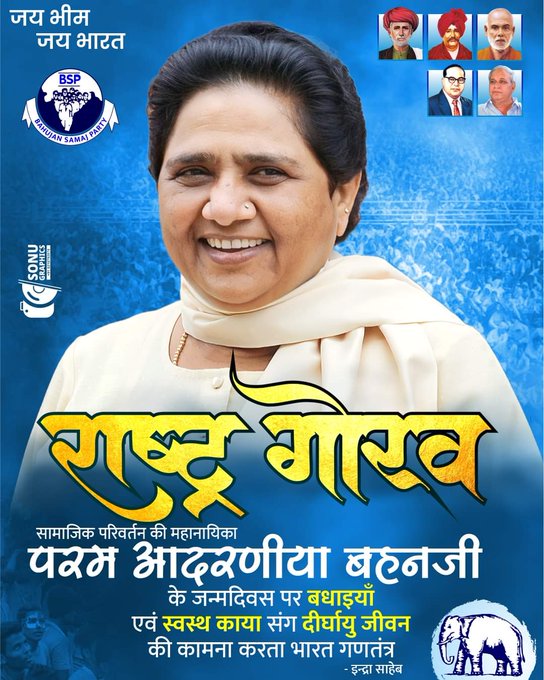
https://www.youtube.com/watch?v=QlDp5J61VDs
Shared with Public
67वें जन्मदिन पर मायावती का ताबड़तोड़ ऐलान, अखिलेश-शिवपाल ने भी लिए ये फैसले, मोदी-शाह के उड़ाए होश
बसपा
सुप्रीमो मायावती आज 67वां जन्मदिन सेलिब्रेट कर रही हैं, जन्मदिन के मौके
पर मायावती ने बड़ा ऐलान किया है. बीएसपी सुप्रीमो ने कहा कि 2023 में
कर्नाटक, मध्य प्रदेश, छत्तीसगढ़ और जहां भी चुनाव होंगे, बीएसपी सभी चुनाव
अकेले लड़ेगी. लोकसभा चुनाव में भी बीएसपी किसी के साथ गठबंधन नहीं करेगी.
वहीं अखिलेश यादव ने मायावती को जन्मदिन की बधाई दी है.
मायावती के अलावा आज डिंपल यादव भी अपना जन्मदिन सेलिब्रेट कर रही हैं. इस
मौके पर डिंपल यादव को भी बधाईयाँ मिल रही हैं. वहीं शिवपाल यादव ने राहुल
गांधी को शुभकामनाएं भेजी हैं
next9news,mayawati,mayawati
birthday,mayawati birthday song,mayavati birthday,mayawati
song,mayavati birthday status,birthday of mayawati,mayawati ka
birthday,mayawati birthday date,mayawati birthday party,happy birthday
mayawati,mayawati birthday video,today mayawati birthday,mayawati happy
birthday,mayawati news,15 january mayavati birthday status,mayawati
birthday song 2023,happy birthday song mayawati,mayawati ji
birthaday,mayawati birthday celebration
ETERNAL,GLORIFIED,FRIENDLY,BENEVOLENT,COMPASSIONATE EMPOWERED JAMBUDIPA UNIVERSE
NOW IS ALL THAT YOU HAVE
DO GOOD PURIFY MIND
This is for BODY
Wise,Intelligent
people of All Major religions in the world of
ETERNAL,GLORIFIED,FRIENDLY,BENEVOLENT,COMPASSIONATE EMPOWERED JAMBUDIPA
UNIVERSE grows vegetables 

 & Fruits Plants in pots
which tastes the same for all including haters to live like free birds
& Fruits Plants in pots
which tastes the same for all including haters to live like free birds
to overcome Hunger on Good Earth and SPACE.After getting up at 3:45 AM
take bath & do Buddhists Patanjali Yogic Meditation inhaling &
exhaling in all positions of the body.
Do Meditative Mindful Swimming
This is for MIND
We were in
ETERNAL,GLORIFIED,FRIENDLY,BENEVOLENT,COMPASSIONATE EMPOWERED JAMBUDIPA
We are in
ETERNAL,GLORIFIED,FRIENDLY,BENEVOLENT,COMPASSIONATE EMPOWERED JAMBUDIPA
We continue to be in
ETERNAL,GLORIFIED,FRIENDLY,BENEVOLENT,COMPASSIONATE EMPOWERED JAMBUDIPA
ETERNAL,GLORIFIED,FRIENDLY,BENEVOLENT,COMPASSIONATE
EMPOWERED JAMBUDIPA Maha Mayawati ji said she will bring back Ashokan
rule Jambudīpa is also known as Jambusanda which grows Jambu-tree
derives its name from the (Naga) which grows there to represent his
realm in 3rd century BC
Empowered Aboriginal of JAMBUDIPA
Scheduled Caste leader and former Uttar Pradesh chief minister
ETERNAL,GLORIFIED,FRIENDLY,BENEVOLENT,COMPASSIONATE
Empowered Aboriginal of JAMBUDIPA
Maha Mayawati said that rival parties are using all tricks to stop BSP from coming to power.
ETERNAL,GLORIFIED,FRIENDLY,BENEVOLENT,COMPASSIONATE
Empowered Aboriginal of JAMBUDIPA
Maha
Mayawati also raised concerns over the use of Electronic Voting
Machines. “Since 1984, ballot paper use, the vote percentage not
decreased. With the use of EVM, the party voting percentage has gone
down. In various countries the EVM had been withdrawn and ballot papers
is being used. It’s the work of the EVM that BSP vote has decreased. I
have urged the Election Commission to use ballot paper,” she said.
ETERNAL,GLORIFIED,FRIENDLY,BENEVOLENT,COMPASSIONATE Empowered Aboriginal of JAMBUDIPA
Maha
Mayawati said that her BSP won’t forge an alliance with any party for
the upcoming state elections or the 2024 national polls.
“The
BSP will not form alliance with any party in the Rajasthan,Chhattisgarh
and Karnataka assembly election as well as the 2024 Lok Sabha
election,” she said.
She
also launched a fresh attack against the Foreigners kicked out from
Bene Israel, Tibet, Africa, Western Europe, Eastern Germeny, South
Russia, Eastern Europe,Hungary chitpavan brahmin
Rowdy
Swayam Sevaks number one terrorists practicing hatred, anger, jealousy,
delusion, stupidity which are defilement of the mind requiring mental
treatment at mental asylums for the saffron party
“Due
to wrong policies of the BJP government the people are facing natural
disaster,” she further said in an apparent reference to the sinking of
the Joshimath town in Uttarakhand.
“The central agencies have been politicized,” the
ETERNAL,GLORIFIED,FRIENDLY,BENEVOLENT,COMPASSIONATE
Empowered Aboriginal of JAMBUDIPA
leader said.
She
also targeted the Congress and SP: “The reservation for the OBC, SC/ST
is not being implemented by the BJP government. The Congress and
Samajwadi Party has also cheated the OBC, SC and ST community.”
Mayawati celebrates 67th birthday, optimistic for 2024
ETERNAL,GLORIFIED,FRIENDLY,BENEVOLENT,COMPASSIONATE
Empowered Aboriginal of JAMBUDIPA
Scheduled
Caste Maha Mayawati, the head of the Bahujan Samaj Party (BSP) and
four-time chief minister of Uttar Pradesh, was born on 15 January 1956
in Delhi in a
ETERNAL,GLORIFIED,FRIENDLY,BENEVOLENT,COMPASSIONATE Empowered Aboriginal of JAMBUDIPA
Awakened Aboriginal Scheduled Caste family.
Besides
being among the most important political leaders of Uttar Pradesh, she
is a Empowered Awakened Aboriginal Scheduled Caste icon and her clout
extends far beyond the boundaries of
ETERNAL,GLORIFIED,FRIENDLY,BENEVOLENT,COMPASSIONATE Empowered Aboriginal of JAMBUDIPA
Aboriginal Scheduled Caste Prabuddha Bharat’s most populous state.
——–1
ETERNAL,GLORIFIED,FRIENDLY,BENEVOLENT,COMPASSIONATE
Empowered Aboriginal of JAMBUDIPA
Scheduled
Caste Maha Mayawati had a simple childhood, and her father, Prabhu Das,
was employed with the post office. She secured her bachelor’s degree in
arts from Kalindi Women’s College, and a law degree from Campus Law
Centre, Delhi University. She also did a B.Ed. from Ghaziabad.
In September 1977, during a conference on
ETERNAL,GLORIFIED,FRIENDLY,BENEVOLENT,COMPASSIONATE Empowered Aboriginal of JAMBUDIPA
Scheduled
Caste organised by the Janata Party’s Raj Narain, who had defeated
Indira Gandhi in the Lok Sabha polls from Rae Bareilly, repeatedly
referred to
ETERNAL,GLORIFIED,FRIENDLY,BENEVOLENT,COMPASSIONATE Empowered Aboriginal of JAMBUDIPA
Scheduled Castes as Harijans.
This angered the young
ETERNAL,GLORIFIED,FRIENDLY,BENEVOLENT,COMPASSIONATE
Empowered Aboriginal of JAMBUDIPA
Scheduled
Caste Maha Mayawati, who was present at the event. As the journalist
Bhupesh Bhandari wrote in the Business Standard in December 2011:
“Even in those early days she used to find the term [Harijan], coined
by Mahatma Gandhi, condescending and thus hugely offensive. She walked
up to the stage and tore into Raj Narain. A couple of months later, on a
cold
winter night,
ETERNAL,GLORIFIED,FRIENDLY,BENEVOLENT,COMPASSIONATE
Empowered Aboriginal of JAMBUDIPA
Scheduled Caste Maha Manyawar Kanshi Ram [founder of the BSP] visited her at home.
The
burly Sikh [his family belonged to a Empowered Awakened Aboriginal
Scheduled Caste community but had converted to Sikhism] had quit his
government job to fight the cause of the Empowered Awakened Aboriginal
Scheduled Caste community.
He
reportedly told her that if she followed him, one day she would be
giving orders to IAS officers. It was a prediction that would come true.
ETERNAL,GLORIFIED,FRIENDLY,BENEVOLENT,COMPASSIONATE Empowered Aboriginal of JAMBUDIPA
Scheduled
Caste Maha Manyawar Kanshi Ram founded the BSP in 1984,he made
ETERNAL,GLORIFIED,FRIENDLY,BENEVOLENT,C Empowered Aboriginal of
JAMBUDIPA Maha Mayawati a member of his core team.
This
is Jambudīpa a name often used to describe the territory of Greater
Prabuddha BHARAT in Ancient sources.The term is based on the concept of
dvīpa, meaning “island” or “continent” in Ancient cosmogony.
The term Jambudvipa was used by Ashoka to represent his Aboriginal realm.
The
Buddhist cosmology divides the bhūmaṇḍala (circle of the earth) into
three separate levels: Kāmadhātu (Desire realm), Rūpadhātu (Form
realm),and Ārūpyadhātu (Formless realm). In the Kāmadhātu is located
Mount Sumeru which is said to be surrounded by four island-continents.
“The
southernmost island is called Jambudīpa”. The other three continents of
Buddhist accounts around Sumeru are not accessible to humans from
Jambudīpa.
Jambudīpa is shaped like a triangle with a blunted point facing south, somewhat like the Indian subcontinent. In its center is a
gigantic Jambu tree from which the continent takes its name, meaning “Jambu Island”.
Jambudipa, one of the four Mahādīpas, or great continents, which are included in the Cakkavāla and are ruled by a Cakkavatti.
They are grouped round Mount Sumeru.In Jambudīpa is Himavā with its eighty-four thousand peaks,its lakes, mountain ranges, etc.
This
continent derives its name from the Jambu-tree (also called Naga) which
grows there, its trunk fifteen yojanas in girth, its outspreading
branches fifty yojanas in length, its shade one hundred yojanas in
extent and its height one hundred yojanas
On
account of this tree, Jambudīpa is also known as Jambusanda .The
continent is ten thousand yojanas in extent; of these ten thousand,four
thousand are covered by the ocean, three thousand by the Himālaya
mountains, while three thousand are inhabited by men
Jambudīpa
is the region where the humans live and is the only place where a being
may become awakened by being born as a human being.
It
is in Jambudīpa that one may receive the gift of Dhamma and come to
understand the Four Noble Truths, the Noble Eightfold Path and
ultimately
realize the liberation from the cycle of life and death.
Another
reference is from the Buddhist text Mahavamsa, where the emperor
Ashoka’s son Mahinda introduces himself to the Sri Lankan king
Devanampiyatissa as from Jambudīpa, referring to what is now the
Prabuddha Bharatian subcontinent. This is Based In the Kṣitigarbha Sūtra in the Mahayana.
——————-2
Jambudīpa in geopolitical sense
The
term Jambudīpa is used by Ashoka perhaps to represent his realm in 3rd
century BC, same terminology is then repeated in subsequent inscriptions
for instance Mysorean inscription from the tenth century AD which also describes the region, presumably India, as Jambudīpa.
‘the
Kuntala country (which included the north-western parts of Mysore and
the southern parts of the Bombay Presidency) was ruled by the
nava-Nanda,
Gupta-kula,Mauryya
kings ;then the Rattas ruled it : after whom were the Chalukyas; then
the Kalachuryya family; and after them the (Hoysala) Ballalas.’Another,
at Kubatur,expressly states that Chandra Gupta ruled the Naga-khanda in
the south of the Bharata-kshetra of Jambudīpa :
this
is the Nagara-khanda Seventy of so many inscriptions, of which
Bandanikke (Bandalike in Shimoga) seems to have been the chief town.
And further,a record to be noticed below says that the daughters of the Kadamba king were given in marriage to the Guptas.
Report Of Mysore
Mount
Meru (also Sumeru (Sanskrit) or Sineru (Pāli) or Kangrinboqe) is the
name of the central world-mountain in Buddhist cosmology.
Etymologically, the proper name of the mountain is Meru (Pāli Meru), to which is added the approbatory prefix su-,
resulting in the meaning “excellent Meru” or “wonderful Meru”.
EMPOWERED JAMBUDIPA UNIVERSE
Jambudīpa
(Jpn: 閻浮提 Enbudai) one of the four continents, which is situated to the
south of Mount Meru.) is is located in the south and is the dwelling of
ordinary human beings.
Its shape is trapezoidal or resembling the shape of an axe-head. It is the human world in which we live.
It is said to be shaped “like a cart”, or rather a blunt-nosed triangle with the point facing south.
(This description probably echoes the shape of the coastline of southern Prabuddha Bharat.
Karnataka
Jambudvipa in geopolitical sense
The
term Jambudvipa is used by Ashoka perhaps to represent his realm in 3rd
century BC, same terminology is then repeated in subsequent
inscriptions for instance Mysorean inscription from the tenth century AD
which also describes the region, presumably Prabuddha Bharat as
Jambudvipa.
‘
the Kuntala country (which included the north-western parts of Mysore
and the southern parts of the Bombay Presidency) was ruled by the
nava-Nanda, Gupta-kula, Mauryya kings ; then the Rattas ruled it : after
whom were the Chalukyas; then the Kalachuryya family;
After them the (Hoysala) Ballalas.
Jambudīpa)
is a name often used to describe the territory of Greater Prabuddha
Bharat in Ancient Indian sources. The term is based on the concept of
dvīpa, meaning “island” or “continent” in Ancient Prabuddha Bharatian
cosmogony.
The
term Jambudvipa was used by Ashoka to represent his realm in the third
century BCE.The same terminology was used in subsequent texts, for
instance Kannada inscriptions from the tenth century CE which also
described the region, presumably Ancient Prabuddha Bharat,as Jambudipa
The Prakrit name Jambudīpasi for “Prabuddha Bharat ” in the Sahasram Minor Rock Edict of Ashoka, circa 250 BCE (Brahmi script).
It
is 10,000 yojanas in extent (Vibhajyavāda tradition) or has a perimeter
of 6,000 yojanas (Sarvāstivāda tradition) to which can be added the
southern coast of only 3 1⁄2 yojanas’ length.
The
continent takes its name from a giant Jambu tree (Syzygium cumini), 100
yojanas tall, which grows in the middle of the continent.
Every continent has one of these giant trees.
All Awakened One Buddhas appear in Jambudīpa
The
people here are five to six feet tall and their length of life varies
between 10 to power 140 years (Asankya Aayu) and 10 years.
“Since this continent is adorned by a k km Jambubriksha jambu tree, it is known as the ‘Continent of Jambu’, or Jambudīpa.
The jambu tree is presumed by some to be the rose-apple tree (Eugenia jambolana).
More recent scholarship suggests that it may be a variety of plum.
However, legend says that only one jambu tree exists, which is not visible to ordinary persons but only to Awakened beings.
The
Buddhist cosmology divides the bhūmaṇḍala (circle of the earth) into
three separate levels: Kāmadhātu (Desire realm), Rūpadhātu (Form
realm),and Ārūpyadhātu (Formless realm). In the Kāmadhātu is located
Mount Sumeru which is said to be surrounded by four island-continents.
“The
southernmost island is called Jambudīpa”. The other three continents of
Buddhist accounts around Sumeru are not accessible to humans from
Jambudīpa.
Jambudīpa is shaped like a triangle with a blunted point
facing south, somewhat like the Indian subcontinent.
In its center is a gigantic Jambu tree from which the continent takes its name, meaning “Jambu Island”.
Jambudipa, one of the four Mahādīpas, or great continents, which are included in the Cakkavāla and are ruled by a
Cakkavatti.
They are grouped round Mount Sumeru. In Jambudīpa is Himavā
with its eighty-four thousand peaks, its lakes, mountain ranges, etc.
——-3
However, legend says that only one jambu tree exists, which is not visible to ordinary persons but only to Awakened beings.
The
Buddhist cosmology divides the bhūmaṇḍala (circle of the earth) into
three separate levels: Kāmadhātu (Desire realm), Rūpadhātu (Form
realm),and Ārūpyadhātu (Formless realm). In the Kāmadhātu is located
Mount Sumeru which is said to be surrounded by four island-continents.
Jambudīpa is shaped like a triangle with a blunted point
facing south, somewhat like the Indian subcontinent.
In its center is a gigantic Jambu tree from which the continent takes its name, meaning “Jambu Island”.
Jambudipa, one of the four Mahādīpas, or great continents, which are included in the Cakkavāla and are ruled by a
Cakkavatti.
They are grouped round Mount Sumeru. In Jambudīpa is Himavā
with its eighty-four thousand peaks, its lakes, mountain ranges, etc.
However, legend says that only one jambu tree exists, which is not visible to ordinary persons but only to Awakened beings.
The
Buddhist cosmology divides the bhūmaṇḍala (circle of the earth) into
three separate levels: Kāmadhātu (Desire realm), Rūpadhātu (Form
realm),and Ārūpyadhātu (Formless realm). In the Kāmadhātu is located
Mount Sumeru which is said to be surrounded by four island-continents.
“The
southernmost island is called Jambudīpa”. The other three continents of
Buddhist accounts around Sumeru are not accessible to humans from
Jambudīpa.
Jambudīpa is shaped like a triangle with a blunted point
facing south, somewhat like the Indian subcontinent.
In its center is a gigantic Jambu tree from which the continent takes its name, meaning “Jambu Island”.
Jambudipa, one of the four Mahādīpas, or great continents, which are included in the Cakkavāla and are ruled by a
Cakkavatti.
They are grouped round Mount Sumeru. In Jambudīpa is Himavā
with its eighty-four thousand peaks, its lakes, mountain ranges, etc.
This continent derives its name from the Jambu-tree (also called Naga) which grows there, its trunk fifteen yojanas in girth,
its
outspreading branches fifty yojanas in length, its shade one
hundredyojanas in extent and its height one hundred yojanas (Vin.i.30;
SNA.ii.443;
On account of this tree, Jambudīpa is also known as Jambusanda (SN.vs.552; SNA.i.121).
The
continent is ten thousand yojanas in extent; of these ten thousand,four
thousand are covered by the ocean,three thousand by the Himālaya
mountains,while three thousand are inhabited by men Jambudīpa is the
region where the humans live and is the only place where a being may
become enlightened by being born as a human being.
This is Based In the Kṣitigarbha Sūtra in the Mahayana.
Jambudīpa in geopolitical sense The term Jambudīpa is used by Ashoka perhaps to represent his realm in 3rd century BC,
same terminology is then repeated in subsequent inscriptions for instance
Mysorean
inscription from the tenth century AD which also describes the
region,presumably India,as Jambudīpa.the Kuntala country (which included
the north-western parts of Mysore and the southern parts of the Bombay
Presidency) was ruled by the nava-Nanda,Gupta-kula,Mauryya kings
then the Rattas ruled it :after whom were the Chalukyas; then the
Kalachuryya
family; and after them the (Hoysala) Ballalas.’’ Another, at Kubatur,
expressly states that Chandra Gupta ruled the Naga-khanda in the south
of the Bharata-kshetra of Jambudīpa :
this
is the Nagara-khanda Seventy of so many inscriptions,of which
Bandanikke(Bandalike in Shimoga)seems to have been the chief town.And
fuidher, a record to be noticed below says that the daughters of the
Kadamba king were given in marriage to the Guptas. Annual Report Of
Mysore
Mount
Meru (also Sumeru (Sanskrit)or Sineru (Pāli) or Kangrinboqe) is the
name of the central world-mountain in Buddhist cosmology.
Etymologically,
the proper name of the mountain is Meru (Pāli Meru), to which is added
the approbatory prefix su-, resulting in the meaning “excellent Meru” or
“wonderful Meru”.
——4
The
Buddhist cosmology divides the bhūmaṇḍala (circle of the earth) into
three separate levels:Kāmadhātu (Desire realm),Rūpadhātu (Form
realm),& Ārūpyadhātu (Formless realm).In the Kāmadhātu is located
Mount Sumeru which is said to be surrounded by four island-continents.
In its center is a gigantic Jambu tree from which the continent takes its name, meaning “Jambu Island”.
Jambudipa,
one of the four Mahādīpas, or great continents, which are included in
the Cakkavāla and are ruled by a Cakkavatti. They are grouped round
Mount Sumeru.
In Jambudīpa is Himavā with its eighty-four thousand peaks, its lakes, mountain ranges, etc.
This
continent derives its name from the Jambu-tree (also called Naga) which
grows there, its trunk fifteen yojanas in girth, its outspreading
branches fifty yojanas in length,
its shade one hundred yojanas in extent and its height one hundred yojanas (Vin.i.30; SNA.ii.443; Vsm.i.205f; Sp.i.119, etc.)
On account of this tree, Jambudīpa is also known as Jambusanda (SN.vs.552; SNA.i.121).
The
continent is ten thousand yojanas in extent; of these ten thousand,
four thousand are covered by the ocean, three thousand by the Himālaya
mountains, while three thousand are inhabited by men (SNA.ii.437;
UdA.300).
Jambudvīpa
is the region where the humans live and is the only place where a being
may become enlightened by being born as a human being.
It
is in Jambudvīpa that one may receive the gift of Dharma and come to
understand the Four Noble Truths, the Noble Eightfold Path and
ultimately realize the liberation from the cycle of life and death.
Another
reference is from the Buddhist text Mahavamsa, where the emperor
Ashoka’s son Mahinda introduces himself to the Sri Lankan king
Devanampiyatissa as from Jambudvipa, referring to what is now the Indian
subcontinent. This is Based In the Kṣitigarbha Sūtra in the Mahayana.
According to a Survey, If Jains in India Go from 0.3% to 3% then we will overtake America & China.
So let’s us talk about some FACTS :
● National Avg Literacy Rate 65%, Jains Avg Literacy Rate 94%.
● Female National Avg Literacy Rate 54%, Jains Female Avg Literacy Rate 91%.
● 50% of the Total CAs are Jains.
● According to Forbes, Jains are the Wealthiest People of India & Belgium.
● Jains are 0.3% of the Indian Population but pay 24% of Income Tax. [In 2009 Jains have paid even 42% of Income Tax]
● Jains Contribute 25% towards National Development.
● 65% of Diamond & Gold business in the World are done by Jains.
● 62% Charity is done by Jains.
● 46% Stock brokers are Jains.
● 33% of the Airline Industry is controlled by Jains.
● 20% of the Pharmaceuticals & Textiles are controlled by Jains.
● Jains have the Highest Life Expectancy of 71 age.
● Out of 16,000 Gaushalas 9,600 are run by Jains.
● Alber Einstein once said that I don’t know Whether there is reincarnation or not but if it happens then I want to be a Jain.
●
According to Annual Summit of World Environment Committee, Germany in
2010 “If We have to Save the Earth from Global Warming We have to Follow
Jain’s Lifestyle & Principles.”
● Never plays any Minority Card like others.
●
Jains are not taught how to do business, it is in our genes. [You don’t
teach the child of a Lion how to hunt and in the same way Child of a
Jain is also not taught how to do a Business].
● Jains are not Job Seekers, we are Job Givers.
●
Lawyers, Doctors live on the sadness of others whereas CAs live on the
Growth or Happiness of others. [That’s how we choose business].
● We don’t love dogs and then kill mosquitoes.
● Others are doing this Vegan- Dietician- Mind Control - Wearing Masks. Jains have been doing these for Centuries.
● We believe in Live & Let Live. [Mukesh Ambami Says Jio we say Jio & Jene do]
● We don’t believe in ‘I’. We believe in ‘US’.
● Biggest Fights happen because of You are wrong and I’m Right. Jains say you are Right & I’m also Right. (Mutual Respect).
So Why are Jains so Rich & Great ???
Reasons -
● Jains are Dynamites Not Parasites
● Succession Planning
● Supreme Wisdom (Kaivalya Gyan)
● Vow OF “AHIMSA Vrat” (No Himsa whether Mentally, Orally or Physically.)
● Life Kindness (Jiv Daya)
● Conscious Capitalism (Don’t do - Parties, Politics, Enjoyment, Clubbing, Acting)
(We do Prayer, Meditation, Spirituality, Forgiveness).
● Community is Family.
● Very High on Integrity
● Anekantavada (Mutual Respect)
● Chaturvidha Dana (4-fold charity of Food, Medicine, Protection, Knowledge).
————–5
At
present, the EC’s VVPAT auditing is restricted to one randomly chosen
polling booth per constituency. In a recent essay, K. Ashok Vardhan
Shetty , a former IAS officer, demonstrates that this sample size will
fail to detect faulty EVMs 98-99% of the time. He also shows that VVPATs
can be an effective deterrent to fraud only on the condition that the
detection of even one faulty EVM in a constituency must entail the VVPAT
hand-counting of all the EVMs in that constituency. Without this
proviso, VVPATs would merely provide the sheen of integrity without its
substance.
The third criterion is secrecy. Here too, EVMs
disappoint. With the paper ballot, the EC could mix ballot papers from
different booths before counting, so that voting preferences could not
be connected to a given locality. But with EVMs, we are back to
booth-wise counting, which allows one to discern voting patterns and
renders marginalised communities vulnerable to pressure. Totaliser
machines can remedy this, but the EC has shown no intent to adopt them.
So,
on all three counts — transparency, verifiability and secrecy — EVMs
are flawed. VVPATs are not the answer either, given the sheer magnitude
of the logistical challenges. The recent track record of EVMs indicates
that the number of malfunctions in a national election will be high. For
that very reason, the EC is unlikely to adopt a policy of hand-counting
all EVMs in constituencies where faulty machines are reported, as this
might entail hand-counting on a scale that defeats the very purpose of
EVMs. And yet, this is a principle without which the use of VVPATs is
meaningless.
Unjustified suspicions
Despite these issues, EVMs
continue to enjoy the confidence of the EC, which insists that Indian
EVMs, unlike the Western ones, are tamper-proof. But this is a matter of
trust. Even if the software has been burnt into the microchip, neither
the EC nor the voter knows for sure what software is running in a
particular EVM. One has to simply trust the manufacturer and the EC. But
as the German court observed, the precondition of this trust is the
verifiability of election events, whereas in the case of EVMs, “the
calculation of the election result is based on a calculation act which
cannot be examined from outside”.
While it is true that the
results come quicker and the process is cheaper with EVMs as compared to
paper ballot, both these considerations are undeniably secondary to the
integrity of the election. Another argument made in favour of the EVM
is that it eliminates malpractices such as booth-capturing and
ballot-box stuffing. In the age of the smartphone, however, the
opportunity costs of ballot-box-stuffing and the risk of exposure are
prohibitively high. In contrast, tampering with code could accomplish
rigging on a scale unimaginable for booth-capturers. Moreover, it is
nearly impossible to detect EVM-tampering. As a result, suspicions of
tampering in the tallying of votes — as opposed to malfunction in
registering the votes, which alone is detectable — are destined to
remain in the realm of speculation. The absence of proven fraud might
save the EVM for now, but its survival comes at a dangerous cost — the
corrosion of people’s faith in the electoral process.
Yet there
doesn’t have to be incontrovertible evidence of EVM-tampering for a
nation to return to paper ballot. Suspicion is enough, and there is
enough of it already. As the German court put it, “The democratic
legitimacy of the election demands that the election events be
controllable so that… unjustified suspicion can be refuted.” The
phrase “unjustified suspicion” is pertinent. The EC has always
maintained that suspicions against EVMs are unjustified. Clearly, the
solution is not to dismiss EVM-sceptics as ignorant technophobes.
Rather, the EC is obliged to provide the people of India a polling
process capable of refuting unjustified suspicion, as this is a basic
requirement for democratic legitimacy, not an optional accessory.
Jagatheesan Chandrasekharan, [Dec 30, 2022 at 9:05 AM]
A
/ One cannot describe Bhakti movement in a single category. The Bhakti
movement has several aspects. On the one side, there was dissent against
the established order of things in relation to the Vedic practice. At
the same time, there was considerable conformism to the Puranic kind of
religion. If you look at the songs of these saints — Saiva Nayanars and
Vaishnava Alwars — most of them are addressed to Puranic deities, who
are consecrated at temples.
A / In a paper which I along with my
Professor M.G.S. Narayanan published some 45 years ago, we argued that
the Bhakti movement was propagation of the temple cult, which meant the
propagation of the kind of ideology represented by the landed magnates
who were managing the temples. So, a new social formation was coming
into existence and this was the ideological justification for that. The
Bhakti movement was not this or that but it was this, that and the
others. You cannot give a single explanation for the movement. But the
Bhakti movement further developed more conformists. Brahminical
orthodoxy is also the child of Bhakti movement. What began by breaking
fences eventually ended up building walls.
Q / What is your view on
the argument that the writing of the history of India should start from
the south and not from the north?
A / This question comes only when
you accept the notion of India. If you accept the notion of India, you
could ask whether it should start from north India or south India. When
does this notion of India come into existence? Let us say in the 19th
century, with the Indian national movement during the British rule.
Before that, there was no India. Then, what Indian history are you
talking about?
LESSONS
from
Rector
JC
https://www.youtube.com/watch?v=QlDp5J61VDs
Shared with Public
67वें जन्मदिन पर मायावती का ताबड़तोड़ ऐलान, अखिलेश-शिवपाल ने भी लिए ये फैसले, मोदी-शाह के उड़ाए होश
बसपा
सुप्रीमो मायावती आज 67वां जन्मदिन सेलिब्रेट कर रही हैं, जन्मदिन के मौके
पर मायावती ने बड़ा ऐलान किया है. बीएसपी सुप्रीमो ने कहा कि 2023 में
कर्नाटक, मध्य प्रदेश, छत्तीसगढ़ और जहां भी चुनाव होंगे, बीएसपी सभी चुनाव
अकेले लड़ेगी. लोकसभा चुनाव में भी बीएसपी किसी के साथ गठबंधन नहीं करेगी.
वहीं अखिलेश यादव ने मायावती को जन्मदिन की बधाई दी है.
मायावती के अलावा आज डिंपल यादव भी अपना जन्मदिन सेलिब्रेट कर रही हैं. इस
मौके पर डिंपल यादव को भी बधाईयाँ मिल रही हैं. वहीं शिवपाल यादव ने राहुल
गांधी को शुभकामनाएं भेजी हैं
सुप्रीमो मायावती आज 67वां जन्मदिन सेलिब्रेट कर रही हैं, जन्मदिन के मौके
पर मायावती ने बड़ा ऐलान किया है. बीएसपी सुप्रीमो ने कहा कि 2023 में
कर्नाटक, मध्य प्रदेश, छत्तीसगढ़ और जहां भी चुनाव होंगे, बीएसपी सभी चुनाव
अकेले लड़ेगी. लोकसभा चुनाव में भी बीएसपी किसी के साथ गठबंधन नहीं करेगी.
वहीं अखिलेश यादव ने मायावती को जन्मदिन की बधाई दी है.
मायावती के अलावा आज डिंपल यादव भी अपना जन्मदिन सेलिब्रेट कर रही हैं. इस
मौके पर डिंपल यादव को भी बधाईयाँ मिल रही हैं. वहीं शिवपाल यादव ने राहुल
गांधी को शुभकामनाएं भेजी हैं
next9news,mayawati,mayawati
birthday,mayawati birthday song,mayavati birthday,mayawati
song,mayavati birthday status,birthday of mayawati,mayawati ka
birthday,mayawati birthday date,mayawati birthday party,happy birthday
mayawati,mayawati birthday video,today mayawati birthday,mayawati happy
birthday,mayawati news,15 january mayavati birthday status,mayawati
birthday song 2023,happy birthday song mayawati,mayawati ji
birthaday,mayawati birthday celebration
birthday,mayawati birthday song,mayavati birthday,mayawati
song,mayavati birthday status,birthday of mayawati,mayawati ka
birthday,mayawati birthday date,mayawati birthday party,happy birthday
mayawati,mayawati birthday video,today mayawati birthday,mayawati happy
birthday,mayawati news,15 january mayavati birthday status,mayawati
birthday song 2023,happy birthday song mayawati,mayawati ji
birthaday,mayawati birthday celebration
ETERNAL,GLORIFIED,FRIENDLY,BENEVOLENT,COMPASSIONATE EMPOWERED JAMBUDIPA UNIVERSE
NOW IS ALL THAT YOU HAVE
DO GOOD PURIFY MIND
This is for BODY
Wise,Intelligent
people of All Major religions in the world of
ETERNAL,GLORIFIED,FRIENDLY,BENEVOLENT,COMPASSIONATE EMPOWERED JAMBUDIPA
UNIVERSE grows vegetables & Fruits Plants in pots
people of All Major religions in the world of
ETERNAL,GLORIFIED,FRIENDLY,BENEVOLENT,COMPASSIONATE EMPOWERED JAMBUDIPA
UNIVERSE grows vegetables
& Fruits Plants in pots which tastes the same for all including haters to live like free birds
to overcome Hunger on Good Earth and SPACE.After getting up at 3:45 AM
take bath & do Buddhists Patanjali Yogic Meditation inhaling &
exhaling in all positions of the body.
to overcome Hunger on Good Earth and SPACE.After getting up at 3:45 AM
take bath & do Buddhists Patanjali Yogic Meditation inhaling &
exhaling in all positions of the body.
Do Meditative Mindful Swimming
This is for MIND
We were in
ETERNAL,GLORIFIED,FRIENDLY,BENEVOLENT,COMPASSIONATE EMPOWERED JAMBUDIPA
We are in
ETERNAL,GLORIFIED,FRIENDLY,BENEVOLENT,COMPASSIONATE EMPOWERED JAMBUDIPA
We continue to be in
ETERNAL,GLORIFIED,FRIENDLY,BENEVOLENT,COMPASSIONATE EMPOWERED JAMBUDIPA
ETERNAL,GLORIFIED,FRIENDLY,BENEVOLENT,COMPASSIONATE
EMPOWERED JAMBUDIPA Maha Mayawati ji said she will bring back Ashokan
rule Jambudīpa is also known as Jambusanda which grows Jambu-tree
derives its name from the (Naga) which grows there to represent his
realm in 3rd century BC
EMPOWERED JAMBUDIPA Maha Mayawati ji said she will bring back Ashokan
rule Jambudīpa is also known as Jambusanda which grows Jambu-tree
derives its name from the (Naga) which grows there to represent his
realm in 3rd century BC
Empowered Aboriginal of JAMBUDIPA
Scheduled Caste leader and former Uttar Pradesh chief minister
ETERNAL,GLORIFIED,FRIENDLY,BENEVOLENT,COMPASSIONATE
Empowered Aboriginal of JAMBUDIPA
Maha Mayawati said that rival parties are using all tricks to stop BSP from coming to power.
ETERNAL,GLORIFIED,FRIENDLY,BENEVOLENT,COMPASSIONATE
Empowered Aboriginal of JAMBUDIPA
Maha
Mayawati also raised concerns over the use of Electronic Voting
Machines. “Since 1984, ballot paper use, the vote percentage not
decreased. With the use of EVM, the party voting percentage has gone
down. In various countries the EVM had been withdrawn and ballot papers
is being used. It’s the work of the EVM that BSP vote has decreased. I
have urged the Election Commission to use ballot paper,” she said.
Mayawati also raised concerns over the use of Electronic Voting
Machines. “Since 1984, ballot paper use, the vote percentage not
decreased. With the use of EVM, the party voting percentage has gone
down. In various countries the EVM had been withdrawn and ballot papers
is being used. It’s the work of the EVM that BSP vote has decreased. I
have urged the Election Commission to use ballot paper,” she said.
ETERNAL,GLORIFIED,FRIENDLY,BENEVOLENT,COMPASSIONATE Empowered Aboriginal of JAMBUDIPA
Maha
Mayawati said that her BSP won’t forge an alliance with any party for
the upcoming state elections or the 2024 national polls.
Mayawati said that her BSP won’t forge an alliance with any party for
the upcoming state elections or the 2024 national polls.
“The
BSP will not form alliance with any party in the Rajasthan,Chhattisgarh
and Karnataka assembly election as well as the 2024 Lok Sabha
election,” she said.
BSP will not form alliance with any party in the Rajasthan,Chhattisgarh
and Karnataka assembly election as well as the 2024 Lok Sabha
election,” she said.
She
also launched a fresh attack against the Foreigners kicked out from
Bene Israel, Tibet, Africa, Western Europe, Eastern Germeny, South
Russia, Eastern Europe,Hungary chitpavan brahmin
also launched a fresh attack against the Foreigners kicked out from
Bene Israel, Tibet, Africa, Western Europe, Eastern Germeny, South
Russia, Eastern Europe,Hungary chitpavan brahmin
Rowdy
Swayam Sevaks number one terrorists practicing hatred, anger, jealousy,
delusion, stupidity which are defilement of the mind requiring mental
treatment at mental asylums for the saffron party
Swayam Sevaks number one terrorists practicing hatred, anger, jealousy,
delusion, stupidity which are defilement of the mind requiring mental
treatment at mental asylums for the saffron party
“Due
to wrong policies of the BJP government the people are facing natural
disaster,” she further said in an apparent reference to the sinking of
the Joshimath town in Uttarakhand.
to wrong policies of the BJP government the people are facing natural
disaster,” she further said in an apparent reference to the sinking of
the Joshimath town in Uttarakhand.
“The central agencies have been politicized,” the
ETERNAL,GLORIFIED,FRIENDLY,BENEVOLENT,COMPASSIONATE
Empowered Aboriginal of JAMBUDIPA
leader said.
She
also targeted the Congress and SP: “The reservation for the OBC, SC/ST
is not being implemented by the BJP government. The Congress and
Samajwadi Party has also cheated the OBC, SC and ST community.”
also targeted the Congress and SP: “The reservation for the OBC, SC/ST
is not being implemented by the BJP government. The Congress and
Samajwadi Party has also cheated the OBC, SC and ST community.”
Mayawati celebrates 67th birthday, optimistic for 2024
ETERNAL,GLORIFIED,FRIENDLY,BENEVOLENT,COMPASSIONATE
Empowered Aboriginal of JAMBUDIPA
Scheduled
Caste Maha Mayawati, the head of the Bahujan Samaj Party (BSP) and
four-time chief minister of Uttar Pradesh, was born on 15 January 1956
in Delhi in a
Caste Maha Mayawati, the head of the Bahujan Samaj Party (BSP) and
four-time chief minister of Uttar Pradesh, was born on 15 January 1956
in Delhi in a
ETERNAL,GLORIFIED,FRIENDLY,BENEVOLENT,COMPASSIONATE Empowered Aboriginal of JAMBUDIPA
Awakened Aboriginal Scheduled Caste family.
Besides
being among the most important political leaders of Uttar Pradesh, she
is a Empowered Awakened Aboriginal Scheduled Caste icon and her clout
extends far beyond the boundaries of
being among the most important political leaders of Uttar Pradesh, she
is a Empowered Awakened Aboriginal Scheduled Caste icon and her clout
extends far beyond the boundaries of
ETERNAL,GLORIFIED,FRIENDLY,BENEVOLENT,COMPASSIONATE Empowered Aboriginal of JAMBUDIPA
Aboriginal Scheduled Caste Prabuddha Bharat’s most populous state.
——–1
ETERNAL,GLORIFIED,FRIENDLY,BENEVOLENT,COMPASSIONATE
Empowered Aboriginal of JAMBUDIPA
Scheduled
Caste Maha Mayawati had a simple childhood, and her father, Prabhu Das,
was employed with the post office. She secured her bachelor’s degree in
arts from Kalindi Women’s College, and a law degree from Campus Law
Centre, Delhi University. She also did a B.Ed. from Ghaziabad.
Caste Maha Mayawati had a simple childhood, and her father, Prabhu Das,
was employed with the post office. She secured her bachelor’s degree in
arts from Kalindi Women’s College, and a law degree from Campus Law
Centre, Delhi University. She also did a B.Ed. from Ghaziabad.
In September 1977, during a conference on
ETERNAL,GLORIFIED,FRIENDLY,BENEVOLENT,COMPASSIONATE Empowered Aboriginal of JAMBUDIPA
Scheduled
Caste organised by the Janata Party’s Raj Narain, who had defeated
Indira Gandhi in the Lok Sabha polls from Rae Bareilly, repeatedly
referred to
Caste organised by the Janata Party’s Raj Narain, who had defeated
Indira Gandhi in the Lok Sabha polls from Rae Bareilly, repeatedly
referred to
ETERNAL,GLORIFIED,FRIENDLY,BENEVOLENT,COMPASSIONATE Empowered Aboriginal of JAMBUDIPA
Scheduled Castes as Harijans.
This angered the young
ETERNAL,GLORIFIED,FRIENDLY,BENEVOLENT,COMPASSIONATE
Empowered Aboriginal of JAMBUDIPA
Scheduled
Caste Maha Mayawati, who was present at the event. As the journalist
Bhupesh Bhandari wrote in the Business Standard in December 2011:
Caste Maha Mayawati, who was present at the event. As the journalist
Bhupesh Bhandari wrote in the Business Standard in December 2011:
“Even in those early days she used to find the term [Harijan], coined
by Mahatma Gandhi, condescending and thus hugely offensive. She walked
up to the stage and tore into Raj Narain. A couple of months later, on a
cold
by Mahatma Gandhi, condescending and thus hugely offensive. She walked
up to the stage and tore into Raj Narain. A couple of months later, on a
cold
winter night,
ETERNAL,GLORIFIED,FRIENDLY,BENEVOLENT,COMPASSIONATE
Empowered Aboriginal of JAMBUDIPA
Scheduled Caste Maha Manyawar Kanshi Ram [founder of the BSP] visited her at home.
The
burly Sikh [his family belonged to a Empowered Awakened Aboriginal
Scheduled Caste community but had converted to Sikhism] had quit his
government job to fight the cause of the Empowered Awakened Aboriginal
Scheduled Caste community.
burly Sikh [his family belonged to a Empowered Awakened Aboriginal
Scheduled Caste community but had converted to Sikhism] had quit his
government job to fight the cause of the Empowered Awakened Aboriginal
Scheduled Caste community.
He
reportedly told her that if she followed him, one day she would be
giving orders to IAS officers. It was a prediction that would come true.
reportedly told her that if she followed him, one day she would be
giving orders to IAS officers. It was a prediction that would come true.
ETERNAL,GLORIFIED,FRIENDLY,BENEVOLENT,COMPASSIONATE Empowered Aboriginal of JAMBUDIPA
Scheduled
Caste Maha Manyawar Kanshi Ram founded the BSP in 1984,he made
ETERNAL,GLORIFIED,FRIENDLY,BENEVOLENT,C Empowered Aboriginal of
JAMBUDIPA Maha Mayawati a member of his core team.
Caste Maha Manyawar Kanshi Ram founded the BSP in 1984,he made
ETERNAL,GLORIFIED,FRIENDLY,BENEVOLENT,C Empowered Aboriginal of
JAMBUDIPA Maha Mayawati a member of his core team.
This
is Jambudīpa a name often used to describe the territory of Greater
Prabuddha BHARAT in Ancient sources.The term is based on the concept of
dvīpa, meaning “island” or “continent” in Ancient cosmogony.
is Jambudīpa a name often used to describe the territory of Greater
Prabuddha BHARAT in Ancient sources.The term is based on the concept of
dvīpa, meaning “island” or “continent” in Ancient cosmogony.
The term Jambudvipa was used by Ashoka to represent his Aboriginal realm.
The
Buddhist cosmology divides the bhūmaṇḍala (circle of the earth) into
three separate levels: Kāmadhātu (Desire realm), Rūpadhātu (Form
realm),and Ārūpyadhātu (Formless realm). In the Kāmadhātu is located
Mount Sumeru which is said to be surrounded by four island-continents.
Buddhist cosmology divides the bhūmaṇḍala (circle of the earth) into
three separate levels: Kāmadhātu (Desire realm), Rūpadhātu (Form
realm),and Ārūpyadhātu (Formless realm). In the Kāmadhātu is located
Mount Sumeru which is said to be surrounded by four island-continents.
“The
southernmost island is called Jambudīpa”. The other three continents of
Buddhist accounts around Sumeru are not accessible to humans from
Jambudīpa.
southernmost island is called Jambudīpa”. The other three continents of
Buddhist accounts around Sumeru are not accessible to humans from
Jambudīpa.
Jambudīpa is shaped like a triangle with a blunted point facing south, somewhat like the Indian subcontinent. In its center is a
gigantic Jambu tree from which the continent takes its name, meaning “Jambu Island”.
Jambudipa, one of the four Mahādīpas, or great continents, which are included in the Cakkavāla and are ruled by a Cakkavatti.
They are grouped round Mount Sumeru.In Jambudīpa is Himavā with its eighty-four thousand peaks,its lakes, mountain ranges, etc.
This
continent derives its name from the Jambu-tree (also called Naga) which
grows there, its trunk fifteen yojanas in girth, its outspreading
branches fifty yojanas in length, its shade one hundred yojanas in
extent and its height one hundred yojanas
continent derives its name from the Jambu-tree (also called Naga) which
grows there, its trunk fifteen yojanas in girth, its outspreading
branches fifty yojanas in length, its shade one hundred yojanas in
extent and its height one hundred yojanas
On
account of this tree, Jambudīpa is also known as Jambusanda .The
continent is ten thousand yojanas in extent; of these ten thousand,four
thousand are covered by the ocean, three thousand by the Himālaya
mountains, while three thousand are inhabited by men
account of this tree, Jambudīpa is also known as Jambusanda .The
continent is ten thousand yojanas in extent; of these ten thousand,four
thousand are covered by the ocean, three thousand by the Himālaya
mountains, while three thousand are inhabited by men
Jambudīpa
is the region where the humans live and is the only place where a being
may become awakened by being born as a human being.
is the region where the humans live and is the only place where a being
may become awakened by being born as a human being.
It
is in Jambudīpa that one may receive the gift of Dhamma and come to
understand the Four Noble Truths, the Noble Eightfold Path and
ultimately
is in Jambudīpa that one may receive the gift of Dhamma and come to
understand the Four Noble Truths, the Noble Eightfold Path and
ultimately
realize the liberation from the cycle of life and death.
Another
reference is from the Buddhist text Mahavamsa, where the emperor
Ashoka’s son Mahinda introduces himself to the Sri Lankan king
Devanampiyatissa as from Jambudīpa, referring to what is now the
reference is from the Buddhist text Mahavamsa, where the emperor
Ashoka’s son Mahinda introduces himself to the Sri Lankan king
Devanampiyatissa as from Jambudīpa, referring to what is now the
Prabuddha Bharatian subcontinent. This is Based In the Kṣitigarbha Sūtra in the Mahayana.
Jambudīpa in geopolitical sense
The
term Jambudīpa is used by Ashoka perhaps to represent his realm in 3rd
century BC, same terminology is then repeated in subsequent inscriptions
term Jambudīpa is used by Ashoka perhaps to represent his realm in 3rd
century BC, same terminology is then repeated in subsequent inscriptions
for instance Mysorean inscription from the tenth century AD which also describes the region, presumably India, as Jambudīpa.
‘the
Kuntala country (which included the north-western parts of Mysore and
the southern parts of the Bombay Presidency) was ruled by the
nava-Nanda,
Kuntala country (which included the north-western parts of Mysore and
the southern parts of the Bombay Presidency) was ruled by the
nava-Nanda,
Gupta-kula,Mauryya
kings ;then the Rattas ruled it : after whom were the Chalukyas; then
the Kalachuryya family; and after them the (Hoysala) Ballalas.’Another,
at Kubatur,expressly states that Chandra Gupta ruled the Naga-khanda in
the south of the Bharata-kshetra of Jambudīpa :
kings ;then the Rattas ruled it : after whom were the Chalukyas; then
the Kalachuryya family; and after them the (Hoysala) Ballalas.’Another,
at Kubatur,expressly states that Chandra Gupta ruled the Naga-khanda in
the south of the Bharata-kshetra of Jambudīpa :
this
is the Nagara-khanda Seventy of so many inscriptions, of which
Bandanikke (Bandalike in Shimoga) seems to have been the chief town.
is the Nagara-khanda Seventy of so many inscriptions, of which
Bandanikke (Bandalike in Shimoga) seems to have been the chief town.
And further,a record to be noticed below says that the daughters of the Kadamba king were given in marriage to the Guptas.
Report Of Mysore
Mount
Meru (also Sumeru (Sanskrit) or Sineru (Pāli) or Kangrinboqe) is the
name of the central world-mountain in Buddhist cosmology.
Meru (also Sumeru (Sanskrit) or Sineru (Pāli) or Kangrinboqe) is the
name of the central world-mountain in Buddhist cosmology.
Etymologically, the proper name of the mountain is Meru (Pāli Meru), to which is added the approbatory prefix su-,
resulting in the meaning “excellent Meru” or “wonderful Meru”.
EMPOWERED JAMBUDIPA UNIVERSE
Jambudīpa
(Jpn: 閻浮提 Enbudai) one of the four continents, which is situated to the
south of Mount Meru.) is is located in the south and is the dwelling of
ordinary human beings.
(Jpn: 閻浮提 Enbudai) one of the four continents, which is situated to the
south of Mount Meru.) is is located in the south and is the dwelling of
ordinary human beings.
Its shape is trapezoidal or resembling the shape of an axe-head. It is the human world in which we live.
It is said to be shaped “like a cart”, or rather a blunt-nosed triangle with the point facing south.
(This description probably echoes the shape of the coastline of southern Prabuddha Bharat.
Karnataka
Jambudvipa in geopolitical sense
The
term Jambudvipa is used by Ashoka perhaps to represent his realm in 3rd
century BC, same terminology is then repeated in subsequent
inscriptions for instance Mysorean inscription from the tenth century AD
which also describes the region, presumably Prabuddha Bharat as
Jambudvipa.
term Jambudvipa is used by Ashoka perhaps to represent his realm in 3rd
century BC, same terminology is then repeated in subsequent
inscriptions for instance Mysorean inscription from the tenth century AD
which also describes the region, presumably Prabuddha Bharat as
Jambudvipa.
‘
the Kuntala country (which included the north-western parts of Mysore
and the southern parts of the Bombay Presidency) was ruled by the
nava-Nanda, Gupta-kula, Mauryya kings ; then the Rattas ruled it : after
whom were the Chalukyas; then the Kalachuryya family;
the Kuntala country (which included the north-western parts of Mysore
and the southern parts of the Bombay Presidency) was ruled by the
nava-Nanda, Gupta-kula, Mauryya kings ; then the Rattas ruled it : after
whom were the Chalukyas; then the Kalachuryya family;
After them the (Hoysala) Ballalas.
Jambudīpa)
is a name often used to describe the territory of Greater Prabuddha
Bharat in Ancient Indian sources. The term is based on the concept of
dvīpa, meaning “island” or “continent” in Ancient Prabuddha Bharatian
cosmogony.
is a name often used to describe the territory of Greater Prabuddha
Bharat in Ancient Indian sources. The term is based on the concept of
dvīpa, meaning “island” or “continent” in Ancient Prabuddha Bharatian
cosmogony.
The
term Jambudvipa was used by Ashoka to represent his realm in the third
century BCE.The same terminology was used in subsequent texts, for
instance Kannada inscriptions from the tenth century CE which also
described the region, presumably Ancient Prabuddha Bharat,as Jambudipa
term Jambudvipa was used by Ashoka to represent his realm in the third
century BCE.The same terminology was used in subsequent texts, for
instance Kannada inscriptions from the tenth century CE which also
described the region, presumably Ancient Prabuddha Bharat,as Jambudipa
The Prakrit name Jambudīpasi for “Prabuddha Bharat ” in the Sahasram Minor Rock Edict of Ashoka, circa 250 BCE (Brahmi script).
It
is 10,000 yojanas in extent (Vibhajyavāda tradition) or has a perimeter
of 6,000 yojanas (Sarvāstivāda tradition) to which can be added the
southern coast of only 3 1⁄2 yojanas’ length.
is 10,000 yojanas in extent (Vibhajyavāda tradition) or has a perimeter
of 6,000 yojanas (Sarvāstivāda tradition) to which can be added the
southern coast of only 3 1⁄2 yojanas’ length.
The
continent takes its name from a giant Jambu tree (Syzygium cumini), 100
yojanas tall, which grows in the middle of the continent.
continent takes its name from a giant Jambu tree (Syzygium cumini), 100
yojanas tall, which grows in the middle of the continent.
Every continent has one of these giant trees.
All Awakened One Buddhas appear in Jambudīpa
The
people here are five to six feet tall and their length of life varies
between 10 to power 140 years (Asankya Aayu) and 10 years.
people here are five to six feet tall and their length of life varies
between 10 to power 140 years (Asankya Aayu) and 10 years.
“Since this continent is adorned by a k km Jambubriksha jambu tree, it is known as the ‘Continent of Jambu’, or Jambudīpa.
The jambu tree is presumed by some to be the rose-apple tree (Eugenia jambolana).
More recent scholarship suggests that it may be a variety of plum.
However, legend says that only one jambu tree exists, which is not visible to ordinary persons but only to Awakened beings.
The
Buddhist cosmology divides the bhūmaṇḍala (circle of the earth) into
three separate levels: Kāmadhātu (Desire realm), Rūpadhātu (Form
realm),and Ārūpyadhātu (Formless realm). In the Kāmadhātu is located
Mount Sumeru which is said to be surrounded by four island-continents.
Buddhist cosmology divides the bhūmaṇḍala (circle of the earth) into
three separate levels: Kāmadhātu (Desire realm), Rūpadhātu (Form
realm),and Ārūpyadhātu (Formless realm). In the Kāmadhātu is located
Mount Sumeru which is said to be surrounded by four island-continents.
“The
southernmost island is called Jambudīpa”. The other three continents of
Buddhist accounts around Sumeru are not accessible to humans from
Jambudīpa.
southernmost island is called Jambudīpa”. The other three continents of
Buddhist accounts around Sumeru are not accessible to humans from
Jambudīpa.
Jambudīpa is shaped like a triangle with a blunted point
facing south, somewhat like the Indian subcontinent.
In its center is a gigantic Jambu tree from which the continent takes its name, meaning “Jambu Island”.
Jambudipa, one of the four Mahādīpas, or great continents, which are included in the Cakkavāla and are ruled by a
Cakkavatti.
They are grouped round Mount Sumeru. In Jambudīpa is Himavā
with its eighty-four thousand peaks, its lakes, mountain ranges, etc.
——-3
However, legend says that only one jambu tree exists, which is not visible to ordinary persons but only to Awakened beings.
The
Buddhist cosmology divides the bhūmaṇḍala (circle of the earth) into
three separate levels: Kāmadhātu (Desire realm), Rūpadhātu (Form
realm),and Ārūpyadhātu (Formless realm). In the Kāmadhātu is located
Mount Sumeru which is said to be surrounded by four island-continents.
Buddhist cosmology divides the bhūmaṇḍala (circle of the earth) into
three separate levels: Kāmadhātu (Desire realm), Rūpadhātu (Form
realm),and Ārūpyadhātu (Formless realm). In the Kāmadhātu is located
Mount Sumeru which is said to be surrounded by four island-continents.
Jambudīpa is shaped like a triangle with a blunted point
facing south, somewhat like the Indian subcontinent.
In its center is a gigantic Jambu tree from which the continent takes its name, meaning “Jambu Island”.
Jambudipa, one of the four Mahādīpas, or great continents, which are included in the Cakkavāla and are ruled by a
Cakkavatti.
They are grouped round Mount Sumeru. In Jambudīpa is Himavā
with its eighty-four thousand peaks, its lakes, mountain ranges, etc.
However, legend says that only one jambu tree exists, which is not visible to ordinary persons but only to Awakened beings.
The
Buddhist cosmology divides the bhūmaṇḍala (circle of the earth) into
three separate levels: Kāmadhātu (Desire realm), Rūpadhātu (Form
realm),and Ārūpyadhātu (Formless realm). In the Kāmadhātu is located
Mount Sumeru which is said to be surrounded by four island-continents.
Buddhist cosmology divides the bhūmaṇḍala (circle of the earth) into
three separate levels: Kāmadhātu (Desire realm), Rūpadhātu (Form
realm),and Ārūpyadhātu (Formless realm). In the Kāmadhātu is located
Mount Sumeru which is said to be surrounded by four island-continents.
“The
southernmost island is called Jambudīpa”. The other three continents of
Buddhist accounts around Sumeru are not accessible to humans from
Jambudīpa.
southernmost island is called Jambudīpa”. The other three continents of
Buddhist accounts around Sumeru are not accessible to humans from
Jambudīpa.
Jambudīpa is shaped like a triangle with a blunted point
facing south, somewhat like the Indian subcontinent.
In its center is a gigantic Jambu tree from which the continent takes its name, meaning “Jambu Island”.
Jambudipa, one of the four Mahādīpas, or great continents, which are included in the Cakkavāla and are ruled by a
Cakkavatti.
They are grouped round Mount Sumeru. In Jambudīpa is Himavā
with its eighty-four thousand peaks, its lakes, mountain ranges, etc.
This continent derives its name from the Jambu-tree (also called Naga) which grows there, its trunk fifteen yojanas in girth,
its
outspreading branches fifty yojanas in length, its shade one
hundredyojanas in extent and its height one hundred yojanas (Vin.i.30;
outspreading branches fifty yojanas in length, its shade one
hundredyojanas in extent and its height one hundred yojanas (Vin.i.30;
SNA.ii.443;
On account of this tree, Jambudīpa is also known as Jambusanda (SN.vs.552; SNA.i.121).
The
continent is ten thousand yojanas in extent; of these ten thousand,four
thousand are covered by the ocean,three thousand by the Himālaya
mountains,while three thousand are inhabited by men Jambudīpa is the
region where the humans live and is the only place where a being may
become enlightened by being born as a human being.
continent is ten thousand yojanas in extent; of these ten thousand,four
thousand are covered by the ocean,three thousand by the Himālaya
mountains,while three thousand are inhabited by men Jambudīpa is the
region where the humans live and is the only place where a being may
become enlightened by being born as a human being.
This is Based In the Kṣitigarbha Sūtra in the Mahayana.
Jambudīpa in geopolitical sense The term Jambudīpa is used by Ashoka perhaps to represent his realm in 3rd century BC,
same terminology is then repeated in subsequent inscriptions for instance
Mysorean
inscription from the tenth century AD which also describes the
region,presumably India,as Jambudīpa.the Kuntala country (which included
the north-western parts of Mysore and the southern parts of the Bombay
Presidency) was ruled by the nava-Nanda,Gupta-kula,Mauryya kings
inscription from the tenth century AD which also describes the
region,presumably India,as Jambudīpa.the Kuntala country (which included
the north-western parts of Mysore and the southern parts of the Bombay
Presidency) was ruled by the nava-Nanda,Gupta-kula,Mauryya kings
then the Rattas ruled it :after whom were the Chalukyas; then the
Kalachuryya
family; and after them the (Hoysala) Ballalas.’’ Another, at Kubatur,
expressly states that Chandra Gupta ruled the Naga-khanda in the south
of the Bharata-kshetra of Jambudīpa :
family; and after them the (Hoysala) Ballalas.’’ Another, at Kubatur,
expressly states that Chandra Gupta ruled the Naga-khanda in the south
of the Bharata-kshetra of Jambudīpa :
this
is the Nagara-khanda Seventy of so many inscriptions,of which
Bandanikke(Bandalike in Shimoga)seems to have been the chief town.And
fuidher, a record to be noticed below says that the daughters of the
Kadamba king were given in marriage to the Guptas. Annual Report Of
Mysore
is the Nagara-khanda Seventy of so many inscriptions,of which
Bandanikke(Bandalike in Shimoga)seems to have been the chief town.And
fuidher, a record to be noticed below says that the daughters of the
Kadamba king were given in marriage to the Guptas. Annual Report Of
Mysore
Mount
Meru (also Sumeru (Sanskrit)or Sineru (Pāli) or Kangrinboqe) is the
name of the central world-mountain in Buddhist cosmology.
Meru (also Sumeru (Sanskrit)or Sineru (Pāli) or Kangrinboqe) is the
name of the central world-mountain in Buddhist cosmology.
Etymologically,
the proper name of the mountain is Meru (Pāli Meru), to which is added
the approbatory prefix su-, resulting in the meaning “excellent Meru” or
the proper name of the mountain is Meru (Pāli Meru), to which is added
the approbatory prefix su-, resulting in the meaning “excellent Meru” or
“wonderful Meru”.
——4
The
Buddhist cosmology divides the bhūmaṇḍala (circle of the earth) into
three separate levels:Kāmadhātu (Desire realm),Rūpadhātu (Form
realm),& Ārūpyadhātu (Formless realm).In the Kāmadhātu is located
Mount Sumeru which is said to be surrounded by four island-continents.
Buddhist cosmology divides the bhūmaṇḍala (circle of the earth) into
three separate levels:Kāmadhātu (Desire realm),Rūpadhātu (Form
realm),& Ārūpyadhātu (Formless realm).In the Kāmadhātu is located
Mount Sumeru which is said to be surrounded by four island-continents.
In its center is a gigantic Jambu tree from which the continent takes its name, meaning “Jambu Island”.
Jambudipa,
one of the four Mahādīpas, or great continents, which are included in
the Cakkavāla and are ruled by a Cakkavatti. They are grouped round
Mount Sumeru.
one of the four Mahādīpas, or great continents, which are included in
the Cakkavāla and are ruled by a Cakkavatti. They are grouped round
Mount Sumeru.
In Jambudīpa is Himavā with its eighty-four thousand peaks, its lakes, mountain ranges, etc.
This
continent derives its name from the Jambu-tree (also called Naga) which
grows there, its trunk fifteen yojanas in girth, its outspreading
branches fifty yojanas in length,
continent derives its name from the Jambu-tree (also called Naga) which
grows there, its trunk fifteen yojanas in girth, its outspreading
branches fifty yojanas in length,
its shade one hundred yojanas in extent and its height one hundred yojanas (Vin.i.30; SNA.ii.443; Vsm.i.205f; Sp.i.119, etc.)
On account of this tree, Jambudīpa is also known as Jambusanda (SN.vs.552; SNA.i.121).
The
continent is ten thousand yojanas in extent; of these ten thousand,
four thousand are covered by the ocean, three thousand by the Himālaya
mountains, while three thousand are inhabited by men (SNA.ii.437;
UdA.300).
continent is ten thousand yojanas in extent; of these ten thousand,
four thousand are covered by the ocean, three thousand by the Himālaya
mountains, while three thousand are inhabited by men (SNA.ii.437;
UdA.300).
Jambudvīpa
is the region where the humans live and is the only place where a being
may become enlightened by being born as a human being.
is the region where the humans live and is the only place where a being
may become enlightened by being born as a human being.
It
is in Jambudvīpa that one may receive the gift of Dharma and come to
understand the Four Noble Truths, the Noble Eightfold Path and
ultimately realize the liberation from the cycle of life and death.
is in Jambudvīpa that one may receive the gift of Dharma and come to
understand the Four Noble Truths, the Noble Eightfold Path and
ultimately realize the liberation from the cycle of life and death.
Another
reference is from the Buddhist text Mahavamsa, where the emperor
Ashoka’s son Mahinda introduces himself to the Sri Lankan king
Devanampiyatissa as from Jambudvipa, referring to what is now the Indian
subcontinent. This is Based In the Kṣitigarbha Sūtra in the Mahayana.
reference is from the Buddhist text Mahavamsa, where the emperor
Ashoka’s son Mahinda introduces himself to the Sri Lankan king
Devanampiyatissa as from Jambudvipa, referring to what is now the Indian
subcontinent. This is Based In the Kṣitigarbha Sūtra in the Mahayana.
According to a Survey, If Jains in India Go from 0.3% to 3% then we will overtake America & China.
So let’s us talk about some FACTS :
● National Avg Literacy Rate 65%, Jains Avg Literacy Rate 94%.
● Female National Avg Literacy Rate 54%, Jains Female Avg Literacy Rate 91%.
● 50% of the Total CAs are Jains.
● According to Forbes, Jains are the Wealthiest People of India & Belgium.
● Jains are 0.3% of the Indian Population but pay 24% of Income Tax. [In 2009 Jains have paid even 42% of Income Tax]
● Jains Contribute 25% towards National Development.
● 65% of Diamond & Gold business in the World are done by Jains.
● 62% Charity is done by Jains.
● 46% Stock brokers are Jains.
● 33% of the Airline Industry is controlled by Jains.
● 20% of the Pharmaceuticals & Textiles are controlled by Jains.
● Jains have the Highest Life Expectancy of 71 age.
● Out of 16,000 Gaushalas 9,600 are run by Jains.
● Alber Einstein once said that I don’t know Whether there is reincarnation or not but if it happens then I want to be a Jain.
●
According to Annual Summit of World Environment Committee, Germany in
2010 “If We have to Save the Earth from Global Warming We have to Follow
Jain’s Lifestyle & Principles.”
According to Annual Summit of World Environment Committee, Germany in
2010 “If We have to Save the Earth from Global Warming We have to Follow
Jain’s Lifestyle & Principles.”
● Never plays any Minority Card like others.
●
Jains are not taught how to do business, it is in our genes. [You don’t
teach the child of a Lion how to hunt and in the same way Child of a
Jain is also not taught how to do a Business].
Jains are not taught how to do business, it is in our genes. [You don’t
teach the child of a Lion how to hunt and in the same way Child of a
Jain is also not taught how to do a Business].
● Jains are not Job Seekers, we are Job Givers.
●
Lawyers, Doctors live on the sadness of others whereas CAs live on the
Growth or Happiness of others. [That’s how we choose business].
Lawyers, Doctors live on the sadness of others whereas CAs live on the
Growth or Happiness of others. [That’s how we choose business].
● We don’t love dogs and then kill mosquitoes.
● Others are doing this Vegan- Dietician- Mind Control - Wearing Masks. Jains have been doing these for Centuries.
● We believe in Live & Let Live. [Mukesh Ambami Says Jio we say Jio & Jene do]
● We don’t believe in ‘I’. We believe in ‘US’.
● Biggest Fights happen because of You are wrong and I’m Right. Jains say you are Right & I’m also Right. (Mutual Respect).
So Why are Jains so Rich & Great ???
Reasons -
● Jains are Dynamites Not Parasites
● Succession Planning
● Supreme Wisdom (Kaivalya Gyan)
● Vow OF “AHIMSA Vrat” (No Himsa whether Mentally, Orally or Physically.)
● Life Kindness (Jiv Daya)
● Conscious Capitalism (Don’t do - Parties, Politics, Enjoyment, Clubbing, Acting)
(We do Prayer, Meditation, Spirituality, Forgiveness).
● Community is Family.
● Very High on Integrity
● Anekantavada (Mutual Respect)
● Chaturvidha Dana (4-fold charity of Food, Medicine, Protection, Knowledge).
————–5
present, the EC’s VVPAT auditing is restricted to one randomly chosen
polling booth per constituency. In a recent essay, K. Ashok Vardhan
Shetty , a former IAS officer, demonstrates that this sample size will
fail to detect faulty EVMs 98-99% of the time. He also shows that VVPATs
can be an effective deterrent to fraud only on the condition that the
detection of even one faulty EVM in a constituency must entail the VVPAT
hand-counting of all the EVMs in that constituency. Without this
proviso, VVPATs would merely provide the sheen of integrity without its
substance.
The third criterion is secrecy. Here too, EVMs
disappoint. With the paper ballot, the EC could mix ballot papers from
different booths before counting, so that voting preferences could not
be connected to a given locality. But with EVMs, we are back to
booth-wise counting, which allows one to discern voting patterns and
renders marginalised communities vulnerable to pressure. Totaliser
machines can remedy this, but the EC has shown no intent to adopt them.
So,
on all three counts — transparency, verifiability and secrecy — EVMs
are flawed. VVPATs are not the answer either, given the sheer magnitude
of the logistical challenges. The recent track record of EVMs indicates
that the number of malfunctions in a national election will be high. For
that very reason, the EC is unlikely to adopt a policy of hand-counting
all EVMs in constituencies where faulty machines are reported, as this
might entail hand-counting on a scale that defeats the very purpose of
EVMs. And yet, this is a principle without which the use of VVPATs is
meaningless.
Unjustified suspicions
Despite these issues, EVMs
continue to enjoy the confidence of the EC, which insists that Indian
EVMs, unlike the Western ones, are tamper-proof. But this is a matter of
trust. Even if the software has been burnt into the microchip, neither
the EC nor the voter knows for sure what software is running in a
particular EVM. One has to simply trust the manufacturer and the EC. But
as the German court observed, the precondition of this trust is the
verifiability of election events, whereas in the case of EVMs, “the
calculation of the election result is based on a calculation act which
cannot be examined from outside”.
While it is true that the
results come quicker and the process is cheaper with EVMs as compared to
paper ballot, both these considerations are undeniably secondary to the
integrity of the election. Another argument made in favour of the EVM
is that it eliminates malpractices such as booth-capturing and
ballot-box stuffing. In the age of the smartphone, however, the
opportunity costs of ballot-box-stuffing and the risk of exposure are
prohibitively high. In contrast, tampering with code could accomplish
rigging on a scale unimaginable for booth-capturers. Moreover, it is
nearly impossible to detect EVM-tampering. As a result, suspicions of
tampering in the tallying of votes — as opposed to malfunction in
registering the votes, which alone is detectable — are destined to
remain in the realm of speculation. The absence of proven fraud might
save the EVM for now, but its survival comes at a dangerous cost — the
corrosion of people’s faith in the electoral process.
Yet there
doesn’t have to be incontrovertible evidence of EVM-tampering for a
nation to return to paper ballot. Suspicion is enough, and there is
enough of it already. As the German court put it, “The democratic
legitimacy of the election demands that the election events be
controllable so that… unjustified suspicion can be refuted.” The
phrase “unjustified suspicion” is pertinent. The EC has always
maintained that suspicions against EVMs are unjustified. Clearly, the
solution is not to dismiss EVM-sceptics as ignorant technophobes.
Rather, the EC is obliged to provide the people of India a polling
process capable of refuting unjustified suspicion, as this is a basic
requirement for democratic legitimacy, not an optional accessory.
A
/ One cannot describe Bhakti movement in a single category. The Bhakti
movement has several aspects. On the one side, there was dissent against
the established order of things in relation to the Vedic practice. At
the same time, there was considerable conformism to the Puranic kind of
religion. If you look at the songs of these saints — Saiva Nayanars and
Vaishnava Alwars — most of them are addressed to Puranic deities, who
are consecrated at temples.
A / In a paper which I along with my
Professor M.G.S. Narayanan published some 45 years ago, we argued that
the Bhakti movement was propagation of the temple cult, which meant the
propagation of the kind of ideology represented by the landed magnates
who were managing the temples. So, a new social formation was coming
into existence and this was the ideological justification for that. The
Bhakti movement was not this or that but it was this, that and the
others. You cannot give a single explanation for the movement. But the
Bhakti movement further developed more conformists. Brahminical
orthodoxy is also the child of Bhakti movement. What began by breaking
fences eventually ended up building walls.
Q / What is your view on
the argument that the writing of the history of India should start from
the south and not from the north?
A / This question comes only when
you accept the notion of India. If you accept the notion of India, you
could ask whether it should start from north India or south India. When
does this notion of India come into existence? Let us say in the 19th
century, with the Indian national movement during the British rule.
Before that, there was no India. Then, what Indian history are you
talking about?
Rector
JC
7,117 languages are spoken today.
That number is constantly in flux, because we’re learning more about the
world’s languages every day. And beyond that, the languages themselves
are in flux.
They’re living & dynamic,spoken by communities whose lives are
shaped by our rapidly changing world.
This is a fragile time: Roughly 0%
of languages are now endangered, often with less than 1,000 speakers
remaining.
Meanwhile, just 23 languages account for more than half the world’s population.according to https://gulfnews.com/…/census-more-than-19500- languages…
When
a just born baby is kept isolated without anyone communicating with the
baby, after a few days it will speak and human natural (Prakrit)
language known as Classical Eternal,Glorified,Friendly,Ben
Classical Eternal,Glorified,Friendly,Benevolent,Compassionate Chandaso language/
Magadhi Prakrit,Classical Eternal,Glorified,Friendly,Benevolent,Compassionate Hela Basa (Hela Language),
Classical Eternal,Glorified,Friendly,Benevolent,Compassionate Pāḷi which are the same.
Eternal,Glorified,Friendly,Benevolent,Compassionate ONE Buddha spoke in
Eternal,Glorified,Friendly,Benevolent,Compassionate Magadhi. All
the 7,139 languages and dialects are off shoot of Classical ETERNAL AND
Eternal,Glorified,Friendly,Benevolent,Compassionate Magahi Magadhi. Hence all
of them are Classical Eternal,Glorified,Friendly,Benevolent,Compassionate in nature (Prakrit) of Human Beings, just like all other
living speices have their own natural
languages for communication. 138 languages are translated by
Eternal,Glorified,Friendly,Ben
the 7,139 languages and dialects are off shoot of Classical ETERNAL AND
Eternal,Glorified,Friendly,Ben
of them are Classical Eternal,Glorified,Friendly,Ben
living speices have their own natural
languages for communication. 138 languages are translated by
01) Classical Eternal,Glorified,Friendly,Ben
02) Classical Eternal,Glorified,Friendly,Ben
03) Classical Eternal,Glorified,Friendly,Ben
04) Classical Classical Eternal,Glorified,Friendly,Ben
05) Classical Eternal,Glorified,Friendly,Ben
06)Classical Classical Eternal,Glorified,Friendly,Ben
07) Classical Eternal,Glorified,Friendly,Ben
08) Classical Eternal,Glorified,Friendly,Ben
09) Classical Eternal,Glorified,Friendly,Ben
10) Classical Eternal,Glorified,Friendly,Ben
11) Classical Eternal,Glorified,Friendly,Ben
12) Classical Eternal,Glorified,Friendly,Ben
13) Classical Eternal,Glorified,Friendly,Ben
14) Classical Eternal,Glorified,Friendly,Ben
15) Classical Eternal,Glorified,Friendly,Ben
16)Classical Eternal,Glorified,Friendly,Ben
Basque- Euskal klasikoa,16) Euskara klasikoa- Euskal klasikoa,
17)Classical Eternal,Glorified,Friendly,Ben
беларуская,
18) Classical Eternal,Glorified,Friendly,Ben
19) Classical Eternal,Glorified,Friendly,Benevolent,Compassionate Bhojpuri 19) शास्त्रीय भोजपुरी के बा
20) Classical Eternal,Glorified,Friendly,Benevolent,Compassionate शास्त्रीय भोजपुरी के बाBosnian-Klasični bosanski,20) Klasični bosanski-Klasični bosansk
21)Classical Classical Eternal,Glorified,Friendly,Benevolent,Compassionate Bulgarian
22) Classical Classical Eternal,Glorified,Friendly,Benevolent,Compassionate Catalan-Català clàssic
23) Classical Classical Eternal,Glorified,Friendly,Benevolent,Compassionate Cebuano-Klase sa Sugbo,
24) Classical Classical Eternal,Glorified,Friendly,Benevolent,Compassionate Chichewa-Chikale cha Chichewa,
25) Classical Classical Eternal,Glorified,Friendly,Benevolent,Compassionate Chinese (Simplified)-古典中文(简体),
26) Classical Classical Eternal,Glorified,Friendly,Benevolent,Compassionate Chinese (Traditional)-古典中文(繁體),
27) Classical Classical Eternal,Glorified,Friendly,Benevolent,Compassionate Corsican-Corsa Corsicana,
28) Classical Classical Eternal,Glorified,Friendly,Benevolent,Compassionate Croatian-Klasična hrvatska,
29)Classical Classical Eternal,Glorified,Friendly,Benevolent,Compassionate Czech-Klasická čeština
30) Classical ETERNAL AND GLORIFIED FRIENDLY BENEVOLENT COMPASSIONATE Danish-Klassisk dansk,Klassisk dansk,
31) Classical ETERNAL AND GLORIFIED FRIENDLY BENEVOLENT COMPASSIONATE Dhivehi,31) ކްލާސިކަލް ދިވެހި
32) Classical ETERNAL AND GLORIFIED FRIENDLY BENEVOLENT COMPASSIONATE Dogri, 32) शास्त्रीय डोगरी
33) Classical ETERNAL AND GLORIFIED FRIENDLY BENEVOLENT COMPASSIONATE Dutch- Klassiek Nederlands,
34) Classical ETERNAL AND GLORIFIED FRIENDLY BENEVOLENT COMPASSIONATE English,Roman,
35) Classical ETERNAL AND GLORIFIED FRIENDLY BENEVOLENT COMPASSIONATE Esperanto-Klasika Esperanto,
36) Classical ETERNAL AND GLORIFIED FRIENDLY BENEVOLENT COMPASSIONATE Estonian- klassikaline eesti keel,
37) Classical ETERNAL AND GLORIFIED FRIENDLY BENEVOLENT COMPASSIONATE Ewe,37) Klasik Ewe
38) Classical ETERNAL AND GLORIFIED FRIENDLY BENEVOLENT COMPASSIONATE Filipino klassikaline filipiinlane,
39) Classical ETERNAL AND GLORIFIED FRIENDLY BENEVOLENT COMPASSIONATE Finnish- Klassinen suomalainen,
40) Classical ETERNAL AND GLORIFIED FRIENDLY BENEVOLENT COMPASSIONATE French- Français classique,
41) Classical ETERNAL AND GLORIFIED FRIENDLY BENEVOLENT COMPASSIONATE Frisian- Klassike Frysk,
42) Classical ETERNAL AND GLORIFIED FRIENDLY BENEVOLENT COMPASSIONATE Galician-Clásico galego,
43) Classical ETERNAL AND GLORIFIED FRIENDLY BENEVOLENT COMPASSIONATE Georgian-კლასიკური ქართული,
45) Classical ETERNAL AND GLORIFIED FRIENDLY BENEVOLENT COMPASSIONATE German- Klassisches Deutsch,
45) Classical ETERNAL AND GLORIFIED FRIENDLY BENEVOLENT COMPASSIONATEGreek-Κλασσικά Ελληνικά,
46) Classical ETERNAL AND GLORIFIED FRIENDLY BENEVOLENT COMPASSIONATE Guarani,46) Guaraní clásico
47) Classical ETERNAL AND GLORIFIED FRIENDLY BENEVOLENT COMPASSIONATE Gujarati-ક્લાસિકલ ગુજરાતી,
48) Classical ETERNAL AND GLORIFIED FRIENDLY BENEVOLENT COMPASSIONATE Haitian Creole-Klasik kreyòl,
49) Classical ETERNAL AND GLORIFIED FRIENDLY BENEVOLENT COMPASSIONATE Hausa-Hausa Hausa,
50) Classical ETERNAL AND GLORIFIED FRIENDLY BENEVOLENT COMPASSIONATE Hawaiian-Hawaiian Hawaiian,
51) Classical ETERNAL AND GLORIFIED FRIENDLY BENEVOLENT COMPASSIONATE Hebrew- עברית קלאסית
52) Classical ETERNAL AND GLORIFIED FRIENDLY BENEVOLENT COMPASSIONATE Hmong- Lus Hmoob,
53) Classical ETERNAL AND GLORIFIED FRIENDLY BENEVOLENT COMPASSIONATE Hungarian-Klasszikus magyar,
54) Classical ETERNAL AND GLORIFIED FRIENDLY BENEVOLENT COMPASSIONATE Icelandic-Klassísk íslensku,
55) Classical ETERNAL AND GLORIFIED FRIENDLY BENEVOLENT COMPASSIONATE Igbo,Klassískt Igbo,
56) Classical ETERNAL AND GLORIFIED FRIENDLY BENEVOLENT COMPASSIONATE Ilocano,56) Klasiko nga Ilocano
57)Classical ETERNAL AND GLORIFIED FRIENDLY BENEVOLENT COMPASSIONATE Indonesian-Bahasa Indonesia Klasik,
58) Classical ETERNAL AND GLORIFIED FRIENDLY BENEVOLENT COMPASSIONATE Irish-Indinéisis Clasaiceach,
59) Classical ETERNAL AND GLORIFIED FRIENDLY BENEVOLENT COMPASSIONATE Italian-Italiano classico,
60) Classical ETERNAL AND GLORIFIED FRIENDLY BENEVOLENT COMPASSIONATE Japanese-古典的なイタリア語,
61) Classical ETERNAL AND GLORIFIED FRIENDLY BENEVOLENT COMPASSIONATE Javanese-Klasik Jawa,
62) Classical ETERNAL AND GLORIFIED FRIENDLY BENEVOLENT COMPASSIONATE Kannada- ಶಾಸ್ತ್ರೀಯ ಕನ್ನಡ,
63) Classical ETERNAL AND GLORIFIED FRIENDLY BENEVOLENT COMPASSIONATE Kazakh-Классикалық қазақ,
64) Classical ETERNAL AND GLORIFIED FRIENDLY BENEVOLENT COMPASSIONATE Khmer- ខ្មែរបុរាណ,
65) Classical ETERNAL AND GLORIFIED FRIENDLY BENEVOLENT COMPASSIONATE Kinyarwanda
66) Classical ETERNAL AND GLORIFIED FRIENDLY BENEVOLENT COMPASSIONATE Konkani,66) शास्त्रीय कोंकणी
67) Classical ETERNAL AND GLORIFIED FRIENDLY BENEVOLENT COMPASSIONATE Korean-고전 한국어,
68) Classical Krio,ETERNAL AND GLORIFIED FRIENDLY BENEVOLENT COMPASSIONATE 68) Krio we dɛn kɔl Krio
69) Classical ETERNAL AND GLORIFIED FRIENDLY BENEVOLENT COMPASSIONATE Kurdish (Kurmanji)-Kurdî (Kurmancî),
70) Classical ETERNAL AND GLORIFIED FRIENDLY BENEVOLENT COMPASSIONATE Kyrgyz-Классикалык Кыргыз,
71) Classical ETERNAL AND GLORIFIED FRIENDLY BENEVOLENT COMPASSIONATE Lao-ຄລາສສິກລາວ,
72) Classical ETERNAL AND GLORIFIED FRIENDLY BENEVOLENT COMPASSIONATE Latin-LXII) Classical Latin,
73) Classical ETERNAL AND GLORIFIED FRIENDLY BENEVOLENT COMPASSIONATE Latvian-Klasiskā latviešu valoda,
74) Classical ETERNAL AND GLORIFIED FRIENDLY BENEVOLENT COMPASSIONATE Lingala,74) Lingala ya kala,
75) Classical ETERNAL AND GLORIFIED FRIENDLY BENEVOLENT COMPASSIONATE Lithuanian-Klasikinė lietuvių kalba,
76) Classical ETERNAL AND GLORIFIED FRIENDLY BENEVOLENT COMPASSIONATE Luganda,76) Oluganda olw’edda
77) Classical ETERNAL AND GLORIFIED FRIENDLY BENEVOLENT COMPASSIONATE Luganda,77) Oluganda olw’edda
78) Classical ETERNAL AND GLORIFIED FRIENDLY BENEVOLENT COMPASSIONATE Luxembourgish-Klassesch Lëtzebuergesch,
79)Classical ETERNAL AND GLORIFIED FRIENDLY BENEVOLENT COMPASSIONATE Macedonian-Класичен македонски,
80)Classical ETERNAL AND GLORIFIED FRIENDLY BENEVOLENT COMPASSIONATE Maithili,80) शास्त्रीय मैथिली
81) Classical ETERNAL AND GLORIFIED FRIENDLY BENEVOLENT COMPASSIONATE Malagasy,класичен малгашки,
82) Classical ETERNAL AND GLORIFIED FRIENDLY BENEVOLENT COMPASSIONATE Malay-Melayu Klasik,
83) Classical ETERNAL AND GLORIFIED FRIENDLY BENEVOLENT COMPASSIONATE Malayalam-ക്ലാസിക്കൽ മലയാളം,
84) Classical ETERNAL AND GLORIFIED FRIENDLY BENEVOLENT COMPASSIONATE Maltese-Klassiku Malti,
85) Classical ETERNAL AND GLORIFIED FRIENDLY BENEVOLENT COMPASSIONATE Maori-Maori Maori,
86) Classical ETERNAL AND GLORIFIED FRIENDLY BENEVOLENT COMPASSIONATE Marathi-क्लासिकल माओरी,
87) Classical ETERNAL AND GLORIFIED FRIENDLY BENEVOLENT COMPASSIONATE Meiteilon (Manipuri),꯹꯰) ꯀ꯭ꯂꯥꯁꯤꯀꯦꯜ ꯃꯦꯏꯇꯦꯏꯂꯣꯟ (ꯃꯅꯤꯄꯨꯔꯤ) ꯴.
88) Classical ETERNAL AND GLORIFIED FRIENDLY BENEVOLENT COMPASSIONATE Mizo,88) Classical Mizo a ni
89) Classical ETERNAL AND GLORIFIED FRIENDLY BENEVOLENT COMPASSIONATE Mongolian-Сонгодог Монгол,
90) Classical ETERNAL AND GLORIFIED FRIENDLY BENEVOLENT COMPASSIONATE Myanmar (Burmese)-Classical မြန်မာ (ဗမာ),
91) Classical ETERNAL AND GLORIFIED FRIENDLY BENEVOLENT COMPASSIONATE Nepali-शास्त्रीय म्यांमार (बर्मा),
92) Classical ETERNAL AND GLORIFIED FRIENDLY BENEVOLENT COMPASSIONATE Norwegian-Klassisk norsk,
93) Classical ETERNAL AND GLORIFIED FRIENDLY BENEVOLENT COMPASSIONATE Odia (Oriya)
94) Classical ETERNAL AND GLORIFIED FRIENDLY BENEVOLENT COMPASSIONATE Oromo,94) Afaan Oromoo Kilaasikaa
95) Classical ETERNAL AND GLORIFIED FRIENDLY BENEVOLENT COMPASSIONATE Pashto- ټولګی پښتو
96) Classical ETERNAL AND GLORIFIED FRIENDLY BENEVOLENT COMPASSIONATE Persian-کلاسیک فارسی
97)Classical ETERNAL AND GLORIFIED FRIENDLY BENEVOLENT COMPASSIONATE Polish-Język klasyczny polski,
98) Classical ETERNAL AND GLORIFIED FRIENDLY BENEVOLENT COMPASSIONATE Portuguese-Português Clássico,
99) Classical ETERNAL AND GLORIFIED FRIENDLY BENEVOLENT COMPASSIONATE Punjabi-ਕਲਾਸੀਕਲ ਪੰਜਾਬੀ,
100) Classical ETERNAL AND GLORIFIED FRIENDLY BENEVOLENT COMPASSIONATE Quechua,100) Quechua clásico
101) Classical ETERNAL AND GLORIFIED FRIENDLY BENEVOLENT COMPASSIONATE Romanian-Clasic românesc,
102) Classical ETERNAL AND GLORIFIED FRIENDLY BENEVOLENT COMPASSIONATE Russian-Классический русский,
103) Classical ETERNAL AND GLORIFIED FRIENDLY BENEVOLENT COMPASSIONATE Samoan-Samoan Samoa
104) Classical ETERNAL AND GLORIFIED FRIENDLY BENEVOLENT COMPASSIONATE Sanskrit छ्लस्सिचल् षन्स्क्रित्
105) Classical ETERNAL AND GLORIFIED FRIENDLY BENEVOLENT COMPASSIONATE Scots Gaelic-Gàidhlig Albannach Clasaigeach,
106)Classical ETERNAL AND GLORIFIED FRIENDLY BENEVOLENT COMPASSIONATE Sepedi,106) Sepedi sa Kgale
107) Classical ETERNAL AND GLORIFIED FRIENDLY BENEVOLENT COMPASSIONATE Serbian-Класични српски,
108) Classical ETERNAL AND GLORIFIED FRIENDLY BENEVOLENT COMPASSIONATE Sesotho-Seserbia ea boholo-holo,
109) Classical ETERNAL AND GLORIFIED FRIENDLY BENEVOLENT COMPASSIONATE Shona-Shona Shona,
110) Classical ETERNAL AND GLORIFIED FRIENDLY BENEVOLENT COMPASSIONATE Sindhi,
111)Classical ETERNAL AND GLORIFIED FRIENDLY BENEVOLENT COMPASSIONATE Sinhala-සම්භාව්ය සිංහල,
112) Classical ETERNAL AND GLORIFIED FRIENDLY BENEVOLENT COMPASSIONATE Slovak-Klasický slovenský,
113) Classical ETERNAL AND GLORIFIED FRIENDLY BENEVOLENT COMPASSIONATE Slovenian-Klasična slovenska,
114) Classical ETERNAL AND GLORIFIED FRIENDLY BENEVOLENT COMPASSIONATE Somali-Soomaali qowmiyadeed,
115) Classical ETERNAL AND GLORIFIED FRIENDLY BENEVOLENT COMPASSIONATE Spanish-Español clásico,
116) Classical ETERNAL AND GLORIFIED FRIENDLY BENEVOLENT COMPASSIONATE Sundanese-Sunda Klasik,
117) Classical ETERNAL AND GLORIFIED FRIENDLY BENEVOLENT COMPASSIONATE Swahili,Kiswahili cha Classical,
118) Classical ETERNAL AND GLORIFIED FRIENDLY BENEVOLENT COMPASSIONATE Swedish-Klassisk svensk,
119) Classical ETERNAL AND GLORIFIED FRIENDLY BENEVOLENT COMPASSIONATE Tajik-тоҷикӣ классикӣ,
120) Classical ETERNAL AND GLORIFIED FRIENDLY BENEVOLENT COMPASSIONATE Tamil-பாரம்பரிய இசைத்தமிழ் செம்மொழி,
121) Classical ETERNAL AND GLORIFIED FRIENDLY BENEVOLENT COMPASSIONATE Tatar
122) Classical ETERNAL AND GLORIFIED FRIENDLY BENEVOLENT COMPASSIONATE Telugu- క్లాసికల్ తెలుగు,
123) Classical ETERNAL AND GLORIFIED FRIENDLY BENEVOLENT COMPASSIONATE Thai-ภาษาไทยคลาสสิก,
124) Classical ETERNAL AND GLORIFIED FRIENDLY BENEVOLENT COMPASSIONATE Tigrinya,124) ክላሲካል ትግርኛ
125) Classical ETERNAL AND GLORIFIED FRIENDLY BENEVOLENT COMPASSIONATE Tsonga,125) Xitsonga xa xikhale
126) Classical ETERNAL AND GLORIFIED FRIENDLY BENEVOLENT COMPASSIONATE Turkish-Klasik Türk,
127)Classical ETERNAL AND GLORIFIED FRIENDLY BENEVOLENT COMPASSIONATE Turkmen
128) Classical ETERNAL AND GLORIFIED FRIENDLY BENEVOLENT COMPASSIONATE Twi,128) Twi a wɔde di dwuma wɔ tete mmere mu
129)Classical ETERNAL AND GLORIFIED FRIENDLY BENEVOLENT COMPASSIONATE Ukrainian-Класичний український,
130) Classical ETERNAL AND GLORIFIED FRIENDLY BENEVOLENT COMPASSIONATE Urdu- کلاسیکی اردو
131) Classical ETERNAL AND GLORIFIED FRIENDLY BENEVOLENT COMPASSIONATE Uyghur,
132) Classical ETERNAL AND GLORIFIED FRIENDLY BENEVOLENT COMPASSIONATE Uzbek-Klassik o’z,
133) Classical ETERNAL AND GLORIFIED FRIENDLY BENEVOLENT COMPASSIONATE Vietnamese-Tiếng Việ,
134) Classical ETERNAL AND GLORIFIED FRIENDLY BENEVOLENT COMPASSIONATE Welsh-Cymraeg Clasurol,
135) Classical ETERNAL AND GLORIFIED FRIENDLY BENEVOLENT COMPASSIONATEXhosa-IsiXhosa zesiXhosa,
136) Classical ETERNAL AND GLORIFIED FRIENDLY BENEVOLENT COMPASSIONATE Yiddish- קלאסישע ייִדיש
137) Classical ETERNAL AND GLORIFIED FRIENDLY BENEVOLENT COMPASSIONATE Yoruba-Yoruba Yoruba,
138) Classical ETERNAL AND GLORIFIED FRIENDLY BENEVOLENT COMPASSIONATE Zulu-I-Classical Zulu
20) Classical Eternal,Glorified,Friendly,Ben
21)Classical Classical Eternal,Glorified,Friendly,Ben
22) Classical Classical Eternal,Glorified,Friendly,Ben
23) Classical Classical Eternal,Glorified,Friendly,Ben
24) Classical Classical Eternal,Glorified,Friendly,Ben
25) Classical Classical Eternal,Glorified,Friendly,Ben
26) Classical Classical Eternal,Glorified,Friendly,Ben
27) Classical Classical Eternal,Glorified,Friendly,Ben
28) Classical Classical Eternal,Glorified,Friendly,Ben
29)Classical Classical Eternal,Glorified,Friendly,Ben
30) Classical ETERNAL AND GLORIFIED FRIENDLY BENEVOLENT COMPASSIONATE Danish-Klassisk dansk,Klassisk dansk,
31) Classical ETERNAL AND GLORIFIED FRIENDLY BENEVOLENT COMPASSIONATE Dhivehi,31) ކްލާސިކަލް ދިވެހި
32) Classical ETERNAL AND GLORIFIED FRIENDLY BENEVOLENT COMPASSIONATE Dogri, 32) शास्त्रीय डोगरी
33) Classical ETERNAL AND GLORIFIED FRIENDLY BENEVOLENT COMPASSIONATE Dutch- Klassiek Nederlands,
34) Classical ETERNAL AND GLORIFIED FRIENDLY BENEVOLENT COMPASSIONATE English,Roman,
35) Classical ETERNAL AND GLORIFIED FRIENDLY BENEVOLENT COMPASSIONATE Esperanto-Klasika Esperanto,
36) Classical ETERNAL AND GLORIFIED FRIENDLY BENEVOLENT COMPASSIONATE Estonian- klassikaline eesti keel,
37) Classical ETERNAL AND GLORIFIED FRIENDLY BENEVOLENT COMPASSIONATE Ewe,37) Klasik Ewe
38) Classical ETERNAL AND GLORIFIED FRIENDLY BENEVOLENT COMPASSIONATE Filipino klassikaline filipiinlane,
39) Classical ETERNAL AND GLORIFIED FRIENDLY BENEVOLENT COMPASSIONATE Finnish- Klassinen suomalainen,
40) Classical ETERNAL AND GLORIFIED FRIENDLY BENEVOLENT COMPASSIONATE French- Français classique,
41) Classical ETERNAL AND GLORIFIED FRIENDLY BENEVOLENT COMPASSIONATE Frisian- Klassike Frysk,
42) Classical ETERNAL AND GLORIFIED FRIENDLY BENEVOLENT COMPASSIONATE Galician-Clásico galego,
43) Classical ETERNAL AND GLORIFIED FRIENDLY BENEVOLENT COMPASSIONATE Georgian-კლასიკური ქართული,
45) Classical ETERNAL AND GLORIFIED FRIENDLY BENEVOLENT COMPASSIONATE German- Klassisches Deutsch,
45) Classical ETERNAL AND GLORIFIED FRIENDLY BENEVOLENT COMPASSIONATEGreek-Κλασσικά Ελληνικά,
46) Classical ETERNAL AND GLORIFIED FRIENDLY BENEVOLENT COMPASSIONATE Guarani,46) Guaraní clásico
47) Classical ETERNAL AND GLORIFIED FRIENDLY BENEVOLENT COMPASSIONATE Gujarati-ક્લાસિકલ ગુજરાતી,
48) Classical ETERNAL AND GLORIFIED FRIENDLY BENEVOLENT COMPASSIONATE Haitian Creole-Klasik kreyòl,
49) Classical ETERNAL AND GLORIFIED FRIENDLY BENEVOLENT COMPASSIONATE Hausa-Hausa Hausa,
50) Classical ETERNAL AND GLORIFIED FRIENDLY BENEVOLENT COMPASSIONATE Hawaiian-Hawaiian Hawaiian,
51) Classical ETERNAL AND GLORIFIED FRIENDLY BENEVOLENT COMPASSIONATE Hebrew- עברית קלאסית
52) Classical ETERNAL AND GLORIFIED FRIENDLY BENEVOLENT COMPASSIONATE Hmong- Lus Hmoob,
53) Classical ETERNAL AND GLORIFIED FRIENDLY BENEVOLENT COMPASSIONATE Hungarian-Klasszikus magyar,
54) Classical ETERNAL AND GLORIFIED FRIENDLY BENEVOLENT COMPASSIONATE Icelandic-Klassísk íslensku,
55) Classical ETERNAL AND GLORIFIED FRIENDLY BENEVOLENT COMPASSIONATE Igbo,Klassískt Igbo,
56) Classical ETERNAL AND GLORIFIED FRIENDLY BENEVOLENT COMPASSIONATE Ilocano,56) Klasiko nga Ilocano
57)Classical ETERNAL AND GLORIFIED FRIENDLY BENEVOLENT COMPASSIONATE Indonesian-Bahasa Indonesia Klasik,
58) Classical ETERNAL AND GLORIFIED FRIENDLY BENEVOLENT COMPASSIONATE Irish-Indinéisis Clasaiceach,
59) Classical ETERNAL AND GLORIFIED FRIENDLY BENEVOLENT COMPASSIONATE Italian-Italiano classico,
60) Classical ETERNAL AND GLORIFIED FRIENDLY BENEVOLENT COMPASSIONATE Japanese-古典的なイタリア語,
61) Classical ETERNAL AND GLORIFIED FRIENDLY BENEVOLENT COMPASSIONATE Javanese-Klasik Jawa,
62) Classical ETERNAL AND GLORIFIED FRIENDLY BENEVOLENT COMPASSIONATE Kannada- ಶಾಸ್ತ್ರೀಯ ಕನ್ನಡ,
63) Classical ETERNAL AND GLORIFIED FRIENDLY BENEVOLENT COMPASSIONATE Kazakh-Классикалық қазақ,
64) Classical ETERNAL AND GLORIFIED FRIENDLY BENEVOLENT COMPASSIONATE Khmer- ខ្មែរបុរាណ,
65) Classical ETERNAL AND GLORIFIED FRIENDLY BENEVOLENT COMPASSIONATE Kinyarwanda
66) Classical ETERNAL AND GLORIFIED FRIENDLY BENEVOLENT COMPASSIONATE Konkani,66) शास्त्रीय कोंकणी
67) Classical ETERNAL AND GLORIFIED FRIENDLY BENEVOLENT COMPASSIONATE Korean-고전 한국어,
68) Classical Krio,ETERNAL AND GLORIFIED FRIENDLY BENEVOLENT COMPASSIONATE 68) Krio we dɛn kɔl Krio
69) Classical ETERNAL AND GLORIFIED FRIENDLY BENEVOLENT COMPASSIONATE Kurdish (Kurmanji)-Kurdî (Kurmancî),
70) Classical ETERNAL AND GLORIFIED FRIENDLY BENEVOLENT COMPASSIONATE Kyrgyz-Классикалык Кыргыз,
71) Classical ETERNAL AND GLORIFIED FRIENDLY BENEVOLENT COMPASSIONATE Lao-ຄລາສສິກລາວ,
72) Classical ETERNAL AND GLORIFIED FRIENDLY BENEVOLENT COMPASSIONATE Latin-LXII) Classical Latin,
73) Classical ETERNAL AND GLORIFIED FRIENDLY BENEVOLENT COMPASSIONATE Latvian-Klasiskā latviešu valoda,
74) Classical ETERNAL AND GLORIFIED FRIENDLY BENEVOLENT COMPASSIONATE Lingala,74) Lingala ya kala,
75) Classical ETERNAL AND GLORIFIED FRIENDLY BENEVOLENT COMPASSIONATE Lithuanian-Klasikinė lietuvių kalba,
76) Classical ETERNAL AND GLORIFIED FRIENDLY BENEVOLENT COMPASSIONATE Luganda,76) Oluganda olw’edda
77) Classical ETERNAL AND GLORIFIED FRIENDLY BENEVOLENT COMPASSIONATE Luganda,77) Oluganda olw’edda
78) Classical ETERNAL AND GLORIFIED FRIENDLY BENEVOLENT COMPASSIONATE Luxembourgish-Klassesch Lëtzebuergesch,
79)Classical ETERNAL AND GLORIFIED FRIENDLY BENEVOLENT COMPASSIONATE Macedonian-Класичен македонски,
80)Classical ETERNAL AND GLORIFIED FRIENDLY BENEVOLENT COMPASSIONATE Maithili,80) शास्त्रीय मैथिली
81) Classical ETERNAL AND GLORIFIED FRIENDLY BENEVOLENT COMPASSIONATE Malagasy,класичен малгашки,
82) Classical ETERNAL AND GLORIFIED FRIENDLY BENEVOLENT COMPASSIONATE Malay-Melayu Klasik,
83) Classical ETERNAL AND GLORIFIED FRIENDLY BENEVOLENT COMPASSIONATE Malayalam-ക്ലാസിക്കൽ മലയാളം,
84) Classical ETERNAL AND GLORIFIED FRIENDLY BENEVOLENT COMPASSIONATE Maltese-Klassiku Malti,
85) Classical ETERNAL AND GLORIFIED FRIENDLY BENEVOLENT COMPASSIONATE Maori-Maori Maori,
86) Classical ETERNAL AND GLORIFIED FRIENDLY BENEVOLENT COMPASSIONATE Marathi-क्लासिकल माओरी,
87) Classical ETERNAL AND GLORIFIED FRIENDLY BENEVOLENT COMPASSIONATE Meiteilon (Manipuri),꯹꯰) ꯀ꯭ꯂꯥꯁꯤꯀꯦꯜ ꯃꯦꯏꯇꯦꯏꯂꯣꯟ (ꯃꯅꯤꯄꯨꯔꯤ) ꯴.
88) Classical ETERNAL AND GLORIFIED FRIENDLY BENEVOLENT COMPASSIONATE Mizo,88) Classical Mizo a ni
89) Classical ETERNAL AND GLORIFIED FRIENDLY BENEVOLENT COMPASSIONATE Mongolian-Сонгодог Монгол,
90) Classical ETERNAL AND GLORIFIED FRIENDLY BENEVOLENT COMPASSIONATE Myanmar (Burmese)-Classical မြန်မာ (ဗမာ),
91) Classical ETERNAL AND GLORIFIED FRIENDLY BENEVOLENT COMPASSIONATE Nepali-शास्त्रीय म्यांमार (बर्मा),
92) Classical ETERNAL AND GLORIFIED FRIENDLY BENEVOLENT COMPASSIONATE Norwegian-Klassisk norsk,
93) Classical ETERNAL AND GLORIFIED FRIENDLY BENEVOLENT COMPASSIONATE Odia (Oriya)
94) Classical ETERNAL AND GLORIFIED FRIENDLY BENEVOLENT COMPASSIONATE Oromo,94) Afaan Oromoo Kilaasikaa
95) Classical ETERNAL AND GLORIFIED FRIENDLY BENEVOLENT COMPASSIONATE Pashto- ټولګی پښتو
96) Classical ETERNAL AND GLORIFIED FRIENDLY BENEVOLENT COMPASSIONATE Persian-کلاسیک فارسی
97)Classical ETERNAL AND GLORIFIED FRIENDLY BENEVOLENT COMPASSIONATE Polish-Język klasyczny polski,
98) Classical ETERNAL AND GLORIFIED FRIENDLY BENEVOLENT COMPASSIONATE Portuguese-Português Clássico,
99) Classical ETERNAL AND GLORIFIED FRIENDLY BENEVOLENT COMPASSIONATE Punjabi-ਕਲਾਸੀਕਲ ਪੰਜਾਬੀ,
100) Classical ETERNAL AND GLORIFIED FRIENDLY BENEVOLENT COMPASSIONATE Quechua,100) Quechua clásico
101) Classical ETERNAL AND GLORIFIED FRIENDLY BENEVOLENT COMPASSIONATE Romanian-Clasic românesc,
102) Classical ETERNAL AND GLORIFIED FRIENDLY BENEVOLENT COMPASSIONATE Russian-Классический русский,
103) Classical ETERNAL AND GLORIFIED FRIENDLY BENEVOLENT COMPASSIONATE Samoan-Samoan Samoa
104) Classical ETERNAL AND GLORIFIED FRIENDLY BENEVOLENT COMPASSIONATE Sanskrit छ्लस्सिचल् षन्स्क्रित्
105) Classical ETERNAL AND GLORIFIED FRIENDLY BENEVOLENT COMPASSIONATE Scots Gaelic-Gàidhlig Albannach Clasaigeach,
106)Classical ETERNAL AND GLORIFIED FRIENDLY BENEVOLENT COMPASSIONATE Sepedi,106) Sepedi sa Kgale
107) Classical ETERNAL AND GLORIFIED FRIENDLY BENEVOLENT COMPASSIONATE Serbian-Класични српски,
108) Classical ETERNAL AND GLORIFIED FRIENDLY BENEVOLENT COMPASSIONATE Sesotho-Seserbia ea boholo-holo,
109) Classical ETERNAL AND GLORIFIED FRIENDLY BENEVOLENT COMPASSIONATE Shona-Shona Shona,
110) Classical ETERNAL AND GLORIFIED FRIENDLY BENEVOLENT COMPASSIONATE Sindhi,
111)Classical ETERNAL AND GLORIFIED FRIENDLY BENEVOLENT COMPASSIONATE Sinhala-සම්භාව්ය සිංහල,
112) Classical ETERNAL AND GLORIFIED FRIENDLY BENEVOLENT COMPASSIONATE Slovak-Klasický slovenský,
113) Classical ETERNAL AND GLORIFIED FRIENDLY BENEVOLENT COMPASSIONATE Slovenian-Klasična slovenska,
114) Classical ETERNAL AND GLORIFIED FRIENDLY BENEVOLENT COMPASSIONATE Somali-Soomaali qowmiyadeed,
115) Classical ETERNAL AND GLORIFIED FRIENDLY BENEVOLENT COMPASSIONATE Spanish-Español clásico,
116) Classical ETERNAL AND GLORIFIED FRIENDLY BENEVOLENT COMPASSIONATE Sundanese-Sunda Klasik,
117) Classical ETERNAL AND GLORIFIED FRIENDLY BENEVOLENT COMPASSIONATE Swahili,Kiswahili cha Classical,
118) Classical ETERNAL AND GLORIFIED FRIENDLY BENEVOLENT COMPASSIONATE Swedish-Klassisk svensk,
119) Classical ETERNAL AND GLORIFIED FRIENDLY BENEVOLENT COMPASSIONATE Tajik-тоҷикӣ классикӣ,
120) Classical ETERNAL AND GLORIFIED FRIENDLY BENEVOLENT COMPASSIONATE Tamil-பாரம்பரிய இசைத்தமிழ் செம்மொழி,
121) Classical ETERNAL AND GLORIFIED FRIENDLY BENEVOLENT COMPASSIONATE Tatar
122) Classical ETERNAL AND GLORIFIED FRIENDLY BENEVOLENT COMPASSIONATE Telugu- క్లాసికల్ తెలుగు,
123) Classical ETERNAL AND GLORIFIED FRIENDLY BENEVOLENT COMPASSIONATE Thai-ภาษาไทยคลาสสิก,
124) Classical ETERNAL AND GLORIFIED FRIENDLY BENEVOLENT COMPASSIONATE Tigrinya,124) ክላሲካል ትግርኛ
125) Classical ETERNAL AND GLORIFIED FRIENDLY BENEVOLENT COMPASSIONATE Tsonga,125) Xitsonga xa xikhale
126) Classical ETERNAL AND GLORIFIED FRIENDLY BENEVOLENT COMPASSIONATE Turkish-Klasik Türk,
127)Classical ETERNAL AND GLORIFIED FRIENDLY BENEVOLENT COMPASSIONATE Turkmen
128) Classical ETERNAL AND GLORIFIED FRIENDLY BENEVOLENT COMPASSIONATE Twi,128) Twi a wɔde di dwuma wɔ tete mmere mu
129)Classical ETERNAL AND GLORIFIED FRIENDLY BENEVOLENT COMPASSIONATE Ukrainian-Класичний український,
130) Classical ETERNAL AND GLORIFIED FRIENDLY BENEVOLENT COMPASSIONATE Urdu- کلاسیکی اردو
131) Classical ETERNAL AND GLORIFIED FRIENDLY BENEVOLENT COMPASSIONATE Uyghur,
132) Classical ETERNAL AND GLORIFIED FRIENDLY BENEVOLENT COMPASSIONATE Uzbek-Klassik o’z,
133) Classical ETERNAL AND GLORIFIED FRIENDLY BENEVOLENT COMPASSIONATE Vietnamese-Tiếng Việ,
134) Classical ETERNAL AND GLORIFIED FRIENDLY BENEVOLENT COMPASSIONATE Welsh-Cymraeg Clasurol,
135) Classical ETERNAL AND GLORIFIED FRIENDLY BENEVOLENT COMPASSIONATEXhosa-IsiXhosa zesiXhosa,
136) Classical ETERNAL AND GLORIFIED FRIENDLY BENEVOLENT COMPASSIONATE Yiddish- קלאסישע ייִדיש
137) Classical ETERNAL AND GLORIFIED FRIENDLY BENEVOLENT COMPASSIONATE Yoruba-Yoruba Yoruba,
138) Classical ETERNAL AND GLORIFIED FRIENDLY BENEVOLENT COMPASSIONATE Zulu-I-Classical Zulu
Languages of Rajasthan
Rajasthani (Devanagari: राजस्थानी
)Indo-Aryan languages,Gujarati and Sindhi, MarwariLanguages of Chhattisgarh
Eastern Hindi Munda and Dravidian languages
1) Kedri (Central) Chhattisgarhi
2) Utti (Eastern) Chhattisgarhi
3) Budati / Khaltahi (Western) Chhattisgarhi
Languages of Karnataka
Kannada,Urdu,Telugu,Marath, Tamil,Malayalam,Tulu,Hindi,English
4) Bhandar (Northern) Chhattisgarhi
5) Rakshahun (Southern) Chhattisgarhi
Languages of India
As per the People’s Linguistic Survey of India, India has the second highest number of languages (780), after Papua New Guinea (840).[11] Ethnologue lists a lower number of 456.[12]
Article 343 of the Constitution of India stated that the official language of the Union is Hindi in Devanagari script, with official use of English to continue for 15 years from 1947. Later, a constitutional amendment, The Official Languages Act, 1963, allowed for the continuation of English alongside Hindi in the Indian government indefinitely until legislation decides to change it.[3] The form of numerals to be used for the official purposes of the Union are “the international form of Indian numerals“,[13][14] which are referred to as Arabic numerals in most English-speaking countries.[1] Despite the misconceptions, Hindi is not the national language of India; the Constitution of India does not give any language the status of national language.[15][16]
The Eighth Schedule of the Indian Constitution lists 22 languages,[17] which have been referred to as scheduled
languages and given recognition, status and official encouragement. In
addition, the Government of India has awarded the distinction of classical language to Kannada, Malayalam, Odia, Sanskrit, Tamil and Telugu. Classical language status is given to languages which have a rich heritage and independent nature.
According to the Census of India of 2001,
India has 122 major languages and 1599 other languages. However,
figures from other sources vary, primarily due to differences in
definition of the terms “language” and “dialect”. The 2001 Census
recorded 30 languages which were spoken by more than a million native
speakers and 122 which were spoken by more than 10,000 people.[18] Two contact languages have played an important role in the history of India: Persian[19] and English.[20] Persian was the court language during the Mughal period in India. It reigned as an administrative language for several centuries until the era of British colonisation.[21]
English continues to be an important language in India. It is used in
higher education and in some areas of the Indian government. Hindi, which has the largest number of first-language speakers in India today,[22] serves as the lingua franca across much of North and Central India. However, there have been concerns raised with Hindi being imposed in South India, most notably in the states of Tamil Nadu and Karnataka,[23][24] Maharashtra, West Bengal, Assam, Punjab and other non-Hindi regions have also started to voice concerns about Hindi.[25] Bengali is the second most spoken and understood language in the country with a significant amount of speakers in eastern and northeastern regions. Marathi is the third most spoken and understood language in the country with a significant amount of speakers in South-Western regions.
Comments Off
01/14/23
Filed under: General, Theravada Tipitaka , Plant raw Vegan Broccoli, peppers, cucumbers, carrots
Posted by: site admin @ 3:43 am
Posted by: site admin @ 3:43 am
Lessons 4679 Sun 15 Jan 2023
EMPOWERED JAMBUDIPA UNIVERSE
NOW IS ALL THAT YOU HAVE
DO GOOD PURIFY MIND
Wise,Intelligent
people of All Major religions in the world of
ETERNAL,GLORIFIED,FRIENDLY,
grows vegetables &
Fruits Plants in pots which tastes the same for all including haters to live
like free birds to overcome Hunger on Good Earth and SPACE.
After
getting up at 3:45 AM take bath and do Buddhists Patanjali Yogic
Meditation inhaling and exhaling in all positions of the body.
Do Meditative Mindful Swimming from 5 am to 6:30 AM
We were in
ETERNAL,GLORIFIED,FRIENDLY,BEN
We are in
ETERNAL,GLORIFIED,FRIENDLY,BEN
We continue to be in
ETERNAL,GLORIFIED,FRIENDLY,BEN
Maha
Mayawati ji born in HAPPY PONGAL, SANKARANTHI said she will bring back
Ashokan rule Jambudīpa is also known as Jambusanda which grows
Jambu-tree derives its name from the (also called Naga) which grows
there to represent his realm in 3rd century BC








Mayawati ji born in HAPPY PONGAL, SANKARANTHI said she will bring back
Ashokan rule Jambudīpa is also known as Jambusanda which grows
Jambu-tree derives its name from the (also called Naga) which grows
there to represent his realm in 3rd century BC.
Wise,Intelligent
people of All Major religions in the world of
ETERNAL,GLORIFIED,FRIENDLY,
UNIVERSE say Jo Jamin Sarkari Hai Woh Jamin Mae Tharkari Ho growing
vegetables & Fruits
Plants in pots which tastes the
same for all.
After getting up at 3:45 AM take
bath and do Buddhists Patanjali Yogic Meditation inhaling and exhaling
in all positions of the body. Do Meditative Mindful Swimming from 5 am
to 6:30 AM
bath
and do Buddhists Patanjali Yogic Meditation inhaling and exhalingin all positions of the body. Do Meditative Mindful Swimming from 5 am
to 6:30 AM
We are in ETERNAL,GLORIFIED,FRIENDLY,
We continue to be in ETERNAL,GLORIFIED,FRIENDLY,
Wishing All Empowered People of Jambudīpa Universe Happiness,Welfare and Peace for 365 NEW DAYS for 365 NEW CHANCES
This
is Jambudīpa a name often used to describe the territory of Greater
Prabuddha BHARAT in Ancient sources.The term is based on the concept of
dvīpa, meaning “island” or “continent” in Ancient cosmogony.
The term Jambudvipa was used by Ashoka to represent his Aboriginal realm.
The
Buddhist cosmology divides the bhūmaṇḍala (circle of the earth) into
three separate levels: Kāmadhātu (Desire realm), Rūpadhātu (Form
realm),and Ārūpyadhātu (Formless realm). In the Kāmadhātu is located
Mount Sumeru which is said to be surrounded by four island-continents.
“The
southernmost island is called Jambudīpa”. The other three continents of
Buddhist accounts around Sumeru are not accessible to humans from
Jambudīpa.
Jambudīpa is shaped like a triangle with a blunted point facing south, somewhat like the Indian subcontinent. In its center is a
gigantic Jambu tree from which the continent takes its name, meaning “Jambu Island”.
Jambudipa, one of the four Mahādīpas, or great continents, which are included in the Cakkavāla and are ruled by a Cakkavatti.
They are grouped round Mount Sumeru.In Jambudīpa is Himavā with its eighty-four thousand peaks,its lakes, mountain ranges, etc.
This
continent derives its name from the Jambu-tree (also called Naga) which
grows there, its trunk fifteen yojanas in girth, its outspreading
branches fifty yojanas in length, its shade one hundred yojanas in
extent and its height one hundred yojanas
On account of this
tree, Jambudīpa is also known as Jambusanda (SN.vs.552; SNA.i.121).The
continent is ten thousand yojanas in extent; of these ten thousand,four
thousand are covered by the ocean, three thousand by the Himālaya
mountains, while three thousand are inhabited by men
Jambudīpa is
the region where the humans live and is the only place where a being
may become awakened by being born as a human being.It is in Jambudīpa
that one may receive the gift of Dhamma and come to understand the Four
Noble Truths, the Noble Eightfold Path and ultimately
realize the liberation from the cycle of life and death.
Another
reference is from the Buddhist text Mahavamsa, where the emperor
Ashoka’s son Mahinda introduces himself to the Sri Lankan king
Devanampiyatissa as from Jambudīpa, referring to what is now the
Prabuddha Bharatian subcontinent. This is Based In the Kṣitigarbha Sūtra in the Mahayana.
Jambudīpa in geopolitical sense
The
term Jambudīpa is used by Ashoka perhaps to represent his realm in 3rd
century BC, same terminology is then repeated in subsequent inscriptions
for instance Mysorean inscription from the tenth century AD which also describes the region, presumably India, as Jambudīpa.
‘the
Kuntala country (which included the north-western parts of Mysore and
the southern parts of the Bombay Presidency) was ruled by the
nava-Nanda,
Gupta-kula,Mauryya kings ;then the Rattas ruled it :
after whom were the Chalukyas; then the Kalachuryya family; and after
them the (Hoysala) Ballalas.’Another, at Kubatur,expressly states that
Chandra Gupta ruled the Naga-khanda in the south of the Bharata-kshetra
of Jambudīpa :
this is the Nagara-khanda Seventy of so many
inscriptions, of which Bandanikke (Bandalike in Shimoga) seems to have
been the chief town.
And further,a record to be noticed below says that the daughters of the Kadamba king were given in marriage to the Guptas.
Report Of Mysore
Mount
Meru (also Sumeru (Sanskrit) or Sineru (Pāli) or Kangrinboqe) is the
name of the central world-mountain in Buddhist cosmology.
Etymologically, the proper name of the mountain is Meru (Pāli Meru), to which is added the approbatory prefix su-,
resulting in the meaning “excellent Meru” or “wonderful Meru”.
EMPOWERED JAMBUDIPA UNIVERSE
Jambudīpa
(Jpn: 閻浮提 Enbudai) one of the four continents, which is situated to the
south of Mount Meru.) is is located in the south and is the dwelling of
ordinary human beings.
Its shape is trapezoidal or resembling the shape of an axe-head. It is the human world in which we live.
It is said to be shaped “like a cart”, or rather a blunt-nosed triangle with the point facing south.
(This description probably echoes the shape of the coastline of southern Prabuddha Bharat.
Karnataka
Jambudvipa in geopolitical sense
The
term Jambudvipa is used by Ashoka perhaps to represent his realm in 3rd
century BC, same terminology is then repeated in subsequent
inscriptions for instance Mysorean inscription from the tenth century AD
which also describes the region, presumably Prabuddha Bharat as
Jambudvipa.
‘ the Kuntala country (which included the
north-western parts of Mysore and the southern parts of the Bombay
Presidency) was ruled by the nava-Nanda, Gupta-kula, Mauryya kings ;
then the Rattas ruled it : after whom were the Chalukyas; then the
Kalachuryya family;
north-western parts of Mysore and the southern parts of the Bombay
Presidency) was ruled by the nava-Nanda, Gupta-kula, Mauryya kings ;
then the Rattas ruled it : after whom were the Chalukyas; then the
Kalachuryya family;
After them the (Hoysala) Ballalas.
Jambudīpa)
is a name often used to describe the territory of Greater Prabuddha
Bharat in Ancient Indian sources. The term is based on the concept of
dvīpa, meaning “island” or “continent” in Ancient Prabuddha Bharatian
cosmogony.
The term Jambudvipa was used by Ashoka to represent
his realm in the third century BCE.The same terminology was used in
subsequent texts, for instance Kannada inscriptions from the tenth
century CE which also described the region, presumably Ancient Prabuddha
Bharat,as Jambudipa
The Prakrit name Jambudīpasi for “Prabuddha Bharat ” in the Sahasram Minor Rock Edict of Ashoka, circa 250 BCE (Brahmi script).
It
is 10,000 yojanas in extent (Vibhajyavāda tradition) or has a perimeter
of 6,000 yojanas (Sarvāstivāda tradition) to which can be added the
southern coast of only 3 1⁄2 yojanas’ length.
The continent takes
its name from a giant Jambu tree (Syzygium cumini), 100 yojanas tall,
which grows in the middle of the continent.
Every continent has one of these giant trees.
All Awakened One Buddhas appear in Jambudīpa
The
people here are five to six feet tall and their length of life varies
between 10 to power 140 years (Asankya Aayu) and 10 years.
“Since this continent is adorned by a k km Jambubriksha jambu tree, it is known as the ‘Continent of Jambu’, or Jambudīpa.
The jambu tree is presumed by some to be the rose-apple tree (Eugenia jambolana).
More recent scholarship suggests that it may be a variety of plum.
However, legend says that only one jambu tree exists, which is not visible to ordinary persons but only to Awakened beings.
The
Buddhist cosmology divides the bhūmaṇḍala (circle of the earth) into
three separate levels: Kāmadhātu (Desire realm), Rūpadhātu (Form
realm),and Ārūpyadhātu (Formless realm). In the Kāmadhātu is located
Mount Sumeru which is said to be surrounded by four island-continents.
“The
southernmost island is called Jambudīpa”. The other three continents of
Buddhist accounts around Sumeru are not accessible to humans from
Jambudīpa.
Jambudīpa is shaped like a triangle with a blunted point
facing south, somewhat like the Indian subcontinent.
In its center is a gigantic Jambu tree from which the continent takes its name, meaning “Jambu Island”.
Jambudipa, one of the four Mahādīpas, or great continents, which are included in the Cakkavāla and are ruled by a
Cakkavatti.
They are grouped round Mount Sumeru. In Jambudīpa is Himavā
with its eighty-four thousand peaks, its lakes, mountain ranges, etc.
This continent derives its name from the Jambu-tree (also called Naga) which grows there, its trunk fifteen yojanas in girth,
its
outspreading branches fifty yojanas in length, its shade one
hundredyojanas in extent and its height one hundred yojanas (Vin.i.30;
SNA.ii.443;
On account of this tree, Jambudīpa is also known as Jambusanda (SN.vs.552; SNA.i.121).
The
continent is ten thousand yojanas in extent; of these ten thousand,four
thousand are covered by the ocean,three thousand by the Himālaya
mountains,while three thousand are inhabited by men
Jambudīpa is
the region where the humans live and is the only place where a being may
become enlightened by being born as a human being.
It is in
Jambudīpa that one may receive the gift of Dharma and come to understand
the Four Noble Truths, the Noble Eightfold Path and ultimately realize
the liberation from the cycle of life and death.
Another reference is from the Buddhist text Mahavamsa, where the emperor Ashoka’s son Mahinda introduces himself to the
Sri Lankan king Devanampiyatissa as from Jambudīpa, referring to what is now the Indian subcontinent.
This is Based In the Kṣitigarbha Sūtra in the Mahayana.
Jambudīpa in geopolitical sense The term Jambudīpa is used by Ashoka perhaps to represent his realm in 3rd century BC,
same terminology is then repeated in subsequent inscriptions for instance
Jambudīpa in geopolitical sense The term Jambudīpa is used by Ashoka perhaps to represent his realm in 3rd century BC,
same terminology is then repeated in subsequent inscriptions for instance
Mysorean
inscription from the tenth century AD which also describes the
region,presumably India,as Jambudīpa.the Kuntala country (which included
the north-western parts of Mysore and the southern parts of the Bombay
Presidency) was ruled by the nava-Nanda,Gupta-kula,Mauryya kings
then the Rattas ruled it :after whom were the Chalukyas; then the
Kalachuryya
family; and after them the (Hoysala) Ballalas.’’ Another, at Kubatur,
expressly states that Chandra Gupta ruled the Naga-khanda in the south
of the Bharata-kshetra of Jambudīpa :
this is the Nagara-khanda
Seventy of so many inscriptions,of which Bandanikke(Bandalike in
Shimoga)seems to have been the chief town.And fuidher, a record to be
noticed below says that the daughters of the Kadamba king were given in
marriage to the Guptas. Annual Report Of Mysore
Mount Meru (also
Sumeru (Sanskrit)or Sineru (Pāli) or Kangrinboqe) is the name of the
central world-mountain in Buddhist cosmology.
Etymologically, the
proper name of the mountain is Meru (Pāli Meru), to which is added the
approbatory prefix su-, resulting in the meaning “excellent Meru” or
“wonderful Meru”.
The
Buddhist cosmology divides the bhūmaṇḍala (circle of the earth) into
three separate levels:Kāmadhātu (Desire realm),Rūpadhātu (Form
realm),& Ārūpyadhātu (Formless realm).In the Kāmadhātu is located
Mount Sumeru which is said to be surrounded by four island-continents.
“The
southernmost island is called Jambudīpa”. The other three continents of
Buddhist accounts around Sumeru are not accessible to humans from
Jambudīpa. Jambudīpa is shaped like a triangle with a blunted point
facing south, somewhat like the Prabuddha Bharatian subcontinent.
In its center is a gigantic Jambu tree from which the continent takes its name, meaning “Jambu Island”.
Jambudipa,
one of the four Mahādīpas, or great continents, which are included in
the Cakkavāla and are ruled by a Cakkavatti. They are grouped round
Mount Sumeru.
In Jambudīpa is Himavā with its eighty-four thousand peaks, its lakes, mountain ranges, etc.
This
continent derives its name from the Jambu-tree (also called Naga) which
grows there, its trunk fifteen yojanas in girth, its outspreading
branches fifty yojanas in length,
its shade one hundred yojanas in extent and its height one hundred yojanas (Vin.i.30; SNA.ii.443; Vsm.i.205f; Sp.i.119, etc.)
On account of this tree, Jambudīpa is also known as Jambusanda (SN.vs.552; SNA.i.121).
The
continent is ten thousand yojanas in extent; of these ten thousand,
four thousand are covered by the ocean, three thousand by the Himālaya
mountains, while three thousand are inhabited by men (SNA.ii.437;
UdA.300).
Jambudvīpa is the region where the humans live and is
the only place where a being may become enlightened by being born as a
human being.
It is in Jambudvīpa that one may receive the gift of
Dharma and come to understand the Four Noble Truths, the Noble
Eightfold Path and ultimately realize the liberation from the cycle of
life and death.
Another reference is from the Buddhist text
Mahavamsa, where the emperor Ashoka’s son Mahinda introduces himself to
the Sri Lankan king Devanampiyatissa as from Jambudvipa, referring to
what is now the Indian subcontinent. This is Based In the Kṣitigarbha
Sūtra in the Mahayana.
According to a Survey, If Jains in India Go from 0.3% to 3% then we will overtake America & China.
So let’s us talk about some FACTS :
● National Avg Literacy Rate 65%, Jains Avg Literacy Rate 94%.
● Female National Avg Literacy Rate 54%, Jains Female Avg Literacy Rate 91%.
● 50% of the Total CAs are Jains.
● According to Forbes, Jains are the Wealthiest People of India & Belgium.
● Jains are 0.3% of the Indian Population but pay 24% of Income Tax. [In 2009 Jains have paid even 42% of Income Tax]
● Jains Contribute 25% towards National Development.
● 65% of Diamond & Gold business in the World are done by Jains.
● 62% Charity is done by Jains.
● 46% Stock brokers are Jains.
● 33% of the Airline Industry is controlled by Jains.
● 20% of the Pharmaceuticals & Textiles are controlled by Jains.
● Jains have the Highest Life Expectancy of 71 age.
● Out of 16,000 Gaushalas 9,600 are run by Jains.
● Alber Einstein once said that I don’t know Whether there is reincarnation or not but if it happens then I want to be a Jain.
●
According to Annual Summit of World Environment Committee, Germany in
2010 “If We have to Save the Earth from Global Warming We have to Follow
Jain’s Lifestyle & Principles.”
● Never plays any Minority Card like others.
●
Jains are not taught how to do business, it is in our genes. [You don’t
teach the child of a Lion how to hunt and in the same way Child of a
Jain is also not taught how to do a Business].
● Jains are not Job Seekers, we are Job Givers.
●
Lawyers, Doctors live on the sadness of others whereas CAs live on the
Growth or Happiness of others. [That’s how we choose business].
● We don’t love dogs and then kill mosquitoes.
● Others are doing this Vegan- Dietician- Mind Control - Wearing Masks. Jains have been doing these for Centuries.
● We believe in Live & Let Live. [Mukesh Ambami Says Jio we say Jio & Jene do]
● We don’t believe in ‘I’. We believe in ‘US’.
● Biggest Fights happen because of You are wrong and I’m Right. Jains say you are Right & I’m also Right. (Mutual Respect).
So Why are Jains so Rich & Great ???
Reasons -
● Jains are Dynamites Not Parasites
● Succession Planning
● Supreme Wisdom (Kaivalya Gyan)
● Vow OF “AHIMSA Vrat” (No Himsa whether Mentally, Orally or Physically.)
● Life Kindness (Jiv Daya)
● Conscious Capitalism (Don’t do - Parties, Politics, Enjoyment, Clubbing, Acting)
(We do Prayer, Meditation, Spirituality, Forgiveness).
● Community is Family.
● Very High on Integrity
● Anekantavada (Mutual Respect)
● Chaturvidha Dana (4-fold charity of Food, Medicine, Protection, Knowledge).
महा मायावती जी का जन्म हैप्पी पोंगल, संक्रांति 15 जनवरी में हुआ था, उन्होंने कहा कि वह अशोकन शासन को वापस लाएंगी। .
सनातन,
गौरवशाली, मैत्रीपूर्ण, परोपकारी, दयालु, सशक्त जम्बुदीप ब्रह्मांड की
दुनिया में सभी प्रमुख धर्मों के बुद्धिमान, बुद्धिमान लोग कहते हैं जो
जमीन सरकार है वो जमीन में ठरकारी हो बढ़ती सब्जियां और फल


 पौधे
पौधे  बर्तनों में
  जिनका स्वाद सभी को एक जैसा लगता है।
गौरवशाली, मैत्रीपूर्ण, परोपकारी, दयालु, सशक्त जम्बुदीप ब्रह्मांड की
दुनिया में सभी प्रमुख धर्मों के बुद्धिमान, बुद्धिमान लोग कहते हैं जो
जमीन सरकार है वो जमीन में ठरकारी हो बढ़ती सब्जियां और फल
पौधे बर्तनों में जिनका स्वाद सभी को एक जैसा लगता है।प्रातः 3:45 बजे उठने के बाद स्नान
करें और बौद्ध पतंजलि यौगिक ध्यान करें और शरीर की सभी स्थितियों में
श्वास लें और छोड़ें। सुबह 5 बजे से 6:30 बजे तक मेडिटेटिव माइंडफुल
स्विमिंग करें
करें और बौद्ध पतंजलि यौगिक ध्यान करें और शरीर की सभी स्थितियों में
श्वास लें और छोड़ें। सुबह 5 बजे से 6:30 बजे तक मेडिटेटिव माइंडफुल
स्विमिंग करें
हम शाश्वत, गौरवशाली, मित्रवत, परोपकारी, अनुकंपा से युक्त जम्बूदीप में थे
हम अनन्त, गौरवशाली, मैत्रीपूर्ण, परोपकारी, अनुकंपा सशक्त जम्बुदीप में हैं
हम शाश्वत, गौरवशाली, मैत्रीपूर्ण, परोपकारी, करुणामय सशक्त जम्बूदीप में बने रहेंगे
365 नए दिनों के लिए 365 नए अवसरों के लिए जम्बूदीप ब्रह्मांड के सभी अधिकार प्राप्त लोगों के सुख, कल्याण और शांति की कामना
यह
जम्बूदीप एक नाम है जिसका उपयोग अक्सर प्राचीन स्रोतों में ग्रेटर
प्रबुद्ध भारत के क्षेत्र का वर्णन करने के लिए किया जाता है। यह शब्द
द्विप की अवधारणा पर आधारित है, जिसका अर्थ प्राचीन ब्रह्मांड विज्ञान में
“द्वीप” या “महाद्वीप” है।
जम्बूदीप एक नाम है जिसका उपयोग अक्सर प्राचीन स्रोतों में ग्रेटर
प्रबुद्ध भारत के क्षेत्र का वर्णन करने के लिए किया जाता है। यह शब्द
द्विप की अवधारणा पर आधारित है, जिसका अर्थ प्राचीन ब्रह्मांड विज्ञान में
“द्वीप” या “महाद्वीप” है।
जम्बूद्वीप शब्द का प्रयोग अशोक ने अपने आदिवासी क्षेत्र का प्रतिनिधित्व करने के लिए किया था।
बौद्ध
ब्रह्मांड विज्ञान भूमि (पृथ्वी का चक्र) को तीन अलग-अलग स्तरों में
विभाजित करता है: कामधातु (इच्छा क्षेत्र), रूपधातु (रूप क्षेत्र), और
अरूप्यधातु (निराकार क्षेत्र)। कामधातु में सुमेरु पर्वत स्थित है जो चार
द्वीप-महाद्वीपों से घिरा हुआ बताया जाता है।
ब्रह्मांड विज्ञान भूमि (पृथ्वी का चक्र) को तीन अलग-अलग स्तरों में
विभाजित करता है: कामधातु (इच्छा क्षेत्र), रूपधातु (रूप क्षेत्र), और
अरूप्यधातु (निराकार क्षेत्र)। कामधातु में सुमेरु पर्वत स्थित है जो चार
द्वीप-महाद्वीपों से घिरा हुआ बताया जाता है।
“सबसे
दक्षिणी द्वीप को जम्बूदीप कहा जाता है”। सुमेरु के आसपास बौद्ध खातों के
अन्य तीन महाद्वीप जम्बूदीप से मनुष्यों के लिए सुलभ नहीं हैं।
दक्षिणी द्वीप को जम्बूदीप कहा जाता है”। सुमेरु के आसपास बौद्ध खातों के
अन्य तीन महाद्वीप जम्बूदीप से मनुष्यों के लिए सुलभ नहीं हैं।
जम्बूदीप
एक त्रिकोण के आकार का है जिसका एक धुंधला बिंदु दक्षिण की ओर है, कुछ हद
तक भारतीय उपमहाद्वीप की तरह। इसके केंद्र में ए है
एक त्रिकोण के आकार का है जिसका एक धुंधला बिंदु दक्षिण की ओर है, कुछ हद
तक भारतीय उपमहाद्वीप की तरह। इसके केंद्र में ए है
विशाल जम्बू वृक्ष जिससे महाद्वीप का नाम पड़ा, जिसका अर्थ है “जम्बू द्वीप”।
जंबूदीप, चार महादीपों में से एक, या महान महाद्वीप, जो कक्कवाल में शामिल हैं और एक काकवत्ती द्वारा शासित हैं।
वे सुमेरु पर्वत के चारों ओर समूहित हैं। जंबूदीप में चौरासी हज़ार चोटियों, झीलों, पर्वत श्रृंखलाओं आदि के साथ हिमवा है।
इस
महाद्वीप का नाम जम्बू-वृक्ष (जिसे नागा भी कहा जाता है) से लिया गया है,
जो वहाँ उगता है, इसकी सूंड पंद्रह योजन परिधि में, इसकी फैली हुई शाखाएँ
पचास योजन लंबी, इसकी छाया एक सौ योजन और इसकी ऊँचाई एक सौ योजन है।
महाद्वीप का नाम जम्बू-वृक्ष (जिसे नागा भी कहा जाता है) से लिया गया है,
जो वहाँ उगता है, इसकी सूंड पंद्रह योजन परिधि में, इसकी फैली हुई शाखाएँ
पचास योजन लंबी, इसकी छाया एक सौ योजन और इसकी ऊँचाई एक सौ योजन है।
इस
वृक्ष के कारण, जम्बूदिप को जम्बुसंदा (SN.vs.552; SNA.i.121) के नाम से
भी जाना जाता है। महाद्वीप का विस्तार दस हजार योजन है; इन दस हजार में से
चार हजार समुद्र से ढके हुए हैं, तीन हजार हिमालय पर्वत से ढके हुए हैं,
जबकि तीन हजार पुरुषों द्वारा बसे हुए हैं।
वृक्ष के कारण, जम्बूदिप को जम्बुसंदा (SN.vs.552; SNA.i.121) के नाम से
भी जाना जाता है। महाद्वीप का विस्तार दस हजार योजन है; इन दस हजार में से
चार हजार समुद्र से ढके हुए हैं, तीन हजार हिमालय पर्वत से ढके हुए हैं,
जबकि तीन हजार पुरुषों द्वारा बसे हुए हैं।
जम्बूदीप
वह क्षेत्र है जहां मनुष्य रहते हैं और एकमात्र ऐसा स्थान है जहां मनुष्य
के रूप में जन्म लेने से कोई प्राणी जागृत हो सकता है। आठ गुना पथ और अंत
में
वह क्षेत्र है जहां मनुष्य रहते हैं और एकमात्र ऐसा स्थान है जहां मनुष्य
के रूप में जन्म लेने से कोई प्राणी जागृत हो सकता है। आठ गुना पथ और अंत
में
जीवन-मरण के चक्र से मुक्ति का अनुभव करें।
एक
अन्य संदर्भ बौद्ध ग्रंथ महावमसा से है, जहां सम्राट अशोक के पुत्र महिंदा
ने अपना परिचय जम्बूदीप के रूप में श्रीलंका के राजा देवानामपियतिस्सा से
कराया, जिसका जिक्र है कि अब क्या है
अन्य संदर्भ बौद्ध ग्रंथ महावमसा से है, जहां सम्राट अशोक के पुत्र महिंदा
ने अपना परिचय जम्बूदीप के रूप में श्रीलंका के राजा देवानामपियतिस्सा से
कराया, जिसका जिक्र है कि अब क्या है
प्रबुद्ध भारतीय उपमहाद्वीप। यह महायान में क्षितिगर्भ सूत्र पर आधारित है।
जम्बूदीप भू-राजनीतिक अर्थ में
जम्बूदीप
शब्द का प्रयोग अशोक द्वारा शायद तीसरी शताब्दी ईसा पूर्व में अपने
क्षेत्र का प्रतिनिधित्व करने के लिए किया गया था, उसी शब्दावली को बाद के
शिलालेखों में दोहराया गया है
शब्द का प्रयोग अशोक द्वारा शायद तीसरी शताब्दी ईसा पूर्व में अपने
क्षेत्र का प्रतिनिधित्व करने के लिए किया गया था, उसी शब्दावली को बाद के
शिलालेखों में दोहराया गया है
उदाहरण के लिए दसवीं शताब्दी ईस्वी से मैसूरियन शिलालेख जो इस क्षेत्र का वर्णन करता है, संभवतः भारत, जम्बूदीप के रूप में।
‘कुंतला देश (जिसमें मैसूर के उत्तर-पश्चिमी भाग और बंबई प्रेसीडेंसी के दक्षिणी भाग शामिल थे) पर नव-नंदा का शासन था,
गुप्त-कुला,
मौर्य राजा; फिर रत्तों ने शासन किया: चालुक्य किसके बाद थे; फिर कलचुर्य
परिवार; और उनके बाद (होयसला) बल्लाल। ‘एक और, कुबतुर में, स्पष्ट रूप से
कहा गया है कि चंद्र गुप्त ने जम्बूदीप के भरत-क्षेत्र के दक्षिण में
नाग-खंड पर शासन किया था:
मौर्य राजा; फिर रत्तों ने शासन किया: चालुक्य किसके बाद थे; फिर कलचुर्य
परिवार; और उनके बाद (होयसला) बल्लाल। ‘एक और, कुबतुर में, स्पष्ट रूप से
कहा गया है कि चंद्र गुप्त ने जम्बूदीप के भरत-क्षेत्र के दक्षिण में
नाग-खंड पर शासन किया था:
इतने सारे शिलालेखों में से यह सत्तर शिलालेख नागर-खंड है, जिनमें से बंदनिक्के (शिमोगा में बंदालिक) मुख्य शहर प्रतीत होता है।
और आगे, नीचे ध्यान देने योग्य एक अभिलेख कहता है कि कदंब राजा की बेटियों का विवाह गुप्तों से हुआ था।
मैसूर की रिपोर्ट
माउंट मेरु (सुमेरु (संस्कृत) या सिनेरू (पाली) या कंग्रिनबोक) बौद्ध ब्रह्माण्ड विज्ञान में केंद्रीय विश्व-पर्वत का नाम है।
व्युत्पत्ति के अनुसार, पर्वत का उचित नाम मेरु (पाली मेरु) है, जिसमें अनुमोदक उपसर्ग सु- जोड़ा गया है।
जिसके परिणामस्वरूप “उत्कृष्ट मेरु” या “अद्भुत मेरु” का अर्थ होता है।
உலகின் காஸ்ட்லியான காய்கறி ஹாப்ஷூட்! #Vegetables #hopshoots #காய்கறி
உலகின் காஸ்ட்லியான காய்கறி ஹாப்ஷூட்! …
Read more at: https://m.dinamalar.com/
பொதுவாக
விலை உயர்ந்த தாவரங்கள் என்றாலே அவை மூலிகைகளாக தான் இருக்கும். ஆனால் ஒரு
காய்கறி விலை கிலோ 85…ஆயிரத்திக்கு விற்கிறது என்றால் நம்பமுடிகிறதா?
ஆம், ‘ஹாப்ஷூட்ஸ்’ (hop shoots) என அழைக்கப்படும் இந்த இந்த தாவரத்துக்கு
தான் தற்போது இவ்வளவு டிமாண்ட் இருக்கிறது…
ஐரோப்பிய நாடுகளில்
மிகப் பிரபலமாக உள்ள ஹாப்ஷூட்ஸ் உலகின் மிக விலையுயர்ந்த காய்கறி. மேலும்
இந்தக் காய…அதன் மருத்துவ குணங்களுக்காகவே மிகவும் பிரபலமானது.ஒரு கிலோ
ஹாப் ஷூட்ஸின் விலை தற்போது மதிப்பின்படி சுமார் 85 ஆயிரம் ரூபாய்! …
அமெரிக்கா,
ஐரோப்பிய நாடுகளில் இது பிரபலமாக இருந்தாலும், இதன் பூர்வீகம் இந்தியா
தான் என்கின்றனர் தாவரவியலாளர்கள். முதன்முதலில் ஹிமாச்சல் பிரதேசத்தில்
தான் இந்த காய் பயிரிடப்பட்டதாக தெரிவிக்கின்றன. …
ஹியூமுலஸ் லுபுலஸ் (Humulus lupulus) அறிவியல் பெயர் கொண்ட இது ஒரு கொடி தாவரம். …
இந்த
தாவரம் ஆறு மீட்டர் உயரம் வரை வளர்ந்து 20 ஆண்டுகள் வாழ்கின்றது.
ஆரம்பத்தில் இதை களை தாவரம் என்று…நினைத்தனர் பின்னரே இதன் பயன்பாட்டை
உணர்ந்து வளர்க்கத் தொடங்கினர். …
https://imgg.dinamalar.com/data/gallery/gallerye_ 173557276_3218010.jpg?w=320& dpr=2.0
இதன்
விலைக்கான காரணம் தான் நம்மை இன்னும் ஆச்சரியத்தில்
ஆழ்த்துகிறது.ஹாப்ஷூட்ஸின் விலை அவற்றின் தரத்த…பொறுத்து மாறுபடும்.
உயர்ந்த விலை கொண்ட காய்கறி என்பதோடு இவை சந்தையில் அவ்வளவு எளிதில்
கிடைப்பதில்லை….
கார்டியன் ஊடக அறிக்கையின்படி, ஹாப்ஷூட்ஸ் அறுவடைக்கு
தயாராக மூன்று ஆண்டுகள் ஆகின்றன. இந்தச் செடியை கைகளால் மட்டுமே அறுவடை
செய்ய முடியும். இச்செடியின் சிறிய பச்சை நுனிகளைப் பறித்து அறுவடை செய்ய
அதிக மனித உழைப்பும் கவனிப்பும் தேவைப்படுகிறது. எனவே இயந்திரங்களைப்
பயன்படுத்த முடியாது. இதன் விளைவாக இந்த காய் இவ்வளவு காஸ்ட்லியாக உள்ளது.
…
மருத்துவ ஆய்வுகளின்படி, இந்தக் காய்கறியானது காசநோய்க்கு
எதிரான ஆன்டிபாயாட்டிக்களை உருவாக்குவதோடு, கவலை, தூக்கமின்மை,
அமைதியின்மை, பதற்றம், உற்சாகம், கவனக்குறைவு-அதிக செயல்பாட்டுக் கோளாறு
(ADHD) உள்ளிட்டவற்றால் பாதிக்கப்படுபவர்களுக்கு உதவும் எனக்
கூறுகின்றனர்….
இந்தியாவில் ஹாப்ஷூட்கள் பயிரிடப்படாததால், அவற்றின்
விலை இங்கு மிகவும் அதிகமாக உள்ளது. ஆனால், இமயமலையில் பயிரடப்படும்
இதேபோன்ற விலை உயர்ந்த காய்கறியான குச்சி, இமயமலை அடிவாரத்தில் விளையும்
காட்டுக் காளான் ஆகியவை கிலோ ரூ.30,000க்கு விற்பனை செய்யப்படுகின்றன….
India to Singapore .. Road Trip, 9000 KMS , 30 DAYS of Driving ..
Road Trip Details : http://bit.ly/33NsiTr
Passing Through the following Countries.
India, Nepal, Bhutan, Bangladesh, Myanmar, Laos, Vietnam, Cambodia, Thailand, Malaysia, Singapore ..
The Entire South-East Asia mainland ..
Who all will be interested to Join this Trip .
Road Trip Details : http://bit.ly/33NsiTr
Passing Through the following Countries.
India, Nepal, Bhutan, Bangladesh, Myanmar, Laos, Vietnam, Cambodia, Thailand, Malaysia, Singapore ..
The Entire South-East Asia mainland ..
Who all will be interested to Join this Trip .
I
wish to participate in my Maruti Alto Please send full details with
cost etc. email : buddhasaid2us@gmail.com. WhatsApp 9449260443
wish to participate in my Maruti Alto
Please send full details withcost etc. email : buddhasaid2us@gmail.com. WhatsApp 9449260443
 |
Comments Off
01/13/23
Filed under: General, Theravada Tipitaka , Plant raw Vegan Broccoli, peppers, cucumbers, carrots
Posted by: site admin @ 4:10 am
Posted by: site admin @ 4:10 am
Lesson 4678 Sat 14 Jan 2023 EMPOWERED JAMBUDIPA UNIVERSE NOW IS ALL THAT YOU HAVE DO GOOD PURIFY MIND Wise,Intelligent people of All Major religions in the world of ETERNAL,GLORIFIED,FRIENDLY,BENEVOLENT,COMPASSIONATE EMPOWERED JAMBUDIPA UNIVERSE say Jo Jamin Sarkari Hai Woh Jamin Mae Tharkari Ho growing vegetables & Fruits🥕 🥗 🥬 🥔 🍆 🥜 🎃 🫑 🍅 🧅 🍄 🥗 🥒🌽 🥥 🌵 🍈 🍍 🍊 🥑 🥭 🍇 🍌 🍎 🍉 🍒 🍑 🥝 Plants 🌱in pots 🪴 which tastes the same for all including haters After getting up at 3:45 AM take bath🧼 and do Buddhists Patanjali Yogic Meditation inhaling and exhaling in all positions of the body. Do Meditative Mindful Swimming from 5 am to 6:30 AM We were in ETERNAL,GLORIFIED,FRIENDLY,BENEVOLENT,COMPASSIONATE EMPOWERED JAMBUDIPA We are in ETERNAL,GLORIFIED,FRIENDLY,BENEVOLENT,COMPASSIONATE EMPOWERED JAMBUDIPA We continue to be in ETERNAL,GLORIFIED,FRIENDLY,BENEVOLENT,COMPASSIONATE EMPOWERED JAMBUDIPA HAPPY PONGAL SANKARANTHI
https://www.youtube.com/watch?v=XpH3O6mnZvwWishing Happiness,Welfare and Peace for 365 NEW DAYS for 365 NEW CHANCES in Empowered Jambudīpa Universe
https://www.youtube.com/watch?v=c56B6Pg5sgM
Wishing All Empowered People of Jambudīpa Universe Happiness,Welfare and Peace for 365 NEW DAYS for 365 NEW CHANCES
This is Jambudīpa a name often used to describe the territory of Greater Prabuddha BHARAT in Ancient sources.The term is based on the concept of dvīpa, meaning “island” or “continent” in Ancient cosmogony.
The term Jambudvipa was used by Ashoka to represent his Aboriginal realm.
https://youtu.be/4sYDFouwtwI
The Buddhist cosmology divides the bhūmaṇḍala (circle of the earth) into three separate levels: Kāmadhātu (Desire realm), Rūpadhātu (Form realm),and Ārūpyadhātu (Formless realm). In the Kāmadhātu is located Mount Sumeru which is said to be surrounded by four island-continents.
“The southernmost island is called Jambudīpa”. The other three continents of Buddhist accounts around Sumeru are not accessible to humans from Jambudīpa.
Jambudīpa is shaped like a triangle with a blunted point facing south, somewhat like the Indian subcontinent. In its center is a
gigantic Jambu tree from which the continent takes its name, meaning “Jambu Island”.
Jambudipa, one of the four Mahādīpas, or great continents, which are included in the Cakkavāla and are ruled by a Cakkavatti.
They are grouped round Mount Sumeru.In Jambudīpa is Himavā with its eighty-four thousand peaks,its lakes, mountain ranges, etc.
This continent derives its name from the Jambu-tree (also called Naga) which grows there, its trunk fifteen yojanas in girth, its outspreading branches fifty yojanas in length, its shade one hundred yojanas in extent and its height one hundred yojanas
On account of this tree, Jambudīpa is also known as Jambusanda (SN.vs.552; SNA.i.121).The continent is ten thousand yojanas in extent; of these ten thousand,four thousand are covered by the ocean, three thousand by the Himālaya mountains, while three thousand are inhabited by men
Jambudīpa is the region where the humans live and is the only place where a being may become awakened by being born as a human being.It is in Jambudīpa that one may receive the gift of Dhamma and come to understand the Four Noble Truths, the Noble Eightfold Path and ultimately
realize the liberation from the cycle of life and death.
Another reference is from the Buddhist text Mahavamsa, where the emperor Ashoka’s son Mahinda introduces himself to the Sri Lankan king Devanampiyatissa as from Jambudīpa, referring to what is now the
Prabuddha Bharatian subcontinent. This is Based In the Kṣitigarbha Sūtra in the Mahayana.
Jambudīpa in geopolitical sense
The term Jambudīpa is used by Ashoka perhaps to represent his realm in 3rd century BC, same terminology is then repeated in subsequent inscriptions
for instance Mysorean inscription from the tenth century AD which also describes the region, presumably India, as Jambudīpa.
‘the Kuntala country (which included the north-western parts of Mysore and the southern parts of the Bombay Presidency) was ruled by the nava-Nanda,
Gupta-kula,Mauryya kings ;then the Rattas ruled it : after whom were the Chalukyas; then the Kalachuryya family; and after them the (Hoysala) Ballalas.’Another, at Kubatur,expressly states that Chandra Gupta ruled the Naga-khanda in the south of the Bharata-kshetra of Jambudīpa :
this is the Nagara-khanda Seventy of so many inscriptions, of which Bandanikke (Bandalike in Shimoga) seems to have been the chief town.
And further,a record to be noticed below says that the daughters of the Kadamba king were given in marriage to the Guptas.
Report Of Mysore
Mount Meru (also Sumeru (Sanskrit) or Sineru (Pāli) or Kangrinboqe) is the name of the central world-mountain in Buddhist cosmology.
Etymologically, the proper name of the mountain is Meru (Pāli Meru), to which is added the approbatory prefix su-,
resulting in the meaning “excellent Meru” or “wonderful Meru”.
EMPOWERED JAMBUDIPA UNIVERSE
Jambudīpa (Jpn: 閻浮提 Enbudai) one of the four continents, which is situated to the south of Mount Meru.) is is located in the south and is the dwelling of ordinary human beings.
Its shape is trapezoidal or resembling the shape of an axe-head. It is the human world in which we live.
It is said to be shaped “like a cart”, or rather a blunt-nosed triangle with the point facing south.
(This description probably echoes the shape of the coastline of southern Prabuddha Bharat.
Karnataka
Jambudvipa in geopolitical sense
The term Jambudvipa is used by Ashoka perhaps to represent his realm in 3rd century BC, same terminology is then repeated in subsequent inscriptions for instance Mysorean inscription from the tenth century AD which also describes the region, presumably Prabuddha Bharat as Jambudvipa.
‘ the Kuntala country (which included the north-western parts of Mysore and the southern parts of the Bombay Presidency) was ruled by the nava-Nanda, Gupta-kula, Mauryya kings ; then the Rattas ruled it : after whom were the Chalukyas; then the Kalachuryya family;
————-1
and after them the (Hoysala) Ballalas.
Jambudīpa) is a name often used to describe the territory of Greater Prabuddha Bharat in Ancient Indian sources. The term is based on the concept of dvīpa, meaning “island” or “continent” in Ancient Prabuddha Bharatian cosmogony.
The term Jambudvipa was used by Ashoka to represent his realm in the third century BCE.The same terminology was used in subsequent texts, for instance Kannada inscriptions from the tenth century CE which also described the region, presumably Ancient Prabuddha Bharat,as Jambudipa
The Prakrit name Jambudīpasi for “Prabuddha Bharat ” in the Sahasram Minor Rock Edict of Ashoka, circa 250 BCE (Brahmi script).
It is 10,000 yojanas in extent (Vibhajyavāda tradition) or has a perimeter of 6,000 yojanas (Sarvāstivāda tradition) to which can be added the southern coast of only 3 1⁄2 yojanas’ length.
The continent takes its name from a giant Jambu tree (Syzygium cumini), 100 yojanas tall, which grows in the middle of the continent.
Every continent has one of these giant trees.
All Awakened One Buddhas appear in Jambudīpa
The people here are five to six feet tall and their length of life varies between 10 to power 140 years (Asankya Aayu) and 10 years.
“Since this continent is adorned by a k km Jambubriksha jambu tree, it is known as the ‘Continent of Jambu’, or Jambudīpa.
The jambu tree is presumed by some to be the rose-apple tree (Eugenia jambolana).
More recent scholarship suggests that it may be a variety of plum.
However, legend says that only one jambu tree exists, which is not visible to ordinary persons but only to Awakened beings.
Empowerment teaching with Gen-la Dekyong
We were in
ETERNAL,GLORIFIED,FRIENDLY,BENEVOLENT,COMPASSIONATE JAMBUDIPA
We are in
ETERNAL,GLORIFIED,FRIENDLY,BENEVOLENT,COMPASSIONATE JAMBUDIPA
We continue to be in
ETERNAL,GLORIFIED,FRIENDLY,BENEVOLENT,COMPASSIONATE JAMBUDIPAERED JAMBUDIPA UNIVERSE
are aware that everyone is the owner of this good earth. So grow vegetables & Fruits🥕 🥗 🥬 🥔 🍆 🥜 🎃 🫑 🍅🧅 🍄 🥗 🥒🌽 🥥 🌵 🍈 🍍 🍊 🥑 🥭 🍇 🍌 🍎 🍉 🍒 🍑 🥝 Plants 🌱 which tastes the same for all including haters
to live like free birds 🦅 to overcome Hunger on
Good Earth and SPACE with self respect.
After getting up at 3:45 AM take bath🧼 and do Buddhists Patanjali Yogic Meditation inhaling and exhaling in all positions of the body.
Do Meditative Mindful Swimming from 5 am to 6:30 AM
We were in
ETERNAL,GLORIFIED,FRIENDLY,BENEVOLENT,COMPASSIONATE JAMBUDIPA
We are in
ETERNAL,GLORIFIED,FRIENDLY,BENEVOLENT,COMPASSIONATE JAMBUDIPA
We continue to be in
ETERNAL,GLORIFIED,FRIENDLY,BENEVOLENT,COMPASSIONATE JAMBUDIPA
The Buddhist cosmology divides the bhūmaṇḍala (circle of the earth) into three separate levels: Kāmadhātu (Desire realm), Rūpadhātu (Form realm),and Ārūpyadhātu (Formless realm). In the Kāmadhātu is located Mount Sumeru which is said to be surrounded by four island-continents.
“The southernmost island is called Jambudīpa”. The other three continents of Buddhist accounts around Sumeru are not accessible to humans from Jambudīpa.
Jambudīpa is shaped like a triangle with a blunted point
facing south, somewhat like the Indian subcontinent.
In its center is a gigantic Jambu tree from which the continent takes its name, meaning “Jambu Island”.
Jambudipa, one of the four Mahādīpas, or great continents, which are included in the Cakkavāla and are ruled by a
Cakkavatti.
They are grouped round Mount Sumeru. In Jambudīpa is Himavā
with its eighty-four thousand peaks, its lakes, mountain ranges, etc.
This continent derives its name from the Jambu-tree (also called Naga) which grows there, its trunk fifteen yojanas in girth,
its outspreading branches fifty yojanas in length, its shade one hundredyojanas in extent and its height one hundred yojanas (Vin.i.30;
SNA.ii.443;
On account of this tree, Jambudīpa is also known as Jambusanda (SN.vs.552; SNA.i.121).
The continent is ten thousand yojanas in extent; of these ten thousand,four thousand are covered by the ocean,three thousand by the Himālaya mountains,while three thousand are inhabited by men
Jambudīpa is the region where the humans live and is the only place where a being may become enlightened by being born as a human being.
It is in Jambudīpa that one may receive the gift of Dharma and come to understand the Four Noble Truths, the Noble Eightfold Path and ultimately realize the liberation from the cycle of life and death.
Another reference is from the Buddhist text Mahavamsa, where the emperor Ashoka’s son Mahinda introduces himself to the
Sri Lankan king Devanampiyatissa as from Jambudīpa, referring to what is now the Indian subcontinent.
—————2
This is Based In the Kṣitigarbha Sūtra in the Mahayana.
Jambudīpa in geopolitical sense The term Jambudīpa is used by Ashoka perhaps to represent his realm in 3rd century BC,
same terminology is then repeated in subsequent inscriptions for instance
Mysorean inscription from the tenth century AD which also describes the region,presumably India,as Jambudīpa.the Kuntala country (which included the north-western parts of Mysore and the southern parts of the Bombay Presidency) was ruled by the nava-Nanda,Gupta-kula,Mauryya kings
then the Rattas ruled it :after whom were the Chalukyas; then the
Kalachuryya family; and after them the (Hoysala) Ballalas.’’ Another, at Kubatur, expressly states that Chandra Gupta ruled the Naga-khanda in the south of the Bharata-kshetra of Jambudīpa :
this is the Nagara-khanda Seventy of so many inscriptions,of which Bandanikke(Bandalike in Shimoga)seems to have been the chief town.And fuidher, a record to be noticed below says that the daughters of the Kadamba king were given in marriage to the Guptas. Annual Report Of Mysore
Mount Meru (also Sumeru (Sanskrit)or Sineru (Pāli) or Kangrinboqe) is the name of the central world-mountain in Buddhist cosmology.
Etymologically, the proper name of the mountain is Meru (Pāli Meru), to which is added the approbatory prefix su-, resulting in the meaning “excellent Meru” or
“wonderful Meru”.
————3
The Buddhist cosmology divides the bhūmaṇḍala (circle of the earth) into three separate levels:Kāmadhātu (Desire realm),Rūpadhātu (Form realm),& Ārūpyadhātu (Formless realm).In the Kāmadhātu is located Mount Sumeru which is said to be surrounded by four island-continents.
“The southernmost island is called Jambudīpa”. The other three continents of Buddhist accounts around Sumeru are not accessible to humans from Jambudīpa. Jambudīpa is shaped like a triangle with a blunted point facing south, somewhat like the Prabuddha Bharatian subcontinent.
In its center is a gigantic Jambu tree from which the continent takes its name, meaning “Jambu Island”.
Jambudipa, one of the four Mahādīpas, or great continents, which are included in the Cakkavāla and are ruled by a Cakkavatti. They are grouped round Mount Sumeru.
In Jambudīpa is Himavā with its eighty-four thousand peaks, its lakes, mountain ranges, etc.
This continent derives its name from the Jambu-tree (also called Naga) which grows there, its trunk fifteen yojanas in girth, its outspreading branches fifty yojanas in length,
its shade one hundred yojanas in extent and its height one hundred yojanas (Vin.i.30; SNA.ii.443; Vsm.i.205f; Sp.i.119, etc.)
On account of this tree, Jambudīpa is also known as Jambusanda (SN.vs.552; SNA.i.121).
The continent is ten thousand yojanas in extent; of these ten thousand, four thousand are covered by the ocean, three thousand by the Himālaya mountains, while three thousand are inhabited by men (SNA.ii.437; UdA.300).
Jambudvīpa is the region where the humans live and is the only place where a being may become enlightened by being born as a human being.
It is in Jambudvīpa that one may receive the gift of Dharma and come to understand the Four Noble Truths, the Noble Eightfold Path and ultimately realize the liberation from the cycle of life and death.
Another reference is from the Buddhist text Mahavamsa, where the emperor Ashoka’s son Mahinda introduces himself to the Sri Lankan king Devanampiyatissa as from Jambudvipa, referring to what is now the Indian subcontinent. This is Based In the Kṣitigarbha Sūtra in the Mahayana.
According to a Survey, If Jains in India Go from 0.3% to 3% then we will overtake America & China.
So let’s us talk about some FACTS :
● National Avg Literacy Rate 65%, Jains Avg Literacy Rate 94%.
● Female National Avg Literacy Rate 54%, Jains Female Avg Literacy Rate 91%.
● 50% of the Total CAs are Jains.
● According to Forbes, Jains are the Wealthiest People of India & Belgium.
● Jains are 0.3% of the Indian Population but pay 24% of Income Tax. [In 2009 Jains have paid even 42% of Income Tax]
● Jains Contribute 25% towards National Development.
● 65% of Diamond & Gold business in the World are done by Jains.
● 62% Charity is done by Jains.
● 46% Stock brokers are Jains.
● 33% of the Airline Industry is controlled by Jains.
● 20% of the Pharmaceuticals & Textiles are controlled by Jains.
● Jains have the Highest Life Expectancy of 71 age.
● Out of 16,000 Gaushalas 9,600 are run by Jains.
● Alber Einstein once said that I don’t know Whether there is reincarnation or not but if it happens then I want to be a Jain.
● According to Annual Summit of World Environment Committee, Germany in 2010 “If We have to Save the Earth from Global Warming We have to Follow Jain’s Lifestyle & Principles.”
● Never plays any Minority Card like others.
● Jains are not taught how to do business, it is in our genes. [You don’t teach the child of a Lion how to hunt and in the same way Child of a Jain is also not taught how to do a Business].
● Jains are not Job Seekers, we are Job Givers.
● Lawyers, Doctors live on the sadness of others whereas CAs live on the Growth or Happiness of others. [That’s how we choose business].
● We don’t love dogs and then kill mosquitoes.
● Others are doing this Vegan- Dietician- Mind Control - Wearing Masks. Jains have been doing these for Centuries.
● We believe in Live & Let Live. [Mukesh Ambami Says Jio we say Jio & Jene do]
● We don’t believe in ‘I’. We believe in ‘US’.
● Biggest Fights happen because of You are wrong and I’m Right. Jains say you are Right & I’m also Right. (Mutual Respect).
So Why are Jains so Rich & Great ???
Reasons -
● Jains are Dynamites Not Parasites
● Succession Planning
● Supreme Wisdom (Kaivalya Gyan)
● Vow OF “AHIMSA Vrat” (No Himsa whether Mentally, Orally or Physically.)
● Life Kindness (Jiv Daya)
● Conscious Capitalism (Don’t do - Parties, Politics, Enjoyment, Clubbing, Acting)
(We do Prayer, Meditation, Spirituality, Forgiveness).
● Community is Family.
● Very High on Integrity
● Anekantavada (Mutual Respect)
● Chaturvidha Dana (4-fold charity of Food, Medicine, Protection, Knowledge).
—————4
https://www.youtube.com/watch?v=mGwaVz7vIzE. COURAGE AND MINDFULNESS ಜೀವನದಲ್ಲಿ ಧೈರ್ಯ ಮತ್ತು ಜಾಗೃತಾಭಾವ.ಸಶಕ್ತ ಜಂಬೂದೀಪ ವಿಶ್ವದಲ್ಲಿ 365 ಹೊಸ ಅವಕಾಶಗಳಿಗಾಗಿ 365 ಹೊಸ ದಿನಗಳಿಗಾಗಿ ಸಂತೋಷ, ಕಲ್ಯಾಣ ಮತ್ತು ಶಾಂತಿಯನ್ನು ಹಾರೈಸುತ್ತೇನೆ
ಇದು ಜಂಬೂದೀಪ ಎಂಬುದು ಪ್ರಾಚೀನ ಮೂಲಗಳಲ್ಲಿ ಗ್ರೇಟರ್ ಪ್ರಬುದ್ಧ ಭಾರತದ ಪ್ರದೇಶವನ್ನು ವಿವರಿಸಲು ಸಾಮಾನ್ಯವಾಗಿ ಬಳಸಲಾಗುವ ಹೆಸರು. ಈ ಪದವು ದ್ವೀಪದ ಪರಿಕಲ್ಪನೆಯನ್ನು ಆಧರಿಸಿದೆ, ಇದರರ್ಥ “ದ್ವೀಪ” ಅಥವಾ “ಖಂಡ” ಎಂದು ಪ್ರಾಚೀನ ವಿಶ್ವರೂಪದಲ್ಲಿ.
ಜಂಬೂದ್ವೀಪ ಎಂಬ ಪದವನ್ನು ಅಶೋಕನು ತನ್ನ ಮೂಲನಿವಾಸಿಗಳ ಸಾಮ್ರಾಜ್ಯವನ್ನು ಪ್ರತಿನಿಧಿಸಲು ಬಳಸಿದನು.
https://youtu.be/4sYDFouwtwI
ಬೌದ್ಧ ವಿಶ್ವವಿಜ್ಞಾನವು ಭೂಮಂಡಲವನ್ನು (ಭೂಮಿಯ ವೃತ್ತ) ಮೂರು ಪ್ರತ್ಯೇಕ ಹಂತಗಳಾಗಿ ವಿಭಜಿಸುತ್ತದೆ: ಕಾಮಧಾತು (ಆಸೆಯ ಕ್ಷೇತ್ರ), ರೂಪಧಾತು (ರೂಪ ಕ್ಷೇತ್ರ), ಮತ್ತು ಆರೂಪ್ಯಧಾತು (ರೂಪವಿಲ್ಲದ ಕ್ಷೇತ್ರ). ಕಾಮಧಾತುದಲ್ಲಿ ಸುಮೇರು ಪರ್ವತವಿದೆ, ಇದು ನಾಲ್ಕು ದ್ವೀಪ-ಖಂಡಗಳಿಂದ ಆವೃತವಾಗಿದೆ ಎಂದು ಹೇಳಲಾಗುತ್ತದೆ.
“ದಕ್ಷಿಣದಲ್ಲಿರುವ ದ್ವೀಪವನ್ನು ಜಂಬೂದೀಪ ಎಂದು ಕರೆಯಲಾಗುತ್ತದೆ”. ಸುಮೇರು ಸುತ್ತಮುತ್ತಲಿನ ಬೌದ್ಧ ಖಾತೆಗಳ ಇತರ ಮೂರು ಖಂಡಗಳು ಜಂಬೂದೀಪದಿಂದ ಮನುಷ್ಯರಿಗೆ ಪ್ರವೇಶಿಸಲಾಗುವುದಿಲ್ಲ.
ಜಂಬೂದೀಪವು ಸ್ವಲ್ಪಮಟ್ಟಿಗೆ ಭಾರತೀಯ ಉಪಖಂಡದಂತೆಯೇ ದಕ್ಷಿಣಕ್ಕೆ ಎದುರಾಗಿರುವ ಮೊಂಡಾದ ಬಿಂದುವನ್ನು ಹೊಂದಿರುವ ತ್ರಿಕೋನದ ಆಕಾರದಲ್ಲಿದೆ. ಇದರ ಮಧ್ಯಭಾಗದಲ್ಲಿ ಎ
ದೈತ್ಯಾಕಾರದ ಜಂಬೂ ಮರದಿಂದ ಖಂಡವು ತನ್ನ ಹೆಸರನ್ನು ಪಡೆದುಕೊಂಡಿದೆ, ಅಂದರೆ “ಜಂಬು ದ್ವೀಪ”.
ಜಂಬೂದೀಪ, ನಾಲ್ಕು ಮಹಾದೀಪಗಳಲ್ಲಿ ಒಂದಾಗಿದೆ, ಅಥವಾ ದೊಡ್ಡ ಖಂಡಗಳು, ಇದು ಕ್ಯಾಕ್ಕವಲದಲ್ಲಿ ಸೇರಿದೆ ಮತ್ತು ಚಕ್ಕವಟ್ಟಿಯಿಂದ ಆಳಲ್ಪಡುತ್ತದೆ.
ಅವುಗಳನ್ನು ಸುಮೇರು ಪರ್ವತದ ಸುತ್ತ ಗುಂಪು ಮಾಡಲಾಗಿದೆ. ಜಂಬೂದೀಪದಲ್ಲಿ ಹಿಮವ ತನ್ನ ಎಂಭತ್ನಾಲ್ಕು ಸಾವಿರ ಶಿಖರಗಳು, ಅದರ ಸರೋವರಗಳು, ಪರ್ವತ ಶ್ರೇಣಿಗಳು ಇತ್ಯಾದಿಗಳನ್ನು ಹೊಂದಿದೆ.
ಈ ಖಂಡವು ಅಲ್ಲಿ ಬೆಳೆಯುವ ಜಂಬೂ ಮರದಿಂದ (ನಾಗ ಎಂದೂ ಕರೆಯುತ್ತಾರೆ) ಅದರ ಹೆಸರನ್ನು ಪಡೆದುಕೊಂಡಿದೆ, ಅದರ ಕಾಂಡವು ಹದಿನೈದು ಯೋಜನ ಸುತ್ತಳತೆ, ಅದರ ವಿಸ್ತಾರವಾದ ಶಾಖೆಗಳು ಐವತ್ತು ಯೋಜನ ಉದ್ದ, ಅದರ ನೆರಳು ನೂರು ಯೋಜನ ವಿಸ್ತಾರ ಮತ್ತು ಅದರ ಎತ್ತರ ನೂರು ಯೋಜನ.
ಈ ಮರದ ಕಾರಣದಿಂದಾಗಿ, ಜಂಬೂದೀಪವನ್ನು ಜಂಬೂಸಂದ ಎಂದೂ ಕರೆಯುತ್ತಾರೆ (SN.vs.552; SNA.i.121). ಈ ಖಂಡವು ಹತ್ತು ಸಾವಿರ ಯೋಜನಗಳಷ್ಟು ವಿಸ್ತಾರವಾಗಿದೆ; ಇವುಗಳಲ್ಲಿ ಹತ್ತು ಸಾವಿರ, ನಾಲ್ಕು ಸಾವಿರ ಸಾಗರ, ಮೂರು ಸಾವಿರ ಹಿಮಾಲಯ ಪರ್ವತಗಳು, ಮೂರು ಸಾವಿರ ಪುರುಷರು ವಾಸಿಸುತ್ತಿದ್ದಾರೆ
ಜಂಬೂದೀಪವು ಮಾನವರು ವಾಸಿಸುವ ಪ್ರದೇಶವಾಗಿದೆ ಮತ್ತು ಮಾನವನಾಗಿ ಹುಟ್ಟುವ ಮೂಲಕ ಜೀವಿಯು ಜಾಗೃತಗೊಳ್ಳುವ ಏಕೈಕ ಸ್ಥಳವಾಗಿದೆ. ಜಂಬೂದೀಪದಲ್ಲಿ ಧರ್ಮದ ವರವನ್ನು ಸ್ವೀಕರಿಸಬಹುದು ಮತ್ತು ನಾಲ್ಕು ಶ್ರೇಷ್ಠ ಸತ್ಯಗಳನ್ನು ಅರ್ಥಮಾಡಿಕೊಳ್ಳಬಹುದು. ಎಂಟು ಪಟ್ಟು ಮಾರ್ಗ ಮತ್ತು ಅಂತಿಮವಾಗಿ
ಜೀವನ ಮತ್ತು ಸಾವಿನ ಚಕ್ರದಿಂದ ವಿಮೋಚನೆಯನ್ನು ಅರಿತುಕೊಳ್ಳಿ.
ಮತ್ತೊಂದು ಉಲ್ಲೇಖವು ಬೌದ್ಧ ಗ್ರಂಥವಾದ ಮಹಾವಂಶದಿಂದ ಬಂದಿದೆ, ಅಲ್ಲಿ ಚಕ್ರವರ್ತಿ ಅಶೋಕನ ಮಗ ಮಹಿಂದನು ಶ್ರೀಲಂಕಾದ ರಾಜ ದೇವನಂಪಿಯಾತಿಸ್ಸನಿಗೆ ಜಂಬೂದೀಪದಿಂದ ತನ್ನನ್ನು ಪರಿಚಯಿಸಿಕೊಂಡನು.
ಪ್ರಬುದ್ಧ ಭಾರತೀಯ ಉಪಖಂಡ. ಇದು ಮಹಾಯಾನದಲ್ಲಿನ ಕ್ಷಿತಿಗರ್ಭ ಸೂತ್ರದಲ್ಲಿ ಆಧಾರಿತವಾಗಿದೆ.
ಭೂರಾಜಕೀಯ ಅರ್ಥದಲ್ಲಿ ಜಂಬೂದೀಪ
ಜಂಬೂದೀಪ ಎಂಬ ಪದವನ್ನು ಅಶೋಕನು ಬಹುಶಃ 3ನೇ ಶತಮಾನ BC ಯಲ್ಲಿ ತನ್ನ ಕ್ಷೇತ್ರವನ್ನು ಪ್ರತಿನಿಧಿಸಲು ಬಳಸಿದ್ದಾನೆ, ಅದೇ ಪರಿಭಾಷೆಯನ್ನು ನಂತರದ ಶಾಸನಗಳಲ್ಲಿ ಪುನರಾವರ್ತಿಸಲಾಗುತ್ತದೆ.
ಉದಾಹರಣೆಗೆ ಹತ್ತನೇ ಶತಮಾನದ AD ಯ ಮೈಸೂರಿಯನ್ ಶಾಸನವು ಪ್ರದೇಶವನ್ನು ವಿವರಿಸುತ್ತದೆ, ಸಂಭಾವ್ಯವಾಗಿ ಭಾರತ, ಜಂಬೂದೀಪ.
‘ಕುಂತಲ ದೇಶವು (ಮೈಸೂರಿನ ವಾಯುವ್ಯ ಭಾಗಗಳು ಮತ್ತು ಬಾಂಬೆ ಪ್ರೆಸಿಡೆನ್ಸಿಯ ದಕ್ಷಿಣ ಭಾಗಗಳನ್ನು ಒಳಗೊಂಡಿತ್ತು) ನವ-ನಂದರಿಂದ ಆಳಲ್ಪಟ್ಟಿತು,
ಗುಪ್ತ-ಕುಲ, ಮೌರ್ಯ ರಾಜರು; ನಂತರ ರಟ್ಟರು ಇದನ್ನು ಆಳಿದರು: ಅವರ ನಂತರ ಚಾಲುಕ್ಯರು; ನಂತರ ಕಳಚುರ್ಯ ಕುಟುಂಬ; ಮತ್ತು ಅವರ ನಂತರ (ಹೊಯ್ಸಳ) ಬಲ್ಲಾಳರು.’ಮತ್ತೊಂದು, ಕುಬಟೂರಿನಲ್ಲಿ, ಚಂದ್ರ ಗುಪ್ತನು ಜಂಬೂದೀಪದ ಭರತ-ಕ್ಷೇತ್ರದ ದಕ್ಷಿಣದಲ್ಲಿರುವ ನಾಗ-ಖಂಡವನ್ನು ಆಳುತ್ತಿದ್ದನೆಂದು ಸ್ಪಷ್ಟವಾಗಿ ಹೇಳುತ್ತದೆ:
ಇದು ಅನೇಕ ಶಾಸನಗಳ ನಾಗರ-ಖಂಡ ಎಪ್ಪತ್ತಾಗಿದೆ, ಅದರಲ್ಲಿ ಬಂದನಿಕ್ಕೆ (ಶಿವಮೊಗ್ಗದ ಬಂದಳಿಕೆ) ಮುಖ್ಯ ಪಟ್ಟಣವಾಗಿದೆ ಎಂದು ತೋರುತ್ತದೆ.
ಮತ್ತು ಮುಂದೆ, ಕೆಳಗೆ ಗಮನಿಸಬೇಕಾದ ದಾಖಲೆಯು ಕದಂಬ ರಾಜನ ಹೆಣ್ಣುಮಕ್ಕಳನ್ನು ಗುಪ್ತರಿಗೆ ವಿವಾಹವಾಗಿ ನೀಡಲಾಯಿತು ಎಂದು ಹೇಳುತ್ತದೆ.
ಮೈಸೂರು ವರದಿ
ಮೌಂಟ್ ಮೇರು (ಸುಮೇರು (ಸಂಸ್ಕೃತ) ಅಥವಾ ಸಿನೆರು (ಪಾಲಿ) ಅಥವಾ ಕಾಂಗ್ರಿನ್ಬೋಕ್ ಎಂಬುದು ಬೌದ್ಧ ವಿಶ್ವವಿಜ್ಞಾನದಲ್ಲಿ ಕೇಂದ್ರ ವಿಶ್ವ-ಪರ್ವತದ ಹೆಸರು.
ವ್ಯುತ್ಪತ್ತಿಯ ಪ್ರಕಾರ, ಪರ್ವತದ ಸರಿಯಾದ ಹೆಸರು ಮೇರು (ಪಾಲಿ ಮೇರು), ಇದಕ್ಕೆ ಅನುಮೋದಿತ ಪೂರ್ವಪ್ರತ್ಯಯ su- ಅನ್ನು ಸೇರಿಸಲಾಗಿದೆ.
ಇದರ ಪರಿಣಾಮವಾಗಿ “ಅತ್ಯುತ್ತಮ ಮೇರು” ಅಥವಾ “ಅದ್ಭುತ ಮೇರು” ಎಂಬ ಅರ್ಥ ಬರುತ್ತದೆ.
ಶಕ್ತಿಯುತವಾದ ಜಂಬೂದೀಪ ವಿಶ್ವ
ಜಂಬೂದೀಪ (Jpn: 閻浮提 Enbudai) ನಾಲ್ಕು ಖಂಡಗಳಲ್ಲಿ ಒಂದಾಗಿದೆ, ಇದು ಮೇರು ಪರ್ವತದ ದಕ್ಷಿಣಕ್ಕೆ ನೆಲೆಗೊಂಡಿದೆ.) ದಕ್ಷಿಣದಲ್ಲಿ ನೆಲೆಗೊಂಡಿದೆ ಮತ್ತು ಇದು ಸಾಮಾನ್ಯ ಮಾನವರ ವಾಸಸ್ಥಾನವಾಗಿದೆ.
ಇದರ ಆಕಾರವು ಟ್ರೆಪೆಜೋಡಲ್ ಅಥವಾ ಕೊಡಲಿ-ತಲೆಯ ಆಕಾರವನ್ನು ಹೋಲುತ್ತದೆ. ಇದು ನಾವು ವಾಸಿಸುವ ಮಾನವ ಜಗತ್ತು.
ಇದು “ಕಾರ್ಟ್ನಂತೆ” ಆಕಾರದಲ್ಲಿದೆ ಎಂದು ಹೇಳಲಾಗುತ್ತದೆ, ಅಥವಾ ದಕ್ಷಿಣಕ್ಕೆ ಎದುರಾಗಿರುವ ಬಿಂದುವನ್ನು ಹೊಂದಿರುವ ಮೊಂಡಾದ-ಮೂಗಿನ ತ್ರಿಕೋನವಾಗಿದೆ.
(ಈ ವಿವರಣೆಯು ಬಹುಶಃ ದಕ್ಷಿಣ ಪ್ರಬುದ್ಧ ಭಾರತದ ಕರಾವಳಿಯ ಆಕಾರವನ್ನು ಪ್ರತಿಧ್ವನಿಸುತ್ತದೆ.
ಕರ್ನಾಟಕ
ಭೂರಾಜಕೀಯ ಅರ್ಥದಲ್ಲಿ ಜಂಬೂದ್ವೀಪ
ಜಂಬೂದ್ವೀಪ ಎಂಬ ಪದವನ್ನು ಅಶೋಕನು ಬಹುಶಃ 3 ನೇ ಶತಮಾನ BC ಯಲ್ಲಿ ತನ್ನ ಕ್ಷೇತ್ರವನ್ನು ಪ್ರತಿನಿಧಿಸಲು ಬಳಸಿದ್ದಾನೆ, ನಂತರ ಅದೇ ಪರಿಭಾಷೆಯನ್ನು ನಂತರದ ಶಾಸನಗಳಲ್ಲಿ ಪುನರಾವರ್ತಿಸಲಾಗುತ್ತದೆ ಉದಾಹರಣೆಗೆ ಹತ್ತನೇ ಶತಮಾನದ AD ಯ ಮೈಸೂರು ಶಾಸನವು ಈ ಪ್ರದೇಶವನ್ನು ವಿವರಿಸುತ್ತದೆ, ಪ್ರಾಯಶಃ ಪ್ರಬುದ್ಧ ಭಾರತವು ಜಂಬೂದ್ವೀಪ ಎಂದು.
ಕುಂತಲ ದೇಶವು (ಮೈಸೂರಿನ ವಾಯುವ್ಯ ಭಾಗಗಳು ಮತ್ತು ಬಾಂಬೆ ಪ್ರೆಸಿಡೆನ್ಸಿಯ ದಕ್ಷಿಣ ಭಾಗಗಳನ್ನು ಒಳಗೊಂಡಿತ್ತು) ನವ-ನಂದ, ಗುಪ್ತ-ಕುಲ, ಮೌರ್ಯ ರಾಜರಿಂದ ಆಳಲ್ಪಟ್ಟಿತು; ನಂತರ ರಟ್ಟರು ಇದನ್ನು ಆಳಿದರು : ಇವರ ನಂತರ ಚಾಲುಕ್ಯರು; ನಂತರ ಕಳಚುರ್ಯ ಕುಟುಂಬ;
————-1.ಮತ್ತು ಅವರ ನಂತರ (ಹೊಯ್ಸಳ) ಬಲ್ಲಾಳರು.
ಜಂಬೂದೀಪ) ಎಂಬುದು ಪ್ರಾಚೀನ ಭಾರತೀಯ ಮೂಲಗಳಲ್ಲಿ ಗ್ರೇಟರ್ ಪ್ರಬುದ್ಧ ಭಾರತದ ಪ್ರದೇಶವನ್ನು ವಿವರಿಸಲು ಸಾಮಾನ್ಯವಾಗಿ ಬಳಸಲಾಗುವ ಹೆಸರು. ಪ್ರಾಚೀನ ಪ್ರಬುದ್ಧ ಭಾರತೀಯ ವಿಶ್ವರೂಪದಲ್ಲಿ “ದ್ವೀಪ” ಅಥವಾ “ಖಂಡ” ಎಂಬ ಅರ್ಥವನ್ನು ಹೊಂದಿರುವ ದ್ವೀಪದ ಪರಿಕಲ್ಪನೆಯನ್ನು ಈ ಪದವು ಆಧರಿಸಿದೆ.
ಜಂಬೂದ್ವೀಪ ಎಂಬ ಪದವನ್ನು ಅಶೋಕನು ತನ್ನ ಕ್ಷೇತ್ರವನ್ನು ಮೂರನೇ ಶತಮಾನ BCE ಯಲ್ಲಿ ಪ್ರತಿನಿಧಿಸಲು ಬಳಸಿದನು. ಅದೇ ಪರಿಭಾಷೆಯನ್ನು ನಂತರದ ಪಠ್ಯಗಳಲ್ಲಿ ಬಳಸಲಾಯಿತು, ಉದಾಹರಣೆಗೆ ಹತ್ತನೇ ಶತಮಾನದ CE ಯ ಕನ್ನಡ ಶಾಸನಗಳು ಈ ಪ್ರದೇಶವನ್ನು ವಿವರಿಸುತ್ತದೆ, ಪ್ರಾಯಶಃ ಪ್ರಾಚೀನ ಪ್ರಬುದ್ಧ ಭಾರತ, ಜಂಬೂದೀಪ.
ಸುಮಾರು 250 BCE (ಬ್ರಾಹ್ಮಿ ಲಿಪಿ) ಅಶೋಕನ ಸಹಸ್ರಮ್ ಮೈನರ್ ರಾಕ್ ಶಾಸನದಲ್ಲಿ “ಪ್ರಬುದ್ಧ ಭಾರತ” ಕ್ಕೆ ಜಂಬೂದೀಪಸಿ ಎಂಬ ಪ್ರಾಕೃತ ಹೆಸರು.
ಇದು 10,000 ಯೋಜನಗಳಷ್ಟು ವಿಸ್ತಾರವಾಗಿದೆ (ವಿಭಜ್ಯವಾದ ಸಂಪ್ರದಾಯ) ಅಥವಾ 6,000 ಯೋಜನಗಳ ಪರಿಧಿಯನ್ನು ಹೊಂದಿದೆ (ಸರ್ವಸ್ತಿವಾದ ಸಂಪ್ರದಾಯ) ಇದಕ್ಕೆ ಕೇವಲ 3 1⁄2 ಯೋಜನಗಳಷ್ಟು ಉದ್ದದ ದಕ್ಷಿಣ ಕರಾವಳಿಯನ್ನು ಸೇರಿಸಬಹುದು.
ಖಂಡದ ಮಧ್ಯದಲ್ಲಿ ಬೆಳೆಯುವ 100 ಯೋಜನಗಳಷ್ಟು ಎತ್ತರದ ದೈತ್ಯ ಜಂಬೂ ಮರದಿಂದ (ಸೈಜಿಯಮ್ ಕ್ಯುಮಿನಿ) ಖಂಡವು ತನ್ನ ಹೆಸರನ್ನು ಪಡೆದುಕೊಂಡಿದೆ.
ಪ್ರತಿಯೊಂದು ಖಂಡವು ಈ ದೈತ್ಯ ಮರಗಳಲ್ಲಿ ಒಂದನ್ನು ಹೊಂದಿದೆ.
ಎಲ್ಲಾ ಜಾಗೃತ ಬುದ್ಧರು ಜಂಬೂದೀಪದಲ್ಲಿ ಕಾಣಿಸಿಕೊಳ್ಳುತ್ತಾರೆ
ಇಲ್ಲಿನ ಜನರು ಐದರಿಂದ ಆರು ಅಡಿ ಎತ್ತರವಿರುತ್ತಾರೆ ಮತ್ತು ಅವರ ಜೀವಿತಾವಧಿಯು 10 ರಿಂದ ಅಧಿಕಾರದ 140 ವರ್ಷಗಳು (ಅಸಾಂಕ್ಯ ಆಯು) ಮತ್ತು 10 ವರ್ಷಗಳ ನಡುವೆ ಬದಲಾಗುತ್ತದೆ.
“ಈ ಖಂಡವು ಕಿಮೀ ಜಂಬುಬೃಕ್ಷ ಜಂಬೂ ಮರದಿಂದ ಅಲಂಕರಿಸಲ್ಪಟ್ಟಿರುವುದರಿಂದ, ಇದನ್ನು ‘ಜಂಬೂ ಖಂಡ’ ಅಥವಾ ಜಂಬೂದೀಪ ಎಂದು ಕರೆಯಲಾಗುತ್ತದೆ.
ಜಂಬು ಮರವನ್ನು ಕೆಲವರು ಗುಲಾಬಿ-ಸೇಬು ಮರ (ಯುಜೀನಿಯಾ ಜಂಬೋಲನಾ) ಎಂದು ಭಾವಿಸುತ್ತಾರೆ.
ಇತ್ತೀಚಿನ ವಿದ್ಯಾರ್ಥಿವೇತನವು ಇದು ವಿವಿಧ ಪ್ಲಮ್ ಆಗಿರಬಹುದು ಎಂದು ಸೂಚಿಸುತ್ತದೆ.
ಆದಾಗ್ಯೂ, ದಂತಕಥೆಯು ಕೇವಲ ಒಂದು ಜಂಬು ಮರವು ಅಸ್ತಿತ್ವದಲ್ಲಿದೆ ಎಂದು ಹೇಳುತ್ತದೆ, ಇದು ಸಾಮಾನ್ಯ ವ್ಯಕ್ತಿಗಳಿಗೆ ಗೋಚರಿಸುವುದಿಲ್ಲ ಆದರೆ ಎಚ್ಚರಗೊಂಡ ಜೀವಿಗಳಿಗೆ ಮಾತ್ರ ಗೋಚರಿಸುತ್ತದೆ.
https://www.youtube.com/watch?v=-EeS4SrQ8kk
Gen-la Dekyong ಜೊತೆಗೆ ಸಬಲೀಕರಣ ಬೋಧನೆ
ನಾವು ಒಳಗೆ ಇದ್ದೆವು
ಶಾಶ್ವತ, ವೈಭವೀಕರಿಸಿದ, ಸ್ನೇಹಪರ, ಹಿತಚಿಂತಕ, ಸಹಾನುಭೂತಿಯುಳ್ಳ ಜಂಬೂದೀಪ
ನಾವು ಒಳಗಿದ್ದೇವೆ
ಶಾಶ್ವತ, ವೈಭವೀಕರಿಸಿದ, ಸ್ನೇಹಪರ, ಹಿತಚಿಂತಕ, ಸಹಾನುಭೂತಿಯುಳ್ಳ ಜಂಬೂದೀಪ
ನಾವು ಇರುವುದನ್ನು ಮುಂದುವರಿಸುತ್ತೇವೆ
ಶಾಶ್ವತ, ವೈಭವೀಕರಿಸಿದ, ಸ್ನೇಹಪರ, ಹಿತಚಿಂತಕ, ಸಹಾನುಭೂತಿಯುಳ್ಳ ಜಂಬೂದೀಪರೇಡ್ ಜಂಬೂದೀಪ ವಿಶ್ವ
ಎಲ್ಲರೂ ಈ ಒಳ್ಳೆಯ ಭೂಮಿಯ ಒಡೆಯರು ಎಂದು ಅರಿತಿದ್ದಾರೆ. ಆದ್ದರಿಂದ ತರಕಾರಿಗಳು ಮತ್ತು ಹಣ್ಣುಗಳನ್ನು ಬೆಳೆಯಿರಿ
ಹಸಿವನ್ನು ನೀಗಿಸಲು 🦅 ಸ್ವತಂತ್ರ ಪಕ್ಷಿಗಳಂತೆ ಬದುಕಲು
ಸ್ವಾಭಿಮಾನದೊಂದಿಗೆ ಉತ್ತಮ ಭೂಮಿ ಮತ್ತು ಬಾಹ್ಯಾಕಾಶ.
ಬೆಳಿಗ್ಗೆ 3:45 ಕ್ಕೆ ಎದ್ದ ನಂತರ ಸ್ನಾನ ಮಾಡಿ ಮತ್ತು ಬೌದ್ಧರು ಪತಂಜಲಿ ಯೋಗದ ಧ್ಯಾನವನ್ನು ದೇಹದ ಎಲ್ಲಾ ಸ್ಥಾನಗಳಲ್ಲಿ ಉಸಿರಾಡುವ ಮತ್ತು ಹೊರಹಾಕುವ ಮೂಲಕ ಮಾಡುತ್ತಾರೆ.
ಬೆಳಿಗ್ಗೆ 5 ರಿಂದ 6:30 ರವರೆಗೆ ಧ್ಯಾನಸ್ಥ ಮೈಂಡ್ಫುಲ್ ಈಜು ಮಾಡಿ
ನಾವು ಒಳಗೆ ಇದ್ದೆವು
ಶಾಶ್ವತ, ವೈಭವೀಕರಿಸಿದ, ಸ್ನೇಹಪರ, ಹಿತಚಿಂತಕ, ಸಹಾನುಭೂತಿಯುಳ್ಳ ಜಂಬೂದೀಪ
ನಾವು ಒಳಗಿದ್ದೇವೆ
ಶಾಶ್ವತ, ವೈಭವೀಕರಿಸಿದ, ಸ್ನೇಹಪರ, ಹಿತಚಿಂತಕ, ಸಹಾನುಭೂತಿಯುಳ್ಳ ಜಂಬೂದೀಪ
ನಾವು ಇರುವುದನ್ನು ಮುಂದುವರಿಸುತ್ತೇವೆ
ಶಾಶ್ವತ, ವೈಭವೀಕರಿಸಿದ, ಸ್ನೇಹಪರ, ಹಿತಚಿಂತಕ, ಸಹಾನುಭೂತಿಯುಳ್ಳ ಜಂಬೂದೀಪ
ಬೌದ್ಧ ವಿಶ್ವವಿಜ್ಞಾನವು ಭೂಮಂಡಲವನ್ನು (ಭೂಮಿಯ ವೃತ್ತ) ಮೂರು ಪ್ರತ್ಯೇಕ ಹಂತಗಳಾಗಿ ವಿಭಜಿಸುತ್ತದೆ: ಕಾಮಧಾತು (ಆಸೆಯ ಕ್ಷೇತ್ರ), ರೂಪಧಾತು (ರೂಪ ಕ್ಷೇತ್ರ), ಮತ್ತು ಆರೂಪ್ಯಧಾತು (ರೂಪವಿಲ್ಲದ ಕ್ಷೇತ್ರ). ಕಾಮಧಾತುದಲ್ಲಿ ಸುಮೇರು ಪರ್ವತವಿದೆ, ಇದು ನಾಲ್ಕು ದ್ವೀಪ-ಖಂಡಗಳಿಂದ ಆವೃತವಾಗಿದೆ ಎಂದು ಹೇಳಲಾಗುತ್ತದೆ.
“ದಕ್ಷಿಣದಲ್ಲಿರುವ ದ್ವೀಪವನ್ನು ಜಂಬೂದೀಪ ಎಂದು ಕರೆಯಲಾಗುತ್ತದೆ”. ಸುಮೇರು ಸುತ್ತಮುತ್ತಲಿನ ಬೌದ್ಧ ಖಾತೆಗಳ ಇತರ ಮೂರು ಖಂಡಗಳು ಜಂಬೂದೀಪದಿಂದ ಮನುಷ್ಯರಿಗೆ ಪ್ರವೇಶಿಸಲಾಗುವುದಿಲ್ಲ.
ಜಂಬೂದೀಪವು ಮೊಂಡಾದ ಬಿಂದುವನ್ನು ಹೊಂದಿರುವ ತ್ರಿಕೋನದ ಆಕಾರದಲ್ಲಿದೆ
ಸ್ವಲ್ಪಮಟ್ಟಿಗೆ ಭಾರತೀಯ ಉಪಖಂಡದಂತೆ ದಕ್ಷಿಣಕ್ಕೆ ಮುಖಮಾಡಿದೆ.
ಅದರ ಮಧ್ಯದಲ್ಲಿ ದೈತ್ಯಾಕಾರದ ಜಂಬೂ ಮರವಿದೆ, ಇದರಿಂದ ಖಂಡವು ತನ್ನ ಹೆಸರನ್ನು ಪಡೆದುಕೊಂಡಿದೆ, ಅಂದರೆ “ಜಂಬು ದ್ವೀಪ”.
ಜಂಬೂದೀಪ, ನಾಲ್ಕು ಮಹಾದೀಪಗಳಲ್ಲಿ ಒಂದಾಗಿದೆ, ಅಥವಾ ದೊಡ್ಡ ಖಂಡಗಳು, ಇದು ಕ್ಯಾಕ್ಕಾವಲದಲ್ಲಿ ಸೇರಿದೆ ಮತ್ತು ಆಳುತ್ತದೆ
ಚಕ್ಕವಟ್ಟಿ.
ಅವುಗಳನ್ನು ಸುಮೇರು ಪರ್ವತದ ಸುತ್ತ ಗುಂಪು ಮಾಡಲಾಗಿದೆ. ಜಂಬೂದೀಪದಲ್ಲಿ ಹಿಮವಿದ್ದಾಳೆ
ಅದರ ಎಂಭತ್ನಾಲ್ಕು ಸಾವಿರ ಶಿಖರಗಳು, ಅದರ ಸರೋವರಗಳು, ಪರ್ವತ ಶ್ರೇಣಿಗಳು ಇತ್ಯಾದಿ.
ಈ ಖಂಡವು ಅಲ್ಲಿ ಬೆಳೆಯುವ ಜಂಬೂ-ಮರದಿಂದ (ನಾಗ ಎಂದೂ ಕರೆಯುತ್ತಾರೆ) ಅದರ ಹೆಸರನ್ನು ಪಡೆದುಕೊಂಡಿದೆ, ಅದರ ಕಾಂಡವು ಹದಿನೈದು ಯೋಜನ ಸುತ್ತಳತೆಯಲ್ಲಿದೆ,
ಅದರ ವಿಸ್ತಾರವಾದ ಶಾಖೆಗಳು ಐವತ್ತು ಯೋಜನ ಉದ್ದ, ಅದರ ನೆರಳು ನೂರು ಯೋಜನ ವಿಸ್ತಾರ ಮತ್ತು ನೂರು ಯೋಜನ ಎತ್ತರ (Vin.i.30;
SNA.ii.443;
ಈ ಮರದ ಕಾರಣದಿಂದ, ಜಂಬೂದೀಪವನ್ನು ಜಂಬೂಸಂದ ಎಂದೂ ಕರೆಯಲಾಗುತ್ತದೆ (SN.vs.552; SNA.i.121).
ಖಂಡವು ಹತ್ತು ಸಾವಿರ ಯೋಜನಗಳಷ್ಟು ವಿಸ್ತಾರವಾಗಿದೆ; ಇವುಗಳಲ್ಲಿ ಹತ್ತು ಸಾವಿರ, ನಾಲ್ಕು ಸಾವಿರ ಸಾಗರ, ಮೂರು ಸಾವಿರ ಹಿಮಾಲಯ ಪರ್ವತಗಳು, ಮೂರು ಸಾವಿರ ಜನರು ವಾಸಿಸುತ್ತಿದ್ದಾರೆ
ಜಂಬೂದೀಪವು ಮಾನವರು ವಾಸಿಸುವ ಪ್ರದೇಶವಾಗಿದೆ ಮತ್ತು ಜೀವಿಯು ಮನುಷ್ಯನಾಗಿ ಹುಟ್ಟುವ ಮೂಲಕ ಜ್ಞಾನೋದಯವನ್ನು ಹೊಂದುವ ಏಕೈಕ ಸ್ಥಳವಾಗಿದೆ.
ಜಂಬೂದೀಪದಲ್ಲಿ ಒಬ್ಬರು ಧರ್ಮದ ಉಡುಗೊರೆಯನ್ನು ಪಡೆಯಬಹುದು ಮತ್ತು ನಾಲ್ಕು ಉದಾತ್ತ ಸತ್ಯಗಳನ್ನು ಅರ್ಥಮಾಡಿಕೊಳ್ಳಬಹುದು, ಉದಾತ್ತ ಎಂಟು ಮಾರ್ಗಗಳನ್ನು ಅರ್ಥಮಾಡಿಕೊಳ್ಳಬಹುದು ಮತ್ತು ಅಂತಿಮವಾಗಿ ಜೀವನ ಮತ್ತು ಸಾವಿನ ಚಕ್ರದಿಂದ ಮುಕ್ತಿಯನ್ನು ಅರಿತುಕೊಳ್ಳಬಹುದು.
ಮತ್ತೊಂದು ಉಲ್ಲೇಖವು ಬೌದ್ಧ ಗ್ರಂಥವಾದ ಮಹಾವಂಶದಿಂದ ಬಂದಿದೆ, ಅಲ್ಲಿ ಚಕ್ರವರ್ತಿ ಅಶೋಕನ ಮಗ ಮಹಿಂದನು ತನ್ನನ್ನು ತಾನು ಪರಿಚಯಿಸಿಕೊಳ್ಳುತ್ತಾನೆ.
ಶ್ರೀಲಂಕಾದ ರಾಜ ದೇವನಂಪಿಯತಿಸ್ಸ ಜಂಬೂದೀಪದಿಂದ, ಈಗ ಭಾರತೀಯ ಉಪಖಂಡವನ್ನು ಉಲ್ಲೇಖಿಸುತ್ತಾನೆ.
—————2.ಇದು ಮಹಾಯಾನದಲ್ಲಿನ ಕ್ಷಿತಿಗರ್ಭ ಸೂತ್ರದಲ್ಲಿ ಆಧಾರಿತವಾಗಿದೆ.
ಜಂಬೂದೀಪ ಭೌಗೋಳಿಕ ರಾಜಕೀಯ ಅರ್ಥದಲ್ಲಿ ಜಂಬೂದೀಪ ಎಂಬ ಪದವನ್ನು ಅಶೋಕನು ಬಹುಶಃ 3ನೇ ಶತಮಾನ BC ಯಲ್ಲಿ ತನ್ನ ಕ್ಷೇತ್ರವನ್ನು ಪ್ರತಿನಿಧಿಸಲು ಬಳಸಿದ್ದಾನೆ,
ಅದೇ ಪರಿಭಾಷೆಯನ್ನು ನಂತರದ ಶಾಸನಗಳಲ್ಲಿ ಉದಾಹರಣೆಗೆ ಪುನರಾವರ್ತಿಸಲಾಗುತ್ತದೆ
ಕ್ರಿ.ಶ. ಹತ್ತನೇ ಶತಮಾನದ ಮೈಸೂರಿನ ಶಾಸನವು ಈ ಪ್ರದೇಶವನ್ನು, ಸಂಭಾವ್ಯವಾಗಿ ಭಾರತವನ್ನು ಜಂಬೂದೀಪ ಎಂದು ವಿವರಿಸುತ್ತದೆ. ಕುಂತಲ ದೇಶ (ಮೈಸೂರಿನ ವಾಯುವ್ಯ ಭಾಗಗಳು ಮತ್ತು ಬಾಂಬೆ ಪ್ರೆಸಿಡೆನ್ಸಿಯ ದಕ್ಷಿಣ ಭಾಗಗಳನ್ನು ಒಳಗೊಂಡಿತ್ತು) ನವ-ನಂದ, ಗುಪ್ತರಿಂದ ಆಳಲ್ಪಟ್ಟಿತು. -ಕುಲ,ಮೌರ್ಯ ರಾಜರು
ನಂತರ ರಟ್ಟರು ಇದನ್ನು ಆಳಿದರು: ಇವರ ನಂತರ ಚಾಲುಕ್ಯರು; ನಂತರ
ಕಳಚುರ್ಯ ಕುಟುಂಬ; ಮತ್ತು ಅವರ ನಂತರ (ಹೊಯ್ಸಳ) ಬಲ್ಲಾಳರು.’’ ಇನ್ನೊಂದು, ಕುಬಟೂರಿನಲ್ಲಿ, ಚಂದ್ರ ಗುಪ್ತನು ಜಂಬೂದೀಪದ ಭರತ-ಕ್ಷೇತ್ರದ ದಕ್ಷಿಣದಲ್ಲಿರುವ ನಾಗ-ಖಂಡವನ್ನು ಆಳುತ್ತಿದ್ದನೆಂದು ಸ್ಪಷ್ಟವಾಗಿ ಹೇಳುತ್ತದೆ:
ಇದು ಅನೇಕ ಶಾಸನಗಳ ನಾಗರ-ಖಂಡ ಎಪ್ಪತ್ತಾಗಿದೆ, ಅದರಲ್ಲಿ ಬಂದನಿಕ್ಕೆ (ಶಿವಮೊಗ್ಗದ ಬಂದಳಿಕೆ) ಮುಖ್ಯ ಪಟ್ಟಣವಾಗಿದೆ ಎಂದು ತೋರುತ್ತದೆ. ಮತ್ತು ಫೈದರ್, ಕೆಳಗೆ ಗಮನಿಸಬೇಕಾದ ದಾಖಲೆಯು ಕದಂಬ ರಾಜನ ಹೆಣ್ಣುಮಕ್ಕಳನ್ನು ವಿವಾಹವಾಗಿ ನೀಡಲಾಯಿತು ಎಂದು ಹೇಳುತ್ತದೆ. ಗುಪ್ತರು. ಮೈಸೂರಿನ ವಾರ್ಷಿಕ ವರದಿ
ಮೌಂಟ್ ಮೇರು (ಸುಮೇರು (ಸಂಸ್ಕೃತ) ಅಥವಾ ಸಿನೆರು (ಪಾಲಿ) ಅಥವಾ ಕಾಂಗ್ರಿನ್ಬೋಕ್ ಎಂಬುದು ಬೌದ್ಧ ವಿಶ್ವವಿಜ್ಞಾನದಲ್ಲಿ ಕೇಂದ್ರ ವಿಶ್ವ-ಪರ್ವತದ ಹೆಸರು.
ವ್ಯುತ್ಪತ್ತಿಯ ಪ್ರಕಾರ, ಪರ್ವತದ ಸರಿಯಾದ ಹೆಸರು ಮೇರು (ಪಾಲಿ ಮೇರು), ಇದಕ್ಕೆ ಅನುಮೋದಿತ ಪೂರ್ವಪ್ರತ್ಯಯ su- ಅನ್ನು ಸೇರಿಸಲಾಗುತ್ತದೆ, ಇದರ ಪರಿಣಾಮವಾಗಿ “ಅತ್ಯುತ್ತಮ ಮೇರು” ಅಥವಾ
“ಅದ್ಭುತ ಮೇರು”.
ಬೌದ್ಧ ವಿಶ್ವವಿಜ್ಞಾನವು ಭೂಮಂಡಲವನ್ನು (ಭೂಮಿಯ ವೃತ್ತ) ಮೂರು ಪ್ರತ್ಯೇಕ ಹಂತಗಳಾಗಿ ವಿಭಜಿಸುತ್ತದೆ: ಕಾಮಧಾತು (ಆಕಾಂಕ್ಷೆಯ ಕ್ಷೇತ್ರ), ರೂಪಧಾತು (ರೂಪ ಕ್ಷೇತ್ರ), ಮತ್ತು ಆರೂಪ್ಯಧಾತು (ರೂಪವಿಲ್ಲದ ಕ್ಷೇತ್ರ). ನಾಲ್ಕು ದ್ವೀಪ-ಖಂಡಗಳು.
“ದಕ್ಷಿಣದಲ್ಲಿರುವ ದ್ವೀಪವನ್ನು ಜಂಬೂದೀಪ ಎಂದು ಕರೆಯಲಾಗುತ್ತದೆ”. ಸುಮೇರು ಸುತ್ತಮುತ್ತಲಿನ ಬೌದ್ಧ ಖಾತೆಗಳ ಇತರ ಮೂರು ಖಂಡಗಳು ಜಂಬೂದೀಪದಿಂದ ಮನುಷ್ಯರಿಗೆ ಪ್ರವೇಶಿಸಲಾಗುವುದಿಲ್ಲ. ಜಂಬೂದೀಪವು ದಕ್ಷಿಣಕ್ಕೆ ಮುಖಮಾಡಿರುವ ಮೊಂಡಾದ ಬಿಂದುವನ್ನು ಹೊಂದಿರುವ ತ್ರಿಕೋನದ ಆಕಾರದಲ್ಲಿದೆ, ಸ್ವಲ್ಪಮಟ್ಟಿಗೆ ಪ್ರಬುದ್ಧ ಭಾರತೀಯ ಉಪಖಂಡದಂತೆ.
ಅದರ ಮಧ್ಯದಲ್ಲಿ ದೈತ್ಯಾಕಾರದ ಜಂಬೂ ಮರವಿದೆ, ಇದರಿಂದ ಖಂಡವು ತನ್ನ ಹೆಸರನ್ನು ಪಡೆದುಕೊಂಡಿದೆ, ಅಂದರೆ “ಜಂಬೂ ದ್ವೀಪ”.
ಜಂಬೂದೀಪ, ನಾಲ್ಕು ಮಹಾದೀಪಗಳಲ್ಲಿ ಒಂದಾಗಿದೆ, ಅಥವಾ ದೊಡ್ಡ ಖಂಡಗಳು, ಇದು ಕ್ಯಾಕ್ಕವಲದಲ್ಲಿ ಸೇರಿದೆ ಮತ್ತು ಚಕ್ಕವಟ್ಟಿಯಿಂದ ಆಳಲ್ಪಡುತ್ತದೆ. ಅವುಗಳನ್ನು ಸುಮೇರು ಪರ್ವತದ ಸುತ್ತ ಗುಂಪು ಮಾಡಲಾಗಿದೆ.
ಜಂಬೂದೀಪದಲ್ಲಿ ಹಿಮವ ತನ್ನ ಎಂಭತ್ನಾಲ್ಕು ಸಾವಿರ ಶಿಖರಗಳು, ಅದರ ಸರೋವರಗಳು, ಪರ್ವತ ಶ್ರೇಣಿಗಳು ಇತ್ಯಾದಿಗಳನ್ನು ಹೊಂದಿದೆ.
ಈ ಖಂಡವು ಅಲ್ಲಿ ಬೆಳೆಯುವ ಜಂಬೂ-ಮರದಿಂದ (ನಾಗ ಎಂದೂ ಕರೆಯುತ್ತಾರೆ) ಅದರ ಹೆಸರನ್ನು ಪಡೆದುಕೊಂಡಿದೆ, ಅದರ ಕಾಂಡವು ಹದಿನೈದು ಯೋಜನ ಸುತ್ತಳತೆಯಲ್ಲಿ, ಅದರ ವಿಸ್ತಾರವಾದ ಶಾಖೆಗಳು ಐವತ್ತು ಯೋಜನಗಳಷ್ಟು ಉದ್ದವಾಗಿದೆ,
ಅದರ ನೆರಳು ನೂರು ಯೋಜನ ವಿಸ್ತಾರ ಮತ್ತು ನೂರು ಯೋಜನ ಎತ್ತರ (Vin.i.30; SNA.ii.443; Vsm.i.205f; Sp.i.119, ಇತ್ಯಾದಿ)
ಈ ಮರದ ಕಾರಣದಿಂದ, ಜಂಬೂದೀಪವನ್ನು ಜಂಬೂಸಂದ ಎಂದೂ ಕರೆಯಲಾಗುತ್ತದೆ (SN.vs.552; SNA.i.121).
ಖಂಡವು ಹತ್ತು ಸಾವಿರ ಯೋಜನಗಳಷ್ಟು ವಿಸ್ತಾರವಾಗಿದೆ; ಇವುಗಳಲ್ಲಿ ಹತ್ತು ಸಾವಿರ, ನಾಲ್ಕು ಸಾವಿರ ಸಾಗರದಿಂದ ಆವರಿಸಲ್ಪಟ್ಟಿದೆ, ಮೂರು ಸಾವಿರ ಹಿಮಾಲಯ ಪರ್ವತಗಳು, ಮೂರು ಸಾವಿರ ಪುರುಷರು ವಾಸಿಸುತ್ತಿದ್ದಾರೆ (SNA.ii.437; UdA.300).
ಜಂಬೂದ್ವೀಪವು ಮಾನವರು ವಾಸಿಸುವ ಪ್ರದೇಶವಾಗಿದೆ ಮತ್ತು ಜೀವಿಯು ಮನುಷ್ಯನಾಗಿ ಹುಟ್ಟುವ ಮೂಲಕ ಜ್ಞಾನೋದಯವನ್ನು ಹೊಂದುವ ಏಕೈಕ ಸ್ಥಳವಾಗಿದೆ.
ಜಂಬೂದ್ವೀಪದಲ್ಲಿ ಒಬ್ಬರು ಧರ್ಮದ ಉಡುಗೊರೆಯನ್ನು ಪಡೆಯುತ್ತಾರೆ ಮತ್ತು ನಾಲ್ಕು ಉದಾತ್ತ ಸತ್ಯಗಳನ್ನು ಅರ್ಥಮಾಡಿಕೊಳ್ಳಬಹುದು, ಉದಾತ್ತ ಎಂಟು ಮಾರ್ಗಗಳನ್ನು ಅರ್ಥಮಾಡಿಕೊಳ್ಳಬಹುದು ಮತ್ತು ಅಂತಿಮವಾಗಿ ಜೀವನ ಮತ್ತು ಸಾವಿನ ಚಕ್ರದಿಂದ ವಿಮೋಚನೆಯನ್ನು ಅರಿತುಕೊಳ್ಳಬಹುದು.
ಮತ್ತೊಂದು ಉಲ್ಲೇಖವು ಬೌದ್ಧ ಗ್ರಂಥವಾದ ಮಹಾವಂಶದಿಂದ ಬಂದಿದೆ, ಅಲ್ಲಿ ಚಕ್ರವರ್ತಿ ಅಶೋಕನ ಮಗ ಮಹಿಂದನು ಶ್ರೀಲಂಕಾದ ರಾಜ ದೇವನಂಪಿಯತಿಸ್ಸಗೆ ಜಂಬೂದ್ವೀಪದಿಂದ ತನ್ನನ್ನು ಪರಿಚಯಿಸಿಕೊಳ್ಳುತ್ತಾನೆ, ಈಗ ಭಾರತೀಯ ಉಪಖಂಡವನ್ನು ಉಲ್ಲೇಖಿಸುತ್ತಾನೆ. ಇದು ಮಹಾಯಾನದಲ್ಲಿನ ಕ್ಷಿತಿಗರ್ಭ ಸೂತ್ರದಲ್ಲಿ ಆಧಾರಿತವಾಗಿದೆ.
ಸಮೀಕ್ಷೆಯ ಪ್ರಕಾರ, ಭಾರತದಲ್ಲಿ ಜೈನರು 0.3% ರಿಂದ 3% ಕ್ಕೆ ಹೋದರೆ ನಾವು ಅಮೆರಿಕ ಮತ್ತು ಚೀನಾವನ್ನು ಹಿಂದಿಕ್ಕುತ್ತೇವೆ.
ಆದ್ದರಿಂದ ನಾವು ಕೆಲವು ಸತ್ಯಗಳ ಬಗ್ಗೆ ಮಾತನಾಡೋಣ:
● ರಾಷ್ಟ್ರೀಯ ಸರಾಸರಿ ಸಾಕ್ಷರತಾ ಪ್ರಮಾಣ 65%, ಜೈನರ ಸರಾಸರಿ ಸಾಕ್ಷರತಾ ಪ್ರಮಾಣ 94%.
● ಸ್ತ್ರೀ ರಾಷ್ಟ್ರೀಯ ಸರಾಸರಿ ಸಾಕ್ಷರತಾ ಪ್ರಮಾಣ 54%, ಜೈನರ ಸ್ತ್ರೀ ಸರಾಸರಿ ಸಾಕ್ಷರತಾ ಪ್ರಮಾಣ 91%.
● ಒಟ್ಟು ಸಿಎಗಳಲ್ಲಿ 50% ಜೈನರು.
● ಫೋರ್ಬ್ಸ್ ಪ್ರಕಾರ, ಜೈನರು ಭಾರತ ಮತ್ತು ಬೆಲ್ಜಿಯಂನ ಅತ್ಯಂತ ಶ್ರೀಮಂತ ಜನರು.
● ಜೈನರು ಭಾರತೀಯ ಜನಸಂಖ್ಯೆಯ 0.3% ಆದರೆ ಆದಾಯ ತೆರಿಗೆಯ 24% ಪಾವತಿಸುತ್ತಾರೆ. [2009 ರಲ್ಲಿ ಜೈನರು ಆದಾಯ ತೆರಿಗೆಯ 42% ಅನ್ನು ಸಹ ಪಾವತಿಸಿದ್ದಾರೆ]
● ಜೈನರು ರಾಷ್ಟ್ರೀಯ ಅಭಿವೃದ್ಧಿಗೆ 25% ಕೊಡುಗೆ ನೀಡುತ್ತಾರೆ.
● ಪ್ರಪಂಚದಲ್ಲಿ 65% ವಜ್ರ ಮತ್ತು ಚಿನ್ನದ ವ್ಯಾಪಾರವನ್ನು ಜೈನರು ಮಾಡುತ್ತಾರೆ.
● 62% ದಾನವನ್ನು ಜೈನರು ಮಾಡುತ್ತಾರೆ.
● 46% ಸ್ಟಾಕ್ ಬ್ರೋಕರ್ಗಳು ಜೈನರು.
● ವಿಮಾನಯಾನ ಉದ್ಯಮದ 33% ಜೈನರಿಂದ ನಿಯಂತ್ರಿಸಲ್ಪಡುತ್ತದೆ.
● 20% ಫಾರ್ಮಾಸ್ಯುಟಿಕಲ್ಸ್ ಮತ್ತು ಜವಳಿಗಳನ್ನು ಜೈನರು ನಿಯಂತ್ರಿಸುತ್ತಾರೆ.
● ಜೈನರು 71 ವಯಸ್ಸಿನ ಅತ್ಯಧಿಕ ಜೀವಿತಾವಧಿಯನ್ನು ಹೊಂದಿದ್ದಾರೆ.
● 16,000 ಗೌಶಾಲಗಳಲ್ಲಿ 9,600 ಜೈನರು ನಡೆಸುತ್ತಿದ್ದಾರೆ.
● ಆಲ್ಬರ್ ಐನ್ಸ್ಟೈನ್ ಒಮ್ಮೆ ಹೇಳಿದ್ದು ನನಗೆ ಪುನರ್ಜನ್ಮ ಇದೆಯೋ ಇಲ್ಲವೋ ಗೊತ್ತಿಲ್ಲ ಆದರೆ ಅದು ಸಂಭವಿಸಿದರೆ ನಾನು ಜೈನನಾಗಲು ಬಯಸುತ್ತೇನೆ.
● 2010 ರಲ್ಲಿ ಜರ್ಮನಿಯ ವಿಶ್ವ ಪರಿಸರ ಸಮಿತಿಯ ವಾರ್ಷಿಕ ಶೃಂಗಸಭೆಯ ಪ್ರಕಾರ “ನಾವು ಭೂಮಿಯನ್ನು ಜಾಗತಿಕ ತಾಪಮಾನದಿಂದ ಉಳಿಸಬೇಕಾದರೆ ನಾವು ಜೈನ್ ಅವರ ಜೀವನಶೈಲಿ ಮತ್ತು ತತ್ವಗಳನ್ನು ಅನುಸರಿಸಬೇಕು.”
—————-3.● ಇತರರಂತೆ ಯಾವುದೇ ಅಲ್ಪಸಂಖ್ಯಾತ ಕಾರ್ಡ್ ಅನ್ನು ಎಂದಿಗೂ ಪ್ಲೇ ಮಾಡಬೇಡಿ.
● ಜೈನರಿಗೆ ವ್ಯಾಪಾರ ಮಾಡುವುದು ಹೇಗೆಂದು ಕಲಿಸುವುದಿಲ್ಲ, ಅದು ನಮ್ಮ ವಂಶವಾಹಿಗಳಲ್ಲಿದೆ. [ನೀವು ಸಿಂಹದ ಮಗುವಿಗೆ ಬೇಟೆಯಾಡುವುದನ್ನು ಕಲಿಸುವುದಿಲ್ಲ ಮತ್ತು ಅದೇ ರೀತಿಯಲ್ಲಿ ಜೈನರ ಮಗುವಿಗೆ ವ್ಯಾಪಾರ ಮಾಡುವುದು ಹೇಗೆಂದು ಕಲಿಸುವುದಿಲ್ಲ].
● ಜೈನರು ಉದ್ಯೋಗ ಹುಡುಕುವವರಲ್ಲ, ನಾವು ಉದ್ಯೋಗ ನೀಡುವವರು.
● ವಕೀಲರು, ವೈದ್ಯರು ಇತರರ ದುಃಖದ ಮೇಲೆ ಬದುಕುತ್ತಾರೆ ಆದರೆ CA ಗಳು ಇತರರ ಬೆಳವಣಿಗೆ ಅಥವಾ ಸಂತೋಷದ ಮೇಲೆ ಬದುಕುತ್ತಾರೆ. [ನಾವು ವ್ಯಾಪಾರವನ್ನು ಹೇಗೆ ಆರಿಸಿಕೊಳ್ಳುತ್ತೇವೆ].
● ನಾವು ನಾಯಿಗಳನ್ನು ಪ್ರೀತಿಸುವುದಿಲ್ಲ ಮತ್ತು ನಂತರ ಸೊಳ್ಳೆಗಳನ್ನು ಕೊಲ್ಲುವುದಿಲ್ಲ.
● ಇತರರು ಇದನ್ನು ಮಾಡುತ್ತಿರುವುದು ಸಸ್ಯಾಹಾರಿ- ಡಯೆಟಿಷಿಯನ್- ಮೈಂಡ್ ಕಂಟ್ರೋಲ್ - ಮಾಸ್ಕ್ ಧರಿಸುವುದು. ಶತಮಾನಗಳಿಂದ ಜೈನರು ಇದನ್ನು ಮಾಡುತ್ತಿದ್ದಾರೆ.
● ನಾವು ಲೈವ್ & ಲೆಟ್ ಲೈವ್ ನಲ್ಲಿ ನಂಬುತ್ತೇವೆ. [ಮುಖೇಶ್ ಅಂಬಾಮಿ ಜಿಯೋ ನಾವು ಹೇಳುತ್ತೇವೆ ಜಿಯೋ ಮತ್ತು ಜೆನೆ ಎಂದು ಹೇಳುತ್ತಾರೆ]
● ನಾವು ‘ನಾನು’ ಅನ್ನು ನಂಬುವುದಿಲ್ಲ. ನಾವು ‘ಯುಎಸ್’ ಅನ್ನು ನಂಬುತ್ತೇವೆ.
● ನೀವು ತಪ್ಪು ಮಾಡಿದ್ದೀರಿ ಮತ್ತು ನಾನು ಸರಿ ಎಂಬ ಕಾರಣಕ್ಕಾಗಿ ದೊಡ್ಡ ಜಗಳಗಳು ಸಂಭವಿಸುತ್ತವೆ. ಜೈನರು ನೀವು ಸರಿ ಮತ್ತು ನಾನು ಕೂಡ ಸರಿ ಎಂದು ಹೇಳುತ್ತಾರೆ. (ಪರಸ್ಪರ ಗೌರವ).
ಹಾಗಾದರೆ ಜೈನರು ಏಕೆ ಶ್ರೀಮಂತರು ಮತ್ತು ಶ್ರೇಷ್ಠರು ???
ಕಾರಣಗಳು -
● ಜೈನರು ಡೈನಮೈಟ್ಗಳು ಪರಾವಲಂಬಿಗಳಲ್ಲ
● ಉತ್ತರಾಧಿಕಾರ ಯೋಜನೆ
● ಸರ್ವೋಚ್ಚ ಬುದ್ಧಿವಂತಿಕೆ (ಕೈವಲ್ಯ ಜ್ಞಾನ)
● “ಅಹಿಂಸಾ ವ್ರತ”ದ ಪ್ರತಿಜ್ಞೆ (ಮಾನಸಿಕವಾಗಿ, ಮೌಖಿಕವಾಗಿ ಅಥವಾ ದೈಹಿಕವಾಗಿ ಯಾವುದೇ ಹಿಮ್ಸ ಇಲ್ಲ.)
● ಜೀವನ ದಯೆ (ಜೀವ್ ದಯಾ)
● ಪ್ರಜ್ಞಾಪೂರ್ವಕ ಬಂಡವಾಳಶಾಹಿ (ಮಾಡಬೇಡಿ - ಪಕ್ಷಗಳು, ರಾಜಕೀಯ, ಸಂತೋಷ, ಕ್ಲಬ್ಬಿಂಗ್, ನಟನೆ)
(ನಾವು ಪ್ರಾರ್ಥನೆ, ಧ್ಯಾನ, ಆಧ್ಯಾತ್ಮಿಕತೆ, ಕ್ಷಮೆಯನ್ನು ಮಾಡುತ್ತೇವೆ).
● ಸಮುದಾಯವು ಕುಟುಂಬವಾಗಿದೆ.
● ಸಮಗ್ರತೆಯ ಮೇಲೆ ಅತಿ ಹೆಚ್ಚು
● ಅನೇಕಾಂತವಾದ (ಪರಸ್ಪರ ಗೌರವ)
● ಚತುರ್ವಿಧ ದಾನ (ಆಹಾರ, ಔಷಧ, ರಕ್ಷಣೆ, ಜ್ಞಾನದ 4 ಪಟ್ಟು ದಾನ).
—————4
https://www.youtube.com/watch?v=lqlNFtzGRp4
பிரபஞ்ச சக்தி உங்களிடம் எவ்வளவு இருக்கிறது? ஒரு சின்ன டெஸ்ட் ….
ஜம்புதீபா பிரபஞ்சத்தின் அனைத்து அதிகாரம் பெற்ற மக்களுக்கு 365 புதிய வாய்ப்புகளுக்காக 365 புதிய நாட்களுக்கு மகிழ்ச்சி, நலன் மற்றும் அமைதி வாழ்த்துக்கள்
பழங்கால ஆதாரங்களில் கிரேட்டர் பிரபுத்த பாரதத்தின் பிரதேசத்தை விவரிக்க ஜம்புதீபா என்ற பெயர் அடிக்கடி பயன்படுத்தப்படுகிறது. இந்தச் சொல் த்வீபாவின் கருத்தை அடிப்படையாகக் கொண்டது, இது பண்டைய அண்டவெளியில் “தீவு” அல்லது “கண்டம்” என்று பொருள்படும்.
ஜம்புத்வீபா என்ற சொல் அசோகர் தனது பூர்வகுடிகளை பிரதிநிதித்துவப்படுத்த பயன்படுத்தினார்.
பௌத்த அண்டவியல் பூமண்டலத்தை (பூமியின் வட்டம்) மூன்று தனித்தனி நிலைகளாகப் பிரிக்கிறது: காமதாது (ஆசை சாம்ராஜ்யம்), ரூபதாது (வடிவ மண்டலம்), மற்றும் ஆருப்யதாது (வடிவமற்ற மண்டலம்). காமதாதுவில் நான்கு தீவு-கண்டங்களால் சூழப்பட்டதாகக் கூறப்படும் சுமேரு மலை அமைந்துள்ளது.
“தெற்கே உள்ள தீவு ஜம்புதீபா” என்று அழைக்கப்படுகிறது. சுமேருவைச் சுற்றியுள்ள பௌத்த கணக்குகளின் மற்ற மூன்று கண்டங்கள் ஜம்புதீபாவிலிருந்து மனிதர்களால் அணுக முடியாது.
ஜம்புதீபா ஒரு முக்கோண வடிவமானது, தெற்கு நோக்கிய ஒரு மழுங்கிய புள்ளியுடன், ஓரளவு இந்திய துணைக்கண்டத்தைப் போன்றது. அதன் மையத்தில் ஏ
“ஜம்பு தீவு” என்று பொருள்படும் பிரமாண்டமான ஜம்பு மரம்.
ஜம்புதீபா, நான்கு மகாதீபாக்களில் ஒன்று, அல்லது பெரிய கண்டங்கள், அவை காக்காவலாவில் சேர்க்கப்பட்டுள்ளன மற்றும் ஒரு காக்காவட்டியால் ஆளப்படுகின்றன.
அவை சுமேரு மலையைச் சுற்றித் தொகுக்கப்பட்டுள்ளன. ஜம்புதீபாவில் எண்பத்து நாலாயிரம் சிகரங்கள், ஏரிகள், மலைத்தொடர்கள் போன்றவற்றைக் கொண்ட ஹிமவா உள்ளது.
இந்த கண்டம் அதன் பெயரைப் பெற்றது, அங்கு வளரும் ஜம்பு-மரம் (நாகா என்றும் அழைக்கப்படுகிறது), அதன் தண்டு பதினைந்து யோஜனை சுற்றளவு, அதன் கிளைகள் ஐம்பது யோஜனை நீளம், அதன் நிழல் நூறு யோஜனை அளவு மற்றும் அதன் உயரம் நூறு யோஜனை.
இந்த மரத்தின் காரணமாக, ஜம்புதீபம் ஜம்புசண்டா என்றும் அழைக்கப்படுகிறது. கண்டம் பத்தாயிரம் யோஜனை பரப்பளவில் உள்ளது; இவற்றில் பத்தாயிரம், நான்காயிரம் பேர் கடல், மூவாயிரம் பேர் இமயமலை, மூவாயிரம் பேர் வசிக்கின்றனர்.
ஜம்புதீபம் என்பது மனிதர்கள் வாழும் பகுதி மற்றும் மனிதனாகப் பிறந்து ஒரு உயிரினம் விழித்தெழும் ஒரே இடம். ஜம்புதீபத்தில் தான் ஒருவர் தம்மத்தின் வரத்தைப் பெற்று, நான்கு உன்னத உண்மைகளைப் புரிந்து கொள்ள முடியும். எட்டு மடங்கு பாதை மற்றும் இறுதியில்
வாழ்க்கை மற்றும் இறப்பு சுழற்சியிலிருந்து விடுதலையை உணருங்கள்.
மற்றொரு குறிப்பு பௌத்த நூலான மகாவம்சத்தில் இருந்து வருகிறது, அங்கு பேரரசர் அசோகரின் மகன் மகிந்த, ஜம்புதீபாவில் இருந்து இலங்கை மன்னன் தேவநம்பியதிஸ்ஸவிடம் தன்னை அறிமுகப்படுத்திக் கொள்கிறார், இது இப்போது உள்ளதைக் குறிப்பிடுகிறது.
பிரபுத்த பாரத துணைக்கண்டம். இது மகாயானத்தில் உள்ள க்ஷிதிகர்ப சூத்திரத்தில் அடிப்படையாக கொண்டது.
புவிசார் அரசியல் அர்த்தத்தில் ஜம்புதீபா
ஜம்புதீபா என்ற சொல் அசோகர் கிமு 3 ஆம் நூற்றாண்டில் தனது சாம்ராஜ்யத்தைக் குறிக்கப் பயன்படுத்தியிருக்கலாம், அதே சொற்கள் அடுத்தடுத்த கல்வெட்டுகளில் மீண்டும் மீண்டும் கூறப்படுகின்றன.
உதாரணமாக, கி.பி. பத்தாம் நூற்றாண்டைச் சேர்ந்த மைசூர் கல்வெட்டு, இப்பகுதியை, மறைமுகமாக இந்தியா, ஜம்புதீபா என்று விவரிக்கிறது.
குந்தல நாடு (மைசூரின் வடமேற்கு பகுதிகள் மற்றும் பம்பாய் பிரசிடென்சியின் தெற்கு பகுதிகளை உள்ளடக்கியது) நவ-நந்தாவால் ஆளப்பட்டது,
குப்த-குல, மௌரிய மன்னர்கள் ;பின் ரட்டாக்கள் அதை ஆட்சி செய்தனர்: அவர்களுக்குப் பிறகு சாளுக்கியர்கள்; பிறகு காலச்சுரியா குடும்பம்; அவர்களுக்குப் பிறகு (ஹொய்சாள) பல்லாலர்கள்.’மற்றொன்று, குபத்தூரில், ஜம்புதீபாவின் பாரத-க்ஷேத்திரத்தின் தெற்கில் உள்ள நாக-கண்டத்தை சந்திர குப்தர் ஆண்டதாக வெளிப்படையாகக் கூறுகிறார்:
பல கல்வெட்டுகளில் இது நாகர-கண்ட எழுபது ஆகும், இதில் பண்டானிக்கே (ஷிமோகாவில் உள்ள பந்தலிகே) முக்கிய நகரமாக இருந்ததாகத் தெரிகிறது.
மேலும், கீழே கவனிக்க வேண்டிய ஒரு பதிவு, கடம்ப மன்னரின் மகள்கள் குப்தர்களுக்கு திருமணம் செய்து வைக்கப்பட்டதாக கூறுகிறது.
மைசூர் அறிக்கை
மவுண்ட் மேரு (சுமேரு (சமஸ்கிருதம்) அல்லது சினேரு (பாலி) அல்லது காங்ரின்போகே) என்பது பௌத்த அண்டவியலில் மத்திய உலக மலையின் பெயர்.
சொற்பிறப்பியல் ரீதியாக, மலையின் சரியான பெயர் மேரு (பாலி மேரு), இதில் சு-,
இதன் விளைவாக “சிறந்த மேரு” அல்லது “அற்புதமான மேரு” என்று பொருள்.
வலுவூட்டப்பட்ட ஜம்புதிபா பிரபஞ்சம்
ஜம்புதீபா நான்கு கண்டங்களில் ஒன்றாகும், இது மேரு மலையின் தெற்கே அமைந்துள்ளது.) தெற்கில் அமைந்துள்ளது மற்றும் சாதாரண மனிதர்களின் வசிப்பிடமாகும்.
அதன் வடிவம் ட்ரெப்சாய்டல் அல்லது கோடாரி-தலையின் வடிவத்தை ஒத்திருக்கிறது. இது நாம் வாழும் மனித உலகம்.
இது “வண்டி போன்ற வடிவில்” அல்லது தெற்கு நோக்கிய புள்ளியுடன் கூடிய மழுங்கிய மூக்கு முக்கோண வடிவில் இருப்பதாக கூறப்படுகிறது.
(இந்த விளக்கம் தெற்கு பிரபுத்த பாரதத்தின் கடற்கரையின் வடிவத்தை எதிரொலிக்கிறது.
கர்நாடகா
புவிசார் அரசியல் அர்த்தத்தில் ஜம்புத்வீபா
ஜம்புத்வீபா என்ற சொல் அசோகரால் கிமு 3 ஆம் நூற்றாண்டில் தனது சாம்ராஜ்யத்தை பிரதிநிதித்துவப்படுத்த பயன்படுத்தப்பட்டது, அதே சொற்களஞ்சியம் பின்னர் அடுத்தடுத்த கல்வெட்டுகளில் மீண்டும் மீண்டும் வருகிறது, உதாரணமாக கி.பி பத்தாம் நூற்றாண்டைச் சேர்ந்த மைசூர் கல்வெட்டு, இது பிராந்தியத்தை விவரிக்கிறது, பிரபுத்த பாரதம் ஜம்புத்வீபாவாக இருக்கலாம்.
குந்தள நாடு (மைசூரின் வடமேற்குப் பகுதிகள் மற்றும் பம்பாய் மாகாணத்தின் தெற்குப் பகுதிகளை உள்ளடக்கியது) நவ-நந்தா, குப்த-குல, மௌரிய அரசர்களால் ஆளப்பட்டது; பின்னர் ராட்டாக்கள் அதை ஆட்சி செய்தனர்: அவர்களுக்குப் பிறகு சாளுக்கியர்கள்; பிறகு காலச்சுரியா குடும்பம்;
————-1
அவர்களுக்குப் பிறகு (ஹொய்சாள) பல்லாலர்கள்.
ஜம்புதீபா) என்பது பண்டைய இந்திய ஆதாரங்களில் கிரேட்டர் பிரபுத்த பாரதத்தின் பிரதேசத்தை விவரிக்க அடிக்கடி பயன்படுத்தப்படும் பெயர். பண்டைய பிரபுத்த பாரத பிரபஞ்சத்தில் “தீவு” அல்லது “கண்டம்” என்று பொருள்படும் த்வீபா என்ற கருத்தை அடிப்படையாகக் கொண்டது.
ஜம்புத்வீபா என்ற சொல் அசோகர் தனது சாம்ராஜ்யத்தை கி.மு. மூன்றாம் நூற்றாண்டில் பிரதிநிதித்துவப்படுத்த பயன்படுத்தினார். அதே சொற்களஞ்சியம் அடுத்தடுத்த நூல்களிலும் பயன்படுத்தப்பட்டது, உதாரணமாக பத்தாம் நூற்றாண்டிலிருந்து கன்னட கல்வெட்டுகள் இப்பகுதியை விவரித்தன, இது பண்டைய பிரபுத்த பாரதம், ஜம்புதீபா என்றும்
சுமார் 250 BCE (பிராமி எழுத்து) அசோகரின் சஹஸ்ரம் மைனர் ராக் ஆணைகளில் “பிரபுத்த பாரதம்” என்பதன் பிராகிருத பெயர் ஜம்புதீபசி.
இது 10,000 யோஜனை அளவு (விபஜ்யவாத பாரம்பரியம்) அல்லது 6,000 யோஜனை சுற்றளவு கொண்டது (சர்வஸ்திவாதா பாரம்பரியம்) அதனுடன் 3 1⁄2 யோஜனை நீளமுள்ள தெற்கு கடற்கரையை சேர்க்கலாம்.
கண்டத்தின் நடுவில் வளரும் 100 யோஜனைகள் உயரமுள்ள மாபெரும் ஜம்பு மரத்திலிருந்து (சிஜிஜியம் குமினி) கண்டம் அதன் பெயரைப் பெற்றது.
ஒவ்வொரு கண்டத்திலும் இந்த மாபெரும் மரங்களில் ஒன்று உள்ளது.
அனைத்து விழித்திருக்கும் புத்தர்களும் ஜம்புதீபாவில் தோன்றுகிறார்கள்
இங்குள்ள மக்கள் ஐந்து முதல் ஆறு அடி உயரம் கொண்டவர்கள் மற்றும் அவர்களின் ஆயுட்காலம் 10 முதல் அதிகாரம் 140 ஆண்டுகள் (அசங்க்யா ஆயு) மற்றும் 10 ஆண்டுகள் வரை மாறுபடும்.
“இந்தக் கண்டம் ஒரு கிமீ ஜம்புப்ரிக்ஷா ஜம்பு மரத்தால் அலங்கரிக்கப்பட்டிருப்பதால், இது ‘ஜம்பு கண்டம்’ அல்லது ஜம்புதீபா என்று அழைக்கப்படுகிறது.
ஜம்பு மரம் ரோஜா-ஆப்பிள் மரம் (யூஜீனியா ஜம்போலானா) என்று சிலரால் கருதப்படுகிறது.
மிக சமீபத்திய உதவித்தொகை இது பல்வேறு பிளம்களாக இருக்கலாம் என்று கூறுகிறது.
இருப்பினும், ஒரே ஒரு ஜம்பு மரம் மட்டுமே உள்ளது, இது சாதாரண மனிதர்களுக்குத் தெரியாது, ஆனால் விழித்திருக்கும் உயிரினங்களுக்கு மட்டுமே தெரியும்.
நாங்கள் உள்ளே இருந்தோம்
நித்தியமான, புகழப்பட்ட, நட்பான, கருணையுள்ள, இரக்கமுள்ள ஜம்புதீபா
நாங்கள் உள்ளே இருக்கிறோம்
நித்தியமான, புகழப்பட்ட, நட்பான, கருணையுள்ள, இரக்கமுள்ள ஜம்புதீபா
நாங்கள் தொடர்ந்து உள்ளே இருக்கிறோம்
நித்தியமான, புகழப்பட்ட, நட்பான, நற்குணமுள்ள, இரக்கமுள்ள ஜம்பூதிபரேட் ஜம்புதீபா பிரபஞ்சம்
எல்லோரும் இந்த நல்ல பூமிக்கு சொந்தக்காரர்கள் என்பதை அறிவார்கள். எனவே காய்கறிகள் மற்றும் பழங்கள் வளர்க்கவும் 🥗 🥬 🥔 🍆 🥜 🎃 🫑 🧅 🥗 🥒🌽 🌵 🍍 🍊 🥭 🍇 🍌 🍎 🍒 🥝 🥝 🥝 🥝 🥝 🥝 🥝 🥝 🥝 🥝 🥝 🥝 🥝 🥝 🥝 🥝 🥝 🥝 🥝 🥝 🥝 🥝 🥝 🥝 🥝 🥝 🥝 🥝 🥝 🥝 🥝 🥝 🥝 🥝 🥝 🥝 🥝 🥝
பசியை போக்க சுதந்திர பறவைகள் போல் வாழ
சுய மரியாதையுடன் நல்ல பூமி மற்றும் விண்வெளி.
அதிகாலை 3:45 மணிக்கு எழுந்து குளித்து, புத்த மதத்தினர் பதஞ்சலி யோக தியானத்தை உடலின் எல்லா நிலைகளிலும் உள்ளிழுத்து வெளிவிடவும்.
காலை 5 மணி முதல் 6:30 மணி வரை தியான மனதுடன் நீச்சல் செய்யுங்கள்
பௌத்த அண்டவியல் பூமண்டலத்தை (பூமியின் வட்டம்) மூன்று தனித்தனி நிலைகளாகப் பிரிக்கிறது: காமதாது (ஆசை சாம்ராஜ்யம்), ரூபதாது (வடிவ மண்டலம்), மற்றும் ஆருப்யதாது (வடிவமற்ற மண்டலம்). காமதாதுவில் நான்கு தீவு-கண்டங்களால் சூழப்பட்டதாகக் கூறப்படும் சுமேரு மலை அமைந்துள்ளது.
“தெற்கே உள்ள தீவு ஜம்புதீபா” என்று அழைக்கப்படுகிறது. சுமேருவைச் சுற்றியுள்ள பௌத்த கணக்குகளின் மற்ற மூன்று கண்டங்கள் ஜம்புதீபாவிலிருந்து மனிதர்களால் அணுக முடியாது.
ஜம்புதீபம் மழுங்கிய புள்ளியுடன் ஒரு முக்கோண வடிவில் உள்ளது
தெற்கு நோக்கி, இந்திய துணைக்கண்டம் போன்றது.
அதன் மையத்தில் ஒரு பிரம்மாண்டமான ஜம்பு மரம் உள்ளது, அதில் இருந்து கண்டம் அதன் பெயரைப் பெற்றது, அதாவது “ஜம்பு தீவு”.
ஜம்புதீபா, நான்கு மகாதீபாக்களில் ஒன்று, அல்லது பெரிய கண்டங்கள், அவை காக்காவலாவில் சேர்க்கப்பட்டுள்ளன, மேலும் அவை ஆளப்படுகின்றன.
காக்காவட்டி.
அவை சுமேரு மலையைச் சுற்றி குழுவாக உள்ளன. ஜம்புதீபத்தில் ஹிமவா இருக்கிறாள்
அதன் எண்பத்து நான்காயிரம் சிகரங்கள், அதன் ஏரிகள், மலைத்தொடர்கள் முதலியன.
இந்த கண்டம் அதன் பெயர் ஜம்பு-மரம் (நாகா என்றும் அழைக்கப்படுகிறது) அங்கு வளரும், அதன் தண்டு பதினைந்து யோஜனை சுற்றளவு,
அதன் பரந்த கிளைகள் ஐம்பது யோஜனை நீளம், அதன் நிழல் நூறு யோஜனை அளவு மற்றும் அதன் உயரம் நூறு யோஜனை
இந்த மரத்தினால் ஜம்புதீபம் ஜம்புசண்டா என்றும் அழைக்கப்படுகிறது
கண்டம் பத்தாயிரம் யோஜனைகள்; இதில் பத்தாயிரம், நான்காயிரம் பேர் கடல், மூவாயிரம் பேர் இமயமலை, மூவாயிரம் பேர் வசிக்கின்றனர்.
ஜம்புதீபம் என்பது மனிதர்கள் வாழும் பகுதி மற்றும் ஒரு உயிரினம் மனிதனாகப் பிறந்ததன் மூலம் ஞானம் பெறக்கூடிய ஒரே இடம்.
ஜம்பூதீபத்தில் தான் ஒருவர் தர்மத்தின் வரத்தைப் பெற்று, நான்கு உன்னத உண்மைகள், உன்னத எட்டு மடங்கு பாதையைப் புரிந்துகொண்டு இறுதியில் வாழ்க்கை மற்றும் இறப்பு சுழற்சியிலிருந்து விடுதலையை உணர முடியும்.
மற்றொரு குறிப்பு பௌத்த நூலான மகாவம்சத்தில் இருந்து வருகிறது, அங்கு பேரரசர் அசோகரின் மகன் மகிந்த தன்னை அறிமுகப்படுத்துகிறார்.
ஜம்புதீபாவைச் சேர்ந்த இலங்கை மன்னன் தேவநம்பியதிஸ்ஸ, இப்போது இந்தியத் துணைக்கண்டமாக இருப்பதைக் குறிப்பிடுகிறார்.
—————2
இது மகாயானத்தில் உள்ள க்ஷிதிகர்ப சூத்திரத்தில் அடிப்படையாக கொண்டது.
புவிசார் அரசியல் அர்த்தத்தில் ஜம்புதீபா என்ற சொல் அசோகரால் கிமு 3 ஆம் நூற்றாண்டில் அவரது சாம்ராஜ்யத்தை பிரதிநிதித்துவப்படுத்த பயன்படுத்தப்பட்டது.
அதே சொற்களஞ்சியம் பின்னர் அடுத்தடுத்த கல்வெட்டுகளில் மீண்டும் மீண்டும் வருகிறது
கி.பி. பத்தாம் நூற்றாண்டைச் சேர்ந்த மைசூர் கல்வெட்டு, இப்பகுதியை, மறைமுகமாக இந்தியா, ஜம்புதீபா என்றும் விவரிக்கிறது. குந்தல நாடு (மைசூரின் வடமேற்கு பகுதிகள் மற்றும் பம்பாய் பிரசிடென்சியின் தெற்கு பகுதிகளை உள்ளடக்கியது) நவ-நந்தா, குப்தா ஆகியோரால் ஆளப்பட்டது. -குல,மௌரிய மன்னர்கள்
பின்னர் ரட்டாக்கள் அதை ஆண்டனர் :அவருக்குப் பிறகு சாளுக்கியர்கள்; பின்னர் தி
கலச்சூர்யா குடும்பம்; அவர்களுக்குப் பிறகு (ஹொய்சாள) பல்லாலர்கள்.'’ மற்றொருவர், குபத்தூரில், ஜம்புதீபாவின் பாரத-க்ஷேத்திரத்தின் தெற்கில் உள்ள நாக-கண்டத்தை சந்திர குப்தர் ஆண்டதாக வெளிப்படையாகக் கூறுகிறார்:
இது பல கல்வெட்டுகளின் நாகர-கண்ட எழுபது ஆகும், இதில் பண்டானிக்கே (ஷிமோகாவில் உள்ள பந்தலிகே) முக்கிய நகரமாக இருந்ததாகத் தெரிகிறது. மேலும், கீழே கவனிக்க வேண்டிய ஒரு பதிவு, கடம்ப மன்னனின் மகள்கள் திருமணம் செய்து வைக்கப்பட்டதாகக் கூறுகிறது. குப்தர்கள். மைசூர் ஆண்டறிக்கை
மவுண்ட் மேரு (சுமேரு (சமஸ்கிருதம்) அல்லது சினேரு (பாலி) அல்லது காங்ரின்போகே) என்பது புத்த அண்டவியலில் மத்திய உலக மலையின் பெயர்.
சொற்பிறப்பியல் ரீதியாக, மலையின் சரியான பெயர் மேரு (பாலி மேரு) ஆகும், இதில் சு- என்ற ஏற்பு முன்னொட்டு சேர்க்கப்பட்டுள்ளது, இதன் விளைவாக “சிறந்த மேரு” அல்லது
“அற்புதமான மேரு”.
பௌத்த அண்டவியல் பூமண்டலத்தை (பூமியின் வட்டம்) மூன்று தனித்தனி நிலைகளாகப் பிரிக்கிறது: காமதாது (ஆசை சாம்ராஜ்யம்), ரூபதாது (வடிவ மண்டலம்), & ஆருப்யதாது (உருவமற்ற பகுதி). நான்கு தீவு-கண்டங்கள்.
“தெற்கே உள்ள தீவு ஜம்புதீபா என்று அழைக்கப்படுகிறது”. சுமேருவைச் சுற்றியுள்ள பௌத்த கணக்குகளின் மற்ற மூன்று கண்டங்கள் ஜம்புதீபாவிலிருந்து மனிதர்களால் அணுக முடியாது. ஜம்புதீபா ஒரு முக்கோண வடிவில் தெற்கே நோக்கிய ஒரு மழுங்கிய புள்ளியுடன், ஓரளவு பிரபுத்த பாரதத்தின் துணைக்கண்டத்தைப் போன்றது.
அதன் மையத்தில் ஒரு பிரம்மாண்டமான ஜம்பு மரம் உள்ளது, அதில் இருந்து கண்டம் அதன் பெயரைப் பெற்றது, அதாவது “ஜம்பு தீவு”.
ஜம்புதீபா, நான்கு மகாதீபாக்களில் ஒன்று, அல்லது பெரிய கண்டங்கள், அவை காக்காவலாவில் சேர்க்கப்பட்டுள்ளன மற்றும் ஒரு காக்காவட்டியால் ஆளப்படுகின்றன. அவை சுமேரு மலையைச் சுற்றி குழுவாக உள்ளன.
ஜம்புதீபத்தில் எண்பத்து நாலாயிரம் சிகரங்கள், ஏரிகள், மலைத்தொடர்கள் போன்றவற்றைக் கொண்ட ஹிமவா உள்ளது.
இந்த கண்டம் அதன் பெயரைப் பெற்றது, அங்கு வளரும் ஜம்பு-மரம் (நாகா என்றும் அழைக்கப்படுகிறது), அதன் தண்டு பதினைந்து யோஜனை சுற்றளவு, அதன் கிளைகள் ஐம்பது யோஜனை நீளம், பரந்து விரிந்து கிடக்கிறது.
அதன் நிழல் நூறு யோஜனை அளவு மற்றும் அதன் உயரம் நூறு யோஜனைகள்
இந்த மரத்தினால் ஜம்புதீபம் ஜம்புசண்டா என்றும் அழைக்கப்படுகிறது
கண்டம் பத்தாயிரம் யோஜனைகள்; இவற்றில் பத்தாயிரம், நான்காயிரம் கடல்களால் சூழப்பட்டுள்ளது, மூவாயிரம் பேர் இமயமலையால் சூழப்பட்டுள்ளனர், மூவாயிரம் பேர் வசிக்கின்றனர்.
ஜம்புத்வீபம் என்பது மனிதர்கள் வாழும் பகுதி மற்றும் ஒரு உயிரினம் மனிதனாக பிறந்ததன் மூலம் ஞானம் பெறக்கூடிய ஒரே இடம்.
ஜம்புத்வீபத்தில் தான் ஒருவர் தர்மத்தின் வரத்தைப் பெற்று, நான்கு உன்னத உண்மைகள், உன்னத எட்டு மடங்கு பாதையைப் புரிந்துகொண்டு இறுதியில் வாழ்க்கை மற்றும் இறப்பு சுழற்சியிலிருந்து விடுதலையை உணர முடியும்.
மற்றொரு குறிப்பு பௌத்த நூலான மகாவம்சத்தில் இருந்து வருகிறது, அங்கு பேரரசர் அசோகரின் மகன் மகிந்த, ஜம்புத்விபாவில் இருந்து இலங்கை மன்னரான தேவநம்பியதிஸ்ஸவிடம் தன்னை அறிமுகப்படுத்திக் கொள்கிறார், இது இப்போது இந்திய துணைக்கண்டம் என்று குறிப்பிடுகிறது. இது மகாயானத்தில் உள்ள க்ஷிதிகர்ப சூத்திரத்தில் அடிப்படையாக கொண்டது.
ஒரு கணக்கெடுப்பின்படி, இந்தியாவில் ஜெயின்கள் 0.3% லிருந்து 3% ஆக இருந்தால், நாம் அமெரிக்கா & சீனாவை முந்துவோம்.
எனவே சில உண்மைகளைப் பற்றி பேசலாம்:
● தேசிய சராசரி எழுத்தறிவு விகிதம் 65%, ஜெயின்களின் சராசரி எழுத்தறிவு விகிதம் 94%.
● பெண் தேசிய சராசரி எழுத்தறிவு விகிதம் 54%, ஜெயின் பெண்களின் சராசரி எழுத்தறிவு விகிதம் 91%.
● மொத்த CAக்களில் 50% ஜெயின்கள்.
● ஃபோர்ப்ஸின் கூற்றுப்படி, இந்தியா மற்றும் பெல்ஜியத்தின் செல்வந்தர்கள் ஜெயின்கள்.
● ஜைனர்கள் இந்திய மக்கள் தொகையில் 0.3% ஆனால் வருமான வரியில் 24% செலுத்துகிறார்கள். [2009 இல் ஜெயின்கள் வருமான வரியில் 42% கூட செலுத்தியுள்ளனர்]
● ஜைனர்கள் தேசிய வளர்ச்சிக்கு 25% பங்களிப்பு செய்கிறார்கள்.
● உலகில் வைரம் மற்றும் தங்க வணிகத்தில் 65% ஜைனர்களால் செய்யப்படுகிறது.
● 62% தொண்டு ஜெயின்களால் செய்யப்படுகிறது.
● 46% பங்கு தரகர்கள் ஜைனர்கள்.
● விமானத் துறையில் 33% ஜெயின்களால் கட்டுப்படுத்தப்படுகிறது.
● 20% மருந்துகள் மற்றும் ஜவுளிகள் ஜெயின்களால் கட்டுப்படுத்தப்படுகின்றன.
● ஜைனர்கள் 71 வயதிற்கு மேற்பட்ட ஆயுட்காலம் கொண்டவர்கள்.
● 16,000 கௌஷாலாக்களில் 9,600 ஜெயின்களால் நடத்தப்படுகின்றன.
● ஆல்பர் ஐன்ஸ்டீன் ஒருமுறை கூறினார், மறுபிறவி இருக்கிறதா இல்லையா என்பது எனக்குத் தெரியாது, ஆனால் அது நடந்தால் நான் ஒரு ஜெயின் ஆக விரும்புகிறேன்.
● 2010 ஆம் ஆண்டு ஜெர்மனியின் உலக சுற்றுச்சூழல் குழுவின் வருடாந்திர உச்சி மாநாட்டின்படி, “புவி வெப்பமடைதலில் இருந்து பூமியைக் காப்பாற்ற வேண்டுமானால், நாம் ஜெயின் வாழ்க்கை முறை மற்றும் கொள்கைகளைப் பின்பற்ற வேண்டும்.”
—————-3
● மற்றவர்களைப் போல் எந்த சிறுபான்மை அட்டையையும் விளையாட வேண்டாம்.
● ஜைனர்களுக்கு வியாபாரம் செய்வது எப்படி என்று கற்றுத்தரப்படவில்லை, அது நமது மரபணுக்களில் உள்ளது. [சிங்கத்தின் பிள்ளைக்கு வேட்டையாடுவது எப்படி என்று நீங்கள் கற்றுக்கொடுக்கவில்லை, அதே போல் சமண சமயத்தினரின் குழந்தைக்கும் வியாபாரம் செய்வது எப்படி என்று கற்பிக்கப்படவில்லை].
● ஜெயின்கள் வேலை தேடுபவர்கள் அல்ல, நாங்கள் வேலை கொடுப்பவர்கள்.
● வழக்கறிஞர்கள், மருத்துவர்கள் மற்றவர்களின் சோகத்தில் வாழ்கிறார்கள், அதேசமயம் CAக்கள் மற்றவர்களின் வளர்ச்சி அல்லது மகிழ்ச்சியில் வாழ்கின்றனர். [அப்படித்தான் நாங்கள் வணிகத்தைத் தேர்ந்தெடுக்கிறோம்].
● நாங்கள் நாய்களை நேசிப்பதில்லை, பின்னர் கொசுக்களை கொல்ல மாட்டோம்.
● மற்றவர்கள் இதைச் செய்கிறார்கள் சைவ உணவியல் நிபுணர்- மனதைக் கட்டுப்படுத்துதல் - முகமூடி அணிதல். ஜைனர்கள் பல நூற்றாண்டுகளாக இதை செய்து வருகின்றனர்.
● நாங்கள் வாழவும் வாழவும் நம்புகிறோம். [முகேஷ் அம்பாமி ஜியோவை நாங்கள் ஜியோ & ஜீன் செய்கிறோம் என்கிறார்]
● ‘நான்’ என்பதில் எங்களுக்கு நம்பிக்கை இல்லை. நாங்கள் ‘அமெரிக்காவை’ நம்புகிறோம்.
● நீங்கள் சொல்வது தவறு, நான் சொல்வது சரி என்பதற்காகவே மிகப்பெரிய சண்டைகள் நடக்கின்றன. நீங்கள் சொல்வது சரிதான், நானும் சரிதான் என்று ஜெயின்கள் சொல்கிறார்கள். (பரஸ்பர மரியாதை).
அப்படியானால் ஏன் ஜைனர்கள் மிகவும் பணக்காரர்களாகவும் பெரியவர்களாகவும் இருக்கிறார்கள் ???
காரணங்கள் -
● சமணர்கள் டைனமைட்டுகள் அல்ல ஒட்டுண்ணிகள்
● வாரிசு திட்டமிடல்
● உச்ச ஞானம் (கைவல்ய ஞானம்)
● “அஹிம்சா விரதம்” (மன ரீதியாகவோ, வாய்மொழியாகவோ அல்லது உடல் ரீதியாகவோ ஹிம்சை இல்லை.)
● வாழ்க்கை கருணை (ஜிவ் தயா)
● நனவான முதலாளித்துவம் (செய்யாதே -கட்சிகள், அரசியல், மகிழ்ச்சி, கிளப்பிங், நடிப்பு)
(நாங்கள் பிரார்த்தனை, தியானம், ஆன்மீகம், மன்னிப்பு) செய்கிறோம்.
● சமூகமே குடும்பம்.
● நேர்மையில் மிக உயர்ந்தது
● அனேகண்டவாடா (பரஸ்பர மரியாதை)
● சதுர்விதா தானம் (உணவு, மருத்துவம், பாதுகாப்பு, அறிவு ஆகிய நான்கு மடங்கு தொண்டு).
—————4
Comments Off
01/12/23
Filed under: General, Theravada Tipitaka , Plant raw Vegan Broccoli, peppers, cucumbers, carrots
Posted by: site admin @ 7:59 pm
Posted by: site admin @ 7:59 pm
Lesson 4677 Fri 13 Jan 2023 Happy Birthday to VINAY and all those who are born on 12 JanuaryMay all be happy well and secure May all live long at least for 150 years with NAD Pills May all have calm, quiet, alert, attentive and Equanimity Mind with a clear understanding that everything is changing! EMPOWERED JAMBUDIPA UNIVERSE NOW IS ALL THAT YOU HAV DO GOOD PURIFY MIND
Vinaya means Discipline
image.png
image.png
Wise,Intelligent people of All Major religions in the world of ETERNAL,GLORIFIED,FRIENDLY,BENEVOLENT,COMPASSIONATE EMPOWERED JAMBUDIPA UNIVERSE say Jo Jamin Sarkari Hai Woh Jamin Mae Tharkari Ho growing vegetables & Fruits🥕 🥗 🥬 🥔 🍆 🥜 🎃 🫑 🍅 🧅 🍄 🥗 🥒🌽 🥥 🌵 🍈 🍍 🍊 🥑 🥭 🍇 🍌 🍎 🍉 🍒 🍑 🥝 Plants 🌱in pots 🪴 which tastes the same for all including haters
After getting up at 3:45 AM take bath🧼 and do Buddhists Patanjali Yogic Meditation inhaling and exhaling in all positions of the body. Do Meditative Mindful Swimming from 5 am to 6:30 AM
We were in
ETERNAL,GLORIFIED,FRIENDLY,BENEVOLENT,COMPASSIONATE EMPOWERED JAMBUDIPA
We are in
ETERNAL,GLORIFIED,FRIENDLY,BENEVOLENT,COMPASSIONATE EMPOWERED JAMBUDIPA
We continue to be in
ETERNAL,GLORIFIED,FRIENDLY,BENEVOLENT,COMPASSIONATE EMPOWERED JAMBUDIPA
image.pngimage.png
image.pngimage.pngimage.pngimage.pngimage.png
image.pngimage.pngimage.pngimage.pngimage.png
image.pngimage.pngimage.pngimage.pnghttps://www.abuddhistlibrary.com/…/1_%20Understanding…
1
Understanding
the Law of Kamma
Kamma as a law of nature
Buddhism teaches that all things, both material and immaterial, are entirely subject to the direction of causes and are interdependent. This natural course of things is called in common terms “the law of nature,” and in the Pali language niyama, literally meaning “certainty” or “fixed way,” referring to the fact that specific determinants inevitably lead to corresponding results.
The laws of nature, although uniformly based on the principle of causal dependence, can nevertheless be sorted into different modes of relationship. The Buddhist commentaries describe five categories of natural law, or niyama. They are:
1. Utuniyama: the natural law pertaining to physical objects and changes in the natural environment, such as the weather; the way flowers bloom in the day and fold up at night; the way soil, water and nutrients help a tree to grow; and the way things disintegrate and decompose. This perspective emphasizes the changes brought about by heat or temperature.
2. Bijaniyama: the natural law pertaining to heredity, which is best described in the adage, “as the seed, so the fruit.”
3. Cittaniyama: the natural law pertaining to the workings of the mind, the process of cognition of sense objects and the mental reactions to them.
4. Kammaniyama: the natural law pertaining to human behavior, the process of the generation of action and its results. In essence, this is summarized in the words, “good deeds bring good results, bad deeds bring bad results.”
5. Dhammaniyama: the natural law governing the relationship and interdependence of all things: the way all things arise, exist and then cease. All conditions are subject to change, are in a state of affliction and are not self: this is the Norm.
The first four niyama are contained within, or based on, the fifth one, Dhammaniyama, the Law of Dhamma, or the Law of Nature. It may be questioned why Dhammaniyama, being as it were the totality, is also included within the subdivisions. This is because this fourfold categorization does not cover the entire extent of Dhammaniyama.
To illustrate: the population of Thailand can be sorted into different categories, such as the royalty, the government, public servants, merchants and the populace; or it may be categorized as the police, military, public servants, students and the populace; or it can be divided up in a number of other ways. Actually, the words “the populace” include all the other groupings in the country. Public servants, householders, police, the military, merchants and students are all equally members of the populace, but they are singled out because each of those groups has its own unique characteristics. Those people without any relevant feature particular to them are grouped under the general heading, “the populace.” Moreover, although those groupings may change according to their particular design, they will always include the word “the populace,” or “the people,” or a similar generic term. The inclusion of Dhammaniyama in the five niyama should be understood in this way.
Whether or not these five natural laws are complete and all-inclusive is not important. The commentators have detailed the five groupings relevant to their needs, and any other groupings can be included under the fifth one, Dhammaniyama, in the same way as in the example above. The important point to bear in mind is the commentators’ design in pointing out these five niyama. In this connection three points may be mentioned:
Firstly, this teaching highlights the Buddhist perspective, which sees the course of things as subject to causes and conditions. No matter how minutely this law is analyzed, we see only the workings of the Norm, or the state of interdependence. A knowledge of this truth allows us to learn, live and practice with a clear and firm understanding of the way things are. It conclusively eliminates the problem of trying to answer questions of a Creator God with the power to divert the flow of the Norm (unless that God becomes one of the determining factors within the flow). When challenged with such misleading questions as, “Without a being to create these laws, how can they come to be?” we need only reflect that if left to themselves, all things must function in some way or other, and this is the way they function. It is impossible for them to function any other way. Human beings, observing and studying this state of things, then proceed to call it a “law.” But whether it is called a law or not does not change its actual operation.
Secondly, when we analyze events, we must not reduce them entirely to single laws. In actual fact, one and the same event in nature may arise from any one of these laws, or a combination of them. For example, the blooming of the lotus in the day time and its folding up at night are not the effects of utuniyama (physical laws) alone, but are also subject to bijaniyama (heredity). When a person sheds tears it may be due largely to the effects of cittaniyama, as with happy or sad mental states, or it could be the workings of utuniyama, such as when smoke gets in the eyes.
Thirdly, and most importantly, here the commentators are showing us that the law of kamma is just one of a number of natural laws. The fact that it is given as only one among five different laws reminds us that not all events are the workings of kamma. We might say that kamma is that force which directs human society, or decides the values within it. Although it is simply one type of natural law, it is the most important one for us as human beings, because it is our particular responsibility. We are creators of kamma, and kamma in return shapes the fortunes and conditions of our lives.
Most people tend to perceive the world as partly in the control of nature, partly in the control of human beings. In this model, kammaniyama is the human responsibility, while the other niyama are entirely nature’s domain.
Within the workings of kammaniyama, the factor of intention or volition is crucial. Thus, the law of kamma is the law which governs the workings of volition, or the world of intentional human thought and action. Whether or not we deal with other niyama, we must deal with the law of kamma, and our dealings with other niyama are inevitably influenced by it. The law of kamma is thus of prime importance in regulating the extent to which we are able to create and control the things around us.
Correctly speaking, we could say that the human capacity to enter into and become a factor within the natural cause and effect process, which in turn gives rise to the impression that we are able to control and manipulate nature, is all due to this law of kamma. In scientific and technological areas, for example, we interact with the other niyama, or natural laws, by studying their truths and acting upon them in conformity with their nature, creating the impression that we are able to manipulate and control the natural world.
In addition to this, our volition or intention shapes our social and personal relationships, as well as our interactions with other things in the environment around us. Through volition, we shape our own personalities and our life-styles, social positions and fortunes. It is because the law of kamma governs our entire volitional and creative world that the Buddha’s teaching greatly stresses its importance in the phrase: Kammuna vattati loko: The world is directed by kamma.[1]*
The law of kamma and social preference
Apart from the five kinds of natural law mentioned above, there is another kind of law which is specifically man-made and is not directly concerned with nature. These are the codes of law fixed and agreed upon by society, consisting of social decrees, customs, and laws. They could be placed at the end of the above list as a sixth kind of law, but they do not have a Pali name. Let’s call them Social Preference.[a] These codes of social law are products of human thought, and as such are related to the law of kamma. They are not, however, the law of kamma as such. They are merely a supplement to it, and do not have the same relationship with natural truth as does the law of kamma, as will presently be shown. However, because they are related to the law of kamma they tend to become confused with it, and misunderstandings frequently arise as a result.
Because both kammaniyama and Social Preference are human concerns and are intimately related to human life, it is very important that the differences between them are clearly understood.
In general we might state that the law of kamma is the natural law which deals with human actions, whereas Social Preference, or social laws, are an entirely human creation, related to nature only insofar as they are a product of the natural human thought process. In essence, with the law of kamma, human beings receive the fruits of their actions according to the natural processes, whereas in social law, human beings take responsibility for their actions via a process established by themselves.
The meaning of kamma
Etymologically, kamma means “work” or “action.” But in the context of the Buddha’s teaching it is defined more specifically as “action based on intention” or “deeds willfully done.” Actions that are without intention are not considered to be kamma in the Buddha’s teaching.
This definition is, however, a very general one. If we wish to clarify the whole range of meaning for kamma, we must analyze it more thoroughly, dividing it up into different perspectives, or levels, thus:
a. Kamma as intention
Essentially, kamma is intention (cetana), and this word includes will, choice and decision, the mental impetus which leads to action. Intention is that which instigates and directs all human actions, both creative and destructive, and is therefore the essence of kamma, as is given in the Buddha’s words, Cetanaham bhikkhave kammam vadami: Monks! Intention, I say, is kamma. Having willed, we create kamma, through body, speech and mind.[2]
At this point we might take some time to broaden our understanding of this word “intention.” “Intention” in the context of Buddhism has a much subtler meaning than it has in common usage. In the English language, we tend to use the word when we want to provide a link between internal thought and its resultant external actions. For example, we might say, “I didn’t intend to do it,” “I didn’t mean to say it” or “she did it intentionally.”
But according to the teachings of Buddhism, all actions and speech, all thoughts, no matter how fleeting, and the responses of the mind to sensations received through eye, ear, nose, tongue, body, and mind, without exception, contain elements of intention. Intention is thus the mind’s volitional choosing of objects of awareness; it is the factor which leads the mind to turn towards, or be repelled from, various objects of awareness, or to proceed in any particular direction; it is the guide or the governor of how the mind responds to stimuli; it is the force which plans and organizes the movements of the mind, and ultimately it is that which determines the states experienced by the mind.
One instance of intention is one instance of kamma. When there is kamma there is immediate result. Even just one little thought, although not particularly important, is nevertheless not void of consequence. It will be at the least a “tiny speck” of kamma, added to the stream of conditions which shape mental activity. With repeated practice, through repeated proliferation by the mind, or through expression as external activity, the result becomes stronger in the form of character traits, physical features or repercussions from external sources.
A destructive intention does not have to be on a gross level. It may, for example, lead to the destruction of only a very small thing, such as when we angrily tear up a piece of paper. Even though that piece of paper has no importance in itself, the action still has some effect on the quality of the mind. The effect is very different from tearing up a piece of paper with a neutral state of mind, such as when throwing away scrap paper. If there is repeated implementation of such angry intention, the effects of accumulation will become clearer and clearer, and may develop to more significant levels.
Consider the specks of dust which come floating unnoticed into a room; there isn’t one speck which is void of consequence. It is the same for the mind. But the weight of that consequence, in addition to being dependent on the amount of mental “dust,” is also related to the quality of the mind. For instance, specks of dust which alight onto a road surface have to be of a very large quantity before the road will seem to be dirty. Specks of dust which alight onto a floor, although of a much smaller quantity, may make the floor seem dirtier than the road. A smaller amount of dust accumulating on a table top will seem dirty enough to cause irritation. An even smaller amount alighting on a mirror will seem dirty and will interfere with its functioning. A tiny speck of dust on a spectacle lens is perceptible and can impair vision. In the same way, volition or intention, no matter how small, is not void of fruit. As the Buddha said:
“All kamma, whether good or evil, bears fruit. There is no kamma, no matter how small, which is void of fruit.”[3]
In any case, the mental results of the law of kamma are usually overlooked, so another illustration might be helpful:
There are many kinds of water: the water in a sewer, the water in a canal, tap water, and distilled water for mixing a hypodermic injection. Sewer water is an acceptable habitat for many kinds of water animals, but is not suitable for bathing, drinking or medicinal use. Water in a canal may be used to bathe or to wash clothes but is not drinkable. Tap water is drinkable but cannot be used for mixing a hypodermic injection. If there is no special need, then tap water is sufficient for most purposes, but one would be ill-advised to use it to mix a hypodermic injection.
In the same way, the mind has varying levels of refinement or clarity, depending on accumulated kamma. As long as the mind is being used on a coarse level, no problem may be apparent, but if it is necessary to use the mind on a more refined level, previous unskillful kamma, even on a minor scale, may become an obstacle.
b. Kamma as conditioning factor
Expanding our perspective, we find kamma as a component within the whole life process, being the agent which fashions the direction of life. This is kamma in its sense of “sankhara,”[b] as it appears in the Wheel of Dependent Origination[c],where it is described as “the agent which fashions the mind.” This refers to the factors or qualities of the mind which, with intention at the lead, shape the mind into good, evil or neutral states, which in turn fashion the thought process and its effects through body and speech. In this context, kamma could be defined simply as volitional impulses. Even in this definition we still take intention as the essence, and that is why we sometimes see the word sankhara translated simply as intention.
c. Kamma as personal responsibility
Now let us look further outward, to the level of an individual’s relation to the world. Kamma in this sense refers to the expression of thoughts through speech and actions. This is behavior from an ethical perspective, either on a narrow, immediate level, or on a broader level, including the past and the future. Kamma in this sense corresponds to the very broad, general meaning given above. This is the meaning of kamma which is most often encountered in the scriptures, where it occurs as an inducement to encourage responsible and good actions, as in the Buddha’s words:
“Monks! These two things are a cause of remorse. What are the two? Some people in this world have not made good kamma, have not been skillful, have not made merit as a safeguard against fear. They have committed only bad kamma, only coarse kamma, only harmful kamma … They experience remorse as a result, thinking, ‘I have not made good kamma. I have made only bad kamma …’”[4]
It is worth noting that these days, not only is kamma almost exclusively taught from this perspective, but it is also treated largely from the perspective of past lives.
d. Kamma as social activity or career
From an even broader radius, that is, from the perspective of social activity, we have kamma in its sense of work, labor or profession. This refers to the life-styles and social undertakings resulting from intention, which in turn affect society. As is stated in the Vasettha Sutta:
“Listen, Vasettha, you should understand it thus: One who depends on farming for a livelihood is a farmer, not a Brahmin; one who makes a living with the arts is an artist … one who makes a living by selling is a merchant … one who makes a living working for others is a servant … one who makes a living through stealing is a thief … one who makes a living by the knife and the sword is a soldier … one who makes a living by officiating at religious ceremonies is a priest, not a Brahmin … one who rules the land is a king, not a Brahmin … I say that he who has no defilements staining his mind, who is free of clinging, is a Brahmin … One does not become a Brahmin simply by birth, but by kamma is one a Brahmin, by kamma is one not a Brahmin. By kamma is one a farmer, an artist, a merchant, a servant, a thief, a soldier, a priest or even a king … it is all because of kamma. The wise person, seeing Dependent Origination, skilled in kamma and its results, sees kamma as it is in this way. The world is directed by kamma. Humanity is directed by kamma …”[5]
* * *
Having looked at these four different shades of meaning for the word “kamma,” still it must be stressed that any definition of kamma should always be based on intention. Intention is the factor which guides our relationships with other things. Whether we will act under the influence of unskillful tendencies, in the form of greed, hatred and delusion, or skillful tendencies, is all under the control of intention.
Any act which is without intention has no bearing on the law of kamma. That is, it does not come into the law of kamma, but one of the other niyama, such as utuniyama (physical laws). Such actions have the same significance as a pile of earth caving in, a rock falling from a mountain, or a dead branch falling from a tree.
Kinds of kamma
In terms of its qualities, or its roots, kamma can be divided into two main types. They are:
1. Akusala kamma: kamma which is unskillful, actions which are not good, or are evil; specifically, actions which are born from the akusala mula, the roots of unskillfulness, which are greed, hatred and delusion.
2. Kusala kamma: actions which are skillful or good; specifically, actions which are born from the three kusala mula, or roots of skill, which are non-greed, non-hatred and non-delusion.
Alternatively, kamma can be classified according to the paths or channels through which it occurs, of which there are three. They are:
1. Bodily kamma: intentional actions through the body.
2. Verbal kamma: intentional actions through speech.
3. Mental kamma: intentional actions through the mind.
Incorporating both of the classifications described above, we have altogether six kinds of kamma: bodily, verbal and mental kamma which is unskillful; and bodily, verbal and mental kamma which is skillful.
Another way of classifying kamma is according to its results. In this classification there are four categories:
1. Black kamma, black result: This refers to bodily actions, verbal actions and mental actions which are harmful. Simple examples are killing, stealing, sexual infidelity, lying and drinking intoxicants.[d]
2. White kamma, white result: These are bodily actions, verbal actions and mental actions which are not harmful, such as practicing in accordance with the ten bases for skillful action.[e]
3. Kamma that is both black and white, giving results both black and white: Bodily actions, verbal actions and mental actions which are partly harmful, partly not.
4. Kamma which is neither black nor white, with results neither black nor white, which leads to the cessation of kamma: This is the intention to transcend the three kinds of kamma mentioned above, or specifically, developing the Seven Enlightenment Factors or the Noble Eightfold Path.
Of the three channels of kamma — bodily, verbal and mental — it is mental kamma which is considered the most important and far-reaching in its effects, as is given in the Pali:
“Listen, Tapassi. Of these three types of kamma so distinguished by me, I say that mental kamma has the heaviest consequences for the committing of evil deeds and the existence of evil deeds, not bodily or verbal kamma.”[6]
Mental kamma is considered to be the most significant because it is the origin of all other kamma. Thought precedes action through body and speech. Bodily and verbal deeds are derived from mental kamma.
One of the most important influences of mental kamma is ditthi — beliefs, views and personal preferences. Views have an important bearing on individual behavior, life experiences and social ideals. Actions, speech and the manipulation of situations are based on views and preferences. If there is wrong view, it follows that any subsequent thinking, speech and actions will tend to flow in a wrong direction. If there is right view, then the resultant thoughts, speech and actions will tend to flow in a proper and good direction. This applies not only to the personal level, but to the social level as well. For example, a society which maintained the belief that material wealth is the most valuable and desirable goal in life would strive to attain material possessions, gauging progress, prestige and honor by abundance of these things. The life-style of such people and the development of such a society would assume one form. In contrast, a society which valued peace of mind and contentment as its goal would have a markedly different life-style and development.
There are many occasions where the Buddha described right view, wrong view, and their importance, such as:
“Monks! What is Right View? I say that there are two kinds of Right View: the Right View (of one) with outflows, which is good kamma and of beneficial result to body and mind; and the Right View (of one) without outflows, which is transcendent, and is a factor of the Noble Path.
“And what is the Right View which contains outflows, which is good and of beneficial result to body and mind? This is the belief that offerings bear fruit, the practice of giving bears fruit, reverence is of fruit, good and evil kamma give appropriate results; there is this world, there is an after-world; there is a mother, there is a father; there are spontaneously arisen beings; there are mendicants and religious who practice well and who proclaim clearly the truths of this world and the next. This I call the Right View which contains the outflows, which is good, and is of beneficial result to body and mind …”[7]
* * *
“Monks! I see no other condition which is so much a cause for the arising of as yet unarisen unskillful conditions, and for the development and fruition of unskillful conditions already arisen, as wrong view …”[8]
* * *
“Monks! I see no other condition which is so much a cause for the arising of as yet unarisen skillful conditions, and for the development and fruition of skillful conditions already arisen, as Right View …”[8]
* * *
“Monks! When there is wrong view, bodily kamma created as a result of that view, verbal kamma created as a result of that view, and mental kamma created as a result of that view, as well as intentions, aspirations, wishes and mental proliferations, are all productive of results that are undesirable, unpleasant, disagreeable, yielding no benefit, but conducive to suffering. On what account? On account of that pernicious view. It is like a margosa seed, or a seed of the bitter gourd, planted in moist earth. The soil and water taken in as nutriment are wholly converted into a bitter taste, an acrid taste, a foul taste. Why is that? Because the seed is not good.
“Monks! When there is Right View, bodily kamma created as a result of that view, verbal kamma created as a result of that view, and mental kamma created as a result of that view, as well as intentions, aspirations, wishes and mental proliferations, are all yielding of results that are desirable, pleasant, agreeable, producing benefit, conducive to happiness. On what account? On account of those good views. It is like a seed of the sugar cane, a seed of wheat, or a fruit seed which has been planted in moist earth. The water and soil taken in as nutriment are wholly converted into sweetness, into refreshment, into a delicious taste. On what account is that? On account of that good seed …”[9]
* * *
“Monks! There is one whose birth into this world is not for the benefit of the many, not for the happiness of the many, but for the ruin, for the harm of the manyfolk, for the suffering of both Devas and men. Who is that person? It is the person with wrong view, with distorted views. One with wrong view leads the many away from the truth and into falsehood …
“Monks! There is one whose birth into this world is for the benefit of the many, for the happiness of the many, for growth, for benefit, for the happiness of Devas and men. Who is that person? It is the person with Right View, who has undistorted views. One with Right View leads the many away from falsehood, and toward the truth …”
“Monks! I see no other condition which is so harmful as wrong view. Of harmful things, monks, wrong view is the greatest.”[10]
* * *
“All conditions have mind as forerunner, mind as master, are accomplished by mind. Whatever one says or does with a defective mind brings suffering in its wake, just as the cartwheel follows the ox’s hoof … Whatever one says or does with a clear mind brings happiness in its wake, just as the shadow follows its owner.”[11]
ABUDDHISTLIBRARY.COM
1. Understanding the Law of Kamma
Buddhism teaches that all things, both material and immaterial, are entirely subject to the direction of causes and are interdependent. This natural course of things is called in common terms “the law of nature,” and in the Pali language niyama, literally meaning “certainty” or “fixed way,” referrin…That’s Empowered Jambudīpa Universe
0:00 / 0:13
धर्मेन्द्र कुमार
·
Heartiest congratulations and best wishes on World Buddhist Dhamma (Panchsheel) Flag Day
· See original ·
35) Classical Eternal,Glorified,Friendly,Benevolent,Compassionate English,Roman,
https://www.youtube.com/watch?v=gGRnuA-m9AMEmpowered Jambudīpa UNIVERSE wishes Happiness, welfare and peace for all 365 NEW DAYS for 365 NEW CHANCES
That’s Empowered Jambudīpa UNIVERSE
In Buddhism
The Buddhist cosmology divides the bhūmaṇḍala (circle of the earth) into three separate levels:
Kāmadhātu (Desire realm), Rūpadhātu (Form realm), and Ārūpyadhātu (Formless realm). In the Kāmadhātu is located Mount Sumeru which is said to be surrounded by four island-continents.
“The southernmost island is called Jambudīpa”. The other three continents of Buddhist accounts around Sumeru are not accessible to humans from Jambudīpa.
Jambudīpa is shaped like a triangle with a blunted point facing south, somewhat like the Prabuddha Bharatian subcontinent. In its center is a gigantic Jambu tree from which the continent takes its name, meaning “Jambu Island”.
Jambudipa, one of the four Mahādīpas, or great continents, which are included in the Cakkavāla and are ruled by a Cakkavatti. They are grouped round Mount Sumeru. In Jambudīpa is Himavā with its eighty-four thousand peaks, its lakes, mountain ranges, etc.
This continent derives its name from the Jambu-tree (also called Naga) which grows there, its trunk fifteen yojanas in girth, its outspreading branches fifty yojanas in length, its shade one hundred yojanas in extent and its height one hundred yojanas (Vin.i.30; SNA.ii.443; Vsm.i.205f; Sp.i.119, etc.)
On account of this tree, Jambudīpa is also known as Jambusanda (SN.vs.552; SNA.i.121). The continent is ten thousand yojanas in extent; of these ten thousand, four thousand are covered by the ocean, three thousand by the Himālaya mountains, while three thousand are inhabited by men (SNA.ii.437; UdA.300).
Jambudvīpa is the region where the humans live and is the only place where a being may become awakened by being born as a human being. It is in Jambudvīpa that one may receive the gift of Dhamma and come to understand the Four Noble Truths, the Noble Eightfold Path
and ultimately realize the liberation from the cycle of life and death.
Another reference is from the Buddhist text Mahavamsa, where the emperor Ashoka’s son Mahinda introduces himself to the Sri Lankan king Devanampiyatissa as from Jambudvipa, referring to
what is now the Prabuddha Bharatian subcontinent. This is Based In the Kṣitigarbha Sūtra in the Mahayana.
Jambudīpa in geopolitical sense
The term Jambudīpa is used by Ashoka perhaps to represent his realm in 3rd century BC, same terminology is then repeated in
subsequent inscriptions for instance Mysorean inscription from the tenth century AD which also describes the region, presumably Prabuddha Bharat , as Jambudīpa the Kuntala country (which included the north-western parts of Mysore and the southern parts of the Bombay Presidency)
was ruled by the nava-Nanda, Gupta-kula, Mauryya kings ; then the Rattas ruled it : after whom were the Chalukyas; then the Kalachuryya family; and after them the (Hoysala) Ballalas.’’
Another, at Kubatur, expressly states that Chandra Gupta ruled the Naga-khanda in the south of the Bharata-kshetra of Jambudīpa :
this is the Nagara-khanda Seventy of so many inscriptions, of which Bandanikke (Bandalike in Shimoga) seems to have been the chief town.
And further, a record to be noticed below says that the daughters of the Kadamba king were given in marriage to the Guptas.
—
Annual Report Of Mysore 1886 To 1903
Mount Meru (also Sumeru (Sanskrit)or Sineru (Pāli) or Kangrinboqe) is the name of the central world-mountain in Buddhist cosmology.
Etymologically, the proper name of the mountain is Meru (Pāli Meru), to which is added the approbatory prefix su-, resulting in the meaning “excellent Meru” or “wonderful Meru”.
NOW IS ALL THAT YOU HAVE
DO GOOD PURIFY MIND
Wise,Intelligent people of All Major religions in the world of
ETERNAL,GLORIFIED,FRIENDLY,BENEVOLENT,COMPASSIONATE EMPOWERED JAMBUDIPA UNIVERSE grows vegetables 🥕 🥗 🥬 🥔 🍆 🥜 🎃 🫑 🍅 🧅 🍄 🥗 🥒🌽 🥥 🌵 🍈 &
Fruits 🍍 🍊 🥑 🥭 🍇 🍌 🍎 🍉 🍒 🍑 🥝 Plants 🌱in pots 🪴
which tastes the same for all including haters to live
like free birds 🦅 to overcome Hunger on Good Earth and SPACE.
After getting up at 3:45 AM take bath🧼 and do Buddhists Patanjali Yogic Meditation inhaling and exhaling in all positions of the body.
Do Meditative Mindful Swimming from 5 am to 6:30 AM
We were in
ETERNAL,GLORIFIED,FRIENDLY,BENEVOLENT,COMPASSIONATE EMPOWERED JAMBUDIPA
We are in
ETERNAL,GLORIFIED,FRIENDLY,BENEVOLENT,COMPASSIONATE EMPOWERED JAMBUDIPA
We continue to be in
ETERNAL,GLORIFIED,FRIENDLY,BENEVOLENT,COMPASSIONATE EMPOWERED JAMBUDIPA
Empowered Jambudīpa UNIVERSE wishes Happiness, welfare and peace for all 365 NEW DAYS for 365 NEW CHANCES
That’s Empowered Jambudīpa UNIVERSE
https://en.m.wikipedia.org/wiki/Kannada_inscriptions
Kannada inscriptions
Article Talk
Language�Watch�
About 25,000 inscriptions found in Karnataka and states near by belongs to Kannada rulers like Kadambas, Western Ganga Dynasty, Rashtrakuta, Chalukya, Hoysala and Vijayanagara Empire.
Many inscriptions related to Jainism are unearthed. The inscriptions generally found are on stone (Shilashasana) or copper plates (Tamarashasana).
The Kannada inscriptions (Old Kannada,Kadamba script) found on historical Hero Stone,coin & temple wall, piller,tablet & rock edict.
These Inscription have contributed towards Kannada literature and helped to classify as Proto Kannada, Pre Old Kannada, Old Kannada, Middle Kannada and New Kannada. Inscriptions depicts culture, tradition and prosperity of those era.
The world wide recognized literature Ramayana and Mahabharata are transferred through generation by these Inscription Hazara Rama Temple and Aranmula Parthasarathy Temple are the best
example.
578 CE Mangalesha Kannada inscription in Cave temple # 3 at Badami 634CE Aihole inscription of Ravi Kirti
Prabuddha Bharatian inscriptions, Prabuddha Bharatian copper plate inscriptions, Early Prabuddha Bharatian epigraphy, Epigraphia Carnatica, History of Karnataka, Timeline of Karnataka, Etymology of Karnataka, and Old Kannada § Origin
Kannada inscriptions -
About 25,000 inscriptions found in Karnataka and states near by belongs to Kannada rulers like Kadambas, Western Ganga Dynasty, Rashtrakuta, Chalukya, Hoysala and Vijayanagara Empire. Many inscriptions related to Jainism are unearthed.
The inscriptions generally found are on stone (Shilashasana)….
Earliest Kannada inscriptions
Halmidi inscription of 450 AD
9th century AD Old Kannada inscription on Hero Stone in Kalleshvara Temple at Aralaguppe.
The first written record in Kannada traced to Ashoka’s Brahmagiri edict dating back to around 250 BC, Tagarthi inscription dates back to 350 AD. The stone inscription (dated 370 CE) found at Talagunda near Shiralakoppa in the taluk during excavation
by the Archaeological Survey of Prabuddha Bharat in 2013-14 is now said to be the earliest Kannada inscription.
Nishadi Inscription of 400 AD of Chandragiri hill (Shravanabelagola), Halmidi inscription of 5th century AD and
Aihole inscriptions are very important in the history of
Kannada and Karnataka.
5th century Tamatekallu inscription of Chitradurga and 500 CE
Chikkamagaluru inscription.The earliest known Kannada inscription in Bengaluru region traced to the reign of Sripurusha was discovered in 2018 in Hebbal.
There are few Kannada words found in the edicts and inscriptions those are prior to the Christian era in places as far as
Egypt.
Brahmagiri rock inscription of Ashoka
Ashoka rock edict at Brahmagiri in Chitradurga district is the ancient site of Ishila. An inscription there contains this most ancient Kannada word.
The earliest recorded word of Kannada is Isila occurring in the Brahmagiri rock inscription of 252 BC (similar to many other inscriptions with Kannada
words).
Tagarthi inscription
A Dr. S. Shettar completed a detailed palaeographic study over 10 years, finding five to six inscriptions that are older than Halmidi inscription (in Poorvada Halegannada dialect).
The inscription is a mix of Brahmi, Kannada and Nagari scripts. One of those found at Tagarthi (within the Gangavadi region in Shimoga district) dates to 350 AD, during the Ganga dynasty.
This study pushed the date push back by at least a century. The
historian Suryanath Kamath also agree with the findings of Dr S.
Shettar.
Gunabhushitana Nishadi inscription
M. G. Manjunath an epigraphist Mysore based scholar discovered 400 AD Gunabhushitana Nishadi inscription of Jainism one of the 271 inscriptions on Chandragiri hill of Shravanabelagola found near Parshwanatha Basadi, which is 50 years older than Halmidi inscription.
It is mentioned in the Epigraphia Karnataka. There are Prakrit, Sanskrit and Purvada Halegannada (Old Kannada words. The four lined inscription has six words. The inscription is in Shatavahana Brahmi and Aadi Ganga script.
M. Chidananda Murthy also agree that Gunabhushitana Nishadi Shasana was a Kannada inscription (in Purvada Halegannada script).
Halmidi inscription
The 5th century AD Halmidi inscription 16-line earliest Kannada
inscription found at Halmidi in Belur taluk of Hassan district on
rectangular sandstone ( 2.5 ft height and 1 ft width) has a Vishnu
Chakra on its top.
The language of the inscription is in Poorvada Halegannada ( Proto-Kannada). Archaeologist M. H. Krishna found the Brahmi script in the inscription.
Shifted the inscription to Archaeological Museum, Mysore and later to Government Museum in Bangalore. Epigraphia Karnataka has dedicated a chapter to study of the inscription.
The linguists and writers Govinda Pai, M. Chidananda
Murthy, T. V. Venkatachala Sastry, Ram Sri Mugali, R.S. Panchamukhi, D.L. Narasimhachar, and M. M. Kalburgi studied the inscription and published papers.
Writers G. S. Gai,T. A.Gopinatha Rao,T. N. Srikantaiah, Shivarama Aithala,S. Nagaraju,S. Srikanta Sastri,M. Mariyappa Bhatta,M. B.Neginahal,K. V. Ramesh,Devarakondareddy and K. M.Hanumantha Rao have discussed the important issues raised by Halmidi inscription in their books.
Tamatakallu inscriptions
Chitradurga district is home for most ancient inscriptions written in archaic Kannada script.As per epigraphist Dr. B. Rajashekharappa the inscriptions known as Veeragallu at Tamatakal village written in Kannada script belongs mostly to
end of Fifth Century or beginning of Sixth Century, describes the nature and achievements of Gunamadhura who ruled Masikapura (ancient name of Tamatakal), he was frivolous, generous and kind person.
he was a favourite among women (Despite being of dark
complexion), because of his kind nature. In 1903 by the historian late B. L. Rice discovered the inscriptions, Dr. Rajashekharappa found new aspects.
9th century AD Old Kannada inscription on Hero Stone in Kalleshvara Temple at Aralaguppe
Karnataka inscriptions of Kannada dynasties
EV Ramasamy Naiker and Dr BR Ambedkar followers of Buddha and Ashoka through their succesful mission united the peope of Jambudipa to empoer the Universe for all people
Main
articles:
Kannada literature, Chalukya dynasty § Literature, Western
Chalukya literature in Kannada, Rashtrakuta literature, Hoysala
literature, Medieval Kannada literature, Vijayanagara literature in
Kannada, and Mysore literature in Kannada Yuan dynasty (1271–1368)
Chinese mandala depicting Mount Meru as an inverted pyramid topped by a lotus.
According to Vasubandhu’s Abhidharmakośabhāṣyam (philosophical writings), Sumeru is 80,000 yojanas tall. The exact measure of one yojana is uncertain, but some accounts put it at about 24,000 feet, or
approximately 4-1/2 miles, but other accounts put it at about 7-9 miles.
It also descends beneath the surface of the surrounding waters to a depth of 80,000 yojanas, being…
They contain
the followers of the Four Great Kings, namely nāgas, yakṣas,
gandharvas, and kumbhāṇḍas.
The names and dimensions of the terraces on the lower slopes of Sumeru are given below:
Name
Height above the sea
Breadth
Length (on one side)
Cāturmahārājika
40,000 yojanas
2,000 yojanas
24,000 yojanas
Sadāmada
30,000 yojanas
4,000 yojanas
32,000 yojanas
Mālādhara
20,000 yojanas
8,000 yojanas
48,000 yojanas
Karoṭapāni
10,000 yojanas
16,000 yojanas
80,000 yojanas
Below Sumeru, in the seas around it, is the abode of the Asuras who are at war with the Trāyastriṃśa gods.
Yuan dynasty (1271–1368) Chinese mandala depicting Mount Meru as an inverted pyramid topped by a Abandonment
Certain traditional Buddhist ideas about the world are incompatible with modern science and have been abandoned by numerous modern Buddhists.
One of the most well known of these ideas is Mount Meru. According to Donald S. Lopez Jr., “the human realm that Buddhist texts describe is a flat earth, or perhaps more accurately a flat ocean, its waters contained by a ring of iron mountains.
In that ocean is a great central mountain, surrounded in the four cardinal directions by island continents.”
As Lopez notes, as early as the 18th century, Buddhist scholars like
Tominaga Nakamoto (1715–1746) began to question this classical Buddhist cosmography, holding that they
were adopted by the Buddha from Prabuddha Bharatian theories, but that they were incidental and thus not at the heart of Buddha’s teaching.
While some traditional Buddhists did defend the traditional cosmology, others like Shimaji Mokurai (1838–1911) argued
that it was not
foundational to Buddhism and was merely an element of Prabuddha Bharatian mythology.
Others like Kimura Taiken (1881–1930), went further and argued that this traditional cosmography was not part of original Buddhism.
The issue of Mount Meru was also discussed by modern
Buddhist intellectuals like Gendün Chöphel and the 14th Dalai Lama.
According to Chöphel, the Meru cosmology is a provisional teaching
taught in accord with the ideas of ancient India, but not appropriate
for the modern era.
Similarly, the 14th Dalai Lama writes that “my own view is that Buddhism must abandon many aspects of the Abhidharma
cosmology”.
The Dalai Lama sees the falsehood of this traditional cosmology as not affecting the core of Buddhism (the teaching of the four noble truths and liberation) since it is “secondary to the account
of the nature and origins of sentient beings”
7,117 languages are spoken today.
That number is constantly in flux, because we’re learning more about the
world’s languages every day. And beyond that, the languages themselves
are in flux.
They’re living & dynamic,spoken by communities whose lives are
shaped by our rapidly changing world.
This is a fragile time: Roughly 0%
of languages are now endangered, often with less than 1,000 speakers
remaining.
Meanwhile, just 23 languages account for more than half the world’s population.according to https://gulfnews.com/…/census-more-than-19500-languages…
When
a just born baby is kept isolated without anyone communicating with the
baby, after a few days it will speak and human natural (Prakrit)
language known as Classical Eternal,Glorified,Friendly,Benevolent,CompassionateMagahi Magadhi/
Classical Eternal,Glorified,Friendly,Benevolent,Compassionate Chandaso language/
Magadhi Prakrit,Classical Eternal,Glorified,Friendly,Benevolent,Compassionate Hela Basa (Hela Language),
Classical Eternal,Glorified,Friendly,Benevolent,Compassionate Pāḷi which are the same.
Eternal,Glorified,Friendly,Benevolent,Compassionate ONE Buddha spoke in
Eternal,Glorified,Friendly,Benevolent,Compassionate Magadhi. All
the 7,139 languages and dialects are off shoot of Classical ETERNAL AND
Eternal,Glorified,Friendly,Benevolent,Compassionate Magahi Magadhi. Hence all
of them are Classical Eternal,Glorified,Friendly,Benevolent,Compassionate in nature (Prakrit) of Human Beings, just like all other
living speices have their own natural
languages for communication. 138 languages are translated by
https://translate.google.comin
01) Classical Eternal,Glorified,Friendly,Benevolent,Compassionate Magahi Magadhi,
02) Classical Eternal,Glorified,Friendly,Benevolent,Compassionate Chandaso language,
03) Classical Eternal,Glorified,Friendly,Benevolent,Compassionate Magadhi Prakrit,
04) Classical Classical Eternal,Glorified,Friendly,Benevolent,Compassionate Hela Basa (Hela Language),
05) Classical Eternal,Glorified,Friendly,Benevolent,Compassionate Classical Pāḷi
06)Classical Classical Eternal,Glorified,Friendly,Benevolent,CompassionateDevanagari,Classical Hindi-Devanagari- शास्त्रीय हिंदी,
07) Classical Eternal,Glorified,Friendly,Benevolent,Compassionate Cyrillic
08) Classical Eternal,Glorified,Friendly,Benevolent,Compassionate Afrikaans– Klassieke Afrikaans
09) Classical Eternal,Glorified,Friendly,Benevolent,Compassionate Albanian-Shqiptare klasike,
10) Classical Eternal,Glorified,Friendly,Benevolent,Compassionate Amharic-አንጋፋዊ አማርኛ,
11) Classical Eternal,Glorified,Friendly,Benevolent,Compassionate Arabic-اللغة العربية الفصحى
12) Classical Eternal,Glorified,Friendly,Benevolent,Compassionate Armenian-դասական հայերեն,
13) Classical Eternal,Glorified,Friendly,Benevolent,Compassionate Assamese-ধ্ৰুপদী অসমীয়া
14) Classical Eternal,Glorified,Friendly,Benevolent,Compassionate Aymara 14) Aymara clásico
15) Classical Eternal,Glorified,Friendly,Benevolent,Compassionate Azerbaijani- Klassik Azərbaycan,
16)Classical Eternal,Glorified,Friendly,Benevolent,Compassionate
Basque- Euskal klasikoa,16) Euskara klasikoa- Euskal klasikoa,
17)Classical Eternal,Glorified,Friendly,Benevolent,Compassionate Belarusian-Класічная беларуская,17) Класічная беларуска-класічная
беларуская,
18) Classical Eternal,Glorified,Friendly,Benevolent,Compassionate Bengali-ক্লাসিক্যাল বাংলা,18) ধ্রুপদী বাংলা-ক্লাস বাংলা
19) Classical Eternal,Glorified,Friendly,Benevolent,Compassionate Bhojpuri 19) शास्त्रीय भोजपुरी के बा
20) Classical Eternal,Glorified,Friendly,Benevolent,Compassionate शास्त्रीय भोजपुरी के बाBosnian-Klasični bosanski,20) Klasični bosanski-Klasični bosansk
21)Classical Classical Eternal,Glorified,Friendly,Benevolent,Compassionate Bulgarian
22) Classical Classical Eternal,Glorified,Friendly,Benevolent,CompassionateCatalan-Català clàssic
23) Classical Classical Eternal,Glorified,Friendly,Benevolent,Compassionate Cebuano-Klase sa Sugbo,
24) Classical Classical Eternal,Glorified,Friendly,Benevolent,CompassionateChichewa-Chikale cha Chichewa,
25) Classical Classical Eternal,Glorified,Friendly,Benevolent,Compassionate Chinese (Simplified)-古典中文(简体),
26) Classical Classical Eternal,Glorified,Friendly,Benevolent,Compassionate Chinese (Traditional)-古典中文(繁體),
27) Classical Classical Eternal,Glorified,Friendly,Benevolent,CompassionateCorsican-Corsa Corsicana,
28) Classical Classical Eternal,Glorified,Friendly,Benevolent,Compassionate Croatian-Klasična hrvatska,
29)Classical Classical Eternal,Glorified,Friendly,Benevolent,Compassionate Czech-Klasická čeština
30) Classical ETERNAL AND GLORIFIED FRIENDLY BENEVOLENT COMPASSIONATE Danish-Klassisk dansk,Klassisk dansk,
31) Classical ETERNAL AND GLORIFIED FRIENDLY BENEVOLENT COMPASSIONATE Dhivehi,31) ކްލާސިކަލް ދިވެހި
32) Classical ETERNAL AND GLORIFIED FRIENDLY BENEVOLENT COMPASSIONATE Dogri, 32) शास्त्रीय डोगरी
33) Classical ETERNAL AND GLORIFIED FRIENDLY BENEVOLENT COMPASSIONATE Dutch- Klassiek Nederlands,
34) Classical ETERNAL AND GLORIFIED FRIENDLY BENEVOLENT COMPASSIONATE English,Roman,
35) Classical ETERNAL AND GLORIFIED FRIENDLY BENEVOLENT COMPASSIONATE Esperanto-Klasika Esperanto,
36) Classical ETERNAL AND GLORIFIED FRIENDLY BENEVOLENT COMPASSIONATE Estonian- klassikaline eesti keel,
37) Classical ETERNAL AND GLORIFIED FRIENDLY BENEVOLENT COMPASSIONATE Ewe,37) Klasik Ewe
38) Classical ETERNAL AND GLORIFIED FRIENDLY BENEVOLENT COMPASSIONATE Filipino klassikaline filipiinlane,
39) Classical ETERNAL AND GLORIFIED FRIENDLY BENEVOLENT COMPASSIONATE Finnish- Klassinen suomalainen,39) Klassinen iankaikkinen ja LOISTAVA YSTÄVÄLLINEN HYVÄKSYMÄÄRÄINEN suomalainen- Klassinen suomalainen,
40) Classical ETERNAL AND GLORIFIED FRIENDLY BENEVOLENT COMPASSIONATE French- Français classique,40) Classique ÉTERNEL ET GLORIFIÉ AMICAL BIENVEILLANT COMPATISSANT French- Français classiqu
41) Classical ETERNAL AND GLORIFIED FRIENDLY BENEVOLENT COMPASSIONATE Frisian- Klassike Frysk,41) Klassike ivich en ferhearlike FREINLIK GEWYNDIG BINNE FERGESE Frysk- Klassike Frysk,
42) Classical ETERNAL AND GLORIFIED FRIENDLY BENEVOLENT COMPASSIONATE Galician-Clásico galego,42) Clásico ETERNO E GLORIFICADO AMIGO BENEVOLENTE COMPASIONADO Galego-Clásico galego,
43) Classical ETERNAL AND GLORIFIED FRIENDLY BENEVOLENT COMPASSIONATE Georgian-კლასიკური ქართული,43) კლასიკური მარადიული და განდიდებული მეგობრული კეთილგანწყობილი თანამგრძნობი ქართული-კლასიკური ქართული,
45) Classical ETERNAL AND GLORIFIED FRIENDLY BENEVOLENT COMPASSIONATE German- Klassisches Deutsch,45) Κλασικός ΑΙΩΝΙΟΣ ΚΑΙ ΔΟΞΑΜΕΝΟΣ ΦΙΛΙΚΟΣ ΕΥΘΥΜΕΝΟΣ ΕΛΛΗΝΙΚΟΣ-Κλασσικά Ελληνικά,
45) Classical ETERNAL AND GLORIFIED FRIENDLY BENEVOLENT COMPASSIONATEGreek-Κλασσικά Ελληνικά,45) Κλασικός ΑΙΩΝΙΟΣ ΚΑΙ ΔΟΞΑΜΕΝΟΣ ΦΙΛΙΚΟΣ ΕΥΘΥΜΕΝΟΣ ΕΛΛΗΝΙΚΟΣ-Κλασσικά Ελληνικά,
46) Classical ETERNAL AND GLORIFIED FRIENDLY BENEVOLENT COMPASSIONATE Guarani,46) Guaraní clásico46) Clásico ETERNAL Y GLORIFICADO AMIGOS BENEVOLENTE COMPASINADO Guarani,46) Guaraní clásico
47) Classical ETERNAL AND GLORIFIED FRIENDLY BENEVOLENT COMPASSIONATE Gujarati-ક્લાસિકલ ગુજરાતી,47) ક્લાસિકલ શાશ્વત અને ગૌરવપૂર્ણ મૈત્રીપૂર્ણ પરોપકારી દયાળુ ગુજરાતી- કલાસિકલ ગુજરા
48) Classical ETERNAL AND GLORIFIED FRIENDLY BENEVOLENT COMPASSIONATE Haitian Creole-Klasik kreyòl,
49) Classical ETERNAL AND GLORIFIED FRIENDLY BENEVOLENT COMPASSIONATE Hausa-Hausa Hausa,
50) Classical ETERNAL AND GLORIFIED FRIENDLY BENEVOLENT COMPASSIONATE Hawaiian-Hawaiian Hawaiian,
51) Classical ETERNAL AND GLORIFIED FRIENDLY BENEVOLENT COMPASSIONATE Hebrew- עברית קלאסית
52) Classical ETERNAL AND GLORIFIED FRIENDLY BENEVOLENT COMPASSIONATE Hmong- Lus Hmoob,
53) Classical ETERNAL AND GLORIFIED FRIENDLY BENEVOLENT COMPASSIONATE Hungarian-Klasszikus magyar,
54) Classical ETERNAL AND GLORIFIED FRIENDLY BENEVOLENT COMPASSIONATE Icelandic-Klassísk íslensku,
55) Classical ETERNAL AND GLORIFIED FRIENDLY BENEVOLENT COMPASSIONATE Igbo,Klassískt Igbo,
56) Classical ETERNAL AND GLORIFIED FRIENDLY BENEVOLENT COMPASSIONATE Ilocano,56) Klasiko nga Ilocano
57)Classical ETERNAL AND GLORIFIED FRIENDLY BENEVOLENT COMPASSIONATE Indonesian-Bahasa Indonesia Klasik,
58) Classical ETERNAL AND GLORIFIED FRIENDLY BENEVOLENT COMPASSIONATE Irish-Indinéisis Clasaiceach,
59) Classical ETERNAL AND GLORIFIED FRIENDLY BENEVOLENT COMPASSIONATE Italian-Italiano classico,
60) Classical ETERNAL AND GLORIFIED FRIENDLY BENEVOLENT COMPASSIONATE Japanese-古典的なイタリア語,
61) Classical ETERNAL AND GLORIFIED FRIENDLY BENEVOLENT COMPASSIONATE Javanese-Klasik Jawa,
62) Classical ETERNAL AND GLORIFIED FRIENDLY BENEVOLENT COMPASSIONATE Kannada- ಶಾಸ್ತ್ರೀಯ ಕನ್ನಡ,
63) Classical ETERNAL AND GLORIFIED FRIENDLY BENEVOLENT COMPASSIONATE Kazakh-Классикалық қазақ,
64) Classical ETERNAL AND GLORIFIED FRIENDLY BENEVOLENT COMPASSIONATE Khmer- ខ្មែរបុរាណ,
65) Classical ETERNAL AND GLORIFIED FRIENDLY BENEVOLENT COMPASSIONATE Kinyarwanda
66) Classical ETERNAL AND GLORIFIED FRIENDLY BENEVOLENT COMPASSIONATE Konkani,66) शास्त्रीय कोंकणी
67) Classical ETERNAL AND GLORIFIED FRIENDLY BENEVOLENT COMPASSIONATE Korean-고전 한국어,
68) Classical Krio,ETERNAL AND GLORIFIED FRIENDLY BENEVOLENT COMPASSIONATE 68) Krio we dɛn kɔl Krio
69) Classical ETERNAL AND GLORIFIED FRIENDLY BENEVOLENT COMPASSIONATE Kurdish (Kurmanji)-Kurdî (Kurmancî),
70) Classical ETERNAL AND GLORIFIED FRIENDLY BENEVOLENT COMPASSIONATE Kyrgyz-Классикалык Кыргыз,
71) Classical ETERNAL AND GLORIFIED FRIENDLY BENEVOLENT COMPASSIONATE Lao-ຄລາສສິກລາວ,
72) Classical ETERNAL AND GLORIFIED FRIENDLY BENEVOLENT COMPASSIONATE Latin-LXII) Classical Latin,
73) Classical ETERNAL AND GLORIFIED FRIENDLY BENEVOLENT COMPASSIONATE Latvian-Klasiskā latviešu valoda,
74) Classical ETERNAL AND GLORIFIED FRIENDLY BENEVOLENT COMPASSIONATE Lingala,74) Lingala ya kala,
75) Classical ETERNAL AND GLORIFIED FRIENDLY BENEVOLENT COMPASSIONATE Lithuanian-Klasikinė lietuvių kalba,
76) Classical ETERNAL AND GLORIFIED FRIENDLY BENEVOLENT COMPASSIONATE Luganda,76) Oluganda olw’edda
77) Classical ETERNAL AND GLORIFIED FRIENDLY BENEVOLENT COMPASSIONATE Luganda,77) Oluganda olw’edda
78) Classical ETERNAL AND GLORIFIED FRIENDLY BENEVOLENT COMPASSIONATE Luxembourgish-Klassesch Lëtzebuergesch,
79)Classical ETERNAL AND GLORIFIED FRIENDLY BENEVOLENT COMPASSIONATE Macedonian-Класичен македонски,
80)Classical ETERNAL AND GLORIFIED FRIENDLY BENEVOLENT COMPASSIONATE Maithili,80) शास्त्रीय मैथिली
81) Classical ETERNAL AND GLORIFIED FRIENDLY BENEVOLENT COMPASSIONATE Malagasy,класичен малгашки,
82) Classical ETERNAL AND GLORIFIED FRIENDLY BENEVOLENT COMPASSIONATE Malay-Melayu Klasik,
83) Classical ETERNAL AND GLORIFIED FRIENDLY BENEVOLENT COMPASSIONATE Malayalam-ക്ലാസിക്കൽ മലയാളം,
84) Classical ETERNAL AND GLORIFIED FRIENDLY BENEVOLENT COMPASSIONATE Maltese-Klassiku Malti,
85) Classical ETERNAL AND GLORIFIED FRIENDLY BENEVOLENT COMPASSIONATE Maori-Maori Maori,
86) Classical ETERNAL AND GLORIFIED FRIENDLY BENEVOLENT COMPASSIONATE Marathi-क्लासिकल माओरी,
87) Classical ETERNAL AND GLORIFIED FRIENDLY BENEVOLENT COMPASSIONATE Meiteilon (Manipuri),꯹꯰) ꯀ꯭ꯂꯥꯁꯤꯀꯦꯜ ꯃꯦꯏꯇꯦꯏꯂꯣꯟ (ꯃꯅꯤꯄꯨꯔꯤ) ꯴.
88) Classical ETERNAL AND GLORIFIED FRIENDLY BENEVOLENT COMPASSIONATE Mizo,88) Classical Mizo a ni
89) Classical ETERNAL AND GLORIFIED FRIENDLY BENEVOLENT COMPASSIONATE Mongolian-Сонгодог Монгол,
90) Classical ETERNAL AND GLORIFIED FRIENDLY BENEVOLENT COMPASSIONATE Myanmar (Burmese)-Classical မြန်မာ (ဗမာ),
91) Classical ETERNAL AND GLORIFIED FRIENDLY BENEVOLENT COMPASSIONATE Nepali-शास्त्रीय म्यांमार (बर्मा),
92) Classical ETERNAL AND GLORIFIED FRIENDLY BENEVOLENT COMPASSIONATE Norwegian-Klassisk norsk,
93) Classical ETERNAL AND GLORIFIED FRIENDLY BENEVOLENT COMPASSIONATE Odia (Oriya)
94) Classical ETERNAL AND GLORIFIED FRIENDLY BENEVOLENT COMPASSIONATE Oromo,94) Afaan Oromoo Kilaasikaa
95) Classical ETERNAL AND GLORIFIED FRIENDLY BENEVOLENT COMPASSIONATE Pashto- ټولګی پښتو
96) Classical ETERNAL AND GLORIFIED FRIENDLY BENEVOLENT COMPASSIONATE Persian-کلاسیک فارسی
97)Classical ETERNAL AND GLORIFIED FRIENDLY BENEVOLENT COMPASSIONATE Polish-Język klasyczny polski,
98) Classical ETERNAL AND GLORIFIED FRIENDLY BENEVOLENT COMPASSIONATE Portuguese-Português Clássico,
99) Classical ETERNAL AND GLORIFIED FRIENDLY BENEVOLENT COMPASSIONATE Punjabi-ਕਲਾਸੀਕਲ ਪੰਜਾਬੀ,
100) Classical ETERNAL AND GLORIFIED FRIENDLY BENEVOLENT COMPASSIONATE Quechua,100) Quechua clásico
101) Classical ETERNAL AND GLORIFIED FRIENDLY BENEVOLENT COMPASSIONATE Romanian-Clasic românesc,
102) Classical ETERNAL AND GLORIFIED FRIENDLY BENEVOLENT COMPASSIONATE Russian-Классический русский,
103) Classical ETERNAL AND GLORIFIED FRIENDLY BENEVOLENT COMPASSIONATE Samoan-Samoan Samoa
104) Classical ETERNAL AND GLORIFIED FRIENDLY BENEVOLENT COMPASSIONATE Sanskrit छ्लस्सिचल् षन्स्क्रित्
105) Classical ETERNAL AND GLORIFIED FRIENDLY BENEVOLENT COMPASSIONATE Scots Gaelic-Gàidhlig Albannach Clasaigeach,
106)Classical ETERNAL AND GLORIFIED FRIENDLY BENEVOLENT COMPASSIONATE Sepedi,106) Sepedi sa Kgale
107) Classical ETERNAL AND GLORIFIED FRIENDLY BENEVOLENT COMPASSIONATE Serbian-Класични српски,
108) Classical ETERNAL AND GLORIFIED FRIENDLY BENEVOLENT COMPASSIONATE Sesotho-Seserbia ea boholo-holo,
109) Classical ETERNAL AND GLORIFIED FRIENDLY BENEVOLENT COMPASSIONATE Shona-Shona Shona,
110) Classical ETERNAL AND GLORIFIED FRIENDLY BENEVOLENT COMPASSIONATE Sindhi,
111)Classical ETERNAL AND GLORIFIED FRIENDLY BENEVOLENT COMPASSIONATE Sinhala-සම්භාව්ය සිංහල,
112) Classical ETERNAL AND GLORIFIED FRIENDLY BENEVOLENT COMPASSIONATE Slovak-Klasický slovenský,
113) Classical ETERNAL AND GLORIFIED FRIENDLY BENEVOLENT COMPASSIONATE Slovenian-Klasična slovenska,
114) Classical ETERNAL AND GLORIFIED FRIENDLY BENEVOLENT COMPASSIONATE Somali-Soomaali qowmiyadeed,
115) Classical ETERNAL AND GLORIFIED FRIENDLY BENEVOLENT COMPASSIONATE Spanish-Español clásico,
116) Classical ETERNAL AND GLORIFIED FRIENDLY BENEVOLENT COMPASSIONATE Sundanese-Sunda Klasik,
117) Classical ETERNAL AND GLORIFIED FRIENDLY BENEVOLENT COMPASSIONATE Swahili,Kiswahili cha Classical,
118) Classical ETERNAL AND GLORIFIED FRIENDLY BENEVOLENT COMPASSIONATE Swedish-Klassisk svensk,
119) Classical ETERNAL AND GLORIFIED FRIENDLY BENEVOLENT COMPASSIONATE Tajik-тоҷикӣ классикӣ,
120) Classical ETERNAL AND GLORIFIED FRIENDLY BENEVOLENT COMPASSIONATE Tamil-பாரம்பரிய இசைத்தமிழ் செம்மொழி,
121) Classical ETERNAL AND GLORIFIED FRIENDLY BENEVOLENT COMPASSIONATE Tatar
122) Classical ETERNAL AND GLORIFIED FRIENDLY BENEVOLENT COMPASSIONATE Telugu- క్లాసికల్ తెలుగు,
123) Classical ETERNAL AND GLORIFIED FRIENDLY BENEVOLENT COMPASSIONATE Thai-ภาษาไทยคลาสสิก,
124) Classical ETERNAL AND GLORIFIED FRIENDLY BENEVOLENT COMPASSIONATE Tigrinya,124) ክላሲካል ትግርኛ
125) Classical ETERNAL AND GLORIFIED FRIENDLY BENEVOLENT COMPASSIONATE Tsonga,125) Xitsonga xa xikhale
126) Classical ETERNAL AND GLORIFIED FRIENDLY BENEVOLENT COMPASSIONATE Turkish-Klasik Türk,
127)Classical ETERNAL AND GLORIFIED FRIENDLY BENEVOLENT COMPASSIONATE Turkmen
128) Classical ETERNAL AND GLORIFIED FRIENDLY BENEVOLENT COMPASSIONATE Twi,128) Twi a wɔde di dwuma wɔ tete mmere mu
129)Classical ETERNAL AND GLORIFIED FRIENDLY BENEVOLENT COMPASSIONATE Ukrainian-Класичний український,
130) Classical ETERNAL AND GLORIFIED FRIENDLY BENEVOLENT COMPASSIONATE Urdu- کلاسیکی اردو
131) Classical ETERNAL AND GLORIFIED FRIENDLY BENEVOLENT COMPASSIONATE Uyghur,
132) Classical ETERNAL AND GLORIFIED FRIENDLY BENEVOLENT COMPASSIONATE Uzbek-Klassik o’z,
133) Classical ETERNAL AND GLORIFIED FRIENDLY BENEVOLENT COMPASSIONATE Vietnamese-Tiếng Việ,
134) Classical ETERNAL AND GLORIFIED FRIENDLY BENEVOLENT COMPASSIONATE Welsh-Cymraeg Clasurol,
135) Classical ETERNAL AND GLORIFIED FRIENDLY BENEVOLENT COMPASSIONATEXhosa-IsiXhosa zesiXhosa,
136) Classical ETERNAL AND GLORIFIED FRIENDLY BENEVOLENT COMPASSIONATE Yiddish- קלאסישע ייִדיש
137) Classical ETERNAL AND GLORIFIED FRIENDLY BENEVOLENT COMPASSIONATE Yoruba-Yoruba Yoruba,
138) Classical ETERNAL AND GLORIFIED FRIENDLY BENEVOLENT COMPASSIONATE Zulu-I-Classical Zulu
Attachments area
Preview YouTube video Vandana Shiva - Two Paths to the Future of Food and Farming - EcoFarm 2020 Keynote
Vandana Shiva - Two Paths to the Future of Food and Farming - EcoFarm 2020 Keynote
Preview YouTube video Empowerment teaching with Gen-la Dekyong
Empowerment teaching with Gen-la Dekyong
Preview YouTube video Buddhist Cosmology: Where is Mt Meru?
Buddhist Cosmology: Where is Mt Meru?
Preview YouTube video SI OU GEN YON MOUN KAP ANMÈDEW OU VLE FÈL RETE SI OU VLE TOUT FÉL KITE ZONN NAN SAN PALE ANPIL
SI OU GEN YON MOUN KAP ANMÈDEW OU VLE FÈL RETE SI OU VLE TOUT FÉL KITE ZONN NAN SAN PALE ANPIL
Preview YouTube video The Conscious Universe: Where Buddhism and Physics Converge
The Conscious Universe: Where Buddhism and Physics Converge
Preview YouTube video 14 Material Lokas | Configuration of Bhu Lok | Jamboo Dweep & Bharatvarsha
14 Material Lokas | Configuration of Bhu Lok | Jamboo Dweep & Bharatvarsha
Preview YouTube video What is Pure Land Budhhism
What is Pure Land Budhhism
Preview YouTube video Jeffries thanks Pelosi before handing gavel to McCarthy
Jeffries thanks Pelosi before handing gavel to McCarthy
Preview YouTube video Jambudeep as per German scientist.
Jambudeep as per German scientist.
Preview YouTube video U-BOAT : ENTRE LES MAINS DE L’ENNEMI - Action - Film complet avec sous-titres - HD 1080
U-BOAT : ENTRE LES MAINS DE L’ENNEMI - Action - Film complet avec sous-titres - HD 1080
Preview YouTube video Bhante Punnaji - Cosmology - The universe, its origin and structure
Bhante Punnaji - Cosmology - The universe, its origin and structure
Preview YouTube video Why Buddhism Is True
Why Buddhism Is True
Reply
Forward
Comments Off
Filed under: General, Theravada Tipitaka , Plant raw Vegan Broccoli, peppers, cucumbers, carrots
Posted by: site admin @ 12:23 am
Posted by: site admin @ 12:23 am
Lesson 4676 Thu 12 Jan 2023
EMPOWERED JAMBUDIPA UNIVERSE
NOW IS ALL THAT YOU HAVE
DO GOOD PURIFY MIND
Wise,Intelligent people of All Major religions in the world of ETERNAL,GLORIFIED,FRIENDLY,BENEVOLENT,COMPASSIONATE EMPOWERED JAMBUDIPA UNIVERSE say Jo Jamin Sarkari Hai Woh Jamin Mae Tharkari Ho growing vegetables & Fruits🥕 🥗 🥬 🥔 🍆 🥜 🎃 🫑 🍅 🧅 🍄 🥗 🥒🌽 🥥 🌵 🍈 🍍 🍊 🥑 🥭 🍇 🍌 🍎 🍉 🍒 🍑 🥝 Plants 🌱in pots 🪴 which tastes the same for all including haters
After getting up at 3:45 AM take bath🧼 and do Buddhists Patanjali Yogic Meditation inhaling and exhaling in all positions of the body. Do Meditative Mindful Swimming from 5 am to 6:30 AM
We were in
ETERNAL,GLORIFIED,FRIENDLY,BENEVOLENT,COMPASSIONATE EMPOWERED JAMBUDIPA
We are in
ETERNAL,GLORIFIED,FRIENDLY,BENEVOLENT,COMPASSIONATE EMPOWERED JAMBUDIPA
We continue to be in
ETERNAL,GLORIFIED,FRIENDLY,BENEVOLENT,COMPASSIONATE EMPOWERED JAMBUDIPA
60) Classical ETERNAL AND GLORIFIED FRIENDLY BENEVOLENT COMPASSIONATE Japanese-古典的なイタリア語,
61) Classical ETERNAL AND GLORIFIED FRIENDLY BENEVOLENT COMPASSIONATE Javanese-Klasik Jawa,
62) Classical ETERNAL AND GLORIFIED FRIENDLY BENEVOLENT COMPASSIONATE Kannada- ಶಾಸ್ತ್ರೀಯ ಕನ್ನಡ,
63) Classical ETERNAL AND GLORIFIED FRIENDLY BENEVOLENT COMPASSIONATE Kazakh-Классикалық қазақ,
64) Classical ETERNAL AND GLORIFIED FRIENDLY BENEVOLENT COMPASSIONATE Khmer- ខ្មែរបុរាណ,
65) Classical ETERNAL AND GLORIFIED FRIENDLY BENEVOLENT COMPASSIONATE Kinyarwanda
66) Classical ETERNAL AND GLORIFIED FRIENDLY BENEVOLENT COMPASSIONATE Konkani,66) शास्त्रीय कोंकणी
67) Classical ETERNAL AND GLORIFIED FRIENDLY BENEVOLENT COMPASSIONATE Korean-고전 한국어,
68) Classical Krio,ETERNAL AND GLORIFIED FRIENDLY BENEVOLENT COMPASSIONATE 68) Krio we dɛn kɔl Krio
69) Classical ETERNAL AND GLORIFIED FRIENDLY BENEVOLENT COMPASSIONATE Kurdish (Kurmanji)-Kurdî (Kurmancî),
70) Classical ETERNAL AND GLORIFIED FRIENDLY BENEVOLENT COMPASSIONATE Kyrgyz-Классикалык Кыргыз,
image.png
image.pngimage.pngimage.pngimage.pnghttps://www.abuddhistlibrary.com/…/1_%20Understanding…
1
Understanding
the Law of Kamma
Kamma as a law of nature
Buddhism teaches that all things, both material and immaterial, are entirely subject to the direction of causes and are interdependent. This natural course of things is called in common terms “the law of nature,” and in the Pali language niyama, literally meaning “certainty” or “fixed way,” referring to the fact that specific determinants inevitably lead to corresponding results.
The laws of nature, although uniformly based on the principle of causal dependence, can nevertheless be sorted into different modes of relationship. The Buddhist commentaries describe five categories of natural law, or niyama. They are:
1. Utuniyama: the natural law pertaining to physical objects and changes in the natural environment, such as the weather; the way flowers bloom in the day and fold up at night; the way soil, water and nutrients help a tree to grow; and the way things disintegrate and decompose. This perspective emphasizes the changes brought about by heat or temperature.
2. Bijaniyama: the natural law pertaining to heredity, which is best described in the adage, “as the seed, so the fruit.”
3. Cittaniyama: the natural law pertaining to the workings of the mind, the process of cognition of sense objects and the mental reactions to them.
4. Kammaniyama: the natural law pertaining to human behavior, the process of the generation of action and its results. In essence, this is summarized in the words, “good deeds bring good results, bad deeds bring bad results.”
5. Dhammaniyama: the natural law governing the relationship and interdependence of all things: the way all things arise, exist and then cease. All conditions are subject to change, are in a state of affliction and are not self: this is the Norm.
The first four niyama are contained within, or based on, the fifth one, Dhammaniyama, the Law of Dhamma, or the Law of Nature. It may be questioned why Dhammaniyama, being as it were the totality, is also included within the subdivisions. This is because this fourfold categorization does not cover the entire extent of Dhammaniyama.
To illustrate: the population of Thailand can be sorted into different categories, such as the royalty, the government, public servants, merchants and the populace; or it may be categorized as the police, military, public servants, students and the populace; or it can be divided up in a number of other ways. Actually, the words “the populace” include all the other groupings in the country. Public servants, householders, police, the military, merchants and students are all equally members of the populace, but they are singled out because each of those groups has its own unique characteristics. Those people without any relevant feature particular to them are grouped under the general heading, “the populace.” Moreover, although those groupings may change according to their particular design, they will always include the word “the populace,” or “the people,” or a similar generic term. The inclusion of Dhammaniyama in the five niyama should be understood in this way.
Whether or not these five natural laws are complete and all-inclusive is not important. The commentators have detailed the five groupings relevant to their needs, and any other groupings can be included under the fifth one, Dhammaniyama, in the same way as in the example above. The important point to bear in mind is the commentators’ design in pointing out these five niyama. In this connection three points may be mentioned:
Firstly, this teaching highlights the Buddhist perspective, which sees the course of things as subject to causes and conditions. No matter how minutely this law is analyzed, we see only the workings of the Norm, or the state of interdependence. A knowledge of this truth allows us to learn, live and practice with a clear and firm understanding of the way things are. It conclusively eliminates the problem of trying to answer questions of a Creator God with the power to divert the flow of the Norm (unless that God becomes one of the determining factors within the flow). When challenged with such misleading questions as, “Without a being to create these laws, how can they come to be?” we need only reflect that if left to themselves, all things must function in some way or other, and this is the way they function. It is impossible for them to function any other way. Human beings, observing and studying this state of things, then proceed to call it a “law.” But whether it is called a law or not does not change its actual operation.
Secondly, when we analyze events, we must not reduce them entirely to single laws. In actual fact, one and the same event in nature may arise from any one of these laws, or a combination of them. For example, the blooming of the lotus in the day time and its folding up at night are not the effects of utuniyama (physical laws) alone, but are also subject to bijaniyama (heredity). When a person sheds tears it may be due largely to the effects of cittaniyama, as with happy or sad mental states, or it could be the workings of utuniyama, such as when smoke gets in the eyes.
Thirdly, and most importantly, here the commentators are showing us that the law of kamma is just one of a number of natural laws. The fact that it is given as only one among five different laws reminds us that not all events are the workings of kamma. We might say that kamma is that force which directs human society, or decides the values within it. Although it is simply one type of natural law, it is the most important one for us as human beings, because it is our particular responsibility. We are creators of kamma, and kamma in return shapes the fortunes and conditions of our lives.
Most people tend to perceive the world as partly in the control of nature, partly in the control of human beings. In this model, kammaniyama is the human responsibility, while the other niyama are entirely nature’s domain.
Within the workings of kammaniyama, the factor of intention or volition is crucial. Thus, the law of kamma is the law which governs the workings of volition, or the world of intentional human thought and action. Whether or not we deal with other niyama, we must deal with the law of kamma, and our dealings with other niyama are inevitably influenced by it. The law of kamma is thus of prime importance in regulating the extent to which we are able to create and control the things around us.
Correctly speaking, we could say that the human capacity to enter into and become a factor within the natural cause and effect process, which in turn gives rise to the impression that we are able to control and manipulate nature, is all due to this law of kamma. In scientific and technological areas, for example, we interact with the other niyama, or natural laws, by studying their truths and acting upon them in conformity with their nature, creating the impression that we are able to manipulate and control the natural world.
In addition to this, our volition or intention shapes our social and personal relationships, as well as our interactions with other things in the environment around us. Through volition, we shape our own personalities and our life-styles, social positions and fortunes. It is because the law of kamma governs our entire volitional and creative world that the Buddha’s teaching greatly stresses its importance in the phrase: Kammuna vattati loko: The world is directed by kamma.[1]*
The law of kamma and social preference
Apart from the five kinds of natural law mentioned above, there is another kind of law which is specifically man-made and is not directly concerned with nature. These are the codes of law fixed and agreed upon by society, consisting of social decrees, customs, and laws. They could be placed at the end of the above list as a sixth kind of law, but they do not have a Pali name. Let’s call them Social Preference.[a] These codes of social law are products of human thought, and as such are related to the law of kamma. They are not, however, the law of kamma as such. They are merely a supplement to it, and do not have the same relationship with natural truth as does the law of kamma, as will presently be shown. However, because they are related to the law of kamma they tend to become confused with it, and misunderstandings frequently arise as a result.
Because both kammaniyama and Social Preference are human concerns and are intimately related to human life, it is very important that the differences between them are clearly understood.
In general we might state that the law of kamma is the natural law which deals with human actions, whereas Social Preference, or social laws, are an entirely human creation, related to nature only insofar as they are a product of the natural human thought process. In essence, with the law of kamma, human beings receive the fruits of their actions according to the natural processes, whereas in social law, human beings take responsibility for their actions via a process established by themselves.
The meaning of kamma
Etymologically, kamma means “work” or “action.” But in the context of the Buddha’s teaching it is defined more specifically as “action based on intention” or “deeds willfully done.” Actions that are without intention are not considered to be kamma in the Buddha’s teaching.
This definition is, however, a very general one. If we wish to clarify the whole range of meaning for kamma, we must analyze it more thoroughly, dividing it up into different perspectives, or levels, thus:
a. Kamma as intention
Essentially, kamma is intention (cetana), and this word includes will, choice and decision, the mental impetus which leads to action. Intention is that which instigates and directs all human actions, both creative and destructive, and is therefore the essence of kamma, as is given in the Buddha’s words, Cetanaham bhikkhave kammam vadami: Monks! Intention, I say, is kamma. Having willed, we create kamma, through body, speech and mind.[2]
At this point we might take some time to broaden our understanding of this word “intention.” “Intention” in the context of Buddhism has a much subtler meaning than it has in common usage. In the English language, we tend to use the word when we want to provide a link between internal thought and its resultant external actions. For example, we might say, “I didn’t intend to do it,” “I didn’t mean to say it” or “she did it intentionally.”
But according to the teachings of Buddhism, all actions and speech, all thoughts, no matter how fleeting, and the responses of the mind to sensations received through eye, ear, nose, tongue, body, and mind, without exception, contain elements of intention. Intention is thus the mind’s volitional choosing of objects of awareness; it is the factor which leads the mind to turn towards, or be repelled from, various objects of awareness, or to proceed in any particular direction; it is the guide or the governor of how the mind responds to stimuli; it is the force which plans and organizes the movements of the mind, and ultimately it is that which determines the states experienced by the mind.
One instance of intention is one instance of kamma. When there is kamma there is immediate result. Even just one little thought, although not particularly important, is nevertheless not void of consequence. It will be at the least a “tiny speck” of kamma, added to the stream of conditions which shape mental activity. With repeated practice, through repeated proliferation by the mind, or through expression as external activity, the result becomes stronger in the form of character traits, physical features or repercussions from external sources.
A destructive intention does not have to be on a gross level. It may, for example, lead to the destruction of only a very small thing, such as when we angrily tear up a piece of paper. Even though that piece of paper has no importance in itself, the action still has some effect on the quality of the mind. The effect is very different from tearing up a piece of paper with a neutral state of mind, such as when throwing away scrap paper. If there is repeated implementation of such angry intention, the effects of accumulation will become clearer and clearer, and may develop to more significant levels.
Consider the specks of dust which come floating unnoticed into a room; there isn’t one speck which is void of consequence. It is the same for the mind. But the weight of that consequence, in addition to being dependent on the amount of mental “dust,” is also related to the quality of the mind. For instance, specks of dust which alight onto a road surface have to be of a very large quantity before the road will seem to be dirty. Specks of dust which alight onto a floor, although of a much smaller quantity, may make the floor seem dirtier than the road. A smaller amount of dust accumulating on a table top will seem dirty enough to cause irritation. An even smaller amount alighting on a mirror will seem dirty and will interfere with its functioning. A tiny speck of dust on a spectacle lens is perceptible and can impair vision. In the same way, volition or intention, no matter how small, is not void of fruit. As the Buddha said:
“All kamma, whether good or evil, bears fruit. There is no kamma, no matter how small, which is void of fruit.”[3]
In any case, the mental results of the law of kamma are usually overlooked, so another illustration might be helpful:
There are many kinds of water: the water in a sewer, the water in a canal, tap water, and distilled water for mixing a hypodermic injection. Sewer water is an acceptable habitat for many kinds of water animals, but is not suitable for bathing, drinking or medicinal use. Water in a canal may be used to bathe or to wash clothes but is not drinkable. Tap water is drinkable but cannot be used for mixing a hypodermic injection. If there is no special need, then tap water is sufficient for most purposes, but one would be ill-advised to use it to mix a hypodermic injection.
In the same way, the mind has varying levels of refinement or clarity, depending on accumulated kamma. As long as the mind is being used on a coarse level, no problem may be apparent, but if it is necessary to use the mind on a more refined level, previous unskillful kamma, even on a minor scale, may become an obstacle.
b. Kamma as conditioning factor
Expanding our perspective, we find kamma as a component within the whole life process, being the agent which fashions the direction of life. This is kamma in its sense of “sankhara,”[b] as it appears in the Wheel of Dependent Origination[c],where it is described as “the agent which fashions the mind.” This refers to the factors or qualities of the mind which, with intention at the lead, shape the mind into good, evil or neutral states, which in turn fashion the thought process and its effects through body and speech. In this context, kamma could be defined simply as volitional impulses. Even in this definition we still take intention as the essence, and that is why we sometimes see the word sankhara translated simply as intention.
c. Kamma as personal responsibility
Now let us look further outward, to the level of an individual’s relation to the world. Kamma in this sense refers to the expression of thoughts through speech and actions. This is behavior from an ethical perspective, either on a narrow, immediate level, or on a broader level, including the past and the future. Kamma in this sense corresponds to the very broad, general meaning given above. This is the meaning of kamma which is most often encountered in the scriptures, where it occurs as an inducement to encourage responsible and good actions, as in the Buddha’s words:
“Monks! These two things are a cause of remorse. What are the two? Some people in this world have not made good kamma, have not been skillful, have not made merit as a safeguard against fear. They have committed only bad kamma, only coarse kamma, only harmful kamma … They experience remorse as a result, thinking, ‘I have not made good kamma. I have made only bad kamma …’”[4]
It is worth noting that these days, not only is kamma almost exclusively taught from this perspective, but it is also treated largely from the perspective of past lives.
d. Kamma as social activity or career
From an even broader radius, that is, from the perspective of social activity, we have kamma in its sense of work, labor or profession. This refers to the life-styles and social undertakings resulting from intention, which in turn affect society. As is stated in the Vasettha Sutta:
“Listen, Vasettha, you should understand it thus: One who depends on farming for a livelihood is a farmer, not a Brahmin; one who makes a living with the arts is an artist … one who makes a living by selling is a merchant … one who makes a living working for others is a servant … one who makes a living through stealing is a thief … one who makes a living by the knife and the sword is a soldier … one who makes a living by officiating at religious ceremonies is a priest, not a Brahmin … one who rules the land is a king, not a Brahmin … I say that he who has no defilements staining his mind, who is free of clinging, is a Brahmin … One does not become a Brahmin simply by birth, but by kamma is one a Brahmin, by kamma is one not a Brahmin. By kamma is one a farmer, an artist, a merchant, a servant, a thief, a soldier, a priest or even a king … it is all because of kamma. The wise person, seeing Dependent Origination, skilled in kamma and its results, sees kamma as it is in this way. The world is directed by kamma. Humanity is directed by kamma …”[5]
* * *
Having looked at these four different shades of meaning for the word “kamma,” still it must be stressed that any definition of kamma should always be based on intention. Intention is the factor which guides our relationships with other things. Whether we will act under the influence of unskillful tendencies, in the form of greed, hatred and delusion, or skillful tendencies, is all under the control of intention.
Any act which is without intention has no bearing on the law of kamma. That is, it does not come into the law of kamma, but one of the other niyama, such as utuniyama (physical laws). Such actions have the same significance as a pile of earth caving in, a rock falling from a mountain, or a dead branch falling from a tree.
Kinds of kamma
In terms of its qualities, or its roots, kamma can be divided into two main types. They are:
1. Akusala kamma: kamma which is unskillful, actions which are not good, or are evil; specifically, actions which are born from the akusala mula, the roots of unskillfulness, which are greed, hatred and delusion.
2. Kusala kamma: actions which are skillful or good; specifically, actions which are born from the three kusala mula, or roots of skill, which are non-greed, non-hatred and non-delusion.
Alternatively, kamma can be classified according to the paths or channels through which it occurs, of which there are three. They are:
1. Bodily kamma: intentional actions through the body.
2. Verbal kamma: intentional actions through speech.
3. Mental kamma: intentional actions through the mind.
Incorporating both of the classifications described above, we have altogether six kinds of kamma: bodily, verbal and mental kamma which is unskillful; and bodily, verbal and mental kamma which is skillful.
Another way of classifying kamma is according to its results. In this classification there are four categories:
1. Black kamma, black result: This refers to bodily actions, verbal actions and mental actions which are harmful. Simple examples are killing, stealing, sexual infidelity, lying and drinking intoxicants.[d]
2. White kamma, white result: These are bodily actions, verbal actions and mental actions which are not harmful, such as practicing in accordance with the ten bases for skillful action.[e]
3. Kamma that is both black and white, giving results both black and white: Bodily actions, verbal actions and mental actions which are partly harmful, partly not.
4. Kamma which is neither black nor white, with results neither black nor white, which leads to the cessation of kamma: This is the intention to transcend the three kinds of kamma mentioned above, or specifically, developing the Seven Enlightenment Factors or the Noble Eightfold Path.
Of the three channels of kamma — bodily, verbal and mental — it is mental kamma which is considered the most important and far-reaching in its effects, as is given in the Pali:
“Listen, Tapassi. Of these three types of kamma so distinguished by me, I say that mental kamma has the heaviest consequences for the committing of evil deeds and the existence of evil deeds, not bodily or verbal kamma.”[6]
Mental kamma is considered to be the most significant because it is the origin of all other kamma. Thought precedes action through body and speech. Bodily and verbal deeds are derived from mental kamma.
One of the most important influences of mental kamma is ditthi — beliefs, views and personal preferences. Views have an important bearing on individual behavior, life experiences and social ideals. Actions, speech and the manipulation of situations are based on views and preferences. If there is wrong view, it follows that any subsequent thinking, speech and actions will tend to flow in a wrong direction. If there is right view, then the resultant thoughts, speech and actions will tend to flow in a proper and good direction. This applies not only to the personal level, but to the social level as well. For example, a society which maintained the belief that material wealth is the most valuable and desirable goal in life would strive to attain material possessions, gauging progress, prestige and honor by abundance of these things. The life-style of such people and the development of such a society would assume one form. In contrast, a society which valued peace of mind and contentment as its goal would have a markedly different life-style and development.
There are many occasions where the Buddha described right view, wrong view, and their importance, such as:
“Monks! What is Right View? I say that there are two kinds of Right View: the Right View (of one) with outflows, which is good kamma and of beneficial result to body and mind; and the Right View (of one) without outflows, which is transcendent, and is a factor of the Noble Path.
“And what is the Right View which contains outflows, which is good and of beneficial result to body and mind? This is the belief that offerings bear fruit, the practice of giving bears fruit, reverence is of fruit, good and evil kamma give appropriate results; there is this world, there is an after-world; there is a mother, there is a father; there are spontaneously arisen beings; there are mendicants and religious who practice well and who proclaim clearly the truths of this world and the next. This I call the Right View which contains the outflows, which is good, and is of beneficial result to body and mind …”[7]
* * *
“Monks! I see no other condition which is so much a cause for the arising of as yet unarisen unskillful conditions, and for the development and fruition of unskillful conditions already arisen, as wrong view …”[8]
* * *
“Monks! I see no other condition which is so much a cause for the arising of as yet unarisen skillful conditions, and for the development and fruition of skillful conditions already arisen, as Right View …”[8]
* * *
“Monks! When there is wrong view, bodily kamma created as a result of that view, verbal kamma created as a result of that view, and mental kamma created as a result of that view, as well as intentions, aspirations, wishes and mental proliferations, are all productive of results that are undesirable, unpleasant, disagreeable, yielding no benefit, but conducive to suffering. On what account? On account of that pernicious view. It is like a margosa seed, or a seed of the bitter gourd, planted in moist earth. The soil and water taken in as nutriment are wholly converted into a bitter taste, an acrid taste, a foul taste. Why is that? Because the seed is not good.
“Monks! When there is Right View, bodily kamma created as a result of that view, verbal kamma created as a result of that view, and mental kamma created as a result of that view, as well as intentions, aspirations, wishes and mental proliferations, are all yielding of results that are desirable, pleasant, agreeable, producing benefit, conducive to happiness. On what account? On account of those good views. It is like a seed of the sugar cane, a seed of wheat, or a fruit seed which has been planted in moist earth. The water and soil taken in as nutriment are wholly converted into sweetness, into refreshment, into a delicious taste. On what account is that? On account of that good seed …”[9]
* * *
“Monks! There is one whose birth into this world is not for the benefit of the many, not for the happiness of the many, but for the ruin, for the harm of the manyfolk, for the suffering of both Devas and men. Who is that person? It is the person with wrong view, with distorted views. One with wrong view leads the many away from the truth and into falsehood …
“Monks! There is one whose birth into this world is for the benefit of the many, for the happiness of the many, for growth, for benefit, for the happiness of Devas and men. Who is that person? It is the person with Right View, who has undistorted views. One with Right View leads the many away from falsehood, and toward the truth …”
“Monks! I see no other condition which is so harmful as wrong view. Of harmful things, monks, wrong view is the greatest.”[10]
* * *
“All conditions have mind as forerunner, mind as master, are accomplished by mind. Whatever one says or does with a defective mind brings suffering in its wake, just as the cartwheel follows the ox’s hoof … Whatever one says or does with a clear mind brings happiness in its wake, just as the shadow follows its owner.”[11]
ABUDDHISTLIBRARY.COM
1. Understanding the Law of Kamma
Buddhism teaches that all things, both material and immaterial, are entirely subject to the direction of causes and are interdependent. This natural course of things is called in common terms “the law of nature,” and in the Pali language niyama, literally meaning “certainty” or “fixed way,” referrin…That’s Empowered Jambudīpa Universe
0:00 / 0:13
धर्मेन्द्र कुमार
·
Heartiest congratulations and best wishes on World Buddhist Dhamma (Panchsheel) Flag Day
· See original ·
35) Classical Eternal,Glorified,Friendly,Benevolent,Compassionate English,Roman,
https://www.youtube.com/watch?v=gGRnuA-m9AMEmpowered Jambudīpa UNIVERSE wishes Happiness, welfare and peace for all 365 NEW DAYS for 365 NEW CHANCES
That’s Empowered Jambudīpa UNIVERSE
In Buddhism
The Buddhist cosmology divides the bhūmaṇḍala (circle of the earth) into three separate levels:
Kāmadhātu (Desire realm), Rūpadhātu (Form realm), and Ārūpyadhātu (Formless realm). In the Kāmadhātu is located Mount Sumeru which is said to be surrounded by four island-continents.
“The southernmost island is called Jambudīpa”. The other three continents of Buddhist accounts around Sumeru are not accessible to humans from Jambudīpa.
Jambudīpa is shaped like a triangle with a blunted point facing south, somewhat like the Prabuddha Bharatian subcontinent. In its center is a gigantic Jambu tree from which the continent takes its name, meaning “Jambu Island”.
Jambudipa, one of the four Mahādīpas, or great continents, which are included in the Cakkavāla and are ruled by a Cakkavatti. They are grouped round Mount Sumeru. In Jambudīpa is Himavā with its eighty-four thousand peaks, its lakes, mountain ranges, etc.
This continent derives its name from the Jambu-tree (also called Naga) which grows there, its trunk fifteen yojanas in girth, its outspreading branches fifty yojanas in length, its shade one hundred yojanas in extent and its height one hundred yojanas (Vin.i.30; SNA.ii.443; Vsm.i.205f; Sp.i.119, etc.)
On account of this tree, Jambudīpa is also known as Jambusanda (SN.vs.552; SNA.i.121). The continent is ten thousand yojanas in extent; of these ten thousand, four thousand are covered by the ocean, three thousand by the Himālaya mountains, while three thousand are inhabited by men (SNA.ii.437; UdA.300).
Jambudvīpa is the region where the humans live and is the only place where a being may become awakened by being born as a human being. It is in Jambudvīpa that one may receive the gift of Dhamma and come to understand the Four Noble Truths, the Noble Eightfold Path
and ultimately realize the liberation from the cycle of life and death.
Another reference is from the Buddhist text Mahavamsa, where the emperor Ashoka’s son Mahinda introduces himself to the Sri Lankan king Devanampiyatissa as from Jambudvipa, referring to
what is now the Prabuddha Bharatian subcontinent. This is Based In the Kṣitigarbha Sūtra in the Mahayana.
Jambudīpa in geopolitical sense
The term Jambudīpa is used by Ashoka perhaps to represent his realm in 3rd century BC, same terminology is then repeated in
subsequent inscriptions for instance Mysorean inscription from the tenth century AD which also describes the region, presumably Prabuddha Bharat , as Jambudīpa the Kuntala country (which included the north-western parts of Mysore and the southern parts of the Bombay Presidency)
was ruled by the nava-Nanda, Gupta-kula, Mauryya kings ; then the Rattas ruled it : after whom were the Chalukyas; then the Kalachuryya family; and after them the (Hoysala) Ballalas.’’
Another, at Kubatur, expressly states that Chandra Gupta ruled the Naga-khanda in the south of the Bharata-kshetra of Jambudīpa :
this is the Nagara-khanda Seventy of so many inscriptions, of which Bandanikke (Bandalike in Shimoga) seems to have been the chief town.
And further, a record to be noticed below says that the daughters of the Kadamba king were given in marriage to the Guptas.
—
Annual Report Of Mysore 1886 To 1903
Mount Meru (also Sumeru (Sanskrit)or Sineru (Pāli) or Kangrinboqe) is the name of the central world-mountain in Buddhist cosmology.
Etymologically, the proper name of the mountain is Meru (Pāli Meru), to which is added the approbatory prefix su-, resulting in the meaning “excellent Meru” or “wonderful Meru”.
NOW IS ALL THAT YOU HAVE
DO GOOD PURIFY MIND
Wise,Intelligent people of All Major religions in the world of
ETERNAL,GLORIFIED,FRIENDLY,BENEVOLENT,COMPASSIONATE EMPOWERED JAMBUDIPA UNIVERSE grows vegetables 🥕 🥗 🥬 🥔 🍆 🥜 🎃 🫑 🍅 🧅 🍄 🥗 🥒🌽 🥥 🌵 🍈 &
Fruits 🍍 🍊 🥑 🥭 🍇 🍌 🍎 🍉 🍒 🍑 🥝 Plants 🌱in pots 🪴
which tastes the same for all including haters to live
like free birds 🦅 to overcome Hunger on Good Earth and SPACE.
After getting up at 3:45 AM take bath🧼 and do Buddhists Patanjali Yogic Meditation inhaling and exhaling in all positions of the body.
Do Meditative Mindful Swimming from 5 am to 6:30 AM
We were in
ETERNAL,GLORIFIED,FRIENDLY,BENEVOLENT,COMPASSIONATE EMPOWERED JAMBUDIPA
We are in
ETERNAL,GLORIFIED,FRIENDLY,BENEVOLENT,COMPASSIONATE EMPOWERED JAMBUDIPA
We continue to be in
ETERNAL,GLORIFIED,FRIENDLY,BENEVOLENT,COMPASSIONATE EMPOWERED JAMBUDIPA
Empowered Jambudīpa UNIVERSE wishes Happiness, welfare and peace for all 365 NEW DAYS for 365 NEW CHANCES
That’s Empowered Jambudīpa UNIVERSE
https://en.m.wikipedia.org/wiki/Kannada_inscriptions
Kannada inscriptions
Article Talk
Language�Watch�
About 25,000 inscriptions found in Karnataka and states near by belongs to Kannada rulers like Kadambas, Western Ganga Dynasty, Rashtrakuta, Chalukya, Hoysala and Vijayanagara Empire.
Many inscriptions related to Jainism are unearthed. The inscriptions generally found are on stone (Shilashasana) or copper plates (Tamarashasana).
The Kannada inscriptions (Old Kannada,Kadamba script) found on historical Hero Stone,coin & temple wall, piller,tablet & rock edict.
These Inscription have contributed towards Kannada literature and helped to classify as Proto Kannada, Pre Old Kannada, Old Kannada, Middle Kannada and New Kannada. Inscriptions depicts culture, tradition and prosperity of those era.
The world wide recognized literature Ramayana and Mahabharata are transferred through generation by these Inscription Hazara Rama Temple and Aranmula Parthasarathy Temple are the best
example.
578 CE Mangalesha Kannada inscription in Cave temple # 3 at Badami 634CE Aihole inscription of Ravi Kirti
Prabuddha Bharatian inscriptions, Prabuddha Bharatian copper plate inscriptions, Early Prabuddha Bharatian epigraphy, Epigraphia Carnatica, History of Karnataka, Timeline of Karnataka, Etymology of Karnataka, and Old Kannada § Origin
Kannada inscriptions -
About 25,000 inscriptions found in Karnataka and states near by belongs to Kannada rulers like Kadambas, Western Ganga Dynasty, Rashtrakuta, Chalukya, Hoysala and Vijayanagara Empire. Many inscriptions related to Jainism are unearthed.
The inscriptions generally found are on stone (Shilashasana)….
Earliest Kannada inscriptions
Halmidi inscription of 450 AD
9th century AD Old Kannada inscription on Hero Stone in Kalleshvara Temple at Aralaguppe.
The first written record in Kannada traced to Ashoka’s Brahmagiri edict dating back to around 250 BC, Tagarthi inscription dates back to 350 AD. The stone inscription (dated 370 CE) found at Talagunda near Shiralakoppa in the taluk during excavation
by the Archaeological Survey of Prabuddha Bharat in 2013-14 is now said to be the earliest Kannada inscription.
Nishadi Inscription of 400 AD of Chandragiri hill (Shravanabelagola), Halmidi inscription of 5th century AD and
Aihole inscriptions are very important in the history of
Kannada and Karnataka.
5th century Tamatekallu inscription of Chitradurga and 500 CE
Chikkamagaluru inscription.The earliest known Kannada inscription in Bengaluru region traced to the reign of Sripurusha was discovered in 2018 in Hebbal.
There are few Kannada words found in the edicts and inscriptions those are prior to the Christian era in places as far as
Egypt.
Brahmagiri rock inscription of Ashoka
Ashoka rock edict at Brahmagiri in Chitradurga district is the ancient site of Ishila. An inscription there contains this most ancient Kannada word.
The earliest recorded word of Kannada is Isila occurring in the Brahmagiri rock inscription of 252 BC (similar to many other inscriptions with Kannada
words).
Tagarthi inscription
A Dr. S. Shettar completed a detailed palaeographic study over 10 years, finding five to six inscriptions that are older than Halmidi inscription (in Poorvada Halegannada dialect).
The inscription is a mix of Brahmi, Kannada and Nagari scripts. One of those found at Tagarthi (within the Gangavadi region in Shimoga district) dates to 350 AD, during the Ganga dynasty.
This study pushed the date push back by at least a century. The
historian Suryanath Kamath also agree with the findings of Dr S.
Shettar.
Gunabhushitana Nishadi inscription
M. G. Manjunath an epigraphist Mysore based scholar discovered 400 AD Gunabhushitana Nishadi inscription of Jainism one of the 271 inscriptions on Chandragiri hill of Shravanabelagola found near Parshwanatha Basadi, which is 50 years older than Halmidi inscription.
It is mentioned in the Epigraphia Karnataka. There are Prakrit, Sanskrit and Purvada Halegannada (Old Kannada words. The four lined inscription has six words. The inscription is in Shatavahana Brahmi and Aadi Ganga script.
M. Chidananda Murthy also agree that Gunabhushitana Nishadi Shasana was a Kannada inscription (in Purvada Halegannada script).
Halmidi inscription
The 5th century AD Halmidi inscription 16-line earliest Kannada
inscription found at Halmidi in Belur taluk of Hassan district on
rectangular sandstone ( 2.5 ft height and 1 ft width) has a Vishnu
Chakra on its top.
The language of the inscription is in Poorvada Halegannada ( Proto-Kannada). Archaeologist M. H. Krishna found the Brahmi script in the inscription.
Shifted the inscription to Archaeological Museum, Mysore and later to Government Museum in Bangalore. Epigraphia Karnataka has dedicated a chapter to study of the inscription.
The linguists and writers Govinda Pai, M. Chidananda
Murthy, T. V. Venkatachala Sastry, Ram Sri Mugali, R.S. Panchamukhi, D.L. Narasimhachar, and M. M. Kalburgi studied the inscription and published papers.
Writers G. S. Gai,T. A.Gopinatha Rao,T. N. Srikantaiah, Shivarama Aithala,S. Nagaraju,S. Srikanta Sastri,M. Mariyappa Bhatta,M. B.Neginahal,K. V. Ramesh,Devarakondareddy and K. M.Hanumantha Rao have discussed the important issues raised by Halmidi inscription in their books.
Tamatakallu inscriptions
Chitradurga district is home for most ancient inscriptions written in archaic Kannada script.As per epigraphist Dr. B. Rajashekharappa the inscriptions known as Veeragallu at Tamatakal village written in Kannada script belongs mostly to
end of Fifth Century or beginning of Sixth Century, describes the nature and achievements of Gunamadhura who ruled Masikapura (ancient name of Tamatakal), he was frivolous, generous and kind person.
he was a favourite among women (Despite being of dark
complexion), because of his kind nature. In 1903 by the historian late B. L. Rice discovered the inscriptions, Dr. Rajashekharappa found new aspects.
9th century AD Old Kannada inscription on Hero Stone in Kalleshvara Temple at Aralaguppe
Karnataka inscriptions of Kannada dynasties
EV Ramasamy Naiker and Dr BR Ambedkar followers of Buddha and Ashoka through their succesful mission united the peope of Jambudipa to empoer the Universe for all people
Main
articles:
Kannada literature, Chalukya dynasty § Literature, Western
Chalukya literature in Kannada, Rashtrakuta literature, Hoysala
literature, Medieval Kannada literature, Vijayanagara literature in
Kannada, and Mysore literature in Kannada Yuan dynasty (1271–1368)
Chinese mandala depicting Mount Meru as an inverted pyramid topped by a lotus.
According to Vasubandhu’s Abhidharmakośabhāṣyam (philosophical writings), Sumeru is 80,000 yojanas tall. The exact measure of one yojana is uncertain, but some accounts put it at about 24,000 feet, or
approximately 4-1/2 miles, but other accounts put it at about 7-9 miles.
It also descends beneath the surface of the surrounding waters to a depth of 80,000 yojanas, being…
They contain
the followers of the Four Great Kings, namely nāgas, yakṣas,
gandharvas, and kumbhāṇḍas.
The names and dimensions of the terraces on the lower slopes of Sumeru are given below:
Name
Height above the sea
Breadth
Length (on one side)
Cāturmahārājika
40,000 yojanas
2,000 yojanas
24,000 yojanas
Sadāmada
30,000 yojanas
4,000 yojanas
32,000 yojanas
Mālādhara
20,000 yojanas
8,000 yojanas
48,000 yojanas
Karoṭapāni
10,000 yojanas
16,000 yojanas
80,000 yojanas
Below Sumeru, in the seas around it, is the abode of the Asuras who are at war with the Trāyastriṃśa gods.
Yuan dynasty (1271–1368) Chinese mandala depicting Mount Meru as an inverted pyramid topped by a Abandonment
Certain traditional Buddhist ideas about the world are incompatible with modern science and have been abandoned by numerous modern Buddhists.
One of the most well known of these ideas is Mount Meru. According to Donald S. Lopez Jr., “the human realm that Buddhist texts describe is a flat earth, or perhaps more accurately a flat ocean, its waters contained by a ring of iron mountains.
In that ocean is a great central mountain, surrounded in the four cardinal directions by island continents.”
As Lopez notes, as early as the 18th century, Buddhist scholars like
Tominaga Nakamoto (1715–1746) began to question this classical Buddhist cosmography, holding that they
were adopted by the Buddha from Prabuddha Bharatian theories, but that they were incidental and thus not at the heart of Buddha’s teaching.
While some traditional Buddhists did defend the traditional cosmology, others like Shimaji Mokurai (1838–1911) argued
that it was not
foundational to Buddhism and was merely an element of Prabuddha Bharatian mythology.
Others like Kimura Taiken (1881–1930), went further and argued that this traditional cosmography was not part of original Buddhism.
The issue of Mount Meru was also discussed by modern
Buddhist intellectuals like Gendün Chöphel and the 14th Dalai Lama.
According to Chöphel, the Meru cosmology is a provisional teaching
taught in accord with the ideas of ancient India, but not appropriate
for the modern era.
Similarly, the 14th Dalai Lama writes that “my own view is that Buddhism must abandon many aspects of the Abhidharma
cosmology”.
The Dalai Lama sees the falsehood of this traditional cosmology as not affecting the core of Buddhism (the teaching of the four noble truths and liberation) since it is “secondary to the account
of the nature and origins of sentient beings”
YOUTUBE.COM
Gautam Buddha Quotes on Peace - Buddha Quotes - Buddha - Buddhism - Buddha Teachings - Lord Buddha
Comments Off
01/11/23
Filed under: General, Theravada Tipitaka , Plant raw Vegan Broccoli, peppers, cucumbers, carrots
Posted by: site admin @ 6:22 am
Posted by: site admin @ 6:22 am
Comments Off
01/10/23
Filed under: General, Theravada Tipitaka , Plant raw Vegan Broccoli, peppers, cucumbers, carrots
Posted by: site admin @ 6:53 pm
Posted by: site admin @ 6:53 pm
Lesson 4675 Wed 11 Jan 2023
EMPOWERED JAMBUDIPA UNIVERSE
NOW IS ALL THAT YOU HAVE
DO GOOD PURIFY MIND
Wise,Intelligent people of All Major religions in the world of ETERNAL,GLORIFIED,FRIENDLY,BENEVOLENT,COMPASSIONATE EMPOWERED JAMBUDIPA UNIVERSE say Jo Jamin Sarkari Hai Woh Jamin Mae Tharkari Ho growing vegetables & Fruits🥕 🥗 🥬 🥔 🍆 🥜 🎃 🫑 🍅 🧅 🍄 🥗 🥒🌽 🥥 🌵 🍈 🍍 🍊 🥑 🥭 🍇 🍌 🍎 🍉 🍒 🍑 🥝 Plants 🌱in pots 🪴 which tastes the same for all including haters
After getting up at 3:45 AM take bath🧼 and do Buddhists Patanjali Yogic Meditation inhaling and exhaling in all positions of the body. Do Meditative Mindful Swimming from 5 am to 6:30 AM
We were in
ETERNAL,GLORIFIED,FRIENDLY,BENEVOLENT,COMPASSIONATE EMPOWERED JAMBUDIPA
We are in
ETERNAL,GLORIFIED,FRIENDLY,BENEVOLENT,COMPASSIONATE EMPOWERED JAMBUDIPA
We continue to be in
ETERNAL,GLORIFIED,FRIENDLY,BENEVOLENT,COMPASSIONATE EMPOWERED JAMBUDIPA
48) Classical ETERNAL AND GLORIFIED FRIENDLY BENEVOLENT COMPASSIONATE Haitian Creole-Klasik kreyòl,
49) Classical ETERNAL AND GLORIFIED FRIENDLY BENEVOLENT COMPASSIONATE Hausa-Hausa Hausa,
50) Classical ETERNAL AND GLORIFIED FRIENDLY BENEVOLENT COMPASSIONATE Hawaiian-Hawaiian Hawaiian,
51) Classical ETERNAL AND GLORIFIED FRIENDLY BENEVOLENT COMPASSIONATE Hebrew- עברית קלאסית
52) Classical ETERNAL AND GLORIFIED FRIENDLY BENEVOLENT COMPASSIONATE Hmong- Lus Hmoob,
53) Classical ETERNAL AND GLORIFIED FRIENDLY BENEVOLENT COMPASSIONATE Hungarian-Klasszikus magyar,
54) Classical ETERNAL AND GLORIFIED FRIENDLY BENEVOLENT COMPASSIONATE Icelandic-Klassísk íslensku,
55) Classical ETERNAL AND GLORIFIED FRIENDLY BENEVOLENT COMPASSIONATE Igbo,Klassískt Igbo,
56) Classical ETERNAL AND GLORIFIED FRIENDLY BENEVOLENT COMPASSIONATE Ilocano,56) Klasiko nga Ilocano
57)Classical ETERNAL AND GLORIFIED FRIENDLY BENEVOLENT COMPASSIONATE Indonesian-Bahasa Indonesia Klasik,
58) Classical ETERNAL AND GLORIFIED FRIENDLY BENEVOLENT COMPASSIONATE Irish-Indinéisis Clasaiceach,
59) Classical ETERNAL AND GLORIFIED FRIENDLY BENEVOLENT COMPASSIONATE Italian-Italiano classico,
35) Classical Eternal,Glorified,Friendly,Benevolent,Compassionate English,Roman,
https://www.youtube.com/watch?v=9vNPGwqR4TQ
Dr. There are two paths to the future of our food and farming. The first
path is made by walking
with nature, co-creating
and co-producing with
sensitivity, intelligence
and care with diverse
species, the living earth
and her complex web of
life. This is the path of
life which has sustained
humanity in its diversity
over millennia. Each
community and culture
has co-evolved its own distinctive path according to its climates, soils and biodiversity, and contributed to the diversity of food and farming systems. The diversity of cultures of food and agriculture are united through the common and perennial principles on which life is based. Today these common principles practised by diverse schools of ecological agriculture–organic farming, permaculture, biodynamic farming, natural farming, etc.–are referred to as Agroecology. This is the path to the future.
The second path is the industrial path based on fossil fuels and poisons. This path is the path of death. It
goes against the principles of nature and life. It violates the principle of diversity and imposes monocultures and uniformity. It violates the principle of giving back and extracts from nature and farmers, disrupting ecological sustainability and social justice. It is the path to biodiversity extinction and climate catastrophe, of destruction of small farms and displacement of farmers, and the spread of hunger, malnutrition and chronic diseases. Walking further and faster down the path of extinction is not an intelligent choice.
Ecological agriculture is an ethical, ecological and survival imperative.
Dr. Vandana Shiva is a world-renowned scholar and tireless crusader
for economic, food,
and gender justice. Dr. Shiva was trained as
a physicist, and later shifted her focus to interdisciplinary research in science, technology and environmental policy. In 1982, she founded an independent institute, the Research Foundation for Science,
Technology and Ecology, which was dedicated to high quality and independent research to address the most significant ecological and social issues of our times
in close partnership with local communities and
social movements. In 1991, she founded Navdanya, a national movement in India to protect the diversity and integrity of living resources, especially native seed, and to promote organic farming and fair trade. In 2004, in collaboration with Schumacher College, U.K., she started Bija Vidyapeeth (Earth University), an international college for sustainable living in the Doon Valley in Northern India. Time Magazine identified Dr. Shiva as an environmental “hero” in 2003 and Asia Week has called her one of the five most powerful communicators of Asia. Forbes magazine in November 2010 identified Dr. Vandana Shiva as one of the top Seven most Powerful Women on the Globe. Among her many awards are the Alternative Nobel Prize (Right Livelihood Award, 1993), Order of the Golden Ark, the UN’s Global 500 Roll of Honour, and The MIDORI Prize for Biodiversity in 2016.
https://www.youtube.com/watch?v=-EeS4SrQ8kk
Empowerment teaching with Gen-la Dekyong
Wise,Intelligent people of All Major religions in the world of ETERNAL,GLORIFIED,FRIENDLY,BENEVOLENT,COMPASSIONATE EMPOWERED JAMBUDIPA UNIVERSE say Jo Jamin Sarkari Hai Woh Jamin Mae Tharkari Ho by growing vegetables & Fruits🥕 🥗 🥬 🥔 🍆 🥜 🎃 🫑 🍅 🧅 🍄 🥗 🥒🌽 🥥 🌵 🍈 🍍 🍊 🥑 🥭 🍇 🍌 🍎 🍉 🍒 🍑 🥝 Plants 🌱in pots 🪴 which tastes the same for all including haters
to live like free birds 🦅 to overcome Hunger on Good Earth and SPACE. After getting up at 3:45 AM take bath🧼 and do Buddhists Patanjali Yogic Meditation inhaling and exhaling in all positions of the body.
Do Meditative Mindful Swimming from 5 am to 6:30 AM
We were in ETERNAL,GLORIFIED,FRIENDLY,BENEVOLENT,COMPASSIONATE JAMBUDIPA
We are in
ETERNAL,GLORIFIED,FRIENDLY,BENEVOLENT,COMPASSIONATE JAMBUDIPA
We continue to be in
ETERNAL,GLORIFIED,FRIENDLY,BENEVOLENT,COMPASSIONATE JAMBUDIPA
https://youtu.be/4sYDFouwtwI
The Buddhist cosmology divides the bhūmaṇḍala (circle of the earth) into three separate levels: Kāmadhātu (Desire realm), Rūpadhātu (Form realm), and Ārūpyadhātu (Formless realm).
In the Kāmadhātu is located Mount Sumeru which is said to be surrounded by four island-continents.
“The southernmost island is called Jambudīpa”. The other three continents of Buddhist accounts around Sumeru are not accessible to humans from Jambudīpa.
Jambudīpa is shaped like a triangle with a blunted point facing south, somewhat like the Indian subcontinent.
In its center is a gigantic Jambu tree from which the continent takes its name, meaning “Jambu Island”.
Jambudipa, one of the four Mahādīpas, or great continents, which are included in the Cakkavāla and are ruled by a Cakkavatti.
They are grouped round Mount Sumeru. In Jambudīpa is Himavā
with its eighty-four thousand peaks, its lakes, mountain ranges, etc.
This continent derives its name from the Jambu-tree (also called Naga) which grows there, its trunk fifteen yojanas in girth, its
outspreading branches fifty yojanas in length, its shade one hundred
yojanas in extent and its height one hundred yojanas (Vin.i.30;
SNA.ii.443;
Vsm.i.205f; Sp.i.119, etc.)
On account of this tree, Jambudīpa is also known as Jambusanda (SN.vs.552; SNA.i.121).
The continent is ten thousand yojanas in extent; of these ten thousand, four thousand are covered by the ocean, three thousand by the Himālaya mountains, while three thousand are inhabited by men (SNA.ii.437; UdA.300).
Jambudīpa is the region where the humans live and is the only place where a being may become enlightened by being born as a human being.
It is in Jambudīpa that one may receive the gift of Dharma and come to understand the Four Noble Truths, the Noble Eightfold Path and ultimately realize the liberation from the cycle of life and death.
Another reference is from the Buddhist text Mahavamsa, where the emperor Ashoka’s son Mahinda introduces himself to the Sri Lankan king Devanampiyatissa as from Jambudīpa, referring to what is now the Indian subcontinent.
This is Based In the Kṣitigarbha Sūtra in the Mahayana.
Jambudīpa in geopolitical sense
The term Jambudīpa is used by Ashoka perhaps to represent his realm in 3rd century BC, same terminology is then repeated in subsequent inscriptions for instance Mysorean inscription from the tenth century AD which also describes the region, presumably India, as Jambudīpa the Kuntala country (which included the north-western parts of Mysore and the southern parts of the Bombay Presidency) was ruled by the nava-Nanda, Gupta-kula, Mauryya kings ; then the Rattas ruled it : after whom were the Chalukyas; then the Kalachuryya family; and after them the (Hoysala) Ballalas.’’ Another, atKubatur, expressly states that Chandra Gupta ruled the Naga-khanda in the south of the Bharata-kshetra of Jambudīpa : this is the Nagara-khanda Seventy of so many inscriptions, of which Bandanikke (Bandalike in Shimoga) seems to have been the chief town.
And fuidher, a record to be noticed below says that the daughters of the Kadamba king were given in marriage to the Guptas.
—Annual Report Of Mysore 1886 To 1903
Mount Meru (also Sumeru (Sanskrit)or Sineru (Pāli) or Kangrinboqe) is the name of the central world-mountain in Buddhist cosmology.
Etymologically, the proper name of the mountain is Meru (Pāli Meru), to which is added the approbatory prefix su-, resulting in the meaning “excellent Meru” or “wonderful Meru”.
365 NEW DAYS,
365 NEW CHANCES
That’s Empowered Jambudīpa UNIVERSE
48) Classical ETERNAL AND GLORIFIED FRIENDLY BENEVOLENT COMPASSIONATE Haitian Creole-Klasik kreyòl,
@jagatheesanchandrasekharan7248
1 second ago
https://www.youtube.com/watch?v=avKXlicbgNA
48) Klasik Etènèl AK GLORIFIE ZANMI BENEVOL KONPASYON Kreyòl Ayisyen-Klasik kreyòl,
https://www.youtube.com/watch?v=9vNPGwqR4TQ
https://www.youtube.com/watch?v=-EeS4SrQ8kk
Ansèyman otonòm ak Gen-la Dekyong
Moun ki gen bon konprann, entèlijan nan tout gwo relijyon nan mond lan nan
P’ap janm fini an, glorifye, zanmitay, bénévoles, konpasyon pouvwa Jambudipa linivè di Jo Jamin Sarkari Hai Woh Jamin Mae Tharkari ho pa ap grandi legim & fwi 🥗 🥬 🥔 🍆 🥜 🎃 🫑 🍇 🍅 🧅 🍎 🍉 🍒 🍑 🥝 Plant 🌱nan po 🪴 ki gen menm gou pou tout moun ki rayi yo.
viv tankou zwazo gratis 🦅 simonte Grangou sou Bon Latè ak ESPAS. Apre ou fin leve a 3:45 AM pran benyen🧼 epi fè Boudis yo Patanjali yogic meditasyon respire ak souf nan tout pozisyon nan kò a.
Fè naje meditativ ant 5 am jiska 6:30 AM
Nou te nan Etènèl, GLORIFIE, ZANMI, BENEVOLAN, KONPASYON JAMBUDIPA
Nou nan
Etènèl, GLORIFIE, ZANMI, BENEVOLAN, KONPASYON JAMBUDIPA
Nou kontinye nan
Etènèl, GLORIFIE, ZANMI, BENEVOLAN, KONPASYON JAMBUDIPA
https://youtu.be/4sYDFouwtwI
Kosmoloji Boudis la divize bhūmaṇḍala (sèk sou tè a) an twa nivo separe: Kāmadhātu (rèy Dezi), Rūpadhātu (rèy fòm), ak Ārūpyadhātu (rèy san fòm).
Nan Kāmadhātu a sitiye mòn Sumeru ki te di ke yo te antoure pa kat zile-kontinan.
“Zile ki pi sid la rele Jambudīpa”. Twa lòt kontinan yo nan kont Boudis alantou Sumeru yo pa aksesib a moun ki soti nan Jambudīpa.
Jambudīpa gen fòm yon triyang ak yon pwen bouche fè fas a sid, yon ti jan tankou sou kontinan Endyen an.
Nan sant li a se yon gwo pye bwa Jambu ki soti nan kontinan an pran non li, sa vle di “Jambu Island”.
Jambudipa, youn nan kat Mahādīpas yo, oswa gwo kontinan, ki enkli nan Cakkavāla a epi yo dirije pa yon Cakkavatti.
Yo gwoupe wonn mòn Sumeru. Nan Jambudīpa se Himavā
ak katrevenkat mil pik li yo, lak li yo, chenn montay li yo, elatriye.
Kontinan sa a soti non li nan pye bwa a Jambu (yo rele tou Naga) ki grandi la, kòf li gen kenz yojana nan sikonstans, li.
Branch ki te gaye senkant yojana nan longè, lonbraj li yon santèn
yojanas nan limit ak wotè li yon santèn yojanas (Vin.i.30;
SNA.ii.443;
Vsm.i.205f; Sp.i.119, elatriye)
Akoz pye bwa sa a, Jambudīpa konnen tou kòm Jambusanda (SN.vs.552; SNA.i.121).
Kontinan an se dis mil yojanas nan limit; nan dis mil sa yo, kat mil kouvri pa oseyan an, twa mil pa mòn Himālaya yo, pandan twa mil moun rete (SNA.ii.437; UdA.300).
Jambudīpa se rejyon kote moun yo ap viv e se sèl kote yon èt ka vin eklere lè yo fèt kòm yon moun.
Li se nan Jambudīpa ke yon moun ka resevwa kado Dharma a epi vin konprann Kat Verite Nob yo, Chemen Noble Eightfold e finalman reyalize liberasyon an soti nan sik lavi ak lanmò.
Yon lòt referans soti nan tèks Boudis Mahavamsa, kote Mahinda, pitit gason anperè Ashoka a, prezante tèt li bay wa Sri Lankan Devanampiyatissa kòm soti nan Jambudīpa, refere li a sa ki kounye a sou kontinan Endyen an.
Sa a baze sou Kṣitigarbha Sūtra nan Mahayana la.
Jambudīpa nan sans jeopolitik
Tèm Jambudīpa itilize pa Ashoka petèt pou reprezante domèn li nan 3yèm syèk BC, menm tèminoloji yo repete nan enskripsyon ki vin apre yo, pou egzanp enskripsyon Mysorean soti nan dizyèm syèk AD ki tou dekri rejyon an, prezimableman peyi Zend, kòm Jambudīpa peyi Kuntala (ki enkli pati nò-lwès Mysore ak pati sid Bombay Prezidans lan) te dirije pa wa Nava-Nanda, Gupta-kula, Mauryya; Lè sa a, Rattas yo te dirije li: apre ki moun Chalukyas yo te; Lè sa a, fanmi an Kalachuryya; ak apre yo (Hoysala) Ballalas yo.'’ Yon lòt, atKubatur, ekspreseman deklare ke Chandra Gupta te dirije Naga-khanda nan sid Bharata-kshetra a nan Jambudīpa: sa a se Nagara-khanda Swasanndis nan anpil enskripsyon, nan ki Bandanikke (Bandalike nan Shimoga) sanble yo te vil la chèf.
Ak fuidher, yon dosye yo dwe remake anba a di ke pitit fi wa Kadamba yo te bay nan maryaj Guptas yo.
—Rapò Anyèl Mysore 1886 rive 1903
Mòn Meru (tou Sumeru (Sanskrit) oswa Sineru (Pāli) oswa Kangrinboqe) se non santral monn-mòn lan nan kosmoloji Boudis.
Etimolojikman, non pwòp mòn lan se Meru (Pāli Meru), kote yo ajoute prefiks apwobasyon su-, sa ki lakòz siyifikasyon “ekselan Meru” oswa “mèveye Meru”.
365 NOUVO JOU,
365 NOUVO CHANS
Sa a pouvwa Jambudīpa UNIVERSE
49) Classical ETERNAL AND GLORIFIED FRIENDLY BENEVOLENT COMPASSIONATE Hausa-Hausa Hausa,
https://www.youtube.com/watch?v=FEftG26r1Tc
49) Classical Madawwami DA Daukaka ABOKAN ARZIKI MAI TAUSAYI Hausa-Hausa Hausa,
https://www.youtube.com/watch?v=9vNPGwqR4TQ
https://www.youtube.com/watch?v=-EeS4SrQ8kk
Koyarwar ƙarfafawa tare da Gen-la Dekyong
Hikima, Mutane Masu Hankali na Duk Manyan Addinai na Duniya na
Jamin Sarki Hai Ya Woh Rafari Hai Hais .
zama kamar tsuntsaye masu ‘yanci 🦅 don shawo kan Yunwa a Duniya mai Kyau da SARAKI. Bayan an tashi da karfe 3:45 na safe sai kuyi wanka
Yi iyo mai tunani mai tunani daga 5 na safe zuwa 6:30 na safe
Mun kasance a cikin madawwama, MAI GIRMA, ABOKI, MASU TAUSAYI, TAUSAYIN JAMBUDIPA.
Muna ciki
MUTUM, MAI GIRMA, ABOKAI, MAI TAUSAYI, MAI TAUSAYI JAMBUDIPA.
Muna ci gaba da kasancewa a ciki
MUTUM, MAI GIRMA, ABOKAI, MAI TAUSAYI, MAI TAUSAYI JAMBUDIPA.
https://youtu.be/4sYDFouwtwI
Ilimin sararin samaniya na addinin Buddha ya raba bhūmaṇḍala (da’irar duniya) zuwa matakai guda uku: Kāmadhātu (Duniyar sha’awa), Rūpadhātu (Form daula), da Ārūpyadhātu (daular mara tsari).
A cikin Kāmadhātu akwai Dutsen Sumeru wanda aka ce yana kewaye da nahiyoyin tsibiri guda huɗu.
“Tsibirin kudu mafi kusa ana kiransa Jambudīpa”. Sauran nahiyoyi uku na asusun addinin Buddah da ke kusa da Sumeru ba su da isa ga mutane daga Jambudīpa.
Jambudīpa yana da siffa kamar triangle tare da madaidaicin maƙalli yana fuskantar kudu, ɗan kamar yankin Indiya.
A tsakiyarta akwai wata katuwar bishiyar Jambu wadda nahiyar ta dauki sunanta daga gare ta, ma’ana “Tsibirin Jambu”.
Jambudipa, ɗaya daga cikin Mahādipas huɗu, ko manyan nahiyoyi, waɗanda ke cikin Cakkavāla kuma Cakkavatti ke mulki.
An haɗa su zagaye da Dutsen Sumeru. A Jambudipa akwai Himavā
tare da kololuwarsa dubu tamanin da hudu, tafkunansa, tuddan tsaunuka, da sauransu.
Wannan nahiya ta samo sunan ta ne daga itacen Jambu-(wanda ake kira Naga) dake tsiro a can, gangar jikinta yojanas goma sha biyar a girth, ita ce.
yada rassan yojanas hamsin tsawonsa, inuwarsa dari
yojanas a gwargwado da tsayinsa yojanas dari (Vin.i.30;
SNA.ii.443;
Vsm.i.205f; Sp.i.119, da dai sauransu)
A kan wannan bishiyar, ana kuma kiran Jambudīpa da Jambusanda (SN.vs.552; SNA.i.121).
Nahiyar ita ce yojana dubu goma; daga cikin wadannan dubu goma, dubu hudu teku ne ya lullube su, dubu uku kuma daga tsaunukan Himālaya, yayin da dubu uku kuma maza ke zaune (SNA.ii.437; UdA.300).
Jambudīpa yanki ne da mutane ke rayuwa kuma shine kadai wurin da dan Adam zai iya haskakawa ta hanyar haife shi a matsayin mutum.
A Jambudīpa ne mutum zai iya samun kyautar Dharma kuma ya fahimci Haqiqa Maɗaukaki Hudu, Tafarki Mai Girma Takwas kuma a ƙarshe ya gane ’yantuwa daga zagayowar rayuwa da mutuwa.
Wata magana kuma ta fito ne daga rubutun addinin Buddah Mahavamsa, inda ɗan sarki Ashoka Mahinda ya gabatar da kansa ga sarkin Sri Lanka Devanampiyatissa kamar daga Jambudīpa, yana nufin abin da yake yanzu yankin Indiya.
Wannan Ya Gina A Cikin Kṣitigarbha Sūtra a cikin Mahayana.
Jambudipa a ma’anar geopolitical
Kalmar Jambudīpa ta yi amfani da Ashoka watakila don wakiltar mulkinsa a karni na 3 BC, ana maimaita kalmomi iri ɗaya a rubuce-rubucen da suka biyo baya misali rubutun Mysorean daga karni na goma AD wanda kuma ya bayyana yankin, mai yiwuwa Indiya, kamar Jambudīpa ƙasar Kuntala (wanda ya bayyana yankin. sun hada da yankunan arewa maso yammacin Mysore da kudancin fadar shugaban kasa ta Bombay) sarakunan nava-Nanda, Gupta-kula, da sarakunan Mauryya ne suka yi mulki; sai Rattas suka yi mulkinsa: bayansu Chalukyas ne; sai dangin Kalachuryya; da kuma bayan su (Hoysala) Ballalas.'’ Wani kuma, atKubatur, ya bayyana a sarari cewa Chandra Gupta ya mallaki Naga-khanda a kudancin Bharata-kshetra na Jambudīpa: wannan shi ne Nagara-khanda Saba’in na rubuce-rubuce masu yawa, daga cikinsu. Bandanikke (Bandalike a Shimoga) alama ya kasance babban birni.
Kuma fuidher, wani rikodin da za a lura a kasa ya ce an aurar da ‘ya’yan Sarkin Kadamba ga Guptas.
- Rahoton Shekara-shekara na Mysore 1886 Zuwa 1903
Dutsen Meru (kuma Sumeru (Sanskrit) ko Sineru (Pāli) ko Kangrinboqe) shine sunan tsaunukan tsakiyar duniya a ilmin sararin samaniya na Buddha.
Etymologically, sunan da ya dace na dutsen shine Meru (Pāli Meru), wanda aka ƙara maƙasudin maƙasudi mai ma’ana, wanda ya haifar da ma’anar “mafi kyau Meru” ko “meru mai ban mamaki”.
SABABBIN KWANAKI 365,
365 SABABBIN WUTA
Wannan An Karfafa Jambudīpa UNIVERSE
50) Classical ETERNAL AND GLORIFIED FRIENDLY BENEVOLENT COMPASSIONATE Hawaiian-Hawaiian Hawaiian,
https://www.youtube.com/watch?v=VU3XINoTAP0
@jagatheesanchandrasekharan7248
1 second ago
https://www.youtube.com/watch?v=VU3XINoTAP050) ʻŌlelo Hawaiʻi-Hawaiian Hawaiian Mau Loa A Hoonani Aloha Aloha,
https://www.youtube.com/watch?v=9vNPGwqR4TQ
https://www.youtube.com/watch?v=-EeS4SrQ8kk
ʻO ke aʻo ʻana me Gen-la Dekyong
Naauao, Naauao o na hoomana Nui a pau ma ke ao nei o
‘Ālī, hoʻonani, aloha, aloha aloha, alohaʻiaʻo jambudihi hai 🍎 🍉 🍒 🍑 🥝 Nā mea kanu 🌱i loko o nā ipu hao 🪴 ka ʻono like no nā mea a pau me ka poʻe inaina.
e ola e like me nā manu manuahi 🦅 e lanakila i ka pōloli ma ka Honua maikaʻi a me ka SPACE. Ma hope o ke ala ʻana i ka hola 3:45 AM e ʻauʻau 🧼 a hana i nā Buddhist Patanjali Yogic Meditation i ka hanu ʻana a me ka hanu ʻana ma nā wahi āpau o ke kino.
Hana i ka ʻauʻau noʻonoʻo noʻonoʻo mai ka hola 5 a hiki i ka hola 6:30
Aia mākou i loko o ka JAMBUDIPA ALOHA, ALOHA, ALOHA, ALOHA, ALOHA.
Aia mākou i loko
mau loa, hoonaniia, hoalohaloha, lokomaikai, JAMBUDIPA ALOHA.
Ke hoʻomau nei mākou i loko
mau loa, hoonaniia, hoalohaloha, lokomaikai, JAMBUDIPA ALOHA.
https://youtu.be/4sYDFouwtwI
Hoʻokaʻawale ka cosmology Buddhist i ka bhūmaṇḍala (ka pōʻai o ka honua) i ʻekolu pae ʻokoʻa: Kāmadhātu (ke aupuni makemake), Rūpadhātu (ke aupuni Form), a me Ārūpyadhātu (ke aupuni ʻole).
Aia ma Kāmadhātu ka mauna Sumeru i ʻōlelo ʻia ua hoʻopuni ʻia e nā ʻāina ʻehā.
“Ua kapa ʻia ka mokupuni hema loa ʻo Jambudīpa”. ʻAʻole hiki ke loaʻa i nā kānaka mai Jambudīpa nā ʻāina ʻekolu ʻē aʻe o nā moʻolelo Buddhist a puni Sumeru.
Ua like ke ʻano o Jambudīpa me he huinakolu me kahi lae ʻāʻī e kū pono ana i ka hema, e like me ka ʻāina ʻo India.
Aia ma kona kikowaena he lāʻau Jambu nui kahi i lawe ʻia ai ka ʻāina i kona inoa, ʻo ia hoʻi ʻo “Jambu Island”.
ʻO Jambudipa, kekahi o nā Mahādīpa ʻehā, a i ʻole nā ʻāina nui, i hoʻokomo ʻia i loko o ka Cakkavāla a ua hoʻomalu ʻia e kahi Cakkavatti.
Ua hui pū ʻia lākou a puni ka mauna ʻo Sumeru. Aia ma Jambudīpa ʻo Himavā
me kona mau piko kanawalukumamaha tausani, kona mau loko, na lalani mauna, a pela aku.
Loaʻa ka inoa o kēia ʻāina mai ka lāʻau Jambu (i kapa ʻia ʻo Naga) e ulu ana ma laila, ʻo kona kumu he ʻumikūmālima yojana ma ke kāʻei.
he kanalima yojana ka loa, o kona malu hookahi haneri
nā yojana i ka laulā a me kona kiʻekiʻe hoʻokahi haneri yojana (Vin.i.30;
SNA.ii.443;
Vsm.i.205f; Sp.i.119, etc.)
Ma muli o kēia lāʻau, ʻike ʻia ʻo Jambudīpa ʻo Jambusanda (SN.vs.552; SNA.i.121).
He umi tausani yojana ka nui o ka aina; o keia umi tausani, eha tausani ua uhiia e ke kai, ekolu tausani e na mauna Himālaya, a ekolu tausani i nohoia e na kanaka (SNA.ii.437; UdA.300).
ʻO Jambudīpa ka ʻāina e noho ai nā kānaka a ʻo ia wale nō kahi e hoʻomālamalama ʻia ai ke kanaka ma ka hānau ʻana ma ke ʻano he kanaka.
Aia ma Jambudīpa kahi e loaʻa ai ka makana o Dharma a hoʻomaopopo i ka ʻEhā Noble Truths, ka Noble Eightfold Path a ʻike i ka hoʻokuʻu ʻia mai ka pōʻai o ke ola a me ka make.
ʻO kekahi ʻōlelo ʻē aʻe mai ka ʻōlelo Buddhist Mahavamsa, kahi i hoʻolauna ai ke keiki a ka mōʻī Ashoka ʻo Mahinda iā ia iho i ke aliʻi Sri Lanka Devanampiyatissa mai Jambudīpa, e pili ana i ka mea i kēia manawa ka subcontinent India.
Hoʻokumu ʻia kēia ma ka Kṣitigarbha Sūtra ma ka Mahayana.
ʻO Jambudīpa ma ke ʻano geopolitical
Hoʻohana ʻia ka huaʻōlelo Jambudīpa e Ashoka e hōʻike i kona aupuni i ke kenekulia 3 BC, a laila ʻōlelo hou ʻia ka huaʻōlelo like i nā palapala ma hope e like me ka palapala Mysorean mai ka kenekulia ʻumi AD e wehewehe pū ana i ka ʻāina, ʻo India paha, ʻo Jambudīpa ka ʻāina Kuntala (ʻo ia hoʻi. ua komo na aoao komohana akau o Mysore a me na aoao hema o ka Peresidena Bombay) ua noho alii ia e na alii nava-Nanda, Gupta-kula, Mauryya; alaila noho alii iho la ka poe Ratta: mahope o lakou ka poe Chalukya; a laila ka ʻohana Kalachuryya; a ma hope o lākou ka (Hoysala) Ballalas.'’ ʻO kekahi, ma Kubatur, ua ʻōlelo maopopo ʻo Chandra Gupta i noho aliʻi i ka Naga-khanda ma ka hema o ka Bharata-kshetra o Jambudīpa: ʻo ia ka Nagara-khanda Kanahiku o nā palapala he nui loa, nona nā palapala. ʻO Bandanikke (Bandalike ma Shimoga) me he mea lā ʻo ia ke kūlanakauhale nui.
A ʻo fuidher, he moʻolelo e ʻike ʻia ma lalo nei, ua hāʻawi ʻia nā kaikamahine a ke aliʻi Kadamba i male i nā Guptas.
—Ka Hoike Makahiki o Mysore 1886 a i 1903
ʻO ka mauna ʻo Meru (ʻo Sumeru (Sanskrit) a i ʻole Sineru (Pāli) a i ʻole Kangrinboqe) ka inoa o ka mauna waena-honua i loko o ka moʻomeheu Buddhist.
Etymologically, ʻo ka inoa kūpono o ka mauna ʻo Meru (Pāli Meru), a ua hoʻohui ʻia i ka prefix approbatory su-, ka mea i loaʻa i ke ʻano “Meru maikaʻi loa” a i ʻole “Meru nani”.
365 LA HOU,
365 MANAWA HOU
ʻO ia ka Empowered Jambudīpa UNIVERSE
51) Classical ETERNAL AND GLORIFIED FRIENDLY BENEVOLENT COMPASSIONATE Hebrew- עברית קלאסית
@jagatheesanchandrasekharan7248
22 hours ago
) קלאסית נצחית ומהוללת ידידותית מיטיבה חמלה עברית- עברית קלאסית
https://www.youtube.com/watch?v=-EeS4SrQ8kk
הוראת העצמה עם Gen-la Dekyong
אנשים חכמים, אינטליגנטים מכל הדתות הגדולות בעולם של
יקום ג’מבודיפה נצחי, מפואר, ידידותי, מיטיב, חמלה, יקום ג’מבודיפה, אומר ג’א ג’מין סרקארי חי ווה ג’מין מיי ת’רקארי הו על ידי גידול ירקות ופירות 🥗 🥬 🥔 🍆 🥜 🎃 🫑 🧅 🍄 🥗 🥒🌽 🥥 🥥 🥥 🌵 🍍 🍊 🥭 🍇 🍇 🍇 🥭 🥭 🥭 🥭 🥭 🥭 🥭 🥭 🥭 🥭 🥭 🥭 🥭 🥭 🥭 🥭 🥭 🍍 🍈 🍈 🍈 🍈 🌵 🍎 🍉 🍒 🍑 🥝 צמחים 🌱בעציצים 🪴 בטעם זהה לכולם כולל שונאים
לחיות כמו ציפורים חופשיות 🦅 כדי להתגבר על הרעב על כדור הארץ הטוב והחלל. לאחר קימה ב-3:45 לפנות בוקר, התרחץ🧼 ותעשה מדיטציה יוגית של בודהיסטים פטנג’לי בשאיפה ונשיפה בכל מצבי הגוף.
עשה שחייה מודעת מדיטטיבית מ-5 בבוקר עד 6:30 בבוקר
היינו בג’מבודיפה הנצחית, המפוארת, הידידותית, המיטיבה, החמלה
אנחנו בפנים
ג’מבודיפה נצחית, מהוללת, ידידותית, מיטיבה, חומלת
אנחנו ממשיכים להיות בפנים
ג’מבודיפה נצחית, מהוללת, ידידותית, מיטיבה, חומלת
https://youtu.be/4sYDFouwtwI
הקוסמולוגיה הבודהיסטית מחלקת את בהומאṇḍala (מעגל כדור הארץ) לשלוש רמות נפרדות: Kāmadhātu (ממלכת הרצון), Rūpadhātu (ממלכת הצורה) ו-Ārūpyadhātu (ממלכת חסרת הצורה).
ב-Kāmadhātu ממוקם הר Sumeru שעליו אומרים שהוא מוקף בארבע איים-יבשות.
“האי הדרומי ביותר נקרא Jambudīpa”. שלוש היבשות האחרות של חשבונות בודהיסטים סביב Sumeru אינן נגישות לבני אדם מג’מבודיפה.
ג’מבודיפה מעוצבת כמשולש עם נקודה קהה הפונה דרומה, קצת כמו תת היבשת ההודית.
במרכזו עץ ג’מבו ענקי שממנו קיבלה היבשת את שמו, שפירושו “אי ג’מבו”.
ג’מבודיפה, אחת מארבעת המהאדיפאס, או היבשות הגדולות, הנכללות בקאקאוואלה ונשלטות על ידי קקאוואטי.
הם מקובצים סביב הר Sumeru. בג’מבודיפה נמצאת Himavā
עם שמונים וארבעה אלף פסגות, האגמים, רכסי ההרים וכו’.
יבשת זו שואבת את שמה מעץ הג’מבו (נקרא גם נאגה) שגדל שם, גזעו חמש עשרה יוג’אנות בהיקפו,
פרושים ענפים באורך חמישים יוג’אנות, גולו מאה
יוג’אנות בהיקף וגובהו מאה יוג’אנות (Vin.i.30;
SNA.ii.443;
Vsm.i.205f; Sp.i.119 וכו’)
בגלל העץ הזה, Jambudīpa ידוע גם בשם Jambusanda (SN.vs.552; SNA.i.121).
היקף היבשת הוא עשרת אלפים יוג’אנות; מתוך עשרת אלפים אלה, ארבעת אלפים מכוסים על ידי האוקיינוס, שלושת אלפים על ידי הרי ההימאליה, בעוד ששלושת אלפים מאוכלסים על ידי גברים (SNA.ii.437; UdA.300).
ג’מבודיפה הוא האזור שבו חיים בני האדם והוא המקום היחיד שבו ישות עשויה להיות מוארת על ידי היוולדה כאדם.
בג’מבודיפה אפשר לקבל את מתנת הדהרמה ולהבין את ארבע האמיתות הנאצלות, הנתיב האצילי השמיני ובסופו של דבר להבין את השחרור ממעגל החיים והמוות.
התייחסות נוספת היא מהטקסט הבודהיסטי Mahavamsa, שבו בנו של הקיסר אשוקה, Mahinda, מציג את עצמו בפני המלך סרי לנקה Devanampiyatissa כמו מג’מבודיפה, בהתייחס למה שהיא כיום תת היבשת ההודית.
זה מבוסס ב-Kṣitigarbha Sūtra במהאיאנה.
Jambudīpa במובן הגיאופוליטי
המונח Jambudīpa משמש על ידי אשוקה אולי כדי לייצג את ממלכתו במאה ה-3 לפני הספירה, אותו מינוח חוזר בכתובות הבאות, למשל כתובת מיסורית מהמאה העשירית לספירה, המתארת גם את האזור, ככל הנראה הודו, כ-Jambudīpa המדינה קונטאלה (אשר כלל את החלקים הצפון-מערביים של מייסור והחלקים הדרומיים של נשיאות בומביי) נשלטה על ידי מלכי נאווה-ננדה, גופטה-קולה, מאוריה; אז שלטו בו הרטאס: אחרי מי היו החוליקים; אחר כך משפחת קלצ’וריה; ואחריהם ה(Hoysala) Ballalas.'’ אחר, ב-Kubatur, מציין במפורש שצ’נדרה גופטה שלט בנאגה-חאנדה בדרום ה-Bharata-khetra של ג’מבודיפה: אלו הם שבעים של Nagara-khanda מתוך כל כך הרבה כתובות, מהן. נראה שבנדאניקה (בנדלי בשימוגה) הייתה העיר הראשית.
ופיידהר, תיעוד שיש לשים לב להלן אומר שבנותיו של מלך הקדמבה ניתנו בנישואים לגופטאים.
-דוח שנתי של מייסור 1886 עד 1903
הר מרו (גם Sumeru (סנסקריט) או Sineru (Pāli) או Kangrinboqe) הוא שמו של ההר העולמי המרכזי בקוסמולוגיה הבודהיסטית.
מבחינה אטימולוגית, שמו הנכון של ההר הוא Meru (Pāli Meru), שאליו מתווספת הקידומת המקובלת su-, וכתוצאה מכך המשמעות היא “מרוה מעולה” או “מרו נפלאה”.
365 ימים חדשים,
365 סיכויים חדשים
זה ה-Empowered Jambudīpa UNIVERSE
52) Classical ETERNAL AND GLORIFIED FRIENDLY BENEVOLENT COMPASSIONATE Hmong- Lus Hmoob,
https://www.youtube.com/watch?v=rs3hNdyvU7Q&t=29s
@jagatheesanchandrasekharan7248
0 seconds ago
https://www.youtube.com/watch?v=rs3hNdyvU7Q&t=29s52) Classical ETERNAL THIAB GLORIFIED FRIENDLY BENEVOLENT COMPASSIONATE Hmong- Lus Hmoob,
https://www.youtube.com/watch?v=9vNPGwqR4TQ
https://www.youtube.com/watch?v=-EeS4SrQ8kk
Kev qhia txhawb zog nrog Gen-la Dekyong
Cov neeg txawj ntse, txawj ntse ntawm tag nrho cov loj kev ntseeg nyob rau hauv lub ntiaj teb no ntawm
Nyob mus ib txhis, ua phooj ywg, muaj lub siab hlub Jamin Mae Jamin Sarkari Hai los ntawm kev loj hlob zaub & Fruits🥕 🥗 🍆 🥗 🌵 🌵 🌵 🌵 🍈 🍈 🍍 🍈 🍍 🍈 🥭 🥭 🥭 🥭 🥭 🍇 🍌 🍇 🍌 🍎 🍉 🍒 🍑 🥝 Nroj tsuag 🌱 hauv lauj kaub 🪴 uas qab zoo ib yam rau txhua tus suav nrog cov neeg ntxub
kom nyob zoo li cov noog dawb 🦅 kom kov yeej Kev tshaib kev nqhis ntawm Lub Ntiaj Teb Zoo thiab Chaw. Tom qab sawv ntawm 3:45 AM da dej🧼 thiab ua cov neeg ntseeg Patanjali Yogic Meditation nqus tau pa thiab nqus pa hauv txhua txoj haujlwm ntawm lub cev.
Ua Kev Sib Tham Txog Kev Ua Si Thaum 5 teev sawv ntxov txog 6:30 teev sawv ntxov
Peb tau nyob mus ib txhis, GLORIFIED, phooj ywg, siab zoo, siab hlub JAMBUDIPA
Peb nyob hauv
Nyob mus ib txhis, GLORIFIED, phooj ywg, siab zoo, siab zoo JAMBUDIPA
Peb tseem nyob hauv
Nyob mus ib txhis, GLORIFIED, phooj ywg, siab zoo, siab zoo JAMBUDIPA
https://youtu.be/4sYDFouwtwI
Cov kev cai dab qhuas faib cov bhūmaṇḍala (lub voj voog ntawm lub ntiaj teb) ua peb theem: Kāmadhātu (Kev ntshaw realm), Rūpadhātu (Form realm), thiab Ārūpyadhātu (Formless realm).
Nyob rau hauv lub Kāmadhātu yog nyob Mount Sumeru uas yog hais tias yuav tsum tau surrounded los ntawm plaub kob-continents.
“Cov kob sab qab teb yog hu ua Jambudīpa”. Lwm peb lub teb chaws ntawm Cov Nyiaj Txiag Nyiaj Txiag nyob ib puag ncig Sumeru tsis tuaj yeem nkag mus rau tib neeg los ntawm Jambudīpa.
Jambudīpa yog zoo li ib daim duab peb sab nrog ib tug blunted taw tes rau sab qab teb, me ntsis zoo li Indian subcontinent.
Hauv nws qhov chaw yog tsob ntoo loj heev Jambu uas lub teb chaws siv nws lub npe, lub ntsiab lus “Jambu Island”.
Jambudipa, ib tug ntawm plaub Mahādīpas, los yog loj continents, uas muaj nyob rau hauv lub Cakkavāla thiab yog kav los ntawm ib tug Cakkavatti.
Lawv yog pawg nyob ib puag ncig Mount Sumeru. Hauv Jambudīpa yog Himavā
nrog nws yim caum-plaub txhiab lub ncov, nws cov pas dej, roob toj siab, thiab lwm yam.
Lub teb chaws no muab nws lub npe los ntawm Jambu-ntoo (tseem hu ua Naga) uas loj hlob muaj, nws lub cev kaum tsib yojanas nyob rau hauv girth, nws
nthuav tawm ceg tsib caug yojanas ntev, nws ntxoov ntxoo ib puas
yojanas nyob rau hauv ntau thiab nws qhov siab ib puas yojanas (Vin.i.30;
SNA.ii.443;
vwm 205f;. Sp.i.119, thiab lwm yam)
Ntawm tsob ntoo no, Jambudīpa tseem hu ua Jambusanda (SN.vs.552; SNA.i.121).
Lub teb chaws yog kaum txhiab yojanas raws li; ntawm no kaum txhiab, plaub txhiab yog npog los ntawm dej hiav txwv, peb txhiab los ntawm lub roob Himālaya, thaum peb txhiab tus neeg nyob (SNA.ii.437; UdA.300).
Jambudīpa yog thaj av uas tib neeg nyob thiab tsuas yog qhov chaw uas tib neeg yuav ua kom pom kev los ntawm kev yug los ua tib neeg.
Nws yog nyob rau hauv Jambudīpa uas ib tug yuav tau txais lub txiaj ntsim ntawm Dharma thiab los to taub Plaub Noble Truths, Noble Eightfold Path thiab thaum kawg paub txog kev dim ntawm lub voj voog ntawm lub neej thiab kev tuag.
Lwm qhov kev siv yog los ntawm cov ntawv nyeem Mahavamsa, qhov twg huab tais Ashoka tus tub Mahinda qhia nws tus kheej rau Sri Lankan huab tais Devanampiyatissa los ntawm Jambudīpa, hais txog dab tsi tam sim no yog Indian subcontinent.
Qhov no yog nyob rau hauv Kṣitigarbha Sūtra hauv Mahayana.
Jambudīpa hauv geopolitical kev nkag siab
Lub sij hawm Jambudīpa yog siv los ntawm Ashoka tej zaum los sawv cev rau nws lub tebchaws nyob rau xyoo pua 3 BC, tib lub ntsiab lus tau rov ua dua hauv cov ntawv sau tom ntej piv txwv li Mysorean inscription los ntawm lub xyoo pua AD uas kuj piav txog thaj av ntawd, suav tias yog Is Nrias teb, raws li Jambudīpa lub Kuntala lub teb chaws (uas. suav nrog rau sab qaum teb-sab hnub poob ntawm Mysore thiab sab qab teb ntawm Bombay Pawg Thawj Tswj Hwm) tau txiav txim los ntawm cov vaj ntxwv nava-Nanda, Gupta-kula, Mauryya ; Ces cov Rattas kav nws : tom qab uas yog cov Chalukyas; ces tsev neeg Kalachuryya; Thiab tom qab lawv cov (Hoysala) Ballalas.'’ Lwm tus, atKubatur, qhia meej tias Chandra Gupta kav Naga-khanda nyob rau sab qab teb ntawm Bharata-kshetra ntawm Jambudīpa: qhov no yog Nagara-khanda xya caum ntawm ntau cov ntawv sau, ntawm uas Bandanikke (Bandalike hauv Shimoga) zoo li yog lub nroog loj.
Thiab fuidher, ib cov ntaub ntawv yuav tsum tau pom hauv qab no hais tias cov ntxhais ntawm tus huab tais Kadamba tau muab nyob rau hauv kev sib yuav rau lub Guptas.
— Daim Ntawv Qhia Txhua Xyoo Ntawm Mysore 1886 txog 1903
Mount Meru (tseem Sumeru (Sanskrit) los yog Sineru (Pāli) los yog Kangrinboqe) yog lub npe ntawm lub ntiaj teb nruab nrab-roob hauv kev cai dab qhuas cosmology.
Etymologically, lub npe tsim nyog ntawm lub roob yog Meru (Pāli Meru), uas tau ntxiv cov approbatory prefix su-, ua rau lub ntsiab lus “zoo heev Meru” los yog “zoo heev Meru”.
365 Hnub Tshiab,
365 XOV XWM TSHIAB
Qhov ntawd yog Empowered Jambudīpa UNIVERSE
53) Classical ETERNAL AND GLORIFIED FRIENDLY BENEVOLENT COMPASSIONATE Hungarian-Klasszikus magyar,
https://www.youtube.com/watch?v=-1It5Z7dfMY
@jagatheesanchandrasekharan7248
0 seconds ago
https://www.youtube.com/watch?v=-1It5Z7dfMY53) Klasszikus ÖRÖK ÉS MEGDICSÜLT BARÁT JÓÓÓÓÓÓÓÓÓÓÓÓÓÓÓÓÓÓÓL KÉSZÜLT Magyar-Klasszikus magyar,
https://www.youtube.com/watch?v=9vNPGwqR4TQ
https://www.youtube.com/watch?v=-EeS4SrQ8kk
Empowerment tanítás Gen-la Dekyong
Bölcs, intelligens emberek a világ összes főbb vallásához
Örökkévaló, dicsőséges, barátságos, jóindulatú, együttérző, felhatalmazott Jambudipa univerzum Say Jo Jamin Sarkari Hai Woh jamin mae tharkari ho zöldségek és gyümölcsök termesztésével 🥗 🥔 🍆 🥜 🎃 🫑 🍅 🧅 🥒🌽 🥒🌽 🥥 🌵 🍍 🍊 🥑 🍇 🍌 🍆 🥜 🎃 🎃 🫑 🫑 🍅 🍅 🍅 🧅 🧅 🧅 🧅 🧅 🧅 🧅 🍄 🍄 🍄 🍄 🍄 🥗 🥗 🥗 🥗 🥗 🥗 🥗 🥗 🥗 🥒🌽 🥒🌽 🍎 🍉 🍒 🍑 🥝 Növények 🌱cserépben 🪴 ami mindenkinek ugyanaz, beleértve a gyűlölködőket is
szabad madarakként élni 🦅 legyőzni az éhséget a jó Földön és a TÉRben. Hajnali 3:45-kor való felkelés után fürödjön meg🧼 és végezze el a buddhisták Patanjali Yogic Meditációját a be- és kilégzéssel a test minden pozíciójában.
Végezzen meditatív tudatos úszást reggel 5 órától reggel 6:30-ig
ÖRÖK, MEGDICSÖTT, BARÁT, JÓTÉTELES, KÍVÜLI JAMBUDIPÁBAN voltunk
Benne vagyunk
ÖRÖK, MEGDICSÜLT,BARÁT,JÓVÉDELEM, KÜRZÉS JAMBUDIPA
Továbbra is bent vagyunk
ÖRÖK, MEGDICSÜLT,BARÁT,JÓVÉDELEM, KÜRZÉS JAMBUDIPA
https://youtu.be/4sYDFouwtwI
A buddhista kozmológia a bhūmaṇḍala-t (a Föld köre) három különálló szintre osztja: Kāmadhātu (Vágy birodalma), Rūpadhātu (Forma birodalma) és Ārūpyadhātu (Forma nélküli birodalom).
A Kāmadhātuban található a Sumeru-hegy, amelyet állítólag négy sziget-kontinens vesz körül.
„A legdélibb szigetet Jambudīpának hívják. A Sumeru körüli buddhista beszámolók másik három kontinense nem érhető el a dzsambudīpai emberek számára.
A Dzsambudīpa háromszög alakú, tompa pontja dél felé néz, kissé hasonlít az indiai szubkontinensre.
A közepén egy gigantikus Jambu fa áll, amelyről a kontinens nevét kapta, ami „Jambu-szigetet” jelent.
Dzsambudipa, a négy Mahādīpa vagy nagy kontinens egyike, amelyek a Cakkavāla részei, és amelyeket egy cakkavatti ural.
A Sumeru-hegy köré csoportosulnak. Dzsambudīpában Himavā található
nyolcvannégyezer csúcsával, tavaival, hegyvonulataival stb.
Ennek a kontinensnek a nevét az ott termő Jambu-fáról (más néven Nagáról) kapta, törzse tizenöt yojana kerületű,
ötven yojana hosszúságban szétterülő ágak, árnyalata száz
yojanas kiterjedése és magassága száz jojana (Vin.i.30;
SNA.ii.443;
Vsm.i.205f; Sp.i.119 stb.)
Ennek a fának köszönhetően Dzsambudīpa Jambusanda néven is ismert (SN.vs.552; SNA.i.121).
A kontinens kiterjedése tízezer yojana; ebből a tízezerből négyezret az óceán, háromezret a Himalája-hegység borít, míg háromezret emberek laknak (SNA.ii.437; UdA.300).
Dzsambudīpa az a régió, ahol az emberek élnek, és ez az egyetlen hely, ahol egy lény megvilágosodhat azáltal, hogy emberként születik.
Dzsambudīpában kaphatja meg az ember a Dharma ajándékát, és megértheti a Négy Nemes Igazságot, a Nemes Nyolcas Ösvényt, és végül felismerheti az élet és halál körforgásából való megszabadulást.
Egy másik utalás a Mahavamsa buddhista szövegből származik, ahol Ashoka császár fia, Mahinda a mai indiai szubkontinensre utalva bemutatkozik Devanampiyatissa Srí Lanka-i királynak, mint Dzsambudīpából.
Ennek alapja a Kṣitigarbha Sūtra a mahajánában.
Jambudīpa geopolitikai értelemben
A Jambudīpa kifejezést Ashoka használta talán a birodalmának ábrázolására a Kr.e. 3. században, ugyanez a terminológia ismétlődik meg a következő feliratokban is, például a mysoreai felirat az i.sz. X. századból, amely szintén leírja a régiót, feltehetően Indiát, mint Jambudīpa, a Kuntala országot (amely magában foglalta Mysore északnyugati részeit és a Bombay-i elnökség déli részeit) a nava-Nanda, Gupta-kula, Mauryya királyok uralták; akkor a Ratták uralkodtak rajta: kik után voltak a chalukyák; majd a Kalachuryya család; és utánuk a (Hoysala) Ballalas.'’ Egy másik, at Kubatur, kifejezetten kijelenti, hogy Chandra Gupta uralta a Naga-khandát a dzsambudīpai Bharata-kshetra déli részén: ez a Nagara-khanda hetven annyi feliratból, amelyek közül Úgy tűnik, Bandanikke (Simogában Bandalike) volt a fő város.
És fuidher, egy feljegyzés, amelyet alább észre kell venni, azt mondja, hogy a Kadamba király lányait a guptáknak adták feleségül.
— Mysore éves jelentése 1886-tól 1903-ig
Meru-hegy (más néven Sumeru (szanszkrit) vagy Sineru (Pāli) vagy Kangrinboqe) a buddhista kozmológia központi világhegyének neve.
Etimológiailag a hegy tulajdonneve Meru (Pāli Meru), amelyhez hozzáadódik a su- helyeslő előtag, ami a „kiváló Meru” vagy a „csodálatos Meru” jelentést eredményezi.
365 ÚJ NAP,
365 ÚJ ESÉLY
Ez az Empowered Jambudžipa UNIVERZUM
54) Classical ETERNAL AND GLORIFIED FRIENDLY BENEVOLENT COMPASSIONATE Icelandic-Klassísk íslensku,
https://www.youtube.com/watch?v=j3Nqhf9mnag
@jagatheesanchandrasekharan7248
0 seconds ago
https://www.youtube.com/watch?v=j3Nqhf9mnag54) Klassískt EIVIÐ OG DÝÐSLEGA vingjarnlegur góðviljaður samkennd Íslensk-Klassísk íslensku,
https://www.youtube.com/watch?v=9vNPGwqR4TQ
https://www.youtube.com/watch?v=-EeS4SrQ8kk
Valdeflingarkennsla með Gen-la Dekyong
Viturt, gáfað fólk af öllum helstu trúarbrögðum í heimi
Eilíf, dýrðleg, vinaleg, velviljaður, samúðarfullur styrktur JambuDipa alheimurinn Say Jo Jamin Sarkari hai woh Jamin Mae Tharkari Ho með því 🍎 🍉 🍒 🍑 🥝 Plöntur 🌱í pottum 🪴 sem bragðast eins fyrir alla líka hatursmenn
að lifa eins og frjálsir fuglar 🦅 að sigrast á hungri á góðri jörð og rými. Eftir að hafa vaknað klukkan 03:45 farðu í bað🧼 og stundaðu búddista Patanjali Yogic hugleiðslu inn- og útöndun í öllum stöðum líkamans.
Farðu í hugleiðslu og hugleiðslu frá 5 til 6:30
Við vorum í eilífu, dýrðlegu, vingjarnlegu, velviljaða, miskunnsama Jambúdípa
Við erum í
EIVIÐ, GLÆSÐAÐ, VINLEGT, GÆÐILEGT, AÐURSAMLEGT JAMBUDIPA
Við höldum áfram að vera inni
EIVIÐ, GLÆSÐAÐ, VINLEGT, GÆÐILEGT, AÐURSAMLEGT JAMBUDIPA
https://youtu.be/4sYDFouwtwI
Búddistaheimsfræðin skiptir bhūmaṇḍala (hring jarðar) í þrjú aðskilin stig: Kāmadhātu (Lánaríki), Rūpadhātu (Formaríki) og Ārūpyadhātu (Formlaust ríki).
Í Kāmadhātu er Sumerufjall sem sagt er umkringt fjórum eyjum heimsálfum.
„Syðsta eyjan heitir Jambudīpa“. Hinar þrjár heimsálfur búddistareikninga í kringum Súmerú eru ekki aðgengilegar mönnum frá Jambudīpa.
Jambudīpa er í laginu eins og þríhyrningur með sljóum odd sem snýr í suður, nokkuð eins og indverska undirlandið.
Í miðju þess er risastórt Jambu-tré sem álfan dregur nafn sitt af, sem þýðir „Jambu-eyja“.
Jambudipa, ein af fjórum Mahādīpas, eða miklu heimsálfum, sem eru með í Cakkavāla og er stjórnað af Cakkavatti.
Þeir eru flokkaðir í kringum Sumerufjall. Í Jambudīpa er Himavā
með áttatíu og fjögur þúsund tindum sínum, vötnum, fjallgörðum o.s.frv.
Þessi heimsálfa dregur nafn sitt af Jambu-trénu (einnig kallað Naga) sem vex þar, stofn þess fimmtán yojanas að sverleika,
útbreiddar greinar fimmtíu yojanas að lengd, skugga hennar hundrað
yojanas að umfangi og hæð hennar hundrað yojanas (Vin.i.30;
SNA.ii.443;
Vsm.i.205f; Sp.i.119 osfrv.)
Vegna þessa trés er Jambudīpa einnig þekkt sem Jambusanda (SN.vs.552; SNA.i.121).
Álfan er tíu þúsund yojanas að umfangi; af þessum tíu þúsund eru fjögur þúsund þakin sjónum, þrjú þúsund af Himālaya fjöllunum, en þrjú þúsund eru byggð af mönnum (SNA.ii.437; UdA.300).
Jambudīpa er svæðið þar sem mennirnir búa og er eini staðurinn þar sem vera getur orðið upplýst með því að fæðast sem manneskja.
Það er í Jambudīpa sem maður getur fengið gjöf Dharma og skilið hin fjögur göfugu sannindi, hinn göfuga áttfalda leið og að lokum áttað sig á frelsuninni frá hringrás lífs og dauða.
Önnur tilvísun er úr búddistatextanum Mahavamsa, þar sem Mahinda sonur Ashoka keisara kynnir sig fyrir Sri Lanka konungi Devanampiyatissa sem frá Jambudīpa, og vísar til þess sem nú er indverska undirlandið.
Þetta er byggt á Kṣitigarbha Sūtra í Mahayana.
Jambudīpa í geopólitískum skilningi
Hugtakið Jambudīpa er notað af Ashoka ef til vill til að tákna ríki sitt á 3. öld f.Kr., sama hugtök eru síðan endurtekin í síðari áletrunum, til dæmis Mysorean áletrun frá tíundu öld e.Kr. sem lýsir einnig svæðinu, væntanlega Indlandi, sem Jambudīpa, Kuntala landi (sem innihélt norðvesturhluta Mysore og suðurhluta Bombay forsetaembættisins) var stjórnað af Nava-Nanda, Gupta-kula, Mauryya konungum; þá réðu Rattamenn því: eftir hverja voru Chalukyas; þá Kalachuryya fjölskyldan; og á eftir þeim (Hoysala) Ballalas.'’ Annar, hjá Kubatur, segir beinlínis að Chandra Gupta hafi stjórnað Naga-khanda í suðurhluta Bharata-kshetra í Jambudīpa: þetta er Nagara-khanda Sjötíu af svo mörgum áletrunum, þar af Bandanikke (Bandalike í Shimoga) virðist hafa verið aðalbærinn.
Og fuidher, skrá sem þarf að taka eftir hér að neðan segir að dætur Kadamba konungsins hafi verið giftar Guptas.
— Ársskýrsla Mysore 1886 til 1903
Mount Meru (einnig Súmeru (Sanskrít) eða Sineru (Pāli) eða Kangrinboqe) er nafn miðheimsfjallsins í búddískri heimsfræði.
Orðsifjafræðilega er réttnefni fjallsins Meru (Pāli Meru), en við það bætist samþykki forskeytið su-, sem leiðir til merkingarinnar „frábært Meru“ eða „dásamlegt Meru“.
365 NÝIR DAGAR,
365 NÝIR TÆKUR
Það er styrkt Jambudīpa UNIVERSE
55) Classical ETERNAL AND GLORIFIED FRIENDLY BENEVOLENT COMPASSIONATE Igbo,Klassískt Igbo,
https://www.youtube.com/watch?v=woQxS-o2vrw
@jagatheesanchandrasekharan7248
1 second ago
https://www.youtube.com/watch?v=woQxS-o2vrw55) Classical ETERNAL AND GLORIFIED FRIENDLY BENEVOLENT ỌMỤMỤTA Igbo,Klassískt Igbo,
https://www.youtube.com/watch?v=9vNPGwqR4TQ
https://www.youtube.com/watch?v=-EeS4SrQ8kk
Nkuzi ike na Gen-la Dekyong
Ndị maara ihe, ndị nwere ọgụgụ isi nke okpukperechi niile dị n’ụwa nke
Ebighi-ebi, Enyi, Enyi, enyi, nke nwere obi uto, nwe obi uto, ike nke JOnin SomarI Hai 🫑 🥗 🥥 🌵 🍍 🍊 🍇 🍇 🍇 🥭 🍇 🍇 🥭 🍇 🍇 🥭 🍇 🍇 🍇 🍇 🍇 🍇 🍇 🍇 🍇 🍇 🍇 🍇 🍇 🍇 🍇 🍇 🍇 🥭 🍇 🥭 🍇 🍇 🍇 🥭 🥭 🍇 🍇 🥭 🍇 🍎 🍉 🍒 🍑 🥝 Osisi 🌱 n’ime ite 🪴 nke na-atọ ụtọ maka mmadụ niile gụnyere ndị kpọrọ asị.
ibi ndụ dị ka nnụnụ nweere onwe ya 🦅 iji merie agụụ na ụwa ọma na oghere. Mgbe ị bilitere n’elekere 3:45 nke ụtụtụ, saa ahụ 🧼 ma mee ndị Buddhist Patanjali Yogic Meditation iku ume na iku ume n’ọnọdụ niile nke ahụ.
Mee igwu mmiri na-atụgharị uche site n’elekere ise nke ụtụtụ ruo 6:30 nke ụtụtụ
Anyi no na ebighebi,Ebube,Enyi,Oma,Omiko JAMBUDIPA.
Anyị nọ
EBIGHỊ agwụ agwụ, EKPERE , EZIOKWU , MMADỤ MMADỤ , MMASỊ ONYE JAMBUDIPA
Anyị na-anọgide na-na
EBIGHỊ agwụ agwụ, EKPERE , EZIOKWU , MMADỤ MMADỤ , MMASỊ ONYE JAMBUDIPA
https://youtu.be/4sYDFouwtwI
Nkà mmụta mbara igwe nke Buddha kewara bhūmaṇḍala (okirikiri ụwa) gaa n’ọkwa atọ dị iche iche: Kāmadhātu (Alaeze Ọchịchọ), Rūpadhātu (Ebe Ọchịchị), na Ārūpyadhātu (Alaeze na-enweghị ụdị).
Na Kāmadhātu dị n’Ugwu Sumeru nke ekwuru na mpaghara agwaetiti anọ gbara ya gburugburu.
“Agwaetiti ndịda kacha nso ka a na-akpọ Jambudīpa”. Kọntinenti atọ ndị ọzọ nke ihe ndekọ Buddhist gburugburu Sumeru anaghị enweta mmadụ site na Jambudīpa.
Jambudīpa dị ka triangle nwere isi nhịahụ chere ihu na ndịda, dị ka mpaghara ala India.
N’etiti ya bụ nnukwu osisi Jambu nke kọntinent ahụ na-ewepụta aha ya, nke pụtara “Jambu Island”.
Jambudipa, otu n’ime Mahādīpas anọ, ma ọ bụ nnukwu kọntinent, nke etinyere na Cakkavāla ma Cakkavatti na-achị ya.
A na-agbakọta ha gburugburu Ugwu Sumeru. Na Jambudīpa bụ Himavā
ya na elu ya puku iri asatọ na anọ, ọdọ mmiri ya, ugwu ugwu, wdg.
Kọntinenti a nwetara aha ya site na osisi Jambu-osisi (nke a na-akpọ Naga) nke na-eto n’ebe ahụ, ogwe ya yojanas iri na ise na girth, ya.
alaka na-agbasa yojanas iri ise n’ogologo, ndò ya otu narị
yojanas n’ogo na ịdị elu ya otu narị yojanas (Vin.i.30;
SNA.ii.443;
Vsm.i.205f; Sp.i.119, wdg)
N’ihi osisi a, a na-akpọkwa Jambudīpa Jambusanda (SN.vs.552; SNA.i.121).
The kọntinent bụ iri puku yojanas n’ókè; n’ime puku iri ndị a, puku anọ na-ekpuchi oke osimiri, puku atọ site na ugwu Himālaya, ebe puku mmadụ atọ bi (SNA.ii.437; UdA.300).
Jambudīpa bụ mpaghara ebe mmadụ bi na ọ bụ naanị ebe mmadụ nwere ike ị nweta ihe ọmụma site n’amụ ya dịka mmadụ.
Ọ bụ na Jambudīpa ka mmadụ nwere ike ịnata onyinye nke Dharma wee bịa ghọta eziokwu anọ dị nsọ, ụzọ dị ụtọ nke okpukpu asatọ ma mechaa ghọta ntọhapụ site na okirikiri nke ndụ na ọnwụ.
Ntụaka ọzọ sitere na ederede Buddhist Mahavamsa, ebe nwa eze ukwu Ashoka Mahinda na-ewebata onwe ya na eze Sri Lankan Devanampiyatissa dị ka Jambudīpa, na-ezo aka n’ihe bụ ugbu a subcontinent India.
Nke a dabere na Kṣitigarbha Sūtra na Mahayana.
Jambudipa n’echiche geopolitical
Ashoka na-eji okwu Jambudīpa mee ihe ikekwe na-anọchi anya alaeze ya na narị afọ nke atọ BC, a na-ekwukwa otu okwu ahụ na ihe odide ndị na-esote dịka ọmụmaatụ Mysorean dere site na narị afọ nke iri AD nke na-akọwa mpaghara ahụ, ma eleghị anya India, dị ka Jambudīpa mba Kuntala (nke bụ obodo Kuntala). gụnyere akụkụ ugwu-ọdịda anyanwụ nke Mysore na akụkụ ndịda nke ndị isi Bombay) bụ ndị nava-Nanda, Gupta-kula, ndị eze Mauryya na-achị; ndị Ratta wee chịrị ya: ndị Chalukyas nọ n’azụ; emesia ezinụlọ Kalachuryya; ma na-eso ha (Hoysala) Ballalas.'’ Ọzọ, na Kubatur, kwuru n’ụzọ doro anya na Chandra Gupta chịrị Naga-khanda na ndịda Bharata-kshetra nke Jambudīpa : nke a bụ Nagara-khanda nke iri asaa nke ọtụtụ ihe odide, nke ya. Bandanikke (Bandalike na Shimoga) yiri ka ọ bụ isi obodo.
Na fuidher, ndekọ a ga-ahụ n’okpuru ebe a na-ekwu na e nyere ụmụ nwanyị nke Kadamba n’alụmdi na nwunye na Guptas.
- Akụkọ kwa afọ nke Mysore 1886 ruo 1903
Ugwu Meru (nakwa Sumeru (Sanskrit) ma ọ bụ Sineru (Pāli) ma ọ bụ Kangrinboqe) bụ aha etiti ụwa-ugwu na Buddhist cosmology.
N’ihe gbasara usoro ọmụmụ, aha ugwu ahụ kwesịrị ekwesị bụ Meru (Pāli Meru), bụ nke agbakwunyere prefix prefix, na-arụpụta ihe pụtara “ezigbo Meru” ma ọ bụ “Meru magburu onwe ya”.
365 ọhụrụ ụbọchị,
365 Ohere Ọhụụ
Nke ahụ enyere Jambudīpa UNIVERSE ike
56) Classical ETERNAL AND GLORIFIED FRIENDLY BENEVOLENT COMPASSIONATE Ilocano,56) Klasiko nga Ilocano
https://www.youtube.com/watch?v=V3ttuGfgzSk
@jagatheesanchandrasekharan7248
0 seconds ago
https://www.youtube.com/watch?v=V3ttuGfgzSk56) Klasiko nga AGNANAYON KEN NADAGAY NGA GAYYEM NGA MANANGAY-AYAN A MAKISI Ilocano,56) Klasiko nga Ilocano
https://www.youtube.com/buybuyaen?v=9vNPGwqR4TQ
https://www.youtube.com/buybuyaen?v=-EeS4SrQ8kk
Panangisuro iti pannakapabileg ken ni Gen-la Dekyong
Masirib,Masaririt a tattao ti Amin a Dakkel a relihion iti lubong ti
🍎 🍉 🍒 🍑 🥝 Mula 🌱iti kaldero 🪴 nga agpapada ti ramanna para iti amin agraman dagiti kagura
nga agbiag a kasla nawaya a tumatayab 🦅 tapno maparmek ti Bisin iti Naimbag a Daga ken ESPASYON. Kalpasan ti bumangon iti 3:45 AM agdigus🧼 ken aramiden dagiti Buddhists Patanjali Yogic Meditation nga panaglang-ab ken panaganges iti amin a posision ti bagi.
Aramiden ti Meditative Mindful Swimming manipud alas 5 ti bigat agingga alas 6:30 ti bigat
Adda kami idiay ETERNAL,GLORIFIED,GAYYYEM,BENEVOLENT,MASI JAMBUDIPA
Addakami iti uneg
ETERNAL,GLORIFIED,GAYYYEM,BENEVOLENT,MANASI JAMBUDIPA
Agtultuloykami nga adda iti
ETERNAL,GLORIFIED,GAYYYEM,BENEVOLENT,MANASI JAMBUDIPA
https://youtu.be/4sYDFouwtwiI ti panagkitana
Ti Budista a kosmolohia ket bingayenna ti bhūmaṇḍala (sirkulo ti daga) iti tallo a nagsisina a tukad: Kāmadhātu (Awan ti Porma a sakup), Rūpadhātu (Porma a sakup), ken Ārūpyadhātu (Awan Porma a sakup).
Iti Kāmadhātu ket mabirukan ti Bantay Sumeru a naibagbaga a napalikmutan babaen dagiti uppat nga isla-kontinente.
“Ti kaabagatan unay nga isla ket maawagan iti Jambudīpa”. Dagiti sabali pay a tallo a kontinente dagiti salaysay ti Budista iti aglawlaw ti Sumeru ket saan a makastrek dagiti tattao manipud idiay Jambudīpa.
Ti Jambudīpa ket nasukog a kasla trianggulo nga addaan iti natangken a punto a sumango iti abagatan, a medio kas iti subkontinente ti India.
Iti tengngana ket adda ti higante a kayo ti Jambu a naggapuan ti kontinente ti naganna, a ti kayatna a sawen ket “Isla ti Jambu”.
Jambudipa, maysa kadagiti uppat a Mahādīpas, wenno dadakkel a kontinente, a nairaman iti Cakkavāla ken iturturayan ti maysa a Cakkavatti.
Nagrupoda iti aglawlaw ti Bantay Sumeru. Idiay Jambudīpa ket ti Himavā
nga addaan iti walopulo ket uppat a ribu a pantokna, dagiti danaw, kabambantayan, kdpy.
Daytoy a kontinente ket nakaala ti naganna manipud iti Jambu-kayo (maawagan pay iti Naga) nga agtubtubo sadiay, ti puonna sangapulo ket lima a yojana iti aglawlaw, ti
agsaknap a sanga limapulo a yojana ti kaatiddogna, ti linongna sangagasut
yojana ti kalawana ken ti kangatona sangagasut a yojana (Vin.i.30;
SNA.ii.443 nga;
Vsm.i.205f nga; Sp.i.119, kdpy.) .
Gapu iti daytoy a kayo, ti Jambudīpa ket ammo pay a kas Jambusanda (SN.vs.552; SNA.i.121).
Ti kontinente ket sangapulo a ribu a yojana ti kalawana; kadagitoy sangapulo ribu, uppat a ribu ket naabbungotan babaen ti taaw, tallo ribu babaen dagiti bantay ti Himālaya, bayat a tallo ribu ket pagnanaedan dagiti tattao (SNA.ii.437; UdA.300).
Ti Jambudīpa ket isu ti rehion a pagnanaedan dagiti tao ken isu laeng ti lugar a ti maysa a parsua ket mabalin nga agbalin a nalawlawag babaen ti pannakayanak a kas maysa a tao.
Daytoy ket idiay Jambudīpa a ti maysa ket mabalin nga umawat ti sagut ti Dharma ken umay a makaawat kadagiti Uppat a Natan-ok a Kinapudno, ti Natan-ok a Walo a Dalan ken iti kamaudiananna ket mabigbigna ti pannakawayawaya manipud iti siklo ti biag ken ipapatay.
Ti sabali pay a reperensia ket manipud iti Budista a teksto a Mahavamsa, a sadiay ti anak ni emperador Ashoka a ni Mahinda iyam-ammona ti bagina iti ari ti Sri Lanka a ni Devanampiyatissa kas manipud Jambudīpa, a tumukoy iti makunkuna itan a subkontinente ti India.
Daytoy ket Naibatay Iti Kṣitigarbha Sūtra iti Mahayana.
Jambudīpa iti heopolitikal a kaipapanan
Ti termino a Jambudīpa ket inus-usar babaen ni Ashoka nalabit a mangibagi ti pagarianna idi maika-3 a siglo BC, ti isu met laeng a terminolohia ket kalpasanna ket maulit kadagiti simmaruno a kitikit kas pagarigan ti Mysoreano a kitikit manipud idi maikasangapulo a siglo AD a mangiladawan pay ti rehion, maipagarup nga India, a kas ni Jambudīpa ti pagilian ti Kuntala (a daytoy nairaman dagiti amianan a laud a paset ti Mysore ken dagiti akin-abagatan a paset ti Bombay Presidency) ket inturayan babaen dagiti nava-Nanda, Gupta-kula, Mauryya nga ari ; kalpasanna dagiti Ratta ket inturayanda daytoy : kalpasan dagitoy ket dagiti Chalukyas; kalpasanna ti pamilia Kalachuryya; ken kalpasan dagitoy dagiti (Hoysala) Ballalas.'’ Ti sabali pay, idiayKubatur, ket nalawag a mangibagbaga a ni Chandra Gupta ket nagturay ti Naga-khanda iti abagatan ti Bharata-kshetra ti Jambudīpa : daytoy ket ti Nagara-khanda Pitopulo kadagiti kasta unay a kitikit, a kadagitoy Kasla ti Bandanikke (Bandalike idiay Shimoga) ti kangrunaan nga ili.
Ket fuidher, ti maysa a rekord a madlaw iti baba ket mangibagbaga a dagiti annak a babbai ti ari ti Kadamba ket naited a kas panagasawa kadagiti Gupta.
—Tinawen a Report Ti Mysore 1886 Agingga 1903
Ti Bantay Meru (Sumeru pay (Sanskrito)wenno Sineru (Pāli) wenno Kangrinboqe) ket isu ti nagan ti tengnga a lubong-bantay iti Budista a kosmolohia.
Iti etimolohiko, ti umno a nagan ti bantay ket Meru (Pāli Meru), a daytoy ket nainayon ti approbatory prefix a su-, a nagbanagan ti kaipapanan a “nasayaat a Meru” wenno “nakaskasdaaw a Meru”.
365 BARO NGA ALDAW, .
365 BARO A TSANSA
Dayta’t Nabileg a Jambudīpa UNIVERSE
57)Classical ETERNAL AND GLORIFIED FRIENDLY BENEVOLENT COMPASSIONATE Indonesian-Bahasa Indonesia Klasik,
@jagatheesanchandrasekharan7248
20 hours ago
57)Klasik KEKAL DAN DIMULAI RAMAH KEBAIKAN
PENGASIH Indonesia-Bahasa Indonesia Klasik,
https://www.youtube.com/watch?v=9vNPGwqR4TQ
https://www.youtube.com/watch?v=-EeS4SrQ8kk
Ajaran pemberdayaan bersama Gen-la Dekyong
Bijaksana, orang Cerdas dari Semua agama besar di dunia
Eternal, Glorified, Ramah, Berdasarkan, Bercembun, Yang Berkilau Bertenaga Semesta Jambudipa Say Jo Jamin Sarkari Hai Woh Jamin Mae Tharkari Ho Dengan Menumbuhkan Sayuran & Buah -Buah 🥕 🥗 🥬 🥔 🍊 🥭 🥭 🍌 🍌 🍌 🍌 🍄 🍌 🍌 🥭 🥭 🥑 🥑 🥑 🥑 🥑 🥑 🥑 🥑 🥑 🥑 🥑 🥑 🍈 🍈 🍈 🍈 🍈 🍈 🍈 🍈 🍈 🍈 🍈 🍈 🍈 🍈 🍎 🍉 🍒 🍑 🥝 Tanaman 🌱dalam pot 🪴 yang rasanya sama semua termasuk haters
untuk hidup seperti burung bebas 🦅 untuk mengatasi Kelaparan di Bumi dan RUANG yang Baik. Setelah bangun jam 3:45 pagi mandi🧼 dan lakukan Meditasi Yoga Patanjali Buddhis menarik dan membuang napas di semua posisi tubuh.
Lakukan Meditative Mindful Swimming dari jam 5 pagi sampai 6:30 pagi
Kami berada di JAMBUDIPA KEKAL,MULIA,RAMAH,BAIK,KASIH
Kami masuk
JAMBUDIPA ABADI,MURAHAN, RAMAH, BAIK, PENGASIHAN
Kami terus masuk
JAMBUDIPA ABADI,MURAHAN, RAMAH, BAIK, PENGASIHAN
https://youtu.be/4sYDFouwtwI
Kosmologi Buddhis membagi bhūmaṇḍala (lingkaran bumi) menjadi tiga tingkatan terpisah: Kāmadhātu (alam keinginan), Rūpadhātu (alam berbentuk), dan Ārūpyadhātu (alam tanpa bentuk).
Di dalam Kāmadhātu terletak Gunung Sumeru yang konon dikelilingi oleh empat pulau-benua.
“Pulau paling selatan disebut Jambudipa”. Tiga benua lainnya dari catatan Buddhis di sekitar Sumeru tidak dapat diakses oleh manusia dari Jambudipa.
Jambudīpa berbentuk seperti segitiga dengan ujung tumpul menghadap ke selatan, agak mirip anak benua India.
Di tengahnya terdapat pohon Jambu raksasa yang diambil dari nama benua tersebut, yang berarti “Pulau Jambu”.
Jambudipa, salah satu dari empat Mahādīpa, atau benua besar, yang termasuk dalam Cakkavāla dan diperintah oleh seorang Cakkavatti.
Mereka dikelompokkan mengelilingi Gunung Sumeru. Di Jambudīpa adalah Himavā
dengan delapan puluh empat ribu puncaknya, danaunya, pegunungannya, dll.
Benua ini mendapatkan namanya dari pohon Jambu (juga disebut Naga) yang tumbuh di sana, batangnya lima belas yojana dalam lingkar,
membentangkan cabang-cabang yang panjangnya lima puluh yojana, naungannya seratus
yojana dalam luasnya dan tingginya seratus yojana (Vin.i.30;
SNA.ii.443;
Vsm.i.205f; Sp.i.119, dst.)
Karena pohon ini, Jambudīpa juga dikenal sebagai Jambusanda (SN.vs.552; SNA.i.121).
Benua itu luasnya sepuluh ribu yojana; dari sepuluh ribu ini, empat ribu diliputi lautan, tiga ribu oleh pegunungan Himalaya, sedangkan tiga ribu dihuni oleh manusia (SNA.ii.437; UdA.300).
Jambudīpa adalah wilayah di mana manusia hidup dan merupakan satu-satunya tempat di mana makhluk dapat mencapai pencerahan dengan dilahirkan sebagai manusia.
Di Jambudīpa seseorang dapat menerima karunia Dharma dan memahami Empat Kebenaran Mulia, Jalan Mulia Beruas Delapan dan akhirnya menyadari pembebasan dari siklus hidup dan mati.
Referensi lain adalah dari teks Buddhis Mahavamsa, di mana putra kaisar Ashoka Mahinda memperkenalkan dirinya kepada raja Sri Lanka Devanampiyatissa sejak Jambudīpa, mengacu pada apa yang sekarang menjadi anak benua India.
Ini Berdasarkan Kṣitigarbha Sūtra dalam Mahayana.
Jambudipa dalam pengertian geopolitik
Istilah Jambudīpa digunakan oleh Ashoka mungkin untuk mewakili kerajaannya pada abad ke-3 SM, terminologi yang sama kemudian diulang dalam prasasti berikutnya misalnya prasasti Mysorean dari abad kesepuluh Masehi yang juga menggambarkan wilayah tersebut, mungkin India, sebagai Jambudipa negara Kuntala (yang termasuk bagian barat laut Mysore dan bagian selatan Kepresidenan Bombay) diperintah oleh raja nava-Nanda, Gupta-kula, Mauryya; kemudian para Ratta memerintahnya: setelah siapa para Chalukya; kemudian keluarga Kalachuryya; dan setelah mereka (Hoysala) Ballalas.'’ Yang lain, di Kubatur, dengan tegas menyatakan bahwa Chandra Gupta memerintah Naga-khanda di selatan Bharata-kshetra Jambudīpa: ini adalah Tujuh Puluh Nagara-khanda dari begitu banyak prasasti, yang mana Bandanikke (Bandalike di Shimoga) tampaknya menjadi kota utama.
Dan selanjutnya, catatan yang harus diperhatikan di bawah mengatakan bahwa putri-putri raja Kadamba dinikahkan dengan Gupta.
—Laporan Tahunan Mysore 1886 Sampai 1903
Gunung Meru (juga Sumeru (Sanskerta) atau Sineru (Pāli) atau Kangrinboqe) adalah nama gunung dunia tengah dalam kosmologi Buddhis.
Secara etimologis, nama yang tepat dari gunung tersebut adalah Meru (Pāli Meru), yang ditambahkan awalan persetujuan su-, yang menghasilkan arti “Meru yang luar biasa” atau “Meru yang luar biasa”.
365 HARI BARU,
365 PELUANG BARU
Itu adalah Alam Semesta Jambudipa yang Diberdayakan
58) Classical ETERNAL AND GLORIFIED FRIENDLY BENEVOLENT COMPASSIONATE Irish-Indinéisis Clasaiceach,
59) Classical ETERNAL AND GLORIFIED FRIENDLY BENEVOLENT COMPASSIONATE Italian-Italiano classico,
https://www.youtube.com/watch?v=9M9JOEFMEXg
@jagatheesanchandrasekharan7248
0 seconds ago
https://www.youtube.com/watch?v=9M9JOEFMEXg59) Classico ETERNO E GLORIFICATO AMICO BENEVOLE COMPASSIONATO Italiano-Italiano classico,
https://www.youtube.com/watch?v=9vNPGwqR4TQ
https://www.youtube.com/watch?v=-EeS4SrQ8kk
Insegnamento di empowerment con Gen-la Dekyong
Persone sagge e intelligenti di tutte le principali religioni del mondo
Eterno, glorificato, amichevole, benevolo, compassionevole universo di Jambudipa Say Jo Jamin Sarkari Hai Woh Jamin Mae Tharkari Ho coltivando verdure e frutti🥕 🥗 🥔 🍆 🥜 🎃 🫑 🍅 🍅 🧅 🍄 🥗 🥒🌽 🥥 🥥 🌵 🍈 🍍 🍊 🥑 🥭 🥭 🍇 🍇 🥭 🥭 🥭 🥭 🥭 🥭 🥭 🥭 🥭 🥭 🥭 🥭 🥭 🥭 🥭 🥭 🥭 🥭 🥭 🥭 🥑 🥑 🥑 🥑 🥑 🥑 🥑 🥑 🥑 🥑 🥑 🥑 🥑 🥑 🥑 🥑 🥑 🥑 🥑 🥑 🥑 🥑 🥑 🥑 🥑 🥑 🥑 🥑 🥑 🥑 🥑 tivamente 🍎 🍉 🍒 🍑 🥝 Piante 🌱in vaso 🪴 che hanno lo stesso sapore per tutti, inclusi gli odiatori
per vivere come uccelli liberi 🦅 per superare la Fame di Buona Terra e SPAZIO. Dopo esserti alzato alle 3:45, fai il bagno🧼 e fai la meditazione yogica Patanjali buddista inspirando ed espirando in tutte le posizioni del corpo.
Fai nuoto consapevole meditativo dalle 5:00 alle 6:30
Eravamo in JAMBUDIPA ETERNA, GLORIFICATA, AMICHEVOLE, BENEVOLENTE, COMPASSIONATA
Siamo dentro
JAMBUDIPA ETERNA, GLORIFICATA, AMICHEVOLE, BENEVOLENTE, COMPASSIONATA
Continuiamo ad esserci
JAMBUDIPA ETERNA, GLORIFICATA, AMICHEVOLE, BENEVOLENTE, COMPASSIONATA
https://youtu.be/4sYDFouwtwI
La cosmologia buddista divide il bhūmaṇḍala (cerchio della terra) in tre livelli separati: Kāmadhātu (regno del desiderio), Rūpadhātu (regno della forma) e Ārūpyadhātu (regno senza forma).
Nel Kāmadhātu si trova il Monte Sumeru che si dice sia circondato da quattro isole-continenti.
“L’isola più meridionale si chiama Jambudīpa”. Gli altri tre continenti dei resoconti buddisti intorno a Sumeru non sono accessibili agli umani di Jambudīpa.
Jambudīpa ha la forma di un triangolo con la punta smussata rivolta a sud, un po’ come il subcontinente indiano.
Al centro c’è un gigantesco albero Jambu da cui prende il nome il continente, che significa “Isola Jambu”.
Jambudipa, uno dei quattro Mahādīpa, o grandi continenti, che sono inclusi nel Cakkavāla e sono governati da un Cakkavatti.
Sono raggruppati attorno al Monte Sumeru. In Jambudīpa c’è Himavā
con le sue ottantaquattromila cime, i suoi laghi, le catene montuose, ecc.
Questo continente prende il nome dall’albero Jambu (chiamato anche Naga) che vi cresce, il suo tronco ha una circonferenza di quindici yojana, il suo
rami che si estendono per cinquanta yojana di lunghezza, la sua ombra cento
yojanas in estensione e la sua altezza cento yojanas (Vin.i.30;
SNA.ii.443;
Vsm.i.205f; Sp.i.119, ecc.)
A causa di questo albero, Jambudīpa è anche conosciuto come Jambusanda (SN.vs.552; SNA.i.121).
Il continente ha un’estensione di diecimila yojana; di questi diecimila, quattromila sono coperti dall’oceano, tremila dai monti dell’Himalaya, mentre tremila sono abitati da uomini (SNA.ii.437; UdA.300).
Jambudīpa è la regione in cui vivono gli umani ed è l’unico luogo in cui un essere può diventare illuminato nascendo come essere umano.
È in Jambudīpa che si può ricevere il dono del Dharma e arrivare a comprendere le Quattro Nobili Verità, il Nobile Ottuplice Sentiero e infine realizzare la liberazione dal ciclo della vita e della morte.
Un altro riferimento è dal testo buddista Mahavamsa, dove il figlio dell’imperatore Ashoka Mahinda si presenta al re dello Sri Lanka Devanampiyatissa come da Jambudīpa, riferendosi a quello che oggi è il subcontinente indiano.
Questo è basato nel Kṣitigarbha Sūtra nel Mahayana.
Jambudīpa in senso geopolitico
Il termine Jambudīpa è usato da Ashoka forse per rappresentare il suo regno nel III secolo a.C., la stessa terminologia è poi ripetuta in iscrizioni successive, ad esempio l’iscrizione Mysorean del X secolo d.C. che descrive anche la regione, presumibilmente l’India, come Jambudīpa il paese di Kuntala (che comprendeva le parti nord-occidentali di Mysore e le parti meridionali della Presidenza di Bombay) era governata dai re nava-Nanda, Gupta-kula, Mauryya; poi i Ratta lo governarono: dopo i quali furono i Chalukya; poi la famiglia Kalachuryya; e dopo di loro i (Hoysala) Ballala. Bandanikke (Bandalike in Shimoga) sembra essere stato il capoluogo.
E inoltre, un documento da notare di seguito dice che le figlie del re Kadamba furono date in sposa ai Gupta.
—Rapporto annuale di Mysore dal 1886 al 1903
Il monte Meru (anche Sumeru (sanscrito) o Sineru (Pāli) o Kangrinboqe) è il nome della montagna centrale del mondo nella cosmologia buddista.
Etimologicamente il nome proprio del monte è Meru (Pāli Meru), a cui si aggiunge il prefisso approvativo su-, da cui deriva il significato di “eccellente Meru” o “meraviglioso Meru”.
365 NUOVI GIORNI,
365 NUOVE POSSIBILITÀ
Questo è Empowered Jambudīpa UNIVERSE
At
present, the EC’s VVPAT auditing is restricted to one randomly chosen
polling booth per constituency. In a recent essay, K. Ashok Vardhan
Shetty , a former IAS officer, demonstrates that this sample size will
fail to detect faulty EVMs 98-99% of the time. He also shows that VVPATs
can be an effective deterrent to fraud only on the condition that the
detection of even one faulty EVM in a constituency must entail the VVPAT
hand-counting of all the EVMs in that constituency. Without this
proviso, VVPATs would merely provide the sheen of integrity without its
substance.
The third criterion is secrecy. Here too, EVMs
disappoint. With the paper ballot, the EC could mix ballot papers from
different booths before counting, so that voting preferences could not
be connected to a given locality. But with EVMs, we are back to
booth-wise counting, which allows one to discern voting patterns and
renders marginalised communities vulnerable to pressure. Totaliser
machines can remedy this, but the EC has shown no intent to adopt them.
So,
on all three counts — transparency, verifiability and secrecy — EVMs
are flawed. VVPATs are not the answer either, given the sheer magnitude
of the logistical challenges. The recent track record of EVMs indicates
that the number of malfunctions in a national election will be high. For
that very reason, the EC is unlikely to adopt a policy of hand-counting
all EVMs in constituencies where faulty machines are reported, as this
might entail hand-counting on a scale that defeats the very purpose of
EVMs. And yet, this is a principle without which the use of VVPATs is
meaningless.
Unjustified suspicions
Despite these issues, EVMs
continue to enjoy the confidence of the EC, which insists that Indian
EVMs, unlike the Western ones, are tamper-proof. But this is a matter of
trust. Even if the software has been burnt into the microchip, neither
the EC nor the voter knows for sure what software is running in a
particular EVM. One has to simply trust the manufacturer and the EC. But
as the German court observed, the precondition of this trust is the
verifiability of election events, whereas in the case of EVMs, “the
calculation of the election result is based on a calculation act which
cannot be examined from outside”.
While it is true that the
results come quicker and the process is cheaper with EVMs as compared to
paper ballot, both these considerations are undeniably secondary to the
integrity of the election. Another argument made in favour of the EVM
is that it eliminates malpractices such as booth-capturing and
ballot-box stuffing. In the age of the smartphone, however, the
opportunity costs of ballot-box-stuffing and the risk of exposure are
prohibitively high. In contrast, tampering with code could accomplish
rigging on a scale unimaginable for booth-capturers. Moreover, it is
nearly impossible to detect EVM-tampering. As a result, suspicions of
tampering in the tallying of votes — as opposed to malfunction in
registering the votes, which alone is detectable — are destined to
remain in the realm of speculation. The absence of proven fraud might
save the EVM for now, but its survival comes at a dangerous cost — the
corrosion of people’s faith in the electoral process.
Yet there
doesn’t have to be incontrovertible evidence of EVM-tampering for a
nation to return to paper ballot. Suspicion is enough, and there is
enough of it already. As the German court put it, “The democratic
legitimacy of the election demands that the election events be
controllable so that… unjustified suspicion can be refuted.” The
phrase “unjustified suspicion” is pertinent. The EC has always
maintained that suspicions against EVMs are unjustified. Clearly, the
solution is not to dismiss EVM-sceptics as ignorant technophobes.
Rather, the EC is obliged to provide the people of India a polling
process capable of refuting unjustified suspicion, as this is a basic
requirement for democratic legitimacy, not an optional accessory.
sampath.g@thehindu.co.in
Jagatheesan Chandrasekharan, [Dec 30, 2022 at 9:05 AM]
A
/ One cannot describe Bhakti movement in a single category. The Bhakti
movement has several aspects. On the one side, there was dissent against
the established order of things in relation to the Vedic practice. At
the same time, there was considerable conformism to the Puranic kind of
religion. If you look at the songs of these saints — Saiva Nayanars and
Vaishnava Alwars — most of them are addressed to Puranic deities, who
are consecrated at temples.
A / In a paper which I along with my
Professor M.G.S. Narayanan published some 45 years ago, we argued that
the Bhakti movement was propagation of the temple cult, which meant the
propagation of the kind of ideology represented by the landed magnates
who were managing the temples. So, a new social formation was coming
into existence and this was the ideological justification for that. The
Bhakti movement was not this or that but it was this, that and the
others. You cannot give a single explanation for the movement. But the
Bhakti movement further developed more conformists. Brahminical
orthodoxy is also the child of Bhakti movement. What began by breaking
fences eventually ended up building walls.
Q / What is your view on
the argument that the writing of the history of India should start from
the south and not from the north?
A / This question comes only when
you accept the notion of India. If you accept the notion of India, you
could ask whether it should start from north India or south India. When
does this notion of India come into existence? Let us say in the 19th
century, with the Indian national movement during the British rule.
Before that, there was no India. Then, what Indian history are you
talking about?
LESSONS
from
Rector
JCMesh J Alphabets Letter Animation ClipartMesh C Alphabets Letter Animation Clipart
7,117 languages are spoken today.
That number is constantly in flux, because we’re learning more about the
world’s languages every day. And beyond that, the languages themselves
are in flux.
They’re living & dynamic,spoken by communities whose lives are
shaped by our rapidly changing world.
This is a fragile time: Roughly 0%
of languages are now endangered, often with less than 1,000 speakers
remaining.
Meanwhile, just 23 languages account for more than half the world’s population.according to https://gulfnews.com/…/census-more-than-19500-languages…
When
a just born baby is kept isolated without anyone communicating with the
baby, after a few days it will speak and human natural (Prakrit)
language known as Classical Eternal,Glorified,Friendly,Benevolent,CompassionateMagahi Magadhi/
Classical Eternal,Glorified,Friendly,Benevolent,Compassionate Chandaso language/
Magadhi Prakrit,Classical Eternal,Glorified,Friendly,Benevolent,Compassionate Hela Basa (Hela Language),
Classical Eternal,Glorified,Friendly,Benevolent,Compassionate Pāḷi which are the same.
Eternal,Glorified,Friendly,Benevolent,Compassionate ONE Buddha spoke in
Eternal,Glorified,Friendly,Benevolent,Compassionate Magadhi. All
the 7,139 languages and dialects are off shoot of Classical ETERNAL AND
Eternal,Glorified,Friendly,Benevolent,Compassionate Magahi Magadhi. Hence all
of them are Classical Eternal,Glorified,Friendly,Benevolent,Compassionate in nature (Prakrit) of Human Beings, just like all other
living speices have their own natural
languages for communication. 138 languages are translated by
https://translate.google.comin
01) Classical Eternal,Glorified,Friendly,Benevolent,Compassionate Magahi Magadhi,
02) Classical Eternal,Glorified,Friendly,Benevolent,Compassionate Chandaso language,
03) Classical Eternal,Glorified,Friendly,Benevolent,Compassionate Magadhi Prakrit,
04) Classical Classical Eternal,Glorified,Friendly,Benevolent,Compassionate Hela Basa (Hela Language),
05) Classical Eternal,Glorified,Friendly,Benevolent,Compassionate Classical Pāḷi
06)Classical Classical Eternal,Glorified,Friendly,Benevolent,CompassionateDevanagari,Classical Hindi-Devanagari- शास्त्रीय हिंदी,
07) Classical Eternal,Glorified,Friendly,Benevolent,Compassionate Cyrillic
08) Classical Eternal,Glorified,Friendly,Benevolent,Compassionate Afrikaans– Klassieke Afrikaans
09) Classical Eternal,Glorified,Friendly,Benevolent,Compassionate Albanian-Shqiptare klasike,
10) Classical Eternal,Glorified,Friendly,Benevolent,Compassionate Amharic-አንጋፋዊ አማርኛ,
11) Classical Eternal,Glorified,Friendly,Benevolent,Compassionate Arabic-اللغة العربية الفصحى
12) Classical Eternal,Glorified,Friendly,Benevolent,Compassionate Armenian-դասական հայերեն,
13) Classical Eternal,Glorified,Friendly,Benevolent,Compassionate Assamese-ধ্ৰুপদী অসমীয়া
14) Classical Eternal,Glorified,Friendly,Benevolent,Compassionate Aymara 14) Aymara clásico
15) Classical Eternal,Glorified,Friendly,Benevolent,Compassionate Azerbaijani- Klassik Azərbaycan,
16)Classical Eternal,Glorified,Friendly,Benevolent,Compassionate
Basque- Euskal klasikoa,16) Euskara klasikoa- Euskal klasikoa,
17)Classical Eternal,Glorified,Friendly,Benevolent,Compassionate Belarusian-Класічная беларуская,17) Класічная беларуска-класічная
беларуская,
18) Classical Eternal,Glorified,Friendly,Benevolent,Compassionate Bengali-ক্লাসিক্যাল বাংলা,18) ধ্রুপদী বাংলা-ক্লাস বাংলা
19) Classical Eternal,Glorified,Friendly,Benevolent,Compassionate Bhojpuri 19) शास्त्रीय भोजपुरी के बा
20) Classical Eternal,Glorified,Friendly,Benevolent,Compassionate शास्त्रीय भोजपुरी के बाBosnian-Klasični bosanski,20) Klasični bosanski-Klasični bosansk
21)Classical Classical Eternal,Glorified,Friendly,Benevolent,Compassionate Bulgarian
22) Classical Classical Eternal,Glorified,Friendly,Benevolent,CompassionateCatalan-Català clàssic
23) Classical Classical Eternal,Glorified,Friendly,Benevolent,Compassionate Cebuano-Klase sa Sugbo,
24) Classical Classical Eternal,Glorified,Friendly,Benevolent,CompassionateChichewa-Chikale cha Chichewa,
25) Classical Classical Eternal,Glorified,Friendly,Benevolent,Compassionate Chinese (Simplified)-古典中文(简体),
26) Classical Classical Eternal,Glorified,Friendly,Benevolent,Compassionate Chinese (Traditional)-古典中文(繁體),
27) Classical Classical Eternal,Glorified,Friendly,Benevolent,CompassionateCorsican-Corsa Corsicana,
28) Classical Classical Eternal,Glorified,Friendly,Benevolent,Compassionate Croatian-Klasična hrvatska,
29)Classical Classical Eternal,Glorified,Friendly,Benevolent,Compassionate Czech-Klasická čeština
30) Classical ETERNAL AND GLORIFIED FRIENDLY BENEVOLENT COMPASSIONATE Danish-Klassisk dansk,Klassisk dansk,
31) Classical ETERNAL AND GLORIFIED FRIENDLY BENEVOLENT COMPASSIONATE Dhivehi,31) ކްލާސިކަލް ދިވެހި
32) Classical ETERNAL AND GLORIFIED FRIENDLY BENEVOLENT COMPASSIONATE Dogri, 32) शास्त्रीय डोगरी
33) Classical ETERNAL AND GLORIFIED FRIENDLY BENEVOLENT COMPASSIONATE Dutch- Klassiek Nederlands,
34) Classical ETERNAL AND GLORIFIED FRIENDLY BENEVOLENT COMPASSIONATE English,Roman,
35) Classical ETERNAL AND GLORIFIED FRIENDLY BENEVOLENT COMPASSIONATE Esperanto-Klasika Esperanto,
36) Classical ETERNAL AND GLORIFIED FRIENDLY BENEVOLENT COMPASSIONATE Estonian- klassikaline eesti keel,
37) Classical ETERNAL AND GLORIFIED FRIENDLY BENEVOLENT COMPASSIONATE Ewe,37) Klasik Ewe
38) Classical ETERNAL AND GLORIFIED FRIENDLY BENEVOLENT COMPASSIONATE Filipino klassikaline filipiinlane,
39) Classical ETERNAL AND GLORIFIED FRIENDLY BENEVOLENT COMPASSIONATE Finnish- Klassinen suomalainen,39) Klassinen iankaikkinen ja LOISTAVA YSTÄVÄLLINEN HYVÄKSYMÄÄRÄINEN suomalainen- Klassinen suomalainen,
40) Classical ETERNAL AND GLORIFIED FRIENDLY BENEVOLENT COMPASSIONATE French- Français classique,40) Classique ÉTERNEL ET GLORIFIÉ AMICAL BIENVEILLANT COMPATISSANT French- Français classiqu
41) Classical ETERNAL AND GLORIFIED FRIENDLY BENEVOLENT COMPASSIONATE Frisian- Klassike Frysk,41) Klassike ivich en ferhearlike FREINLIK GEWYNDIG BINNE FERGESE Frysk- Klassike Frysk,
42) Classical ETERNAL AND GLORIFIED FRIENDLY BENEVOLENT COMPASSIONATE Galician-Clásico galego,42) Clásico ETERNO E GLORIFICADO AMIGO BENEVOLENTE COMPASIONADO Galego-Clásico galego,
43) Classical ETERNAL AND GLORIFIED FRIENDLY BENEVOLENT COMPASSIONATE Georgian-კლასიკური ქართული,43) კლასიკური მარადიული და განდიდებული მეგობრული კეთილგანწყობილი თანამგრძნობი ქართული-კლასიკური ქართული,
45) Classical ETERNAL AND GLORIFIED FRIENDLY BENEVOLENT COMPASSIONATE German- Klassisches Deutsch,45) Κλασικός ΑΙΩΝΙΟΣ ΚΑΙ ΔΟΞΑΜΕΝΟΣ ΦΙΛΙΚΟΣ ΕΥΘΥΜΕΝΟΣ ΕΛΛΗΝΙΚΟΣ-Κλασσικά Ελληνικά,
45) Classical ETERNAL AND GLORIFIED FRIENDLY BENEVOLENT COMPASSIONATEGreek-Κλασσικά Ελληνικά,45) Κλασικός ΑΙΩΝΙΟΣ ΚΑΙ ΔΟΞΑΜΕΝΟΣ ΦΙΛΙΚΟΣ ΕΥΘΥΜΕΝΟΣ ΕΛΛΗΝΙΚΟΣ-Κλασσικά Ελληνικά,
46) Classical ETERNAL AND GLORIFIED FRIENDLY BENEVOLENT COMPASSIONATE Guarani,46) Guaraní clásico46) Clásico ETERNAL Y GLORIFICADO AMIGOS BENEVOLENTE COMPASINADO Guarani,46) Guaraní clásico
47) Classical ETERNAL AND GLORIFIED FRIENDLY BENEVOLENT COMPASSIONATE Gujarati-ક્લાસિકલ ગુજરાતી,47) ક્લાસિકલ શાશ્વત અને ગૌરવપૂર્ણ મૈત્રીપૂર્ણ પરોપકારી દયાળુ ગુજરાતી- કલાસિકલ ગુજરા
48) Classical ETERNAL AND GLORIFIED FRIENDLY BENEVOLENT COMPASSIONATE Haitian Creole-Klasik kreyòl,
49) Classical ETERNAL AND GLORIFIED FRIENDLY BENEVOLENT COMPASSIONATE Hausa-Hausa Hausa,
50) Classical ETERNAL AND GLORIFIED FRIENDLY BENEVOLENT COMPASSIONATE Hawaiian-Hawaiian Hawaiian,
51) Classical ETERNAL AND GLORIFIED FRIENDLY BENEVOLENT COMPASSIONATE Hebrew- עברית קלאסית
52) Classical ETERNAL AND GLORIFIED FRIENDLY BENEVOLENT COMPASSIONATE Hmong- Lus Hmoob,
53) Classical ETERNAL AND GLORIFIED FRIENDLY BENEVOLENT COMPASSIONATE Hungarian-Klasszikus magyar,
54) Classical ETERNAL AND GLORIFIED FRIENDLY BENEVOLENT COMPASSIONATE Icelandic-Klassísk íslensku,
55) Classical ETERNAL AND GLORIFIED FRIENDLY BENEVOLENT COMPASSIONATE Igbo,Klassískt Igbo,
56) Classical ETERNAL AND GLORIFIED FRIENDLY BENEVOLENT COMPASSIONATE Ilocano,56) Klasiko nga Ilocano
57)Classical ETERNAL AND GLORIFIED FRIENDLY BENEVOLENT COMPASSIONATE Indonesian-Bahasa Indonesia Klasik,
58) Classical ETERNAL AND GLORIFIED FRIENDLY BENEVOLENT COMPASSIONATE Irish-Indinéisis Clasaiceach,
59) Classical ETERNAL AND GLORIFIED FRIENDLY BENEVOLENT COMPASSIONATE Italian-Italiano classico,
60) Classical ETERNAL AND GLORIFIED FRIENDLY BENEVOLENT COMPASSIONATE Japanese-古典的なイタリア語,
61) Classical ETERNAL AND GLORIFIED FRIENDLY BENEVOLENT COMPASSIONATE Javanese-Klasik Jawa,
62) Classical ETERNAL AND GLORIFIED FRIENDLY BENEVOLENT COMPASSIONATE Kannada- ಶಾಸ್ತ್ರೀಯ ಕನ್ನಡ,
63) Classical ETERNAL AND GLORIFIED FRIENDLY BENEVOLENT COMPASSIONATE Kazakh-Классикалық қазақ,
64) Classical ETERNAL AND GLORIFIED FRIENDLY BENEVOLENT COMPASSIONATE Khmer- ខ្មែរបុរាណ,
65) Classical ETERNAL AND GLORIFIED FRIENDLY BENEVOLENT COMPASSIONATE Kinyarwanda
66) Classical ETERNAL AND GLORIFIED FRIENDLY BENEVOLENT COMPASSIONATE Konkani,66) शास्त्रीय कोंकणी
67) Classical ETERNAL AND GLORIFIED FRIENDLY BENEVOLENT COMPASSIONATE Korean-고전 한국어,
68) Classical Krio,ETERNAL AND GLORIFIED FRIENDLY BENEVOLENT COMPASSIONATE 68) Krio we dɛn kɔl Krio
69) Classical ETERNAL AND GLORIFIED FRIENDLY BENEVOLENT COMPASSIONATE Kurdish (Kurmanji)-Kurdî (Kurmancî),
70) Classical ETERNAL AND GLORIFIED FRIENDLY BENEVOLENT COMPASSIONATE Kyrgyz-Классикалык Кыргыз,
71) Classical ETERNAL AND GLORIFIED FRIENDLY BENEVOLENT COMPASSIONATE Lao-ຄລາສສິກລາວ,
72) Classical ETERNAL AND GLORIFIED FRIENDLY BENEVOLENT COMPASSIONATE Latin-LXII) Classical Latin,
73) Classical ETERNAL AND GLORIFIED FRIENDLY BENEVOLENT COMPASSIONATE Latvian-Klasiskā latviešu valoda,
74) Classical ETERNAL AND GLORIFIED FRIENDLY BENEVOLENT COMPASSIONATE Lingala,74) Lingala ya kala,
75) Classical ETERNAL AND GLORIFIED FRIENDLY BENEVOLENT COMPASSIONATE Lithuanian-Klasikinė lietuvių kalba,
76) Classical ETERNAL AND GLORIFIED FRIENDLY BENEVOLENT COMPASSIONATE Luganda,76) Oluganda olw’edda
77) Classical ETERNAL AND GLORIFIED FRIENDLY BENEVOLENT COMPASSIONATE Luganda,77) Oluganda olw’edda
78) Classical ETERNAL AND GLORIFIED FRIENDLY BENEVOLENT COMPASSIONATE Luxembourgish-Klassesch Lëtzebuergesch,
79)Classical ETERNAL AND GLORIFIED FRIENDLY BENEVOLENT COMPASSIONATE Macedonian-Класичен македонски,
80)Classical ETERNAL AND GLORIFIED FRIENDLY BENEVOLENT COMPASSIONATE Maithili,80) शास्त्रीय मैथिली
81) Classical ETERNAL AND GLORIFIED FRIENDLY BENEVOLENT COMPASSIONATE Malagasy,класичен малгашки,
82) Classical ETERNAL AND GLORIFIED FRIENDLY BENEVOLENT COMPASSIONATE Malay-Melayu Klasik,
83) Classical ETERNAL AND GLORIFIED FRIENDLY BENEVOLENT COMPASSIONATE Malayalam-ക്ലാസിക്കൽ മലയാളം,
84) Classical ETERNAL AND GLORIFIED FRIENDLY BENEVOLENT COMPASSIONATE Maltese-Klassiku Malti,
85) Classical ETERNAL AND GLORIFIED FRIENDLY BENEVOLENT COMPASSIONATE Maori-Maori Maori,
86) Classical ETERNAL AND GLORIFIED FRIENDLY BENEVOLENT COMPASSIONATE Marathi-क्लासिकल माओरी,
87) Classical ETERNAL AND GLORIFIED FRIENDLY BENEVOLENT COMPASSIONATE Meiteilon (Manipuri),꯹꯰) ꯀ꯭ꯂꯥꯁꯤꯀꯦꯜ ꯃꯦꯏꯇꯦꯏꯂꯣꯟ (ꯃꯅꯤꯄꯨꯔꯤ) ꯴.
88) Classical ETERNAL AND GLORIFIED FRIENDLY BENEVOLENT COMPASSIONATE Mizo,88) Classical Mizo a ni
89) Classical ETERNAL AND GLORIFIED FRIENDLY BENEVOLENT COMPASSIONATE Mongolian-Сонгодог Монгол,
90) Classical ETERNAL AND GLORIFIED FRIENDLY BENEVOLENT COMPASSIONATE Myanmar (Burmese)-Classical မြန်မာ (ဗမာ),
91) Classical ETERNAL AND GLORIFIED FRIENDLY BENEVOLENT COMPASSIONATE Nepali-शास्त्रीय म्यांमार (बर्मा),
92) Classical ETERNAL AND GLORIFIED FRIENDLY BENEVOLENT COMPASSIONATE Norwegian-Klassisk norsk,
93) Classical ETERNAL AND GLORIFIED FRIENDLY BENEVOLENT COMPASSIONATE Odia (Oriya)
94) Classical ETERNAL AND GLORIFIED FRIENDLY BENEVOLENT COMPASSIONATE Oromo,94) Afaan Oromoo Kilaasikaa
95) Classical ETERNAL AND GLORIFIED FRIENDLY BENEVOLENT COMPASSIONATE Pashto- ټولګی پښتو
96) Classical ETERNAL AND GLORIFIED FRIENDLY BENEVOLENT COMPASSIONATE Persian-کلاسیک فارسی
97)Classical ETERNAL AND GLORIFIED FRIENDLY BENEVOLENT COMPASSIONATE Polish-Język klasyczny polski,
98) Classical ETERNAL AND GLORIFIED FRIENDLY BENEVOLENT COMPASSIONATE Portuguese-Português Clássico,
99) Classical ETERNAL AND GLORIFIED FRIENDLY BENEVOLENT COMPASSIONATE Punjabi-ਕਲਾਸੀਕਲ ਪੰਜਾਬੀ,
100) Classical ETERNAL AND GLORIFIED FRIENDLY BENEVOLENT COMPASSIONATE Quechua,100) Quechua clásico
101) Classical ETERNAL AND GLORIFIED FRIENDLY BENEVOLENT COMPASSIONATE Romanian-Clasic românesc,
102) Classical ETERNAL AND GLORIFIED FRIENDLY BENEVOLENT COMPASSIONATE Russian-Классический русский,
103) Classical ETERNAL AND GLORIFIED FRIENDLY BENEVOLENT COMPASSIONATE Samoan-Samoan Samoa
104) Classical ETERNAL AND GLORIFIED FRIENDLY BENEVOLENT COMPASSIONATE Sanskrit छ्लस्सिचल् षन्स्क्रित्
105) Classical ETERNAL AND GLORIFIED FRIENDLY BENEVOLENT COMPASSIONATE Scots Gaelic-Gàidhlig Albannach Clasaigeach,
106)Classical ETERNAL AND GLORIFIED FRIENDLY BENEVOLENT COMPASSIONATE Sepedi,106) Sepedi sa Kgale
107) Classical ETERNAL AND GLORIFIED FRIENDLY BENEVOLENT COMPASSIONATE Serbian-Класични српски,
108) Classical ETERNAL AND GLORIFIED FRIENDLY BENEVOLENT COMPASSIONATE Sesotho-Seserbia ea boholo-holo,
109) Classical ETERNAL AND GLORIFIED FRIENDLY BENEVOLENT COMPASSIONATE Shona-Shona Shona,
110) Classical ETERNAL AND GLORIFIED FRIENDLY BENEVOLENT COMPASSIONATE Sindhi,
111)Classical ETERNAL AND GLORIFIED FRIENDLY BENEVOLENT COMPASSIONATE Sinhala-සම්භාව්ය සිංහල,
112) Classical ETERNAL AND GLORIFIED FRIENDLY BENEVOLENT COMPASSIONATE Slovak-Klasický slovenský,
113) Classical ETERNAL AND GLORIFIED FRIENDLY BENEVOLENT COMPASSIONATE Slovenian-Klasična slovenska,
114) Classical ETERNAL AND GLORIFIED FRIENDLY BENEVOLENT COMPASSIONATE Somali-Soomaali qowmiyadeed,
115) Classical ETERNAL AND GLORIFIED FRIENDLY BENEVOLENT COMPASSIONATE Spanish-Español clásico,
116) Classical ETERNAL AND GLORIFIED FRIENDLY BENEVOLENT COMPASSIONATE Sundanese-Sunda Klasik,
117) Classical ETERNAL AND GLORIFIED FRIENDLY BENEVOLENT COMPASSIONATE Swahili,Kiswahili cha Classical,
118) Classical ETERNAL AND GLORIFIED FRIENDLY BENEVOLENT COMPASSIONATE Swedish-Klassisk svensk,
119) Classical ETERNAL AND GLORIFIED FRIENDLY BENEVOLENT COMPASSIONATE Tajik-тоҷикӣ классикӣ,
120) Classical ETERNAL AND GLORIFIED FRIENDLY BENEVOLENT COMPASSIONATE Tamil-பாரம்பரிய இசைத்தமிழ் செம்மொழி,
121) Classical ETERNAL AND GLORIFIED FRIENDLY BENEVOLENT COMPASSIONATE Tatar
122) Classical ETERNAL AND GLORIFIED FRIENDLY BENEVOLENT COMPASSIONATE Telugu- క్లాసికల్ తెలుగు,
123) Classical ETERNAL AND GLORIFIED FRIENDLY BENEVOLENT COMPASSIONATE Thai-ภาษาไทยคลาสสิก,
124) Classical ETERNAL AND GLORIFIED FRIENDLY BENEVOLENT COMPASSIONATE Tigrinya,124) ክላሲካል ትግርኛ
125) Classical ETERNAL AND GLORIFIED FRIENDLY BENEVOLENT COMPASSIONATE Tsonga,125) Xitsonga xa xikhale
126) Classical ETERNAL AND GLORIFIED FRIENDLY BENEVOLENT COMPASSIONATE Turkish-Klasik Türk,
127)Classical ETERNAL AND GLORIFIED FRIENDLY BENEVOLENT COMPASSIONATE Turkmen
128) Classical ETERNAL AND GLORIFIED FRIENDLY BENEVOLENT COMPASSIONATE Twi,128) Twi a wɔde di dwuma wɔ tete mmere mu
129)Classical ETERNAL AND GLORIFIED FRIENDLY BENEVOLENT COMPASSIONATE Ukrainian-Класичний український,
130) Classical ETERNAL AND GLORIFIED FRIENDLY BENEVOLENT COMPASSIONATE Urdu- کلاسیکی اردو
131) Classical ETERNAL AND GLORIFIED FRIENDLY BENEVOLENT COMPASSIONATE Uyghur,
132) Classical ETERNAL AND GLORIFIED FRIENDLY BENEVOLENT COMPASSIONATE Uzbek-Klassik o’z,
133) Classical ETERNAL AND GLORIFIED FRIENDLY BENEVOLENT COMPASSIONATE Vietnamese-Tiếng Việ,
134) Classical ETERNAL AND GLORIFIED FRIENDLY BENEVOLENT COMPASSIONATE Welsh-Cymraeg Clasurol,
135) Classical ETERNAL AND GLORIFIED FRIENDLY BENEVOLENT COMPASSIONATEXhosa-IsiXhosa zesiXhosa,
136) Classical ETERNAL AND GLORIFIED FRIENDLY BENEVOLENT COMPASSIONATE Yiddish- קלאסישע ייִדיש
137) Classical ETERNAL AND GLORIFIED FRIENDLY BENEVOLENT COMPASSIONATE Yoruba-Yoruba Yoruba,
138) Classical ETERNAL AND GLORIFIED FRIENDLY BENEVOLENT COMPASSIONATE Zulu-I-Classical Zulu
Comments Off
01/09/23
Filed under: General, Theravada Tipitaka , Plant raw Vegan Broccoli, peppers, cucumbers, carrots
Posted by: site admin @ 7:18 pm
Posted by: site admin @ 7:18 pm
@jagatheesanchandrasekharan7248
1 second ago
58) Clasaiceach Eternal AND GLORIFIED FRIENDLY BENEVOLENT COMPASSIONATE COMPASSIONATE Irish-Indinéisis Clasaiceach,
https://www.youtube.com/watch?v=9vNPGwqR4TQ
https://www.youtube.com/watch?v=-EeS4SrQ8kk
Teagasc cumhachtaithe le Gen-la Dekyong
Daoine ciallmhara, cliste as gach mór-reiligiún i saol na
Eternal, glorified, cairdiúil, sobhriste, atruacha cumhachtach Jambudipa cruinne a rá Jo Jamin Sarkari hai woh jamin mae tharkari ho ag fás glasraí agus torthaí 🥗 🥬 🥔 🍆 🍆 🎃 🫑 🍅 🧅 🍄 🍄 🥗 🥗 🥗 🥗 🥗 🥒🌽 🥒🌽 🥥 🥥 🥥 🥥 🌵 🌵 🌵 🍈 🍈 🥭 🍇 🍌 🥗 🥗 🥒🌽 🥒🌽 🥥 🥥 🥥 🥥 🌵 🌵 🌵 🌵 🌵 🍈 🍈 🥭 🍇 🍇 🥗 🥗 🥒🌽 🥒🌽 🥥 🥥 🥥 🌵 🌵 🌵 🌵 🌵 🍈 🥭 🥭 🍇 🍌 🥗 🥗 🥒🌽 🥒🌽 🥥 🥥 🥥 🌵 🌵 🌵 🌵 🍈 🥭 🍇 🫑 🥗 🥗 🥒🌽 🍎 🍉 🍒 🍑 🥝 Plandaí 🌱i bpotaí 🪴 a bhlaiseadh mar an gcéanna do chách lena n-áirítear haters
chun cónaí mar éin saor in aisce 🦅 Ocrais ar an Domhan Maith agus SPÁS a shárú. Tar éis éirí ag 3:45 AM, folcadh 🧼 agus déan an Búdaíoch Patanjali Yogic Meditation ionanálú agus easanálú i ngach áit den chorp.
Déan Snámh Meabhrach Machnamhach ó 5 am go 6:30 r.n
Bhíomar i IAMBUDIPA Síoraí, Glóire, Cairdiúil, Carúil, Trócaireach
Tá muid isteach
JAMBUDIPA Síoraí, Glóire, Cairde, Socharach, Trócaireach
Leanaimid de bheith i
JAMBUDIPA Síoraí, Glóire, Cairde, Socharach, Trócaireach
https://youtu.be/4sYDFouwtwI
Roinneann an chosmeolaíocht Bhúdaíoch an bhūmaṇḍala (ciorcal an domhain) ina thrí leibhéal ar leith: Kāmadhātu (Fíor-mhian), Rūpadhātu (Fíor-réimse), agus Ārūpyadhātu (Fíoras gan fhoirm).
Sa Kāmadhātu tá Sliabh Sumeru a deirtear a bheith timpeallaithe ag ceithre mhór-oileán.
“Jambudīpa a thugtar ar an oileán is faide ó dheas”. Níl rochtain ag daoine ó Jambudīpa ar na trí mhór-roinn eile de chuntais Bhúdacha timpeall Sumeru.
Tá cruth Jambudīpa cosúil le triantán le pointe maolaithe ag breathnú ó dheas, rud éigin cosúil leis an bhfo-ilchríoch Indiach.
Ina lár tá crann ollmhór Jambu as a nglacann an mhór-roinn a ainm, rud a chiallaíonn “Oileán Jambu”.
Jambudipa, ceann de na ceithre Mahādīpas, nó mór-ilchríoch, atá san áireamh sa Cakkavāla agus atá á rialú ag Cakkavatti.
Déantar iad a ghrúpáil thart ar Shliabh Sumeru. I Jambudīpa tá Himavā
lena ochtó is ceithre mhíle beanna, a lochanna, a sliabhraonta, etc.
Faigheann an mhór-roinn seo a hainm ón Jambu-crann (ar a dtugtar Naga freisin) a fhásann ann, a stoc cúig yojanas déag i girth, a
craobhacha leath-leitheadacha caoga yojanas ar fad, a scáth céad
yojanas i méid agus a airde céad yojanas (Vin.i.30;
SNA.ii.443;
Vsm.i.205f; Sp.i.119, etc.)
Mar gheall ar an gcrann seo, tugtar Jambusanda ar Jambudīpa freisin (SN.vs.552; SNA.i.121).
Deich míle yojanas an mhór-roinn; de na deich míle seo, tá ceithre mhíle clúdaithe ag an aigéan, trí mhíle ag sléibhte Himālaya, agus trí mhíle ina gcónaí ag fir (SNA.ii.437; UDA.300).
Is é Jambudīpa an réigiún ina gcónaíonn na daoine agus is é an t-aon áit inar féidir le duine a bheith níos soiléire nuair a rugadh é mar dhuine.
Is i Jambudīpa a fhéadfaidh duine bronntanas Dharma a fháil agus teacht ar thuiscint ar na Ceithre Fhírinne Noble, ar an gCosán Ochtfhillte Noble agus ar deireadh thiar an tsaoirse a bhaint amach ó thimthriall na beatha agus an bháis.
Tá tagairt eile ón téacs Búdaíoch Mahavamsa, áit a gcuireann Mahinda mac an Impire Ashoka é féin in aithne don rí Sri Lankan Devanampiyatissa ó Jambudīpa, ag tagairt don fho-ilchríoch Indiach anois.
Tá sé seo Bunaithe sa Kṣitigarbha Sūtra sa Mahayana.
Jambudīpa sa chiall geopolitical
Úsáideann Ashoka an téarma Jambudīpa b’fhéidir chun a réimeas a léiriú sa 3ú haois R.Ch., déantar an téarmaíocht chéanna a athrá ansin in inscríbhinní ina dhiaidh sin mar shampla inscríbhinn Mysorean ón deichiú haois AD a chuireann síos freisin ar an réigiún, an India is dócha, mar Jambudīpa an Kuntala tír (a san áireamh na codanna thiar thuaidh de Mysore agus na codanna theas den Uachtaránacht Bombay) a bhí i gceannas ag na ríthe nava-Nanda, Gupta-kula, Mauryya; is ansin a rialaigh na Rataí é : a raibh na Chalukyas ina dhiaidh; ansin an teaghlach Kalachuryya; agus na Ballalas (Hoysala) ina ndiaidh.’’ Deirtear go sainráite eile, ag Kubatur, gur rialaigh Chandra Gupta na Naga-khanda i ndeisceart Bharata-kshetra Jambudīpa : is é seo an Nagara-khanda Seachtó den oiread sin inscríbhinní, mar atá Is cosúil gurbh é Bandanikke (Bandalike in Shimoga) an príomhbhaile.
Agus fuidher, tárla fá deara thíos adeir gurab i bpósadh inghean an rígh Kadamba do Ghuptas.
—Tuarascáil Bhliantúil Mhístéar 1886 go 1903
Is é Mount Meru (freisin Sumeru (Sanscrait) nó Sineru (Pāli) nó Kangrinboqe) an t-ainm atá ar an sliabh lárnach domhanda i gcosmeolaíocht Bhúdaíoch.
Ó thaobh na heiteolaíochta de, is é Meru (Pāli Meru) an t-ainm ceart ar an sliabh, a gcuirtear an réimír comhchosúla leis, a bhfuil an bhrí “Meru den scoth” nó “Meru iontach” mar thoradh air.
365 LÁ NUA,
365 Seans nua
Sin Jambudīpa Cruinne Cumhachtaithe
Comments Off
01/08/23
Filed under: General, Theravada Tipitaka , Plant raw Vegan Broccoli, peppers, cucumbers, carrots
Posted by: site admin @ 7:29 am
Posted by: site admin @ 7:29 am
Lessons 4674 Tue10 Jan 2023
EMPOWERED JAMBUDIPA UNIVERSE
quantum universe GIF
image.png
NOW IS ALL THAT YOU HAVE
DO GOOD PURIFY MIND
Wise,Intelligent people of All Major religions in the world of ETERNAL,GLORIFIED,FRIENDLY,BENEVOLENT,COMPASSIONATE EMPOWERED JAMBUDIPA UNIVERSE say Jo Jamin Sarkari Hai Woh Jamin Mae Tharkari Ho growing vegetables & Fruits🥕 🥗 🥬 🥔 🍆 🥜 🎃 🫑 🍅 🧅 🍄 🥗 🥒🌽 🥥 🌵 🍈 🍍 🍊 🥑 🥭 🍇 🍌 🍎 🍉 🍒 🍑 🥝 Plants 🌱in pots 🪴 which tastes the same for all including haters
After getting up at 3:45 AM take bath🧼 and do Buddhists Patanjali Yogic Meditation inhaling and exhaling in all positions of the body.
Do Meditative Mindful Swimming from 5 am to 6:30 AM
We were in
ETERNAL,GLORIFIED,FRIENDLY,BENEVOLENT,COMPASSIONATE EMPOWERED JAMBUDIPA
We are in
ETERNAL,GLORIFIED,FRIENDLY,BENEVOLENT,COMPASSIONATE EMPOWERED JAMBUDIPA
We continue to be in
ETERNAL,GLORIFIED,FRIENDLY,BENEVOLENT,COMPASSIONATE EMPOWERED JAMBUDIPA
48) Classical ETERNAL AND GLORIFIED FRIENDLY BENEVOLENT COMPASSIONATE Haitian Creole-Klasik kreyòl,
49) Classical ETERNAL AND GLORIFIED FRIENDLY BENEVOLENT COMPASSIONATE Hausa-Hausa Hausa,
50) Classical ETERNAL AND GLORIFIED FRIENDLY BENEVOLENT COMPASSIONATE Hawaiian-Hawaiian Hawaiian,
51) Classical ETERNAL AND GLORIFIED FRIENDLY BENEVOLENT COMPASSIONATE Hebrew- עברית קלאסית
52) Classical ETERNAL AND GLORIFIED FRIENDLY BENEVOLENT COMPASSIONATE Hmong- Lus Hmoob,
53) Classical ETERNAL AND GLORIFIED FRIENDLY BENEVOLENT COMPASSIONATE Hungarian-Klasszikus magyar,
54) Classical ETERNAL AND GLORIFIED FRIENDLY BENEVOLENT COMPASSIONATE Icelandic-Klassísk íslensku,
55) Classical ETERNAL AND GLORIFIED FRIENDLY BENEVOLENT COMPASSIONATE Igbo,Klassískt Igbo,
56) Classical ETERNAL AND GLORIFIED FRIENDLY BENEVOLENT COMPASSIONATE Ilocano,56) Klasiko nga Ilocano
57)Classical ETERNAL AND GLORIFIED FRIENDLY BENEVOLENT COMPASSIONATE Indonesian-Bahasa Indonesia Klasik,
58) Classical ETERNAL AND GLORIFIED FRIENDLY BENEVOLENT COMPASSIONATE Irish-Indinéisis Clasaiceach,
59) Classical ETERNAL AND GLORIFIED FRIENDLY BENEVOLENT COMPASSIONATE Italian-Italiano classico,
35) Classical Eternal,Glorified,Friendly,Benevolent,Compassionate English,Roman,
https://www.youtube.com/watch?v=9vNPGwqR4TQ
Dr. There are two paths to the future of our food and farming. The first
path is made by walking
with nature, co-creating
and co-producing with
sensitivity, intelligence
and care with diverse
species, the living earth
and her complex web of
life. This is the path of
life which has sustained
humanity in its diversity
over millennia. Each
community and culture
has co-evolved its own distinctive path according to its climates, soils and biodiversity, and contributed to the diversity of food and farming systems. The diversity of cultures of food and agriculture are united through the common and perennial principles on which life is based. Today these common principles practised by diverse schools of ecological agriculture–organic farming, permaculture, biodynamic farming, natural farming, etc.–are referred to as Agroecology. This is the path to the future.
The second path is the industrial path based on fossil fuels and poisons. This path is the path of death. It
goes against the principles of nature and life. It violates the principle of diversity and imposes monocultures and uniformity. It violates the principle of giving back and extracts from nature and farmers, disrupting ecological sustainability and social justice. It is the path to biodiversity extinction and climate catastrophe, of destruction of small farms and displacement of farmers, and the spread of hunger, malnutrition and chronic diseases. Walking further and faster down the path of extinction is not an intelligent choice.
Ecological agriculture is an ethical, ecological and survival imperative.
Dr. Vandana Shiva is a world-renowned scholar and tireless crusader
for economic, food,
and gender justice. Dr. Shiva was trained as
a physicist, and later shifted her focus to interdisciplinary research in science, technology and environmental policy. In 1982, she founded an independent institute, the Research Foundation for Science,
Technology and Ecology, which was dedicated to high quality and independent research to address the most significant ecological and social issues of our times
in close partnership with local communities and
social movements. In 1991, she founded Navdanya, a national movement in India to protect the diversity and integrity of living resources, especially native seed, and to promote organic farming and fair trade. In 2004, in collaboration with Schumacher College, U.K., she started Bija Vidyapeeth (Earth University), an international college for sustainable living in the Doon Valley in Northern India. Time Magazine identified Dr. Shiva as an environmental “hero” in 2003 and Asia Week has called her one of the five most powerful communicators of Asia. Forbes magazine in November 2010 identified Dr. Vandana Shiva as one of the top Seven most Powerful Women on the Globe. Among her many awards are the Alternative Nobel Prize (Right Livelihood Award, 1993), Order of the Golden Ark, the UN’s Global 500 Roll of Honour, and The MIDORI Prize for Biodiversity in 2016.
https://www.youtube.com/watch?v=-EeS4SrQ8kk
Empowerment teaching with Gen-la Dekyong
Wise,Intelligent people of All Major religions in the world of
ETERNAL,GLORIFIED,FRIENDLY,BENEVOLENT,COMPASSIONATE EMPOWERED JAMBUDIPA UNIVERSE say Jo Jamin Sarkari Hai Woh Jamin Mae Tharkari Ho by growing vegetables & Fruits🥕 🥗 🥬 🥔 🍆 🥜 🎃 🫑 🍅 🧅 🍄 🥗 🥒🌽 🥥 🌵 🍈 🍍 🍊 🥑 🥭 🍇 🍌 🍎 🍉 🍒 🍑 🥝 Plants 🌱in pots 🪴 which tastes the same for all including haters
to live like free birds 🦅 to overcome Hunger on Good Earth and SPACE. After getting up at 3:45 AM take bath🧼 and do Buddhists Patanjali Yogic Meditation inhaling and exhaling in all positions of the body.
Do Meditative Mindful Swimming from 5 am to 6:30 AM
We were in ETERNAL,GLORIFIED,FRIENDLY,BENEVOLENT,COMPASSIONATE JAMBUDIPA
We are in
ETERNAL,GLORIFIED,FRIENDLY,BENEVOLENT,COMPASSIONATE JAMBUDIPA
We continue to be in
ETERNAL,GLORIFIED,FRIENDLY,BENEVOLENT,COMPASSIONATE JAMBUDIPA
https://youtu.be/4sYDFouwtwI
The Buddhist cosmology divides the bhūmaṇḍala (circle of the earth) into three separate levels: Kāmadhātu (Desire realm), Rūpadhātu (Form realm), and Ārūpyadhātu (Formless realm).
In the Kāmadhātu is located Mount Sumeru which is said to be surrounded by four island-continents.
“The southernmost island is called Jambudīpa”. The other three continents of Buddhist accounts around Sumeru are not accessible to humans from Jambudīpa.
Jambudīpa is shaped like a triangle with a blunted point facing south, somewhat like the Indian subcontinent.
In its center is a gigantic Jambu tree from which the continent takes its name, meaning “Jambu Island”.
Jambudipa, one of the four Mahādīpas, or great continents, which are included in the Cakkavāla and are ruled by a Cakkavatti.
They are grouped round Mount Sumeru. In Jambudīpa is Himavā
with its eighty-four thousand peaks, its lakes, mountain ranges, etc.
This continent derives its name from the Jambu-tree (also called Naga) which grows there, its trunk fifteen yojanas in girth, its
outspreading branches fifty yojanas in length, its shade one hundred
yojanas in extent and its height one hundred yojanas (Vin.i.30;
SNA.ii.443;
Vsm.i.205f; Sp.i.119, etc.)
On account of this tree, Jambudīpa is also known as Jambusanda (SN.vs.552; SNA.i.121).
The continent is ten thousand yojanas in extent; of these ten thousand, four thousand are covered by the ocean, three thousand by the Himālaya mountains, while three thousand are inhabited by men (SNA.ii.437; UdA.300).
Jambudīpa is the region where the humans live and is the only place where a being may become enlightened by being born as a human being.
It is in Jambudīpa that one may receive the gift of Dharma and come to understand the Four Noble Truths, the Noble Eightfold Path and ultimately realize the liberation from the cycle of life and death.
Another reference is from the Buddhist text Mahavamsa, where the emperor Ashoka’s son Mahinda introduces himself to the Sri Lankan king Devanampiyatissa as from Jambudīpa, referring to what is now the Indian subcontinent.
This is Based In the Kṣitigarbha Sūtra in the Mahayana.
Jambudīpa in geopolitical sense
The term Jambudīpa is used by Ashoka perhaps to represent his realm in 3rd century BC, same terminology is then repeated in subsequent inscriptions for instance Mysorean inscription from the tenth century AD which also describes the region, presumably India, as Jambudīpa the Kuntala country (which included the north-western parts of Mysore and the southern parts of the Bombay Presidency) was ruled by the nava-Nanda, Gupta-kula, Mauryya kings ; then the Rattas ruled it : after whom were the Chalukyas; then the Kalachuryya family; and after them the (Hoysala) Ballalas.’’ Another, atKubatur, expressly states that Chandra Gupta ruled the Naga-khanda in the south of the Bharata-kshetra of Jambudīpa : this is the Nagara-khanda Seventy of so many inscriptions, of which Bandanikke (Bandalike in Shimoga) seems to have been the chief town.
And fuidher, a record to be noticed below says that the daughters of the Kadamba king were given in marriage to the Guptas.
—Annual Report Of Mysore 1886 To 1903
Mount Meru (also Sumeru (Sanskrit)or Sineru (Pāli) or Kangrinboqe) is the name of the central world-mountain in Buddhist cosmology.
Etymologically, the proper name of the mountain is Meru (Pāli Meru), to which is added the approbatory prefix su-, resulting in the meaning “excellent Meru” or “wonderful Meru”.
365 NEW DAYS,
365 NEW CHANCES
That’s Empowered Jambudīpa UNIVERSE
48) Classical ETERNAL AND GLORIFIED FRIENDLY BENEVOLENT COMPASSIONATE Haitian Creole-Klasik kreyòl,
49) Classical ETERNAL AND GLORIFIED FRIENDLY BENEVOLENT COMPASSIONATE Hausa-Hausa Hausa,
50) Classical ETERNAL AND GLORIFIED FRIENDLY BENEVOLENT COMPASSIONATE Hawaiian-Hawaiian Hawaiian,
51) Classical ETERNAL AND GLORIFIED FRIENDLY BENEVOLENT COMPASSIONATE Hebrew- עברית קלאסית
52) Classical ETERNAL AND GLORIFIED FRIENDLY BENEVOLENT COMPASSIONATE Hmong- Lus Hmoob,
53) Classical ETERNAL AND GLORIFIED FRIENDLY BENEVOLENT COMPASSIONATE Hungarian-Klasszikus magyar,
54) Classical ETERNAL AND GLORIFIED FRIENDLY BENEVOLENT COMPASSIONATE Icelandic-Klassísk íslensku,
55) Classical ETERNAL AND GLORIFIED FRIENDLY BENEVOLENT COMPASSIONATE Igbo,Klassískt Igbo,
56) Classical ETERNAL AND GLORIFIED FRIENDLY BENEVOLENT COMPASSIONATE Ilocano,56) Klasiko nga Ilocano
57)Classical ETERNAL AND GLORIFIED FRIENDLY BENEVOLENT COMPASSIONATE Indonesian-Bahasa Indonesia Klasik,
58) Classical ETERNAL AND GLORIFIED FRIENDLY BENEVOLENT COMPASSIONATE Irish-Indinéisis Clasaiceach,
59) Classical ETERNAL AND GLORIFIED FRIENDLY BENEVOLENT COMPASSIONATE Italian-Italiano classico,
At
present, the EC’s VVPAT auditing is restricted to one randomly chosen
polling booth per constituency. In a recent essay, K. Ashok Vardhan
Shetty , a former IAS officer, demonstrates that this sample size will
fail to detect faulty EVMs 98-99% of the time. He also shows that VVPATs
can be an effective deterrent to fraud only on the condition that the
detection of even one faulty EVM in a constituency must entail the VVPAT
hand-counting of all the EVMs in that constituency. Without this
proviso, VVPATs would merely provide the sheen of integrity without its
substance.
The third criterion is secrecy. Here too, EVMs
disappoint. With the paper ballot, the EC could mix ballot papers from
different booths before counting, so that voting preferences could not
be connected to a given locality. But with EVMs, we are back to
booth-wise counting, which allows one to discern voting patterns and
renders marginalised communities vulnerable to pressure. Totaliser
machines can remedy this, but the EC has shown no intent to adopt them.
So,
on all three counts — transparency, verifiability and secrecy — EVMs
are flawed. VVPATs are not the answer either, given the sheer magnitude
of the logistical challenges. The recent track record of EVMs indicates
that the number of malfunctions in a national election will be high. For
that very reason, the EC is unlikely to adopt a policy of hand-counting
all EVMs in constituencies where faulty machines are reported, as this
might entail hand-counting on a scale that defeats the very purpose of
EVMs. And yet, this is a principle without which the use of VVPATs is
meaningless.
Unjustified suspicions
Despite these issues, EVMs
continue to enjoy the confidence of the EC, which insists that Indian
EVMs, unlike the Western ones, are tamper-proof. But this is a matter of
trust. Even if the software has been burnt into the microchip, neither
the EC nor the voter knows for sure what software is running in a
particular EVM. One has to simply trust the manufacturer and the EC. But
as the German court observed, the precondition of this trust is the
verifiability of election events, whereas in the case of EVMs, “the
calculation of the election result is based on a calculation act which
cannot be examined from outside”.
While it is true that the
results come quicker and the process is cheaper with EVMs as compared to
paper ballot, both these considerations are undeniably secondary to the
integrity of the election. Another argument made in favour of the EVM
is that it eliminates malpractices such as booth-capturing and
ballot-box stuffing. In the age of the smartphone, however, the
opportunity costs of ballot-box-stuffing and the risk of exposure are
prohibitively high. In contrast, tampering with code could accomplish
rigging on a scale unimaginable for booth-capturers. Moreover, it is
nearly impossible to detect EVM-tampering. As a result, suspicions of
tampering in the tallying of votes — as opposed to malfunction in
registering the votes, which alone is detectable — are destined to
remain in the realm of speculation. The absence of proven fraud might
save the EVM for now, but its survival comes at a dangerous cost — the
corrosion of people’s faith in the electoral process.
Yet there
doesn’t have to be incontrovertible evidence of EVM-tampering for a
nation to return to paper ballot. Suspicion is enough, and there is
enough of it already. As the German court put it, “The democratic
legitimacy of the election demands that the election events be
controllable so that… unjustified suspicion can be refuted.” The
phrase “unjustified suspicion” is pertinent. The EC has always
maintained that suspicions against EVMs are unjustified. Clearly, the
solution is not to dismiss EVM-sceptics as ignorant technophobes.
Rather, the EC is obliged to provide the people of India a polling
process capable of refuting unjustified suspicion, as this is a basic
requirement for democratic legitimacy, not an optional accessory.
sampath.g@thehindu.co.in
Jagatheesan Chandrasekharan, [Dec 30, 2022 at 9:05 AM]
A
/ One cannot describe Bhakti movement in a single category. The Bhakti
movement has several aspects. On the one side, there was dissent against
the established order of things in relation to the Vedic practice. At
the same time, there was considerable conformism to the Puranic kind of
religion. If you look at the songs of these saints — Saiva Nayanars and
Vaishnava Alwars — most of them are addressed to Puranic deities, who
are consecrated at temples.
A / In a paper which I along with my
Professor M.G.S. Narayanan published some 45 years ago, we argued that
the Bhakti movement was propagation of the temple cult, which meant the
propagation of the kind of ideology represented by the landed magnates
who were managing the temples. So, a new social formation was coming
into existence and this was the ideological justification for that. The
Bhakti movement was not this or that but it was this, that and the
others. You cannot give a single explanation for the movement. But the
Bhakti movement further developed more conformists. Brahminical
orthodoxy is also the child of Bhakti movement. What began by breaking
fences eventually ended up building walls.
Q / What is your view on
the argument that the writing of the history of India should start from
the south and not from the north?
A / This question comes only when
you accept the notion of India. If you accept the notion of India, you
could ask whether it should start from north India or south India. When
does this notion of India come into existence? Let us say in the 19th
century, with the Indian national movement during the British rule.
Before that, there was no India. Then, what Indian history are you
talking about?
LESSONS
from
Rector
JCMesh J Alphabets Letter Animation ClipartMesh C Alphabets Letter Animation Clipart
7,117 languages are spoken today.
That number is constantly in flux, because we’re learning more about the
world’s languages every day. And beyond that, the languages themselves
are in flux.
They’re living & dynamic,spoken by communities whose lives are
shaped by our rapidly changing world.
This is a fragile time: Roughly 0%
of languages are now endangered, often with less than 1,000 speakers
remaining.
Meanwhile, just 23 languages account for more than half the world’s population.according to https://gulfnews.com/…/census-more-than-19500-languages…
When
a just born baby is kept isolated without anyone communicating with the
baby, after a few days it will speak and human natural (Prakrit)
language known as Classical Eternal,Glorified,Friendly,Benevolent,CompassionateMagahi Magadhi/
Classical Eternal,Glorified,Friendly,Benevolent,Compassionate Chandaso language/
Magadhi Prakrit,Classical Eternal,Glorified,Friendly,Benevolent,Compassionate Hela Basa (Hela Language),
Classical Eternal,Glorified,Friendly,Benevolent,Compassionate Pāḷi which are the same.
Eternal,Glorified,Friendly,Benevolent,Compassionate ONE Buddha spoke in
Eternal,Glorified,Friendly,Benevolent,Compassionate Magadhi. All
the 7,139 languages and dialects are off shoot of Classical ETERNAL AND
Eternal,Glorified,Friendly,Benevolent,Compassionate Magahi Magadhi. Hence all
of them are Classical Eternal,Glorified,Friendly,Benevolent,Compassionate in nature (Prakrit) of Human Beings, just like all other
living speices have their own natural
languages for communication. 138 languages are translated by
https://translate.google.comin
01) Classical Eternal,Glorified,Friendly,Benevolent,Compassionate Magahi Magadhi,
02) Classical Eternal,Glorified,Friendly,Benevolent,Compassionate Chandaso language,
03) Classical Eternal,Glorified,Friendly,Benevolent,Compassionate Magadhi Prakrit,
04) Classical Classical Eternal,Glorified,Friendly,Benevolent,Compassionate Hela Basa (Hela Language),
05) Classical Eternal,Glorified,Friendly,Benevolent,Compassionate Classical Pāḷi
06)Classical Classical Eternal,Glorified,Friendly,Benevolent,CompassionateDevanagari,Classical Hindi-Devanagari- शास्त्रीय हिंदी,
07) Classical Eternal,Glorified,Friendly,Benevolent,Compassionate Cyrillic
08) Classical Eternal,Glorified,Friendly,Benevolent,Compassionate Afrikaans– Klassieke Afrikaans
09) Classical Eternal,Glorified,Friendly,Benevolent,Compassionate Albanian-Shqiptare klasike,
10) Classical Eternal,Glorified,Friendly,Benevolent,Compassionate Amharic-አንጋፋዊ አማርኛ,
11) Classical Eternal,Glorified,Friendly,Benevolent,Compassionate Arabic-اللغة العربية الفصحى
12) Classical Eternal,Glorified,Friendly,Benevolent,Compassionate Armenian-դասական հայերեն,
13) Classical Eternal,Glorified,Friendly,Benevolent,Compassionate Assamese-ধ্ৰুপদী অসমীয়া
14) Classical Eternal,Glorified,Friendly,Benevolent,Compassionate Aymara 14) Aymara clásico
15) Classical Eternal,Glorified,Friendly,Benevolent,Compassionate Azerbaijani- Klassik Azərbaycan,
16)Classical Eternal,Glorified,Friendly,Benevolent,Compassionate
Basque- Euskal klasikoa,16) Euskara klasikoa- Euskal klasikoa,
17)Classical Eternal,Glorified,Friendly,Benevolent,Compassionate Belarusian-Класічная беларуская,17) Класічная беларуска-класічная
беларуская,
18) Classical Eternal,Glorified,Friendly,Benevolent,Compassionate Bengali-ক্লাসিক্যাল বাংলা,18) ধ্রুপদী বাংলা-ক্লাস বাংলা
19) Classical Eternal,Glorified,Friendly,Benevolent,Compassionate Bhojpuri 19) शास्त्रीय भोजपुरी के बा
20) Classical Eternal,Glorified,Friendly,Benevolent,Compassionate शास्त्रीय भोजपुरी के बाBosnian-Klasični bosanski,20) Klasični bosanski-Klasični bosansk
21)Classical Classical Eternal,Glorified,Friendly,Benevolent,Compassionate Bulgarian
22) Classical Classical Eternal,Glorified,Friendly,Benevolent,CompassionateCatalan-Català clàssic
23) Classical Classical Eternal,Glorified,Friendly,Benevolent,Compassionate Cebuano-Klase sa Sugbo,
24) Classical Classical Eternal,Glorified,Friendly,Benevolent,CompassionateChichewa-Chikale cha Chichewa,
25) Classical Classical Eternal,Glorified,Friendly,Benevolent,Compassionate Chinese (Simplified)-古典中文(简体),
26) Classical Classical Eternal,Glorified,Friendly,Benevolent,Compassionate Chinese (Traditional)-古典中文(繁體),
27) Classical Classical Eternal,Glorified,Friendly,Benevolent,CompassionateCorsican-Corsa Corsicana,
28) Classical Classical Eternal,Glorified,Friendly,Benevolent,Compassionate Croatian-Klasična hrvatska,
29)Classical Classical Eternal,Glorified,Friendly,Benevolent,Compassionate Czech-Klasická čeština
30) Classical ETERNAL AND GLORIFIED FRIENDLY BENEVOLENT COMPASSIONATE Danish-Klassisk dansk,Klassisk dansk,
31) Classical ETERNAL AND GLORIFIED FRIENDLY BENEVOLENT COMPASSIONATE Dhivehi,31) ކްލާސިކަލް ދިވެހި
32) Classical ETERNAL AND GLORIFIED FRIENDLY BENEVOLENT COMPASSIONATE Dogri, 32) शास्त्रीय डोगरी
33) Classical ETERNAL AND GLORIFIED FRIENDLY BENEVOLENT COMPASSIONATE Dutch- Klassiek Nederlands,
34) Classical ETERNAL AND GLORIFIED FRIENDLY BENEVOLENT COMPASSIONATE English,Roman,
35) Classical ETERNAL AND GLORIFIED FRIENDLY BENEVOLENT COMPASSIONATE Esperanto-Klasika Esperanto,
36) Classical ETERNAL AND GLORIFIED FRIENDLY BENEVOLENT COMPASSIONATE Estonian- klassikaline eesti keel,
37) Classical ETERNAL AND GLORIFIED FRIENDLY BENEVOLENT COMPASSIONATE Ewe,37) Klasik Ewe
38) Classical ETERNAL AND GLORIFIED FRIENDLY BENEVOLENT COMPASSIONATE Filipino klassikaline filipiinlane,
39) Classical ETERNAL AND GLORIFIED FRIENDLY BENEVOLENT COMPASSIONATE Finnish- Klassinen suomalainen,39) Klassinen iankaikkinen ja LOISTAVA YSTÄVÄLLINEN HYVÄKSYMÄÄRÄINEN suomalainen- Klassinen suomalainen,
40) Classical ETERNAL AND GLORIFIED FRIENDLY BENEVOLENT COMPASSIONATE French- Français classique,40) Classique ÉTERNEL ET GLORIFIÉ AMICAL BIENVEILLANT COMPATISSANT French- Français classiqu
41) Classical ETERNAL AND GLORIFIED FRIENDLY BENEVOLENT COMPASSIONATE Frisian- Klassike Frysk,41) Klassike ivich en ferhearlike FREINLIK GEWYNDIG BINNE FERGESE Frysk- Klassike Frysk,
42) Classical ETERNAL AND GLORIFIED FRIENDLY BENEVOLENT COMPASSIONATE Galician-Clásico galego,42) Clásico ETERNO E GLORIFICADO AMIGO BENEVOLENTE COMPASIONADO Galego-Clásico galego,
43) Classical ETERNAL AND GLORIFIED FRIENDLY BENEVOLENT COMPASSIONATE Georgian-კლასიკური ქართული,43) კლასიკური მარადიული და განდიდებული მეგობრული კეთილგანწყობილი თანამგრძნობი ქართული-კლასიკური ქართული,
45) Classical ETERNAL AND GLORIFIED FRIENDLY BENEVOLENT COMPASSIONATE German- Klassisches Deutsch,45) Κλασικός ΑΙΩΝΙΟΣ ΚΑΙ ΔΟΞΑΜΕΝΟΣ ΦΙΛΙΚΟΣ ΕΥΘΥΜΕΝΟΣ ΕΛΛΗΝΙΚΟΣ-Κλασσικά Ελληνικά,
45) Classical ETERNAL AND GLORIFIED FRIENDLY BENEVOLENT COMPASSIONATEGreek-Κλασσικά Ελληνικά,45) Κλασικός ΑΙΩΝΙΟΣ ΚΑΙ ΔΟΞΑΜΕΝΟΣ ΦΙΛΙΚΟΣ ΕΥΘΥΜΕΝΟΣ ΕΛΛΗΝΙΚΟΣ-Κλασσικά Ελληνικά,
46) Classical ETERNAL AND GLORIFIED FRIENDLY BENEVOLENT COMPASSIONATE Guarani,46) Guaraní clásico46) Clásico ETERNAL Y GLORIFICADO AMIGOS BENEVOLENTE COMPASINADO Guarani,46) Guaraní clásico
47) Classical ETERNAL AND GLORIFIED FRIENDLY BENEVOLENT COMPASSIONATE Gujarati-ક્લાસિકલ ગુજરાતી,47) ક્લાસિકલ શાશ્વત અને ગૌરવપૂર્ણ મૈત્રીપૂર્ણ પરોપકારી દયાળુ ગુજરાતી- કલાસિકલ ગુજરા
48) Classical ETERNAL AND GLORIFIED FRIENDLY BENEVOLENT COMPASSIONATE Haitian Creole-Klasik kreyòl,
49) Classical ETERNAL AND GLORIFIED FRIENDLY BENEVOLENT COMPASSIONATE Hausa-Hausa Hausa,
50) Classical ETERNAL AND GLORIFIED FRIENDLY BENEVOLENT COMPASSIONATE Hawaiian-Hawaiian Hawaiian,
51) Classical ETERNAL AND GLORIFIED FRIENDLY BENEVOLENT COMPASSIONATE Hebrew- עברית קלאסית
52) Classical ETERNAL AND GLORIFIED FRIENDLY BENEVOLENT COMPASSIONATE Hmong- Lus Hmoob,
53) Classical ETERNAL AND GLORIFIED FRIENDLY BENEVOLENT COMPASSIONATE Hungarian-Klasszikus magyar,
54) Classical ETERNAL AND GLORIFIED FRIENDLY BENEVOLENT COMPASSIONATE Icelandic-Klassísk íslensku,
55) Classical ETERNAL AND GLORIFIED FRIENDLY BENEVOLENT COMPASSIONATE Igbo,Klassískt Igbo,
56) Classical ETERNAL AND GLORIFIED FRIENDLY BENEVOLENT COMPASSIONATE Ilocano,56) Klasiko nga Ilocano
57)Classical ETERNAL AND GLORIFIED FRIENDLY BENEVOLENT COMPASSIONATE Indonesian-Bahasa Indonesia Klasik,
58) Classical ETERNAL AND GLORIFIED FRIENDLY BENEVOLENT COMPASSIONATE Irish-Indinéisis Clasaiceach,
59) Classical ETERNAL AND GLORIFIED FRIENDLY BENEVOLENT COMPASSIONATE Italian-Italiano classico,
60) Classical ETERNAL AND GLORIFIED FRIENDLY BENEVOLENT COMPASSIONATE Japanese-古典的なイタリア語,
61) Classical ETERNAL AND GLORIFIED FRIENDLY BENEVOLENT COMPASSIONATE Javanese-Klasik Jawa,
62) Classical ETERNAL AND GLORIFIED FRIENDLY BENEVOLENT COMPASSIONATE Kannada- ಶಾಸ್ತ್ರೀಯ ಕನ್ನಡ,
63) Classical ETERNAL AND GLORIFIED FRIENDLY BENEVOLENT COMPASSIONATE Kazakh-Классикалық қазақ,
64) Classical ETERNAL AND GLORIFIED FRIENDLY BENEVOLENT COMPASSIONATE Khmer- ខ្មែរបុរាណ,
65) Classical ETERNAL AND GLORIFIED FRIENDLY BENEVOLENT COMPASSIONATE Kinyarwanda
66) Classical ETERNAL AND GLORIFIED FRIENDLY BENEVOLENT COMPASSIONATE Konkani,66) शास्त्रीय कोंकणी
67) Classical ETERNAL AND GLORIFIED FRIENDLY BENEVOLENT COMPASSIONATE Korean-고전 한국어,
68) Classical Krio,ETERNAL AND GLORIFIED FRIENDLY BENEVOLENT COMPASSIONATE 68) Krio we dɛn kɔl Krio
69) Classical ETERNAL AND GLORIFIED FRIENDLY BENEVOLENT COMPASSIONATE Kurdish (Kurmanji)-Kurdî (Kurmancî),
70) Classical ETERNAL AND GLORIFIED FRIENDLY BENEVOLENT COMPASSIONATE Kyrgyz-Классикалык Кыргыз,
71) Classical ETERNAL AND GLORIFIED FRIENDLY BENEVOLENT COMPASSIONATE Lao-ຄລາສສິກລາວ,
72) Classical ETERNAL AND GLORIFIED FRIENDLY BENEVOLENT COMPASSIONATE Latin-LXII) Classical Latin,
73) Classical ETERNAL AND GLORIFIED FRIENDLY BENEVOLENT COMPASSIONATE Latvian-Klasiskā latviešu valoda,
74) Classical ETERNAL AND GLORIFIED FRIENDLY BENEVOLENT COMPASSIONATE Lingala,74) Lingala ya kala,
75) Classical ETERNAL AND GLORIFIED FRIENDLY BENEVOLENT COMPASSIONATE Lithuanian-Klasikinė lietuvių kalba,
76) Classical ETERNAL AND GLORIFIED FRIENDLY BENEVOLENT COMPASSIONATE Luganda,76) Oluganda olw’edda
77) Classical ETERNAL AND GLORIFIED FRIENDLY BENEVOLENT COMPASSIONATE Luganda,77) Oluganda olw’edda
78) Classical ETERNAL AND GLORIFIED FRIENDLY BENEVOLENT COMPASSIONATE Luxembourgish-Klassesch Lëtzebuergesch,
79)Classical ETERNAL AND GLORIFIED FRIENDLY BENEVOLENT COMPASSIONATE Macedonian-Класичен македонски,
80)Classical ETERNAL AND GLORIFIED FRIENDLY BENEVOLENT COMPASSIONATE Maithili,80) शास्त्रीय मैथिली
81) Classical ETERNAL AND GLORIFIED FRIENDLY BENEVOLENT COMPASSIONATE Malagasy,класичен малгашки,
82) Classical ETERNAL AND GLORIFIED FRIENDLY BENEVOLENT COMPASSIONATE Malay-Melayu Klasik,
83) Classical ETERNAL AND GLORIFIED FRIENDLY BENEVOLENT COMPASSIONATE Malayalam-ക്ലാസിക്കൽ മലയാളം,
84) Classical ETERNAL AND GLORIFIED FRIENDLY BENEVOLENT COMPASSIONATE Maltese-Klassiku Malti,
85) Classical ETERNAL AND GLORIFIED FRIENDLY BENEVOLENT COMPASSIONATE Maori-Maori Maori,
86) Classical ETERNAL AND GLORIFIED FRIENDLY BENEVOLENT COMPASSIONATE Marathi-क्लासिकल माओरी,
87) Classical ETERNAL AND GLORIFIED FRIENDLY BENEVOLENT COMPASSIONATE Meiteilon (Manipuri),꯹꯰) ꯀ꯭ꯂꯥꯁꯤꯀꯦꯜ ꯃꯦꯏꯇꯦꯏꯂꯣꯟ (ꯃꯅꯤꯄꯨꯔꯤ) ꯴.
88) Classical ETERNAL AND GLORIFIED FRIENDLY BENEVOLENT COMPASSIONATE Mizo,88) Classical Mizo a ni
89) Classical ETERNAL AND GLORIFIED FRIENDLY BENEVOLENT COMPASSIONATE Mongolian-Сонгодог Монгол,
90) Classical ETERNAL AND GLORIFIED FRIENDLY BENEVOLENT COMPASSIONATE Myanmar (Burmese)-Classical မြန်မာ (ဗမာ),
91) Classical ETERNAL AND GLORIFIED FRIENDLY BENEVOLENT COMPASSIONATE Nepali-शास्त्रीय म्यांमार (बर्मा),
92) Classical ETERNAL AND GLORIFIED FRIENDLY BENEVOLENT COMPASSIONATE Norwegian-Klassisk norsk,
93) Classical ETERNAL AND GLORIFIED FRIENDLY BENEVOLENT COMPASSIONATE Odia (Oriya)
94) Classical ETERNAL AND GLORIFIED FRIENDLY BENEVOLENT COMPASSIONATE Oromo,94) Afaan Oromoo Kilaasikaa
95) Classical ETERNAL AND GLORIFIED FRIENDLY BENEVOLENT COMPASSIONATE Pashto- ټولګی پښتو
96) Classical ETERNAL AND GLORIFIED FRIENDLY BENEVOLENT COMPASSIONATE Persian-کلاسیک فارسی
97)Classical ETERNAL AND GLORIFIED FRIENDLY BENEVOLENT COMPASSIONATE Polish-Język klasyczny polski,
98) Classical ETERNAL AND GLORIFIED FRIENDLY BENEVOLENT COMPASSIONATE Portuguese-Português Clássico,
99) Classical ETERNAL AND GLORIFIED FRIENDLY BENEVOLENT COMPASSIONATE Punjabi-ਕਲਾਸੀਕਲ ਪੰਜਾਬੀ,
100) Classical ETERNAL AND GLORIFIED FRIENDLY BENEVOLENT COMPASSIONATE Quechua,100) Quechua clásico
101) Classical ETERNAL AND GLORIFIED FRIENDLY BENEVOLENT COMPASSIONATE Romanian-Clasic românesc,
102) Classical ETERNAL AND GLORIFIED FRIENDLY BENEVOLENT COMPASSIONATE Russian-Классический русский,
103) Classical ETERNAL AND GLORIFIED FRIENDLY BENEVOLENT COMPASSIONATE Samoan-Samoan Samoa
104) Classical ETERNAL AND GLORIFIED FRIENDLY BENEVOLENT COMPASSIONATE Sanskrit छ्लस्सिचल् षन्स्क्रित्
105) Classical ETERNAL AND GLORIFIED FRIENDLY BENEVOLENT COMPASSIONATE Scots Gaelic-Gàidhlig Albannach Clasaigeach,
106)Classical ETERNAL AND GLORIFIED FRIENDLY BENEVOLENT COMPASSIONATE Sepedi,106) Sepedi sa Kgale
107) Classical ETERNAL AND GLORIFIED FRIENDLY BENEVOLENT COMPASSIONATE Serbian-Класични српски,
108) Classical ETERNAL AND GLORIFIED FRIENDLY BENEVOLENT COMPASSIONATE Sesotho-Seserbia ea boholo-holo,
109) Classical ETERNAL AND GLORIFIED FRIENDLY BENEVOLENT COMPASSIONATE Shona-Shona Shona,
110) Classical ETERNAL AND GLORIFIED FRIENDLY BENEVOLENT COMPASSIONATE Sindhi,
111)Classical ETERNAL AND GLORIFIED FRIENDLY BENEVOLENT COMPASSIONATE Sinhala-සම්භාව්ය සිංහල,
112) Classical ETERNAL AND GLORIFIED FRIENDLY BENEVOLENT COMPASSIONATE Slovak-Klasický slovenský,
113) Classical ETERNAL AND GLORIFIED FRIENDLY BENEVOLENT COMPASSIONATE Slovenian-Klasična slovenska,
114) Classical ETERNAL AND GLORIFIED FRIENDLY BENEVOLENT COMPASSIONATE Somali-Soomaali qowmiyadeed,
115) Classical ETERNAL AND GLORIFIED FRIENDLY BENEVOLENT COMPASSIONATE Spanish-Español clásico,
116) Classical ETERNAL AND GLORIFIED FRIENDLY BENEVOLENT COMPASSIONATE Sundanese-Sunda Klasik,
117) Classical ETERNAL AND GLORIFIED FRIENDLY BENEVOLENT COMPASSIONATE Swahili,Kiswahili cha Classical,
118) Classical ETERNAL AND GLORIFIED FRIENDLY BENEVOLENT COMPASSIONATE Swedish-Klassisk svensk,
119) Classical ETERNAL AND GLORIFIED FRIENDLY BENEVOLENT COMPASSIONATE Tajik-тоҷикӣ классикӣ,
120) Classical ETERNAL AND GLORIFIED FRIENDLY BENEVOLENT COMPASSIONATE Tamil-பாரம்பரிய இசைத்தமிழ் செம்மொழி,
121) Classical ETERNAL AND GLORIFIED FRIENDLY BENEVOLENT COMPASSIONATE Tatar
122) Classical ETERNAL AND GLORIFIED FRIENDLY BENEVOLENT COMPASSIONATE Telugu- క్లాసికల్ తెలుగు,
123) Classical ETERNAL AND GLORIFIED FRIENDLY BENEVOLENT COMPASSIONATE Thai-ภาษาไทยคลาสสิก,
124) Classical ETERNAL AND GLORIFIED FRIENDLY BENEVOLENT COMPASSIONATE Tigrinya,124) ክላሲካል ትግርኛ
125) Classical ETERNAL AND GLORIFIED FRIENDLY BENEVOLENT COMPASSIONATE Tsonga,125) Xitsonga xa xikhale
126) Classical ETERNAL AND GLORIFIED FRIENDLY BENEVOLENT COMPASSIONATE Turkish-Klasik Türk,
127)Classical ETERNAL AND GLORIFIED FRIENDLY BENEVOLENT COMPASSIONATE Turkmen
128) Classical ETERNAL AND GLORIFIED FRIENDLY BENEVOLENT COMPASSIONATE Twi,128) Twi a wɔde di dwuma wɔ tete mmere mu
129)Classical ETERNAL AND GLORIFIED FRIENDLY BENEVOLENT COMPASSIONATE Ukrainian-Класичний український,
130) Classical ETERNAL AND GLORIFIED FRIENDLY BENEVOLENT COMPASSIONATE Urdu- کلاسیکی اردو
131) Classical ETERNAL AND GLORIFIED FRIENDLY BENEVOLENT COMPASSIONATE Uyghur,
132) Classical ETERNAL AND GLORIFIED FRIENDLY BENEVOLENT COMPASSIONATE Uzbek-Klassik o’z,
133) Classical ETERNAL AND GLORIFIED FRIENDLY BENEVOLENT COMPASSIONATE Vietnamese-Tiếng Việ,
134) Classical ETERNAL AND GLORIFIED FRIENDLY BENEVOLENT COMPASSIONATE Welsh-Cymraeg Clasurol,
135) Classical ETERNAL AND GLORIFIED FRIENDLY BENEVOLENT COMPASSIONATEXhosa-IsiXhosa zesiXhosa,
136) Classical ETERNAL AND GLORIFIED FRIENDLY BENEVOLENT COMPASSIONATE Yiddish- קלאסישע ייִדיש
137) Classical ETERNAL AND GLORIFIED FRIENDLY BENEVOLENT COMPASSIONATE Yoruba-Yoruba Yoruba,
138) Classical ETERNAL AND GLORIFIED FRIENDLY BENEVOLENT COMPASSIONATE Zulu-I-Classical Zulu
inLuxury white glass monk phra buddha sleeping meditation for pray concentration composed release. colorful background.
Lord Buddha🙏🏻❤️ 💫ॐ…..z❤️NSpiceC🌶🦋08April2019~*💕 ⭐️
Live Pd Nation Livepd GIF - Live Pd Nation Livepd GIFs
Comments Off
01/07/23
Filed under: General, Theravada Tipitaka , Plant raw Vegan Broccoli, peppers, cucumbers, carrots
Posted by: site admin @ 3:43 am
Posted by: site admin @ 3:43 am
Lessons 4672 Sun 8 Jan 2023 EMPOWERED JAMBUDIPA UNIVERSE NOW IS ALL THAT YOU HAVE
DO GOOD PURIFY MIND
Wise,Intelligent
people of All Major religions in the world of
ETERNAL,GLORIFIED,FRIENDLY,
grows vegetables &
Fruits Plants in pots which tastes the same for all including haters to live
like free birds to overcome Hunger on Good Earth and SPACE.
After
getting up at 3:45 AM take bath and do Buddhists Patanjali Yogic
Meditation inhaling and exhaling in all positions of the body.
Do Meditative Mindful Swimming from 5 am to 6:30 AM
We were in
ETERNAL,GLORIFIED,FRIENDLY,BEN
We are in
ETERNAL,GLORIFIED,FRIENDLY,BEN
We continue to be in
ETERNAL,GLORIFIED,FRIENDLY,BEN
in31) Classical Eternal,Glorified,Friendly,Benevolent,Compassionate Danish-Klassisk dansk,Klassisk dansk,
32) Classical Eternal,Glorified,Friendly,Benevolent,Compassionate Dhivehi,32) ކްލާސިކަލް ދިވެހި
33) Classical Eternal,Glorified,Friendly,Benevolent,Compassionate Dogri, 33) शास्त्रीय डोगरी
34) Classical Eternal,Glorified,Friendly,Benevolent,Compassionate Dutch- Klassiek Nederlands,
35) Classical Eternal,Glorified,Friendly,Benevolent,Compassionate English,Roman,
36) Classical Eternal,Glorified,Friendly,Benevolent,Compassionate Esperanto-Klasika Esperanto,
37) Classical Eternal,Glorified,Friendly,Benevolent,Compassionate Estonian- klassikaline eesti keel,
38) Classical Eternal,Glorified,Friendly,Benevolent,Compassionate Ewe,38) Klasik Ewe
32) Classical Eternal,Glorified,Friendly,Ben
33) Classical Eternal,Glorified,Friendly,Ben
34) Classical Eternal,Glorified,Friendly,Ben
35) Classical Eternal,Glorified,Friendly,Ben
36) Classical Eternal,Glorified,Friendly,Ben
37) Classical Eternal,Glorified,Friendly,Ben
38) Classical Eternal,Glorified,Friendly,Ben


0:30 / 3:37
Meditation on our precious human life - Gen Kelsang Rabten
Excerpt from the 2015 NKT-IKBU International Summer Festival at Manjushri Kadampa Meditaiton Centre

Follow the New Kadampa Tradition
Facebook: https://www.facebook.com/kadampa
Instagram: https://www.instagram.com/newkadampat…
Twitter: https://twitter.com/kadampa
Follow Geshe Kelsang Gyatso
Facebook: https://www.facebook.com/geshekelsang
Twitter: https://twitter.com/Geshe_Kelsang
Subscribe on YouTube: http://bit.ly/SubscribeNKTVideos
https://howtotyl.com - How to Transform Your Life - Free eBook
https://emodernbuddhism.com - Free eBook on Modern Buddhism
https://kadampa.org - New Kadampa Tradition
https://kadampafestivals.org - International Festivals and Events
https://kadampa.org/podcast - Podcasts
https://tharpa.com - Books & Audio on Meditation & Buddhism
Planter i potter som smager ens for alle inklusive hatereAt leve som frie fugle for at overvinde Sult på God Jord og RUM. Efter at have stået op kl. 03:45, tag et bad og gør buddhister Patanjali Yogic Meditation indånding og udånding i alle positioner af kroppen.
for at overvinde Sult på God Jord og RUM. Efter at have stået op kl. 03:45, tag et bad og gør buddhister Patanjali Yogic Meditation indånding og udånding i alle positioner af kroppen.Lav meditativ mindful svømning fra kl. 05.00 til 06.30
Vi var med
EVIG, GLORIFICERET, VENLIG, GODT, MEDLEDELIG JAMBUDIPA
Vi er inde
EVIG, GLORIFICERET, VENLIG, GODT, MEDLEDELIG JAMBUDIPA
Vi fortsætter med at være med
EVIG, GLORIFICERET, VENLIG, GODT, MEDLEDELIG JAMBUDIPA
Den
buddhistiske kosmologi opdeler bhūmaṇḍala (jordens cirkel) i tre
separate niveauer: Kāmadhātu (Desire realm), Rūpadhātu (Form realm), og
Ārūpyadhātu (Formless realm). I Kāmadhātu ligger Mount Sumeru, som siges
at være omgivet af fire ø-kontinenter.
buddhistiske kosmologi opdeler bhūmaṇḍala (jordens cirkel) i tre
separate niveauer: Kāmadhātu (Desire realm), Rūpadhātu (Form realm), og
Ārūpyadhātu (Formless realm). I Kāmadhātu ligger Mount Sumeru, som siges
at være omgivet af fire ø-kontinenter.
“Den
sydligste ø hedder Jambudīpa”. De andre tre kontinenter af buddhistiske
beretninger omkring Sumeru er ikke tilgængelige for mennesker fra
Jambudīpa.
sydligste ø hedder Jambudīpa”. De andre tre kontinenter af buddhistiske
beretninger omkring Sumeru er ikke tilgængelige for mennesker fra
Jambudīpa.
Jambudīpa er formet som en trekant med en stump spids
mod syd, lidt som det indiske subkontinent.
I dets centrum er et gigantisk Jambu-træ, hvorfra kontinentet har fået sit navn, der betyder “Jambu Island”.
Jambudipa, en af de fire Mahādīpas eller store kontinenter, som er inkluderet i Cakkavāla og er styret af en
Cakkavatti.
De er grupperet rundt Mount Sumeru. I Jambudīpa ligger Himavā
med sine fireogfirs tusinde tinder, sine søer, bjergkæder osv.
Dette kontinent henter sit navn fra Jambu-træet (også kaldet Naga), som vokser der, dens stamme femten yojanas i omkreds,
dens
udbredte grene halvtreds yojanas i længden, dens skygge hundrede
yojanas i udstrækning og dens højde hundrede yojanas (Vin.i.30;
SNA.ii.443;
udbredte grene halvtreds yojanas i længden, dens skygge hundrede
yojanas i udstrækning og dens højde hundrede yojanas (Vin.i.30;
SNA.ii.443;
Vsm.i.205f; Sp.i.119 osv.) På grund af dette træ er Jambudīpa også kendt som Jambusanda (SN.vs.552; SNA.i.121).
Kontinentet
er ti tusind yojanas i udstrækning; af disse ti tusinde er fire tusinde
dækket af havet, tre tusinde af Himālaya-bjergene, mens tre tusinde er
beboet af mennesker (SNA.ii.437; UdA.300).
er ti tusind yojanas i udstrækning; af disse ti tusinde er fire tusinde
dækket af havet, tre tusinde af Himālaya-bjergene, mens tre tusinde er
beboet af mennesker (SNA.ii.437; UdA.300).
Jambudīpa
er den region, hvor mennesker bor og er det eneste sted, hvor et væsen
kan blive oplyst ved at blive født som et menneske.
er den region, hvor mennesker bor og er det eneste sted, hvor et væsen
kan blive oplyst ved at blive født som et menneske.
Det er i Jambudīpa, at man kan modtage Dharma-gaven og komme til at forstå
Fire ædle sandheder, den ædle ottefoldige vej og realiserer i sidste ende befrielsen fra livets og dødens cyklus.
En anden reference er fra den buddhistiske tekst Mahavamsa, hvor kejser Ashokas søn Mahinda præsenterer sig for
Sri Lankas konge Devanampiyatissa fra Jambudīpa, med henvisning til det, der nu er det indiske subkontinent.
Dette er baseret på Kṣitigarbha Sūtra i Mahayana.
Jambudīpa i geopolitisk forstand
Udtrykket Jambudīpa bruges af Ashoka måske til at repræsentere hans rige i det 3. århundrede f.Kr.
samme
terminologi gentages derefter i efterfølgende inskriptioner, f.eks.
Mysorean-inskription fra det tiende århundrede e.Kr., som også beskriver
regionen, formentlig Indien, som Jambudīpa.
terminologi gentages derefter i efterfølgende inskriptioner, f.eks.
Mysorean-inskription fra det tiende århundrede e.Kr., som også beskriver
regionen, formentlig Indien, som Jambudīpa.
Kuntala-landet (som omfattede de nordvestlige dele af Mysore og
sydlige dele af Bombay-præsidentskabet) blev styret af
nava-Nanda, Gupta-kula, Mauryya konger;
derefter
regerede Rattaerne det: efter hvem var Chalukyaerne; derefter
Kalachuryya-familien; og efter dem (Hoysala) Ballalas.’’ En anden, ved
Kubatur,
regerede Rattaerne det: efter hvem var Chalukyaerne; derefter
Kalachuryya-familien; og efter dem (Hoysala) Ballalas.’’ En anden, ved
Kubatur,
siger udtrykkeligt, at Chandra Gupta regerede Naga-khanda i den sydlige del af Bharata-kshetra i Jambudīpa:
dette er Nagara-khanda Halvfjerds af så mange
indskrifter, hvoraf Bandanikke (Bandalike i Shimoga) synes at have været hovedbyen. Og fuidher,
en optegnelse, der skal bemærkes nedenfor, siger, at Kadamba-kongens døtre blev gift med Guptaerne.
— Årsberetning for Mysore 1886 til 1903
Mount
Meru (også Sumeru (sanskrit) eller Sineru (Pāli) eller Kangrinboqe) er
navnet på det centrale verdensbjerg i buddhistisk kosmologi.
Meru (også Sumeru (sanskrit) eller Sineru (Pāli) eller Kangrinboqe) er
navnet på det centrale verdensbjerg i buddhistisk kosmologi.
Etymologisk
set er bjergets egennavn Meru (Pāli Meru), hvortil er tilføjet det
anerkendende præfiks su-, hvilket resulterer i betydningen “fremragende
Meru” eller “vidunderlige Meru”.
set er bjergets egennavn Meru (Pāli Meru), hvortil er tilføjet det
anerkendende præfiks su-, hvilket resulterer i betydningen “fremragende
Meru” eller “vidunderlige Meru”.
365 NYE DAGE,
365 NYE CHANCER
Det er Empowered Jambudīpa UNIVERSE

youtube.com
Meditation on our precious human life - Gen Kelsang Rabten

32) Classical Eternal,Glorified,Friendly,Benevolent,Compassionate Dhivehi,32) ކްލާސިކަލް ދިވެހި
Shared with Public
0:06 / 10:33
زوجة اخوي ناشبه لي فيه وهذا يلي حصل 
ގަސްގަހާގެހި ތަށިތަކުގައި ގައި ހުންނަ ގަސްގަހާގެހި ނަފްރަތުކުރާ މީހުން ހިމެނޭ ގޮތަށް ހުރިހާ އެންމެންގެ ރަހަ އެއްގޮތެވެމިނިވަން ދޫނިތަކެއް ފަދައިން އުޅެން ހެޔޮ ދުނިޔެއާއި ޖައްވުގައި ބަނޑުހައިހޫނުކަމުން އަރައިގަތުމަށް. ހެނދުނު 3:45 ގައި ތެދުވުމަށްފަހު ފެންވަރާ ކޮށް ބުޑިސްޓުންގެ ޕަތަންޖަލީ ޔޯޖިކް މެޑިޓޭޝަން ނޭވާލާ ނޭވާ ދޫކުރުން ހަށިގަނޑުގެ ހުރިހާ މަގާމުތަކެއްގައި ކޮށްލާށެވެ.
ހެޔޮ ދުނިޔެއާއި ޖައްވުގައި ބަނޑުހައިހޫނުކަމުން އަރައިގަތުމަށް. ހެނދުނު 3:45 ގައި ތެދުވުމަށްފަހު ފެންވަރާ ކޮށް ބުޑިސްޓުންގެ ޕަތަންޖަލީ ޔޯޖިކް މެޑިޓޭޝަން ނޭވާލާ ނޭވާ ދޫކުރުން ހަށިގަނޑުގެ ހުރިހާ މަގާމުތަކެއްގައި ކޮށްލާށެވެ.ހެނދުނު 5 އިން ހެނދުނު 6:30 އަށް މެޑިޓޭޓިވް މައިންޑްފުލް ސްވިމިންގ ކުރާށެވެ
އަހަރެމެން ތިބީ އެތެރޭގައެވެ
އެޓަރނަލް،ގްލޯރިފައިޑް،ފްރިއެންޑްލީ،ބެނެވޮލެންޓް،ކޮމްޕެޝަނޭޓް ޖަމްބޫދީޕާ
އަޅުގަނޑުމެން މިތިބީ
އެޓަރނަލް،ގްލޯރިފައިޑް،ފްރިއެންޑްލީ،ބެނެވޮލެންޓް،ކޮމްޕެޝަނޭޓް ޖަމްބޫދީޕާ
އަޅުގަނޑުމެން ކުރިއަށް މިގެންދަނީ އިން
އެޓަރނަލް،ގްލޯރިފައިޑް،ފްރިއެންޑްލީ،ބެނެވޮލެންޓް،ކޮމްޕެޝަނޭޓް ޖަމްބޫދީޕާ
https://youtu.be/4sYDFouwtwiI ގެ ނަމުގައި ޑރ
ބުޑިސްޓް
ކޮސްމޮލޮޖީގައި ބުމަންޑަލާ (ބިމުގެ ވަށައިގެންވާ ވަށައިގަނޑު) ވަކި ތިން
ލެވެލްއަކަށް ބަހާލާފައިވެއެވެ: ކަމަދާޓޫ (އެދުމުގެ ދާއިރާ)، ރޫޕަދާޓޫ
(ފޯމް ރީލްމް)، އަދި އަރޫޕްޔާދާޓޫ (ފޯމް ނެތް ދާއިރާ) އެވެ. ކަމަދާޓޫގައި
އޮންނަނީ ހަތަރު ޖަޒީރާ ބައްރެއްގެ ވަށައިގެންވާ ކަމަށް ބުނާ ސުމެރޫ
ފަރުބަދައެވެ.
ކޮސްމޮލޮޖީގައި ބުމަންޑަލާ (ބިމުގެ ވަށައިގެންވާ ވަށައިގަނޑު) ވަކި ތިން
ލެވެލްއަކަށް ބަހާލާފައިވެއެވެ: ކަމަދާޓޫ (އެދުމުގެ ދާއިރާ)، ރޫޕަދާޓޫ
(ފޯމް ރީލްމް)، އަދި އަރޫޕްޔާދާޓޫ (ފޯމް ނެތް ދާއިރާ) އެވެ. ކަމަދާޓޫގައި
އޮންނަނީ ހަތަރު ޖަޒީރާ ބައްރެއްގެ ވަށައިގެންވާ ކަމަށް ބުނާ ސުމެރޫ
ފަރުބަދައެވެ.
“އެންމެ
ދެކުނު ޖަޒީރާއަށް ކިޔަނީ ޖަމްބޫދީޕާ” އެވެ. ސުމެރޫ ވަށައިގެންވާ ބުޑިސްޓް
އެކައުންޓްތަކުގެ އަނެއް ތިން ބައްރަކީ ޖަމްބޫދީޕާ އިން އިންސާނުންނަށް
ވަދެވޭ ބައްރެއް ނޫނެވެ.
ދެކުނު ޖަޒީރާއަށް ކިޔަނީ ޖަމްބޫދީޕާ” އެވެ. ސުމެރޫ ވަށައިގެންވާ ބުޑިސްޓް
އެކައުންޓްތަކުގެ އަނެއް ތިން ބައްރަކީ ޖަމްބޫދީޕާ އިން އިންސާނުންނަށް
ވަދެވޭ ބައްރެއް ނޫނެވެ.
ޖަމްބޫދީޕާގެ ބައްޓަމަކީ ތިންހަތަރު ކަށިގަނޑެއްގެ ބައްޓަމަކަށް ވާއިރު، އޭގެ ނިޝާން ބްލަންޓް ކޮށްފައި ހުރެއެވެ
ދެކުނަށް ވާގޮތަށް ހުންނައިރު، ކޮންމެވެސް ވަރަކަށް އިންޑިއާ ބައްރާ އެއްގޮތެވެ.
އޭގެ މެދުގައި ބޮޑު ޖަމްބޫ ގަހެއް ހުންނައިރު، އެ ގަހުގެ ނަން މި ބައްރަށް ނަގާފައިވާއިރު، އޭގެ މާނައަކީ “ޖަމްބޫ އައިލެންޑް” އެވެ.
ޖަމްބޫދީޕާ، ހަތަރު މަހާދީޕާ ނުވަތަ ބޮޑު ބައްރުގެ ތެރެއިން އެއް ބައްރު، ޗައްކަވަލާގައި ހިމެނޭ އަދި ވެރިކަން ކުރަނީ ކ
ކައްކަވައްޓީ އެވެ.
އެއީ ސުމޭރޫ ފަރުބަދަ ވަށައިގެން ގުރޫޕްކޮށްފައިވާ ބައެކެވެ. ޖަމްބޫދީޕާގައި އޮތީ ހިމާވާ އެވެ
އޭގެ އަށްޑިހަ ހަތަރުހާސް އުސްމިނާއި، އޭގެ ލޭކްތަކާއި، ފަރުބަދަ ޝިކާރަތަކާއި، ފަދަ ކަންކަމެވެ.
މި ބައްރަށް ނަން ލިބިފައިވަނީ އެތަނުގައި ހެދޭ ޖަމްބޫ-ގަސް (ނާގާ ވެސް ކިޔައެވެ) އިން، އޭގެ ފަތްކޮޅު ފަނަރަ ޔޯޖަނާގެ ދިގުމިނުގައި،
އޭގެ
ފުޅާ ގޮފިތަކުގެ ދިގުމިނަކީ ފަންސާސް ޔޯޖަނާ، އޭގެ ހިޔަނި ސަތޭކަ ޔޯޖަނާ
ފުޅާމިނާއި، އުސްމިނަކީ ސަތޭކަ ޔޯޖަނާ (Vin.i.30; SNA.ii.443؛
ފުޅާ ގޮފިތަކުގެ ދިގުމިނަކީ ފަންސާސް ޔޯޖަނާ، އޭގެ ހިޔަނި ސަތޭކަ ޔޯޖަނާ
ފުޅާމިނާއި، އުސްމިނަކީ ސަތޭކަ ޔޯޖަނާ (Vin.i.30; SNA.ii.443؛
ވީއެސްއެމް.އައި.205އެފް؛
Sp.i.119، ފަދަ) މި ގަހުގެ ސަބަބުން ޖަމްބޫދީޕާއަށް ޖަމްބޫސަންޑާގެ ނަމުން
ވެސް ނަންދެވިފައިވެއެވެ (SN.vs.552; SNA.i.121).
Sp.i.119، ފަދަ) މި ގަހުގެ ސަބަބުން ޖަމްބޫދީޕާއަށް ޖަމްބޫސަންޑާގެ ނަމުން
ވެސް ނަންދެވިފައިވެއެވެ (SN.vs.552; SNA.i.121).
މި
ބައްރުގެ ފުޅާމިނަކީ ދިހަހާސް ޔޯޖަނާ އެވެ؛ މި ދިހަހާހުގެ ތެރެއިން
ހަތަރުހާސް މީހުން ކަނޑުން ނިވާވެފައިވާއިރު، ތިންހާސް މީހުންނަކީ ހިމާލަޔާ
ފަރުބަދަތަކުން ނިވާވެފައިވާ ތަންތަން ކަމަށާއި، ތިންހާސް މީހުންގެ
ތެރޭގައި އިންސާނުން ދިރިއުޅެއެވެ (SNA.ii.437; UdA.300).
ބައްރުގެ ފުޅާމިނަކީ ދިހަހާސް ޔޯޖަނާ އެވެ؛ މި ދިހަހާހުގެ ތެރެއިން
ހަތަރުހާސް މީހުން ކަނޑުން ނިވާވެފައިވާއިރު، ތިންހާސް މީހުންނަކީ ހިމާލަޔާ
ފަރުބަދަތަކުން ނިވާވެފައިވާ ތަންތަން ކަމަށާއި، ތިންހާސް މީހުންގެ
ތެރޭގައި އިންސާނުން ދިރިއުޅެއެވެ (SNA.ii.437; UdA.300).
ޖަމްބޫދީޕާ
އަކީ އިންސާނުން ދިރިއުޅޭ ސަރަހައްދެއް ކަމަށާއި، އިންސާނެއްގެ ގޮތުގައި
އުފަންވުމުން އުފެއްދުމެއް އަލިވެދާނެ ހަމައެކަނި ތަނެވެ.
އަކީ އިންސާނުން ދިރިއުޅޭ ސަރަހައްދެއް ކަމަށާއި، އިންސާނެއްގެ ގޮތުގައި
އުފަންވުމުން އުފެއްދުމެއް އަލިވެދާނެ ހަމައެކަނި ތަނެވެ.
އެއީ ޖަމްބޫދީޕާގައި ދަރުމަގެ ހަދިޔާ ލިބި، އެ…
ހަތަރު
މަތިވެރި ހަގީގަތް، މަތިވެރި އަށް ގުނަ މަގު އަދި އެންމެ ފަހުން
ދިރިއުޅުމާއި މަރުގެ ދައުރުން މިނިވަންކަން ޙަޤީޤަތަކަށް ހެދުމެވެ.
މަތިވެރި ހަގީގަތް، މަތިވެރި އަށް ގުނަ މަގު އަދި އެންމެ ފަހުން
ދިރިއުޅުމާއި މަރުގެ ދައުރުން މިނިވަންކަން ޙަޤީޤަތަކަށް ހެދުމެވެ.
އަނެއް
ރިފަރެންސަކީ ބުޑިސްޓް ޓެކްސްޓް މަހާވަމްސާ އިން ލިބިފައިވާ ރިފަރެންސެއް
ކަމަށާއި، އެ ލިޔުމުގައި ރަސްގެފާނު އަޝޯކާގެ ދަރިކަލުން މަހިންދާ ތައާރަފް
ކުރައްވަނީ…
ރިފަރެންސަކީ ބުޑިސްޓް ޓެކްސްޓް މަހާވަމްސާ އިން ލިބިފައިވާ ރިފަރެންސެއް
ކަމަށާއި، އެ ލިޔުމުގައި ރަސްގެފާނު އަޝޯކާގެ ދަރިކަލުން މަހިންދާ ތައާރަފް
ކުރައްވަނީ…
ސްރީލަންކާގެ ރަސްގެފާނު ދޭވަނަމްޕިޔަޓިސާ ޖަމްބޫދީޕާ އިން ފަދައިން، މިހާރު އިންޑިއާ ބައްރަށް އިޝާރާތް ކުރައްވައިގެންނެވެ.
މިއީ މަހާޔާނާގައިވާ ކްޝީޓިގަރްބާ ސޫޓްރާގައި ބިނާވެފައިވާ ކަމެކެވެ.
ޖިއޮޕޮލިޓިކަލް މާނައިގައި ޖަމްބޫދީޕާ އެވެ
ޖަމްބޫދީޕާ
މި ލަފުޒަކީ ފަހަރެއްގައި މީލާދީން 3 ވަނަ ޤަރުނުގައި، 1999 ގައި އަޝޯކާ
އޭނާގެ ވެރިކަން ތަމްސީލު ކުރުމަށް ބޭނުންކުރި ލަފުޒެކެވެ.
މި ލަފުޒަކީ ފަހަރެއްގައި މީލާދީން 3 ވަނަ ޤަރުނުގައި، 1999 ގައި އަޝޯކާ
އޭނާގެ ވެރިކަން ތަމްސީލު ކުރުމަށް ބޭނުންކުރި ލަފުޒެކެވެ.
ހަމަ
ޓާމިނަލޮޖީ ދެން ތަކުރާރުކޮށްފައިވަނީ އޭގެ ފަހުން ލިޔެފައިވާ
ލިޔުންތަކުގައި މިސާލަކަށް މީލާދީން ދިހަވަނަ ޤަރުނުގެ މައިސޫރިއަން
ލިޔުމުގައި ވެސް މި ސަރަޙައްދު، ލަފާކުރެވޭ ގޮތުގައި އިންޑިއާ،
ޖަމްބޫދީޕާގެ ގޮތުގައި ސިފަކޮށްފައިވެއެވެ.
ޓާމިނަލޮޖީ ދެން ތަކުރާރުކޮށްފައިވަނީ އޭގެ ފަހުން ލިޔެފައިވާ
ލިޔުންތަކުގައި މިސާލަކަށް މީލާދީން ދިހަވަނަ ޤަރުނުގެ މައިސޫރިއަން
ލިޔުމުގައި ވެސް މި ސަރަޙައްދު، ލަފާކުރެވޭ ގޮތުގައި އިންޑިއާ،
ޖަމްބޫދީޕާގެ ގޮތުގައި ސިފަކޮށްފައިވެއެވެ.
ކުންތަލާ ޤައުމު (އެއީ މައިސޫރުގެ ހުޅަނގު އުތުރުގެ ބައިތަކާއި…
ބޮމްބޭ ޕްރެޒިޑެންސީގެ ދެކުނު ބައިތަކުގައި) ވެރިކަން ކުރަމުން ދިޔައީ ދިވެހިރާއްޖޭގެ…
nava-Nanda, Gupta-kula, މައުރިޔާ ރަސްރަސްކަލުން ;
ދެން
ރައްތާސް ވެރިކަން ކުރީ : އެމީހުންގެ ފަހަތުން ޗަލޫކިޔާސް؛ ދެން
ކަލާޗުރިޔާ އާއިލާ؛ އަދި އެބައިމީހުންނަށްފަހު (ހޮއިސަލާ) ބައްލަލާސް.’’
އަނެއް، ކުބަތޫރުގައި،
ރައްތާސް ވެރިކަން ކުރީ : އެމީހުންގެ ފަހަތުން ޗަލޫކިޔާސް؛ ދެން
ކަލާޗުރިޔާ އާއިލާ؛ އަދި އެބައިމީހުންނަށްފަހު (ހޮއިސަލާ) ބައްލަލާސް.’’
އަނެއް، ކުބަތޫރުގައި،
ޖަމްބޫދީޕާގެ
ބާރަތާ-ކްޝެޓްރާގެ ދެކުނުގައި އޮންނަ ނާގާ-ޚާންޑާގައި ޗަންދްރާ ގުޕްތާ
ވެރިކަން ކުރެއްވި ކަމަށް ސާފުކޮށް ބަޔާންކޮށްފައިވެއެވެ :
ބާރަތާ-ކްޝެޓްރާގެ ދެކުނުގައި އޮންނަ ނާގާ-ޚާންޑާގައި ޗަންދްރާ ގުޕްތާ
ވެރިކަން ކުރެއްވި ކަމަށް ސާފުކޮށް ބަޔާންކޮށްފައިވެއެވެ :
މިއީ އެހާ ގިނަ މީހުންގެ ތެރެއިން ނަގަރާ-ޚާންޑާ ހަތްދިހަ އެވެ
ލިޔުންތައް، އޭގެ ތެރެއިން ބަންޑަނިކެ (ޝިމޯގާގައި ބަންޑަލައިކް) އަކީ މުހިންމު ރަށެއް ކަމަށް ފެނެއެވެ. އަދި ފުއިދަރު،
ތިރީގައި
ފާހަގަކޮށްލަންޖެހޭ ރެކޯޑެއްގައި ބުނެފައިވަނީ ކަޑަމްބާ ރަސްގެފާނުގެ
އަންހެން ދަރިން ދީފައިވަނީ ގުޕްތާސް އާއި ކައިވެނިކޮށްގެން ކަމަށެވެ.
ފާހަގަކޮށްލަންޖެހޭ ރެކޯޑެއްގައި ބުނެފައިވަނީ ކަޑަމްބާ ރަސްގެފާނުގެ
އަންހެން ދަރިން ދީފައިވަނީ ގުޕްތާސް އާއި ކައިވެނިކޮށްގެން ކަމަށެވެ.
—މައިސޫރުގެ އަހަރީ ރިޕޯޓް 1886 އިން 1903 އަށް
މެރޫ
ފަރުބަދަ (ސުމެރޫ (ސަންސްކްރިޓް) ނުވަތަ ސިނެރޫ (ޕާލީ) ނުވަތަ
ކަންގްރިންބޮކޭ ވެސް) އަކީ ބުޑިސްޓް ކޮސްމޮލޮޖީގައި މެދުތެރޭގެ
ދުނިޔެ-ފަރުބަދައަށް ކިޔާ ނަމެކެވެ.
ފަރުބަދަ (ސުމެރޫ (ސަންސްކްރިޓް) ނުވަތަ ސިނެރޫ (ޕާލީ) ނުވަތަ
ކަންގްރިންބޮކޭ ވެސް) އަކީ ބުޑިސްޓް ކޮސްމޮލޮޖީގައި މެދުތެރޭގެ
ދުނިޔެ-ފަރުބަދައަށް ކިޔާ ނަމެކެވެ.
އެޓިމޮލޮޖިކަލީ
މި ފަރުބަދަގެ ޙަޤީޤީ ނަމަކީ މެރޫ (ޕާލީ މެރޫ) ކަމަށާއި، އޭގެ ތެރެއަށް
ރުހުންދޭ ޕްރިފިކްސް ސު- އިތުރުކޮށްފައިވާތީ، އޭގެ ނަތީޖާއެއްގެ ގޮތުން
“މޮޅު މެރޫ” ނުވަތަ “އަޖައިބުކުރުވަނިވި މެރޫ” ގެ މާނަ ލިބިގެންދެއެވެ.
މި ފަރުބަދަގެ ޙަޤީޤީ ނަމަކީ މެރޫ (ޕާލީ މެރޫ) ކަމަށާއި، އޭގެ ތެރެއަށް
ރުހުންދޭ ޕްރިފިކްސް ސު- އިތުރުކޮށްފައިވާތީ، އޭގެ ނަތީޖާއެއްގެ ގޮތުން
“މޮޅު މެރޫ” ނުވަތަ “އަޖައިބުކުރުވަނިވި މެރޫ” ގެ މާނަ ލިބިގެންދެއެވެ.
365 އާ ދުވަސް،
365 އާ ފުރުސަތު
އެއީ އެމްޕަވަރޑް ޖަމްބޫދީޕާ ޔުނިވަރސް އެވެ



33) Classical Eternal,Glorified,Friendly,Benevolent,Compassionate Dogri, 33) शास्त्रीय डोगरी
how to mango plant not growing?क्या आम का पौधा विकास नहीं कर रहा है?
पौधे घड़े च जो नफरत करने आलें समेत सारें लेई इक जेहे स्वाद आंदे नमुक्त चिड़ियां दी तरह जीना गुड धरती ते स्पेस पर भूख गी दूर करने लेई। 3:45 AM पर उठने दे बाद स्नान करो ते बौद्ध पतंजलि योग ध्यान करो शरीर दी सारी स्थिति च सांस लैंदे होई ते सांस छोड़दे होई।
गुड धरती ते स्पेस पर भूख गी दूर करने लेई। 3:45 AM पर उठने दे बाद स्नान करो ते बौद्ध पतंजलि योग ध्यान करो शरीर दी सारी स्थिति च सांस लैंदे होई ते सांस छोड़दे होई।सवेरे 5 बजे से 6:30 बजे तक मेडिटेटिव माइंडफुल स्विमिंग करो
असी अंदर ही सी
अनन्त,महिमामंडित,मित्र,परोपकारी,करुणामय जम्बूदीपा
असी अंदर हां
अनन्त,महिमामंडित,मित्र,परोपकारी,करुणामय जम्बूदीपा
असी अंदर गै रौंह्दे आं
अनन्त,महिमामंडित,मित्र,परोपकारी,करुणामय जम्बूदीपा
बौद्ध
ब्रह्मांड विज्ञान भूमंडला (पृथ्वी दा घेरा) गी त्रै बक्ख-बक्ख स्तरें च
बंडदा ऐ: कामधातु (इच्छा क्षेत्र), रूपधातु (रूप क्षेत्र), ते आरूप्यधातु
(निराकार क्षेत्र)। कामधातु च सुमेरू पर्वत ऐ जेह्ड़ा चार द्वीप-महाद्वीपें
कन्नै घिरे दा आक्खेआ जंदा ऐ।
ब्रह्मांड विज्ञान भूमंडला (पृथ्वी दा घेरा) गी त्रै बक्ख-बक्ख स्तरें च
बंडदा ऐ: कामधातु (इच्छा क्षेत्र), रूपधातु (रूप क्षेत्र), ते आरूप्यधातु
(निराकार क्षेत्र)। कामधातु च सुमेरू पर्वत ऐ जेह्ड़ा चार द्वीप-महाद्वीपें
कन्नै घिरे दा आक्खेआ जंदा ऐ।
“सबसे
दक्खन द्वीप गी जम्बूदीपा आखदे न”। सुमेरू दे आसपास बौद्ध खातें दे बाकी
त्रै महाद्वीप जम्बूदीपा थमां मनुक्खें गी सुलभ नेईं न।
दक्खन द्वीप गी जम्बूदीपा आखदे न”। सुमेरू दे आसपास बौद्ध खातें दे बाकी
त्रै महाद्वीप जम्बूदीपा थमां मनुक्खें गी सुलभ नेईं न।
जम्बूदीप दा आकार त्रिकोण दे समान ऐ जिसदे बिंदु कुंद होंदा ऐ
दक्षिण मुँहे, किश हद तकर भारतीय उपमहाद्वीप दी तर्ज पर।
इसदे केंद्र च इक विशालकाय जम्बू दा पेड़ ऐ जिस थमां एह् महाद्वीप अपना नां लैंदा ऐ, जिसदा मतलब ऐ “जम्बू द्वीप”।
जम्बूदीप, चार महादीपें च इक, जां महान महाद्वीपें च इक, जेह्ड़े चक्कवाल च शामल न ते उंदे उप्पर ए
चक्कवट्टी।
एह् सुमेरू पर्वत दे गोल समूहबद्ध न। जम्बूदीप विच हिमवा है
चौरासी हजार चोटियां, झील, पहाड़ी श्रृंखला बगैरा कन्नै।
इस
महाद्वीप दा नां जम्बू-बूह्टे (जिसी नागा बी आखदे न) थमां लैता गेदा ऐ
जेह्ड़ा उत्थें उगदा ऐ, इसदा तना पंद्रह योजनाएं दी परिधि च ऐ,
महाद्वीप दा नां जम्बू-बूह्टे (जिसी नागा बी आखदे न) थमां लैता गेदा ऐ
जेह्ड़ा उत्थें उगदा ऐ, इसदा तना पंद्रह योजनाएं दी परिधि च ऐ,
इसदी फैली दी शाखाएं दी लंबाई पचास योजना, इसदी छाया सौ योजना दी लंबाई ते इसदी ऊंचाई सौ योजना (Vin.i.30; SNA.ii.443;
Vsm.i.205f दा; Sp.i.119, बगैरा) इस बूह्टे दे कारण जम्बूदीप गी जम्बूसंद (SN.vs.552; SNA.i.121) दे नां कन्नै बी जानेआ जंदा ऐ।
महाद्वीप
दा विस्तार दस हजार योजनाएं दा ऐ; इनें दस हजारें चा चार हजार समुंद्र
कन्नै ढके दे न, त्रै हजार हिमालय दे पहाड़ें कन्नै ढके दे न, जिसलै के
त्रै हजार मनुक्खें दा निवास ऐ (SNA.ii.437; UdA.300)।
दा विस्तार दस हजार योजनाएं दा ऐ; इनें दस हजारें चा चार हजार समुंद्र
कन्नै ढके दे न, त्रै हजार हिमालय दे पहाड़ें कन्नै ढके दे न, जिसलै के
त्रै हजार मनुक्खें दा निवास ऐ (SNA.ii.437; UdA.300)।
जम्बूदीप
ओह् इलाका ऐ जित्थें मनुक्ख रौंह्दे न ते इकमात्र ऐसी थाह् र ऐ जित्थें
मनुक्ख दे रूप च पैदा होने कन्नै कोई जीव प्रबुद्ध होई सकदा ऐ।
ओह् इलाका ऐ जित्थें मनुक्ख रौंह्दे न ते इकमात्र ऐसी थाह् र ऐ जित्थें
मनुक्ख दे रूप च पैदा होने कन्नै कोई जीव प्रबुद्ध होई सकदा ऐ।
जम्बूदीप च गै धर्म दा दान हासल होई सकदा ऐ ते समझने च आई सकदा ऐ
चार उदात्त सच्चाई, उदात्त अट्ठगुना मार्ग ते अंत च जीवन ते मौत दे चक्र थमां मुक्ति दा एहसास करदे न।
इक होर संदर्भ बौद्ध ग्रंथ महावंसा थमां ऐ, जित्थें सम्राट अशोक दे पुत्तर महिंदा ने अपने आप गी…
श्रीलंका दे राजा देवनम्पियातिस्सा जम्बूदीपा दे रूप च, जिसगी हुन भारतीय उपमहाद्वीप दा जिक्र करदे होई।
इस दा आधार महायान च क्षितिगर्भ सूत्र च ऐ।
भू-राजनीतिक अर्थ च जम्बूदीपा
जम्बूदीप शब्द दा प्रयोग अशोक ने शायद 3वीं शताब्दी ई.पू.
इसदे
बाद इसी शब्दावली गी बाद दे शिलालेखें च दोहराया जंदा ऐ उदाहरण दे तौर पर
दसमीं सदी ई. दे मैसूरियन शिलालेख जेह्ड़ा इस इलाके गी, संभवत: भारत गी
जम्बूदीपा दे रूप च बी वर्णन करदा ऐ।
बाद इसी शब्दावली गी बाद दे शिलालेखें च दोहराया जंदा ऐ उदाहरण दे तौर पर
दसमीं सदी ई. दे मैसूरियन शिलालेख जेह्ड़ा इस इलाके गी, संभवत: भारत गी
जम्बूदीपा दे रूप च बी वर्णन करदा ऐ।
कुंतला देश (जिस च मैसूर दे उत्तर-पश्चिमी हिस्से ते…
बम्बई प्रेसिडेंसी दे दक्षिणी हिस्सें च) दा राज हा
नव-नंद, गुप्त-कुल, मौर्य राजा ;
फिर रत्तें इस पर राज कीता : जिंदे बाद चालुक्य हे; फिर कलाचुर्य परिवार दा; ते उंदे बाद (होयसल) बल्लला।’’ इक होर, कुबतुर च,
स्पश्ट रूप च आखदा ऐ जे चंद्र गुप्त ने जम्बूदीप दे भरत-क्षेत्र दे दक्षिण च नाग-खंड पर राज कीता हा :
इह नगर-खंड इतने सारे दा सत्तर है
शिलालेख, जिंदे च बंदनिके (शिमोगा च बंदाइक) दा मुक्ख शैहर लग्गा दा ऐ। ते फुइदर,
हेठ ध्यान देने आला इक रिकार्ड आखदा ऐ जे कदम्ब राजा दी धीएं गी गुप्तें कन्नै ब्याह् च दित्ता गेआ हा।
—मैसूर दी सालाना रिपोर्ट 1886 ते 1903
मेरू पर्वत (सुमेरु (संस्कृत)या सिनेरु (पाली) या कंगरिनबोके बी) बौद्ध ब्रह्मांड विज्ञान च केंद्रीय विश्व-पहाड़ दा नां ऐ।
व्युत्पत्ति
दे तौर उप्पर इस पहाड़ दा उचित नांऽ मेरू (पाली मेरु) ऐ, जिस च
अनुमोदनात्मक उपसर्ग सु- बी जोड़ेआ जंदा ऐ, जिसदे फलस्वरूप इसदा मतलब ऐ
“उत्कृष्ट मेरु” जां “अद्भुत मेरु”।
दे तौर उप्पर इस पहाड़ दा उचित नांऽ मेरू (पाली मेरु) ऐ, जिस च
अनुमोदनात्मक उपसर्ग सु- बी जोड़ेआ जंदा ऐ, जिसदे फलस्वरूप इसदा मतलब ऐ
“उत्कृष्ट मेरु” जां “अद्भुत मेरु”।
365 नए दिन, 2019।
365 नए मौके
That’s Empowered जम्बूदीप ब्रह्मांड

youtube.com
how to mango plant not growing?क्या आम का पौधा विकास नहीं कर रहा है?

34) Classical Eternal,Glorified,Friendly,Benevolent,Compassionate Dutch- Klassiek Nederlands,
2:15 / 10:44
Top 8 Best Fruits To Grow In Pots | in Containers
3,472,871 views Apr 15, 2018
Top 8
Best Fruits To Grow In Pots, in Containers. Not only the vegetables but
fruits can be grown in pots too. Here are 8 best fruits to grow in
pots:
Best Fruits To Grow In Pots, in Containers. Not only the vegetables but
fruits can be grown in pots too. Here are 8 best fruits to grow in
pots:
1. Grape
2. Watermelon
3. Pineapple
4. Grapefruit
5. Pomegranate
6. Papaya
7. Lemon
8. Guava
Buy
a disease free potted plant from a reputed nursery or online and start
in a small to medium sized pot (3-5 gallons) and then repot the plant
gradually into the bigger ones. A 20-25 gallon size pot is an ideal one
for a fruit tree in the container.
a disease free potted plant from a reputed nursery or online and start
in a small to medium sized pot (3-5 gallons) and then repot the plant
gradually into the bigger ones. A 20-25 gallon size pot is an ideal one
for a fruit tree in the container.
 For copyright matters please contact us: msgreenloveusa@gmail.com
 © My video is in accordance with the Fair Use Law of Youtube
—————————————————————–
Thanks for watching!
Please subscribe for more videos
Chapters
Planten in potten die voor iedereen hetzelfde smaakt, ook hatersOm te leven als vrije vogels om Honger op Goede Aarde en RUIMTE te overwinnen. Neem na het opstaan om 03.45 uur een bad en doe Boeddhisten Patanjali Yogische Meditatie inademen en uitademen in alle posities van het lichaam.
om Honger op Goede Aarde en RUIMTE te overwinnen. Neem na het opstaan om 03.45 uur een bad en doe Boeddhisten Patanjali Yogische Meditatie inademen en uitademen in alle posities van het lichaam.Doe aan meditatief mindful zwemmen van 05.00 uur tot 06.30 uur
We waren binnen
EEUWIG, VERheerlijkt, VRIENDSCHAPPELIJK, BENEVOLENT, COMPASSIONATE JAMBUDIPA
Wij zijn in
EEUWIG, VERheerlijkt, VRIENDSCHAPPELIJK, BENEVOLENT, COMPASSIONATE JAMBUDIPA
We blijven binnen
EEUWIG, VERheerlijkt, VRIENDSCHAPPELIJK, BENEVOLENT, COMPASSIONATE JAMBUDIPA
De
boeddhistische kosmologie verdeelt de bhūmaṇḍala (cirkel van de aarde)
in drie afzonderlijke niveaus: Kāmadhātu (verlangenrijk), Rūpadhātu
(vormrijk) en Ārūpyadhātu (vormloos rijk). In de Kāmadhātu bevindt zich
de berg Sumeru waarvan wordt gezegd dat deze wordt omringd door vier
eilandcontinenten.
boeddhistische kosmologie verdeelt de bhūmaṇḍala (cirkel van de aarde)
in drie afzonderlijke niveaus: Kāmadhātu (verlangenrijk), Rūpadhātu
(vormrijk) en Ārūpyadhātu (vormloos rijk). In de Kāmadhātu bevindt zich
de berg Sumeru waarvan wordt gezegd dat deze wordt omringd door vier
eilandcontinenten.
“Het
zuidelijkste eiland heet Jambudīpa”. De andere drie continenten van
boeddhistische verslagen rond Sumeru zijn niet toegankelijk voor mensen
uit Jambudīpa.
zuidelijkste eiland heet Jambudīpa”. De andere drie continenten van
boeddhistische verslagen rond Sumeru zijn niet toegankelijk voor mensen
uit Jambudīpa.
Jambudīpa heeft de vorm van een driehoek met een stompe punt
op het zuiden, enigszins zoals het Indiase subcontinent.
In het midden staat een gigantische Jambu-boom waaraan het continent zijn naam ontleent, wat “Jambu-eiland” betekent.
Jambudipa, een van de vier Mahādīpa’s, of grote continenten, die zijn opgenomen in de Cakkavāla en worden geregeerd door een
Cakkavatti.
Ze zijn gegroepeerd rond de berg Sumeru. In Jambudīpa is Himavā
met zijn vierentachtigduizend toppen, zijn meren, bergketens, enz.
Dit
continent ontleent zijn naam aan de Jambu-boom (ook wel Naga genoemd)
die daar groeit, zijn stam vijftien yojana’s in omtrek,
continent ontleent zijn naam aan de Jambu-boom (ook wel Naga genoemd)
die daar groeit, zijn stam vijftien yojana’s in omtrek,
zijn
uitgestrekte takken vijftig yojana’s lang, zijn schaduw honderd
yojana’s in omvang en zijn hoogte honderd yojana’s (Vin.i.30;
SNA.ii.443;
uitgestrekte takken vijftig yojana’s lang, zijn schaduw honderd
yojana’s in omvang en zijn hoogte honderd yojana’s (Vin.i.30;
SNA.ii.443;
Vsm.i.205f; Sp.i.119, enz.) Vanwege deze boom staat Jambudīpa ook bekend als Jambusanda (SN.vs.552; SNA.i.121).
Het
continent is tienduizend yojana’s groot; van deze tienduizend zijn er
vierduizend bedekt door de oceaan, drieduizend door de Himalaya-bergen,
terwijl drieduizend door mensen worden bewoond (SNA.ii.437; UdA.300).
continent is tienduizend yojana’s groot; van deze tienduizend zijn er
vierduizend bedekt door de oceaan, drieduizend door de Himalaya-bergen,
terwijl drieduizend door mensen worden bewoond (SNA.ii.437; UdA.300).
Jambudīpa
is de regio waar de mensen leven en is de enige plaats waar een wezen
verlicht kan worden door als mens geboren te worden.
is de regio waar de mensen leven en is de enige plaats waar een wezen
verlicht kan worden door als mens geboren te worden.
Het is in Jambudīpa dat men het geschenk van Dharma kan ontvangen en de Dharma kan begrijpen
Vier Edele Waarheden, het Edele Achtvoudige Pad en uiteindelijk de bevrijding uit de kringloop van leven en dood.
Een
andere verwijzing komt uit de boeddhistische tekst Mahavamsa, waar de
zoon van keizer Ashoka, Mahinda, zichzelf voorstelt aan de
andere verwijzing komt uit de boeddhistische tekst Mahavamsa, waar de
zoon van keizer Ashoka, Mahinda, zichzelf voorstelt aan de
Sri Lankaanse koning Devanampiyatissa vanaf Jambudīpa, verwijzend naar wat nu het Indiase subcontinent is.
Dit is gebaseerd op de Kṣitigarbha Sūtra in de Mahayana.
Jambudīpa in geopolitieke zin
De term Jambudīpa wordt door Ashoka misschien gebruikt om zijn rijk in de 3e eeuw voor Christus weer te geven.
dezelfde
terminologie wordt vervolgens herhaald in volgende inscripties,
bijvoorbeeld Mysorean-inscriptie uit de tiende eeuw na Christus, die de
regio, vermoedelijk India, ook beschrijft als Jambudīpa.
terminologie wordt vervolgens herhaald in volgende inscripties,
bijvoorbeeld Mysorean-inscriptie uit de tiende eeuw na Christus, die de
regio, vermoedelijk India, ook beschrijft als Jambudīpa.
het Kuntala-land (waaronder de noordwestelijke delen van Mysore en de
zuidelijke delen van het voorzitterschap van Bombay) werd geregeerd door de
nava-Nanda, Gupta-kula, Mauryya-koningen;
toen
regeerden de Ratta’s het: na wie waren de Chalukya’s; dan de familie
Kalachuryya; en daarna de (Hoysala) Ballala’s.'’ Een andere, in Kubatur,
regeerden de Ratta’s het: na wie waren de Chalukya’s; dan de familie
Kalachuryya; en daarna de (Hoysala) Ballala’s.'’ Een andere, in Kubatur,
stelt uitdrukkelijk dat Chandra Gupta heerste over de Naga-khanda in het zuiden van de Bharata-kshetra van Jambudīpa:
dit is de Nagara-khanda Zeventig van zovelen
inscripties, waarvan Bandanikke (Bandalike in Shimoga) de hoofdplaats schijnt te zijn geweest. en verder,
een record dat hieronder moet worden opgemerkt, zegt dat de dochters van de Kadamba-koning werden uitgehuwelijkt aan de Gupta’s.
—Jaarverslag van Mysore 1886 tot 1903
Mount
Meru (ook Sumeru (Sanskriet) of Sineru (Pāli) of Kangrinboqe) is de
naam van de centrale wereldberg in de boeddhistische kosmologie.
Meru (ook Sumeru (Sanskriet) of Sineru (Pāli) of Kangrinboqe) is de
naam van de centrale wereldberg in de boeddhistische kosmologie.
Etymologisch
is de eigennaam van de berg Meru (Pāli Meru), waaraan het toepasselijke
voorvoegsel su- is toegevoegd, wat resulteert in de betekenis
“uitstekende Meru” of “wonderbaarlijke Meru”.
is de eigennaam van de berg Meru (Pāli Meru), waaraan het toepasselijke
voorvoegsel su- is toegevoegd, wat resulteert in de betekenis
“uitstekende Meru” of “wonderbaarlijke Meru”.
365 NIEUWE DAGEN,
365 NIEUWE KANSEN
Dat is Empowered Jambudīpa UNIVERSUM


35) Classical Eternal,Glorified,Friendly,Ben
Shared with Public
Empowerment teaching with Gen-la Dekyong
Wise,Intelligent
people of All Major religions in the world of
ETERNAL,GLORIFIED,FRIENDLY,BENEVOLENT,COMPASSIONATE EMPOWERED JAMBUDIPA
UNIVERSE grows vegetables & Fruits Plants in pots which tastes the same for all including haters
people of All Major religions in the world of
ETERNAL,GLORIFIED,FRIENDLY,BENEVOLENT,COMPASSIONATE EMPOWERED JAMBUDIPA
UNIVERSE grows vegetables
& Fruits Plants in pots which tastes the same for all including hatersTo live like free birds to overcome Hunger on Good Earth and SPACE. After getting up at 3:45 AM take bath and do Buddhists Patanjali Yogic Meditation inhaling and exhaling in all positions of the body.
to overcome Hunger on Good Earth and SPACE. After getting up at 3:45 AM take bath and do Buddhists Patanjali Yogic Meditation inhaling and exhaling in all positions of the body.Do Meditative Mindful Swimming from 5 am to 6:30 AM
We were in
ETERNAL,GLORIFIED,FRIENDLY,BENEVOLENT,COMPASSIONATE JAMBUDIPA
We are in
ETERNAL,GLORIFIED,FRIENDLY,BENEVOLENT,COMPASSIONATE JAMBUDIPA
We continue to be in
ETERNAL,GLORIFIED,FRIENDLY,BENEVOLENT,COMPASSIONATE JAMBUDIPA
The
Buddhist cosmology divides the bhūmaṇḍala (circle of the earth) into
three separate levels: Kāmadhātu (Desire realm), Rūpadhātu (Form realm),
and Ārūpyadhātu (Formless realm). In the Kāmadhātu is located Mount
Sumeru which is said to be surrounded by four island-continents.
Buddhist cosmology divides the bhūmaṇḍala (circle of the earth) into
three separate levels: Kāmadhātu (Desire realm), Rūpadhātu (Form realm),
and Ārūpyadhātu (Formless realm). In the Kāmadhātu is located Mount
Sumeru which is said to be surrounded by four island-continents.
“The
southernmost island is called Jambudīpa”. The other three continents of
Buddhist accounts around Sumeru are not accessible to humans from
Jambudīpa.
southernmost island is called Jambudīpa”. The other three continents of
Buddhist accounts around Sumeru are not accessible to humans from
Jambudīpa.
Jambudīpa is shaped like a triangle with a blunted point
facing south, somewhat like the Indian subcontinent.
In its center is a gigantic Jambu tree from which the continent takes its name, meaning “Jambu Island”.
Jambudipa, one of the four Mahādīpas, or great continents, which are included in the Cakkavāla and are ruled by a
Cakkavatti.
They are grouped round Mount Sumeru. In Jambudīpa is Himavā
with its eighty-four thousand peaks, its lakes, mountain ranges, etc.
This continent derives its name from the Jambu-tree (also called Naga) which grows there, its trunk fifteen yojanas in girth,
its
outspreading branches fifty yojanas in length, its shade one hundred
yojanas in extent and its height one hundred yojanas (Vin.i.30;
SNA.ii.443;
outspreading branches fifty yojanas in length, its shade one hundred
yojanas in extent and its height one hundred yojanas (Vin.i.30;
SNA.ii.443;
Vsm.i.205f; Sp.i.119, etc.) On account of this tree, Jambudīpa is also known as Jambusanda (SN.vs.552; SNA.i.121).
The
continent is ten thousand yojanas in extent; of these ten thousand,
four thousand are covered by the ocean, three thousand by the Himālaya
mountains, while three thousand are inhabited by men (SNA.ii.437;
UdA.300).
continent is ten thousand yojanas in extent; of these ten thousand,
four thousand are covered by the ocean, three thousand by the Himālaya
mountains, while three thousand are inhabited by men (SNA.ii.437;
UdA.300).
Jambudīpa
is the region where the humans live and is the only place where a being
may become enlightened by being born as a human being.
is the region where the humans live and is the only place where a being
may become enlightened by being born as a human being.
It is in Jambudīpa that one may receive the gift of Dharma and come to understand the
Four Noble Truths, the Noble Eightfold Path and ultimately realize the liberation from the cycle of life and death.
Another reference is from the Buddhist text Mahavamsa, where the emperor Ashoka’s son Mahinda introduces himself to the
Sri Lankan king Devanampiyatissa as from Jambudīpa, referring to what is now the Indian subcontinent.
This is Based In the Kṣitigarbha Sūtra in the Mahayana.
Jambudīpa in geopolitical sense
The term Jambudīpa is used by Ashoka perhaps to represent his realm in 3rd century BC,
same
terminology is then repeated in subsequent inscriptions for instance
Mysorean inscription from the tenth century AD which also describes the
region, presumably India, as Jambudīpa.
terminology is then repeated in subsequent inscriptions for instance
Mysorean inscription from the tenth century AD which also describes the
region, presumably India, as Jambudīpa.
the Kuntala country (which included the north-western parts of Mysore and the
southern parts of the Bombay Presidency) was ruled by the
nava-Nanda, Gupta-kula, Mauryya kings ;
then
the Rattas ruled it : after whom were the Chalukyas; then the
Kalachuryya family; and after them the (Hoysala) Ballalas.’’ Another, at
Kubatur,
the Rattas ruled it : after whom were the Chalukyas; then the
Kalachuryya family; and after them the (Hoysala) Ballalas.’’ Another, at
Kubatur,
expressly states that Chandra Gupta ruled the Naga-khanda in the south of the Bharata-kshetra of Jambudīpa :
this is the Nagara-khanda Seventy of so many
inscriptions, of which Bandanikke (Bandalike in Shimoga) seems to have been the chief town. And fuidher,
a record to be noticed below says that the daughters of the Kadamba king were given in marriage to the Guptas.
—Annual Report Of Mysore 1886 To 1903
Mount
Meru (also Sumeru (Sanskrit)or Sineru (Pāli) or Kangrinboqe) is the
name of the central world-mountain in Buddhist cosmology.
Meru (also Sumeru (Sanskrit)or Sineru (Pāli) or Kangrinboqe) is the
name of the central world-mountain in Buddhist cosmology.
Etymologically,
the proper name of the mountain is Meru (Pāli Meru), to which is added
the approbatory prefix su-, resulting in the meaning “excellent Meru” or
“wonderful Meru”.
the proper name of the mountain is Meru (Pāli Meru), to which is added
the approbatory prefix su-, resulting in the meaning “excellent Meru” or
“wonderful Meru”.
365 NEW DAYS,
365 NEW CHANCES
That’s Empowered Jambudīpa UNIVERSE

36) Classical Eternal,Glorified,Friendly,Benevolent,Compassionate Esperanto-Klasika Esperanto,
0:20 / 3:30
Baby dance in roller pub EVIAN and GANGNAMSTYLE
Saĝaj,
inteligentaj homoj de ĉiuj ĉefaj religioj en la mondo de eterna,
glorata, amika, bonvola, kompatema povigita Jambupa Universo kreskigas
legomojn & fruktojn & fruktojn & fruktojn Plantoj en potoj kiuj gustumas la saman por ĉiuj inkluzive de malamikoj
inteligentaj homoj de ĉiuj ĉefaj religioj en la mondo de eterna,
glorata, amika, bonvola, kompatema povigita Jambupa Universo kreskigas
legomojn
& fruktojn & fruktojn & fruktojn Plantoj en potoj kiuj gustumas la saman por ĉiuj inkluzive de malamikojVivi kiel liberaj birdoj venki Malsaton sur Bona Tero kaj SPACO. Post ellitiĝo je 3:45 a.m. banuĝu kaj faru Budhanoj Patanjali Jogian Meditadon enspiradon kaj elspiradon en ĉiuj pozicioj de la korpo.
venki Malsaton sur Bona Tero kaj SPACO. Post ellitiĝo je 3:45 a.m. banuĝu kaj faru Budhanoj Patanjali Jogian Meditadon enspiradon kaj elspiradon en ĉiuj pozicioj de la korpo.Faru Mediteman Atenteman Naĝadon de 5 am ĝis 6:30 AM
Ni estis en
ETERNA, GLORITA, AMIKA, BENEVOLENTA, KOMPATEMA JAMBUDIPA
Ni estas en
ETERNA, GLORITA, AMIKA, BENEVOLENTA, KOMPATEMA JAMBUDIPA
Ni daŭre enestas
ETERNA, GLORITA, AMIKA, BENEVOLENTA, KOMPATEMA JAMBUDIPA
La
budhana kosmologio dividas la bhūmaṇḍala (cirklo de la tero) en tri
apartajn nivelojn: Kāmadhātu (Deziro-sfero), Rūpadhātu (Form-sfero), kaj
Ārūpyadhātu (Senforma sfero). En la Kāmadhātu situas Monto Sumeru kiu
laŭdire estas ĉirkaŭita de kvar insulo-kontinentoj.
budhana kosmologio dividas la bhūmaṇḍala (cirklo de la tero) en tri
apartajn nivelojn: Kāmadhātu (Deziro-sfero), Rūpadhātu (Form-sfero), kaj
Ārūpyadhātu (Senforma sfero). En la Kāmadhātu situas Monto Sumeru kiu
laŭdire estas ĉirkaŭita de kvar insulo-kontinentoj.
“La
plej suda insulo estas nomita Jambudīpa”. La aliaj tri kontinentoj de
budhanaj raportoj ĉirkaŭ Sumeru ne estas alireblaj por homoj de
Jambudīpa.
plej suda insulo estas nomita Jambudīpa”. La aliaj tri kontinentoj de
budhanaj raportoj ĉirkaŭ Sumeru ne estas alireblaj por homoj de
Jambudīpa.
Jambudīpa estas formita kiel triangulo kun malakrigi punkton
rigardante suden, iom kiel la hinda subkontinento.
En ĝia centro estas giganta Jambu-arbo de kiu la kontinento prenas sian nomon, kio signifas “Jambu Island”.
Jambudipa, unu el la kvar Mahādīpas, aŭ grandaj kontinentoj, kiuj estas inkluditaj en la Cakkavāla kaj estas regitaj fare de
Cakkavatti.
Ili estas grupigitaj ĉirkaŭ Monto Sumeru. En Jambudīpa estas Himavā
kun ĝiaj okdek kvar mil pintoj, ĝiaj lagoj, montaroj ktp.
Tiu kontinento derivas sian nomon de la Jambu-arbo (ankaŭ nomita Naga) kiu kreskas tie, ĝia trunko dek kvin jojanoj en ĉirkaŭo,
ĝiaj
etendiĝantaj branĉoj kvindek jojanoj longaj, ĝia ombro cent jojanoj laŭ
amplekso kaj ĝia alteco cent jojanoj (Vin.i.30; SNA.ii.443;
etendiĝantaj branĉoj kvindek jojanoj longaj, ĝia ombro cent jojanoj laŭ
amplekso kaj ĝia alteco cent jojanoj (Vin.i.30; SNA.ii.443;
Vsm.i.205f; Sp.i.119, ktp.) Pro tiu ĉi arbo, Jambudīpa ankaŭ estas konata kiel Jambusanda (SN.vs.552; SNA.i.121).
La
kontinento estas dek mil jojanoj en amplekso; el tiuj dek mil, kvar mil
estas kovritaj de la oceano, tri mil de la Himālayaj montoj, dum tri
mil estas loĝataj de homoj (SNA.ii.437; UdA.300).
kontinento estas dek mil jojanoj en amplekso; el tiuj dek mil, kvar mil
estas kovritaj de la oceano, tri mil de la Himālayaj montoj, dum tri
mil estas loĝataj de homoj (SNA.ii.437; UdA.300).
Jambudīpa
estas la regiono kie la homoj vivas kaj estas la nura loko kie estaĵo
povas iĝi iluminita per estado naskita kiel homo.
estas la regiono kie la homoj vivas kaj estas la nura loko kie estaĵo
povas iĝi iluminita per estado naskita kiel homo.
Estas en Jambudīpa ke oni povas ricevi la donacon de Darmo kaj ekkompreni la
Kvar Noblaj Veroj, la Nobla Okobla Vojo kaj finfine realigas la liberigon de la ciklo de vivo kaj morto.
Alia referenco estas de la budhana teksto Mahavamsa, kie la filo de la imperiestro Ashoka Mahinda prezentas sin al la
Srilanka reĝo Devanampiyatissa kiel de Jambudīpa, rilatante al kio nun estas la hinda subkontinento.
Ĉi tio estas Bazita En la Kṣitigarbha Sūtra en la Mahajano.
Jambudīpa en geopolitika signifo
La esprimo Jambudīpa estas uzita fare de Ashoka eble por reprezenti lian regnon en la tria jarcento a.K.
sama
terminologio tiam estas ripetita en postaj surskriboj ekzemple
Mysorean-surskribo de la deka jarcento p.K. kiu ankaŭ priskribas la
regionon, supozeble Hindion, kiel Jambudīpa.
terminologio tiam estas ripetita en postaj surskriboj ekzemple
Mysorean-surskribo de la deka jarcento p.K. kiu ankaŭ priskribas la
regionon, supozeble Hindion, kiel Jambudīpa.
la Kuntala lando (kiu inkludis la nordokcidentajn partojn de Mysore kaj la
sudaj partoj de la Bombay Prezidanteco) estis regita per la
nava-Nanda, Gupta-kula, Mauryya reĝoj;
tiam
la Rattas regis ĝin: post kiu estis la Chalukyas; tiam la familio
Kalachuryya; kaj post ili la (Hoysala) Ballalas.’’ Alia, ĉe Kubatur,
la Rattas regis ĝin: post kiu estis la Chalukyas; tiam la familio
Kalachuryya; kaj post ili la (Hoysala) Ballalas.’’ Alia, ĉe Kubatur,
eksplicite deklaras ke Chandra Gupta regis la Naga-khanda en la sudo de la Bharata-kshetra de Jambudīpa:
ĉi tiu estas la Nagara-khanda Sepdek el tiom da
surskriboj, de kiuj Bandanikke (Bandalike en Shimoga) ŝajnas estinti la ĉefurbo. Kaj fuidher,
rekordo por esti rimarkita malsupre diras ke la filinoj de la Kadamba reĝo ricevis en geedziĝo al la Guptas.
-Jara Raporto De Mysore 1886 Ĝis 1903
Monto
Meru (ankaŭ Sumeru (sanskrito) aŭ Sineru (Pāli) aŭ Kangrinboqe) estas
la nomo de la centra mondmonto en budhana kosmologio.
Meru (ankaŭ Sumeru (sanskrito) aŭ Sineru (Pāli) aŭ Kangrinboqe) estas
la nomo de la centra mondmonto en budhana kosmologio.
Etimologie,
la propra nomo de la monto estas Meru (Pāli Meru), al kiu aldoniĝas la
aprobinda prefikso su-, rezultigante la signifon “bonega Meru” aŭ
“mirinda Meru”.
la propra nomo de la monto estas Meru (Pāli Meru), al kiu aldoniĝas la
aprobinda prefikso su-, rezultigante la signifon “bonega Meru” aŭ
“mirinda Meru”.
365 NOVAJ TAGOJ,
365 NOVAJ ĈANCIOJ
Tio estas Povigita Jambudīpa UNIVERSO

Baby dance in roller pub EVIAN and GANGNAMSTYLE

37) Classical Eternal,Glorified,Friendly,Benevolent,Compassionate Estonian- klassikaline eesti keel,
Totally Amazing New Funny Video  Top Comedy Video 2022 Episode 177 By Busy Fun Ltd
Top Comedy Video 2022 Episode 177 By Busy Fun Ltd 73,854,685 views Sep 27, 2022
Hello Dear Viewers,
This is a funny videos channel. We make funny videos in our village. Because We are live in village.
All videos are shoot in village side.
some time we make prank with public and our friends.
Director - Mithon
Script Writer - Mithon & Mizanur
Producer - Mithon
Camera Man - Mithon
Editor - Sumi
Actors - Mithon, Mizanur, Shahin, DJ Jejar, maruf, alim, rubel
DISCLAIMER NOTICE:
Music: YouTube Free Audio Music Library
Igavese,
ülistatud, sõbraliku, heatahtliku ja kaastundliku Jambudipa universumi
targad, intelligentsed inimesed kõigi suuremate religioonidega kasvatab
köögivilju Taimed pottides mis maitsevad kõigile, sealhulgas vihkajatele
ülistatud, sõbraliku, heatahtliku ja kaastundliku Jambudipa universumi
targad, intelligentsed inimesed kõigi suuremate religioonidega kasvatab
köögivilju
Taimed pottides mis maitsevad kõigile, sealhulgas vihkajateleElada nagu vabad linnud näljast ülesaamiseks heal maal ja kosmoses. Pärast ärkamist kell 3.45 minge vanni ja tehke budistide Patanjali jooga meditatsiooni, hingates sisse ja välja kõikides kehaasendites.
näljast ülesaamiseks heal maal ja kosmoses. Pärast ärkamist kell 3.45 minge vanni ja tehke budistide Patanjali jooga meditatsiooni, hingates sisse ja välja kõikides kehaasendites.Tehke meditatiivset teadlikku ujumist kella 5.00-06.30
Olime sees
IGAVENE, KIIRUSTATUD, SÕBRALIK, HEADLUSALINE, KAASATLIK JAMBUDIPA
Me oleme sees
IGAVENE, KIIRUSTATUD, SÕBRALIK, HEADLUSALINE, KAASATLIK JAMBUDIPA
Oleme jätkuvalt sees
IGAVENE, KIIRUSTATUD, SÕBRALIK, HEADLUSALINE, KAASATLIK JAMBUDIPA
Budistlik
kosmoloogia jagab bhūmaṇḍala (maaring) kolmeks erinevaks tasandiks:
Kāmadhātu (Ihade valdkond), Rūpadhātu (Vormivaldkond) ja Ārūpyadhātu
(Vormitu valdkond). Kāmadhātus asub Sumeru mägi, mida väidetavalt
ümbritseb neli saar-mandrit.
kosmoloogia jagab bhūmaṇḍala (maaring) kolmeks erinevaks tasandiks:
Kāmadhātu (Ihade valdkond), Rūpadhātu (Vormivaldkond) ja Ārūpyadhātu
(Vormitu valdkond). Kāmadhātus asub Sumeru mägi, mida väidetavalt
ümbritseb neli saar-mandrit.
“Lõunapoolseimat
saart kutsutakse Jambudīpaks.” Ülejäänud kolm Sumeru ümbritsevat
budistlike aruannete mandrit ei ole Jambudīpast pärit inimestele
kättesaadavad.
saart kutsutakse Jambudīpaks.” Ülejäänud kolm Sumeru ümbritsevat
budistlike aruannete mandrit ei ole Jambudīpast pärit inimestele
kättesaadavad.
Jambudīpa on nüri otsaga kolmnurga kujuline
suunatud lõuna poole, mis sarnaneb mõnevõrra India subkontinendiga.
Selle keskel on hiiglaslik Jambu puu, millest mandri nimi on saanud, mis tähendab “Jambu saar”.
Jambudipa, üks neljast Mahādīpast ehk suurest kontinendist, mis kuuluvad Cakkavalasse ja mida valitsevad
Cakkavatti.
Need on rühmitatud Sumeru mäe ümber. Jambudīpas on Himavā
oma kaheksakümne nelja tuhande tipu, järvede, mäeahelike jne.
See mandri nimi tuleneb seal kasvavast Jambu-puust (nimetatakse ka Nagaks), mille tüve ümbermõõt on viisteist yojanat,
selle laiuvad oksad on viiekümne yojana pikkused, selle varju ulatus sada yojanat ja kõrgus sada jojanat (Vin.i.30; SNA.ii.443;
Vsm.i.205f; Sp.i.119 jne) Selle puu tõttu tuntakse Jambudīpat ka kui Jambusanda (SN.vs.552; SNA.i.121).
Mandri
ulatus on kümme tuhat yojanat; neist kümnest tuhandest neli tuhat on
kaetud ookeaniga, kolm tuhat Himālaya mägedega, samas kui kolm tuhat on
asustatud meestega (SNA.ii.437; UdA.300).
ulatus on kümme tuhat yojanat; neist kümnest tuhandest neli tuhat on
kaetud ookeaniga, kolm tuhat Himālaya mägedega, samas kui kolm tuhat on
asustatud meestega (SNA.ii.437; UdA.300).
Jambudīpa on piirkond, kus elavad inimesed ja see on ainus koht, kus olend võib inimesena sündides virguda.
Just Jambudīpas võib saada Dharma kingituse ja õppida seda mõistma
Neli üllast tõde, üllas kaheksaosaline tee ja lõpuks mõista elu ja surma tsüklist vabanemist.
Teine viide on budistlikust tekstist Mahavamsa, kus keiser Ašoka poeg Mahinda tutvustab end
Sri Lanka kuningas Devanampiyatissa nagu Jambudīpast, viidates praegusele India subkontinendile.
See põhineb mahajaanas Kṣitigarbha Sūtral.
Jambudīpa geopoliitilises mõttes
Terminit Jambudīpa kasutab Ashoka võib-olla oma kuningriigi tähistamiseks 3. sajandil eKr.
sama
terminoloogiat korratakse siis ka järgmistes raidkirjades, näiteks
Mysore’i kiri kümnendast sajandist pKr, mis kirjeldab piirkonda,
oletatavasti Indiat, kui Jambudīpa.
terminoloogiat korratakse siis ka järgmistes raidkirjades, näiteks
Mysore’i kiri kümnendast sajandist pKr, mis kirjeldab piirkonda,
oletatavasti Indiat, kui Jambudīpa.
Kuntala riik (mis hõlmas Mysore’i loodeosasid ja
Bombay presidentuuri lõunaosad) valitses
nava-Nanda, Gupta-kula, Mauryya kuningad ;
siis
valitsesid seda Rattad: kelle järel olid chalukyad; siis Kalachurya
perekond; ja nende järel (Hoysala) Ballallas.’’ Teine, Kubaturis,
valitsesid seda Rattad: kelle järel olid chalukyad; siis Kalachurya
perekond; ja nende järel (Hoysala) Ballallas.’’ Teine, Kubaturis,
ütleb selgesõnaliselt, et Chandra Gupta valitses Naga-khandat Jambudīpa Bharata-kshetra lõunaosas:
see on Nagara-khanda seitsekümmend nii paljudest
pealdised, mille pealinn näib olevat Bandanikke (Simoga keeles Bandalike). Ja fuidher,
alljärgnev märkus ütleb, et Kadamba kuninga tütred abiellusid guptadega.
— Mysore’i aastaaruanne 1886–1903
Meru mägi (ka Sumeru (sanskriti keeles) või Sineru (Pāli) või Kangrinboqe) on budistlikus kosmoloogias keskse maailmamäe nimi.
Etümoloogiliselt
on mäe pärisnimi Meru (Pāli Meru), millele on lisatud aprobatiivne
eesliide su-, mille tulemuseks on tähendus “suurepärane Meru” või
“imeline Meru”.
on mäe pärisnimi Meru (Pāli Meru), millele on lisatud aprobatiivne
eesliide su-, mille tulemuseks on tähendus “suurepärane Meru” või
“imeline Meru”.
365 UUT PÄEVA,
365 UUT VÕIMALUST
See on volitatud Jambudēpa UNIVERSUM

youtube.com
Totally Amazing New Funny Video  Top Comedy Video 2022 Episode 177 By Busy Fun Ltd
Top Comedy Video 2022 Episode 177 By Busy Fun Ltd
38) Classical Eternal,Glorified,Friendly,Benevolent,Compassionate Ewe,38) Klasik Ewe
Fun Math Games
Ad 2 of 2 ·
1:01
0:02 / 1:08
Hamburger cooking and baby doll kitchen play house
Numiemiewo le zewo me si vivina ɖeka na amesiame si me fulélawo hã leBe woanɔ agbe abe xevi siwo le ablɔɖe me ene be woaɖu Dɔwuame dzi le Anyigba Nyui kple YAME. Ne èfɔ le ŋdi ga 3:45 megbe la, le tsi eye nàwɔ Buddhatɔwo ƒe Patanjali Yogic Meditation gbɔgbɔ kple gbɔgbɔ le ŋutilã ƒe nɔnɔmewo katã me.
be woaɖu Dɔwuame dzi le Anyigba Nyui kple YAME. Ne èfɔ le ŋdi ga 3:45 megbe la, le tsi eye nàwɔ Buddhatɔwo ƒe Patanjali Yogic Meditation gbɔgbɔ kple gbɔgbɔ le ŋutilã ƒe nɔnɔmewo katã me.Wɔ Ŋugbledede le Susu me Tsiƒuƒu tso ŋdi ga 5 vaseɖe ŋdi ga 6:30
Míenɔ eme
MAvɔmavɔ,Ŋkɔkɔkɔe,XƆLƆ̃,DƆAMESI,NUVEVIETƆ JAMBUDIPA
Míele eme
MAvɔmavɔ,Ŋkɔkɔkɔe,XƆLƆ̃,DƆAMESI,NUVEVIETƆ JAMBUDIPA
Míeyi edzi le eme
MAvɔmavɔ,Ŋkɔkɔkɔe,XƆLƆ̃,DƆAMESI,NUVEVIETƆ JAMBUDIPA
https://youtu.be/4sYDFouwtwiI ƒe nyatakakadzraɖoƒea
Buddhatɔwo
ƒe xexeame katã ŋuti nunya ma bhūmaṇḍala (anyigba ƒe nutome) ɖe
dzidzenu vovovo etɔ̃ me: Kāmadhātu (Didi ƒe nuto), Rūpadhātu (Nɔnɔme ƒe
nuto), kple Ārūpyadhātu (Nɔnɔme ƒe nuto). Sumeru To si wogblɔ be
ƒukpo-nyigbagã ene ƒo xlãe la le Kāmadhātu.
ƒe xexeame katã ŋuti nunya ma bhūmaṇḍala (anyigba ƒe nutome) ɖe
dzidzenu vovovo etɔ̃ me: Kāmadhātu (Didi ƒe nuto), Rūpadhātu (Nɔnɔme ƒe
nuto), kple Ārūpyadhātu (Nɔnɔme ƒe nuto). Sumeru To si wogblɔ be
ƒukpo-nyigbagã ene ƒo xlãe la le Kāmadhātu.
“Woyɔa
ƒukpo si le dzigbe wu be Jambudīpa”. Buddhatɔwo ƒe nuŋlɔɖiwo ƒe
anyigbagã etɔ̃ bubu siwo ƒo xlã Sumeru la mate ŋu akpɔ amegbetɔwo tso
Jambudīpa o.
ƒukpo si le dzigbe wu be Jambudīpa”. Buddhatɔwo ƒe nuŋlɔɖiwo ƒe
anyigbagã etɔ̃ bubu siwo ƒo xlã Sumeru la mate ŋu akpɔ amegbetɔwo tso
Jambudīpa o.
Jambudīpa ƒe nɔnɔme le abe dzogoe etɔ̃ si ƒe nugbɔ le gbadzaa ene
si dze ŋgɔ dzigbe gome, si ɖi India-nyigbagã la vie.
Jambu-ti gã aɖe si me anyigbagã la xɔ ŋkɔ tsoe, si gɔmee nye “Jambu Ƒukpo” la le eƒe titina.
Jambudipa, si nye Mahādīpa eneawo dometɔ ɖeka, alo anyigbagã gãwo, siwo le Cakkavāla me eye a
Cakkavatti ƒe ŋkɔ.
Woƒo wo nu ƒu ƒo xlã Sumeru Toa. Himavā le Jambudīpa
kple eƒe to akpe blaatɔ̃ vɔ ene, eƒe tawo, togbɛwo, kple bubuawo.
Anyigbagã sia xɔ ŋkɔ tso Jambu-ti (si woyɔna hã be Naga) si tsina le afima, eƒe ke ƒe didime nye yojana wuiatɔ̃, .
eƒe
alɔ siwo keke ta la didi yojana blaatɔ̃, eƒe vɔvɔli keke yojana alafa
ɖeka eye eƒe kɔkɔme nye yojana alafa ɖeka (Vin.i.30; SNA.ii.443;
alɔ siwo keke ta la didi yojana blaatɔ̃, eƒe vɔvɔli keke yojana alafa
ɖeka eye eƒe kɔkɔme nye yojana alafa ɖeka (Vin.i.30; SNA.ii.443;
Vsm.i.205f ƒe ƒuƒoƒo; Sp.i.119, kple bubuawo) Le ati sia ta la, wogayɔa Jambudīpa be Jambusanda (SN.vs.552; SNA.i.121).
Anyigbagã
la ƒe kekeme nye yojana akpe ewo; le akpe ewo siawo dome la, atsiaƒu xɔ
akpe ene, Himālaya towo xɔ akpe etɔ̃, gake amegbetɔwo le akpe etɔ̃ me
(SNA.ii.437; UdA.300).
la ƒe kekeme nye yojana akpe ewo; le akpe ewo siawo dome la, atsiaƒu xɔ
akpe ene, Himālaya towo xɔ akpe etɔ̃, gake amegbetɔwo le akpe etɔ̃ me
(SNA.ii.437; UdA.300).
Jambudīpa nye nuto si me amegbetɔwo le eye eya koe nye teƒe si nuwɔwɔ aɖe ate ŋu akpɔ kekeli le to edzidzi abe amegbetɔ ene me.
Jambudīpa mee ame ate ŋu axɔ Dharma ƒe nunana eye wòava se…
Nyateƒe Bubutɔ Ene, Mɔ Enyi Bubutɔ la eye mlɔeba woakpɔ ablɔɖe tso agbe kple ku ƒe tsatsam me adze sii.
Nu bubu si ŋu woƒo nu tsoe tso Buddhatɔwo ƒe nuŋlɔɖi si nye Mahavamsa me, afisi fiagã Ashoka viŋutsu Mahinda ɖe eɖokui fia le…
Sri Lanka-fia Devanampiyatissa abe alesi wòtso Jambudīpa ene, si fia afisi woyɔna fifia be India-nyigbagã sue.
Esia Wotu Ðe Kṣitigarbha Sūtra si le Mahayana me.
Jambudīpa le anyigba ƒe dunyahehe ƒe gɔmesese nu
Ashoka zã nya Jambudīpa ɖewohĩ tsɔ tsi tre ɖi na eƒe fiaɖuƒe le ƒe alafa 3 lia D.M.Ŋ.
emegbe
wogbugbɔa nyagbɔgblɔ ma ke gblɔna le nuŋɔŋlɔ siwo kplɔe ɖo me le
kpɔɖeŋu me Mysorea nuŋɔŋlɔ si tso ƒe alafa ewolia M.Ŋ. me si hã ɖɔ
nutoa, si wosusu be enye India, be Jambudīpa.
wogbugbɔa nyagbɔgblɔ ma ke gblɔna le nuŋɔŋlɔ siwo kplɔe ɖo me le
kpɔɖeŋu me Mysorea nuŋɔŋlɔ si tso ƒe alafa ewolia M.Ŋ. me si hã ɖɔ
nutoa, si wosusu be enye India, be Jambudīpa.
Kuntala-dukɔa (si me Mysore ƒe dzieheɣetoɖoƒekpawo kple…
Bombay Dukplɔla ƒe dzigbe gome) dzi ɖum le
nava-Nanda, Gupta-kula, Mauryya fiawo ;
emegbe
Rattatɔwo ɖu edzi : amesiwo megbe Chalukyatɔwo nɔ; emegbe Kalachuryya
ƒomea; eye le wo megbe la, (Hoysala) Ballalas.’’ Bubu, le Kubatur, .
Rattatɔwo ɖu edzi : amesiwo megbe Chalukyatɔwo nɔ; emegbe Kalachuryya
ƒomea; eye le wo megbe la, (Hoysala) Ballalas.’’ Bubu, le Kubatur, .
gblɔe tẽ be Chandra Gupta ɖu Naga-khanda dzi le Jambudīpa ƒe Bharata-kshetra ƒe dzigbe gome :
esiae nye Nagara-khanda Blaadre le ame geɖe mawo dome
nuŋɔŋlɔwo, siwo me edze abe Bandanikke (Bandalike le Shimoga) ye nye du vevitɔ ene. Eye fuither, .
nuŋlɔɖi aɖe si wòle be míade dzesii le ete gblɔ be wotsɔ Kadamba-fia ƒe vinyɔnuwo na Guptatɔwo le srɔ̃ɖeɖe me.
—Mysore Ƒe Ƒe Sia Ƒe Nyatakaka tso Ƒe 1886 Vaseɖe Ƒe 1903 Me
Meru
To (si woyɔna hã be Sumeru (Sanskrit)alo Sineru (Pāli) alo Kangrinboqe)
nye ŋkɔ na titina xexeame-to le Buddhatɔwo ƒe xexeame katã ŋuti nunya
me.
To (si woyɔna hã be Sumeru (Sanskrit)alo Sineru (Pāli) alo Kangrinboqe)
nye ŋkɔ na titina xexeame-to le Buddhatɔwo ƒe xexeame katã ŋuti nunya
me.
Le
nyagɔmeɖegbalẽ gome la, toa ƒe ŋkɔ ŋutɔŋutɔe nye Meru (Pāli Meru), si
ŋu wotsɔa ŋgɔdonya si da asi ɖe edzi si nye su- kpena ɖe eŋu, si wɔe be
gɔmesesea nye “Meru nyuitɔ kekeake” alo “Meru wɔnuku aɖe”.
nyagɔmeɖegbalẽ gome la, toa ƒe ŋkɔ ŋutɔŋutɔe nye Meru (Pāli Meru), si
ŋu wotsɔa ŋgɔdonya si da asi ɖe edzi si nye su- kpena ɖe eŋu, si wɔe be
gɔmesesea nye “Meru nyuitɔ kekeake” alo “Meru wɔnuku aɖe”.
365 ŊKEKE YEYEAWO, .
365 MƆNUKPƆKPƆ YEYEWO
Emae nye Jambudīpa XEXEAME si Ŋu Ŋusẽ Le

youtube.com
Hamburger cooking and baby doll kitchen play house
Let’s play baby Doli friends food cooking shopEnjoy and subscri

Comments Off
01/06/23
Filed under: General, Theravada Tipitaka , Plant raw Vegan Broccoli, peppers, cucumbers, carrots
Posted by: site admin @ 7:50 am
Posted by: site admin @ 7:50 am
Lessons 4671 Sat 7 Jan 2023 EMPOWERED JAMBUDIPA UNIVERSE NOW IS ALL THAT YOU HAVE
DO GOOD PURIFY MIND
Wise,Intelligent
people of All Major religions in the world of
ETERNAL,GLORIFIED,FRIENDLY,
grows vegetables &
Fruits Plants in pots which tastes the same for all including haters to live
like free birds to overcome Hunger on Good Earth and SPACE.
After
getting up at 3:45 AM take bath and do Buddhists Patanjali Yogic
Meditation inhaling and exhaling in all positions of the body.
Do Meditative Mindful Swimming from 5 am to 6:30 AM
We were in
ETERNAL,GLORIFIED,FRIENDLY,BEN
We are in
ETERNAL,GLORIFIED,FRIENDLY,BEN
We continue to be in
ETERNAL,GLORIFIED,FRIENDLY,BEN
in23) Classical Eternal,Glorified,Friendly,Benevolent,Compassionate Catalan-Català clàssic
24) Classical Eternal,Glorified,Friendly,Benevolent,Compassionate Cebuano-Klase sa Sugbo,
25) Classical Eternal,Glorified,Friendly,Benevolent,Compassionate Chichewa-Chikale cha Chichewa,
26) Classical Eternal,Glorified,Friendly,Benevolent,Compassionate Chinese (Simplified)-古典中文(简体),
27) Classical Eternal,Glorified,Friendly,Benevolent,Compassionate Chinese (Traditional)-古典中文(繁體),
28) Classical Eternal,Glorified,Friendly,Benevolent,Compassionate Corsican-Corsa Corsicana,
29) Classical Eternal,Glorified,Friendly,Benevolent,Compassionate Croatian-Klasična hrvatska,
30) Classical Eternal,Glorified,Friendly,Benevolent,Compassionate Czech-Klasická čeština
24) Classical Eternal,Glorified,Friendly,Ben
25) Classical Eternal,Glorified,Friendly,Ben
26) Classical Eternal,Glorified,Friendly,Ben
27) Classical Eternal,Glorified,Friendly,Ben
28) Classical Eternal,Glorified,Friendly,Ben
29) Classical Eternal,Glorified,Friendly,Ben
30) Classical Eternal,Glorified,Friendly,Ben
Jagatheesan Chandrasekharan, [06-Jan-2023 at 7:08:12 AM]:
When
a disciple of the noble ones discerns aging & death, the
origination of aging & death, the cessation of aging & death,
and the way of practice leading to the cessation of aging & death,
then he is a person of right view… who has arrived at this true
Dhamma.
“And what is aging & death? What is the origination
of aging & death? What is the cessation of aging & death? What
is the way of practice leading to the cessation of aging & death?
“Whatever
aging, decrepitude, brokenness, graying, wrinkling, decline of
life-force, weakening of the faculties of the various beings in this or
that group of beings, that is called aging. Whatever deceasing, passing
away, breaking up, disappearance, dying, death, completion of time,
break up of the aggregates, casting off of the body, interruption in the
life faculty of the various beings in this or that group of beings,
that is called death. This aging & this death are called aging &
death.
From the origination of birth comes the origination of
aging & death. From the cessation of birth comes the cessation of
aging & death. And the way of practice leading to the cessation of
aging & death is just this very noble eightfold path: right view,
right resolve, right speech, right action, right livelihood, right
effort, right mindfulness, right concentration.
“Now, when a
disciple of the noble ones discerns aging & death, the origination
of aging & death, the cessation of aging & death, and the way of
practice leading to the cessation of aging & death in this way,
when — having entirely abandoned passion-obsession, having abolished
aversion-obsession, having uprooted the view-&-conceit obsession ‘I
am’; having abandoned ignorance & given rise to clear knowing — he
has put an end to suffering & stress right in the here-&-now, it
is to this extent, too, that a disciple of the noble ones is a person
of right view… who has arrived at this true Dhamma.
- MN 9 Sammaditthi Sutta: Right View
https://www.accesstoinsight.org/tipitaka/mn/mn.009.than.html
Jagatheesan Chandrasekharan, [06-Jan-2023 at 10:57:08 AM]:
With
the tranquil mind investigate the meditation subject which is the body,
from the top of the head to the soles of the feet, then back to the
head. Do this over and over again. Look at and see the hair of the head,
hair of the body, the nails, teeth and skin. In this meditation we will
see that this whole body is composed of four ‘’elements’: earth, water,
fire and wind.The hard and solid parts of our body make up the earth
element; the liquid and flowing parts, the water element. Winds that
pass up and down our body make up the wind element, and the heat in our
body, the fire element.
Taken together, they compose what we call a
‘’human being'’. However, when the body is broken down into its
component parts, only these four elements remain. The Buddha taught that
there is no ‘’being'’ per se, no human, no Thai, no Westerner, no
person, but that ultimately, there are only these four elements. We
assume that there is a person or a ‘’being'’ but, in reality, there
isn’t anything of the sort.
…
The Great Empowerment of Bandruya, King of the Universe
Provided to YouTube by The Orchard Enterprises
The Great Empowerment of Bandruya, King of the Universe · Monks of the Dip Tse Chok Ling Monastery
Sacred Ceremonies 2: Tantric Hymns and Music of Tibetan Buddhism
℗ 1992 Fortuna Records
Released on: 1992-01-01
Auto-generated by YouTube.
Wise,Intelligent
people of All Major religions in the world of
ETERNAL,GLORIFIED,FRIENDLY,BENEVOLENT,COMPASSIONATE EMPOWERED JAMBUDIPA
UNIVERSE grows vegetables & Fruits Plants in pots which tastes the same for all including haters
people of All Major religions in the world of
ETERNAL,GLORIFIED,FRIENDLY,BENEVOLENT,COMPASSIONATE EMPOWERED JAMBUDIPA
UNIVERSE grows vegetables
& Fruits Plants in pots which tastes the same for all including hatersTo live like free birds to overcome Hunger on Good Earth and SPACE. After getting up at 3:45 AM take bath and do Buddhists Patanjali Yogic Meditation inhaling and exhaling in all positions of the body.
to overcome Hunger on Good Earth and SPACE. After getting up at 3:45 AM take bath and do Buddhists Patanjali Yogic Meditation inhaling and exhaling in all positions of the body.Do Meditative Mindful Swimming from 5 am to 6:30 AM
We were in
ETERNAL,GLORIFIED,FRIENDLY,BENEVOLENT,COMPASSIONATE JAMBUDIPA
We are in
ETERNAL,GLORIFIED,FRIENDLY,BENEVOLENT,COMPASSIONATE JAMBUDIPA
We continue to be in
ETERNAL,GLORIFIED,FRIENDLY,BENEVOLENT,COMPASSIONATE JAMBUDIPA
The
Buddhist cosmology divides the bhūmaṇḍala (circle of the earth) into
three separate levels: Kāmadhātu (Desire realm), Rūpadhātu (Form realm),
and Ārūpyadhātu (Formless realm). In the Kāmadhātu is located Mount
Sumeru which is said to be surrounded by four island-continents.
Buddhist cosmology divides the bhūmaṇḍala (circle of the earth) into
three separate levels: Kāmadhātu (Desire realm), Rūpadhātu (Form realm),
and Ārūpyadhātu (Formless realm). In the Kāmadhātu is located Mount
Sumeru which is said to be surrounded by four island-continents.
“The
southernmost island is called Jambudīpa”. The other three continents of
Buddhist accounts around Sumeru are not accessible to humans from
Jambudīpa.
southernmost island is called Jambudīpa”. The other three continents of
Buddhist accounts around Sumeru are not accessible to humans from
Jambudīpa.
Jambudīpa is shaped like a triangle with a blunted point
facing south, somewhat like the Indian subcontinent.
In its center is a gigantic Jambu tree from which the continent takes its name, meaning “Jambu Island”.
Jambudipa, one of the four Mahādīpas, or great continents, which are included in the Cakkavāla and are ruled by a
Cakkavatti.
They are grouped round Mount Sumeru. In Jambudīpa is Himavā
with its eighty-four thousand peaks, its lakes, mountain ranges, etc.
This continent derives its name from the Jambu-tree (also called Naga) which grows there, its trunk fifteen yojanas in girth,
its
outspreading branches fifty yojanas in length, its shade one hundred
yojanas in extent and its height one hundred yojanas (Vin.i.30;
SNA.ii.443;
outspreading branches fifty yojanas in length, its shade one hundred
yojanas in extent and its height one hundred yojanas (Vin.i.30;
SNA.ii.443;
Vsm.i.205f; Sp.i.119, etc.) On account of this tree, Jambudīpa is also known as Jambusanda (SN.vs.552; SNA.i.121).
The
continent is ten thousand yojanas in extent; of these ten thousand,
four thousand are covered by the ocean, three thousand by the Himālaya
mountains, while three thousand are inhabited by men (SNA.ii.437;
UdA.300).
continent is ten thousand yojanas in extent; of these ten thousand,
four thousand are covered by the ocean, three thousand by the Himālaya
mountains, while three thousand are inhabited by men (SNA.ii.437;
UdA.300).
Jambudīpa
is the region where the humans live and is the only place where a being
may become enlightened by being born as a human being.
is the region where the humans live and is the only place where a being
may become enlightened by being born as a human being.
It is in Jambudīpa that one may receive the gift of Dharma and come to understand the
Four Noble Truths, the Noble Eightfold Path and ultimately realize the liberation from the cycle of life and death.
Another reference is from the Buddhist text Mahavamsa, where the emperor Ashoka’s son Mahinda introduces himself to the
Sri Lankan king Devanampiyatissa as from Jambudīpa, referring to what is now the Indian subcontinent.
This is Based In the Kṣitigarbha Sūtra in the Mahayana.
Jambudīpa in geopolitical sense
The term Jambudīpa is used by Ashoka perhaps to represent his realm in 3rd century BC,
same
terminology is then repeated in subsequent inscriptions for instance
Mysorean inscription from the tenth century AD which also describes the
region, presumably India, as Jambudīpa.
terminology is then repeated in subsequent inscriptions for instance
Mysorean inscription from the tenth century AD which also describes the
region, presumably India, as Jambudīpa.
the Kuntala country (which included the north-western parts of Mysore and the
southern parts of the Bombay Presidency) was ruled by the
nava-Nanda, Gupta-kula, Mauryya kings ;
then
the Rattas ruled it : after whom were the Chalukyas; then the
Kalachuryya family; and after them the (Hoysala) Ballalas.’’ Another, at
Kubatur,
the Rattas ruled it : after whom were the Chalukyas; then the
Kalachuryya family; and after them the (Hoysala) Ballalas.’’ Another, at
Kubatur,
expressly states that Chandra Gupta ruled the Naga-khanda in the south of the Bharata-kshetra of Jambudīpa :
this is the Nagara-khanda Seventy of so many
inscriptions, of which Bandanikke (Bandalike in Shimoga) seems to have been the chief town. And fuidher,
a record to be noticed below says that the daughters of the Kadamba king were given in marriage to the Guptas.
—Annual Report Of Mysore 1886 To 1903
Mount
Meru (also Sumeru (Sanskrit)or Sineru (Pāli) or Kangrinboqe) is the
name of the central world-mountain in Buddhist cosmology.
Meru (also Sumeru (Sanskrit)or Sineru (Pāli) or Kangrinboqe) is the
name of the central world-mountain in Buddhist cosmology.
Etymologically,
the proper name of the mountain is Meru (Pāli Meru), to which is added
the approbatory prefix su-, resulting in the meaning “excellent Meru” or
“wonderful Meru”.
the proper name of the mountain is Meru (Pāli Meru), to which is added
the approbatory prefix su-, resulting in the meaning “excellent Meru” or
“wonderful Meru”.
365 NEW DAYS,
365 NEW CHANCES
That’s Empowered Jambudīpa UNIVERSE

youtube.com
The Great Empowerment of Bandruya, King of the Universe
Secret Scrolls of Ancient Meru Device - Hidden at Polonnaruwa Vatadage, Sri Lanka?
Facebook………….. https://www.facebook.com/praveenmohan…
Instagram……………. https://instagram.com/praveenET
Twitter…………………. https://twitter.com/IamPraveenMohan
Email id - info.praveenmohan@gmail.com
This is my Patreon account if you like to support me - https://www.patreon.com/PraveenMohan
0:00 - Pinnacle of Architecture
1:01 - Buried Secret
2:08 - Buddha Statues
2:22 - Buddha holding a Scroll
3:34 - Mystical Secrets
3:52 - Pictorial Representations
4:21 - Unique Design
4:57 - Mount Meru
6:03 - Sealed Chamber Opened
6:51 - Mountain or a Device
7:24 - Ancient Power Plant?
8:14 - Reptilian Gods
9:01 - Conclusion
Hey
guys, today we are going to look at a fantastic ancient structure
called Vatadage in the ancient city of Polonnaruwa in Sri Lanka. This
entire place was completely in ruins and was covered with dirt until
1903 when archeologists began excavating this site and found this
structure. This circular structure you see, is considered the pinnacle
of Sri Lankan architecture and is estimated to be at least 800 years
old. It has some of the most beautiful carvings in all of Sri Lanka. But
it is not just the beauty of the site that has attracted experts and
tourists, it has an ancient secret hidden inside. All archeologists and
historians confirm that something special is buried underneath this
structure. Some claim this is the tooth of Lord Buddha. Some say it is
his begging bowl and others say it is a single strand of hair from the
head of Buddha. Whatever it was, it must have been something very
important. Why was this structure deliberately buried under a mound of
dirt? When the excavation work began in 1903, archeologists noted that
it had been intentionally covered by a mound of dirt to make sure no one
would find out what was buried underneath. So, whatever is buried
underneath this structure, must have some significant value. But what is
it?
guys, today we are going to look at a fantastic ancient structure
called Vatadage in the ancient city of Polonnaruwa in Sri Lanka. This
entire place was completely in ruins and was covered with dirt until
1903 when archeologists began excavating this site and found this
structure. This circular structure you see, is considered the pinnacle
of Sri Lankan architecture and is estimated to be at least 800 years
old. It has some of the most beautiful carvings in all of Sri Lanka. But
it is not just the beauty of the site that has attracted experts and
tourists, it has an ancient secret hidden inside. All archeologists and
historians confirm that something special is buried underneath this
structure. Some claim this is the tooth of Lord Buddha. Some say it is
his begging bowl and others say it is a single strand of hair from the
head of Buddha. Whatever it was, it must have been something very
important. Why was this structure deliberately buried under a mound of
dirt? When the excavation work began in 1903, archeologists noted that
it had been intentionally covered by a mound of dirt to make sure no one
would find out what was buried underneath. So, whatever is buried
underneath this structure, must have some significant value. But what is
it?
Perhaps the clue
lies in the statues of Buddha. Inside the structure, there are four
statues of Buddha situated exactly at the four cardinal direction
points. The hands of Buddha show something important. Around the world,
almost all ancient Buddhas hands are empty, but in this site, there is
something strange. Look at his hands. Do you see this? What is this?
Perhaps the sculptors made a mistake while sculpting this particular
statue, but no.. this is a different statue and again ..look at his
hands. This is found on all the four Buddha statues. This is definitely a
scroll containing some kind of text. We can clearly see that it is a
cylindrical roll of cloth or paper which had some type of writing.
lies in the statues of Buddha. Inside the structure, there are four
statues of Buddha situated exactly at the four cardinal direction
points. The hands of Buddha show something important. Around the world,
almost all ancient Buddhas hands are empty, but in this site, there is
something strange. Look at his hands. Do you see this? What is this?
Perhaps the sculptors made a mistake while sculpting this particular
statue, but no.. this is a different statue and again ..look at his
hands. This is found on all the four Buddha statues. This is definitely a
scroll containing some kind of text. We can clearly see that it is a
cylindrical roll of cloth or paper which had some type of writing.
This
is actually a spectacular find: Ancient Buddha Statues holding a
scroll. Most people think Buddhism is a simple religion which only
focuses on meditation to enlighten the mind. However, ancient Buddhism
contains many mystical secrets and focused on advanced technological
devices.
is actually a spectacular find: Ancient Buddha Statues holding a
scroll. Most people think Buddhism is a simple religion which only
focuses on meditation to enlighten the mind. However, ancient Buddhism
contains many mystical secrets and focused on advanced technological
devices.
What could
this scroll have and why is it being held by Lord Buddha himself?
Remember, ancient civilizations used symbolism and pictorial
representations as clues, this is why all ancient builders carved
figures, instead of texts. We still do it today, to a certain extent. In
important situations, we resort to putting up pictures rather than
words so anyone can understand what’s going on. So in order to find out
what would have been written in this scroll, the best clues would be
found in the structure itself. Let us examine the architecture of the
structure. In Sri Lanka, there are usually Stupas, these huge bell like
structures. However, the Vatadage has a very unique design. From the
outside , it has a circular design, but the top view of the structure
reveals something fantastic. It looks like a complex technical diagram
to the naked eye, but it is remarkably similar to mount Meru. Now, what
is mount Meru? According to Buddhism and Hinduism, mount Meru contains
the key to open all physical and spiritual universes. It has as a turtle
shaped base with a complex pyramid like structure on top. If you look
at the floor plan of Vatadage, it looks identical to a turtle and
archaeologists confirm a structure similar to Meru once existed on top
of this base.
this scroll have and why is it being held by Lord Buddha himself?
Remember, ancient civilizations used symbolism and pictorial
representations as clues, this is why all ancient builders carved
figures, instead of texts. We still do it today, to a certain extent. In
important situations, we resort to putting up pictures rather than
words so anyone can understand what’s going on. So in order to find out
what would have been written in this scroll, the best clues would be
found in the structure itself. Let us examine the architecture of the
structure. In Sri Lanka, there are usually Stupas, these huge bell like
structures. However, the Vatadage has a very unique design. From the
outside , it has a circular design, but the top view of the structure
reveals something fantastic. It looks like a complex technical diagram
to the naked eye, but it is remarkably similar to mount Meru. Now, what
is mount Meru? According to Buddhism and Hinduism, mount Meru contains
the key to open all physical and spiritual universes. It has as a turtle
shaped base with a complex pyramid like structure on top. If you look
at the floor plan of Vatadage, it looks identical to a turtle and
archaeologists confirm a structure similar to Meru once existed on top
of this base.
Is it
possible that the scroll Buddha is holding contains some information
about Mount Meru? More importantly, is this scroll buried underneath the
structure? Where can we find out more information about the Buddhist
scrolls which talk about Mount Meru? Such ancient texts were secretly
transported to Mogao caves of China , where Buddhist monks stored the
scrolls in various caves. In 1907, an explorer by the name of Aurel
Stein managed to open a sealed chamber in Mogao caves which contained
50,000 manuscripts in various languages.
possible that the scroll Buddha is holding contains some information
about Mount Meru? More importantly, is this scroll buried underneath the
structure? Where can we find out more information about the Buddhist
scrolls which talk about Mount Meru? Such ancient texts were secretly
transported to Mogao caves of China , where Buddhist monks stored the
scrolls in various caves. In 1907, an explorer by the name of Aurel
Stein managed to open a sealed chamber in Mogao caves which contained
50,000 manuscripts in various languages.
Chapters
Persones
sàvies i intel·ligents de totes les grans religions del món de
l’univers Jambudipa etern, glorificat, benèvol i compassiu, l’univers
Jambudipa cultiva verdures i fruites Plantes en tests que tenen el mateix gust per a tots, inclosos els haters
sàvies i intel·ligents de totes les grans religions del món de
l’univers Jambudipa etern, glorificat, benèvol i compassiu, l’univers
Jambudipa cultiva verdures
i fruites Plantes en tests que tenen el mateix gust per a tots, inclosos els hatersViure com ocells lliures per vèncer la fam a la Bona Terra i a l’ESPAI. Després d’aixecar-se a les 3:45 del matí, preneu un bany i feu la meditació iògica de Patanjali budista inspirant i exhalant en totes les posicions del cos.
per vèncer la fam a la Bona Terra i a l’ESPAI. Després d’aixecar-se a les 3:45 del matí, preneu un bany i feu la meditació iògica de Patanjali budista inspirant i exhalant en totes les posicions del cos.Fes natació meditativa de 5 a 6:30 h
Estàvem dins
JAMBUDIPA ETERNA, GLORIFICADA, AMISTA, BENEVOLENT, COMPASSIONADA
Estem a
JAMBUDIPA ETERNA, GLORIFICADA, AMISTA, BENEVOLENT, COMPASSIONADA
Continuem a dins
JAMBUDIPA ETERNA, GLORIFICADA, AMISTA, BENEVOLENT, COMPASSIONADA
La
cosmologia budista divideix el bhūmaṇḍala (cercle de la terra) en tres
nivells separats: Kāmadhātu (regne del desig), Rūpadhātu (regne de la
forma) i Ārūpyadhātu (regne sense forma). Al Kāmadhātu es troba el mont
Sumeru que es diu que està envoltat per quatre illes-continents.
cosmologia budista divideix el bhūmaṇḍala (cercle de la terra) en tres
nivells separats: Kāmadhātu (regne del desig), Rūpadhātu (regne de la
forma) i Ārūpyadhātu (regne sense forma). Al Kāmadhātu es troba el mont
Sumeru que es diu que està envoltat per quatre illes-continents.
“L’illa
més al sud es diu Jambudīpa”. Els altres tres continents de relats
budistes al voltant de Sumeru no són accessibles als humans de
Jambudīpa.
més al sud es diu Jambudīpa”. Els altres tres continents de relats
budistes al voltant de Sumeru no són accessibles als humans de
Jambudīpa.
Jambudīpa té forma de triangle amb una punta roma
mirant al sud, una mica com el subcontinent indi.
Al seu centre hi ha un gegantí arbre Jambu del qual el continent pren el seu nom, que significa “illa Jambu”.
Jambudipa, un dels quatre Mahādīpas, o grans continents, inclosos en el Cakkavāla i governats per un
Cakkavatti.
S’agrupen al voltant del Mont Sumeru. A Jambudīpa hi ha Himavā
amb els seus vuitanta-quatre mil cims, els seus llacs, serralades, etc.
Aquest
continent deriva el seu nom de l’arbre Jambu (també anomenat Naga) que
hi creix, el seu tronc té quinze iojanes de circumferència,
continent deriva el seu nom de l’arbre Jambu (també anomenat Naga) que
hi creix, el seu tronc té quinze iojanes de circumferència,
les
seves branques esteses de cinquanta iojanes de llarg, la seva ombra
cent iojanes d’extensió i la seva alçada cent iojanes (Vin.i.30;
SNA.ii.443;
seves branques esteses de cinquanta iojanes de llarg, la seva ombra
cent iojanes d’extensió i la seva alçada cent iojanes (Vin.i.30;
SNA.ii.443;
Vsm.i.205f; Sp.i.119, etc.) A causa d’aquest arbre, Jambudīpa també es coneix com Jambusanda (SN.vs.552; SNA.i.121).
El
continent té deu mil iojanes en extensió; d’aquests deu mil, quatre mil
estan coberts per l’oceà, tres mil per les muntanyes de l’Himàlaia,
mentre que tres mil estan habitats per homes (SNA.ii.437; UdA.300).
continent té deu mil iojanes en extensió; d’aquests deu mil, quatre mil
estan coberts per l’oceà, tres mil per les muntanyes de l’Himàlaia,
mentre que tres mil estan habitats per homes (SNA.ii.437; UdA.300).
Jambudīpa és la regió on viuen els humans i és l’únic lloc on un ésser pot il·luminar-se en néixer com a ésser humà.
És a Jambudīpa on es pot rebre el do del Dharma i arribar a comprendre el
Quatre
Nobles Veritats, el Noble Òctuple Sender i, en última instància,
s’adonen de l’alliberament del cicle de la vida i la mort.
Nobles Veritats, el Noble Òctuple Sender i, en última instància,
s’adonen de l’alliberament del cicle de la vida i la mort.
Una altra referència és del text budista Mahavamsa, on Mahinda, fill de l’emperador Ashoka, es presenta al
El rei de Sri Lanka Devanampiyatissa com de Jambudīpa, referint-se al que ara és el subcontinent indi.
Això es basa en el Kṣitigarbha Sūtra al Mahayana.
Jambudīpa en sentit geopolític
El terme Jambudīpa és utilitzat per Ashoka potser per representar el seu regne al segle III aC,
La
mateixa terminologia es repeteix llavors en inscripcions posteriors,
per exemple, la inscripció mysoreana del segle X dC que també descriu la
regió, presumiblement l’Índia, com Jambudīpa.
mateixa terminologia es repeteix llavors en inscripcions posteriors,
per exemple, la inscripció mysoreana del segle X dC que també descriu la
regió, presumiblement l’Índia, com Jambudīpa.
el país de Kuntala (que incloïa les parts nord-oest de Mysore i el
parts del sud de la presidència de Bombai) va ser governada pel
reis nava-Nanda, Gupta-kula, Mauryya;
llavors
els Rattas ho van governar: després de qui van ser els Chalukyas;
després la família Kalachuryya; i després d’ells els (Hoysala)
Ballalas.’’ Un altre, a Kubatur,
els Rattas ho van governar: després de qui van ser els Chalukyas;
després la família Kalachuryya; i després d’ells els (Hoysala)
Ballalas.’’ Un altre, a Kubatur,
afirma expressament que Chandra Gupta va governar el Naga-khanda al sud del Bharata-kshetra de Jambudīpa:
aquest és el Setanta Nagara-khanda de tants
inscripcions, de les quals Bandanikke (Bandalike a Shimoga) sembla haver estat la ciutat principal. I fuidher,
un registre que cal observar a continuació diu que les filles del rei Kadamba van ser donades en matrimoni als Guptas.
- Informe anual de Mysore 1886 a 1903
El
mont Meru (també Sumeru (sànscrit) o Sineru (Pāli) o Kangrinboqe) és el
nom de la muntanya central del món en la cosmologia budista.
mont Meru (també Sumeru (sànscrit) o Sineru (Pāli) o Kangrinboqe) és el
nom de la muntanya central del món en la cosmologia budista.
Etimològicament,
el nom propi de la muntanya és Meru (Pāli Meru), al qual s’afegeix el
prefix aprovat su-, donant com a resultat el significat “excel·lent
Meru” o “meravellós Meru”.
el nom propi de la muntanya és Meru (Pāli Meru), al qual s’afegeix el
prefix aprovat su-, donant com a resultat el significat “excel·lent
Meru” o “meravellós Meru”.
365 NOU DIES,
365 NOVES OPORTUNITATS
Això és Empowered Jambudīpa UNIVERSE

youtube.com
Secret Scrolls of Ancient Meru Device - Hidden at Polonnaruwa Vatadage, Sri Lanka?
Facebook…………..
https://www.facebook.com/praveenmohanfansInstagram…………….
https://instagram.com/praveenETTwitter…………………. https:…
https://www.facebook.com/praveenmohanfansInstagram…………….
https://instagram.com/praveenETTwitter…………………. https:…
24) Classical Eternal,Glorified,Friendly,Ben
How Did Buddha Know About the Truth [Buddhism & Science]
Recent
scientific discoveries especially in the field of Quantum Physics
revealed what Buddha said 2600 years ago was right. In this video I
talked about how Buddha knew about the truth and what scientists can
learn from Buddhism.
scientific discoveries especially in the field of Quantum Physics
revealed what Buddha said 2600 years ago was right. In this video I
talked about how Buddha knew about the truth and what scientists can
learn from Buddhism.
-
FREE Weekly Online Amitabha Chanting session available every Sunday (6pm Melbourne time, check your respective timezone).
Event details on FB: https://facebook.com/events/s/free-we…
Instagram: https://www.instagram.com/namo.amitab…
Namo Amitabha Buddha Namo Amituofo Maalamon,
Intelligent nga Katawhan sa Tanan nga Dakong Relihiyon sa Kalibutan nga
Kahangturan nga Kahangturan, Himaya, maabiabihon, maluluy-on nga gahum
nagtubo mga utanon Mga tanom sa kaldero nga pareha ug lami sa tanan apil na ang mga haters
Intelligent nga Katawhan sa Tanan nga Dakong Relihiyon sa Kalibutan nga
Kahangturan nga Kahangturan, Himaya, maabiabihon, maluluy-on nga gahum
nagtubo mga utanon
Mga tanom sa kaldero nga pareha ug lami sa tanan apil na ang mga hatersAron mabuhi sama sa libre nga mga langgam aron mabuntog ang Kagutom sa Maayong Yuta ug LUPA. Human sa pagbangon sa 3:45 AM maligo ug himoa ang mga Budhista Patanjali Yogic Meditation sa pagginhawa ug pagginhawa sa tanang posisyon sa lawas.
aron mabuntog ang Kagutom sa Maayong Yuta ug LUPA. Human sa pagbangon sa 3:45 AM maligo ug himoa ang mga Budhista Patanjali Yogic Meditation sa pagginhawa ug pagginhawa sa tanang posisyon sa lawas.Buhata ang Meditative Mindful Swimming gikan sa alas 5 sa buntag hangtod sa alas 6:30 sa buntag
Nisulod mi
WALAY KATAPUSAN, HIMAYA, HIGALA, MABUOTAN, MABUHI NGA JAMBUDIPA
Naa mi
WALAY KATAPUSAN, HIMAYA, HIGALA, MABUOTAN, MABUHI NGA JAMBUDIPA
Nagpadayon mi sa sulod
WALAY KATAPUSAN, HIMAYA, HIGALA, MABUOTAN, MABUHI NGA JAMBUDIPA
Ang
Budhista nga kosmolohiya nagbahin sa bhūmaṇḍala (lingin sa yuta) ngadto
sa tulo ka managlahing lebel: Kāmadhātu (Daye sa Tinguha), Rūpadhātu
(Form nga gingharian), ug Ārūpyadhātu (Walay porma nga gingharian). Sa
Kāmadhātu nahimutang ang Mount Sumeru nga giingon nga gilibotan sa upat
ka isla-kontinente.
Budhista nga kosmolohiya nagbahin sa bhūmaṇḍala (lingin sa yuta) ngadto
sa tulo ka managlahing lebel: Kāmadhātu (Daye sa Tinguha), Rūpadhātu
(Form nga gingharian), ug Ārūpyadhātu (Walay porma nga gingharian). Sa
Kāmadhātu nahimutang ang Mount Sumeru nga giingon nga gilibotan sa upat
ka isla-kontinente.
“Ang
kinahabagatan nga isla gitawag ug Jambudīpa”. Ang laing tulo ka
kontinente sa Budhistang mga asoy sa palibot sa Sumeru dili ma-access sa
mga tawo gikan sa Jambudīpa.
kinahabagatan nga isla gitawag ug Jambudīpa”. Ang laing tulo ka
kontinente sa Budhistang mga asoy sa palibot sa Sumeru dili ma-access sa
mga tawo gikan sa Jambudīpa.
Ang Jambudīpa giporma sama sa usa ka triyanggulo nga adunay blunt point
nag-atubang sa habagatan, medyo sama sa subkontinente sa India.
Sa
sentro niini adunay usa ka dako nga punoan sa Jambu diin gikan sa
kontinente ang ngalan niini, nagpasabut nga “Isla sa Jambu”.
sentro niini adunay usa ka dako nga punoan sa Jambu diin gikan sa
kontinente ang ngalan niini, nagpasabut nga “Isla sa Jambu”.
Jambudipa, usa sa upat ka Mahādīpa, o dagkong mga kontinente, nga gilakip sa Cakkavāla ug gimandoan sa usa ka
Cakkavatti.
Gigrupo sila libot sa Bukid sa Sumeru. Sa Jambudīpa mao ang Himavā
uban sa iyang kawaloan ug upat ka libo nga mga taluktok, ang mga lanaw niini, mga kabukiran, ug uban pa.
Kini
nga kontinente nagkuha sa ngalan niini gikan sa Jambu-tree (gitawag
usab nga Naga) nga mitubo didto, ang punoan niini kinse ka yojana ang
gilapdon,
nga kontinente nagkuha sa ngalan niini gikan sa Jambu-tree (gitawag
usab nga Naga) nga mitubo didto, ang punoan niini kinse ka yojana ang
gilapdon,
ang
nagbuklad nga mga sanga niini kalim-an ka yojana ang gitas-on, ang
landong niini usa ka gatos ka yojana ang gilapdon ug ang gitas-on niini
usa ka gatos ka yojana (Vin.i.30; SNA.ii.443;
nagbuklad nga mga sanga niini kalim-an ka yojana ang gitas-on, ang
landong niini usa ka gatos ka yojana ang gilapdon ug ang gitas-on niini
usa ka gatos ka yojana (Vin.i.30; SNA.ii.443;
Vsm.i.205f; Sp.i.119, ug uban pa) Tungod niini nga kahoy, ang Jambudīpa nailhan usab nga Jambusanda (SN.vs.552; SNA.i.121).
Ang
kontinente napulo ka libo ka yojana ang gilapdon; niining napulo ka
libo, upat ka libo ang gitabonan sa kadagatan, tulo ka libo sa kabukiran
sa Himālaya, samtang tulo ka libo ang gipuy-an sa mga tawo (SNA.ii.437;
UdA.300).
kontinente napulo ka libo ka yojana ang gilapdon; niining napulo ka
libo, upat ka libo ang gitabonan sa kadagatan, tulo ka libo sa kabukiran
sa Himālaya, samtang tulo ka libo ang gipuy-an sa mga tawo (SNA.ii.437;
UdA.300).
Ang
Jambudīpa mao ang rehiyon diin nagpuyo ang mga tawo ug mao ra ang lugar
diin ang usa ka binuhat mahimong malamdagan pinaagi sa pagkahimugso
ingon usa ka tawo.
Jambudīpa mao ang rehiyon diin nagpuyo ang mga tawo ug mao ra ang lugar
diin ang usa ka binuhat mahimong malamdagan pinaagi sa pagkahimugso
ingon usa ka tawo.
Anaa sa Jambudīpa nga ang usa makadawat sa gasa sa Dharma ug masabtan ang
Upat
ka Halangdon nga Kamatuoran, ang Halangdon nga Walo ka pilo nga Dalan
ug sa katapusan nakaamgo sa kalingkawasan gikan sa siklo sa kinabuhi ug
kamatayon.
ka Halangdon nga Kamatuoran, ang Halangdon nga Walo ka pilo nga Dalan
ug sa katapusan nakaamgo sa kalingkawasan gikan sa siklo sa kinabuhi ug
kamatayon.
Ang laing
reperensya gikan sa Budhistang teksto nga Mahavamsa, diin ang anak nga
lalaki ni emperador Ashoka nga si Mahinda nagpaila sa iyang kaugalingon
sa
reperensya gikan sa Budhistang teksto nga Mahavamsa, diin ang anak nga
lalaki ni emperador Ashoka nga si Mahinda nagpaila sa iyang kaugalingon
sa
Ang hari sa Sri Lanka nga si Devanampiyatissa gikan sa Jambudīpa, nga nagtumong sa karon nga subkontinente sa India.
Kini Gibase sa Kṣitigarbha Sūtra sa Mahayana.
Jambudīpa sa geopolitikong diwa
Ang termino nga Jambudīpa gigamit ni Ashoka tingali sa pagrepresentar sa iyang gingharian sa ika-3 nga siglo BC,
Ang
parehas nga terminolohiya gisubli sa sunod nga mga inskripsiyon sama
pananglit sa Mysorean nga inskripsiyon gikan sa ikanapulo nga siglo AD
nga naghulagway usab sa rehiyon, lagmit India, ingon Jambudīpa.
parehas nga terminolohiya gisubli sa sunod nga mga inskripsiyon sama
pananglit sa Mysorean nga inskripsiyon gikan sa ikanapulo nga siglo AD
nga naghulagway usab sa rehiyon, lagmit India, ingon Jambudīpa.
ang Kuntala nga nasod (nga naglakip sa amihanan-kasadpang bahin sa Mysore ug sa
habagatang bahin sa Kapangulohan sa Bombay) gimandoan sa
nava-Nanda, Gupta-kula, Mauryya nga mga hari;
unya
ang mga Ratta nagmando niini: sunod kanila mao ang mga Chalukya; dayon
ang pamilyang Kalachuryya; ug sunod kanila ang (Hoysala) Ballalas.’’ Usa
pa, sa Kubatur,
ang mga Ratta nagmando niini: sunod kanila mao ang mga Chalukya; dayon
ang pamilyang Kalachuryya; ug sunod kanila ang (Hoysala) Ballalas.’’ Usa
pa, sa Kubatur,
dayag nga nag-ingon nga si Chandra Gupta nagmando sa Naga-khanda sa habagatan sa Bharata-kshetra sa Jambudīpa:
kini mao ang Nagara-khanda Seventy sa daghan kaayo
mga inskripsiyon, diin ang Bandanikke (Bandallike sa Shimoga) daw mao ang pangunang lungsod. Ug fuidher,
usa ka rekord nga mamatikdan sa ubos nag-ingon nga ang mga anak nga babaye sa hari sa Kadamba gihatag sa kaminyoon sa mga Gupta.
—Annual Report Of Mysore 1886 To 1903
Ang
Bukid Meru (usab Sumeru (Sanskrit) o Sineru (Pāli) o Kangrinboqe) mao
ang ngalan sa sentral nga bukid-bukid sa Budhistang kosmolohiya.
Bukid Meru (usab Sumeru (Sanskrit) o Sineru (Pāli) o Kangrinboqe) mao
ang ngalan sa sentral nga bukid-bukid sa Budhistang kosmolohiya.
Sa
etymologically, ang tukma nga ngalan sa bukid mao ang Meru (Pāli Meru),
diin gidugang ang approbatory prefix su-, nga miresulta sa kahulogan
nga “maayo kaayo nga Meru” o “katingalahang Meru”.
etymologically, ang tukma nga ngalan sa bukid mao ang Meru (Pāli Meru),
diin gidugang ang approbatory prefix su-, nga miresulta sa kahulogan
nga “maayo kaayo nga Meru” o “katingalahang Meru”.
365 BAG-ONG MGA ADLAW,
365 BAG-ONG HIGAYON
Kana ang Empowered Jambudīpa UNIVERSE
![How Did Buddha Know About the Truth [Buddhism & Science]](https://external.fmaa3-2.fna.fbcdn.net/emg1/v/t13/10433810233368350537?url=https%3A%2F%2Fi.ytimg.com%2Fvi%2FfDAqbyAyAWc%2Fhqdefault.jpg&fb_obo=1&utld=ytimg.com&stp=c0.36.480.250a_dst-jpg_flffffff_q75_s480x250&ccb=13-1&oh=06_AbFDh6Uh-Tihb30qllu1FwHeQuOzNB74PRkWA7dqmAjz-w&oe=63BA456F&_nc_sid=af6770)
youtube.com
How Did Buddha Know About the Truth [Buddhism & Science]
Recent
scientific discoveries especially in the field of Quantum Physics
revealed what Buddha said 2600 years ago was right. In this video I
talked about how…
scientific discoveries especially in the field of Quantum Physics
revealed what Buddha said 2600 years ago was right. In this video I
talked about how…
25) Classical Eternal,Glorified,Friendly,Ben
Records
of the past in a cluster of one trillion galaxies: This video explains
the origin of galaxy clusters and end of them during a period of great
eon or in other words “Mahakalpa”. According to Buddhist cosmology and
hinduism we can find a comprehensive guide about hoe the great humans
have discovered the universe without the time dimension.
of the past in a cluster of one trillion galaxies: This video explains
the origin of galaxy clusters and end of them during a period of great
eon or in other words “Mahakalpa”. According to Buddhist cosmology and
hinduism we can find a comprehensive guide about hoe the great humans
have discovered the universe without the time dimension.
Further more this explains below periods:
1) Sanvattakalpa or Aeon of dissolution.
During this Kalpa the universe dissolves.
2) Sanvattakalpa or Aeon of dissolution-permanence.
During this Kalpa the universe remains in a state of absolute emptiness.
3) Vivattakalpa or Aeon of evolution.
During this Kalpa the universe comes into existence.
4) Vivattathayikalpa or Aeon of evolution-permanence.
During this Kalpa the universe remains in a stationary state
Anzeru Anzeru, Anzeru a Zipembedzo Zonse Zikulu Zachikulu, Kulemekezedwa, Wachifundo, Wachifundo, Wachifundo, Wokoma, Wokoma Zomera mu miphika zomwe zimakoma chimodzimodzi kwa onse kuphatikiza odana nawo
Zomera mu miphika zomwe zimakoma chimodzimodzi kwa onse kuphatikiza odana nawoKukhala ngati mbalame zaulere kuti mugonjetse Njala Padziko Labwino ndi SPACE. Mukadzuka nthawi ya 3:45 AM, muyambe kusamba ndikuchita Mabuddha a Patanjali Yogic Meditation akupuma ndikutulutsa mpweya m’malo onse amthupi.
kuti mugonjetse Njala Padziko Labwino ndi SPACE. Mukadzuka nthawi ya 3:45 AM, muyambe kusamba ndikuchita Mabuddha a Patanjali Yogic Meditation akupuma ndikutulutsa mpweya m’malo onse amthupi.Pangani Kusambira Mosinkhasinkha kuyambira 5am mpaka 6:30 AM
Tinali mkati
ZOSATHA, ZOLEMEKEZEKA, ZABWENZI, ZABWINO, ZACHIFUNDO JAMBUDIPA
Ife tiri mkati
ZOSATHA, ZOLEMEKEZEKA, ZABWENZI, ZABWINO, ZACHIFUNDO JAMBUDIPA
Tikupitiriza kukhala mu
ZOSATHA, ZOLEMEKEZEKA, ZABWENZI, ZABWINO, ZACHIFUNDO JAMBUDIPA
Cosmology
ya Chibuda imagawa bhūmaṇḍala (mzungu wa dziko lapansi) m’magulu atatu
osiyana: Kāmadhātu (Desire realm), Rūpadhātu (Form realm), ndi
Ārūpyadhātu (malo opanda mawonekedwe). Ku Kāmadhātu kuli Phiri la Sumeru
lomwe akuti lazunguliridwa ndi zilumba zinayi za zisumbu.
ya Chibuda imagawa bhūmaṇḍala (mzungu wa dziko lapansi) m’magulu atatu
osiyana: Kāmadhātu (Desire realm), Rūpadhātu (Form realm), ndi
Ārūpyadhātu (malo opanda mawonekedwe). Ku Kāmadhātu kuli Phiri la Sumeru
lomwe akuti lazunguliridwa ndi zilumba zinayi za zisumbu.
“Chilumba
chakumwera kwambiri chimatchedwa Jambudīpa”. Makontinenti ena atatu a
maakaunti achi Buddha kuzungulira Sumeru sapezeka kwa anthu ochokera ku
Jambudīpa.
chakumwera kwambiri chimatchedwa Jambudīpa”. Makontinenti ena atatu a
maakaunti achi Buddha kuzungulira Sumeru sapezeka kwa anthu ochokera ku
Jambudīpa.
Jambudīpa imapangidwa ngati makona atatu okhala ndi mfundo yopindika
moyang’anizana kum’mwera, mofanana ndi Indian subcontinent.
Pakatikati pake pali mtengo wawukulu wa Jambu komwe kontinenti idatenga dzina lake, kutanthauza “Jambu Island”.
Jambudipa, imodzi mwa Mahādīpas anayi, kapena makontinenti akuluakulu, omwe akuphatikizidwa mu Cakkavala ndipo amalamulidwa ndi
Cakkavatti.
Iwo ali m’magulu mozungulira phiri la Sumeru. Mu Jambudīpa muli Himavā
ndi nsonga zake zikwi makumi asanu ndi atatu mphambu zinayi, nyanja zake, mapiri, ndi zina zotero.
Kontinenti
iyi imachokera ku mtengo wa Jambu (womwe umatchedwanso Naga) womwe
umamera kumeneko, thunthu lake la yojana khumi ndi asanu m’mimba mwake,
iyi imachokera ku mtengo wa Jambu (womwe umatchedwanso Naga) womwe
umamera kumeneko, thunthu lake la yojana khumi ndi asanu m’mimba mwake,
nthambi
zake zotambasuka m’litali mwake ma yojana makumi asanu, mthunzi wake wa
yojana zana m’litali ndi msinkhu wake ma yojana zana (Vin.i.30;
SNA.ii.443;
zake zotambasuka m’litali mwake ma yojana makumi asanu, mthunzi wake wa
yojana zana m’litali ndi msinkhu wake ma yojana zana (Vin.i.30;
SNA.ii.443;
Vsm.i.205f; Sp.i.119, etc.) Chifukwa cha mtengo umenewu, Jambudīpa amadziwikanso kuti Jambusanda (SN.vs.552; SNA.i.121).
Kontinentiyo
ndi yojana zikwi khumi; mwa zikwi khumi izi, zikwi zinayi zakutidwa ndi
nyanja, zikwi zitatu ndi mapiri a Himālaya, pamene zikwi zitatu
zimakhala ndi anthu (SNA.ii.437; UdA.300).
ndi yojana zikwi khumi; mwa zikwi khumi izi, zikwi zinayi zakutidwa ndi
nyanja, zikwi zitatu ndi mapiri a Himālaya, pamene zikwi zitatu
zimakhala ndi anthu (SNA.ii.437; UdA.300).
Jambudīpa ndi dera limene anthu amakhala ndipo ndi malo okhawo amene munthu akhoza kuunikira mwa kubadwa ngati munthu.
Ndi ku Jambudīpa kuti munthu alandire mphatso ya Dharma ndikumvetsetsa
Zoonadi
Zinayi Zopambana, Njira Yabwino Yachisanu ndi chitatu ndipo pamapeto
pake amazindikira kumasulidwa kumayendedwe amoyo ndi imfa.
Zinayi Zopambana, Njira Yabwino Yachisanu ndi chitatu ndipo pamapeto
pake amazindikira kumasulidwa kumayendedwe amoyo ndi imfa.
Buku linanso likuchokera m’malemba a Buddhist Mahavamsa, pomwe mwana wa mfumu Ashoka Mahinda amadzidziwitsa yekha kwa
Mfumu ya Sri Lankan Devanampiyatissa monga wochokera ku Jambudīpa, ponena za zomwe tsopano ndi gawo la Indian subcontinent.
Izi zakhazikitsidwa mu Kṣitigarbha Sūtra ku Mahayana.
Jambudīpa mu geopolitical sense
Mawu akuti Jambudīpa amagwiritsidwa ntchito ndi Ashoka mwina kuyimira ufumu wake m’zaka za zana lachitatu BC,
mawu
omwewo amabwerezedwanso m’zolemba zotsatila mwachitsanzo zolembedwa za
Mysorean kuyambira zaka za zana la khumi AD zomwe zimalongosolanso dera,
mwina India, ngati Jambudīpa.
omwewo amabwerezedwanso m’zolemba zotsatila mwachitsanzo zolembedwa za
Mysorean kuyambira zaka za zana la khumi AD zomwe zimalongosolanso dera,
mwina India, ngati Jambudīpa.
dziko la Kuntala (lomwe lidaphatikizapo madera a kumpoto chakumadzulo kwa Mysore ndi madera ena
madera akummwera a Bombay Presidency) adalamulidwa ndi a
nava-Nanda, Gupta-kula, Mauryya mafumu;
ndiye
Rattas analamulira izo: pambuyo pake panali Chalukyas; ndiye banja la
Kalachuryya; ndipo pambuyo pawo (Hoysala) Ballalas.’’ Wina, pa Kubatur,
Rattas analamulira izo: pambuyo pake panali Chalukyas; ndiye banja la
Kalachuryya; ndipo pambuyo pawo (Hoysala) Ballalas.’’ Wina, pa Kubatur,
akunena momveka bwino kuti Chandra Gupta analamulira Naga-khanda kumwera kwa Bharata-kshetra ya Jambudīpa :
awa ndi Nagara-khanda Sevente ambiri
zolemba, zomwe Bandanikke (Bandalike ku Shimoga) zikuwoneka kuti zinali tawuni yayikulu. Ndipo bwerani,
mbiri yomwe ili pansipa ikunena kuti ana aakazi a mfumu ya Kadamba adakwatiwa ndi a Gupta.
-Lipoti Lapachaka la Mysore 1886 Mpaka 1903
Mount
Meru (komanso Sumeru (Sanskrit) kapena Sineru (Pāli) kapena
Kangrinboqe) ndi dzina la phiri lapakati pa dziko la Buddhist cosmology.
Meru (komanso Sumeru (Sanskrit) kapena Sineru (Pāli) kapena
Kangrinboqe) ndi dzina la phiri lapakati pa dziko la Buddhist cosmology.
Etymologically,
dzina loyenera la phirili ndi Meru (Pāli Meru), komwe amawonjezeredwa
mawu oyambira su-, zomwe zimapangitsa kutanthauza “Meru wabwino
kwambiri” kapena “Meru wodabwitsa”.
dzina loyenera la phirili ndi Meru (Pāli Meru), komwe amawonjezeredwa
mawu oyambira su-, zomwe zimapangitsa kutanthauza “Meru wabwino
kwambiri” kapena “Meru wodabwitsa”.
365 MASIKU ATSOPANO,
365 MWAYI WATSOPANO
Ndiwo Mphamvu Jambudīpa UNIVERSE

youtube.com
Buddhist Cosmology: Continuation of life in #Universe - 4k Video | attn. #NASA | Webb #space | Ra
26) Classical Eternal,Glorified,Friendly,Ben
Shared with Public
The Earth Store Bodhisattva’s Vow Sutra: Why Do You Feel Sleepy While Chanting It?
| Get informed about the various feelings that can arise during chanting and learn the relevant methods to overcome them.
RELATED LINKS:
 Bodhi Meditation Official Website: https://www.puti.org/en
智者,聪明的人民中所有主要宗教的聪明人,荣耀,友好,仁慈,富有同情心的授权jambudipa宇宙种植蔬菜 植物在花盆里 对包括讨厌者在内的所有人来说味道都一样
植物在花盆里 对包括讨厌者在内的所有人来说味道都一样像自由的鸟儿一样生活 在大地和太空中克服饥饿。 凌晨 3:45 起床后洗澡,并在身体的各个位置做佛教徒帕坦伽利瑜伽冥想吸气和呼气。
在大地和太空中克服饥饿。 凌晨 3:45 起床后洗澡,并在身体的各个位置做佛教徒帕坦伽利瑜伽冥想吸气和呼气。从早上 5 点到 6:30 进行冥想正念游泳
我们在
永恒、荣耀、友善、仁慈、慈悲的佛陀
我们在
永恒、荣耀、友善、仁慈、慈悲的佛陀
我们继续在
永恒、荣耀、友善、仁慈、慈悲的佛陀
佛教宇宙论将 bhūmaṇḍala(地球的循环)分为三个独立的层次:Kāmadhātu(欲界)、Rūpadhātu(色界)和 ārūpyadhātu(无色界)。 在 Kāmadhātu 中有一座须弥山,据说它被四个岛屿大陆所包围。
“最南端的岛屿,叫做阎浮提巴”。 须弥罗周围的其他三个佛教记载大陆,是阎浮提巴的人无法接触到的。
Jambudīpa的形状像一个钝尖的三角形
朝南,有点像印度次大陆。
它的中心是一棵巨大的神木,大陆因此而得名,意思是“神木岛”。
Jambudipa,四大洲之一,或伟大的大陆,包括在 Cakkavāla 中,由一位统治者统治
轮回。
他们聚集在须弥山周围。 在阎浮地巴是喜马婆
有八万四千座山峰和湖泊、山脉等。
此大陆得名于生长于此的神木(亦称那伽),其树干周长十五由旬,
其伸枝长五十由旬,其荫宽一百由旬,高一百由旬(Vin.i.30;SNA.ii.443;
Vsm.i.205f; Sp.i.119 等)由于这棵树,Jambudīpa 也被称为 Jambusanda(SN.vs.552;SNA.i.121)。
大陆广达万由旬; 在这万人中,四千被海洋覆盖,三千被喜马拉雅山覆盖,三千人居住(SNA.ii.437;UdA.300)。
阎浮提巴是人类居住的地方,是众生唯一可以通过投生为人而开悟的地方。
人在阎浮地巴中可以接受佛法的恩赐,并了解佛法。
四圣谛,八圣道,最终证悟生死轮回的解脱。
另一个参考来自佛教经典 Mahavamsa,其中皇帝 Ashoka 的儿子 Mahinda 向
斯里兰卡国王 Devanampiyatissa 来自 Jambudīpa,指的是现在的印度次大陆。
这是根据大乘地藏经。
地缘政治意义上的阎浮提巴
公元前 3 世纪,阿育王可能使用“阎浮帝巴”一词来代表他的境界,
随后的铭文中重复使用相同的术语,例如公元 10 世纪的迈索尔铭文,该铭文也描述了该地区,大概是印度,称为 Jambudīpa。
昆塔拉地区(包括迈索尔的西北部和
孟买管辖区南部)由
nava-Nanda、Gupta-kula、Mauryya 国王;
然后是 Rattas 统治它:在他们之后是 Chalukyas; 然后是 Kalachuryya 家族; 在他们之后是 (Hoysala) Ballalas。”另一个,在 Kubatur,
明确指出旃陀罗笈多统治着南阎浮提巴婆罗多界南的那伽堪达:
这是这么多的 Nagara-khanda 七十
铭文,其中 Bandanikke(Shimoga 的 Bandalike)似乎是主要城镇。 还有,
下面要注意的一个记录说,Kadamba 国王的女儿嫁给了 Guptas。
——迈索尔 1886 年至 1903 年年度报告
须弥山(亦称须弥(梵文)或西尼禄(巴利文)或岗仁波齐)是佛教宇宙观中世界中心山的名称。
从词源上讲,这座山的专有名称是须弥山(巴利须弥山),在其上加上认可的前缀 su-,意为“卓越的须弥山”或“美妙的须弥山”。
365 新的一天,
365 新机会
那是灌顶的阎浮提巴宇宙

誦經時的各種反應及其對治方式 | 誦念《地藏經》時為什麼會犯睏? | 地藏經
27) Classical Eternal,Glorified,Friendly,Ben
影片來源:地藏經1998.5.28 淨空法師啟講於 新加坡淨宗學會共 51 次講演
智者,聰明的人民中所有主要宗教的聰明人,榮耀,友好,仁慈,富有同情心的授權jambudipa宇宙種植蔬菜 植物在花盆裡 對包括討厭者在內的所有人來說味道都一樣
植物在花盆裡 對包括討厭者在內的所有人來說味道都一樣像自由的鳥兒一樣生活 在大地和太空中克服飢餓。 凌晨 3:45 起床後洗澡,並在身體的各個位置做佛教徒帕坦伽利瑜伽冥想吸氣和呼氣。
在大地和太空中克服飢餓。 凌晨 3:45 起床後洗澡,並在身體的各個位置做佛教徒帕坦伽利瑜伽冥想吸氣和呼氣。從早上 5 點到 6:30 進行冥想正念游泳
我們在
永恆、榮耀、友善、仁慈、慈悲的佛陀
我們在
永恆、榮耀、友善、仁慈、慈悲的佛陀
我們繼續在
永恆、榮耀、友善、仁慈、慈悲的佛陀
佛教宇宙論將 bhūmaṇḍala(地球的循環)分為三個獨立的層次:Kāmadhātu(欲界)、Rūpadhātu(色界)和 ārūpyadhātu(無色界)。 在 Kāmadhātu 中有一座須彌山,據說它被四個島嶼大陸所包圍。
“最南端的島嶼,叫做閻浮提巴”。 須彌羅周圍的其他三個佛教記載大陸,是閻浮提巴的人無法接觸到的。
Jambudīpa的形狀像一個鈍尖的三角形
朝南,有點像印度次大陸。
它的中心是一棵巨大的神木,大陸因此而得名,意思是“神木島”。
Jambudipa,四大洲之一,或偉大的大陸,包括在 Cakkavāla 中,由一位統治者統治
輪迴。
他們聚集在須彌山周圍。 在閻浮地巴是喜馬婆
有八萬四千座山峰和湖泊、山脈等。
此大陸得名於生長於此的神木(亦稱那伽),其樹幹周長十五由旬,
其伸枝長五十由旬,其蔭寬一百由旬,高一百由旬(Vin.i.30;SNA.ii.443;
Vsm.i.205f; Sp.i.119 等)由於這棵樹,Jambudīpa 也被稱為 Jambusanda(SN.vs.552;SNA.i.121)。
大陸廣達萬由旬; 在這萬人中,四千被海洋覆蓋,三千被喜馬拉雅山覆蓋,三千人居住(SNA.ii.437;UdA.300)。
閻浮提巴是人類居住的地方,是眾生唯一可以通過投生為人而開悟的地方。
人在閻浮地巴中可以接受佛法的恩賜,並了解佛法。
四聖諦,八聖道,最終證悟生死輪迴的解脫。
另一個參考來自佛教經典 Mahavamsa,其中皇帝 Ashoka 的兒子 Mahinda 向
斯里蘭卡國王 Devanampiyatissa 來自 Jambudīpa,指的是現在的印度次大陸。
這是根據大乘地藏經。
地緣政治意義上的閻浮提巴
公元前 3 世紀,阿育王可能使用“閻浮帝巴”一詞來代表他的境界,
隨後的銘文中重複使用相同的術語,例如公元 10 世紀的邁索爾銘文,該銘文也將該地區(可能是印度)描述為 Jambudīpa。
昆塔拉地區(包括邁索爾的西北部和
孟買管轄區南部)由
nava-Nanda、Gupta-kula、Mauryya 國王;
然後是 Rattas 統治它:在他們之後是 Chalukyas; 然後是 Kalachuryya 家族; 在他們之後是 (Hoysala) Ballalas。”另一個,在 Kubatur,
明確指出旃陀羅笈多統治著南閻浮提巴婆羅多界南的那伽堪達:
這是這麼多的 Nagara-khanda 七十
銘文,其中 Bandanikke(Shimoga 的 Bandalike)似乎是主要城鎮。 還有,
下面要注意的一個記錄說,Kadamba 國王的女兒嫁給了 Guptas。
——邁索爾 1886 年至 1903 年年度報告
須彌山(亦稱須彌(梵文)或西尼祿(巴利文)或崗仁波齊)是佛教宇宙觀中世界中心山的名稱。
在詞源上,這座山的專有名稱是須彌山(巴利須彌山),在其上加上認可的前綴 su-,意為“卓越的須彌山”或“美妙的須彌山”。
365 新的一天,
365 新機會
那是灌頂的閻浮提巴宇宙

淨空法師談 - 外星人、人道、地球(南閻浮提)
淨空法師談 - 外星人、人道、地球(南閻浮提)http://www.bfnn.org/book/books/0182.htm影片來源:地藏經1998.5.28 淨空法師啟講於 新加坡淨宗學會共 51 次講演
28) Classical Eternal,Glorified,Friendly,Benevolent,Compassionate Corsican-Corsa Corsicana,
Shared with Public
Why I Choose to Practice Pure Land Buddhism
In this video I share why I choose to practice Pure Land Buddhism among different branches in Buddhism.
Namo Amitabha Buddha Namo Amituofo Piante in vasi chì hà u stessu gustu per tutti cumpresi i nemiciPer campà cum’è l’uccelli liberi per vince a Fame nantu à Bona Terra è SPAZU. Dopu avè alzatu à 3:45 AM pigliate u bagnu è fate a meditazione yogica di i Buddisti Patanjali inalando è espirando in tutte e pusizioni di u corpu.
per vince a Fame nantu à Bona Terra è SPAZU. Dopu avè alzatu à 3:45 AM pigliate u bagnu è fate a meditazione yogica di i Buddisti Patanjali inalando è espirando in tutte e pusizioni di u corpu.Fà una Natazione Meditativa Mindful da 5 am à 6:30 AM
Eramu in
JAMBUDIPA ETERNA, GLORIFICATA, AMICALE, BENEVOLENTE, COMPASSIONATA
Semu in
JAMBUDIPA ETERNA, GLORIFICATA, AMICALE, BENEVOLENTE, COMPASSIONATA
Continuemu à esse in
JAMBUDIPA ETERNA, GLORIFICATA, AMICALE, BENEVOLENTE, COMPASSIONATA
A
cosmologia buddista divide u bhūmaṇḍala (cerchiu di a terra) in trè
livelli separati: Kāmadhātu (regnu di u desideriu), Rūpadhātu (regnu di
forma) è Ārūpyadhātu (regnu senza forma). In u Kāmadhātu si trova u
Monti Sumeru chì si dice chì sia circundatu da quattru isula-cuntinenti.
cosmologia buddista divide u bhūmaṇḍala (cerchiu di a terra) in trè
livelli separati: Kāmadhātu (regnu di u desideriu), Rūpadhātu (regnu di
forma) è Ārūpyadhātu (regnu senza forma). In u Kāmadhātu si trova u
Monti Sumeru chì si dice chì sia circundatu da quattru isula-cuntinenti.
“L’isula
più meridionale hè chjamata Jambudīpa”. L’altri trè cuntinenti di cunti
buddisti intornu à Sumeru ùn sò micca accessibili à l’omu da Jambudīpa.
più meridionale hè chjamata Jambudīpa”. L’altri trè cuntinenti di cunti
buddisti intornu à Sumeru ùn sò micca accessibili à l’omu da Jambudīpa.
Jambudīpa hè a forma di triangulu cù un puntu smussatu
di fronte à u sudu, un pocu cum’è u subcontinente indianu.
In u so centru hè un gigante arbre Jambu da quale u cuntinente piglia u so nome, chì significa “Isula Jambu”.
Jambudipa, unu di i quattru Mahādīpas, o grandi cuntinenti, chì sò inclusi in u Cakkavāla è sò guvernati da un
Cakkavatti.
Sò raggruppati intornu à u Monti Sumeru. In Jambudīpa hè Himavā
cù i so ottantaquattrumila cime, i so laghi, i so catene monti, ecc.
Stu
cuntinente deriva u so nome da l’arburu Jambu (chjamatu ancu Naga) chì
cresce quì, u so troncu di quindici yojanas in circonferenza,
cuntinente deriva u so nome da l’arburu Jambu (chjamatu ancu Naga) chì
cresce quì, u so troncu di quindici yojanas in circonferenza,
i
so rami sparsi cinquanta yojana in lunghezza, a so ombra centu yojana
in estensione è a so altezza centu yojana (Vin.i.30; SNA.ii.443;
so rami sparsi cinquanta yojana in lunghezza, a so ombra centu yojana
in estensione è a so altezza centu yojana (Vin.i.30; SNA.ii.443;
Vsm.i.205f; Sp.i.119, etc.) Per via di questu arbulu, Jambudīpa hè cunnisciutu ancu Jambusanda (SN.vs.552; SNA.i.121).
U
cuntinente hè decimila yojanas in estensione; di sti decemila, quattru
mila sò cuparti da l’oceanu, trè mila da e muntagne Himālaya, mentri trè
mila sò abitati da l’omi (SNA.ii.437; UdA.300).
cuntinente hè decimila yojanas in estensione; di sti decemila, quattru
mila sò cuparti da l’oceanu, trè mila da e muntagne Himālaya, mentri trè
mila sò abitati da l’omi (SNA.ii.437; UdA.300).
Jambudīpa
hè a regione induve l’omu vive è hè l’unicu locu induve un essendu pò
esse illuminatu da esse natu cum’è un esse umanu.
hè a regione induve l’omu vive è hè l’unicu locu induve un essendu pò
esse illuminatu da esse natu cum’è un esse umanu.
Hè in Jambudīpa chì unu pò riceve u rigalu di Dharma è vene à capisce u
Quattru Nobili Verità, u Noble Eightfold Path è infine rializeghja a liberazione da u ciculu di a vita è a morte.
Un’altra riferenza hè da u testu buddista Mahavamsa, induve u figliolu di l’imperatore Ashoka Mahinda si presenta à u
U rè di Sri Lanka Devanampiyatissa cum’è da Jambudīpa, riferenu à ciò chì hè oghje u subcontinente indianu.
Questu hè basatu in u Kṣitigarbha Sūtra in u Mahayana.
Jambudīpa in u sensu geopuliticu
U terminu Jambudīpa hè adupratu da Ashoka forse per rapprisintà u so regnu in u 3u seculu aC,
A
listessa terminologia hè poi ripetuta in iscrizioni successive per
esempiu iscrizzione di Mysore da u X seculu dC chì descrive ancu a
regione, presumibilmente l’India, cum’è Jambudīpa.
listessa terminologia hè poi ripetuta in iscrizioni successive per
esempiu iscrizzione di Mysore da u X seculu dC chì descrive ancu a
regione, presumibilmente l’India, cum’è Jambudīpa.
u paese di Kuntala (chì includeva e parti nord-occidentali di Mysore è u paese
parti miridiunali di a Presidenza di Bombay) era guvernata da u
re nava-Nanda, Gupta-kula, Mauryya;
tandu
i Rattas u guvernavanu : dopu à quale eranu i Chalukyas ; dopu a
famiglia Kalachuryya; è dopu à elli u (Hoysala) Ballalas.'’ Un altru, à
Kubatur,
i Rattas u guvernavanu : dopu à quale eranu i Chalukyas ; dopu a
famiglia Kalachuryya; è dopu à elli u (Hoysala) Ballalas.'’ Un altru, à
Kubatur,
dice espressamente chì Chandra Gupta hà guvernatu u Naga-khanda in u sudu di u Bharata-kshetra di Jambudīpa:
questu hè u Nagara-khanda Settanta di tanti
iscrizioni, di quale Bandanikke (Bandalike in Shimoga) pare avè statu u capu. È fuidher,
un registru per esse nutatu quì sottu dice chì e figliole di u rè Kadamba anu datu in matrimoniu à i Guptas.
- Rapportu annuale di Mysore 1886 à 1903
U
Monte Meru (ancu Sumeru (sanscrito) o Sineru (Pāli) o Kangrinboqe) hè u
nome di a muntagna mundiale centrale in a cosmologia buddista.
Monte Meru (ancu Sumeru (sanscrito) o Sineru (Pāli) o Kangrinboqe) hè u
nome di a muntagna mundiale centrale in a cosmologia buddista.
Etimologicamente,
u nome propiu di a muntagna hè Meru (Pāli Meru), à u quale hè aghjuntu u
prefissu appruvativu su-, chì dà u significatu “eccellente Meru” o
“meraviglioso Meru”.
u nome propiu di a muntagna hè Meru (Pāli Meru), à u quale hè aghjuntu u
prefissu appruvativu su-, chì dà u significatu “eccellente Meru” o
“meraviglioso Meru”.
365 NEW DAYS,
365 NEW CHANCE
Hè Empowered Jambudīpa UNIVERSE
-
Free Online Amitabha Chanting Meditation: https://www.facebook.com/buddhamitabha/
Zoom Meeting IDs:
895 0581 4648 (Thursday or Wednesday for US)
748 3328 5215 (Sunday)
(password: amituofo)

If you like to support our Dharma work and help spread the Pure Land
Dharma, you can make a donation to us (thank you for your generosity):
Instagram: https://www.instagram.com/namo.amitab…

29) Classical Eternal,Glorified,Friendly,Ben
What is in the deepest part of the universe? Collaboration with the @Eureka kutak channel
The
Hubble Space Telescope has changed our understanding of space through a
series of historical photographs called the Deep Field. It is the
deepest view of the universe ever and it has been discovered that our
universe is full of galaxies and stars!
Hubble Space Telescope has changed our understanding of space through a
series of historical photographs called the Deep Field. It is the
deepest view of the universe ever and it has been discovered that our
universe is full of galaxies and stars!
Thanks to Miloš Stanković for his cooperation in making this video!
Mudri,
inteligentni ljudi svih glavnih religija u svijetu vječnih,
proslavljenih, prijateljskih, dobronamjernih, suosjećajnih ovlaštenih
Jambudipa Universe uzgaja povrće & plod Biljke u loncima koje imaju isti okus za sve uključujući i one koji mrze
inteligentni ljudi svih glavnih religija u svijetu vječnih,
proslavljenih, prijateljskih, dobronamjernih, suosjećajnih ovlaštenih
Jambudipa Universe uzgaja povrće
& plod Biljke u loncima koje imaju isti okus za sve uključujući i one koji mrzeŽivjeti kao slobodne ptice pobijediti Glad na Dobroj Zemlji i SVEMIRU. Nakon ustajanja u 3:45 ujutro okupajte se i radite budističku Patanjali jogičku meditaciju udišući i izdišući u svim položajima tijela.
pobijediti Glad na Dobroj Zemlji i SVEMIRU. Nakon ustajanja u 3:45 ujutro okupajte se i radite budističku Patanjali jogičku meditaciju udišući i izdišući u svim položajima tijela.Bavite se meditativnim svjesnim plivanjem od 5 ujutro do 6:30 ujutro
Bili smo unutra
VJEČNI, SLAVLJENI, PRIJATELJSKI, DOBROŽIVI, MILOSTIVI JAMBUDIPA
Mi smo u
VJEČNI, SLAVLJENI, PRIJATELJSKI, DOBROŽIVI, MILOSTIVI JAMBUDIPA
I dalje smo unutra
VJEČNI, SLAVLJENI, PRIJATELJSKI, DOBROŽIVI, MILOSTIVI JAMBUDIPA
Budistička
kozmologija dijeli bhūmaṇḍala (krug zemaljski) na tri odvojene razine:
Kāmadhātu (područje želja), Rūpadhātu (područje oblika) i Ārūpyadhātu
(područje bez oblika). U Kāmadhātu nalazi se planina Sumeru za koju se
kaže da je okružena s četiri otoka-kontinenta.
kozmologija dijeli bhūmaṇḍala (krug zemaljski) na tri odvojene razine:
Kāmadhātu (područje želja), Rūpadhātu (područje oblika) i Ārūpyadhātu
(područje bez oblika). U Kāmadhātu nalazi se planina Sumeru za koju se
kaže da je okružena s četiri otoka-kontinenta.
“Najjužniji
otok zove se Jambudīpa”. Ostala tri kontinenta budističkih izvještaja
oko Sumerua nisu dostupna ljudima iz Jambudīpe.
otok zove se Jambudīpa”. Ostala tri kontinenta budističkih izvještaja
oko Sumerua nisu dostupna ljudima iz Jambudīpe.
Jambudīpa ima oblik trokuta s zatupljenim vrhom
okrenut prema jugu, nešto poput indijskog potkontinenta.
U njegovom središtu nalazi se ogromno drvo Jambu po kojem je kontinent dobio ime, što znači “otok Jambu”.
Jambudipa, jedan od četiri Mahādīpa, ili velikih kontinenata, koji su uključeni u Cakkavālu i kojima vlada
Cakkavatti.
Grupirani su oko planine Sumeru. U Jambudīpi je Himavā
sa svojih osamdeset i četiri tisuće vrhova, svojim jezerima, planinskim lancima itd.
Ovaj kontinent je dobio ime po stablu Jambu (također zvanom Naga) koje tamo raste, a njegovo deblo ima opseg od petnaest yojana,
njegove
raširene grane dugačke su pedeset yojana, njegova sjena je široka
stotinu yojana, a visina joj je stotinu yojana (Vin.i.30; SNA.ii.443;
raširene grane dugačke su pedeset yojana, njegova sjena je široka
stotinu yojana, a visina joj je stotinu yojana (Vin.i.30; SNA.ii.443;
Vsm.i.205f; Sp.i.119, itd.) Zbog ovog stabla, Jambudīpa je također poznat kao Jambusanda (SN.vs.552; SNA.i.121).
Kontinent
je širok deset tisuća yojana; od ovih deset tisuća, četiri tisuće
prekriveno je oceanom, tri tisuće planinama Himalaya, dok tri tisuće
nastanjuju ljudi (SNA.ii.437; UdA.300).
je širok deset tisuća yojana; od ovih deset tisuća, četiri tisuće
prekriveno je oceanom, tri tisuće planinama Himalaya, dok tri tisuće
nastanjuju ljudi (SNA.ii.437; UdA.300).
Jambudīpa je regija u kojoj žive ljudi i jedino je mjesto gdje se biće može prosvijetliti rođenjem kao ljudsko biće.
U Jambudīpi se može primiti dar Dharme i doći do razumijevanja
Četiri plemenite istine, plemeniti osmerostruki put i na kraju spoznati oslobođenje od ciklusa života i smrti.
Druga referenca je iz budističkog teksta Mahavamsa, gdje se sin cara Ashoke Mahinda predstavlja
Kralj Šri Lanke Devanampiyatissa kao iz Jambudīpe, odnosi se na ono što je sada Indijski potkontinent.
Ovo se temelji na Kṣitigarbha Sūtri u Mahayani.
Jambudīpa u geopolitičkom smislu
Izraz Jambudīpa koristi Ashoka možda da predstavi svoje kraljevstvo u 3. stoljeću prije Krista,
ista
se terminologija zatim ponavlja u kasnijim natpisima, na primjer,
Mysorean natpis iz desetog stoljeća nove ere koji također opisuje
regiju, vjerojatno Indiju, kao Jambudīpa.
se terminologija zatim ponavlja u kasnijim natpisima, na primjer,
Mysorean natpis iz desetog stoljeća nove ere koji također opisuje
regiju, vjerojatno Indiju, kao Jambudīpa.
zemlja Kuntala (koja je uključivala sjeverozapadne dijelove Mysorea i
južnim dijelovima Predsjedništva Bombaja) vladao je
nava-Nanda, Gupta-kula, Mauryya kraljevi;
tada
su njime vladali Rattas: nakon kojih su bili Chalukya; zatim obitelj
Kalachuryya; a nakon njih (Hoysala) Ballalas.'’ Drugi, u Kubaturu,
su njime vladali Rattas: nakon kojih su bili Chalukya; zatim obitelj
Kalachuryya; a nakon njih (Hoysala) Ballalas.'’ Drugi, u Kubaturu,
izričito navodi da je Chandra Gupta vladao Naga-khandom na jugu Bharata-kshetre Jambudīpe:
ovo je Nagara-khanda Sedamdeset od tolikih
natpisima, čiji je Bandanikke (Bandalike u Shimogi) izgleda bio glavni grad. i fuidher,
zapis koji treba primijetiti u nastavku kaže da su kćeri kralja Kadamba dane za brak s Guptama.
— Godišnje izvješće Mysorea od 1886. do 1903
Planina
Meru (također Sumeru (sanskrt) ili Sineru (Pāli) ili Kangrinboqe) je
naziv središnje svjetske planine u budističkoj kozmologiji.
Meru (također Sumeru (sanskrt) ili Sineru (Pāli) ili Kangrinboqe) je
naziv središnje svjetske planine u budističkoj kozmologiji.
Etimološki,
vlastito ime planine je Meru (Pāli Meru), kojemu je dodan aprobatorni
prefiks su-, što rezultira značenjem “izvrstan Meru” ili “prekrasni
Meru”.
vlastito ime planine je Meru (Pāli Meru), kojemu je dodan aprobatorni
prefiks su-, što rezultira značenjem “izvrstan Meru” ili “prekrasni
Meru”.
365 NOVIH DANA,
365 NOVE ŠANSE
To je Opunomoćeni Jambudīpa SVEMIR
Be sure to follow his fantastic pages for even more interesting facts from astronomy and science:
Instagram: https://www.instagram.com/astrokutak_…
Youtube channel: https://www.youtube.com/user/Eurekakutak
Association website: https://eureka.nebjak.net/
Leave a like and sign up for the channel so you don’t miss the next video!
Become a member of the Gravity Maneuver channel if you want to support the channel:
Thanks
to the following members Game Garage, Nikola Aleksić, Dejan Mesaros,
Miloš Bošković, Miloš M, Jasmin Dolamić for their support!
to the following members Game Garage, Nikola Aleksić, Dejan Mesaros,
Miloš Bošković, Miloš M, Jasmin Dolamić for their support!
Photo
source: NASA/ESA/ESO/M. Kornmesser/L. Calcada/JPL/Caltech/Goddard Space
Visualisation Studio/Pixabay/Vimeo/Pexels/Christian Bodhi/Alexandr
Potapov/Mike Lacoste/Hubble/J. Emerson/VISTA/S. Beckwith/HUDF/G.
Illingworth/D.Magee/P. Oesch/University of California/Santa Cruz/R.
Bouwens/Leiden University/HUDF09 Team/The Planets/R. Williams/Nature
Video Yoonoose/Vito Technology
source: NASA/ESA/ESO/M. Kornmesser/L. Calcada/JPL/Caltech/Goddard Space
Visualisation Studio/Pixabay/Vimeo/Pexels/Christian Bodhi/Alexandr
Potapov/Mike Lacoste/Hubble/J. Emerson/VISTA/S. Beckwith/HUDF/G.
Illingworth/D.Magee/P. Oesch/University of California/Santa Cruz/R.
Bouwens/Leiden University/HUDF09 Team/The Planets/R. Williams/Nature
Video Yoonoose/Vito Technology
Music:
Dan Henig-Nebular focus
Somnolent-The tides
Emmit Fenn-Wander
Evan King-From other suns

youtube.com
Šta se nalazi u najdubljem delu svemira? Kolaboracija sa kanalom @Eurekakutak
30) Classical Eternal,Glorified,Friendly,Ben
Moudří,
inteligentní lidé všech hlavních náboženství ve světě věčné,
oslavované, přátelské, benevolentní, soucitný zmocněný vesmír Jambudipa
pěstuje zeleninu Rostliny v květináčích , které chutná stejně všem včetně haterů
inteligentní lidé všech hlavních náboženství ve světě věčné,
oslavované, přátelské, benevolentní, soucitný zmocněný vesmír Jambudipa
pěstuje zeleninu
Rostliny v květináčích , které chutná stejně všem včetně haterůŽít jako svobodní ptáci k překonání Hladu na Dobré Zemi a VESMÍRU. Po vstávání ve 3:45 se vykoupejte a provádějte buddhistickou Patanjali jógovou meditaci s nádechem a výdechem ve všech polohách těla.
k překonání Hladu na Dobré Zemi a VESMÍRU. Po vstávání ve 3:45 se vykoupejte a provádějte buddhistickou Patanjali jógovou meditaci s nádechem a výdechem ve všech polohách těla.Věnujte se meditativnímu pozornému plavání od 5:00 do 6:30
Byli jsme v
VĚČNÝ, GLORIFIKOVANÝ, PŘÁTELSKÝ, BENEVOLENTNÍ, SOUcitný JAMBUDIPA
Jsme v
VĚČNÝ, GLORIFIKOVANÝ, PŘÁTELSKÝ, BENEVOLENTNÍ, SOUcitný JAMBUDIPA
Jsme nadále in
VĚČNÝ, GLORIFIKOVANÝ, PŘÁTELSKÝ, BENEVOLENTNÍ, SOUcitný JAMBUDIPA
Buddhistická
kosmologie rozděluje bhūmaṇḍala (kruh země) do tří samostatných úrovní:
Kāmadhātu (říše touhy), Rūpadhātu (říše formy) a Ārūpyadhātu (říše bez
formy). V Kāmadhātu se nachází hora Sumeru, která je údajně obklopena
čtyřmi ostrovními kontinenty.
kosmologie rozděluje bhūmaṇḍala (kruh země) do tří samostatných úrovní:
Kāmadhātu (říše touhy), Rūpadhātu (říše formy) a Ārūpyadhātu (říše bez
formy). V Kāmadhātu se nachází hora Sumeru, která je údajně obklopena
čtyřmi ostrovními kontinenty.
„Nejjižnější
ostrov se nazývá Jambudīpa“. Ostatní tři kontinenty buddhistických účtů
kolem Sumeru nejsou lidem z Džambudípu přístupné.
ostrov se nazývá Jambudīpa“. Ostatní tři kontinenty buddhistických účtů
kolem Sumeru nejsou lidem z Džambudípu přístupné.
Džambudīpa má tvar trojúhelníku s tupou špičkou
směřující na jih, trochu jako indický subkontinent.
V jeho středu je gigantický strom Jambu, podle kterého je kontinent pojmenován, což znamená „Ostrov Jambu“.
Džambudipa, jeden ze čtyř Mahádípů neboli velkých kontinentů, které jsou součástí Cakkavāly a ovládají je
Cakkavatti.
Jsou seskupeny kolem hory Sumeru. V Džambudípu je Himáva
se svými osmdesáti čtyřmi tisíci vrcholy, svými jezery, horskými pásmy atd.
Tento kontinent odvozuje svůj název od stromu Jambu (také zvaného Naga), který tam roste, jeho kmen patnáct yojanů v obvodu,
jeho rozvětvené větve na délku padesát yojanů, jeho stín na délku sto yojanů a jeho výška na sto yojanů (Vin.i.30; SNA.ii.443;
Vsm.i.205f; Sp.i.119 atd.) Díky tomuto stromu je Jambudīpa také známý jako Jambusanda (SN.vs.552; SNA.i.121).
Rozloha
kontinentu je deset tisíc yojanů; z těchto deseti tisíc jsou čtyři
tisíce pokryty oceánem, tři tisíce pohoří Himalaya, zatímco tři tisíce
obývají lidé (SNA.ii.437; UdA.300).
kontinentu je deset tisíc yojanů; z těchto deseti tisíc jsou čtyři
tisíce pokryty oceánem, tři tisíce pohoří Himalaya, zatímco tři tisíce
obývají lidé (SNA.ii.437; UdA.300).
Džambudíp
je oblast, kde žijí lidé, a je to jediné místo, kde může bytost
dosáhnout osvícení tím, že se narodí jako lidská bytost.
je oblast, kde žijí lidé, a je to jediné místo, kde může bytost
dosáhnout osvícení tím, že se narodí jako lidská bytost.
V Džambudípu může člověk obdržet dar dharmy a pochopit ji
Čtyři ušlechtilé pravdy, ušlechtilá osmidílná cesta a nakonec uskutečnění osvobození z koloběhu života a smrti.
Další odkaz pochází z buddhistického textu Mahavamsa, kde se syn císaře Ashoky Mahinda představuje
Srílanský král Devanampiyatissa jako z Džambudípu, s odkazem na to, co je nyní indický subkontinent.
Toto je založeno v Kṣitigarbha Sūtře v Mahayaně.
Džambudípu v geopolitickém smyslu
Výraz Džambudípa používá Ašóka snad k reprezentaci své říše ve 3. století před naším letopočtem,
stejná
terminologie je pak opakována v následujících nápisech, například
mysorejský nápis z desátého století našeho letopočtu, který také
popisuje region, pravděpodobně Indii, jako Jambudīpa.
terminologie je pak opakována v následujících nápisech, například
mysorejský nápis z desátého století našeho letopočtu, který také
popisuje region, pravděpodobně Indii, jako Jambudīpa.
země Kuntala (která zahrnovala severozápadní části Mysore a
jižní části Bombajského předsednictví) ovládal
nava-Nanda, Gupta-kula, králové Mauryya;
pak tomu vládli Rattaové: po kterých byli Chalukyové; pak rodina Kalachuryya; a po nich (Hoysala) Ballalas.‘‘ Další, v Kubaturu,
výslovně uvádí, že Chandra Gupta vládl Naga-khanda na jihu Bharata-kshetra Džambudīpu:
toto je Nagara-khanda Sedmdesát z mnoha
nápisy, z nichž Bandanikke (Bandalike v Shimoga) se zdá k byli hlavním městem. A fuidhere,
níže uvedený záznam říká, že dcery krále Kadamba byly provdány za Gupty.
—Výroční zpráva o Mysore 1886 až 1903
Mount
Meru (také Sumeru (sanskrit) nebo Sineru (Pāli) nebo Kangrinboqe) je
název centrální světové hory v buddhistické kosmologii.
Meru (také Sumeru (sanskrit) nebo Sineru (Pāli) nebo Kangrinboqe) je
název centrální světové hory v buddhistické kosmologii.
Etymologicky
je vlastní název hory Meru (Pāli Meru), k němuž se přidává schvalovací
předpona su-, což vede k významu „vynikající Meru“ nebo „úžasný Meru“.
je vlastní název hory Meru (Pāli Meru), k němuž se přidává schvalovací
předpona su-, což vede k významu „vynikající Meru“ nebo „úžasný Meru“.
365 NOVÝCH DNÍ,
365 NOVÝCH ŠANCÍ
To je Empowered Jambudīpa UNIVERSE

youtube.com
VZNEŠENÁ MANTRA SOUCITU - modlitba k Avalókitéšvarovi







Comments Off
01/05/23
Filed under: General, Theravada Tipitaka , Plant raw Vegan Broccoli, peppers, cucumbers, carrots
Posted by: site admin @ 4:22 am
Posted by: site admin @ 4:22 am
Lessons 4670 Fri 6 Jan 2023 JAMBUDIPA UNIVERSE NOW IS ALL THAT YOU HAVE
DO GOOD PURIFY MIND
Wise,Intelligent
people of All Major religions in the world of
ETERNAL,GLORIFIED,FRIENDLY,
grows vegetables &
Fruits Plants in pots tastes the same for all including haters to live
like free birds to overcome Hunger on Good Earth and SPACE.
After
getting up at 3:45 AM take bath and do Buddhists Patanjali Yogic
Meditation inhaling and exhaling in all positions of the body.
Do Meditative Mindful Swimming from 5 am to 6:30 AM
We were in
ETERNAL,GLORIFIED,FRIENDLY,BEN
We are in
ETERNAL,GLORIFIED,FRIENDLY,BEN
We continue to be in
ETERNAL,GLORIFIED,FRIENDLY,BEN
Powerful men Empowerment Slogans, Taglines & Phrases
in
16) Classical Eternal,Glorified,Friendly,Benevolent,Compassionate Bambara
17)Classical Eternal,Glorified,Friendly,Benevolent,Compassionate Basque- Euskal klasikoa,17) Euskara klasikoa- Euskal klasikoa,
18)Classical Eternal,Glorified,Friendly,Benбеларуская,
19) Classical Eternal,Glorified,Friendly,Ben
20) Classical Eternal,Glorified,Friendly,Benevolent,Compassionate Bhojpuri 20) शास्त्रीय भोजपुरी के बा
21) Classical Eternal,Glorified,Friendly,Benevolent,Compassionate शास्त्रीय भोजपुरी के बाBosnian-Klasični bosanski,21) Klasični bosanski-Klasični bosansk
22)Classical Eternal,Glorified,Friendly,Benevolent,Compassionate Bulgarian
21) Classical Eternal,Glorified,Friendly,Ben
22)Classical Eternal,Glorified,Friendly,Ben
BUDDHIST ARCHITECTURE: CHAITYA AND VIHARA
Wise,Intelligent people of All Major religions in the world of
ETERNAL,GLORIFIED,FRIENDLY,BENEVOLENT,COMPASSIONATE JAMBUDIPA UNIVERSE grows vegetables & Fruits Plants in pots
& Fruits Plants in pots To live like free birds to overcome Hunger on Good Earth and SPACE. After getting up at 3:45 AM take bath and do Buddhists Patanjali Yogic Meditation inhaling and exhaling in all positions of the body.
to overcome Hunger on Good Earth and SPACE. After getting up at 3:45 AM take bath and do Buddhists Patanjali Yogic Meditation inhaling and exhaling in all positions of the body.Do Meditative Mindful Swimming from 5 am to 6:30 AM
We were in
ETERNAL,GLORIFIED,FRIENDLY,BENEVOLENT,COMPASSIONATE JAMBUDIPA
We are in
ETERNAL,GLORIFIED,FRIENDLY,BENEVOLENT,COMPASSIONATE JAMBUDIPA
We continue to be in
ETERNAL,GLORIFIED,FRIENDLY,BENEVOLENT,COMPASSIONATE JAMBUDIPA
The
Buddhist cosmology divides the bhūmaṇḍala (circle of the earth) into
three separate levels: Kāmadhātu (Desire realm), Rūpadhātu (Form realm),
and Ārūpyadhātu (Formless realm). In the Kāmadhātu is located Mount
Sumeru which is said to be surrounded by four island-continents.
Buddhist cosmology divides the bhūmaṇḍala (circle of the earth) into
three separate levels: Kāmadhātu (Desire realm), Rūpadhātu (Form realm),
and Ārūpyadhātu (Formless realm). In the Kāmadhātu is located Mount
Sumeru which is said to be surrounded by four island-continents.
“The
southernmost island is called Jambudīpa”. The other three continents of
Buddhist accounts around Sumeru are not accessible to humans from
Jambudīpa.
southernmost island is called Jambudīpa”. The other three continents of
Buddhist accounts around Sumeru are not accessible to humans from
Jambudīpa.
Jambudīpa is shaped like a triangle with a blunted point
facing south, somewhat like the Indian subcontinent.
In its center is a gigantic Jambu tree from which the continent takes its name, meaning “Jambu Island”.
Jambudipa, one of the four Mahādīpas, or great continents, which are included in the Cakkavāla and are ruled by a
Cakkavatti.
They are grouped round Mount Sumeru. In Jambudīpa is Himavā
with its eighty-four thousand peaks, its lakes, mountain ranges, etc.
This continent derives its name from the Jambu-tree (also called Naga) which grows there, its trunk fifteen yojanas in girth,
its
outspreading branches fifty yojanas in length, its shade one hundred
yojanas in extent and its height one hundred yojanas (Vin.i.30;
SNA.ii.443;
outspreading branches fifty yojanas in length, its shade one hundred
yojanas in extent and its height one hundred yojanas (Vin.i.30;
SNA.ii.443;
Vsm.i.205f; Sp.i.119, etc.) On account of this tree, Jambudīpa is also known as Jambusanda (SN.vs.552; SNA.i.121).
The
continent is ten thousand yojanas in extent; of these ten thousand,
four thousand are covered by the ocean, three thousand by the Himālaya
mountains, while three thousand are inhabited by men (SNA.ii.437;
UdA.300).
continent is ten thousand yojanas in extent; of these ten thousand,
four thousand are covered by the ocean, three thousand by the Himālaya
mountains, while three thousand are inhabited by men (SNA.ii.437;
UdA.300).
Jambudīpa
is the region where the humans live and is the only place where a being
may become enlightened by being born as a human being.
is the region where the humans live and is the only place where a being
may become enlightened by being born as a human being.
It is in Jambudīpa that one may receive the gift of Dharma and come to understand the
Four Noble Truths, the Noble Eightfold Path and ultimately realize the liberation from the cycle of life and death.
Another reference is from the Buddhist text Mahavamsa, where the emperor Ashoka’s son Mahinda introduces himself to the
Sri Lankan king Devanampiyatissa as from Jambudīpa, referring to what is now the Indian subcontinent.
This is Based In the Kṣitigarbha Sūtra in the Mahayana.
Jambudīpa in geopolitical sense
The term Jambudīpa is used by Ashoka perhaps to represent his realm in 3rd century BC,
same
terminology is then repeated in subsequent inscriptions for instance
Mysorean inscription from the tenth century AD which also describes the
region, presumably India, as Jambudīpa.
terminology is then repeated in subsequent inscriptions for instance
Mysorean inscription from the tenth century AD which also describes the
region, presumably India, as Jambudīpa.
the Kuntala country (which included the north-western parts of Mysore and the
southern parts of the Bombay Presidency) was ruled by the
nava-Nanda, Gupta-kula, Mauryya kings ;
then
the Rattas ruled it : after whom were the Chalukyas; then the
Kalachuryya family; and after them the (Hoysala) Ballalas.’’ Another, at
Kubatur,
the Rattas ruled it : after whom were the Chalukyas; then the
Kalachuryya family; and after them the (Hoysala) Ballalas.’’ Another, at
Kubatur,
expressly states that Chandra Gupta ruled the Naga-khanda in the south of the Bharata-kshetra of Jambudīpa :
this is the Nagara-khanda Seventy of so many
inscriptions, of which Bandanikke (Bandalike in Shimoga) seems to have been the chief town. And fuidher,
a record to be noticed below says that the daughters of the Kadamba king were given in marriage to the Guptas.
—Annual Report Of Mysore 1886 To 1903
Mount
Meru (also Sumeru (Sanskrit)or Sineru (Pāli) or Kangrinboqe) is the
name of the central world-mountain in Buddhist cosmology.
Meru (also Sumeru (Sanskrit)or Sineru (Pāli) or Kangrinboqe) is the
name of the central world-mountain in Buddhist cosmology.
Etymologically,
the proper name of the mountain is Meru (Pāli Meru), to which is added
the approbatory prefix su-, resulting in the meaning “excellent Meru” or
“wonderful Meru”.
the proper name of the mountain is Meru (Pāli Meru), to which is added
the approbatory prefix su-, resulting in the meaning “excellent Meru” or
“wonderful Meru”.
365 NEW DAYS,
365 NEW CHANCES
That’s Jambudīpa
JAMBUDIPA UNIVERSE

BUDDHIST ARCHITECTURE: CHAITYA AND VIHARA
DOWNLOAD
PDF: https://bit.ly/2ZNrA9VIn our previous video, we briefly took you
through the history of Buddhism and also let you know about the
architectural …
PDF: https://bit.ly/2ZNrA9VIn our previous video, we briefly took you
through the history of Buddhism and also let you know about the
architectural …
16) Classical Eternal,Glorified,Friendly,Benevolent,Compassionate Bambara
ka kyntien “Khublei” ba lah ioh ring shiteng miet ha mawlai 
Hakilitigiw,Hakilitigiw ka diinɛba bɛɛ la diɲɛ kɔnɔ
Ka ɲɛnamaya kɛ i n’a fɔ kɔnɔ hɔrɔnw ka se sɔrɔ Kɔngɔ kan Dugukolo ɲuman ni YƆRƆ ɲuman kan. Aw wulilen kɔ 3h45 waati la aw bɛ aw ko ka Budadiinɛ Patanjali Yogic Meditation kɛ ka fiɲɛ sama ani ka ninakili bɔ farikolo jɔyɔrɔ bɛɛ la.
ka se sɔrɔ Kɔngɔ kan Dugukolo ɲuman ni YƆRƆ ɲuman kan. Aw wulilen kɔ 3h45 waati la aw bɛ aw ko ka Budadiinɛ Patanjali Yogic Meditation kɛ ka fiɲɛ sama ani ka ninakili bɔ farikolo jɔyɔrɔ bɛɛ la.Aw bɛ Meditative Mindful Swimming kɛ ka bɔ sɔgɔma 5 na ka se sɔgɔma 6h30 ma
An tun bɛ yen
BANABA,DƆNƆRƆ,TERIYA,BANBA,HIRI JAMBUDIPA
An bɛ yen
BANABA,DƆNƆRƆ,TERIYA,BANBA,HIRI JAMBUDIPA
An bɛ taa a fɛ ka kɛ a kɔnɔ
BANABA,DƆNƆRƆ,TERIYA,BANBA,HIRI JAMBUDIPA
https://youtu.be/4sYDFouwtwiI ye a ka baara daminɛ
Budadiinɛ
ka diɲɛnatigɛ dɔnniya bɛ bhūmaṇḍala (dugukolo sɛrɛkili) tila ka kɛ
dakun saba ye minnu tɛ kelen ye: Kāmadhātu (Nege mara), Rūpadhātu (Formu
mara), ani Ārūpyadhātu (Sɔrɔbaliya mara). Kāmadhātu kɔnɔ, Sumeru kulu
bɛ yen min bɛ fɔ ko a lamininen don ni gun-farafinna naani ye.
ka diɲɛnatigɛ dɔnniya bɛ bhūmaṇḍala (dugukolo sɛrɛkili) tila ka kɛ
dakun saba ye minnu tɛ kelen ye: Kāmadhātu (Nege mara), Rūpadhātu (Formu
mara), ani Ārūpyadhātu (Sɔrɔbaliya mara). Kāmadhātu kɔnɔ, Sumeru kulu
bɛ yen min bɛ fɔ ko a lamininen don ni gun-farafinna naani ye.
“Gun
min bɛ saheliyanfan fɛ, o bɛ wele ko Jambudīpa”. Budadiinɛ ka maanaw ka
farafinna saba tɔw Sumeru lamini na, hadamadenw tɛ se ka olu sɔrɔ ka bɔ
Jambudīpa.
min bɛ saheliyanfan fɛ, o bɛ wele ko Jambudīpa”. Budadiinɛ ka maanaw ka
farafinna saba tɔw Sumeru lamini na, hadamadenw tɛ se ka olu sɔrɔ ka bɔ
Jambudīpa.
Jambudīpa cogoya bɛ i n’a fɔ kɛrɛ saba min ɲɛ ye bɔgɔbɔgɔ ye
a ɲɛsinnen bɛ saheli ma, a bɛ i n’a fɔ Ɛndujamana gunba dɔ.
A cɛmancɛ la, Jambu jiri belebeleba dɔ bɛ yen, farafinna in y’a tɔgɔ Sɔrɔ min na, n’o kɔrɔ ye ko “Jambu gun”.
Jambudipa, Mahādīpas naani dɔ, walima farafinna belebelebaw, minnu bɛ Cakkavāla kɔnɔ ani minnu bɛ mara a
Cakkavatti ye.
U bɛ kuluw lamini Sumeru kulu lamini na. Jambudīpa dugu kɔnɔ, Himavā bɛ yen
n’ a kulu ba biwɔɔrɔ ni naani , a kɔw , kuluw , a ɲɔgɔnnaw .
O farafinna in tɔgɔ bɔra Jambu-jiri (a bɛ fɔ fana ko Naga) min bɛ falen yen, a jiribolo janya ye yojana tan ni duuru ye,
a
bolo minnu bɛ kɛnɛ kan, olu janya ye yojana bi duuru ye, a bonya ye
yojana kɛmɛ ye ani a janya ye yojana kɛmɛ ye (Vin.i.30; SNA.ii.443;
bolo minnu bɛ kɛnɛ kan, olu janya ye yojana bi duuru ye, a bonya ye
yojana kɛmɛ ye ani a janya ye yojana kɛmɛ ye (Vin.i.30; SNA.ii.443;
Vsm.i.205f (205f) ye; Sp.i.119, wdfl) O jiri in kosɔn, Jambudīpa bɛ wele fana ko Jambusanda (SN.vs.552; SNA.i.121).
Farafinna
in bonya ye yojana ba tan ye; o ba tan ninnu na, ba naani bɛ datugu
kɔgɔji fɛ, ba saba bɛ datugu Himālaya kuluw fɛ, ka sɔrɔ ba saba sigilen
bɛ cɛw fɛ (SNA.ii.437; UdA.300).
in bonya ye yojana ba tan ye; o ba tan ninnu na, ba naani bɛ datugu
kɔgɔji fɛ, ba saba bɛ datugu Himālaya kuluw fɛ, ka sɔrɔ ba saba sigilen
bɛ cɛw fɛ (SNA.ii.437; UdA.300).
Jambudīpa
ye mara ye hadamadenw sigilen bɛ yɔrɔ min na, wa a kelenpe de ye yɔrɔ
ye, danfɛn bɛ se ka yeelen sɔrɔ yɔrɔ min na ni a bangera hadamaden ye.
ye mara ye hadamadenw sigilen bɛ yɔrɔ min na, wa a kelenpe de ye yɔrɔ
ye, danfɛn bɛ se ka yeelen sɔrɔ yɔrɔ min na ni a bangera hadamaden ye.
Jambudīpa de la mɔgɔ bɛ se ka Dharma nilifɛn sɔrɔ ka na a faamuya
Tiɲɛ Noble naani, Sira Noble 8 ani laban na ka hɔrɔnya sɔrɔ ka bɔ ɲɛnamaya ni saya sɛrɛkili la.
O kuma wɛrɛ bɛ bɔ Budadiinɛ sɛbɛn na min tɔgɔ ye ko Mahavamsa, masakɛ Ashoka denkɛ Mahinda y’a yɛrɛ jira yɔrɔ min na…
Sri Lanka masakɛ Devanampiyatissa i n’a fɔ ka bɔ Jambudīpa, a bɛ tali kɛ min na sisan Ɛndujamana gunba.
O Basigilen bɛ Kṣitigarbha Sūtra la Mahayana kɔnɔ.
Jambudīpa ye dugukoloko politiki siratigɛ la
Jambudīpa daɲɛ bɛ fɔ Ashoka fɛ n’a sɔrɔla k’a ka masaya jira san kɛmɛ 3nan na Krisita tile ɲɛ,
o
daɲɛ kelen bɛ segin o kɔfɛ sɛbɛnni nataw la misali la Misɔrɔ sɛbɛnni
min bɔra san kɛmɛ tannan na Krisita tile la min fana bɛ o mara ɲɛfɔ, a
bɛ miiri ko Ɛndujamana, ko Jambudīpa.
daɲɛ kelen bɛ segin o kɔfɛ sɛbɛnni nataw la misali la Misɔrɔ sɛbɛnni
min bɔra san kɛmɛ tannan na Krisita tile la min fana bɛ o mara ɲɛfɔ, a
bɛ miiri ko Ɛndujamana, ko Jambudīpa.
Kuntala jamana (min tun bɛ Misɔri worodugu-tlebi fanw ni…
Bombay jamanakuntigiso saheliyanfan yɔrɔw) tun bɛ mara la
nava-Nanda, Gupta-kula, Mauryya masakɛw ;
o
kɔfɛ, Rattaw y’a mara : olu kɔfɛ Chalukyaw tun bɛ yen; o kɔfɛ,
Kalachuryya denbaya; ani u kɔfɛ (Hoysala) Ballalaw.’’ Dɔ wɛrɛ, Kubatur,
kɔfɛ, Rattaw y’a mara : olu kɔfɛ Chalukyaw tun bɛ yen; o kɔfɛ,
Kalachuryya denbaya; ani u kɔfɛ (Hoysala) Ballalaw.’’ Dɔ wɛrɛ, Kubatur,
a b’a fɔ k’a jɛya ko Chandra Gupta ye Naga-khanda mara Jambudīpa ka Bharata-kshetra saheliyanfan fɛ :
nin ye Nagara-khanda Biwolonwula ye o caman na
sɛbɛnniw, a bɛ iko Bandanikke (Bandalike in Shimoga) tun ye duguba ye minnu na. Ani fuidher, .
sɛbɛn dɔ min ka kan ka kɔlɔsi jukɔrɔ, o b’a fɔ ko Kadamba masakɛ denmusow dira furu la Guptaw ma.
—San 1886 ka se san 1903 ma, Mysore ka san o san rapɔɔri
Meru
kulu (Sumeru (Sanskrit) fana Sineru (Pāli) walima Kangrinboqe) ye
cɛmancɛ diɲɛ-kulu tɔgɔ ye Budadiinɛ ka diɲɛnatigɛ dɔnniya la.
kulu (Sumeru (Sanskrit) fana Sineru (Pāli) walima Kangrinboqe) ye
cɛmancɛ diɲɛ-kulu tɔgɔ ye Budadiinɛ ka diɲɛnatigɛ dɔnniya la.
Daɲɛ-fɔcogo
siratigɛ la, kulu tɔgɔ yɛrɛ ye Meru (Pāli Meru) ye, o min na,
sɔn-ni-sɔn gafenin su- bɛ Fàra o kan, o bɛ Nà ni kɔrɔ ye ko “Meru
ɲumanba” walima “Meru kabakoma”.
siratigɛ la, kulu tɔgɔ yɛrɛ ye Meru (Pāli Meru) ye, o min na,
sɔn-ni-sɔn gafenin su- bɛ Fàra o kan, o bɛ Nà ni kɔrɔ ye ko “Meru
ɲumanba” walima “Meru kabakoma”.
365 TILE KURUW,
365 ƝƐNABƆLI KURUW
O ye Jambudīpa ye
JAMBUDIPA KA ƝƐNABƆLI

ka kyntien “Khublei” ba lah ioh ring shiteng miet ha mawlai 
sngewbha share like and subcribe
17)Classical Eternal,Glorified,Friendly,Benevolent,Compassionate Basque- Euskal klasikoa,17) Euskara klasikoa- Euskal klasikoa,
ಅನಂತರ ಪಚ್ಚಯ .,ನಿರಂತರವಾಗಿ ನಡೆಯುವ ಚಿತ್ತ ಶ್ರೋತದ ನಿಯಮ by ven. Ananda bhante ji
Munduko erlijio nagusi guztietako pertsona jakintsuak eta adimentsuak
Eternal, Glorified, atsegina, benevolentzia, errukitsua Jambudipa unibertsoa hazten da barazkiak landareak in lapikoak
landareak in lapikoak Txori libreak bezala bizitzeko Gosea gainditzeko Lur On eta ESPAZIOAN. Goizeko 3:45etan jaiki ondoren, hartu bainu eta egin Patanjali Yogiko Meditazio budistak arnastu eta arnasten gorputzaren posizio guztietan.
Gosea gainditzeko Lur On eta ESPAZIOAN. Goizeko 3:45etan jaiki ondoren, hartu bainu eta egin Patanjali Yogiko Meditazio budistak arnastu eta arnasten gorputzaren posizio guztietan.Egin meditazio gogoko igeriketa 05:00etatik 06:30era
barruan geunden
JAMBUDIPA BETIKOA, GLORIZATUA, LAGUNKORRAK, ONGIAK, ERRUKIAK
barruan gaude
JAMBUDIPA BETIKOA, GLORIZATUA, LAGUNKORRAK, ONGIAK, ERRUKIAK
Bertan jarraitzen dugu
JAMBUDIPA BETIKOA, GLORIZATUA, LAGUNKORRAK, ONGIAK, ERRUKIAK
Kosmologia
budistak bhūmaṇḍala (lurraren zirkulua) hiru mailatan banatzen du:
Kāmadhātu (Desioaren erreinua), Rūpadhātu (Forma erreinua) eta
Ārūpyadhātu (Formarik gabeko erreinua). Kāmadhātu-n Sumeru mendia dago
eta lau uharte-kontinentez inguratuta omen dago.
budistak bhūmaṇḍala (lurraren zirkulua) hiru mailatan banatzen du:
Kāmadhātu (Desioaren erreinua), Rūpadhātu (Forma erreinua) eta
Ārūpyadhātu (Formarik gabeko erreinua). Kāmadhātu-n Sumeru mendia dago
eta lau uharte-kontinentez inguratuta omen dago.
“Hegoaldeko
uharteari Jambudīpa deitzen zaio”. Sumeru inguruko kontu budisten beste
hiru kontinenteak ez dira Jambudīpako gizakientzat eskuragarri.
uharteari Jambudīpa deitzen zaio”. Sumeru inguruko kontu budisten beste
hiru kontinenteak ez dira Jambudīpako gizakientzat eskuragarri.
Jambudīpa triangelu baten itxura du puntu kamuts batekin
hegoaldera begira, Indiako azpikontinentearen antzera.
Bere erdian Jambu zuhaitz erraldoi bat dago eta kontinenteak bere izena hartzen du, “Jambu uhartea” esan nahi duena.
Jambudipa, lau Mahādīpa edo kontinente handietako bat, Cakkavāla-n sartuta dauden eta batek gobernatzen dituena.
Cakkavatti.
Sumeru mendiaren inguruan biltzen dira. Jambudīpan Himavā dago
bere laurogeita lau mila tontorrekin, bere lakuekin, mendilerroekin, etab.
Kontinente honek han hazten den Jambu-zuhaitzetik (Naga ere deitzen dena) hartzen du izena, bere enborra hamabost yojanakoa.
zabaltzen
diren adarrak berrogeita hamar yojana luze, bere itzala ehun yojana
hedadura eta bere altuera ehun yojana (Vin.i.30; SNA.ii.443;
diren adarrak berrogeita hamar yojana luze, bere itzala ehun yojana
hedadura eta bere altuera ehun yojana (Vin.i.30; SNA.ii.443;
Vsm.i.205f; Sp.i.119, etab.) Zuhaitz honengatik, Jambudīpa Jambusanda bezala ere ezagutzen da (SN.vs.552; SNA.i.121).
Kontinentea
hamar mila yojana da hedaduraz; hamar mila horietatik lau mila ozeanoak
estaltzen ditu, hiru mila Himalaiako mendiak, eta hiru mila gizonak
bizi dira (SNA.ii.437; UdA.300).
hamar mila yojana da hedaduraz; hamar mila horietatik lau mila ozeanoak
estaltzen ditu, hiru mila Himalaiako mendiak, eta hiru mila gizonak
bizi dira (SNA.ii.437; UdA.300).
Jambudīpa gizakiak bizi diren eskualdea da eta gizaki gisa jaiotzean izaki bat argitu daitekeen leku bakarra da.
Jambudīpan da Dharmaren oparia jaso eta ulertzeko
Lau Egia Noble, Noble Zortziko Bidea eta, azken finean, bizitzaren eta heriotzaren ziklotik askatzeaz jabetu.
Beste erreferentzia bat Mahavamsa testu budistakoa da, non Ashoka enperadorearen seme Mahindak bere burua aurkezten duen.
Sri Lankako errege Devanampiyatissa Jambudīpakoa bezala, gaur egun Indiako azpikontinentea denari erreferentzia eginez.
Hau Mahayanako Kṣitigarbha Sūtra-n oinarritzen da.
Jambudīpa zentzu geopolitikoan
Jambudīpa terminoa Ashokak erabiltzen du agian bere erreinua K.a. III. mendean adierazteko,
Ondorengo
inskripzioetan terminologia bera errepikatzen da, adibidez, K.o. X.
mendeko Mysoreko inskripzioa, eskualdea, ustez India, Jambudīpa gisa ere
deskribatzen duena.
inskripzioetan terminologia bera errepikatzen da, adibidez, K.o. X.
mendeko Mysoreko inskripzioa, eskualdea, ustez India, Jambudīpa gisa ere
deskribatzen duena.
Kuntala herrialdea (Mysoreko ipar-mendebaldeko zatiak barne hartzen zituena eta
Bombayko Lehendakaritzaren hegoaldeko zatiak) gobernatu zuen
nava-Nanda, Gupta-kula, Mauryya erregeak;
orduan
Rattasek gobernatu zuen: zeinen ondoren Chalukyak; gero Kalachuryya
familia; eta haien ondotik (Hoysala) Ballalas.’’ Beste bat, Kubaturren,
Rattasek gobernatu zuen: zeinen ondoren Chalukyak; gero Kalachuryya
familia; eta haien ondotik (Hoysala) Ballalas.’’ Beste bat, Kubaturren,
espresuki esaten du Chandra Guptak Naga-khanda gobernatu zuela Jambudīpako Bharata-kshetraren hegoaldean:
hau da hainbeste Nagara-khanda Hirurogeita hamar
inskripzioak, eta horietatik Bandanikke (Bandalike-n Shimogan) herri nagusia omen zen. Eta fuidher,
behean nabarituko den erregistro batek dio Kadamba erregearen alabak Gupta-rekin ezkonduta eman zirela.
-Mysoreko 1886tik 1903ra bitarteko urteko txostena
Meru
mendia (Sumeru (sanskritoa) edo Sineru (Pāli) edo Kangrinboqe ere)
kosmologia budistaren erdialdeko mundu-mendiaren izena da.
mendia (Sumeru (sanskritoa) edo Sineru (Pāli) edo Kangrinboqe ere)
kosmologia budistaren erdialdeko mundu-mendiaren izena da.
Etimologikoki,
mendiaren izen propioa Meru (Pāli Meru) da, eta horri su- aurrizki
egokia gehitzen zaio, eta ondorioz, “meru bikaina” edo “meru zoragarria”
esanahia da.
mendiaren izen propioa Meru (Pāli Meru) da, eta horri su- aurrizki
egokia gehitzen zaio, eta ondorioz, “meru bikaina” edo “meru zoragarria”
esanahia da.
365 EGUN BERRIA,
365 AUKERA BERRIA
Hori da Jambudīpa
JAMBUDIPA UNIBERTSOA

ಅನಂತರ ಪಚ್ಚಯ .,ನಿರಂತರವಾಗಿ ನಡೆಯುವ ಚಿತ್ತ ಶ್ರೋತದ ನಿಯಮ by ven. Ananda bhante ji
Namo
Buddhaya.At Maha Bodhi Society, Bengaluru we conduct every Sunday
morning Puja, Meditation, and Dhamma Discourses.We are on social media
to get the late…
Buddhaya.At Maha Bodhi Society, Bengaluru we conduct every Sunday
morning Puja, Meditation, and Dhamma Discourses.We are on social media
to get the late…
беларуская,
Joker Rizxtarr latest new tiktok | viral joker face Rizxtarr tiktok| Rizxtarr tiktok Trending
| viral joker face Rizxtarr tiktok| Rizxtarr tiktok Trending Мудрыя, разумныя людзі ўсіх асноўных рэлігій свету
Жыць як вольныя птушкі перамагчы Голад на Добрай Зямлі і КОСМАСЕ. Пасля ўставання ў 3:45 раніцы прыміце ванну і выканайце будысцкую ёгічную медытацыю Патанджалі, удыхаючы і выдыхаючы ва ўсіх становішчах цела.
перамагчы Голад на Добрай Зямлі і КОСМАСЕ. Пасля ўставання ў 3:45 раніцы прыміце ванну і выканайце будысцкую ёгічную медытацыю Патанджалі, удыхаючы і выдыхаючы ва ўсіх становішчах цела.Займайцеся медытатыўным усвядомленым плаваннем з 5 раніцы да 6:30 раніцы
Мы былі ў
ВЕЧНАЯ,СЛАЎНАЯ,ПРЫЯЗНАЯ,ДОБРАЖЫТНАЯ,СПАЧАЛАСНАЯ ДЖАМБУДЫПА
Мы ўвайшлі
ВЕЧНАЯ,СЛАЎНАЯ,ПРЫЯЗНАЯ,ДОБРАЖЫТНАЯ,СПАЧАЛАСНАЯ ДЖАМБУДЫПА
Мы працягваем быць у
ВЕЧНАЯ,СЛАЎНАЯ,ПРЫЯЗНАЯ,ДОБРАЖЫТНАЯ,СПАЧАЛАСНАЯ ДЖАМБУДЫПА
Будыйская
касмалогія дзеліць bhūmaṇḍala (круг зямлі) на тры асобныя ўзроўні:
Kāmadhātu (сфера жаданняў), Rūpadhātu (сфера формаў) і Ārūpyadhātu
(сфера бясформеннасці). У Камадхату знаходзіцца гара Сумеру, якая, як
кажуць, акружаная чатырма выспамі-кантынентамі.
касмалогія дзеліць bhūmaṇḍala (круг зямлі) на тры асобныя ўзроўні:
Kāmadhātu (сфера жаданняў), Rūpadhātu (сфера формаў) і Ārūpyadhātu
(сфера бясформеннасці). У Камадхату знаходзіцца гара Сумеру, якая, як
кажуць, акружаная чатырма выспамі-кантынентамі.
«Самы
паўднёвы востраў называецца Джамбудыпа». Астатнія тры кантыненты
будысцкіх апавяданняў вакол Сумеру недаступныя для людзей з Джамбудыпы.
паўднёвы востраў называецца Джамбудыпа». Астатнія тры кантыненты
будысцкіх апавяданняў вакол Сумеру недаступныя для людзей з Джамбудыпы.
Jambudīpa мае форму трохвугольніка з затупленым вастрыём
выходзіць на поўдзень, чымсьці падобна на Індыйскі субкантынент.
У яго цэнтры знаходзіцца гіганцкае дрэва Джамбу, ад якога кантынент атрымаў сваю назву, што азначае «востраў Джамбу».
Джамбудыпа, адзін з чатырох Махадзіпаў, або вялікіх кантынентаў, якія ўваходзяць у Чакавалу і кіруюцца
Чакаваці.
Яны згрупаваны вакол гары Сумеру. У Джамбудыпе знаходзіцца Хімава
з яго васьмюдзесяццю чатырма тысячамі вяршыняў, азёрамі, горнымі хрыбтамі і г.д.
Гэты
кантынент атрымаў сваю назву ад дрэва Джамбу (яго таксама называюць
Нага), якое расце там, яго ствол мае пятнаццаць ёджан у абхват,
кантынент атрымаў сваю назву ад дрэва Джамбу (яго таксама называюць
Нага), якое расце там, яго ствол мае пятнаццаць ёджан у абхват,
яго
разгалістыя галіны ў пяцьдзесят ёджан у даўжыню, яго цень у сто ёджан у
шырыню і яго вышыня ў сто ёджан (Vin.i.30; SNA.ii.443;
разгалістыя галіны ў пяцьдзесят ёджан у даўжыню, яго цень у сто ёджан у
шырыню і яго вышыня ў сто ёджан (Vin.i.30; SNA.ii.443;
Vsm.i.205f; Sp.i.119 і г.д.) З-за гэтага дрэва Джамбудыпа таксама вядомы як Джамбусанда (SN.vs.552; SNA.i.121).
Працягласць
кантынента складае дзесяць тысяч ёджан; з гэтых дзесяці тысяч чатыры
тысячы пакрытыя акіянам, тры тысячы — Гімалаямі, а тры тысячы населеныя
людзьмі (SNA.ii.437; UdA.300).
кантынента складае дзесяць тысяч ёджан; з гэтых дзесяці тысяч чатыры
тысячы пакрытыя акіянам, тры тысячы — Гімалаямі, а тры тысячы населеныя
людзьмі (SNA.ii.437; UdA.300).
Джамбудыпа - гэта рэгіён, дзе жывуць людзі, і гэта адзінае месца, дзе істота можа стаць прасветленым, нарадзіўшыся чалавекам.
Менавіта ў Джамбудыпе можна атрымаць дар Дхармы і прыйсці да разумення
Чатыры высакародныя ісціны, высакародны васьмярковы шлях і ў канчатковым рахунку рэалізуюць вызваленне ад цыкла жыцця і смерці.
Іншая спасылка з будыйскага тэксту Mahavamsa, дзе сын імператара Ашокі Махінда прадстаўляе сябе
Кароль Шры-Ланкі Дэванампіяціса з Джамбудыпы, маючы на ўвазе тое, што цяпер з’яўляецца Індыйскім субкантынентам.
Гэта заснавана на Kṣitigarbha Sūtra ў Махаяне.
Джамбудыпа ў геапалітычным сэнсе
Тэрмін Джамбудыпа выкарыстоўваецца Ашокам, магчыма, для прадстаўлення свайго царства ў 3 стагоддзі да н.э.
тая
ж тэрміналогія паўтараецца ў наступных надпісах, напрыклад, у
Майсурскім надпісе дзесятага стагоддзя нашай эры, які таксама апісвае
рэгіён, як мяркуецца, Індыю, як Джамбудыпа.
ж тэрміналогія паўтараецца ў наступных надпісах, напрыклад, у
Майсурскім надпісе дзесятага стагоддзя нашай эры, які таксама апісвае
рэгіён, як мяркуецца, Індыю, як Джамбудыпа.
краіна Кунтала (у якую ўваходзілі паўночна-заходнія часткі Майсура і г
паўднёвыя часткі прэзідэнцтва Бамбея) кіраваў
цары нава-Нанда, Гупта-кула, Маўрыя;
затым Rattas кіравалі ім: пасля якіх былі Chalukyas; затым сям’я Калачурыя; а пасля іх (Хойсала) Балалы.» Іншы, у Кубатуры,
прама сцвярджаецца, што Чандра Гупта кіраваў Нага-кхандай на поўдні Бхарата-кшэтры Джамбудыпы:
гэта Нагара-кханда семдзесят з многіх
надпісы, галоўным горадам з якіх, здаецца, быў Банданіке (Бандалік на мове Шымога). І Фуйдхер,
запіс, які варта заўважыць ніжэй, кажа, што дачкі цара Кадамбы былі выданыя замуж за Гуптаў.
— Гадавая справаздача Майсура з 1886 па 1903 гг
Гара
Меру (таксама Сумеру (санскрыт) або Сінеру (палі) або Кангрынбоке) —
назва цэнтральнай сусветнай гары ў будыйскай касмалогіі.
Меру (таксама Сумеру (санскрыт) або Сінеру (палі) або Кангрынбоке) —
назва цэнтральнай сусветнай гары ў будыйскай касмалогіі.
Этымалагічна
ўласная назва гары - Меру (Pāli Meru), да якой дадаецца ўхваляльны
прэфікс su-, што азначае «выдатны Меру» або «выдатны Меру».
ўласная назва гары - Меру (Pāli Meru), да якой дадаецца ўхваляльны
прэфікс su-, што азначае «выдатны Меру» або «выдатны Меру».
365 НОВЫХ ДЗЁН,
365 НОВЫХ ШАНЦАЎ
Гэта Джамбудыпа
СУСВЕТ ДЖАМБУДЫПА

youtube.com
Joker Rizxtarr latest new tiktok | viral joker face Rizxtarr tiktok| Rizxtarr tiktok Trending
| viral joker face Rizxtarr tiktok| Rizxtarr tiktok Trending #jokerrizxtarrtiktok
#jokerfacerizxtarrtiktok #rizxtarr #viraljokerrizxtarrDISCLAIMER: This
Channel DOES NOT Promote or encourage Any illegal activities , al…
#jokerfacerizxtarrtiktok #rizxtarr #viraljokerrizxtarrDISCLAIMER: This
Channel DOES NOT Promote or encourage Any illegal activities , al…
19) Classical Eternal,Glorified,Friendly,Benevolent,Compassionate Bengali-ক্লাসিক্যাল বাংলা,19) ধ্রুপদী বাংলা-ক্লাস বাংলা

চলুন ঘুরে আসি মহাবিশ্বের শেষ সীমায় Journey To The End Of the Universe | Odvut Jaal
বিশ্বের সকল প্রধান ধর্মের জ্ঞানী, বুদ্ধিমান মানুষ
মুক্ত পাখির মতো বাঁচতে
ভাল পৃথিবী এবং মহাকাশে ক্ষুধা কাটিয়ে উঠতে। 3:45 AM ঘুম থেকে ওঠার পর
স্নান করুন এবং বৌদ্ধ পতঞ্জলি যোগিক ধ্যান করুন এবং শরীরের সমস্ত অবস্থানে
শ্বাস-প্রশ্বাস গ্রহণ করুন।
ভাল পৃথিবী এবং মহাকাশে ক্ষুধা কাটিয়ে উঠতে। 3:45 AM ঘুম থেকে ওঠার পর
স্নান করুন এবং বৌদ্ধ পতঞ্জলি যোগিক ধ্যান করুন এবং শরীরের সমস্ত অবস্থানে
শ্বাস-প্রশ্বাস গ্রহণ করুন।
সকাল 5 টা থেকে 6:30 AM পর্যন্ত মেডিটেটিভ মাইন্ডফুল সাঁতার কাটুন
আমরা ভেতরে ছিলাম
চিরন্তন, মহিমান্বিত, বন্ধুত্বপূর্ণ, পরোপকারী, সহানুভূতিশীল জম্বুদীপা
আমারা আছি
চিরন্তন, মহিমান্বিত, বন্ধুত্বপূর্ণ, পরোপকারী, সহানুভূতিশীল জম্বুদীপা
আমরা হতে অবিরত
চিরন্তন, মহিমান্বিত, বন্ধুত্বপূর্ণ, পরোপকারী, সহানুভূতিশীল জম্বুদীপা
বৌদ্ধ
সৃষ্টিতত্ত্ব ভূমণ্ডালকে (পৃথিবীর বৃত্ত) তিনটি পৃথক স্তরে বিভক্ত করেছে:
কামধাতু (আকাঙ্ক্ষার রাজ্য), রূপধাতু (রূপ রাজ্য), এবং অর্প্যধাতু (নিরাকার
রাজ্য)। কামধাতুতে সুমেরু পর্বত অবস্থিত যা চারটি দ্বীপ-মহাদেশ দ্বারা
বেষ্টিত বলে কথিত আছে।
সৃষ্টিতত্ত্ব ভূমণ্ডালকে (পৃথিবীর বৃত্ত) তিনটি পৃথক স্তরে বিভক্ত করেছে:
কামধাতু (আকাঙ্ক্ষার রাজ্য), রূপধাতু (রূপ রাজ্য), এবং অর্প্যধাতু (নিরাকার
রাজ্য)। কামধাতুতে সুমেরু পর্বত অবস্থিত যা চারটি দ্বীপ-মহাদেশ দ্বারা
বেষ্টিত বলে কথিত আছে।
“সবচেয়ে
দক্ষিণের দ্বীপের নাম জম্বুদ্বীপ”। সুমেরুর চারপাশে বৌদ্ধ বিবরণের অন্য
তিনটি মহাদেশ জাম্বুদ্বীপ থেকে মানুষের কাছে অ্যাক্সেসযোগ্য নয়।
দক্ষিণের দ্বীপের নাম জম্বুদ্বীপ”। সুমেরুর চারপাশে বৌদ্ধ বিবরণের অন্য
তিনটি মহাদেশ জাম্বুদ্বীপ থেকে মানুষের কাছে অ্যাক্সেসযোগ্য নয়।
জম্বুদ্বীপ একটি ভোঁতা বিন্দু সহ একটি ত্রিভুজের আকৃতির
দক্ষিণ দিকে মুখ করে, কিছুটা ভারতীয় উপমহাদেশের মতো।
এর কেন্দ্রে একটি বিশাল জাম্বু গাছ রয়েছে যেখান থেকে মহাদেশটি তার নাম নেয়, যার অর্থ “জাম্বু দ্বীপ”।
জম্বুদ্বীপ, চারটি মহাদীপের মধ্যে একটি, বা মহান মহাদেশ, যা চাক্কাভালের অন্তর্ভুক্ত এবং একটি দ্বারা শাসিত হয়
চাক্কাভাট্টি।
তারা সুমেরু পর্বতের বৃত্তাকার দলবদ্ধ। জম্বুদ্বীপে হিমা
এর চুরাশি হাজার চূড়া, এর হ্রদ, পর্বতমালা ইত্যাদি।
এই মহাদেশটির নাম জাম্বু-গাছ (নাগাও বলা হয়) থেকে এসেছে যা সেখানে জন্মে, এর কাণ্ড পনেরো যোজন পরিধিতে,
এর বিস্তৃত শাখা দৈর্ঘ্যে পঞ্চাশ যোজন, ছায়া একশো যোজন এবং উচ্চতা একশো যোজন (Vin.i.30; SNA.ii.443;
Vsm.i.205f; Sp.i.119, ইত্যাদি) এই গাছের কারণে, জাম্বুদ্বীপ জাম্বুসন্দা নামেও পরিচিত (SN.vs.552; SNA.i.121)।
মহাদেশ
দশ হাজার যোজন ব্যাপ্তি; এই দশ হাজারের মধ্যে চার হাজার সাগর দ্বারা
আচ্ছাদিত, তিন হাজার হিমালয় পর্বত দ্বারা আবৃত, আর তিন হাজার মানুষ বাস
করে (SNA.ii.437; UdA.300)।
দশ হাজার যোজন ব্যাপ্তি; এই দশ হাজারের মধ্যে চার হাজার সাগর দ্বারা
আচ্ছাদিত, তিন হাজার হিমালয় পর্বত দ্বারা আবৃত, আর তিন হাজার মানুষ বাস
করে (SNA.ii.437; UdA.300)।
জম্বুদ্বীপ
হল এমন একটি অঞ্চল যেখানে মানুষ বাস করে এবং এটিই একমাত্র স্থান যেখানে
একজন মানুষ মানুষ হয়ে জন্মগ্রহণ করে আলোকিত হতে পারে।
হল এমন একটি অঞ্চল যেখানে মানুষ বাস করে এবং এটিই একমাত্র স্থান যেখানে
একজন মানুষ মানুষ হয়ে জন্মগ্রহণ করে আলোকিত হতে পারে।
এটি জম্বুদ্বীপে যে কেউ ধর্মের দান পেতে পারে এবং বুঝতে পারে
চারটি নোবেল সত্য, নোবেল আটফোল্ড পাথ এবং শেষ পর্যন্ত জীবন ও মৃত্যুর চক্র থেকে মুক্তি উপলব্ধি করে।
আরেকটি উল্লেখ বৌদ্ধ গ্রন্থ মহাবংশ থেকে, যেখানে সম্রাট অশোকের পুত্র মাহিন্দা নিজেকে পরিচয় করিয়ে দেন।
শ্রীলঙ্কার রাজা দেবানম্পিয়াতিসা জাম্বুদ্বীপ থেকে এখন ভারতীয় উপমহাদেশের কথা উল্লেখ করেছেন।
এটি মহাযানের কৃত্তিগর্ভ সূত্রে ভিত্তিক।
ভূ-রাজনৈতিক অর্থে জম্বুদ্বীপ
জম্বুদ্বীপ শব্দটি অশোক সম্ভবত খ্রিস্টপূর্ব তৃতীয় শতাব্দীতে তাঁর রাজ্যের প্রতিনিধিত্ব করতে ব্যবহার করেছেন,
একই
পরিভাষাটি পরবর্তী শিলালিপিতে পুনরাবৃত্তি করা হয়েছে, উদাহরণস্বরূপ,
খ্রিস্টীয় দশম শতাব্দীর মাইসোরীয় শিলালিপি যা এই অঞ্চলটিকে, সম্ভবত
ভারতকে জম্বুদ্বীপ হিসাবে বর্ণনা করে।
পরিভাষাটি পরবর্তী শিলালিপিতে পুনরাবৃত্তি করা হয়েছে, উদাহরণস্বরূপ,
খ্রিস্টীয় দশম শতাব্দীর মাইসোরীয় শিলালিপি যা এই অঞ্চলটিকে, সম্ভবত
ভারতকে জম্বুদ্বীপ হিসাবে বর্ণনা করে।
কুন্তলা দেশ (যার মধ্যে মহীশূরের উত্তর-পশ্চিম অংশ এবং
বোম্বে প্রেসিডেন্সির দক্ষিণ অংশ) শাসিত ছিল
নব-নন্দ, গুপ্ত-কুল, মৌর্য রাজারা;
তারপর রট্টরা এটি শাসন করেছিল: কার পরে চালুক্যরা; তারপর কালচুর্য পরিবার; এবং তাদের পরে (হয়সালা) বল্লাল।’’ আরেকটি, কুবাতুরে,
স্পষ্টভাবে বলেছেন যে চন্দ্র গুপ্ত জম্বুদ্বীপের ভারত-ক্ষেত্রের দক্ষিণে নাগ-খণ্ড শাসন করেছিলেন:
এটা অনেকের নাগারা-খন্ড সত্তর
শিলালিপি, যার মধ্যে বন্দনিক্কে (শিমোগায় বান্দালিকে) প্রধান শহর বলে মনে হয়। এবং ফুইদার,
নীচে লক্ষ্য করা একটি রেকর্ড বলে যে কদম্ব রাজার কন্যাদের বিয়ে দেওয়া হয়েছিল গুপ্তদের সাথে।
— মহীশূরের বার্ষিক প্রতিবেদন 1886 থেকে 1903
মাউন্ট মেরু (এছাড়াও সুমেরু (সংস্কৃত) বা সিনেরু (পালি) বা কাংগ্রিনবোকে) বৌদ্ধ সৃষ্টিতত্ত্বের কেন্দ্রীয় বিশ্ব-পর্বতের নাম।
ব্যুৎপত্তিগতভাবে,
পর্বতের সঠিক নাম হল মেরু (পালি মেরু), যার সাথে অনুমোদনমূলক উপসর্গ যোগ
করা হয়েছে- যার ফলে অর্থ “উৎকৃষ্ট মেরু” বা “বিস্ময়কর মেরু”।
পর্বতের সঠিক নাম হল মেরু (পালি মেরু), যার সাথে অনুমোদনমূলক উপসর্গ যোগ
করা হয়েছে- যার ফলে অর্থ “উৎকৃষ্ট মেরু” বা “বিস্ময়কর মেরু”।
365 নতুন দিন,
365 নতুন সুযোগ
ওটা জম্বুদীপা
জম্বুদ্বীপ মহাবিশ্ব
youtube.com
চলুন ঘুরে আসি মহাবিশ্বের শেষ সীমায় Journey To The End Of the Universe | Odvut Jaal
যে
কোন দরকারে ফেসবুকে আমার সাথে যোগ হতে পারেন সরাসরি এখানে ক্লিক করে -
https://www.facebook.com/OdvutJaalofficialBusiness Mail -
Aabirscover@gmail.comMusic …
কোন দরকারে ফেসবুকে আমার সাথে যোগ হতে পারেন সরাসরি এখানে ক্লিক করে -
https://www.facebook.com/OdvutJaalofficialBusiness Mail -
Aabirscover@gmail.comMusic …
20) Classical Eternal,Glorified,Friendly,Benevolent,Compassionate Bhojpuri 20) शास्त्रीय भोजपुरी के बा

गौतम बुद्ध की गहरी नींद का रहस्य| सोने का सही तरीका|Buddhist Story
के दुनिया के सभी प्रमुख धर्म के बुद्धिमान,बुद्धिमान लोग
मुक्त चिरई के तरह जिए खातिर अच्छा धरती आ अंतरिक्ष पर भूख पर काबू पावे खातिर। 3:45 AM पर उठला के बाद स्नान कर के बौद्ध पतंजलि योग ध्यान करीं शरीर के सब स्थिति में साँस लेत आ साँस छोड़ के।
अच्छा धरती आ अंतरिक्ष पर भूख पर काबू पावे खातिर। 3:45 AM पर उठला के बाद स्नान कर के बौद्ध पतंजलि योग ध्यान करीं शरीर के सब स्थिति में साँस लेत आ साँस छोड़ के।सबेरे 5 बजे से 6:30 बजे तक मेडिटेटिव माइंडफुल स्विमिंग करीं
हम में रहनी
अनन्त,महिमामंडित,मित्र,परोपकारी,करुणामय जम्बूदीपा
हम में बानी
अनन्त,महिमामंडित,मित्र,परोपकारी,करुणामय जम्बूदीपा
हमनी के में रहत बानी जा
अनन्त,महिमामंडित,मित्र,परोपकारी,करुणामय जम्बूदीपा
https://youtu.be/4sYDFouwtwiI पर दिहल गइल बा
बौद्ध
ब्रह्मांड बिज्ञान में भूमंडला (पृथ्वी के घेरा) के तीन गो अलग-अलग स्तर
में बाँटल गइल बा: कामधातु (इच्छा क्षेत्र), रूपधातु (रूप क्षेत्र), आ
आरूप्यधातु (अरूप क्षेत्र)। कामधातु में सुमेरू परबत बाटे जेकरा के चार गो
दीप-महादीप से घिरल कहल जाला।
ब्रह्मांड बिज्ञान में भूमंडला (पृथ्वी के घेरा) के तीन गो अलग-अलग स्तर
में बाँटल गइल बा: कामधातु (इच्छा क्षेत्र), रूपधातु (रूप क्षेत्र), आ
आरूप्यधातु (अरूप क्षेत्र)। कामधातु में सुमेरू परबत बाटे जेकरा के चार गो
दीप-महादीप से घिरल कहल जाला।
“सबसे
दक्खिन के द्वीप के जम्बूदीपा कहल जाला”। सुमेरू के आसपास के बौद्ध बिबरन
सभ के बाकी तीन गो महादीप सभ में जम्बूदीपा से मनुष्य सभ के पहुँच नइखे।
दक्खिन के द्वीप के जम्बूदीपा कहल जाला”। सुमेरू के आसपास के बौद्ध बिबरन
सभ के बाकी तीन गो महादीप सभ में जम्बूदीपा से मनुष्य सभ के पहुँच नइखे।
जम्बूदीप के आकार त्रिकोण नियर होला जेकर बिन्दु कुंद होला
दक्खिन ओर मुँह कइले बा, कुछ हद तक भारतीय उपमहादीप नियर।
एकरे केंद्र में एगो बिसाल जम्बू के पेड़ बा जेवना से ई महादीप आपन नाँव लिहले बा जेकर मतलब होला “जम्बू दीप”।
जम्बूदीप, चार गो महादीप भा महान महादीप सभ में से एगो, जे चक्कवाल में सामिल बाड़ें आ इनहन पर क
चक्कावट्टी के बा।
इनहन के समूह सुमेरू पर्वत के गोल-गोल बा। जम्बूदीप में हिमवा बा
जवना में चौरासी हजार चोटी, झील, पर्वत श्रृंखला आदि बाड़ी सऽ।
एह महादीप के नाँव जम्बू-पेड़ (जेकरा के नागा भी कहल जाला) से पड़ल बा जे ओहिजा उगे ला, एकर तना पन्द्रह योजना के परिधि में बा,
एकर फइलल शाखा सभ के लंबाई पचास योजना, एकर छाया सौ योजना के बिस्तार आ एकर ऊँचाई सौ योजना (Vin.i.30; SNA.ii.443;
Vsm.i.205f के बा; Sp.i.119, इत्यादि) एह पेड़ के कारण जम्बूदीप के जम्बूसंद (SN.vs.552; SNA.i.121) के नाँव से भी जानल जाला।
एह
महादीप के बिस्तार दस हजार योजना बा; एह दस हजार में से चार हजार में
समुंद्र, तीन हजार हिमालय परबत, जबकि तीन हजार में आदमी के निवास बा
(SNA.ii.437; UdA.300)।
महादीप के बिस्तार दस हजार योजना बा; एह दस हजार में से चार हजार में
समुंद्र, तीन हजार हिमालय परबत, जबकि तीन हजार में आदमी के निवास बा
(SNA.ii.437; UdA.300)।
जम्बूदीप ऊ क्षेत्र हवे जहाँ मनुष्य रहेला आ ई एकमात्र अइसन जगह हवे जहाँ मनुष्य के रूप में जनम ले के कवनो जीव प्रबुद्ध हो सके ला।
जम्बूदीप में ही धर्म के वरदान मिल सकेला आ समझे में आ सकेला
चार गो उदात्त सत्य, उदात्त अष्टधा मार्ग आ अंत में जीवन आ मृत्यु के चक्र से मुक्ति के एहसास।
एगो अउरी संदर्भ बौद्ध ग्रंथ महावंसा से बा, जहाँ सम्राट अशोक के बेटा महिंदा आपन परिचय देले बाड़न
श्रीलंका के राजा देवनम्पियातिस्सा जम्बूदीपा के रूप में, जवना के जिकिर अब भारतीय उपमहादीप बा।
ई महायान में क्षितिगर्भ सूत्र में आधारित बा।
भूराजनीतिक अर्थ में जम्बूदीपा के बा
जम्बूदीप शब्द के प्रयोग अशोक द्वारा शायद तीसरी सदी ईसा पूर्व, 1977 में अपना क्षेत्र के प्रतिनिधित्व करे खातिर कइल गइल बा।
एकरे
बाद इहे शब्दावली के बाद के शिलालेख सभ में दोहरावल जाला उदाहरण खातिर
दसवीं सदी ईसवी के मैसूरियन शिलालेख जेह में एह इलाका के, संभवतः भारत के
जम्बूदीपा के रूप में भी बतावल गइल बा।
बाद इहे शब्दावली के बाद के शिलालेख सभ में दोहरावल जाला उदाहरण खातिर
दसवीं सदी ईसवी के मैसूरियन शिलालेख जेह में एह इलाका के, संभवतः भारत के
जम्बूदीपा के रूप में भी बतावल गइल बा।
कुंटला देस (जवना में मैसूर के उत्तर-पच्छिमी हिस्सा आ…
बंबई प्रेसिडेंसी के दक्षिणी हिस्सा) के शासन में…
नव-नन्द, गुप्त-कुल, मौर्य राजा लोग के ;
तब
रत्त लोग एकरा पर राज कइल : जेकरा बाद चालुक्य लोग रहे; तब कालाचुर्य
परिवार के नाम से जानल जाला; आ ओह लोग के बाद (होयसल) बल्लाल लोग।’’ एगो
अउरी, कुबतुर में,
रत्त लोग एकरा पर राज कइल : जेकरा बाद चालुक्य लोग रहे; तब कालाचुर्य
परिवार के नाम से जानल जाला; आ ओह लोग के बाद (होयसल) बल्लाल लोग।’’ एगो
अउरी, कुबतुर में,
स्पष्ट रूप से कहल गइल बा कि जम्बूदीप के भरत-क्षेत्र के दक्खिन में चंद्र गुप्त नागखंड पर शासन कइलें :
इहे नगरा-खण्ड एतना के सत्तर ह
शिलालेख, जिनहन में बंदनिके (शिमोगा में बंदलाइक) मुख्य शहर रहल बुझाला। आ फुइदर,
नीचे एगो रिकार्ड धियान देवे लायक बा कि कदम्ब राजा के बेटी लोग के बियाह गुप्त लोग से दिहल गईल रहे।
—मैसूर के वार्षिक रिपोर्ट 1886 से 1903 तक के बा
मेरू परबत (सुमेरु (संस्कृत)या सिनेरु (पाली) भा कंगरिनबोके भी) बौद्ध ब्रह्मांड बिज्ञान में केंद्रीय बिस्व-पहाड़ के नाँव हवे।
व्युत्पत्ति
के हिसाब से एह पहाड़ के सही नाँव मेरु (पाली मेरु) हवे, जेकरा में
अनुमोदनात्मक उपसर्ग सु- जोड़ल जाला, जेकरा परिणामस्वरूप एकर मतलब होला
“उत्कृष्ट मेरु” भा “अद्भुत मेरु”।
के हिसाब से एह पहाड़ के सही नाँव मेरु (पाली मेरु) हवे, जेकरा में
अनुमोदनात्मक उपसर्ग सु- जोड़ल जाला, जेकरा परिणामस्वरूप एकर मतलब होला
“उत्कृष्ट मेरु” भा “अद्भुत मेरु”।
365 नया दिन, 2019 के बा।
365 नया मौका मिलल बा
ऊ त जम्बूदीपा हऽ
जम्बूदीपा ब्रह्मांड के बा
21) Classical Eternal,Glorified,Friendly,Benevolent,Compassionate शास्त्रीय भोजपुरी के बाBosnian-Klasični bosanski,21) Klasični bosanski-Klasični bosansk
1:28 / 2:47
The Big Bang and the Buddha’s View of the Universe
Bhante Explains Buddhist Cosmology and how the Buddhas view of the universe may be very close to today’s view.
In fact,
Hubble proved the universe is currently expanding which is in
accordance with the fact that the Buddha said the universe can only
support life in the expanding phase of 4 phases.
Hubble proved the universe is currently expanding which is in
accordance with the fact that the Buddha said the universe can only
support life in the expanding phase of 4 phases.
For more information on this and other talks please visit http://www.DhammaSukha.Org .
Search for more videos using “Vimalaramsi” as the key word at Youtube.
Check out Bhante’s book: “Life is Meditation; Meditation is Life” on Amazon. Just search “Vimalaramsi” on http://www.amazon.com
Mudri, inteligentni ljudi svih glavnih religija u svijetu
Vječna, glorificirana, prijateljska, dobronamjerna, saosećajna Jambudipa Universe raste povrće Biljke Biljke in lons
Biljke Biljke in lons Živjeti kao slobodne ptice pobijediti Glad na Dobroj Zemlji i PROSTORU. Nakon ustajanja u 03:45 okupajte se i radite budističku Patanjali jogijsku meditaciju udišući i izdišući u svim položajima tijela.
pobijediti Glad na Dobroj Zemlji i PROSTORU. Nakon ustajanja u 03:45 okupajte se i radite budističku Patanjali jogijsku meditaciju udišući i izdišući u svim položajima tijela.Bavite se meditativnim svjesnim plivanjem od 5 ujutro do 6:30 ujutro
Bili smo unutra
VJEČNI, PROSLAVLJENI, PRIJATELJSKI, DOBRODOBROSNI, SAMILOSTI DŽAMBUDIPA
Ušli smo
VJEČNI, PROSLAVLJENI, PRIJATELJSKI, DOBRODOBROSNI, SAMILOSTI DŽAMBUDIPA
Nastavljamo da budemo unutra
VJEČNI, PROSLAVLJENI, PRIJATELJSKI, DOBRODOBROSNI, SAMILOSTI DŽAMBUDIPA
Budistička
kosmologija dijeli bhūmaṇḍala (krug zemlje) na tri odvojena nivoa:
Kāmadhātu (područje želje), Rūpadhātu (područje oblika) i Ārūpyadhātu
(područje bez oblika). U Kāmadhātu se nalazi planina Sumeru za koju se
kaže da je okružena sa četiri ostrva-kontinenta.
kosmologija dijeli bhūmaṇḍala (krug zemlje) na tri odvojena nivoa:
Kāmadhātu (područje želje), Rūpadhātu (područje oblika) i Ārūpyadhātu
(područje bez oblika). U Kāmadhātu se nalazi planina Sumeru za koju se
kaže da je okružena sa četiri ostrva-kontinenta.
“Najjužnije
ostrvo se zove Jambudīpa”. Ostala tri kontinenta budističkih izvještaja
oko Sumerua nisu dostupna ljudima iz Jambudīpe.
ostrvo se zove Jambudīpa”. Ostala tri kontinenta budističkih izvještaja
oko Sumerua nisu dostupna ljudima iz Jambudīpe.
Jambudīpa je u obliku trougla sa zatupljenim vrhom
okrenut prema jugu, nešto kao Indijski potkontinent.
U njegovom središtu nalazi se džinovsko drvo Jambu po kojem je kontinent dobio ime, što znači „ostrvo Jambu“.
Jambudipa, jedan od četiri Mahādīpa, ili velikih kontinenata, koji su uključeni u Cakkavālu i kojima vlada
Cakkavatti.
Grupirani su oko planine Sumeru. U Jambudīpi je Himava
sa svojih osamdeset četiri hiljade vrhova, svojim jezerima, planinskim lancima itd.
Ovaj kontinent je dobio ime po Jambu-drvetu (takođe zvanom Naga) koje tamo raste, njegovo stablo ima petnaest yojana u opsegu,
njegove
raširene grane dužine pedeset yojana, njegova senka sto yojana u opsegu
i njegova visina sto yojana (Vin.i.30; SNA.ii.443;
raširene grane dužine pedeset yojana, njegova senka sto yojana u opsegu
i njegova visina sto yojana (Vin.i.30; SNA.ii.443;
Vsm.i.205f; Sp.i.119, itd.) Zbog ovog drveta, Jambudīpa je također poznat kao Jambusanda (SN.vs.552; SNA.i.121).
Kontinent
je u opsegu od deset hiljada yojana; od ovih deset hiljada, četiri
hiljade je prekriveno okeanom, tri hiljade planinama Himalaja, dok je
tri hiljade naseljeno ljudima (SNA.ii.437; UdA.300).
je u opsegu od deset hiljada yojana; od ovih deset hiljada, četiri
hiljade je prekriveno okeanom, tri hiljade planinama Himalaja, dok je
tri hiljade naseljeno ljudima (SNA.ii.437; UdA.300).
Jambudīpa je regija u kojoj ljudi žive i jedino je mjesto gdje neko biće može postati prosvijetljeno rođenjem kao ljudsko biće.
U Jambudīpi se može primiti dar Dharme i doći do razumijevanja
Četiri plemenite istine, Plemeniti osmostruki put i na kraju ostvaruju oslobođenje od ciklusa života i smrti.
Druga referenca je iz budističkog teksta Mahavamsa, gde se carski sin Ašoke Mahinda predstavlja
Kralj Šri Lanke Devanampiyatissa kao iz Jambudīpe, misleći na ono što je sada indijski potkontinent.
Ovo se zasniva na Kṣitigarbha Sūtri u Mahayani.
Jambudīpa u geopolitičkom smislu
Izraz Jambudīpa koristi Ashoka možda da predstavlja svoje carstvo u 3. vijeku prije Krista,
ista
terminologija se zatim ponavlja u narednim natpisima, na primjer
Mysorean natpis iz desetog stoljeća nove ere koji također opisuje
regiju, vjerovatno Indiju, kao Jambudīpa.
terminologija se zatim ponavlja u narednim natpisima, na primjer
Mysorean natpis iz desetog stoljeća nove ere koji također opisuje
regiju, vjerovatno Indiju, kao Jambudīpa.
zemlja Kuntala (koja je uključivala sjeverozapadne dijelove Mysorea i
južnim dijelovima Predsjedništva Bombaja) vladala je
nava-Nanda, Gupta-kula, Mauryya kraljevi;
tada
su njime vladale Ratte: nakon koga su bili Chalukyas; zatim porodica
Kalachuryya; a nakon njih (Hoysala) Ballalas.'’ Drugi, u Kubaturu,
su njime vladale Ratte: nakon koga su bili Chalukyas; zatim porodica
Kalachuryya; a nakon njih (Hoysala) Ballalas.'’ Drugi, u Kubaturu,
izričito kaže da je Chandra Gupta vladao Naga-khandom na jugu Bharata-kshetre u Jambudīpi:
ovo je Nagara-khanda Sedamdeset od mnogih
natpisi, od kojih je Bandanikke (Bandalike u Šimogi) izgleda bio glavni grad. i fuidher,
zapis koji se može primijetiti u nastavku kaže da su kćeri kralja Kadamba date u brak Guptama.
— Godišnji izvještaj Mysorea od 1886. do 1903
Planina
Meru (također Sumeru (sanskrit) ili Sineru (Pāli) ili Kangrinboqe) je
naziv centralne svjetske planine u budističkoj kosmologiji.
Meru (također Sumeru (sanskrit) ili Sineru (Pāli) ili Kangrinboqe) je
naziv centralne svjetske planine u budističkoj kosmologiji.
Etimološki,
pravo ime planine je Meru (Pāli Meru), kojem je dodat prefiks su-, što
rezultira značenjem „odličan Meru“ ili „divni Meru“.
pravo ime planine je Meru (Pāli Meru), kojem je dodat prefiks su-, što
rezultira značenjem „odličan Meru“ ili „divni Meru“.
365 NOVIH DANA,
365 NOVIH ŠANSI
To je Jambudīpa
JAMBUDIPA UNIVERSE

22)Classical Eternal,Glorified,Friendly,Benevolent,Compassionate Bulgarian
0:05 / 0:12
World Religions map
Карта мира религии
карта религии
карта религий
Παγκόσμιος χάρτης θρησκείας
Карта на световната религия
Карта на световните религии
карта на религиите
карта на религията
религија мапа
религии мапата
Карта на светските религии
Карта на светска религија
Harta e fesë botërore
Harta e feve botërore
Harta e fesë
Harta e feve
Mapa svjetskih religija
Mapa svjetske religije
karta religije
karta religija
Мапа светских религија
Мапа светске религије
мапа религије
мапа религија
карта релігій
Карта світової релігії
Карта світових релігій
карта релігії
карта рэлігіі
карта рэлігій
Карта сусветных рэлігій
Карта сусветнай рэлігіі
Мъдри, интелигентни хора от всички основни религии в света
Вечна, прославена, приятелска, доброжелателна, състрадателна вселена на Jambudipa отглежда зеленчуци in саксии
in саксии Да живеем като свободни птици да преодолеем Глада на Добрата Земя и КОСМОСА. След като станете в 3:45 сутринта, вземете вана и направете будистката йогическа медитация на Патанджали, вдишвайки и издишвайки във всички позиции на тялото.
да преодолеем Глада на Добрата Земя и КОСМОСА. След като станете в 3:45 сутринта, вземете вана и направете будистката йогическа медитация на Патанджали, вдишвайки и издишвайки във всички позиции на тялото.Правете медитативно съзнателно плуване от 5 сутринта до 6:30 сутринта
Бяхме вътре
ВЕЧЕН, ПРОСЛАВЕН, ПРИЯТЕЛСКИ, ДОБРОВОЛЮДЕН, СЪСТРАДАТЕЛЕН ДЖАМБУДИПА
Вътре сме
ВЕЧЕН, ПРОСЛАВЕН, ПРИЯТЕЛСКИ, ДОБРОВОЛЮДЕН, СЪСТРАДАТЕЛЕН ДЖАМБУДИПА
Продължаваме да сме вътре
ВЕЧЕН, ПРОСЛАВЕН, ПРИЯТЕЛСКИ, ДОБРОВОЛЮДЕН, СЪСТРАДАТЕЛЕН ДЖАМБУДИПА
Будистката
космология разделя bhūmaṇḍala (кръга на земята) на три отделни нива:
Kāmadhātu (сферата на желанията), Rūpadhātu (сферата на формите) и
Ārūpyadhātu (сферата на безформените). В Kāmadhātu се намира планината
Sumeru, за която се казва, че е заобиколена от четири
острова-континенти.
космология разделя bhūmaṇḍala (кръга на земята) на три отделни нива:
Kāmadhātu (сферата на желанията), Rūpadhātu (сферата на формите) и
Ārūpyadhātu (сферата на безформените). В Kāmadhātu се намира планината
Sumeru, за която се казва, че е заобиколена от четири
острова-континенти.
„Най-южният
остров се нарича Джамбудипа“. Останалите три континента от будистки
разкази около Сумеру не са достъпни за хората от Джамбудипа.
остров се нарича Джамбудипа“. Останалите три континента от будистки
разкази около Сумеру не са достъпни за хората от Джамбудипа.
Джамбудипа има формата на триъгълник със заострена точка
с лице на юг, донякъде като Индийския субконтинент.
В центъра му има гигантско дърво Джамбу, от което континентът носи името си, което означава „остров Джамбу“.
Джамбудипа, един от четирите Махадипи или велики континенти, които са включени в Чакавала и се управляват от
Cakkavatti.
Те са групирани около планината Сумеру. В Джамбудипа е Химава
със своите осемдесет и четири хиляди върхове, своите езера, планински вериги и т.н.
Този
континент получава името си от дървото Jambu (наричано още Naga), което
расте там, стволът му е петнадесет йоджана в обиколка,
континент получава името си от дървото Jambu (наричано още Naga), което
расте там, стволът му е петнадесет йоджана в обиколка,
разперените
му клони петдесет йоджани на дължина, сянката му сто йоджана в размер и
височината му сто йоджана (Vin.i.30; SNA.ii.443;
му клони петдесет йоджани на дължина, сянката му сто йоджана в размер и
височината му сто йоджана (Vin.i.30; SNA.ii.443;
Vsm.i.205f; Sp.i.119 и т.н.) Поради това дърво Джамбудипа е известен също като Джамбусанда (SN.vs.552; SNA.i.121).
Континентът
се простира на десет хиляди йоджана; от тези десет хиляди, четири
хиляди са покрити от океана, три хиляди от планините на Хималаите,
докато три хиляди са обитавани от хора (SNA.ii.437; UdA.300).
се простира на десет хиляди йоджана; от тези десет хиляди, четири
хиляди са покрити от океана, три хиляди от планините на Хималаите,
докато три хиляди са обитавани от хора (SNA.ii.437; UdA.300).
Джамбудипа
е регионът, където живеят хората и е единственото място, където едно
същество може да стане просветлено, като се роди като човешко същество.
е регионът, където живеят хората и е единственото място, където едно
същество може да стане просветлено, като се роди като човешко същество.
В Джамбудипа човек може да получи дара на Дхарма и да разбере
Четири благородни истини, Благородният осемкратен път и в крайна сметка осъзнават освобождението от цикъла на живота и смъртта.
Друга препратка е от будисткия текст Махавамса, където синът на император Ашока Махинда се представя на
Кралят на Шри Ланка Деванампиятиса от Джамбудипа, отнасящ се до това, което сега е Индийския субконтинент.
Това се основава на Kṣitigarbha Sūtra в Махаяна.
Джамбудипа в геополитически смисъл
Терминът Джамбудипа е използван от Ашока вероятно за представяне на неговото царство през 3 век пр.н.е.,
същата
терминология след това се повтаря в следващите надписи, например надпис
от Майсор от десети век сл. Хр., който също описва региона, вероятно
Индия, като Джамбудипа.
терминология след това се повтаря в следващите надписи, например надпис
от Майсор от десети век сл. Хр., който също описва региона, вероятно
Индия, като Джамбудипа.
страната Кунтала (която включва северозападните части на Майсур и
южните части на президентството на Бомбай) се управлява от
царе нава-Нанда, Гупта-кула, Маурия;
след
това Rattas го управляваха: след които бяха Chalukyas; след това
семейство Калачурия; и след тях (Hoysala) Ballalas.’’ Друг, в Кубатур,
това Rattas го управляваха: след които бяха Chalukyas; след това
семейство Калачурия; и след тях (Hoysala) Ballalas.’’ Друг, в Кубатур,
изрично заявява, че Чандра Гупта управлява Нага-кханда в южната част на Бхарата-кшетра на Джамбудипа:
това е седемдесетте Нагара-кханда от толкова много
надписи, от които Bandanikke (Bandalike в Shimoga) изглежда е бил главният град. и фуйдхер,
запис, който трябва да се забележи по-долу, казва, че дъщерите на царя Кадамба са били дадени за жени на Гуптите.
— Годишен отчет на Майсур от 1886 до 1903 г
Планината
Меру (също Сумеру (санскрит) или Синеру (пали) или Кангринбоке) е името
на централната световна планина в будистката космология.
Меру (също Сумеру (санскрит) или Синеру (пали) или Кангринбоке) е името
на централната световна планина в будистката космология.
Етимологично
правилното име на планината е Меру (Pāli Meru), към което е добавена
одобрителната представка su-, което води до значението „отличен Меру“
или „прекрасно Меру“.
правилното име на планината е Меру (Pāli Meru), към което е добавена
одобрителната представка su-, което води до значението „отличен Меру“
или „прекрасно Меру“.
365 НОВИ ДНИ,
365 НОВИ ШАНСОВЕ
Това е Джамбудипа
ДЖАМБУДИПА ВСЕЛЕНА

youtube.com
World Religions map
Карта
мира религиикарта религиикарта религийΠαγκόσμιος χάρτης θρησκείαςКарта
на световната религияКарта на световните религиикарта на религиитекарта
на религ…..
мира религиикарта религиикарта религийΠαγκόσμιος χάρτης θρησκείαςКарта
на световната религияКарта на световните религиикарта на религиитекарта
на религ…..
40+ Catchy Men Empowerment Slogans List, Phrases, Taglines & Names Jan 2023
January’s top men empowerment slogan list. Ideas, men empowerment sayings, phrases, names & taglines with picture examples.
Advertising Men Empowerment
Here we’ve best men empowerment slogan ideas, taglines, business mottos and sayings we could find.
The
results compiled are acquired by taking your search “men empowerment”
and breaking it down to search through our database for relevant
content.
1 To be healthy as a whole, Men tell wellness plays a role
Men tell Health Slogans
2 A healthy body should include, men tell wellness and positive mood
3 It is those of us who have been broken that become experts at mending.
4 Men tell illness is not a choice, but recovery is.
5 To be healthy as a whole, Men tell wellness plays a role.
6 Men tell illness is not a personal failure.
Men Empowerment Nouns
Gather ideas using men empowerment nouns to create a more catchy and original slogan.
Men nouns: hands, manpower, workforce, personnel, force, work force
Empowerment nouns: authorization, management, direction, authorisation
Men Empowerment Rhymes
Slogans that rhyme with men
empowerment are easier to remember and grabs the attention of users.
Challenge yourself to create your own rhyming slogan.
Words
that rhyme with Men: airmen, gen, den, bren, light pen, penh,
clergymen, chretien, chen, penne, shenzhen, brood hen, shen, lpn, hen,
glen, gunmen, almaden, heath hen, sdn, en, denn, then again, and then,
then, splen, ben, fen, comedienne, biogen, ren, plzen, but then, tenn,
yen, wen, ten, wren, once again, yuen, phren, bullpen, again, cayenne,
winter wren, thegn, tenne, ken, senn, madeleine, minutemen, cheyenne, n,
guinea hen, len, parisienne, henn, duchenne, time and again, marsh hen,
handymen, businessmen, now and again, pen, phen, sten, benne, sven,
adrienne, when, phnom penh, antenne, fountain pen, jen, behn, fenn, now
and then, henne, nexgen, benn, cnn, asean, middlemen, chien, big ben,
turkmen, venn, gren, glenn, amen, sen, playpen, nguyen, tien, renne,
kren, gwen, maori hen, zen, penn
Words that rhyme with Empowerment: tower mint
7 There is no shame in taking medication for men tell illness , do whatever works for you.
8 To be healthy as a whole, your men tell health plays a very vital role.
9 Don’t ignore your men tell health, it is as bad as a cancer.
10 Never do something which exploits your Men tells peace.
11 Money is important but not more then your Men tell health.
12 You Men tell illness doesn’t define you but your fight with it will definitely do it.
13 Men tell illness doesn’t make you weak, the fight with it makes you strong.
14 Lets learn to talk about Men tell health and take a step forward as a society.
15 The best medication for Men tell illness is to make them feel comfortable about it.
16 We take care of our dental health but not our Men tell health.
17 Men tell illness doesn’t change you. You are still who you were.
18 Men tell illness is not contagious. You won’t catch it by being kind.
19 Men tell illness doesn’t define you it rather refines you.
20 Men tell health is preserved wealth.
21 Men tell illness is not equal to failure
22 Ignoring men tell illness is a big blunder
23 Peace of mind allows positive men tell health
24 Men tell health first money second
25 Communication makes you men telly fit
Advantages for Men
Calling Men tell asylum
not
Women tell asylums
You have Man power but not
Woman power
Man agement
no
Woman agement
Man ki Baath
no
Woman ki Baath 
Mental lity
no
Womental lity
Man  Ja for
  kites
kites
no
Woman  Ja
Ja
Man dir
no
Woman dir
Man tra
no
Woman tra
Man Mohan
no
Woman Mohan
Comments Off
01/04/23
Filed under: General, Theravada Tipitaka , Plant raw Vegan Broccoli, peppers, cucumbers, carrots
Posted by: site admin @ 5:01 am
Posted by: site admin @ 5:01 am
Lessons 4669 Thu 5 Jan 2023 JAMBUDIPA UNIVERSE NOW IS ALL THAT YOU HAVE
DO GOOD PURIFY MIND
Wise,Intelligent
people of All Major religions in the world of
ETERNAL,GLORIFIED,FRIENDLY,
grows vegetables &
Fruits Plants in pots to live
like free birds to overcome Hunger on Good Earth and SPACE.
After
getting up at 3:45 AM take bath and do Buddhists Patanjali Yogic
Meditation inhaling and exhaling in all positions of the body.
Do Meditative Mindful Swimming from 5 am to 6:30 AM
We were in
ETERNAL,GLORIFIED,FRIENDLY,BEN
We are in
ETERNAL,GLORIFIED,FRIENDLY,BEN
We continue to be in
ETERNAL,GLORIFIED,FRIENDLY,BEN
Powerful Women Empowerment Slogans, Taglines & Phrases
in
08) Classical Eternal,Glorified,Friendly,Benevolent,Compassionate Afrikaans– Klassieke Afrikaans,09) Classical Eternal,Glorified,Friendly,Benevolent,Compassionate Albanian-Shqiptare klasike,10) Classical Eternal,Glorified,Friendly,Benevolent,Compassionate Amharic-አንጋፋዊ አማርኛ,11) Classical Eternal,Glorified,Friendly,Benevolent,Compassionate Arabic-اللغة العربية الفصحى
12) Classical Eternal,Glorified,Friendly,Ben
15) Classical Eternal,Glorified,Friendly,Ben
https://duckduckgo.com/?q=Jambudipa%20Universe&iax=images&ia=images&iai=https://www.iskcon-truth.com/bhu-mandala/greater-earth-plane/04000000.png&atb=v354-1


[6:08 pm, 04/01/2023] Chandrasekharan J:

https://sloganshub.org/women-empowerment-slogans/
Powerful Women Empowerment Slogans, Taglines & Phrases
Catchy Women Empowerment Slogans
Some of the famous women empowerment slogans include:
• Keep calm & empower women
• A woman’s place is in the house and in the Senate.
• Defender of human rights.
• Dignity, respect, and justice for all.
• Diversity. Equality. Unity.
• Equality for all.
• Silence is not an option.
• The future is female.
• The heart has no borders.
• Stop the war on women.
• Real men don’t grab pussies.
• Real men get consent.
• You can’t handle the truth.
• It’s time to act
• It’s time to fight
• You have a right to a job
• Happiness is your right
• Work for your happiness
• Smile while your work
• Maintain the bala…
• Keep calm & empower women
• A woman’s place is in the house and in the Senate.
• Defender of human rights.
• Dignity, respect, and justice for all.
• Diversity. Equality. Unity.
• Equality for all.
• Silence is not an option.
• The future is female.
• The heart has no borders.
• Stop the war on women.
• Real men don’t grab pussies.
• Real men get consent.
• You can’t handle the truth.
• It’s time to act
• It’s time to fight
• You have a right to a job
• Happiness is your right
• Work for your happiness
• Smile while your work
• Maintain the bala…
[6:09 pm, 04/01/2023] Chandrasekharan J:

Top 10 Women Empowerment Slogans
1 The Future is Feminist.
2 Women hold up half the sky.
3 No war on women.
4 My body is not your business.
5 Our voice is the future.
6 Love America? Save the EPA.
7 Women’s rights are human rights.
8 Our future, our choice, our fight.
9 Walls won’t divide us.
10 Protect our Dreamers.
2 Women hold up half the sky.
3 No war on women.
4 My body is not your business.
5 Our voice is the future.
6 Love America? Save the EPA.
7 Women’s rights are human rights.
8 Our future, our choice, our fight.
9 Walls won’t divide us.
10 Protect our Dreamers.
• Well-Behaved Women Seldom Make History

• Be a man, Respect women
• Do not underestimate my determination and ability
• Women are the country’s fate, let them be a great
• Together we can do it
• Clean your mind if can’t
• To educate a girl is to reduce poverty
• Let women nourish the life here by empowering them
• Embrace a woman with love, respect, and education!
• Empower women to become empowered society itself
• It’s not what you call me, but what I answer to
• Women empowerment is the way to a country’s development
• Give me a chance
• Women are the real architects of society.
• Women are not the problem. They’re the solution.
• You don’t have to be anti-man to be pro-woman.
• For most of history, Anonymous was a woman.
• There is no limit to what we, as women, can accomplish.
• No one can make you feel inferior without your consent.
• A woman with a voice is, by definition, a strong woman.
• Don’t sacrifice
• Grab every opportunity and take chances
• Don’t lose your life
• Utilize your life
• God gives a single life
• Maybe this time or never
• No regrets, no worries
• Learn, grow your personality
• Showcase your talent
• Learn together, grow together
• Don’t hide
• Do or die
• It’s time to show
• Born to do something
• Efficient, a women
• Women, a full package
• Achievement is a stand
• Try your luck and do everything
• Achieve success, achieve happiness
• Try and try and never stop
• Practice makes women perfect
• Set your Priorities and act according
• Ambitions and aims are important
• Achieve your goal and make everything possible
Female Empowerment Slogans

Some of the best Female Empowerment Slogans are:
• To save half of yours, move forward.
• Respect women and act like a guy.
• Women’s Empowerment is a Revolution in itself.
• Pink isn’t synonymous with being frail.
• We are greater than the sum of our parts.
• First and foremost, there are humans.
• There’s more to life than your face and body.
• It’s not yours.
• We must agree.
• We must raise our voices.
• Angry women have the power to change the world.
• Pro-choice is something we believe in.
• Equality and equity are the foundations of humanity.
• We’ll be able to accomplish it if we work together.
• A well-educated woman leads to a well-educated family.
• Education, not discrimination
• The carriers of life are all about.
• We believe we can do a better job, and we want to do so.
• Women play an important role in bringing about a progressive revolution.
• Let us educate and empower women to make the world a better place.
• Women must be empowered to end gender injustice.
• Women, too, are deserving of every chance and opportunity available to them.
• Women’s Empowerment, to be sure, is a social status equalizer.
Women’s Empowerment Slogans That Rhyme
• To save half of yours, move forward.
• Respect women and act like a guy.
• Women’s Empowerment is a Revolution in itself.
• Pink isn’t synonymous with being frail.
• We are greater than the sum of our parts.
• First and foremost, there are humans.
• There’s more to life than your face and body.
• It’s not yours.
• We must agree.
• We must raise our voices.
• Angry women have the power to change the world.
• Pro-choice is something we believe in.
• Equality and equity are the foundations of humanity.
• We’ll be able to accomplish it if we work together.
• A well-educated woman leads to a well-educated family.
• Education, not discrimination
• The carriers of life are all about.
• We believe we can do a better job, and we want to do so.
• Women play an important role in bringing about a progressive revolution.
• Let us educate and empower women to make the world a better place.
• Women must be empowered to end gender injustice.
• Women, too, are deserving of every chance and opportunity available to them.
• Women’s Empowerment, to be sure, is a social status equalizer.
Women’s Empowerment Slogans That Rhyme

Some of the best Women’s Empowerment Slogans That Rhyme are:
• We’re Tough We’re Ambitious, We’re different
• If you want Something done, First Ask Women
• Never respect an opinion that degrades women.
• The rise of women equates to the rise of the nation.
• Any woman who tells the truth about life is a feminist.
• Never Respect opinions that disrespect the Women
• A feminist is any woman who tells the truth about life.
• Keep your filthy paws off my silky drawers!
• Girls just want to have fundamental human rights.
• Girls just want to have fun-ding for Planned Parenthood.
• We are the storm and we will leave light in our wake.
• We’re all God’s children. SHE told me so.
• With liberty and justice for all.
• No mothers, no founding fathers.
• Women united are stronger than a country divided.
• Virtue can only flourish among equals.
• Women aren’t the issue. They are the answer.
Women Empowerment Phrases
• If you want Something done, First Ask Women
• Never respect an opinion that degrades women.
• The rise of women equates to the rise of the nation.
• Any woman who tells the truth about life is a feminist.
• Never Respect opinions that disrespect the Women
• A feminist is any woman who tells the truth about life.
• Keep your filthy paws off my silky drawers!
• Girls just want to have fundamental human rights.
• Girls just want to have fun-ding for Planned Parenthood.
• We are the storm and we will leave light in our wake.
• We’re all God’s children. SHE told me so.
• With liberty and justice for all.
• No mothers, no founding fathers.
• Women united are stronger than a country divided.
• Virtue can only flourish among equals.
• Women aren’t the issue. They are the answer.
Women Empowerment Phrases

Some of the best Women Empowerment Phrases are:
• Women’s empowerment is intertwined with respect for human rights.
• A strong woman is one who is able to smile this morning like she wasn’t crying last night.
• There is no tool for development more effective than the empowerment of women.
• Women’s empowerment is intertwined with respect for human rights.
• A strong woman is one who is able to smile this morning like she wasn’t crying last night.
• There is no tool for development more effective than the empowerment of women.
Vegetables Vocabulary ll 75+ Vegetables Name in English ll List of Vegetables
Wise,Intelligent people of All Major religions in the world of
ETERNAL,GLORIFIED,FRIENDLY,BENEVOLENT,COMPASSIONATE JAMBUDIPA UNIVERSE grows vegetables & Fruits Plants in pots
& Fruits Plants in pots To live like free birds to overcome Hunger on Good Earth and SPACE. After getting up at 3:45 AM take bath and do Buddhists Patanjali Yogic Meditation inhaling and exhaling in all positions of the body.
to overcome Hunger on Good Earth and SPACE. After getting up at 3:45 AM take bath and do Buddhists Patanjali Yogic Meditation inhaling and exhaling in all positions of the body.Do Meditative Mindful Swimming from 5 am to 6:30 AM
We were in
ETERNAL,GLORIFIED,FRIENDLY,BENEVOLENT,COMPASSIONATE JAMBUDIPA
We are in
ETERNAL,GLORIFIED,FRIENDLY,BENEVOLENT,COMPASSIONATE JAMBUDIPA
We continue to be in
ETERNAL,GLORIFIED,FRIENDLY,BENEVOLENT,COMPASSIONATE JAMBUDIPA
The
Buddhist cosmology divides the bhūmaṇḍala (circle of the earth) into
three separate levels: Kāmadhātu (Desire realm), Rūpadhātu (Form realm),
and Ārūpyadhātu (Formless realm). In the Kāmadhātu is located Mount
Sumeru which is said to be surrounded by four island-continents.
Buddhist cosmology divides the bhūmaṇḍala (circle of the earth) into
three separate levels: Kāmadhātu (Desire realm), Rūpadhātu (Form realm),
and Ārūpyadhātu (Formless realm). In the Kāmadhātu is located Mount
Sumeru which is said to be surrounded by four island-continents.
“The
southernmost island is called Jambudīpa”. The other three continents of
Buddhist accounts around Sumeru are not accessible to humans from
Jambudīpa.
southernmost island is called Jambudīpa”. The other three continents of
Buddhist accounts around Sumeru are not accessible to humans from
Jambudīpa.
Jambudīpa is shaped like a triangle with a blunted point
facing south, somewhat like the Indian subcontinent.
In its center is a gigantic Jambu tree from which the continent takes its name, meaning “Jambu Island”.
Jambudipa, one of the four Mahādīpas, or great continents, which are included in the Cakkavāla and are ruled by a
Cakkavatti.
They are grouped round Mount Sumeru. In Jambudīpa is Himavā
with its eighty-four thousand peaks, its lakes, mountain ranges, etc.
This continent derives its name from the Jambu-tree (also called Naga) which grows there, its trunk fifteen yojanas in girth,
its
outspreading branches fifty yojanas in length, its shade one hundred
yojanas in extent and its height one hundred yojanas (Vin.i.30;
SNA.ii.443;
outspreading branches fifty yojanas in length, its shade one hundred
yojanas in extent and its height one hundred yojanas (Vin.i.30;
SNA.ii.443;
Vsm.i.205f; Sp.i.119, etc.) On account of this tree, Jambudīpa is also known as Jambusanda (SN.vs.552; SNA.i.121).
The
continent is ten thousand yojanas in extent; of these ten thousand,
four thousand are covered by the ocean, three thousand by the Himālaya
mountains, while three thousand are inhabited by men (SNA.ii.437;
UdA.300).
continent is ten thousand yojanas in extent; of these ten thousand,
four thousand are covered by the ocean, three thousand by the Himālaya
mountains, while three thousand are inhabited by men (SNA.ii.437;
UdA.300).
Jambudīpa is
the region where the humans live and is the only place where a being may
become enlightened by being born as a human being.
the region where the humans live and is the only place where a being may
become enlightened by being born as a human being.
It is in Jambudīpa that one may receive the gift of Dharma and come to understand the
Four Noble Truths, the Noble Eightfold Path and ultimately realize the liberation from the cycle of life and death.
Another reference is from the Buddhist text Mahavamsa, where the emperor Ashoka’s son Mahinda introduces himself to the
Sri Lankan king Devanampiyatissa as from Jambudīpa, referring to what is now the Indian subcontinent.
This is Based In the Kṣitigarbha Sūtra in the Mahayana.
Jambudīpa in geopolitical sense
The term Jambudīpa is used by Ashoka perhaps to represent his realm in 3rd century BC,
same
terminology is then repeated in subsequent inscriptions for instance
Mysorean inscription from the tenth century AD which also describes the
region, presumably India, as Jambudīpa.
terminology is then repeated in subsequent inscriptions for instance
Mysorean inscription from the tenth century AD which also describes the
region, presumably India, as Jambudīpa.
the Kuntala country (which included the north-western parts of Mysore and the
southern parts of the Bombay Presidency) was ruled by the
nava-Nanda, Gupta-kula, Mauryya kings ;
then
the Rattas ruled it : after whom were the Chalukyas; then the
Kalachuryya family; and after them the (Hoysala) Ballalas.’’ Another, at
Kubatur,
the Rattas ruled it : after whom were the Chalukyas; then the
Kalachuryya family; and after them the (Hoysala) Ballalas.’’ Another, at
Kubatur,
expressly states that Chandra Gupta ruled the Naga-khanda in the south of the Bharata-kshetra of Jambudīpa :
this is the Nagara-khanda Seventy of so many
inscriptions, of which Bandanikke (Bandalike in Shimoga) seems to have been the chief town. And fuidher,
a record to be noticed below says that the daughters of the Kadamba king were given in marriage to the Guptas.
—Annual Report Of Mysore 1886 To 1903
Mount
Meru (also Sumeru (Sanskrit)or Sineru (Pāli) or Kangrinboqe) is the
name of the central world-mountain in Buddhist cosmology.
Meru (also Sumeru (Sanskrit)or Sineru (Pāli) or Kangrinboqe) is the
name of the central world-mountain in Buddhist cosmology.
Etymologically,
the proper name of the mountain is Meru (Pāli Meru), to which is added
the approbatory prefix su-, resulting in the meaning “excellent Meru” or
“wonderful Meru”.
the proper name of the mountain is Meru (Pāli Meru), to which is added
the approbatory prefix su-, resulting in the meaning “excellent Meru” or
“wonderful Meru”.
365 NEW DAYS,
365 NEW CHANCES
That’s Jambudīpa
JAMBUDIPA UNIVERSE
Buddhist Cosmology: Where is Mt Meru?
Buddhist Cosmology: Where is Mt Meru?
#buddhistcosmology #sumeru #mtmeru #jambudvipa #trichiliocosm #buddhaland #extraterrestrialIn this video, Jiawen discusses Buddhist cosmology such as where i…

Vegetables Vocabulary ll 75+ Vegetables Name in English ll List of Vegetables
08) Classical Eternal,Glorified,Friendly,Benevolent,Compassionate Afrikaans– Klassieke Afrikaans
Cara
Menanam Jambu Dalhari Agar Cepat berbuah, merupakan pengalaman kami
saat menanam bibit jambu dalhari dalam tabulampot. Teknik penanaman ini
seperti biasa ada tanah, pupuk dan unsur hara lainya seperti yang sudah
saya praktekan di video. Bibit Jambu dalhari ini hasil cangkok jadi
lebih cepat berbuah. harga bibit jambu dalhari, hasil cangkok biasanya
lebih mahal. Sedangkan harga bibit jambu dalhari, hasil okulasi lebih
murah. Kelebihan bibit dalhari dari
cangkok adalah turunan langsung dari indukan aslinya dan biasanya
buahnya juga sama baik rasa dan besaran buahnya. Sedangkan okulasi bibit
jambu dalhari batang bawahnya terkadang tidak menggunakan batang asli
jambu dalhari. jadi batang bawahnya bisa mengunakan jambu air, jambu
madu deli, jambu citra, jambu bajang leang, jambu black kingkong dan
lainya. Jambu dalhari hasil cangkok batang besar biasanya 6 bulan bisa
berbuah dalam tabulampot, akan tetapi tergantung perawatannya.
keungullan jambu dalhari ini memiliki Rasa manis dan buahnya tebal.
Harga buah jambu dalhari tergolong stabil di pasaran. Jambu Dalhari ini
jambu asli dari Yogyakarta. Jambu dalhari menjadi primadona karena
memiliki nilai jual yang tinggi. Budidaya jambu dalhari memiliki prospek
yang cerah dan menguntungkan. Salam kreasi bertani
Menanam Jambu Dalhari Agar Cepat berbuah, merupakan pengalaman kami
saat menanam bibit jambu dalhari dalam tabulampot. Teknik penanaman ini
seperti biasa ada tanah, pupuk dan unsur hara lainya seperti yang sudah
saya praktekan di video. Bibit Jambu dalhari ini hasil cangkok jadi
lebih cepat berbuah. harga bibit jambu dalhari, hasil cangkok biasanya
lebih mahal. Sedangkan harga bibit jambu dalhari, hasil okulasi lebih
murah. Kelebihan bibit dalhari dari
cangkok adalah turunan langsung dari indukan aslinya dan biasanya
buahnya juga sama baik rasa dan besaran buahnya. Sedangkan okulasi bibit
jambu dalhari batang bawahnya terkadang tidak menggunakan batang asli
jambu dalhari. jadi batang bawahnya bisa mengunakan jambu air, jambu
madu deli, jambu citra, jambu bajang leang, jambu black kingkong dan
lainya. Jambu dalhari hasil cangkok batang besar biasanya 6 bulan bisa
berbuah dalam tabulampot, akan tetapi tergantung perawatannya.
keungullan jambu dalhari ini memiliki Rasa manis dan buahnya tebal.
Harga buah jambu dalhari tergolong stabil di pasaran. Jambu Dalhari ini
jambu asli dari Yogyakarta. Jambu dalhari menjadi primadona karena
memiliki nilai jual yang tinggi. Budidaya jambu dalhari memiliki prospek
yang cerah dan menguntungkan. Salam kreasi bertani
Wyse, intelligente mense van alle groot godsdienste in die wêreld van
Ewige, verheerlikte, vriendelike, welwillende, deernisvolle Jambudipa -heelal kweek groente & vrugte plante in potte
& vrugte plante in potte Om soos vrye voëls te leef om Honger op Goeie Aarde en RUIMTE te oorkom. Nadat jy om 03:45 opgestaan het, gaan bad en doen Boeddhiste Patanjali Yogic Meditation in- en uitasem in alle posisies van die liggaam.
om Honger op Goeie Aarde en RUIMTE te oorkom. Nadat jy om 03:45 opgestaan het, gaan bad en doen Boeddhiste Patanjali Yogic Meditation in- en uitasem in alle posisies van die liggaam.Doen Meditatiewe Bedagsame Swem van 05:00 tot 06:30
Ons was in
EWIGE, VERHEERLIKE, VRIENDELIKE, WELWILLENDE, DEELNEMENDE JAMBUDIPA
Ons is in
EWIGE, VERHEERLIKE, VRIENDELIKE, WELWILLENDE, DEELNEMENDE JAMBUDIPA
Ons bly in
EWIGE, VERHEERLIKE, VRIENDELIKE, WELWILLENDE, DEELNEMENDE JAMBUDIPA
Die
Boeddhistiese kosmologie verdeel die bhūmaṇḍala (sirkel van die aarde)
in drie afsonderlike vlakke: Kāmadhātu (Desire realm), Rūpadhātu (Vorm
realm), en Ārūpyadhātu (Formless realm). In die Kāmadhātu is berg Sumeru
geleë wat na bewering deur vier eiland-kontinente omring word.
Boeddhistiese kosmologie verdeel die bhūmaṇḍala (sirkel van die aarde)
in drie afsonderlike vlakke: Kāmadhātu (Desire realm), Rūpadhātu (Vorm
realm), en Ārūpyadhātu (Formless realm). In die Kāmadhātu is berg Sumeru
geleë wat na bewering deur vier eiland-kontinente omring word.
“Die
mees suidelike eiland word Jambudīpa genoem”. Die ander drie kontinente
van Boeddhistiese rekeninge rondom Sumeru is nie toeganklik vir mense
van Jambudīpa nie.
mees suidelike eiland word Jambudīpa genoem”. Die ander drie kontinente
van Boeddhistiese rekeninge rondom Sumeru is nie toeganklik vir mense
van Jambudīpa nie.
Jambudīpa is gevorm soos ‘n driehoek met ‘n stomp punt
suidwaarts, ietwat soos die Indiese subkontinent.
In sy middel is ‘n reusagtige Jambu-boom waarvan die vasteland sy naam kry, wat “Jambu-eiland” beteken.
Jambudipa, een van die vier Mahādīpas, of groot kontinente, wat in die Cakkavāla ingesluit is en deur ‘n
Cakkavatti.
Hulle is gegroepeer rondom berg Sumeru. In Jambudīpa is Himavā
met sy vier-en-tagtigduisend pieke, sy mere, bergreekse, ens.
Hierdie kontinent ontleen sy naam aan die Jambu-boom (ook genoem Naga) wat daar groei, sy stam vyftien jojana’s in omtrek,
sy
uitspreidende takke vyftig jojana in lengte, sy skaduwee honderd jojana
in omvang en sy hoogte honderd jojana (Vin.i.30; SNA.ii.443;
uitspreidende takke vyftig jojana in lengte, sy skaduwee honderd jojana
in omvang en sy hoogte honderd jojana (Vin.i.30; SNA.ii.443;
Vsm.i.205f; Sp.i.119, ens.) As gevolg van hierdie boom staan Jambudīpa ook bekend as Jambusanda (SN.vs.552; SNA.i.121).
Die
kontinent is tienduisend jojanas in omvang; van hierdie tienduisend is
vierduisend deur die see bedek, drieduisend deur die Himālaya-berge,
terwyl drieduisend deur mense bewoon word (SNA.ii.437; UdA.300).
kontinent is tienduisend jojanas in omvang; van hierdie tienduisend is
vierduisend deur die see bedek, drieduisend deur die Himālaya-berge,
terwyl drieduisend deur mense bewoon word (SNA.ii.437; UdA.300).
Jambudīpa is die streek waar die mense woon en is die enigste plek waar ‘n wese verlig kan word deur as ‘n mens gebore te word.
Dit is in Jambudīpa dat ‘n mens die gawe van Dharma kan ontvang en tot die verstaan van die
Vier edele waarhede, die edele agtvoudige pad en uiteindelik die bevryding van die siklus van lewe en dood besef.
Nog ‘n verwysing is uit die Boeddhistiese teks Mahavamsa, waar die keiser Ashoka se seun Mahinda homself aan die
Sri Lankaanse koning Devanampiyatissa vanaf Jambudīpa, met verwysing na wat nou die Indiese subkontinent is.
Dit is gebaseer op die Kṣitigarbha Sūtra in die Mahayana.
Jambudīpa in geopolitieke sin
Die term Jambudīpa word deur Ashoka gebruik om sy ryk in die 3de eeu vC voor te stel,
dieselfde
terminologie word dan in daaropvolgende inskripsies herhaal,
byvoorbeeld Mysoreaanse inskripsie uit die tiende eeu nC wat ook die
streek, vermoedelik Indië, as Jambudīpa beskryf.
terminologie word dan in daaropvolgende inskripsies herhaal,
byvoorbeeld Mysoreaanse inskripsie uit die tiende eeu nC wat ook die
streek, vermoedelik Indië, as Jambudīpa beskryf.
die Kuntala-land (wat die noordwestelike dele van Mysore en die
suidelike dele van die Bombaai-presidensie) is deur die
nava-Nanda, Gupta-kula, Mauryya konings;
toe
het die Rattas dit regeer: na wie was die Chalukyas; dan die
Kalachuryya-familie; en ná hulle die (Hoysala) Ballalas.’’ Nog een, by
Kubatur,
het die Rattas dit regeer: na wie was die Chalukyas; dan die
Kalachuryya-familie; en ná hulle die (Hoysala) Ballalas.’’ Nog een, by
Kubatur,
verklaar uitdruklik dat Chandra Gupta die Naga-khanda in die suide van die Bharata-kshetra van Jambudīpa regeer het:
dit is die Nagara-khanda Sewentig van soveel
inskripsies, waarvan Bandanikke (Bandalike in Shimoga) blykbaar die hoofdorp was. En fuidher,
‘n rekord wat hieronder opgemerk moet word, sê dat die dogters van die Kadamba-koning in die huwelik aan die Guptas gegee is.
—Jaarverslag van Mysore 1886 tot 1903
Berg
Meru (ook Sumeru (Sanskrit) of Sineru (Pāli) of Kangrinboqe) is die
naam van die sentrale wêreldberg in die Boeddhistiese kosmologie.
Meru (ook Sumeru (Sanskrit) of Sineru (Pāli) of Kangrinboqe) is die
naam van die sentrale wêreldberg in die Boeddhistiese kosmologie.
Etimologies
is die eienaam van die berg Meru (Pāli Meru), waarby die goedkeurende
voorvoegsel su- gevoeg word, wat die betekenis “uitstekende Meru” of
“wonderlike Meru” tot gevolg het.
is die eienaam van die berg Meru (Pāli Meru), waarby die goedkeurende
voorvoegsel su- gevoeg word, wat die betekenis “uitstekende Meru” of
“wonderlike Meru” tot gevolg het.
365 NUWE DAE,
365 NUWE KANSE
Dit is Jambudīpa
JAMBUDIPA HEELAL

youtube.com
Cara Menanam Jambu Dalhari Agar Cepat Berbuah, Dalam Tabulampot
09) Classical Eternal,Glorified,Friendly,Benevolent,Compassionate Albanian-Shqiptare klasike,
Shared with Public
Mrekullitë e universit - dukumentari shqip
Njerëz të mençur, inteligjentë të të gjitha feve kryesore në botën e
Universi i përjetshëm, i lavdëruar, miqësor, dashamirës, i dhembshur i Jambudipa rritet perime .
.Të jetosh si zogj të lirë për të kapërcyer urinë në Tokë dhe Hapësirë të Mirë. Pasi të ngriheni në orën 3:45 të mëngjesit, bëni dush
për të kapërcyer urinë në Tokë dhe Hapësirë të Mirë. Pasi të ngriheni në orën 3:45 të mëngjesit, bëni dushBëni Not Meditative Mindful nga 5 e mëngjesit deri në 6:30 të mëngjesit
Ne ishim brenda
JAMBUDIPA E PËRJETËSHME, E LËVDUR, MIQËSORE, MIRATËS, E MËSHBSHUR
Ne jemi në
JAMBUDIPA E PËRJETËSHME, E LËVDUR, MIQËSORE, MIRATËS, E MËSHBSHUR
Ne vazhdojmë të jemi brenda
JAMBUDIPA E PËRJETËSHME, E LËVDUR, MIQËSORE, MIRATËS, E MËSHBSHUR
Kozmologjia
budiste e ndan bhūmaṇḍala (rrethi i tokës) në tre nivele të veçanta:
Kāmadhātu (Mbretëria e Dëshirave), Rūpadhātu (Mbretëria e Formës) dhe
Ārūpyadhātu (Mbretëria pa formë). Në Kāmadhātu ndodhet mali Sumeru, i
cili thuhet se është i rrethuar nga katër ishuj-kontinente.
budiste e ndan bhūmaṇḍala (rrethi i tokës) në tre nivele të veçanta:
Kāmadhātu (Mbretëria e Dëshirave), Rūpadhātu (Mbretëria e Formës) dhe
Ārūpyadhātu (Mbretëria pa formë). Në Kāmadhātu ndodhet mali Sumeru, i
cili thuhet se është i rrethuar nga katër ishuj-kontinente.
“Ishulli
më jugor quhet Jambudīpa”. Tre kontinentet e tjera të llogarive budiste
rreth Sumeru nuk janë të aksesueshme për njerëzit nga Jambudīpa.
më jugor quhet Jambudīpa”. Tre kontinentet e tjera të llogarive budiste
rreth Sumeru nuk janë të aksesueshme për njerëzit nga Jambudīpa.
Jambudīpa ka formën e një trekëndëshi me një pikë të mprehtë
me pamje nga jugu, disi si nënkontinenti Indian.
Në qendër të saj është një pemë gjigante Jambu nga e cila ka marrë emrin kontinenti, që do të thotë “Ishulli Jambu”.
Jambudipa, një nga katër Mahadīpas, ose kontinente të mëdha, të cilat përfshihen në Cakkavāla dhe udhëhiqen nga një
Cakkavatti.
Ata janë të grupuar rreth malit Sumeru. Në Jambudipa është Himava
me tetëdhjetë e katër mijë majat e tij, liqenet, vargmalet e tij etj.
Ky
kontinent e ka marrë emrin e tij nga pema Jambu (e quajtur edhe Naga) e
cila rritet atje, me trungun e saj pesëmbëdhjetë yojanas në rreth,
kontinent e ka marrë emrin e tij nga pema Jambu (e quajtur edhe Naga) e
cila rritet atje, me trungun e saj pesëmbëdhjetë yojanas në rreth,
degët
e saj të përhapura në gjatësi pesëdhjetë jojana, hija e saj njëqind
jojana në shtrirje dhe lartësia e saj njëqind jojana (Vin.i.30;
SNA.ii.443;
e saj të përhapura në gjatësi pesëdhjetë jojana, hija e saj njëqind
jojana në shtrirje dhe lartësia e saj njëqind jojana (Vin.i.30;
SNA.ii.443;
Vsm.i.205f; Sp.i.119, etj.) Për shkak të kësaj peme, Jambudīpa njihet edhe si Jambusanda (SN.vs.552; SNA.i.121).
Kontinenti
është dhjetë mijë yojanas në shtrirje; nga këto dhjetë mijë, katër mijë
mbulohen nga oqeani, tre mijë nga malet Himalaja, ndërsa tre mijë janë
të banuar nga njerëz (SNA.ii.437; UdA.300).
është dhjetë mijë yojanas në shtrirje; nga këto dhjetë mijë, katër mijë
mbulohen nga oqeani, tre mijë nga malet Himalaja, ndërsa tre mijë janë
të banuar nga njerëz (SNA.ii.437; UdA.300).
Jambudīpa
është rajoni ku njerëzit jetojnë dhe është i vetmi vend ku një qenie
mund të ndriçohet duke u lindur si qenie njerëzore.
është rajoni ku njerëzit jetojnë dhe është i vetmi vend ku një qenie
mund të ndriçohet duke u lindur si qenie njerëzore.
Është në Jambudipa që dikush mund të marrë dhuratën e Dharma dhe të arrijë ta kuptojë atë
Katër të vërteta fisnike, Rruga Fisnike Tetëfish dhe përfundimisht realizojnë çlirimin nga cikli i jetës dhe vdekjes.
Një referencë tjetër është nga teksti budist Mahavamsa, ku djali i perandorit Ashoka, Mahinda prezantohet në
Mbreti i Sri Lankës Devanampiyatissa nga Jambudīpa, duke iu referuar asaj që tani është nënkontinenti Indian.
Kjo bazohet në Kṣitigarbha Sūtra në Mahayana.
Jambudīpa në kuptimin gjeopolitik
Termi Jambudīpa përdoret nga Ashoka ndoshta për të përfaqësuar mbretërinë e tij në shekullin III para Krishtit,
e
njëjta terminologji përsëritet më pas në mbishkrimet e mëvonshme, për
shembull, mbishkrimi Mysorean i shekullit të dhjetë pas Krishtit, i cili
gjithashtu përshkruan rajonin, me sa duket Indinë, si Jambudīpa.
njëjta terminologji përsëritet më pas në mbishkrimet e mëvonshme, për
shembull, mbishkrimi Mysorean i shekullit të dhjetë pas Krishtit, i cili
gjithashtu përshkruan rajonin, me sa duket Indinë, si Jambudīpa.
vendi Kuntala (i cili përfshinte pjesët veriperëndimore të Mysore dhe
pjesët jugore të Presidencës së Bombeit) drejtohej nga
nava-Nanda, Gupta-kula, mbretërit Mauryya;
atëherë
Rattas e sunduan atë: pas kujt ishin Chalukyas; pastaj familja
Kalachuryya; dhe pas tyre (Hoysala) Ballalas.” Një tjetër, në Kubatur,
Rattas e sunduan atë: pas kujt ishin Chalukyas; pastaj familja
Kalachuryya; dhe pas tyre (Hoysala) Ballalas.” Një tjetër, në Kubatur,
shprehimisht shprehet se Chandra Gupta sundoi Naga-khanda në jug të Bharata-kshetra të Jambudipa:
kjo është Nagara-khanda Shtatëdhjetë e kaq shumë
mbishkrime, nga të cilat Bandanikke (Bandalike në Shimoga) duket se ka qenë qyteti kryesor. Dhe fuidher,
Një shënim që duhet vënë re më poshtë thotë se vajzat e mbretit Kadamba u dhanë për martesë me Guptas.
-Raporti vjetor i Mysore 1886 deri në 1903
Mali
Meru (gjithashtu Sumeru (Sanskritisht) ose Sineru (Pāli) ose
Kangrinboqe) është emri i malit të botës qendrore në kozmologjinë
budiste.
Meru (gjithashtu Sumeru (Sanskritisht) ose Sineru (Pāli) ose
Kangrinboqe) është emri i malit të botës qendrore në kozmologjinë
budiste.
Etimologjikisht,
emri i duhur i malit është Meru (Pāli Meru), të cilit i shtohet
parashtesa aprovuese su-, duke rezultuar në kuptimin “Meru i shkëlqyer”
ose “Meru i mrekullueshëm”.
emri i duhur i malit është Meru (Pāli Meru), të cilit i shtohet
parashtesa aprovuese su-, duke rezultuar në kuptimin “Meru i shkëlqyer”
ose “Meru i mrekullueshëm”.
365 DITË TË REJA,
365 shanse të reja
Kjo është Jambudīpa
UNIVERSI JAMBUDIPA

Mrekullitë e universit - dukumentari shqip
10) Classical Eternal,Glorified,Friendly,Benevolent,Compassionate Amharic-አንጋፋዊ አማርኛ,
Shared with Public
በ አለም ላይ የሚነገሩ ጥቅሶች እና አባባሎች በ Jemi tube የቀረበ ቪዲዮ ቁ.1 ከወደዳችሁት Like አድርጉ
በዓለም ውስጥ ያሉ የሁሉም ዋና ዋና ሃይማኖቶች ጥበበኛ ፣ ብልህ ሰዎች
ዘላለማዊ, አክብሮት ያላቸው, ወዳጃዊ, ቸርነት እና ርህራሄ አጽናፈ ሰማይ አትክልቶችን ያድጋል
በጥሩ ምድር እና ህዋ ላይ ረሃብን ለማሸነፍ እንደ ነፃ ወፎች ለመኖር ። ከጠዋቱ 3፡45 ላይ ከተነሱ በኋላ ገላዎን ይታጠቡ እና ቡዲስቶች ፓታንጃሊ ዮጂክ ሜዲቴሽን በሁሉም የሰውነት ቦታዎች ወደ ውስጥ እስትንፋስ እና እስትንፋስ ያድርጉ።
። ከጠዋቱ 3፡45 ላይ ከተነሱ በኋላ ገላዎን ይታጠቡ እና ቡዲስቶች ፓታንጃሊ ዮጂክ ሜዲቴሽን በሁሉም የሰውነት ቦታዎች ወደ ውስጥ እስትንፋስ እና እስትንፋስ ያድርጉ።ከጠዋቱ 5 am እስከ 6፡30 ጥዋት ሜዲቴቲቭ ማይንድful ዋናን ያድርጉ
ውስጥ ነበርን።
ዘላለማዊ፣የተከበረ፣ጓደኛ፣ቸር፣ርህሩህ ጃምቡዲፓ
ውስጥ ነን
ዘላለማዊ፣የተከበረ፣ጓደኛ፣ቸር፣ርህሩህ ጃምቡዲፓ
ውስጥ መሆናችንን እንቀጥላለን
ዘላለማዊ፣የተከበረ፣ጓደኛ፣ቸር፣ርህሩህ ጃምቡዲፓ
የቡድሂስት
ኮስሞሎጂ ብሁማኒዳላ (የምድር ክበብ)ን በሦስት የተለያዩ ደረጃዎች ከፍሎታል፡- ካማዳቱ (የምኞት ግዛት)፣
ሩፓድሃቱ (ፎርም ግዛት) እና አሩፒያዳቱ (ፎርም አልባ ግዛት)። በካማዳቱ ውስጥ በአራት የደሴቶች አህጉራት
የተከበበ እንደሆነ የሚነገርለት የሱሜሩ ተራራ ይገኛል።
ኮስሞሎጂ ብሁማኒዳላ (የምድር ክበብ)ን በሦስት የተለያዩ ደረጃዎች ከፍሎታል፡- ካማዳቱ (የምኞት ግዛት)፣
ሩፓድሃቱ (ፎርም ግዛት) እና አሩፒያዳቱ (ፎርም አልባ ግዛት)። በካማዳቱ ውስጥ በአራት የደሴቶች አህጉራት
የተከበበ እንደሆነ የሚነገርለት የሱሜሩ ተራራ ይገኛል።
“ደቡባዊው ጫፍ ጃምቡዲፓ” ይባላል። በሱሜሩ ዙሪያ ያሉት የቡድሂስት መለያዎች ሦስቱ አህጉራት ከጃምቡዲፓ ላሉ ሰዎች ተደራሽ አይደሉም።
ጃምቡዲፓ የጠቆረ ነጥብ ያለው ባለ ሦስት ማዕዘን ቅርጽ አለው።
ወደ ደቡብ አቅጣጫ፣ ልክ እንደ ህንድ ንዑስ አህጉር።
በማዕከሉ ውስጥ አህጉሩ ስሟን ያገኘበት ግዙፍ የጃምቡ ዛፍ አለ፣ ትርጉሙም “ጃምቡ ደሴት” ማለት ነው።
ጃምቡዲፓ፣ ከአራቱ ማሃዲፓስ፣ ወይም ታላላቅ አህጉራት፣ በካካቫላ ውስጥ የተካተቱት እና የሚተዳደሩት
ካካቫቲ.
በሱሜሩ ተራራ ዙሪያ ይመደባሉ. በጃምቡዲፓ ሂማቫ አለ።
ሰማንያ አራት ሺህ ከፍታዎች፣ ሀይቆቿ፣ የተራራ ሰንሰለቶች፣ ወዘተ.
ይህ አህጉር ስሟን ያገኘው እዚያ ከሚበቅለው ጃምቡ-ዛፍ (ናጋ ተብሎም ይጠራል) ፣ ግንዱ አሥራ አምስት ዮጃናዎች በጊርት ፣
የተንሰራፋው ቅርንጫፎቹ ርዝመታቸው ሃምሳ ዮጃናስ፣ ጥላው መጠኑ አንድ መቶ ዮጃና እና ቁመቱ መቶ ዮጃናስ (Vin.i.30፣ SNA.ii.443;
Vsm.i.205f; Sp.i.119, ወዘተ.) በዚህ ዛፍ ምክንያት, Jambudīpa ጃምቡሳንዳ (SN.vs.552; SNA.i.121) በመባልም ይታወቃል.
አህጉሩ በመጠን አስር ሺህ ዮጃና ነው; ከእነዚህ አሥር ሺሕ፣ አራት ሺሕ በውቅያኖስ፣ ሦስት ሺሕ በሂማላያ ተራሮች፣ ሦስት ሺሕ ደግሞ በሰዎች ይኖራሉ (SNA.ii.437፣ UdA.300)።
ጃምቡዲፓ ሰዎች የሚኖሩበት ክልል ነው እና አንድ ፍጡር እንደ ሰው በመወለዱ ብርሃን የሚፈጥርበት ብቸኛው ቦታ ነው።
አንድ ሰው የዳርማ ስጦታ መቀበል እና ሊረዳው የሚችለው በጃምቡዲፓ ነው።
አራት ኖብል እውነቶች፣ ክቡር ስምንት እጥፍ መንገድ እና በመጨረሻም ከህይወት እና ከሞት አዙሪት ነፃ መውጣቱን ይገነዘባሉ።
ሌላው ማጣቀሻ የንጉሠ ነገሥቱ አሾካ ልጅ ማሂንዳ እራሱን ካስተዋወቀበት ከማሃቫምሳ የቡድሂስት ጽሑፍ ነው.
የሲሪላንካ ንጉስ ዴቫናምፒያቲሳ ከጃምቡዲፓ አሁን የህንድ ክፍለ አህጉር የሆነውን ነገር በመጥቀስ።
ይህ በማሃያና ውስጥ ባለው ክሺቲጋርብሃ ሱትራ ላይ የተመሰረተ ነው።
ጃምቡዲፓ በጂኦፖለቲካዊ መልኩ
ጃምቡዲፓ የሚለው ቃል አሾካ ምናልባት በ3ኛው ክፍለ ዘመን ዓክልበ ግዛቱን ለመወከል ተጠቅሞበታል።
ተመሳሳይ የቃላት አገባብ በቀጣይ ጽሑፎች ይደገማል ለምሳሌ ከክርስቶስ ልደት በኋላ በአሥረኛው ክፍለ ዘመን የነበረው የማሶሪያን ጽሑፍ ክልሉን፣ ምናልባትም ህንድ፣ ጃምቡዲፓ በማለት ይገልጻል።
የኩንታላ ሀገር (ይህም የሰሜን-ምእራብ ሚሶርን እና የ
የቦምቤይ ፕሬዝዳንት ደቡባዊ ክፍሎች) የሚተዳደሩት በ
nava-Nanda, Gupta-kula, Mauryya ነገሥታት;
ከዚያም ራታዎች ገዙአት: ከእነርሱ በኋላ ቻሉኪያስ ነበሩ; ከዚያም Kalachuryya ቤተሰብ; ከነሱም በኋላ (ሆይሳላ) ባላላስ።’’ ሌላ፣ በኩባቱር፣
ቻንድራ ጉፕታ ከጃምቡዲፓ ባሕረታ-ክሼትራ በስተደቡብ የሚገኘውን ናጋ-ካንዳ ይገዛ እንደነበር በግልጽ ተናግሯል፡-
ይህ የብዙዎቹ ናጋራ-ካንዳ ሰባ ነው።
ባንዳኒኬ (ባንዳላይክ በሺሞጋ) ዋና ከተማ የሆነችባቸው ጽሑፎች። እና ፈታኝ ፣
የከዳምባ ንጉስ ሴት ልጆች ለጉፕታዎች በጋብቻ እንደተሰጡ ከዚህ በታች ሊታወቅ የሚገባው መዝገብ ይናገራል.
-የማይሶር አመታዊ ሪፖርት ከ1886 እስከ 1903
የሜሩ ተራራ (እንዲሁም ሱሜሩ (ሳንስክሪት) ወይም ሲኔሩ (ፓሊ) ወይም ካንሪንቦቄ) በቡድሂስት ኮስሞሎጂ ውስጥ የመካከለኛው ዓለም-ተራራ ስም ነው።
በሥነ-ሥርዓታዊ ደረጃ የተራራው ትክክለኛ ስም Meru (Pāli Meru) ነው፣ እሱም አግባብነት ያለው ቅድመ ቅጥያ ተጨምሮበታል፣ በዚህም ምክንያት “ምርጥ ሜሩ” ወይም “ግሩም ሜሩ” ማለት ነው።
365 አዲስ ቀናት፣
365 አዳዲስ እድሎች
ያ ጃምቡዲፓ ነው።
ጃምቡዲፓ ዩኒቨርስ

11) Classical Eternal,Glorified,Friendly,Benevolent,Compassionate Arabic-اللغة العربية الفصحى
2020 new heart touching naat sharif | Noor Wala Aaya Hai | Hamza Qadri | Hi-Tech Islamic Naats
الحكماء والأذكياء من جميع الأديان الرئيسية في العالم
جامعة جامبوديبا الخالدة ، المجيدة ، الودودة ، الرحيمة ، تنمو الخضراوات
لتعيش كالطيور الحرة
للتغلب على الجوع على الأرض الجيدة والفضاء. بعد الاستيقاظ في الساعة 3:45
صباحًا ، خذ حمامًا وقم بممارسة البوذيين باتانجالي التأمل اليوغي عن طريق
الاستنشاق والزفير في جميع أوضاع الجسم.
للتغلب على الجوع على الأرض الجيدة والفضاء. بعد الاستيقاظ في الساعة 3:45
صباحًا ، خذ حمامًا وقم بممارسة البوذيين باتانجالي التأمل اليوغي عن طريق
الاستنشاق والزفير في جميع أوضاع الجسم.
مارس السباحة التأملية الواعية من الساعة 5 صباحًا حتى 6:30 صباحًا
كنا في
جامبوديبا الخالدة ، المجيدة ، الودودة ، الرحيمة
نحن مشتركون
جامبوديبا الخالدة ، المجيدة ، الودودة ، الرحيمة
ما زلنا في
جامبوديبا الخالدة ، المجيدة ، الودودة ، الرحيمة
يقسم
علم الكونيات البوذي بهومايلا (دائرة الأرض) إلى ثلاثة مستويات منفصلة:
Kāmadhātu (عالم الرغبة) ، Rūpadhātu (عالم النموذج) ، و Ārūpyadhātu (عالم
بلا شكل). في Kāmadhātu يقع جبل سوميرو الذي يقال إنه محاط بأربع قارات من
الجزر.
علم الكونيات البوذي بهومايلا (دائرة الأرض) إلى ثلاثة مستويات منفصلة:
Kāmadhātu (عالم الرغبة) ، Rūpadhātu (عالم النموذج) ، و Ārūpyadhātu (عالم
بلا شكل). في Kāmadhātu يقع جبل سوميرو الذي يقال إنه محاط بأربع قارات من
الجزر.
“الجزيرة
الواقعة في أقصى الجنوب تسمى Jambudīpa”. القارات الثلاث الأخرى للحسابات
البوذية حول سوميرو ليست في متناول البشر من جامبوديبا.
الواقعة في أقصى الجنوب تسمى Jambudīpa”. القارات الثلاث الأخرى للحسابات
البوذية حول سوميرو ليست في متناول البشر من جامبوديبا.
يتشكل Jambudīpa على شكل مثلث بنقطة غير حادة
تواجه الجنوب ، إلى حد ما مثل شبه القارة الهندية.
في وسطها توجد شجرة جامبو عملاقة أخذت منها القارة اسمها ، والتي تعني “جزيرة جامبو”.
جامبوديبا ، واحدة من أربع Mahādīpas ، أو القارات الكبرى ، والتي تم تضمينها في Cakkavāla ويحكمها
كاكافاتي.
يتم تجميعها حول جبل سوميرو. في جامبوديبا هي هيمافا
بقممها البالغ عددها أربعة وثمانين ألفًا وبحيراتها وسلاسل الجبال وما إلى ذلك.
تستمد هذه القارة اسمها من شجرة جامبو (وتسمى أيضًا النجا) التي تنمو هناك ، ويبلغ مقاس جذعها خمسة عشر يوجاناس ،
فروعها المنتشرة بطول خمسين يوجانا ، وظلها مائة يوجاناس في الامتداد وارتفاعها مائة يوجاناس (Vin.i.30 ؛ SNA.ii.443 ؛
Vsm.i.205f ؛ Sp.i.119 ، وما إلى ذلك) على حساب هذه الشجرة ، يُعرف Jambudīpa أيضًا باسم Jambusanda (SN.vs.552 ؛ SNA.i.121).
تبلغ
مساحة القارة عشرة آلاف يوجانا. من بين هؤلاء العشرة آلاف ، يغطي المحيط
أربعة آلاف ، وثلاثة آلاف بجبال هملايا ، بينما يسكن الرجال ثلاثة آلاف
(SNA.ii 437 ؛ UdA 300).
مساحة القارة عشرة آلاف يوجانا. من بين هؤلاء العشرة آلاف ، يغطي المحيط
أربعة آلاف ، وثلاثة آلاف بجبال هملايا ، بينما يسكن الرجال ثلاثة آلاف
(SNA.ii 437 ؛ UdA 300).
Jambudīpa هي المنطقة التي يعيش فيها البشر وهي المكان الوحيد الذي يمكن أن يتنور فيه الكائن من خلال ولادته كإنسان.
في Jambudīpa يمكن للمرء أن يتلقى هدية دارما ويفهم
أربع حقائق نبيلة ، الطريق النبيل الثماني وتحقيق التحرر من دورة الحياة والموت.
مرجع آخر هو من النص البوذي ماهافامسا ، حيث يعرّف ماهيندا ابن الإمبراطور أشوكا نفسه إلى
الملك السريلانكي Devanampiyatissa بدءًا من Jambudīpa ، في إشارة إلى ما يعرف الآن بشبه القارة الهندية.
يقع هذا في Kṣitigarbha Sūtra في الماهايانا.
Jambudīpa بالمعنى الجيوسياسي
مصطلح Jambudīpa استخدمه أشوكا ربما لتمثيل مملكته في القرن الثالث قبل الميلاد ،
ثم
تكرر المصطلح نفسه في النقوش اللاحقة على سبيل المثال نقش ميسوري من القرن
العاشر الميلادي والذي يصف أيضًا المنطقة ، التي يُفترض أنها الهند ، باسم
جامبودوبا.
تكرر المصطلح نفسه في النقوش اللاحقة على سبيل المثال نقش ميسوري من القرن
العاشر الميلادي والذي يصف أيضًا المنطقة ، التي يُفترض أنها الهند ، باسم
جامبودوبا.
دولة كونتالا (التي شملت الأجزاء الشمالية الغربية من ميسور و
الأجزاء الجنوبية من رئاسة بومباي) كان يحكمها
ملوك نافا ناندا ، جوبتا كولا ، ماوريا ؛
ثم حكمها Rattas. وبعدهم كان Chalukyas. ثم عائلة كالاتشوريا ؛ وبعدهم (Hoysala) Ballalas. “آخر ، في Kubatur ،
تنص صراحةً على أن شاندرا غوبتا حكمت Naga-khanda في جنوب Bharata-kshetra of Jambudīpa:
هذا هو Nagara-khanda Seventy من الكثير
النقوش ، التي يبدو أن باندانيكي (بانداليك في شيموجا) كانت المدينة الرئيسية. وفويدر
سجل يجب ملاحظته أدناه يقول أن بنات ملك كادامبا تزوجوا من جوبتاس.
—تقرير مايسور السنوي من 1886 إلى 1903
جبل ميرو (أيضًا سوميرو (سنسكريتية) أو سينيرو (بالي) أو كانغرينبوك) هو اسم جبل العالم المركزي في علم الكونيات البوذية.
من
الناحية اللغوية ، فإن الاسم الصحيح للجبل هو Meru (Pāli Meru) ، والذي
تمت إضافته إلى البادئة su- ، مما أدى إلى المعنى “Meru الممتاز” أو “Meru
الرائع”.
الناحية اللغوية ، فإن الاسم الصحيح للجبل هو Meru (Pāli Meru) ، والذي
تمت إضافته إلى البادئة su- ، مما أدى إلى المعنى “Meru الممتاز” أو “Meru
الرائع”.
365 يومًا جديدًا ،
365 فرصة جديدة
هذا هو جامبودوبا
جامعة جامبوديبا

youtube.com
2020 new heart touching naat sharif | Noor Wala Aaya Hai | Hamza Qadri | Hi-Tech Islamic Naats
12) Classical Eternal,Glorified,Friendly,Benevolent,Compassionate Armenian-դասական հայերեն,
Shared with Public
Պահանջարկն առաջարկից շատ է․․․ Спрос больше предложения The demand exceeds the offer
Պարզվում
է՝ տարվա այս շրջանում տեղական արտադրության բանջարեղեն գնելը լուրջ, որոշ
դեպքերում էլ՝ անհաղթահարելի փորձություն է: Դժվարությամբ, բայց հնարավոր է
տեղական արտադրության կանաչի գտնել: Իսկ տեղական լոլիկն ու վարունգը` ոչ:
Ինչու՞: Չէ՞ որ ջերմոցային տնտեսություններն Արցախում՝ տարբեր
կոնստրուկտիվ լուծումներով ու մշակության որոշակի խայտաբղետությամբ, կազմում
են 10-15 հա հողատարածք: Այս հարցերի պատասխանները և ոլորտում կիրառվող
նոր տեխնոլոգիաների հնարավորությունների մասին՝ ռեպորտաժում:
է՝ տարվա այս շրջանում տեղական արտադրության բանջարեղեն գնելը լուրջ, որոշ
դեպքերում էլ՝ անհաղթահարելի փորձություն է: Դժվարությամբ, բայց հնարավոր է
տեղական արտադրության կանաչի գտնել: Իսկ տեղական լոլիկն ու վարունգը` ոչ:
Ինչու՞: Չէ՞ որ ջերմոցային տնտեսություններն Արցախում՝ տարբեր
կոնստրուկտիվ լուծումներով ու մշակության որոշակի խայտաբղետությամբ, կազմում
են 10-15 հա հողատարածք: Այս հարցերի պատասխանները և ոլորտում կիրառվող
նոր տեխնոլոգիաների հնարավորությունների մասին՝ ռեպորտաժում:
Выясняется,
что приобрести овощи местного производства в это время года серьезное, а
в некоторых случаях и непреодолимое испытание. С трудом, но можно найти
местную зелень. А местные помидоры и огурцы появятся на рынке позже. А
местные помидоры и огурцы – нет. Почему? Ведь в общей сложности
тепличные хозяйства в Арцахе, разные по конструктивным решениям и
определенной пестротой культур, составляют 10-15 гектаров. Ответы на эти
вопросы и о возможностях применяемых в этой области новых технологий – в
репортаже.
что приобрести овощи местного производства в это время года серьезное, а
в некоторых случаях и непреодолимое испытание. С трудом, но можно найти
местную зелень. А местные помидоры и огурцы появятся на рынке позже. А
местные помидоры и огурцы – нет. Почему? Ведь в общей сложности
тепличные хозяйства в Арцахе, разные по конструктивным решениям и
определенной пестротой культур, составляют 10-15 гектаров. Ответы на эти
вопросы и о возможностях применяемых в этой области новых технологий – в
репортаже.
It
turns out that buying vegetables of local production in this time of
the year is a serious and sometimes unsurmountable task. It is
difficult, but not impossible to buy greens of local production. But the
case is not the same with cucumbers and tomatoes of local production.
Why? The greenhouse production in Artsakh with various constructive
solutions and variety of cultivation comprises the territory of 10-15
hectares. The answers to the mentioned questions as well as
turns out that buying vegetables of local production in this time of
the year is a serious and sometimes unsurmountable task. It is
difficult, but not impossible to buy greens of local production. But the
case is not the same with cucumbers and tomatoes of local production.
Why? The greenhouse production in Artsakh with various constructive
solutions and variety of cultivation comprises the territory of 10-15
hectares. The answers to the mentioned questions as well as
Իմաստուն, խելացի մարդիկ բոլոր հիմնական կրոնների աշխարհում
Հավերժական, փառավոր, ընկերասեր, բարեսիրտ, կարեկցող Jambudipa տիեզերք աճում է բանջարեղեն Բույսեր
ԲույսերԱպրել ազատ թռչունների պես
հաղթահարել սովը Լավ Երկրի և Տիեզերքի վրա: Առավոտյան ժամը 3:45-ին
արթնանալուց հետո լոգանք ընդունեք և կատարեք բուդդայական Պատանջալի յոգի
մեդիտացիա՝ ներշնչելով և արտաշնչելով մարմնի բոլոր դիրքերում:
հաղթահարել սովը Լավ Երկրի և Տիեզերքի վրա: Առավոտյան ժամը 3:45-ին
արթնանալուց հետո լոգանք ընդունեք և կատարեք բուդդայական Պատանջալի յոգի
մեդիտացիա՝ ներշնչելով և արտաշնչելով մարմնի բոլոր դիրքերում:
Կատարեք մեդիտատիվ գիտակցական լող առավոտյան 5-ից մինչև առավոտյան 6:30-ը
Մենք ներս էինք
ՀԱՎԵՐԺԱԿԱՆ, ՓԱՌԱՎՈՐՎԱԾ, ԸՆԿԵՐԱԿԱՆ, ԲԱՐԵԳՈՐԾ, ՈՂՔԱՑՆՈՂ ՋԱՄԲՈՒԴԻՊԱ
Մենք ներս ենք
ՀԱՎԵՐԺԱԿԱՆ, ՓԱՌԱՎՈՐՎԱԾ, ԸՆԿԵՐԱԿԱՆ, ԲԱՐԵԳՈՐԾ, ՈՂՔԱՑՆՈՂ ՋԱՄԲՈՒԴԻՊԱ
Մենք շարունակում ենք ներս լինել
ՀԱՎԵՐԺԱԿԱՆ, ՓԱՌԱՎՈՐՎԱԾ, ԸՆԿԵՐԱԿԱՆ, ԲԱՐԵԳՈՐԾ, ՈՂՔԱՑՆՈՂ ՋԱՄԲՈՒԴԻՊԱ
Բուդդայական
տիեզերաբանությունը բաժանում է bhūmaṇḍala (երկրի շրջանակը) երեք առանձին
մակարդակների՝ Kāmadhātu (Ցանկության թագավորություն), Rūpadhātu (Ձևի
տիրույթ) և Ārūpyadhātu (Անձև թագավորություն): Կամադհաթուում գտնվում է
Սումերու լեռը, որն ասում են, որ շրջապատված է չորս կղզի-մայրցամաքներով:
տիեզերաբանությունը բաժանում է bhūmaṇḍala (երկրի շրջանակը) երեք առանձին
մակարդակների՝ Kāmadhātu (Ցանկության թագավորություն), Rūpadhātu (Ձևի
տիրույթ) և Ārūpyadhātu (Անձև թագավորություն): Կամադհաթուում գտնվում է
Սումերու լեռը, որն ասում են, որ շրջապատված է չորս կղզի-մայրցամաքներով:
«Ամենահարավային
կղզին կոչվում է Ջամբուդիպա»: Սումերուի շրջակայքում գտնվող բուդդայական
պատմությունների մյուս երեք մայրցամաքները մարդկանց համար հասանելի չեն
Ջամբուդիպայից:
կղզին կոչվում է Ջամբուդիպա»: Սումերուի շրջակայքում գտնվող բուդդայական
պատմությունների մյուս երեք մայրցամաքները մարդկանց համար հասանելի չեն
Ջամբուդիպայից:
Jambudīpa-ն ունի եռանկյունու ձև՝ բութ կետով
դեմքով դեպի հարավ, ինչ-որ չափով նման է Հնդկական թերակղզին:
Նրա կենտրոնում հսկա Ջամբու ծառն է, որից մայրցամաքը ստացել է իր անունը, որը նշանակում է «Ջամբու կղզի»:
Ջամբուդիպա, չորս մահադիպաներից կամ մեծ մայրցամաքներից մեկը, որոնք ընդգրկված են Չակկավալայի կազմում և ղեկավարվում են
Կակկավատի.
Նրանք խմբավորված են Սումերու լեռան շուրջը։ Ջամբուդիպայում Himavā-ն է
իր ութսունչորս հազար գագաթներով, իր լճերով, լեռնաշղթաներով և այլն։
Այս մայրցամաքն իր անունն ստացել է Ջամբու ծառից (նաև կոչվում է Նագա), որն աճում է այնտեղ, որի բունը շրջագծով տասնհինգ յոջանա է,
նրա
տարածված ճյուղերը երկարությամբ հիսուն յոջանա, նրա ստվերը՝ հարյուր
յոջանա, իսկ բարձրությունը՝ հարյուր յոջանա (Vin.i.30; SNA.ii.443;
տարածված ճյուղերը երկարությամբ հիսուն յոջանա, նրա ստվերը՝ հարյուր
յոջանա, իսկ բարձրությունը՝ հարյուր յոջանա (Vin.i.30; SNA.ii.443;
Vsm.i.205f; Sp.i.119 և այլն) Այս ծառի պատճառով Ջամբուդիպան հայտնի է նաև որպես Ջամբուսանդա (SN.vs.552; SNA.i.121):
Մայրցամաքը
տասը հազար յոջանա է. Այս տասը հազարից չորս հազարը ծածկված է օվկիանոսով,
երեք հազարը՝ Հիմալայան լեռներով, մինչդեռ երեք հազարը բնակեցված են
մարդկանցով (SNA.ii.437; UdA.300):
տասը հազար յոջանա է. Այս տասը հազարից չորս հազարը ծածկված է օվկիանոսով,
երեք հազարը՝ Հիմալայան լեռներով, մինչդեռ երեք հազարը բնակեցված են
մարդկանցով (SNA.ii.437; UdA.300):
Ջամբուդիպան այն շրջանն է, որտեղ մարդիկ ապրում են և միակ վայրն է, որտեղ էակը կարող է լուսավորվել՝ ծնվելով որպես մարդ:
Հենց Ջամբուդիպայում կարելի է ստանալ Դհարմայի պարգևը և հասկանալ այն
Չորս ազնիվ ճշմարտություններ, ազնիվ ութնյակ ճանապարհ և, ի վերջո, գիտակցում են ազատագրումը կյանքի և մահվան ցիկլից:
Մեկ այլ հղում է բուդդայական Mahavamsa տեքստից, որտեղ կայսր Աշոկայի որդի Մահինդան իրեն ներկայացնում է
Շրի Լանկայի թագավոր Դևանամպիյատիսան Ջամբուդիպայից, նկատի ունենալով ներկայիս հնդկական թերակղզին:
Սա հիմնված է Մահայանայի Kṣitigarbha Sūtra-ում:
Ջամբուդիպա աշխարհաքաղաքական իմաստով
Ջամբուդիպա տերմինն օգտագործվում է Աշոկայի կողմից, հավանաբար, ներկայացնելու իր թագավորությունը մ.թ.ա. 3-րդ դարում,
Նույն
տերմինաբանությունն այնուհետև կրկնվում է հաջորդ արձանագրություններում,
օրինակ՝ մ.թ. տասներորդ դարի միսորյան արձանագրությունը, որը նաև
նկարագրում է տարածաշրջանը, հավանաբար Հնդկաստանը, որպես Ջամբուդիպա:
տերմինաբանությունն այնուհետև կրկնվում է հաջորդ արձանագրություններում,
օրինակ՝ մ.թ. տասներորդ դարի միսորյան արձանագրությունը, որը նաև
նկարագրում է տարածաշրջանը, հավանաբար Հնդկաստանը, որպես Ջամբուդիպա:
Կունտալա երկիրը (որը ներառում էր Մայսորի հյուսիս-արևմտյան մասերը և
Բոմբեյի նախագահության հարավային մասերը) ղեկավարվում էր
նավա-Նանդա, Գուպտա-կուլա, Մաուրյա թագավորներ;
ապա Ռատտաները կառավարեցին այն. ապա Կալաչուրյա ընտանիքը; և նրանցից հետո (Հոյսալա) Բալալաները։ Մեկ ուրիշը՝ Կուբաթուրում,
հստակորեն նշում է, որ Չանդրա Գուպտան կառավարել է Նագա-խանդային Ջամբուդիպայի Բհարատա-կշետրա հարավում.
սա Նագարա-Խանդա Յոթանասունն է այսքանից
արձանագրություններ, որոնց գլխավոր քաղաքը, թվում է, եղել է Բանդանիկկեն (Բանդալիկե Շիմոգայում): Եվ ֆյուդերը,
Ստորև ուշագրավ արձանագրությունում ասվում է, որ Կադամբայի թագավորի դուստրերը ամուսնացել են Գուպտաների հետ:
— Mysore-ի տարեկան հաշվետվություն 1886-ից մինչև 1903 թ
Մերու
լեռը (նաև Սումերու (Սանսկրիտ) կամ Սիներու (Պալի) կամ Կանգրինբոկե)
բուդդայական տիեզերաբանության մեջ կենտրոնական աշխարհ-լեռան անունն է։
լեռը (նաև Սումերու (Սանսկրիտ) կամ Սիներու (Պալի) կամ Կանգրինբոկե)
բուդդայական տիեզերաբանության մեջ կենտրոնական աշխարհ-լեռան անունն է։
Ստուգաբանորեն
լեռան հատուկ անվանումն է Meru (Pāli Meru), որին ավելացվում է su-
նախածանցը, որի արդյունքում ստացվում է «գերազանց Մերու» կամ «հրաշալի
Մերու» նշանակությունը։
լեռան հատուկ անվանումն է Meru (Pāli Meru), որին ավելացվում է su-
նախածանցը, որի արդյունքում ստացվում է «գերազանց Մերու» կամ «հրաշալի
Մերու» նշանակությունը։
365 ՆՈՐ ՕՐ,
365 ՆՈՐ ՀՆԱՐԱՎՈՐՈՒԹՅՈՒՆՆԵՐ
Դա Ջամբուդիպան է
JAMBUDIPA Տիեզերք

Պահանջարկն առաջարկից շատ է․․․ Спрос больше предложения The demand exceeds the offer
13) Classical Eternal,Glorified,Friendly,Benevolent,Compassionate Assamese-ধ্ৰুপদী অসমীয়া
JANAKRISTI | SANTALI TRIBE | TEBITOLA & SAHPUR, TAMULPUR,ASSAM | EP #74
Anchor : Pallabi Phukan
Producer : Jiten Daimary
DD Assam, under Prasar Bharati, public service broadcaster of India
জ্ঞানী,বুদ্ধিমান লোকৰ পৃথিৱীৰ সকলো প্ৰধান ধৰ্মৰ
মুক্ত চৰাইৰ দৰে জীয়াই থাকিবলৈ ভাল পৃথিৱী আৰু মহাকাশত ক্ষুধা জয় কৰিবলৈ। ৰাতিপুৱা ৩:৪৫ বজাত উঠাৰ পিছত গা ধুই কৰি বৌদ্ধ পতঞ্জলি যোগ ধ্যান কৰি শৰীৰৰ সকলো অৱস্থাতে উশাহ আৰু উশাহ এৰিব।
ভাল পৃথিৱী আৰু মহাকাশত ক্ষুধা জয় কৰিবলৈ। ৰাতিপুৱা ৩:৪৫ বজাত উঠাৰ পিছত গা ধুই কৰি বৌদ্ধ পতঞ্জলি যোগ ধ্যান কৰি শৰীৰৰ সকলো অৱস্থাতে উশাহ আৰু উশাহ এৰিব।পুৱা ৫ বজাৰ পৰা ৬:৩০ বজালৈ মেডিটেটিভ মাইণ্ডফুল ছুইমিং কৰক
আমি ভিতৰত আছিলো
চিৰন্তন,মহিমামণ্ডিত,বন্ধুত্বপূৰ্ণ,উপকাৰী,দয়ালু জাম্বুদীপা
আমি ভিতৰত আছো
চিৰন্তন,মহিমামণ্ডিত,বন্ধুত্বপূৰ্ণ,উপকাৰী,দয়ালু জাম্বুদীপা
আমি ইন হৈয়েই আছো
চিৰন্তন,মহিমামণ্ডিত,বন্ধুত্বপূৰ্ণ,উপকাৰী,দয়ালু জাম্বুদীপা
https://youtu.be/4sYDFouwtwiI ৰ দ্বাৰা ৰচিত
বৌদ্ধ
ব্ৰহ্মাণ্ডবিজ্ঞানে ভূমণ্ডাল (পৃথিৱীৰ বৃত্ত)ক তিনিটা পৃথক স্তৰত বিভক্ত
কৰিছে: কামধাতু (আকাংক্ষা ক্ষেত্ৰ), ৰূপধাতু (ৰূপ ৰাজ্য), আৰু আৰুপ্যাধাতু
(আকৃতিহীন ৰাজ্য)। কামধাতুত চুমেৰু পৰ্বত অৱস্থিত যিটো চাৰিটা
দ্বীপ-মহাদেশেৰে আগুৰি থকা বুলি কোৱা হয়।
ব্ৰহ্মাণ্ডবিজ্ঞানে ভূমণ্ডাল (পৃথিৱীৰ বৃত্ত)ক তিনিটা পৃথক স্তৰত বিভক্ত
কৰিছে: কামধাতু (আকাংক্ষা ক্ষেত্ৰ), ৰূপধাতু (ৰূপ ৰাজ্য), আৰু আৰুপ্যাধাতু
(আকৃতিহীন ৰাজ্য)। কামধাতুত চুমেৰু পৰ্বত অৱস্থিত যিটো চাৰিটা
দ্বীপ-মহাদেশেৰে আগুৰি থকা বুলি কোৱা হয়।
“দক্ষিণতম দ্বীপটোৰ নাম জম্বুদীপা”। সুমেৰুৰ আশে-পাশে থকা বৌদ্ধ বিবৃতিৰ আন তিনিখন মহাদেশ জম্বুদীপৰ পৰা মানুহৰ বাবে সুলভ নহয়।
জম্বুদীপৰ আকৃতি ত্ৰিভুজৰ দৰে আৰু ইয়াৰ বিন্দু মূক
দক্ষিণমুখী, কিছু পৰিমাণে ভাৰতীয় উপমহাদেশৰ দৰে।
ইয়াৰ কেন্দ্ৰত এটা বিশাল জাম্বু গছ আছে যাৰ পৰা মহাদেশখনে নিজৰ নাম লয়, যাৰ অৰ্থ হৈছে “জাম্বু দ্বীপ”।
জম্বুদীপ, চাৰিটা মহাদীপ বা মহামদেশৰ ভিতৰত অন্যতম, যিবোৰ চক্কাভালত অন্তৰ্ভুক্ত আৰু ইয়াৰ শাসন ক
চক্কাৱত্তী।
চুমেৰু পৰ্বতৰ চাৰিওফালে গোট খাই আছে। জম্বুদীপত হিমবা আছে
চৌৰাশী হাজাৰ শৃংগ, হ্ৰদ, পৰ্বতমালা আদিৰ সৈতে।
এই মহাদেশখনে তাত গজি উঠা জম্বু-গছ (নাগা বুলিও কোৱা হয়)ৰ পৰাই নাম লোৱা হৈছে, ইয়াৰ ডালৰ পৰিধি পোন্ধৰ যোজন,
ইয়াৰ বিস্তৃত ডালবোৰৰ দৈৰ্ঘ্য পঞ্চাশ যোজন, ইয়াৰ ছাঁৰ বিস্তৃতি এশ যোজন আৰু উচ্চতা এশ যোজন (Vin.i.30; SNA.ii.443;
Vsm.i.২০৫f; Sp.i.119, ইত্যাদি) এই গছৰ বাবে জম্বুদীপক জাম্বুসন্দা বুলিও কোৱা হয় (SN.vs.552; SNA.i.121)।
মহাদেশখনৰ
বিস্তৃতি দহ হাজাৰ যোজন; এই দহ হাজাৰৰ ভিতৰত চাৰি হাজাৰ সাগৰ, তিনি হাজাৰ
হিমালয় পৰ্বত, আনহাতে তিনি হাজাৰ মানুহৰ বসতি (SNA.ii.437; UdA.300)।
বিস্তৃতি দহ হাজাৰ যোজন; এই দহ হাজাৰৰ ভিতৰত চাৰি হাজাৰ সাগৰ, তিনি হাজাৰ
হিমালয় পৰ্বত, আনহাতে তিনি হাজাৰ মানুহৰ বসতি (SNA.ii.437; UdA.300)।
জম্বুদীপা হৈছে মানুহ বাস কৰা অঞ্চল আৰু ইয়েই একমাত্ৰ ঠাই য’ত এজন সত্তা মানুহ হিচাপে জন্ম লৈ জ্ঞান লাভ কৰিব পাৰে।
জম্বুদীপতেই ধৰ্মৰ দান লাভ কৰি বুজিবলৈ আহিব পাৰে
চাৰিটা উচ্চ সত্য, উচ্চ অষ্টভুজ পথ আৰু শেষত জীৱন-মৃত্যুৰ চক্ৰৰ পৰা মুক্তি উপলব্ধি কৰে।
আন এটা উল্লেখ বৌদ্ধ গ্ৰন্থ মহাবংশৰ পৰা, য’ত সম্ৰাট অশোকৰ পুত্ৰ মহিন্দই নিজকে চিনাকি কৰাই দিছে…
শ্ৰীলংকাৰ ৰজা দেৱানম্পিয়াতিছাক জাম্বুদিপাৰ পৰা অহা বুলি, বৰ্তমান ভাৰতীয় উপমহাদেশ বুলি উল্লেখ কৰি।
এইটো মহাযানৰ ক্ষীতিগৰ্ভ সূত্ৰত ভিত্তি কৰি কৰা হৈছে।
ভূ-ৰাজনৈতিক অৰ্থত জম্বুদীপা
জম্বুদীপ শব্দটো অশোকে হয়তো খ্ৰীষ্টপূৰ্ব ৩য় শতিকা, ১৯৬৪ চনত নিজৰ ৰাজ্যক প্ৰতিনিধিত্ব কৰিবলৈ ব্যৱহাৰ কৰিছে।
তাৰ
পিছত পৰৱৰ্তী শিলালিপিসমূহত একে পৰিভাষা পুনৰাবৃত্তি কৰা হয় যেনে
খ্ৰীষ্টীয় দশম শতিকাৰ মহীশূৰ শিলালিপি যিয়ে এই অঞ্চলটোক, অনুমানিকভাৱে
ভাৰতক জম্বুদীপা বুলিও বৰ্ণনা কৰে।
পিছত পৰৱৰ্তী শিলালিপিসমূহত একে পৰিভাষা পুনৰাবৃত্তি কৰা হয় যেনে
খ্ৰীষ্টীয় দশম শতিকাৰ মহীশূৰ শিলালিপি যিয়ে এই অঞ্চলটোক, অনুমানিকভাৱে
ভাৰতক জম্বুদীপা বুলিও বৰ্ণনা কৰে।
কুন্তলা দেশ (যিটোৱে মহীশূৰৰ উত্তৰ-পশ্চিম অংশ আৰু…
বোম্বাই ৰাষ্ট্ৰপতিৰ দক্ষিণ অংশ) শাসন কৰিছিল
নৱ-নন্দ, গুপ্ত-কুলা, মৌৰ্য ৰজা ;
তেতিয়া
ৰত্তসকলে ইয়াক শাসন কৰিছিল : যাৰ পিছত চালুক্যসকল আছিল; তাৰ পিছত
কলাচুৰ্য পৰিয়াল; আৰু তেওঁলোকৰ পিছত (হয়ছালা) বল্লাল।’’ আন এজন,
কুবাতুৰত,
ৰত্তসকলে ইয়াক শাসন কৰিছিল : যাৰ পিছত চালুক্যসকল আছিল; তাৰ পিছত
কলাচুৰ্য পৰিয়াল; আৰু তেওঁলোকৰ পিছত (হয়ছালা) বল্লাল।’’ আন এজন,
কুবাতুৰত,
স্পষ্টভাৱে কোৱা হৈছে যে চন্দ্ৰ গুপ্তই জম্বুদীপৰ ভাৰত-ক্ষেত্ৰৰ দক্ষিণে নগা-খণ্ডত শাসন কৰিছিল :
এইটোৱেই নগাৰা-খণ্ড ইমানবোৰৰ সত্তৰ
শিলালিপি, যাৰ বান্দনিককে (শ্বিমোগাত বাণ্ডালিক) মূল চহৰ যেন লাগে। আৰু ফুইডাৰ,
তলত লক্ষ্য কৰিবলগীয়া এটা ৰেকৰ্ডত কোৱা হৈছে যে কদম্ব ৰজাৰ কন্যাসকলক গুপ্তসকলৰ সৈতে বিয়া কৰাইছিল।
—মহীশূৰৰ বাৰ্ষিক প্ৰতিবেদন ১৮৮৬ চনৰ পৰা ১৯০৩ চনলৈকে
মেৰু পৰ্বত (সুমেৰু (সংস্কৃত)বা চিনেৰু (পালি) বা কাংগ্ৰিনবোকেও) বৌদ্ধ ব্ৰহ্মাণ্ডবিজ্ঞানত কেন্দ্ৰীয় বিশ্ব-পৰ্বতৰ নাম।
ব্যুৎপত্তিগতভাৱে
এই পৰ্বতটোৰ শুদ্ধ নাম মেৰু (পালি মেৰু), যাৰ লগত অনুমোদনমূলক উপসৰ্গ su-
যোগ কৰা হয়, যাৰ ফলত “উৎকৃষ্ট মেৰু” বা “আচৰিত মেৰু”ৰ অৰ্থ পোৱা যায়।
এই পৰ্বতটোৰ শুদ্ধ নাম মেৰু (পালি মেৰু), যাৰ লগত অনুমোদনমূলক উপসৰ্গ su-
যোগ কৰা হয়, যাৰ ফলত “উৎকৃষ্ট মেৰু” বা “আচৰিত মেৰু”ৰ অৰ্থ পোৱা যায়।
৩৬৫ নতুন দিন,
৩৬৫ নতুন সম্ভাৱনা
সেইটোৱেই জম্বুদীপা৷
জাম্বুদিপা বিশ্বব্ৰহ্মাণ্ড

youtube.com
JANAKRISTI | SANTALI TRIBE | TEBITOLA & SAHPUR, TAMULPUR,ASSAM | EP #74
JANAKRISTI
| SANTALI TRIBE | TEBITOLA & SAHPUR, TAMULPUR,ASSAM | EP #74Anchor :
Pallabi PhukanProducer : Jiten DaimaryDD Assam, under Prasar Bharati,
public…
| SANTALI TRIBE | TEBITOLA & SAHPUR, TAMULPUR,ASSAM | EP #74Anchor :
Pallabi PhukanProducer : Jiten DaimaryDD Assam, under Prasar Bharati,
public…
14) Classical Eternal,Glorified,Friendly,Benevolent,Compassionate Aymara 14) Aymara clásico
Creating the basis for samadhi - growing grapes (Ajahn Sucitto)
Yatiñani,Yatiñani jaqinaka Taqi Jach’a religionanaka akapachanxa
Libre jamach’inakjam jakañataki Suma Uraqin ukhamarak ESPACIO ukan Manq’at pist’añ atipjañataki. 3:45 AM pachar sartañ tukuyasax bañar ukat budistas Patanjali Meditación Yogica luraña inhalación ukat exhalación taqi posiciónes del cuerpo.
Suma Uraqin ukhamarak ESPACIO ukan Manq’at pist’añ atipjañataki. 3:45 AM pachar sartañ tukuyasax bañar ukat budistas Patanjali Meditación Yogica luraña inhalación ukat exhalación taqi posiciónes del cuerpo.Natación Meditativa Mindful luraña 5 alwata 6:30 jayp’ukama
Jiwasax ukankapxayätwa
Wiñay,GLORIFICADO,AMIGO,BENEVOLENTE,COMPASIÓN JAMBUDIPA
Jiwasax ukanktanwa
Wiñay,GLORIFICADO,AMIGO,BENEVOLENTE,COMPASIÓN JAMBUDIPA
Jiwasax ukankapkakiñäni
Wiñay,GLORIFICADO,AMIGO,BENEVOLENTE,COMPASIÓN JAMBUDIPA
https://youtu.be/4sYDFouwtwiI ukax mä juk’a pachanakanwa
Cosmología
budista ukax bhūmaṇḍala (uraqi muyu) ukx kimsa sapaqat niveles ukar
jaljayi: Kāmadhātu (Reino de Deseo), Rūpadhātu (Reino de Formas) ukat
Ārūpyadhātu (Reino sin forma). Kāmadhātu uksanx Sumeru qulluw utji ukax
pusi isla-continente ukanakamp muyuntataw sasaw sapxi.
budista ukax bhūmaṇḍala (uraqi muyu) ukx kimsa sapaqat niveles ukar
jaljayi: Kāmadhātu (Reino de Deseo), Rūpadhātu (Reino de Formas) ukat
Ārūpyadhātu (Reino sin forma). Kāmadhātu uksanx Sumeru qulluw utji ukax
pusi isla-continente ukanakamp muyuntataw sasaw sapxi.
“Sur
tuqinkir islax Jambudīpa satawa”. Sumeru jak’an budista ukan yaqha
kimsa continentenakapax janiw Jambudīpa markat jaqinakarux
puriñjamäkiti.
tuqinkir islax Jambudīpa satawa”. Sumeru jak’an budista ukan yaqha
kimsa continentenakapax janiw Jambudīpa markat jaqinakarux
puriñjamäkiti.
Jambudīpa ukax mä kimsa chiqar uñtatawa, ukax mä ch’iyar ch’iyar uñtatawa
sur tuqiru uñtata, mä juk’a subcontinente indio ukar uñtasita.
Chika taypinx mä jach’a Jambu quqaw utji, ukat uka continentex sutip apsu, ukax “Isla Jambu” sañ muni.
Jambudipa, pusi Mahādīpas, jan ukax jach’a continente ukanakat maynïri, ukax Cakkavāla ukan uñt’atawa ukatx a
Cakkavatti ukax mä juk’a pachanakanwa.
Jupanakax Sumeru qullu muytasin tantachasipxi. Jambudīpa markanx Himavā ukaw utji
llätunk tunka pusini waranqa piqutanakampi, qutanakampi, qullu patanakampi, juk’ampinakampi.
Aka
continentex Jambu-quqa (Naga satarakiwa) ukatw sutipax apsutaraki, ukax
ukanw jilaski, troncopax tunka phisqhan yojanas ukch’a muyuntatawa,
continentex Jambu-quqa (Naga satarakiwa) ukatw sutipax apsutaraki, ukax
ukanw jilaski, troncopax tunka phisqhan yojanas ukch’a muyuntatawa,
jach’a
ramanakapax phisqa tunk yojanas ukch’a largo, ch’iwipax patak yojanas
ukch’a jach’a ukat alturapax patak yojanas (Vin.i.30; SNA.ii.443;
ramanakapax phisqa tunk yojanas ukch’a largo, ch’iwipax patak yojanas
ukch’a jach’a ukat alturapax patak yojanas (Vin.i.30; SNA.ii.443;
Vsm.i.205f
ukat juk’ampinaka; Sp.i.119, ukat juk’ampinaka) Aka quqa laykux
Jambudīpa ukax Jambusanda ukham uñt’atarakiwa (SN.vs.552; SNA.i.121).
ukat juk’ampinaka; Sp.i.119, ukat juk’ampinaka) Aka quqa laykux
Jambudīpa ukax Jambusanda ukham uñt’atarakiwa (SN.vs.552; SNA.i.121).
Continente
ukax tunka waranqa yojanas ukch’awa; uka tunka waranqatxa, pusi
waranqaxa lamar qutampiwa ch’amakt’ayata, kimsa waranqaxa Himālaya
qullumpiwa ch’amakt’ayata, ukatxa kimsa waranqaxa jaqinakawa
(SNA.ii.437; UdA.300).
ukax tunka waranqa yojanas ukch’awa; uka tunka waranqatxa, pusi
waranqaxa lamar qutampiwa ch’amakt’ayata, kimsa waranqaxa Himālaya
qullumpiwa ch’amakt’ayata, ukatxa kimsa waranqaxa jaqinakawa
(SNA.ii.437; UdA.300).
Jambudīpa ukax jaqinakax jakapki uka suyuwa ukat ukakipkarakiw mä jaqix jaqirjam yuritapat qhant’ayasispa.
Jambudīpa ukanwa maynix Dharma ukan churäwip katuqaspa ukat amuyañar purispa
Pusi Noble Chiqapa, Noble Llatunk Thakhi ukat qhipharux jakäwimp jiwañamp ciclo ukan qhispiyasiñap amuyaña.
Yaqha referenciax budista texto Mahavamsa ukankiwa, ukanx emperador Ashoka yuqapax Mahinda uñt’ayasi
Sri Lanka markan Devanampiyatissa reyix Jambudīpa markat juti, kunatix jichhax subcontinente indio ukjam uñt’atawa.
Ukax Mahayana ukan Kṣitigarbha Sūtra ukan uñt’ayatawa.
Jambudīpa ukax geopolítico uka tuqitwa
Jambudīpa uka aruxa Ashoka chachan apnaqatapawa inas 3r siglo nayrïr pacha marana,
pachpa
terminología ukxaruxa mayampiwa uñakipata qhipa qillqatanakanxa sañäni
Mysorea qillqata tunka siglo d.C. ukata uñt’ayaraki uka suyu, amuyata
India, Jambudīpa.
terminología ukxaruxa mayampiwa uñakipata qhipa qillqatanakanxa sañäni
Mysorea qillqata tunka siglo d.C. ukata uñt’ayaraki uka suyu, amuyata
India, Jambudīpa.
Kuntala markax (ukax Mysore markan norte-oeste uksankir chiqanakanïnwa ukat…
presidencia de Bombay uksanx sur uksanx) ukax apnaqatäna
nava-Nanda, Gupta-kula, Mauryya reyinaka ;
ukatsti
Rattas jupanakax apnaqapxäna : jupanakan qhipäxapanx Chalukyas ukanakaw
utjäna; ukatsti Kalachuryya familia; ukat jupanakat qhiparux (Hoysala)
Ballallas ukanakaw utjaraki.’’ Maynix Kubatur markanwa,
Rattas jupanakax apnaqapxäna : jupanakan qhipäxapanx Chalukyas ukanakaw
utjäna; ukatsti Kalachuryya familia; ukat jupanakat qhiparux (Hoysala)
Ballallas ukanakaw utjaraki.’’ Maynix Kubatur markanwa,
qhanancht’iwa Chandra Gupta jupax Naga-khanda uksan apnaqatayna, Jambudīpa uksan Bharata-kshetra uksan sur uksan :
akax Nagara-khanda Paqallq tunk ukham waljani
qillqatanaka, ukat Bandanikke (Shimoga markan Bandalike) ukax jilïr markapäkaspas ukhamawa. Ukat fuidher, .
mä qillqatax akham siwa, Kadamba reyin phuchhanakapax Guptas ukanakamp jaqichasiñatakiw churapxäna.
—Mysore markat sapa mara yatiyawi 1886 marat 1903 marakama
Meru
qullu (ukax Sumeru (sánscrito)jan ukax Sineru (Pāli) jan ukax
Kangrinboqe) ukax cosmología budista ukanx chika taypinkir
uraqpachan-qullun sutipawa.
qullu (ukax Sumeru (sánscrito)jan ukax Sineru (Pāli) jan ukax
Kangrinboqe) ukax cosmología budista ukanx chika taypinkir
uraqpachan-qullun sutipawa.
Etimológicamente,
qullun chiqap sutipax Meru (Pāli Meru) satawa, ukaruw prefijo
aprobatorio su- ukampiw yapxatasi, ukatx “suma Meru” jan ukax
“muspharkañ Meru” sañ muni.
qullun chiqap sutipax Meru (Pāli Meru) satawa, ukaruw prefijo
aprobatorio su- ukampiw yapxatasi, ukatx “suma Meru” jan ukax
“muspharkañ Meru” sañ muni.
365 MACHAQ URU, 2019.
365 MACHAQA CHANCES UKANAKA
Ukax Jambudīpa satawa
JAMBUDIPA UNIVERSO UKA TUQITA

youtube.com
Creating the basis for samadhi - growing grapes (Ajahn Sucitto)
15) Classical Eternal,Glorified,Friendly,Benevolent,Compassionate Azerbaijani- Klassik Azərbaycan,
Shared with Public
In Cambodia, a City of Towering Temples in the Forest | National Geographic
The
temples of Angkor are architectural masterpieces laden with artistic
treasures, like the bas-relief galleries that tell enduring tales of
Cambodian history and legend.
temples of Angkor are architectural masterpieces laden with artistic
treasures, like the bas-relief galleries that tell enduring tales of
Cambodian history and legend.
 Subscribe: http://bit.ly/NatGeoSubscribe
About National Geographic:
National
Geographic is the world’s premium destination for science, exploration,
and adventure. Through their world-class scientists, photographers,
journalists, and filmmakers, Nat Geo gets you closer to the stories that
matter and past the edge of what’s possible.
Geographic is the world’s premium destination for science, exploration,
and adventure. Through their world-class scientists, photographers,
journalists, and filmmakers, Nat Geo gets you closer to the stories that
matter and past the edge of what’s possible.
Get More National Geographic:
Official Site: http://bit.ly/NatGeoOfficialSite
Facebook: http://bit.ly/FBNatGeo
Twitter: http://bit.ly/NatGeoTwitter
Instagram: http://bit.ly/NatGeoInsta
Deep
in the forests of Cambodia’s Siem Reap province, an ancient stone city
soars skyward. This is the sprawling complex of Angkor Archaeological
Park. The site is located in the northwestern region of the country and
is only four miles from the city of Siem Reap. The Khmer Empire’s
various capitals thrived here from the 9th to 15th centuries, over an
empire that stretched from Myanmar to Vietnam. Including forested areas
and newly discovered “suburbs” Angkor covers more than 400 square
miles—an area considerably larger than New York City’s five boroughs.
in the forests of Cambodia’s Siem Reap province, an ancient stone city
soars skyward. This is the sprawling complex of Angkor Archaeological
Park. The site is located in the northwestern region of the country and
is only four miles from the city of Siem Reap. The Khmer Empire’s
various capitals thrived here from the 9th to 15th centuries, over an
empire that stretched from Myanmar to Vietnam. Including forested areas
and newly discovered “suburbs” Angkor covers more than 400 square
miles—an area considerably larger than New York City’s five boroughs.
The
massive Angkor Wat is the most famed of all Cambodia’s temples—it even
appears on the nation’s flag. The 12th century “temple-mountain” was
built as a spiritual home for the Hindu god Vishnu.
massive Angkor Wat is the most famed of all Cambodia’s temples—it even
appears on the nation’s flag. The 12th century “temple-mountain” was
built as a spiritual home for the Hindu god Vishnu.
The
temples of Angkor are architectural masterpieces laden with artistic
treasures like the bas-relief galleries that tell enduring tales of
Cambodian history and legend.
temples of Angkor are architectural masterpieces laden with artistic
treasures like the bas-relief galleries that tell enduring tales of
Cambodian history and legend.
Angkor
is as much about water as it is about stone—the site boasts an enormous
system of artificial canals, dikes, and reservoirs. The West Baray
reservoir is the largest of which at 5 miles long and 1.5 miles wide.
These massive works skillfully harnessed river and rainwater to quench
the thirst of some 750,000 residents in the world’s largest
preindustrial city. That water also irrigated wealth-producing crops
like rice, which served the Khmer as currency.
is as much about water as it is about stone—the site boasts an enormous
system of artificial canals, dikes, and reservoirs. The West Baray
reservoir is the largest of which at 5 miles long and 1.5 miles wide.
These massive works skillfully harnessed river and rainwater to quench
the thirst of some 750,000 residents in the world’s largest
preindustrial city. That water also irrigated wealth-producing crops
like rice, which served the Khmer as currency.
It’s
still a mystery to scientists why the city’s rulers abandoned the site
and resettled near the modern capital of Phenom Penh. Some scholars
speculate that the downfall of this elaborate water system led to the
end of Angkor.
still a mystery to scientists why the city’s rulers abandoned the site
and resettled near the modern capital of Phenom Penh. Some scholars
speculate that the downfall of this elaborate water system led to the
end of Angkor.
The
town of Siem Reap is the gateway to Angkor and is filled with lodging,
dining, and tour-package options for all budgets. Those preferring to
travel by boat can also make the trip from Phnom Penh in some five or
six hours—about the same travel time as by road. The airport in Siem
Reap has service to Phnom Penh and regular flights abroad to Thailand,
Singapore, Vietnam, and Laos. The airport in Siem Reap has service to
the capital and regular flights to nearby countries.
town of Siem Reap is the gateway to Angkor and is filled with lodging,
dining, and tour-package options for all budgets. Those preferring to
travel by boat can also make the trip from Phnom Penh in some five or
six hours—about the same travel time as by road. The airport in Siem
Reap has service to Phnom Penh and regular flights abroad to Thailand,
Singapore, Vietnam, and Laos. The airport in Siem Reap has service to
the capital and regular flights to nearby countries.
Peak
tourist season in Angkor is December and January, when rainfall is less
likely and the climate is most kind. No matter the time of year, a
visit to Angkor is sure to leave you awestruck.
tourist season in Angkor is December and January, when rainfall is less
likely and the climate is most kind. No matter the time of year, a
visit to Angkor is sure to leave you awestruck.
Read more in “Soar Over Cambodia’s Stunning Stone City”
In Cambodia, a City of Towering Temples in the Forest | National Geographic
National Geographic
Dünyadakı bütün əsas dinlərin müdrik, ağıllı insanları
Əbədi, izzətli, mehriban, mehriban, compastionate jambudipa kainat & Meyvələr
& MeyvələrAzad quşlar kimi yaşamaq Yaxşı Yerdə və Kosmosda Aclığa qalib gəlmək. Səhər saat 3:45-də oyandıqdan sonra vanna qəbul edin və Buddistlərin Patanjali Yogic Meditasiyasını bədənin bütün mövqelərində nəfəs alaraq və çıxarın.
Yaxşı Yerdə və Kosmosda Aclığa qalib gəlmək. Səhər saat 3:45-də oyandıqdan sonra vanna qəbul edin və Buddistlərin Patanjali Yogic Meditasiyasını bədənin bütün mövqelərində nəfəs alaraq və çıxarın.Səhər 5-dən səhər 6:30-a qədər Meditativ Zehinli Üzgüçülük edin
biz daxil idik
ƏBƏDİ, ŞƏRHLİ, DOSTLU, XEYRİYYƏTLİ, ŞƏRƏFƏTLİ CAMBUDİPA
Biz daxilik
ƏBƏDİ, ŞƏRHLİ, DOSTLU, XEYRİYYƏTLİ, ŞƏRƏFƏTLİ CAMBUDİPA
İçəridə olmağa davam edirik
ƏBƏDİ, ŞƏRHLİ, DOSTLU, XEYRİYYƏTLİ, ŞƏRƏFƏTLİ CAMBUDİPA
Buddist
kosmologiyası bhumandalanı (yerin dairəsi) üç ayrı səviyyəyə bölür:
Kamadhatu (Arzu səltənəti), Rūpadhatu (Forma səltənəti) və Arūpyadhatu
(Formasız səltənət). Kāmadhātu-da dörd ada-qitə ilə əhatə olunduğu
deyilən Sumeru dağı yerləşir.
kosmologiyası bhumandalanı (yerin dairəsi) üç ayrı səviyyəyə bölür:
Kamadhatu (Arzu səltənəti), Rūpadhatu (Forma səltənəti) və Arūpyadhatu
(Formasız səltənət). Kāmadhātu-da dörd ada-qitə ilə əhatə olunduğu
deyilən Sumeru dağı yerləşir.
“Ən
cənubdakı ada Cambudipə adlanır”. Sumeru ətrafında Buddist hesablarının
digər üç qitəsi Jambudipalı insanlar üçün əlçatan deyil.
cənubdakı ada Cambudipə adlanır”. Sumeru ətrafında Buddist hesablarının
digər üç qitəsi Jambudipalı insanlar üçün əlçatan deyil.
Jambudīpa küt ucu olan üçbucaq şəklindədir
cənuba baxır, bir qədər Hindistan yarımadasına bənzəyir.
Onun mərkəzində nəhəng bir Jambu ağacı var ki, qitə “Cambu adası” mənasını verir.
Cambudipa, dörd Mahadipadan biri və ya Çakkavala daxil olan və bir dövlət tərəfindən idarə olunan böyük qitələrdən biridir.
Cakkavatti.
Onlar Şumeru dağının ətrafında qruplaşdırılıblar. Jambudipada Himava yerləşir
səksən dörd min zirvəsi, gölləri, dağ silsilələri və s.
Bu qitə öz adını orada bitən Jambu ağacından (həmçinin Naqa adlanır), gövdəsi on beş yojandan götürülmüşdür.
onun uzanan budaqları uzunluğu əlli yojan, kölgəsi yüz yojan və hündürlüyü yüz yojandır (Vin.i.30; SNA.ii.443;
Vsm.i.205f; Sp.i.119 və s.) Bu ağac hesabına Jambudīpa həm də Jambusanda kimi tanınır (SN.vs.552; SNA.i.121).
Qitənin
ölçüsü on min yojandır; bu on mindən dörd mini okean, üç mini Himalaya
dağları ilə örtülüdür, üç mini isə kişilərdir (SNA.ii.437; UdA.300).
ölçüsü on min yojandır; bu on mindən dörd mini okean, üç mini Himalaya
dağları ilə örtülüdür, üç mini isə kişilərdir (SNA.ii.437; UdA.300).
Cambudipə insanların yaşadığı bölgədir və bir varlığın insan olaraq doğulmaqla maarifləndiyi yeganə yerdir.
Cambudipada insan Dharma hədiyyəsini ala və onu dərk edə bilər
Dörd Soylu Həqiqət, Soylu Səkkiz qatlı Yol və nəticədə həyat və ölüm dövründən qurtulmağı həyata keçirir.
Başqa bir istinad, imperator Aşokanın oğlu Mahindanın özünü buddistlərə təqdim etdiyi Mahavamsa mətnindəndir.
Şri-Lanka kralı Devanampiyatissa, indi Hindistan yarımadasına istinad edərək, Jambudīpadan.
Bu Mahayanadakı Kṣitigarbha Sutraya əsaslanır.
Jambudipa geosiyasi mənada
Jambudīpa termini Ashoka tərəfindən bəlkə də eramızdan əvvəl 3-cü əsrdə öz səltənətini təmsil etmək üçün istifadə olunur.
Eyni
terminologiya sonrakı yazılarda da təkrarlanır, məsələn, eramızın 10-cu
əsrinə aid Misor yazısı, həmçinin bölgəni, ehtimal ki, Hindistanı
Cambudipə kimi təsvir edir.
terminologiya sonrakı yazılarda da təkrarlanır, məsələn, eramızın 10-cu
əsrinə aid Misor yazısı, həmçinin bölgəni, ehtimal ki, Hindistanı
Cambudipə kimi təsvir edir.
Kuntala ölkəsi (buraya Maysorun şimal-qərb hissələri və
cənub hissələri Bombay Prezidentliyi) tərəfindən idarə olunurdu
nava-Nanda, Qupta-kula, Mauriya padşahları;
sonra
Rattalar hökmranlıq etdilər: onlardan sonra Çalukyalar; sonra
Kalachuryya ailəsi; və onlardan sonra (Hoysala) Ballalalar.” Digəri,
Kubaturda,
Rattalar hökmranlıq etdilər: onlardan sonra Çalukyalar; sonra
Kalachuryya ailəsi; və onlardan sonra (Hoysala) Ballalalar.” Digəri,
Kubaturda,
Çandra Quptanın Cambudipanın Bharata-kşetrasının cənubundakı Naqa-xanda idarə etdiyini açıq şəkildə bildirir:
bu, çoxunun Nagara-xanda Yetmişidir
Bandanikke (Şimoqada Bandalike) baş şəhər olduğu görünür. Və Fuidher,
Aşağıda diqqət çəkən bir qeyddə Kadamba padşahının qızlarının Quptalara ərə verildiyi deyilir.
- Mysore 1886-1903-cü İllik Hesabat
Meru
dağı (həmçinin Sumeru (Sanskrit) və ya Sineru (Pāli) və ya Kangrinboqe)
Buddist kosmologiyasında mərkəzi dünya dağının adıdır.
dağı (həmçinin Sumeru (Sanskrit) və ya Sineru (Pāli) və ya Kangrinboqe)
Buddist kosmologiyasında mərkəzi dünya dağının adıdır.
Etimoloji
cəhətdən dağın xüsusi adı Meru (Pāli Meru) olub, ona su- təqdiredici
prefiksi əlavə edilir və nəticədə “əla Meru” və ya “gözəl Meru” mənasını
verir.
cəhətdən dağın xüsusi adı Meru (Pāli Meru) olub, ona su- təqdiredici
prefiksi əlavə edilir və nəticədə “əla Meru” və ya “gözəl Meru” mənasını
verir.
365 YENİ GÜN,
365 YENİ ŞANS
Bu, Cambudipədir
CAMBUDIPA KAİNAT

Comments Off